The Power of a Slow Workspace
Digital clutter drains energy. We stare at glowing rectangles for ten hours a day and wonder why burnout hits by Tuesday afternoon. Stepping away requires a physical reset. A rugged wooden surface paired with simple tools changes how thoughts flow onto the page.
Look at how a simple ceramic mug and an old pen rest on distressed wood. It grounds you. When your surroundings feel tactile and real, your brain stops racing. You do not need expensive ergonomic gear to build a high-focus zone. You just need intention and materials that age well.
Choosing Your Foundation
Start with the desk surface. Laminate boards and glossy finishes bounce glare and feel sterile under harsh overhead lights. Reclaimed timber tells a story. Every nick, knot, and scratch reminds you that imperfections make things interesting. Over time, coffee rings and ink drops blend into the patina.
Pair that wood with textiles that soften the acoustics. Coarse linen runners or wool felt pads absorb clatter and keep writing instruments from sliding around. It is an old-world approach to modern tasks.
- Select solid wood with a matte, oiled finish rather than high-gloss polyurethane.
- Keep a dedicated ceramic cup for hot brew within arm’s reach to anchor your routine.
- Ditch plastic desk organizers in favor of vintage paper pads and fountain pens.
Balancing Light and Shadow
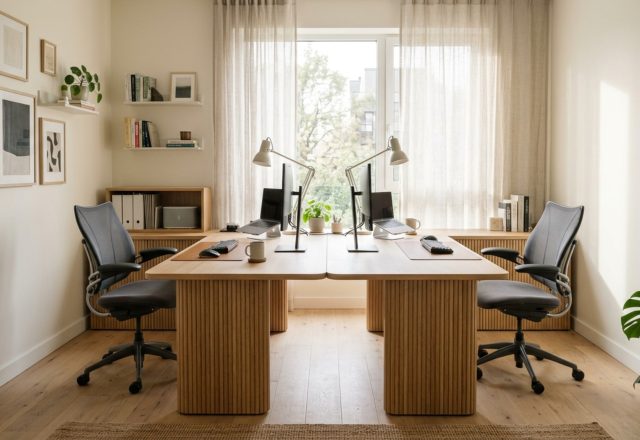
Natural window light dictates the mood. Placing your primary work surface perpendicular to a window cuts down on screen glare while keeping the workspace bright enough for handwriting or reading physical books. Notice how morning light catches the steam rising from a fresh cup of coffee? That fleeting detail beats any artificial desk lamp.
Maintaining an analog workspace takes discipline. Digital notifications will always try to creep back in. But keeping your physical tools simple creates a healthy barrier against constant distraction. How does your current desk make you feel when you sit down in the morning?
Editorial Silo • Recommended Architecture Studies
- The Engineering of Ease: How to Make Contemporary Furniture for High-Performance Urban Living”, description: “Modern living demands a departure from static design; to make contemporary furniture today is to engineer kinetic, multifunctional solutions. This guide introduces the ‘2:1 Rule’ of spatial density—balancing two parts low-profile furniture with one part uninterrupted breathing room. We analyze the ergonomics of ‘cognitive stability,’ integrating hidden power hubs, wireless charging surfaces, and modular footprints that allow a single piece to pivot between a high-focus workspace and a serene sanctuary. — Archival Design Case Study
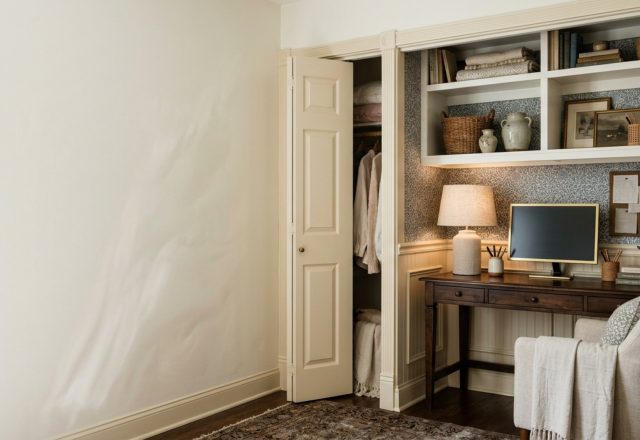
- Grand Closet home office aesthetic styling trends — Archival Design Case Study
Curated Lookbooks & Architectural Studies
- Parisian Entryway Ideas for an Effortless Drop Zone
- How to Style Accent Pillows Like an Interior Designer
- Entryway Mirror Placement: Why the Exit Matters Most
- Styling a Rustic Fireplace Mantel for Timeless Warmth
- Structural Alchemy: Transforming 50 Sq. Ft. Balconies into Architectural Concrete Patios
- How to Style an Entryway Mirror for a Functional Hallway
Curated Visual Lookbook
Design Gallery & Spatial Studies
A visual curation of architectural arrangements, lighting concepts, and material palettes featured in this space.