The Architectural Gravity of Suspension
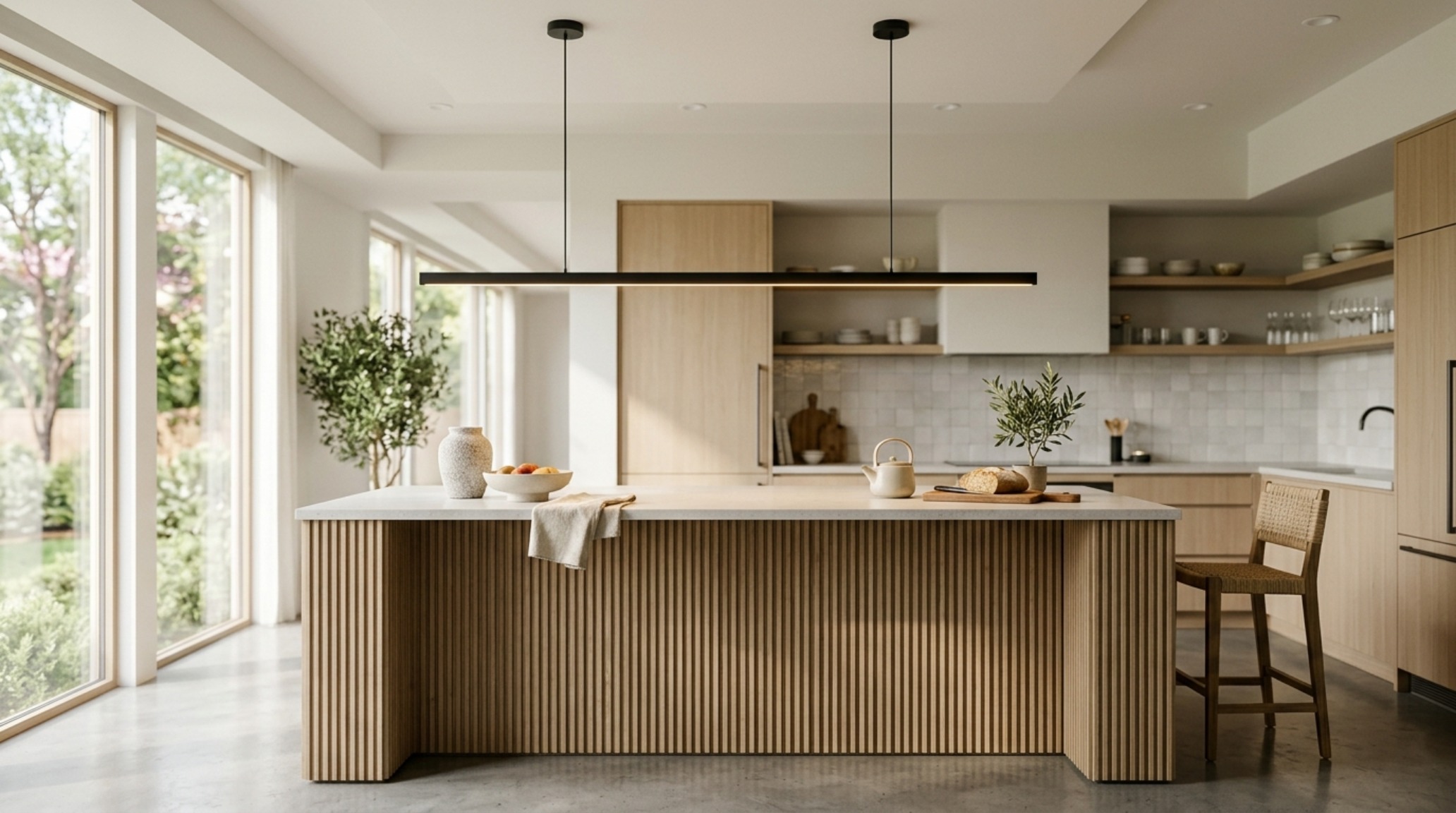
Unique hanging lights function as the definitive anchors of the modern floor plan, asserting a spatial authority that transcends mere illumination to dictate the very flow of movement within a home. In contemporary interior architecture, we no longer view lighting as a secondary layer added during the final stages of a build; instead, it is the primary vertical axis around which furniture, circulation paths, and tactile experiences revolve. When we integrate unique hanging lights into a design, we are engaging in a sophisticated game of height, shadow, and ergonomic precision that can fundamentally alter the perceived volume of a room.
The shift toward multi-functional living has necessitated a more rigorous approach to how we suspend these luminaires. We are moving away from static, centered pendants toward dynamic, adjustable systems that prioritize the human experience. Whether it is a kitchen island that doubles as a homework station or a studio apartment where the dining area must disappear into the living zone, the placement of light is the most powerful tool for zone definition without the need for physical barriers or heavy partitions.
Small Space Unique Hanging Lights: Reclaiming the Vertical Plane
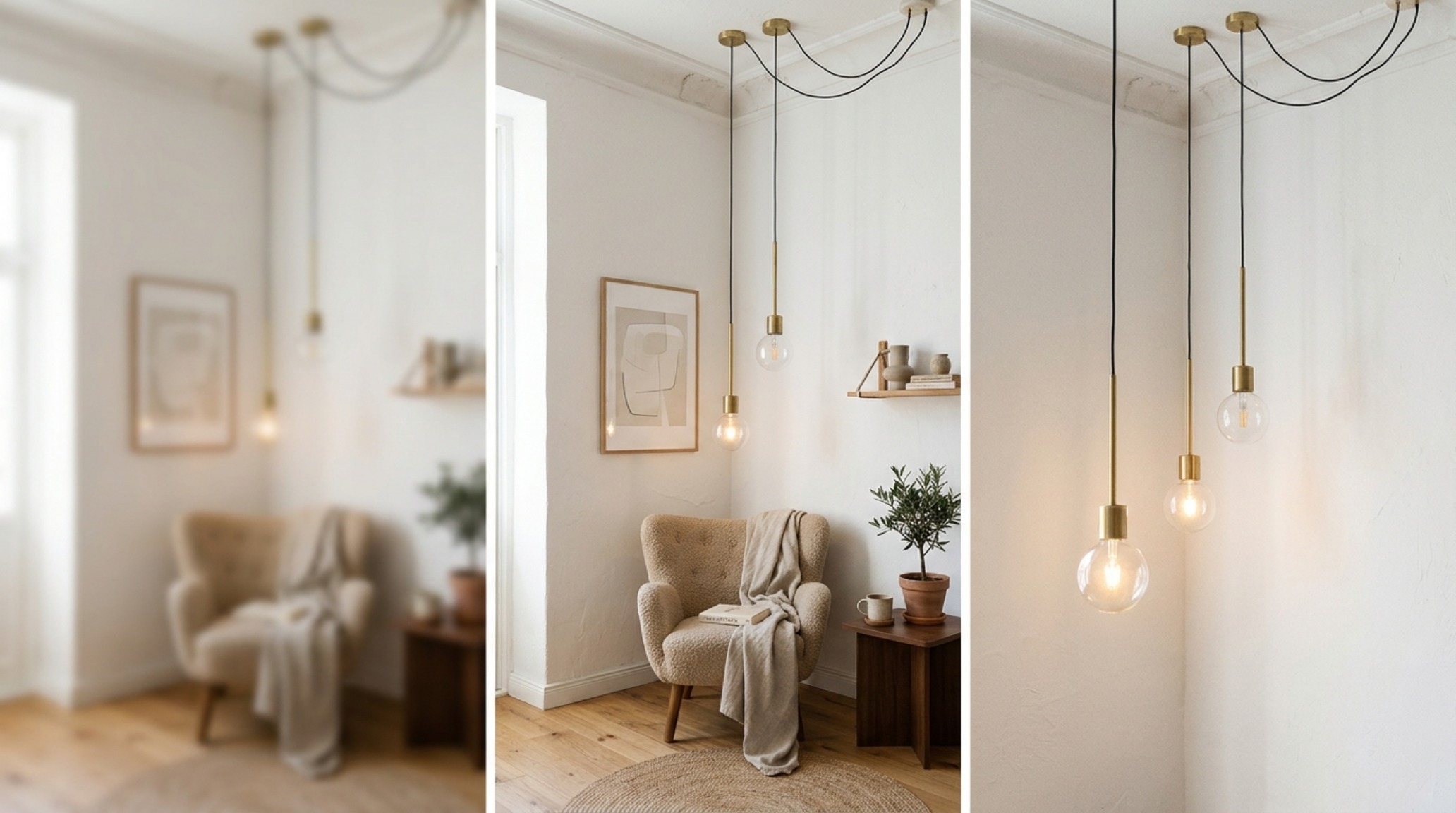
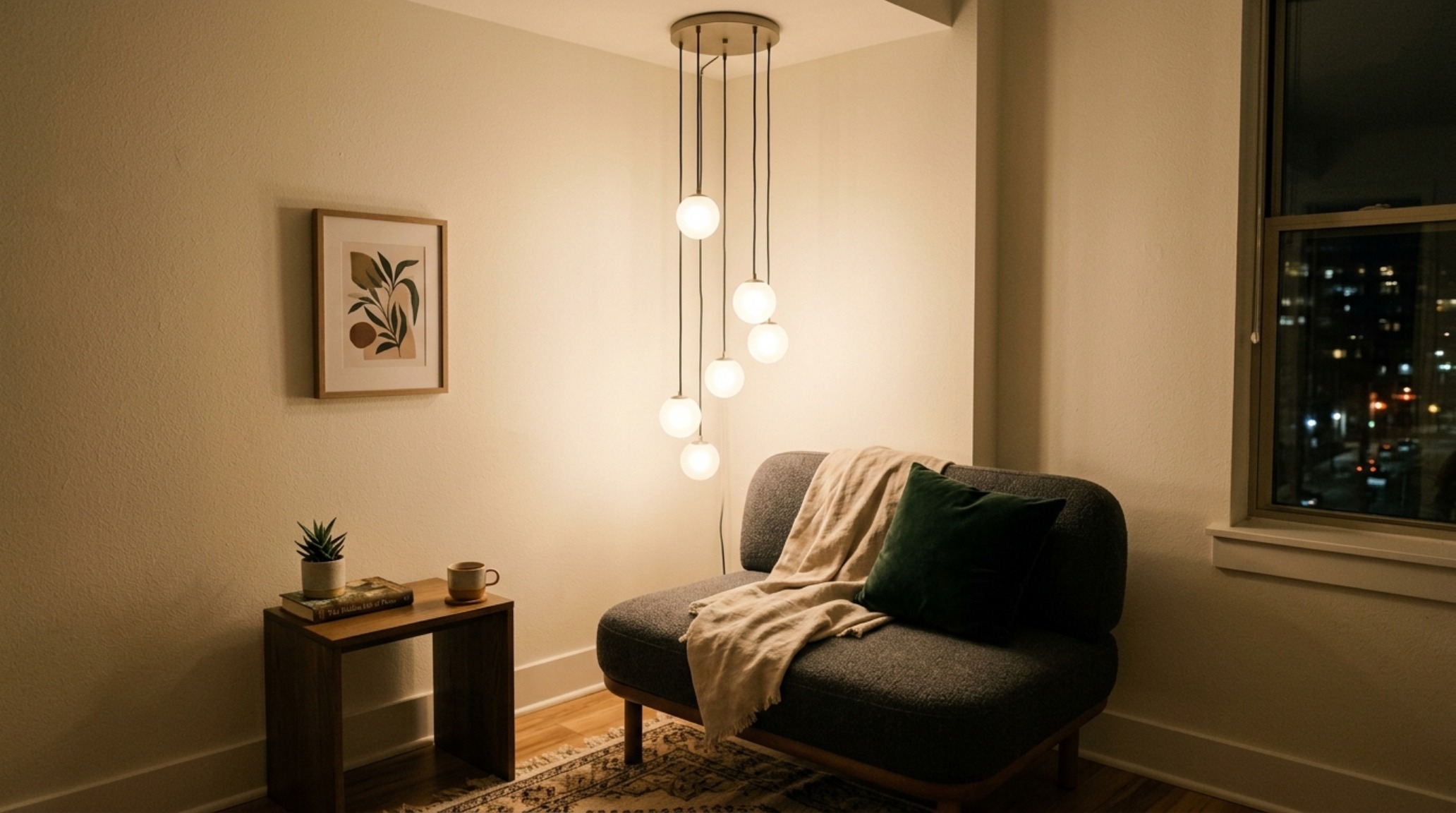
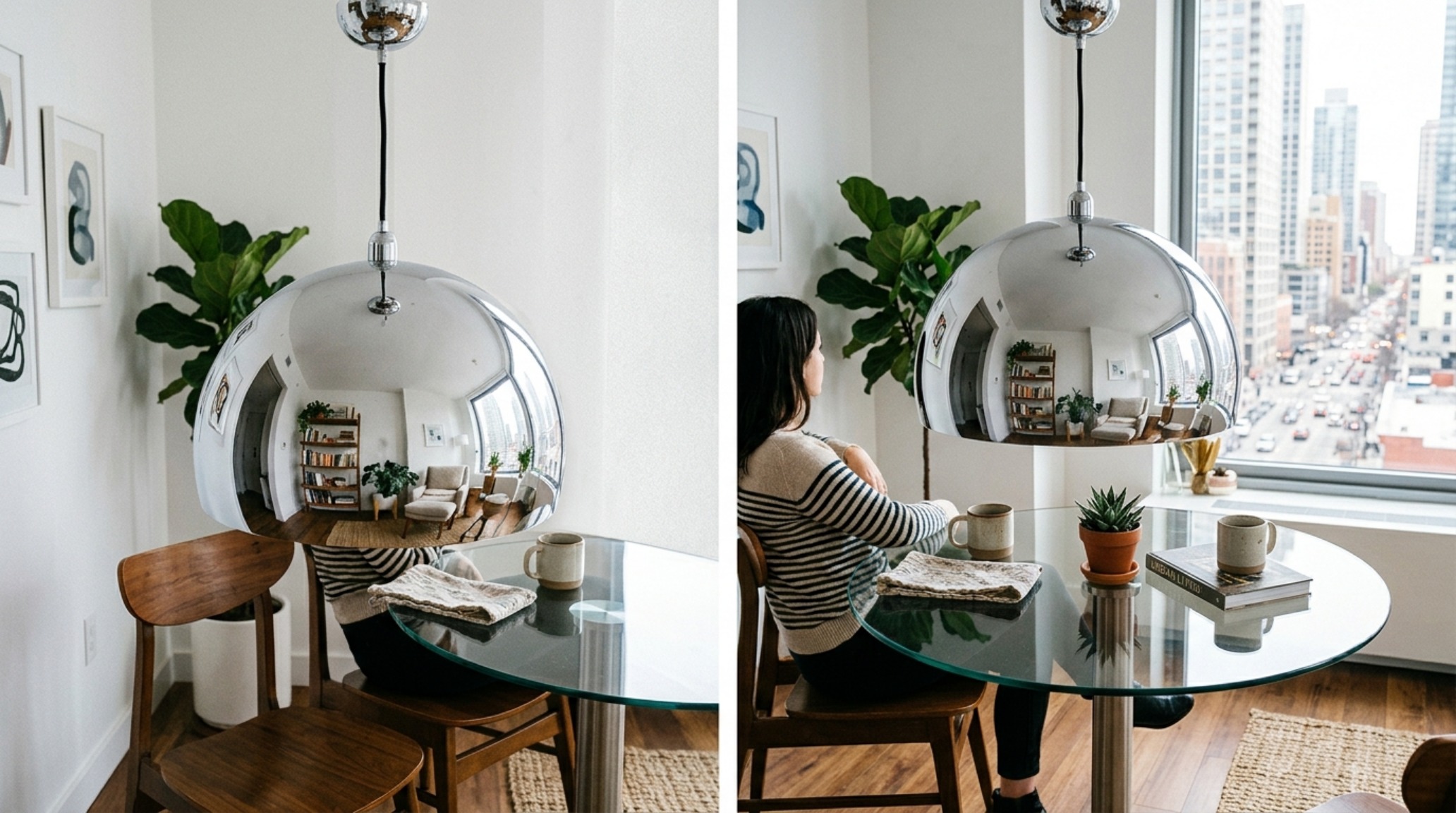
In environments where square footage is at a premium, the floor is sacred. By utilizing small space unique hanging lights, we effectively lift the visual weight of a room upward, drawing the eye toward the ceiling and creating the illusion of expanded volume. The secret lies in the ‘pendulum effect’—choosing fixtures with slender, elongated suspension cables that emphasize verticality. A common mistake in compact apartments is opting for flush-mount fixtures that truncate the ceiling; conversely, a thoughtfully dropped pendant creates a sense of intimacy and architectural intent.
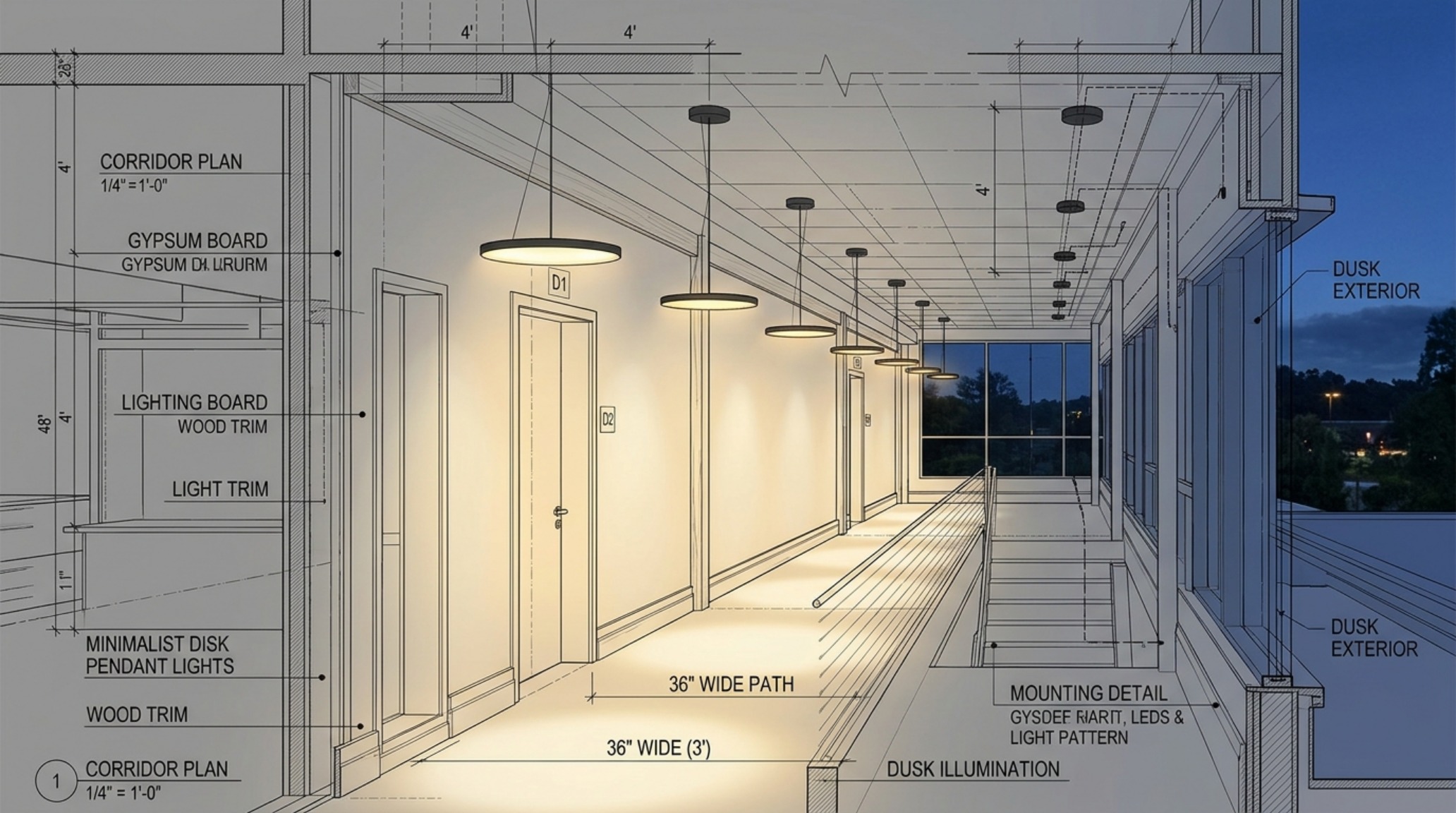
From an ergonomic perspective, these lights must respect the 36-inch rule. Standard circulation paths require a minimum of 36 inches of clearance for comfortable movement. When a pendant is suspended over a walkway, it should maintain a bottom-of-fixture height of at least 84 inches from the floor to avoid visual obstruction or physical contact. However, when those same unique hanging lights are positioned over a fixed piece of furniture, such as a side table or a kitchen counter, we can drop them much lower—often to 30 or 34 inches above the surface—to create a localized ‘pool of light’ that feels grounded and deliberate.
Spatial Perspectives & Material Curation: The Tactile Language of Light
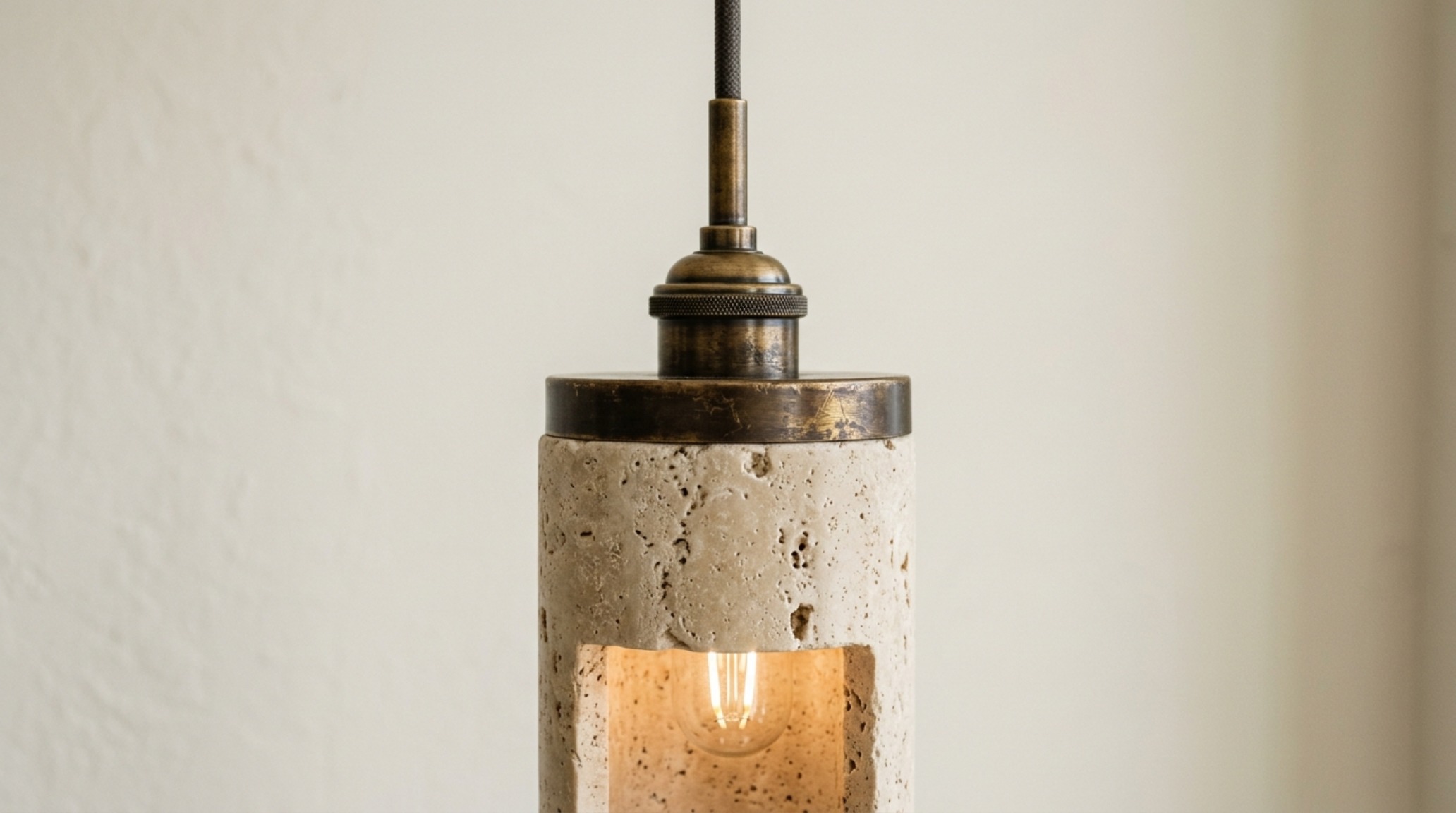
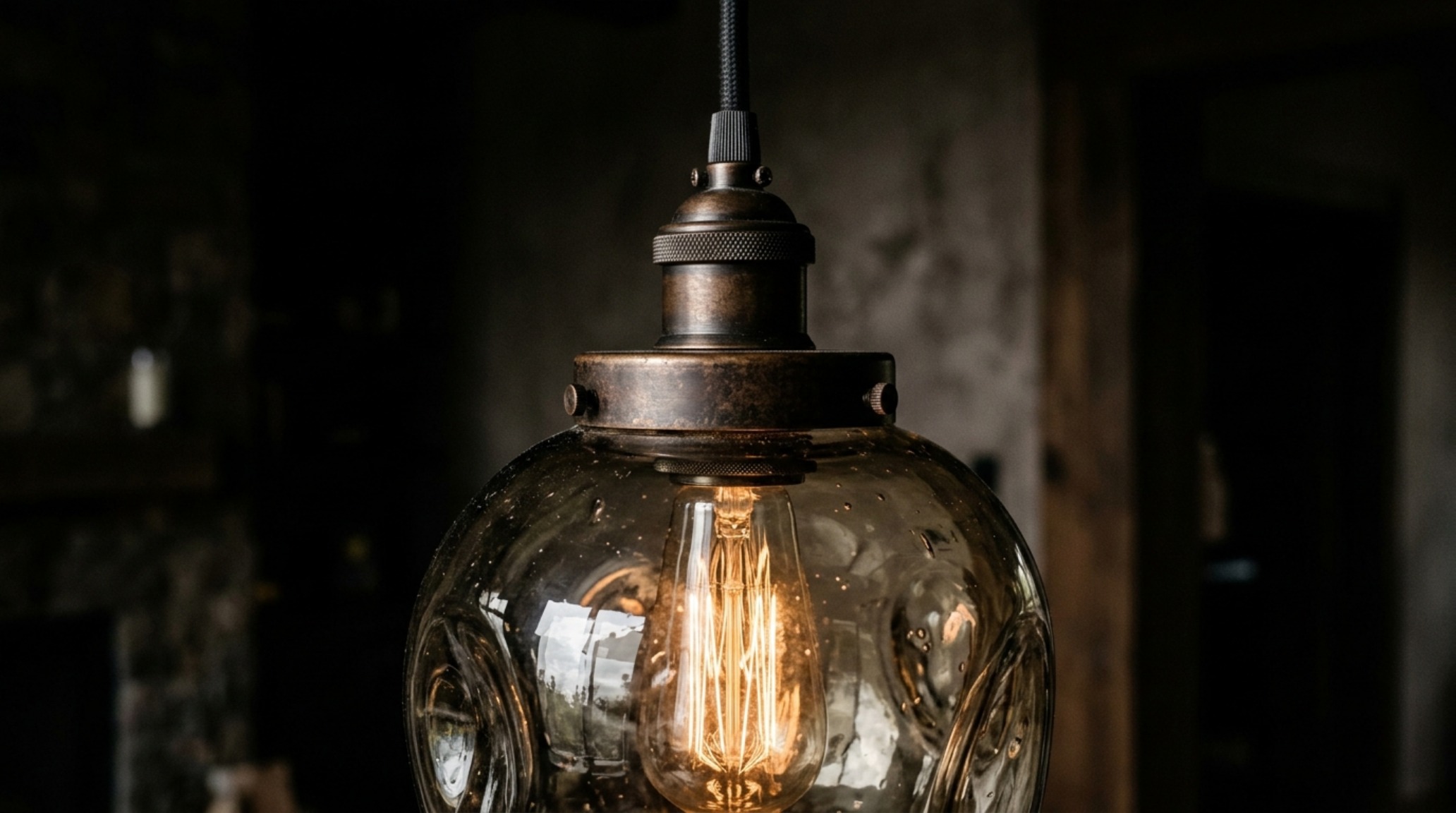
The materiality of a luminaire is the bridge between the architecture and the occupant. We often speak of ‘tactile grounding,’ the idea that even if we do not touch the light fixture, its material composition communicates a sense of weight and permanence. In luxury unique hanging lights textures, we see a resurgence of ‘honest’ materials—honed travertine, fluted white oak, and hand-rubbed bronze. These materials absorb and reflect light differently than mass-produced plastics, providing a richness that elevates the entire room.
Consider the interplay between light and paint. A fixture crafted from warm brass will glow with heightened intensity when set against a backdrop of Benjamin Moore Swiss Coffee (OC-45), a creamy white that lacks the harshness of blue undertones. If you are aiming for a more intimate, atmospheric setting, a fixture with a matte charcoal finish paired with Farrow & Ball Setting Plaster (No. 231) creates a sophisticated, dusty-rose-meets-terracotta warmth that feels timeless. The goal is to create a dialogue between the fixture’s texture and the wall’s finish, ensuring that the light doesn’t just illuminate the space, but interacts with it.
Unique Hanging Lights Lighting Guide: Technical Precision for Daily Life
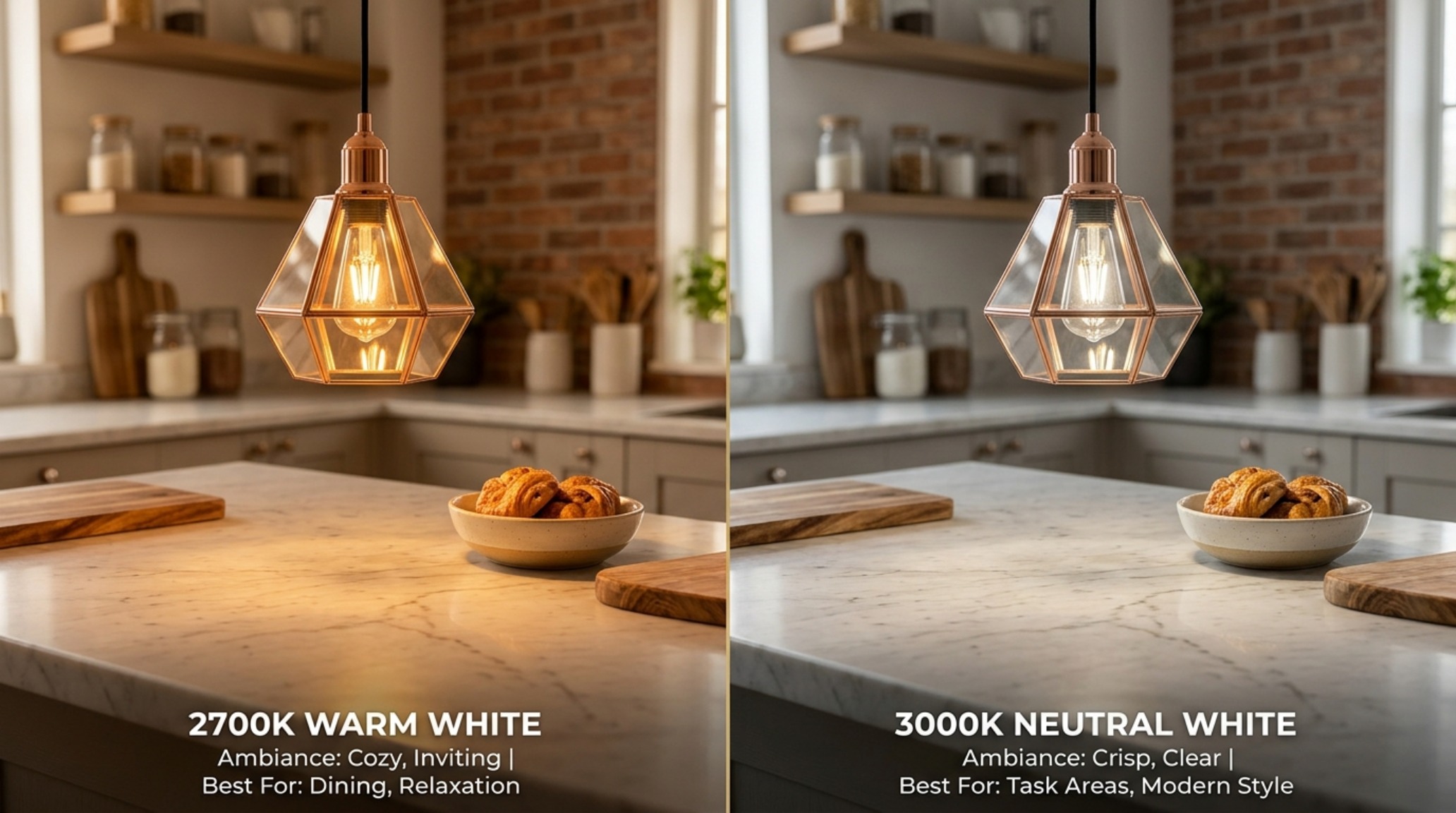
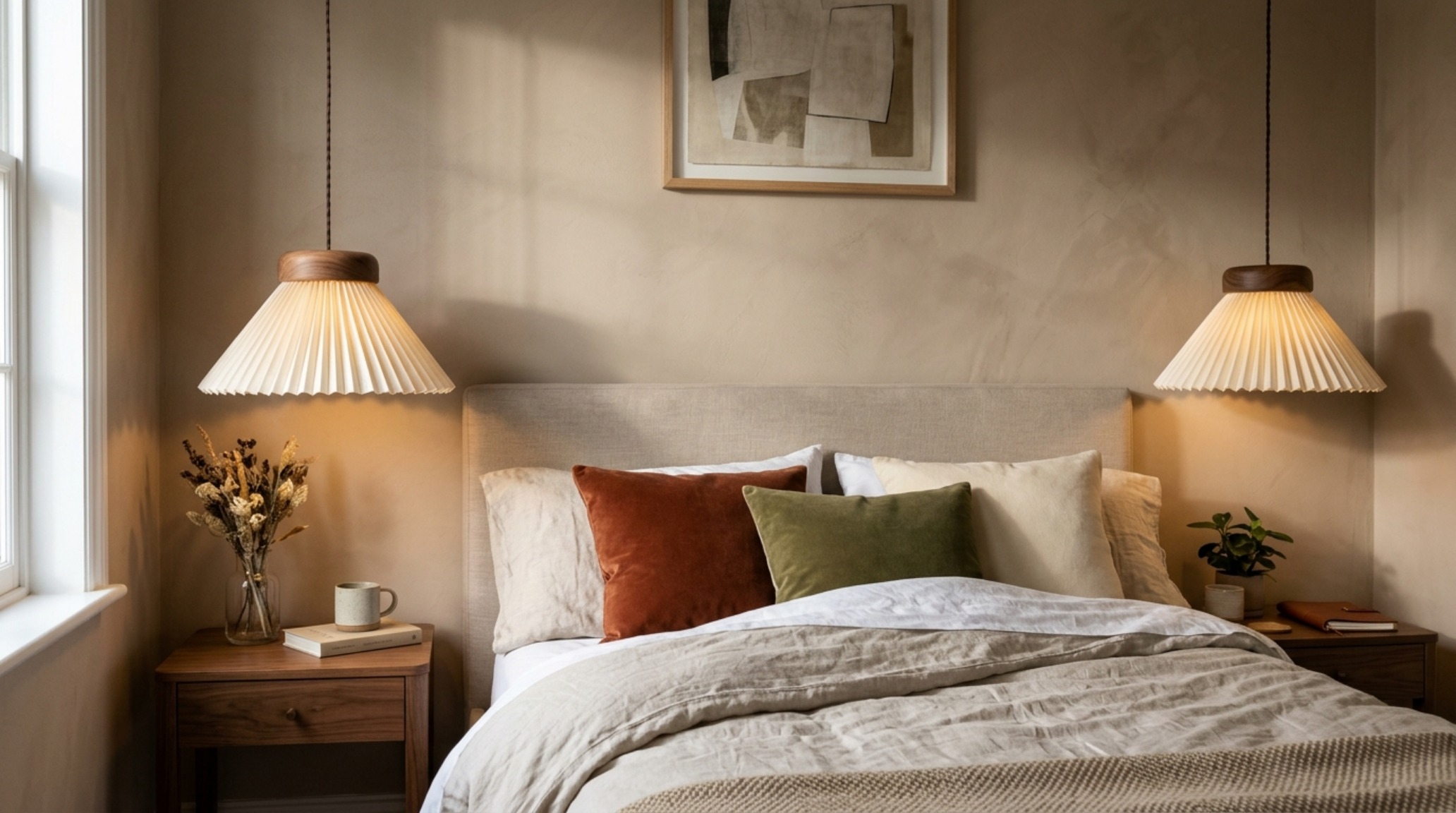
Design is nothing without performance. A unique hanging lights lighting guide must address the technical nuances of Kelvin temperatures and Color Rendering Index (CRI) ratings. For residential settings, we almost exclusively specify 2700K for ambient areas. This mimics the warm, comforting glow of traditional incandescent bulbs. However, for task-oriented zones—the kitchen island or the home office—a shift to 3000K provides a crisper, more focused light that aids concentration without feeling clinical.
Equally vital is the CRI. In high-end design, we look for a CRI of 90 or higher. This ensures that the colors of your food, your art, and your own skin tone are represented accurately. Cheap LED integrated pendants often have a low CRI, resulting in a ‘flat’ or greenish cast that can make even the most expensive interiors look dull. When selecting your fixtures, always inquire about the light source’s ability to render the full spectrum of color, especially if the light is suspended near a dining table or a vanity.
Modern Unique Hanging Lights Ideas: Multi-functional Integrations
As our homes become more fluid, our lighting must follow suit. One of the most compelling modern unique hanging lights ideas involves the integration of storage and greenery into the fixture itself. We are seeing ‘chandelier-shelving’ hybrids where the light source is embedded within a hanging metal frame that can hold indoor plants or culinary herbs. This serves two purposes: it provides essential task lighting while also introducing biophilic elements that improve air quality and mental well-being.
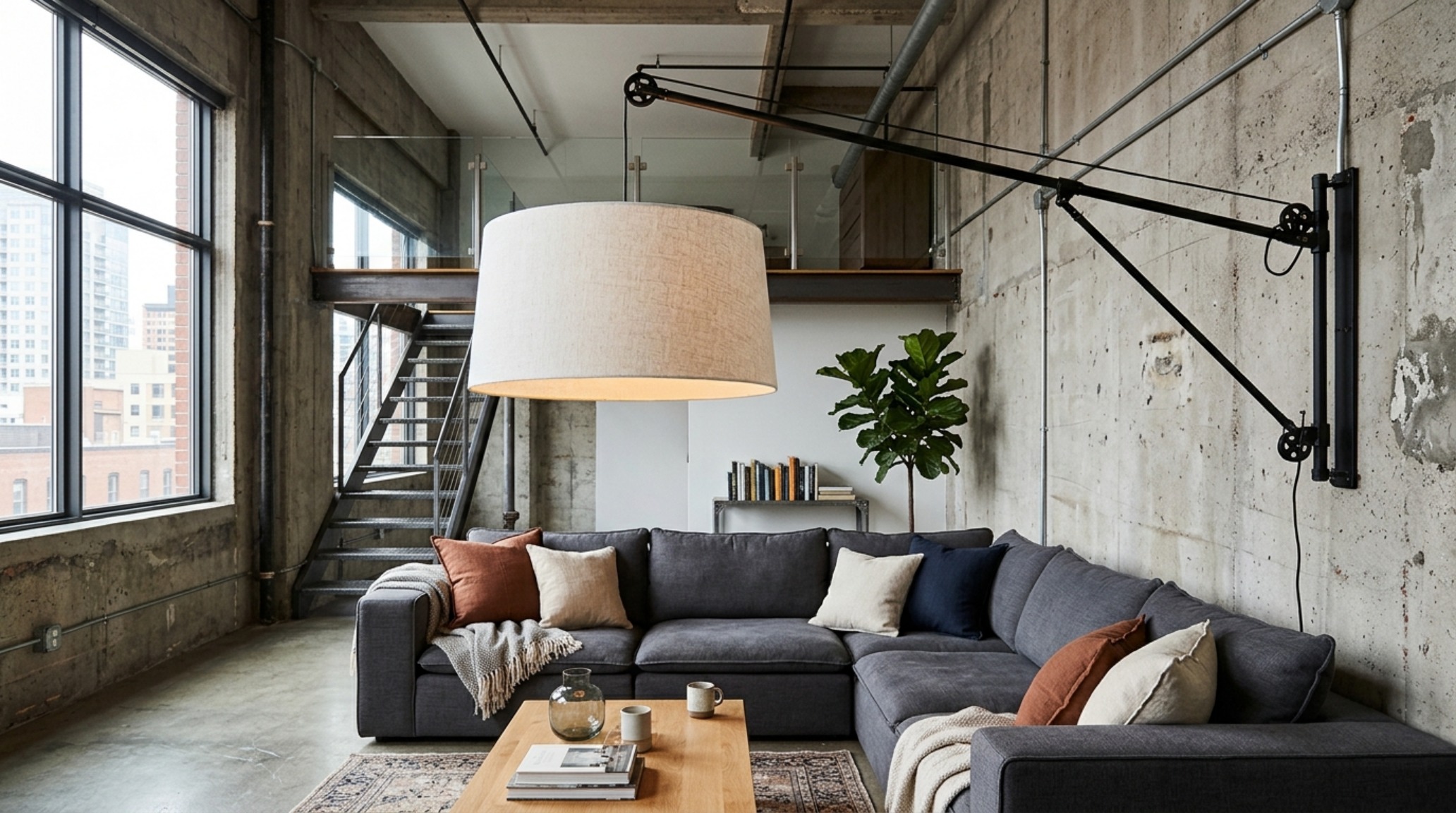
Another ergonomic hack is the use of ‘swing-arm’ pendants or track-mounted suspensions. These allow the light to move with the user. If you are hosting a dinner party and need to extend your table, a light on a sliding track can be repositioned in seconds to maintain its center-point alignment. This flexibility is the hallmark of modern luxury—the ability for the environment to adapt to the inhabitant rather than the other way around. It removes the static nature of traditional wiring and replaces it with a dynamic, user-centric system.
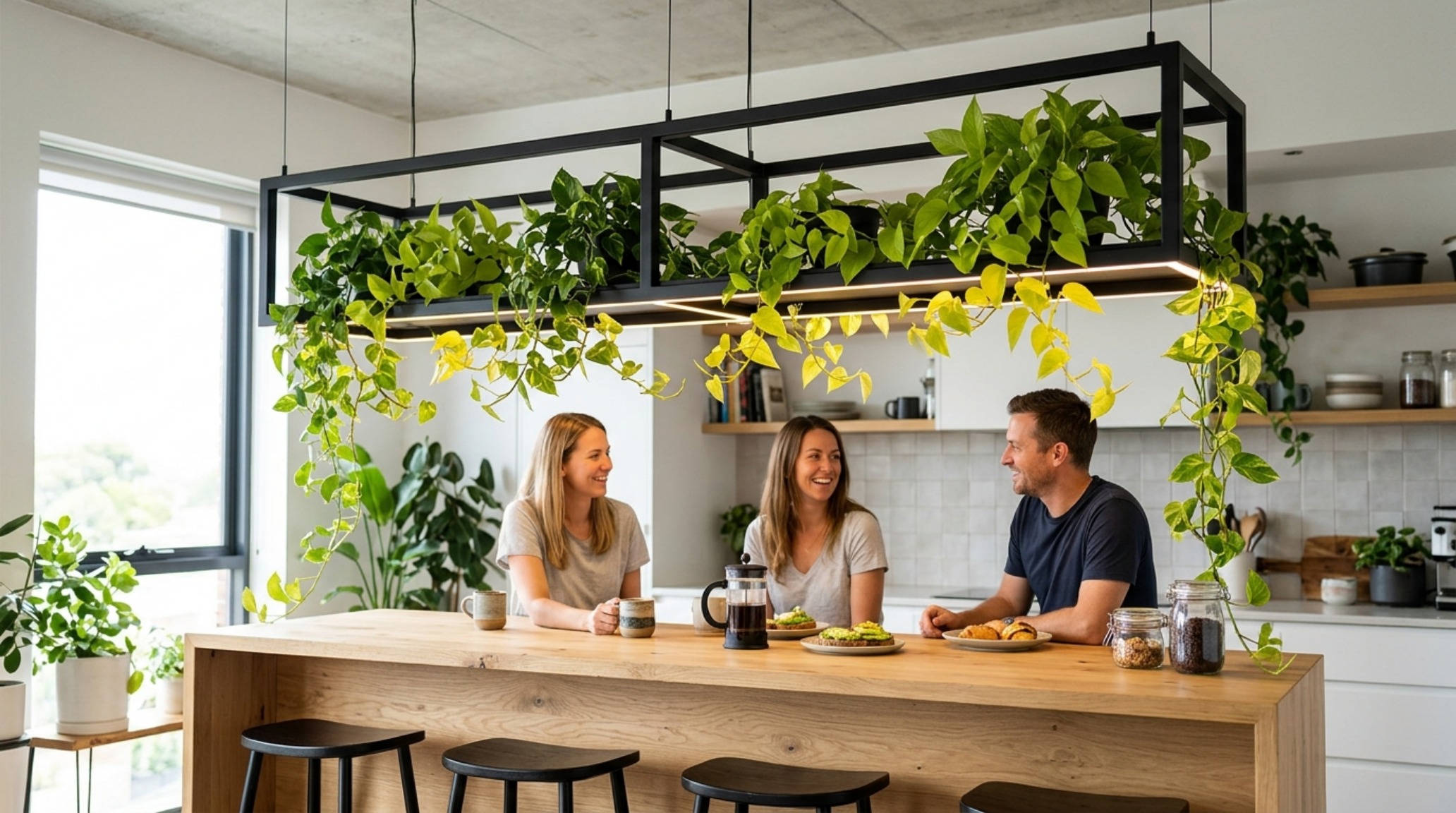
The Ergonomics of Dining and Conversation
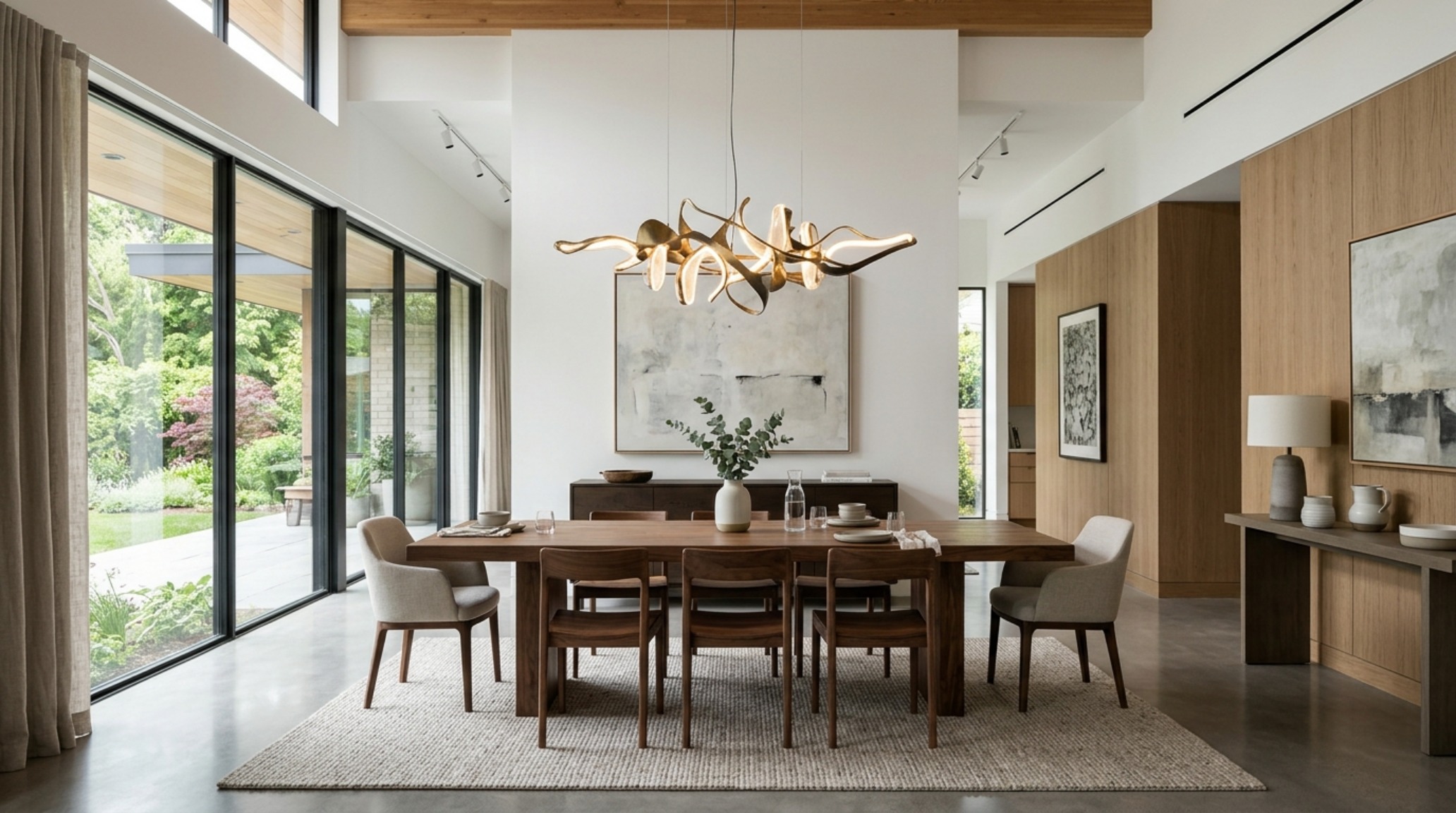
In the dining room, unique hanging lights are the silent facilitators of conversation. The placement here is a science: too high, and the room feels disconnected; too low, and you create a visual barrier between guests. The sweet spot is generally 30 to 36 inches above the tabletop. This height allows for clear sightlines across the table while still providing that intimate ‘tent’ of light that makes people feel sheltered and relaxed.
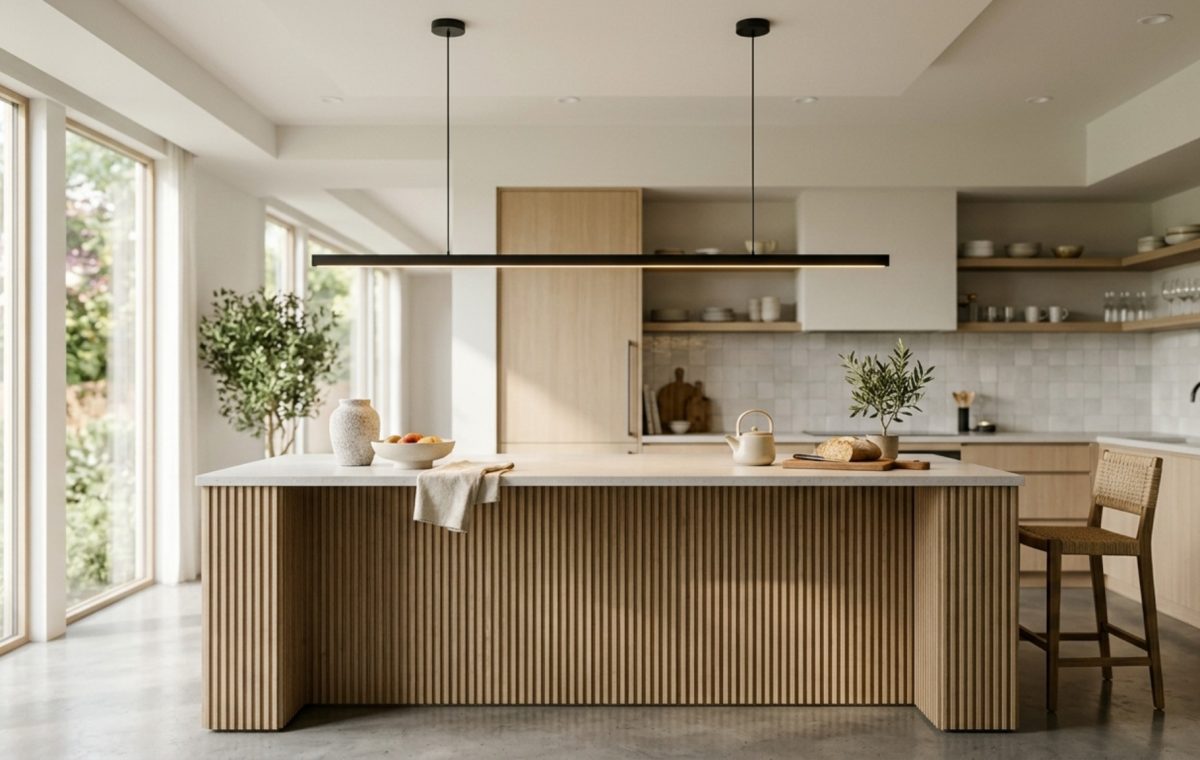
Scale also plays a massive role in ergonomic comfort. A light that is too small for a large table will look ‘lost’ and fail to provide adequate coverage, leading to eye strain. A good rule of thumb is that the diameter of the hanging light should be approximately one-half to two-thirds the width of the table. For a long rectangular table, linear suspension lights or a series of smaller pendants are more effective at distributing light evenly than a single round fixture. This prevents the ‘dark corners’ effect and ensures that every guest—and every dish—is equally well-lit.
Curated Materiality & Technical Dimensions Guide
Architectural summary of tactile material selections, lighting specifications, and spatial ergonomics.
Mastering the use of unique hanging lights is ultimately an exercise in empathy—designing for how people actually inhabit a room. It is about understanding that a light is not just an object but a rhythmic pulse in the spatial cadence of a home. By balancing the rigors of architectural clearances with the warmth of tactile materiality, we create spaces that feel both effortless and profoundly intentional. As we continue to rethink the boundaries of our living environments, let the light lead the way, carving out pockets of clarity and comfort in the ever-shifting landscape of modern life.
Editorial Silo • Recommended Architecture Studies
- The Ergonomic Blueprint: Decoding Functional Mastery in Professional House Design Blogs — Archival Design Case Study
- Ergonomic Mastery: Functional & Space-Saving Hacks for Interior Design Advice — Archival Design Case Study
Spatial Inspiration Album
An editorial archive chronicling proportions, bespoke architectural joinery, and tranquil daylighting.
Curated Visual Lookbook
Design Gallery & Spatial Studies
A visual curation of architectural arrangements, lighting concepts, and material palettes featured in this space.