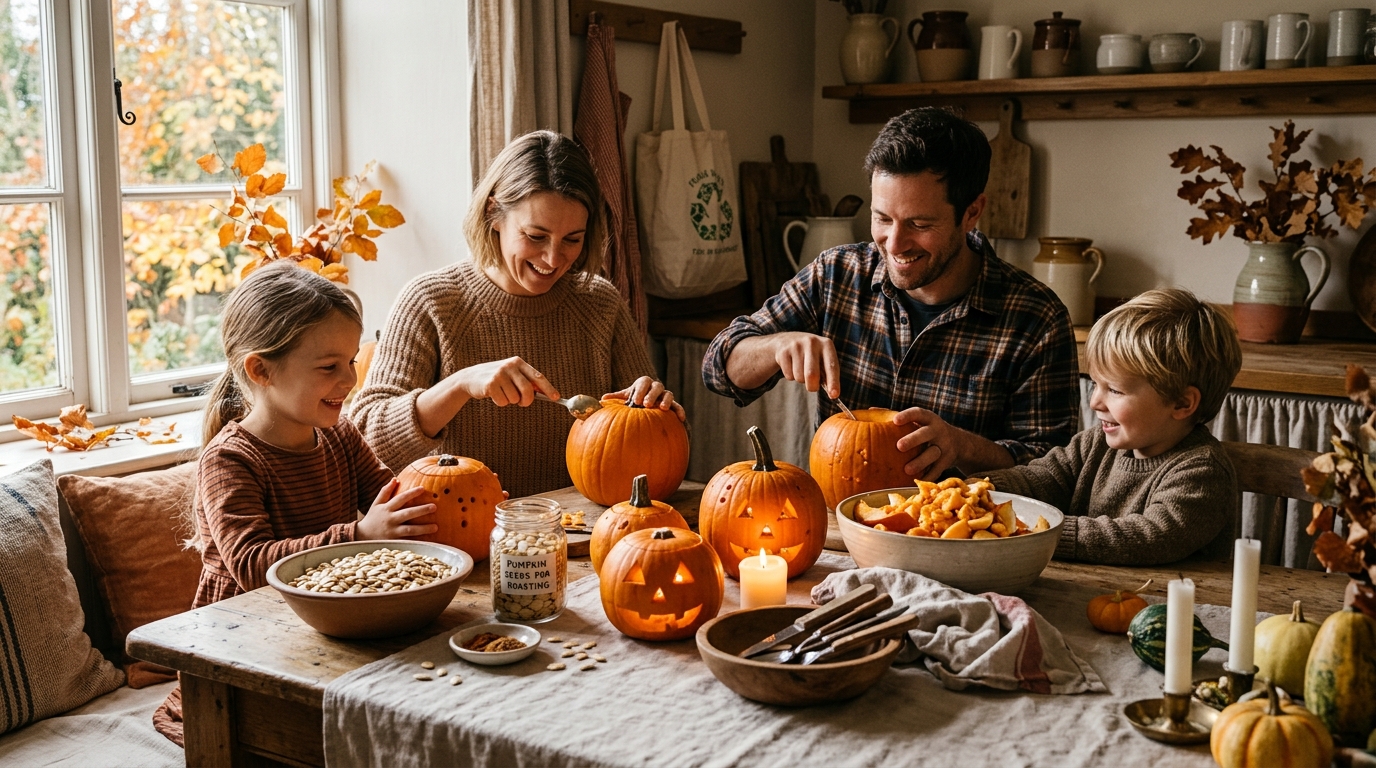
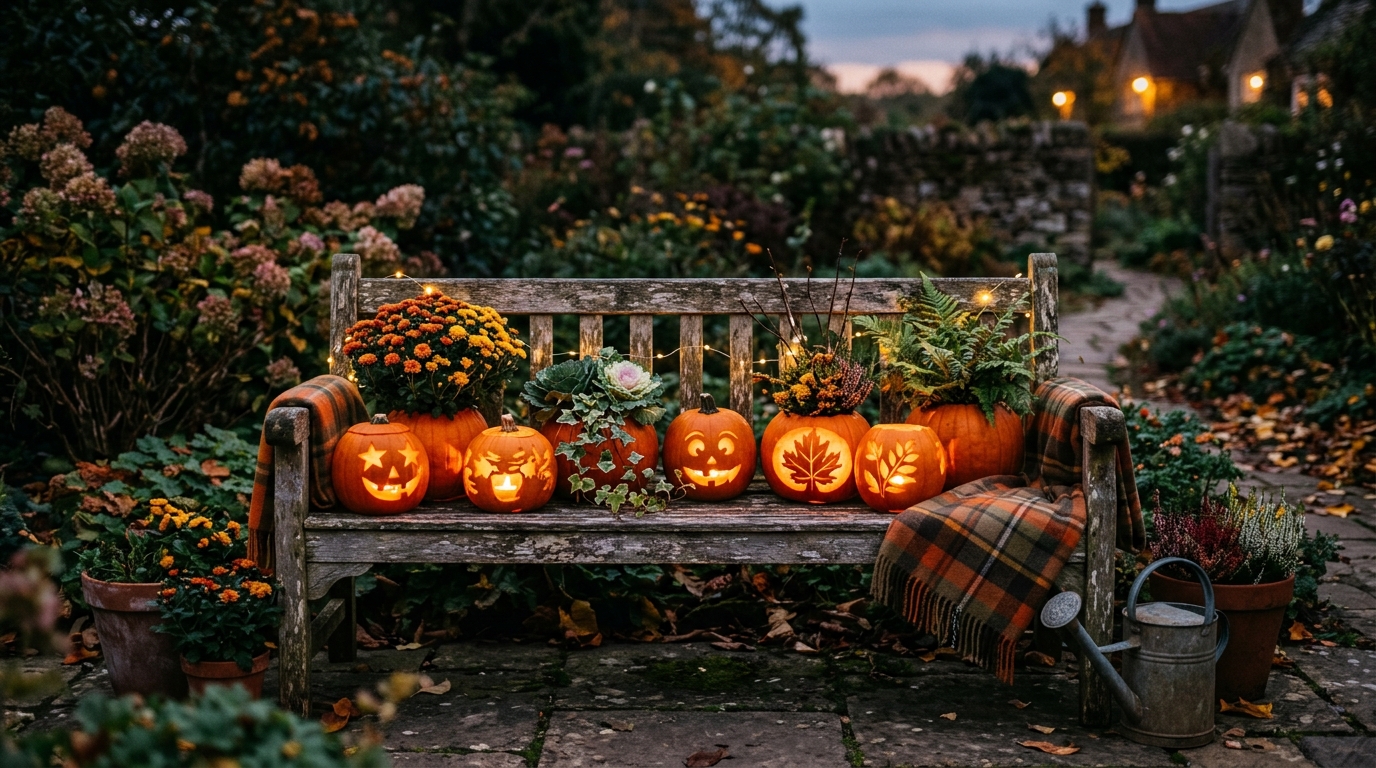
Every October, millions of orange globes are trucked across the country, destined for a fleeting, forty-eight-hour lifespan on a suburban porch. We slice into them with kitchen knives, carve jagged, toothy grins, and watch them collapse into a moldy heap within days. While the traditional list of halloween pumpkin carving ideas focuses on aesthetics and pop-culture references, there is a growing, more sophisticated movement in interior design that asks a vital question: why are we treating nature as disposable? The ‘Functional Gourd’ philosophy is not just a trend; it is a counter-intuitive shift toward zero-waste decor that treats the pumpkin not as a canvas for a scary face, but as a temporary, organic vessel for functional home accents.
The Ephemeral Tragedy: Moving Past Disposable Decor
The standard approach to Halloween decor is often one of excess. We buy plastic skeletons, synthetic spiderwebs, and then we treat the organic pumpkin as if it were just another piece of plastic. In reality, the gourd is a marvel of nature’s engineering—durable, watertight, and aesthetically rich. By shifting our perspective from ‘scary’ to ‘sustainable,’ we can transform the act of carving from a chore of waste into a ritual of seasonal stewardship. Instead of following the hundreds of generic carving templates found online, we should be looking at the structural integrity of the pumpkin and asking how it can serve our homes long after the trick-or-treaters have gone.
The Vessel Philosophy: Rethinking the Gourd as Functional Art
In the world of high-end interior design, the concept of the ‘vessel’ is sacred. It represents containment, life, and utility. When we apply this to Halloween, the carving process becomes an exercise in product design. Instead of removing the ‘guts’ and tossing them in the trash, we are preparing a container. This approach requires a different set of halloween pumpkin carving ideas—ideas that prioritize the top opening, the thickness of the walls, and the potential for the gourd to hold soil, liquid, or seed.
The Living Centerpiece: Pumpkins as Organic Planters
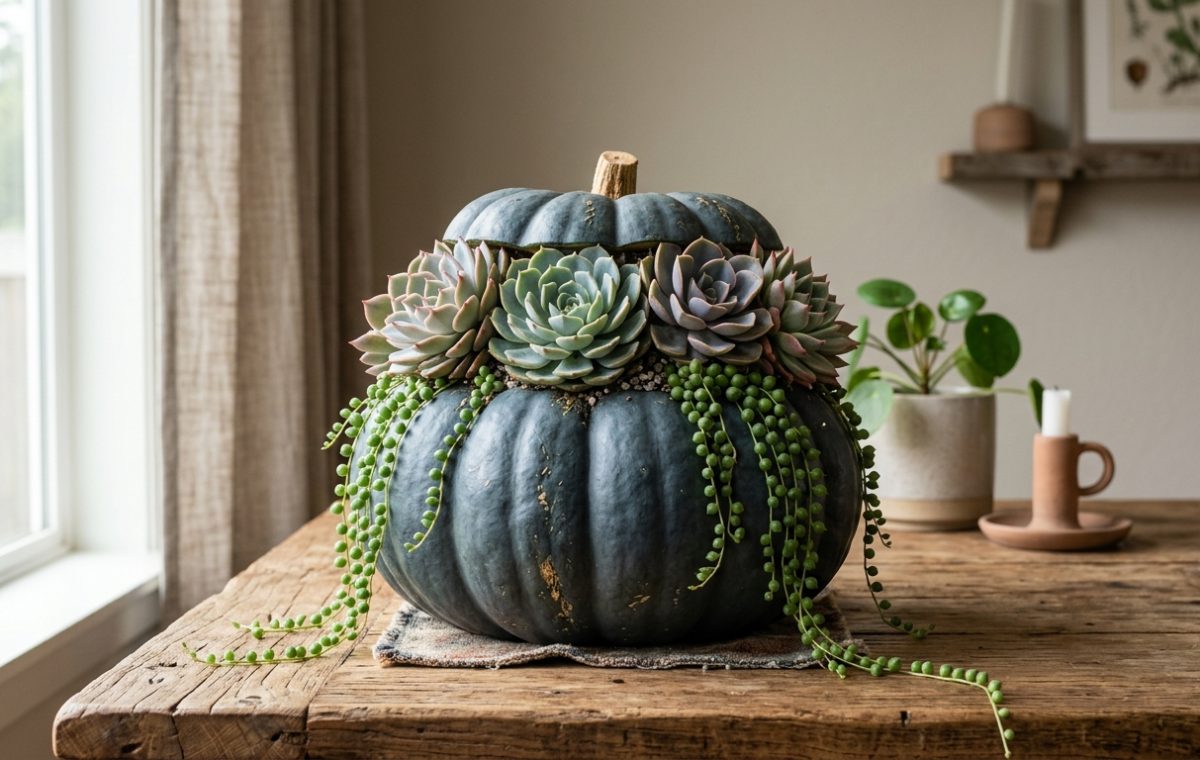
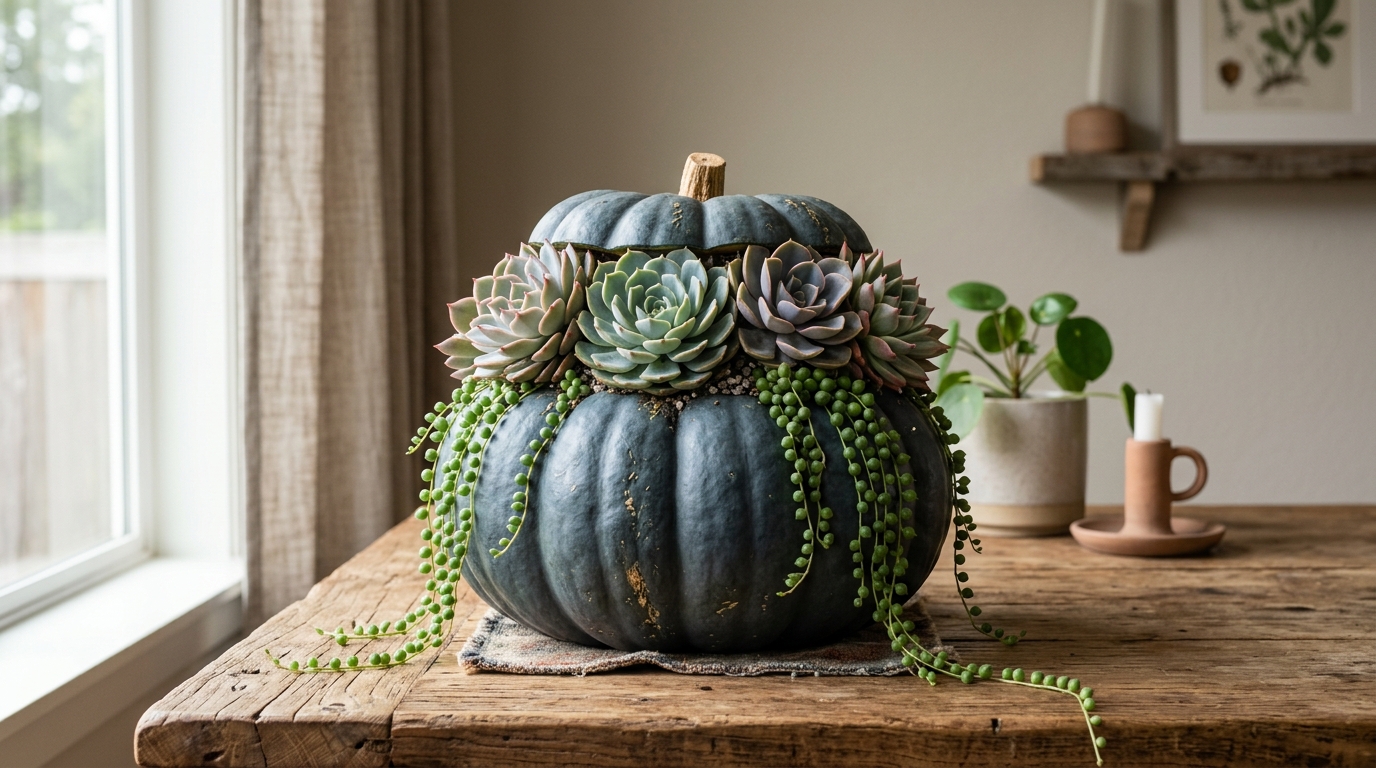
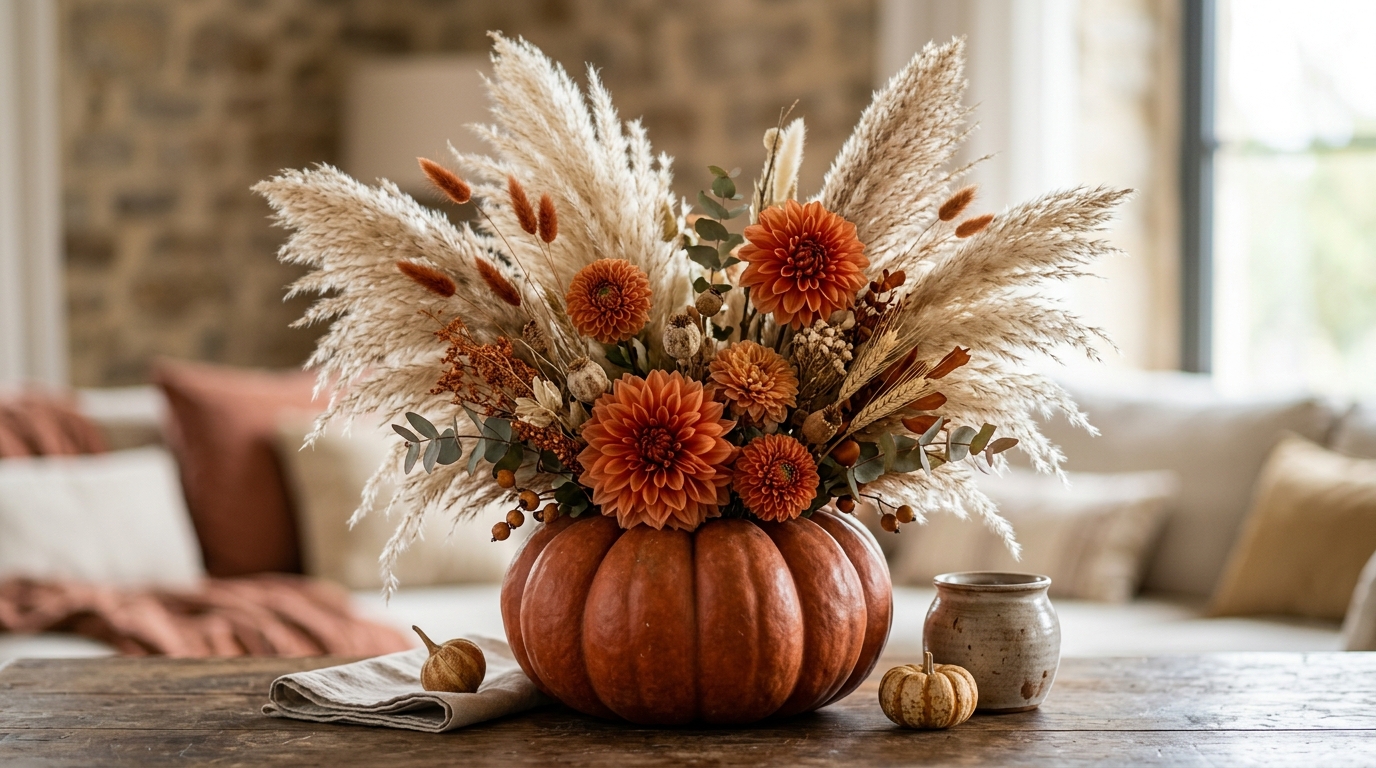
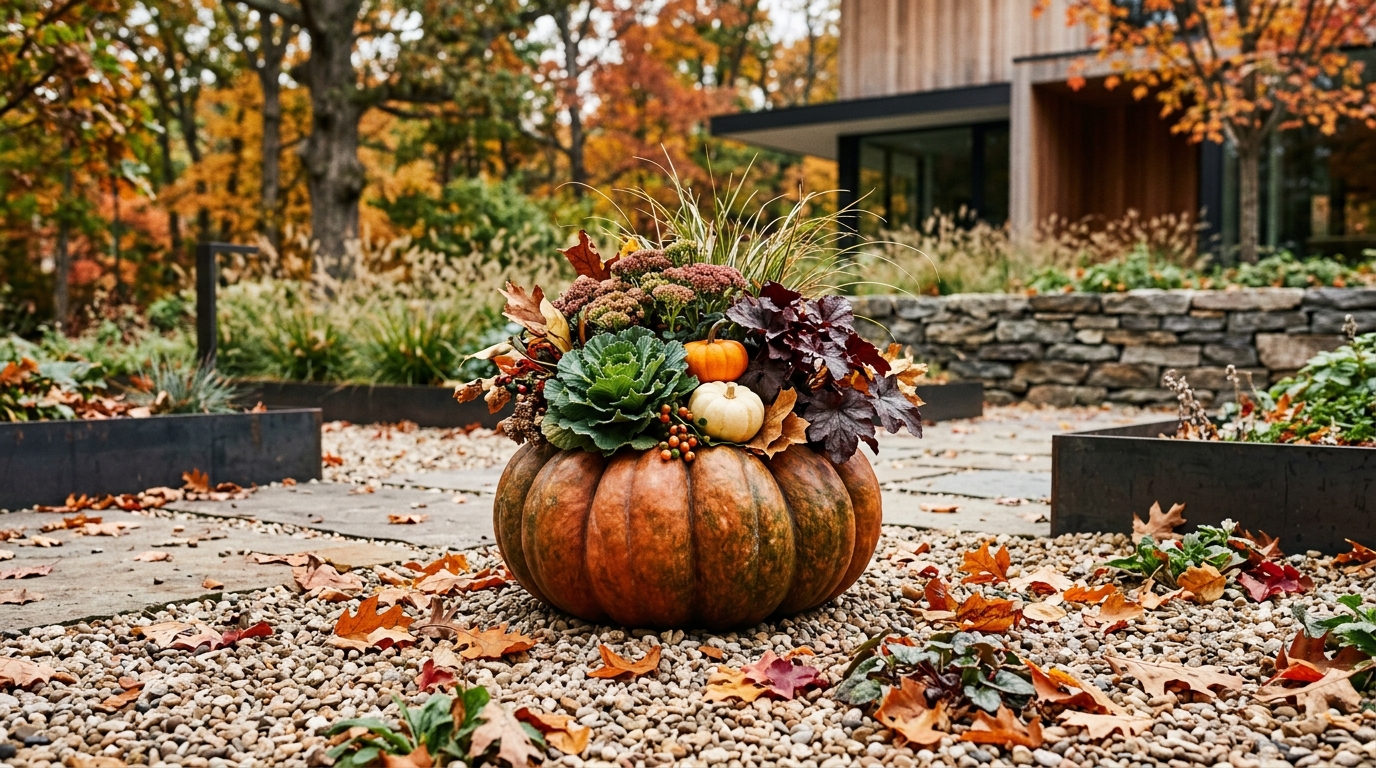
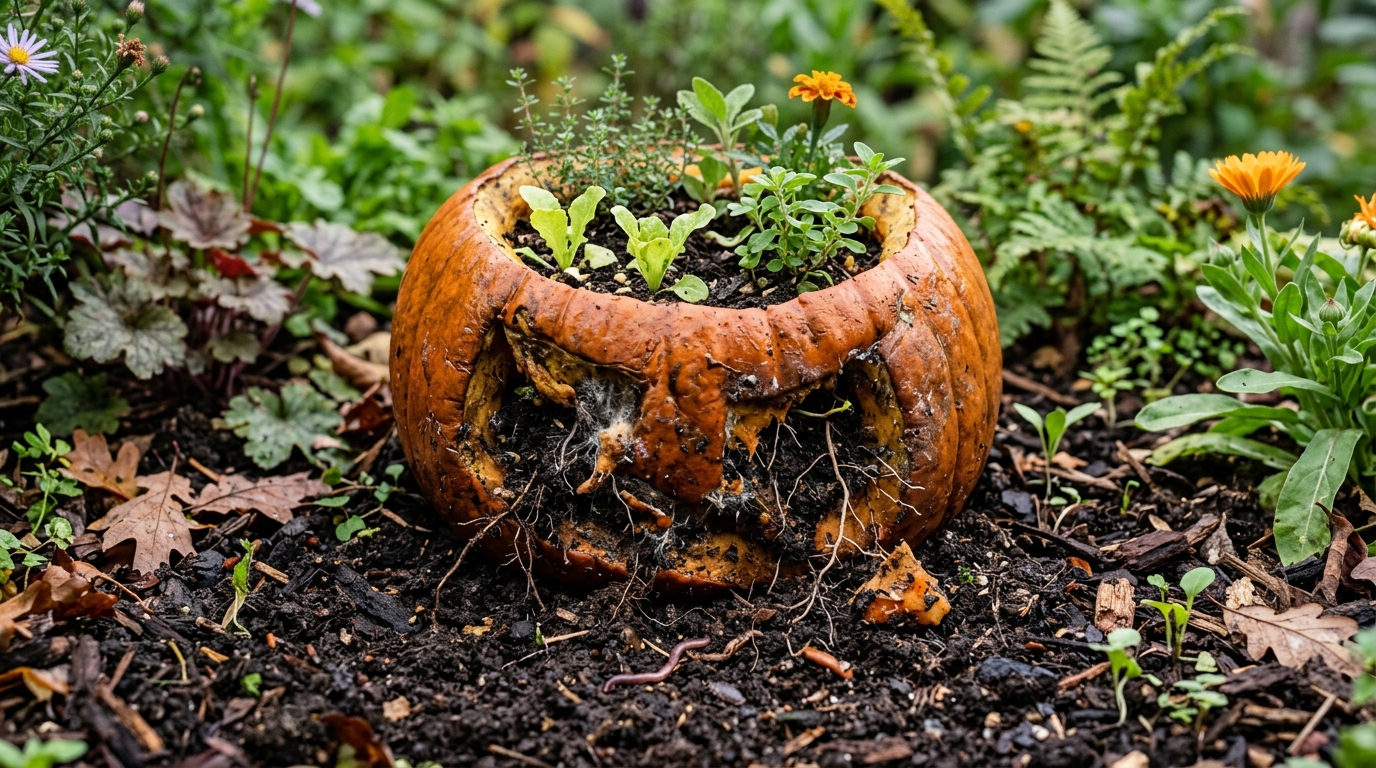
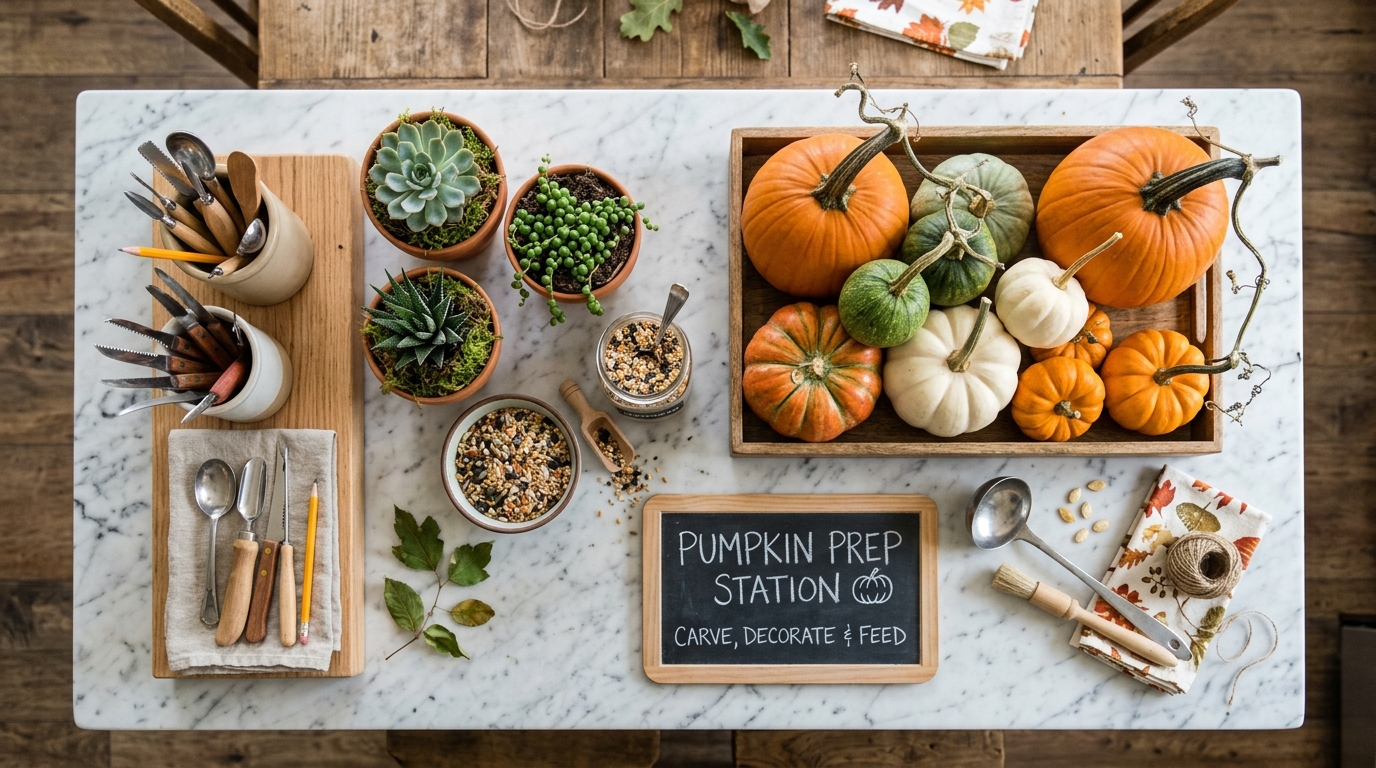
Perhaps the most elegant application of the functional gourd is the succulent planter. Unlike a traditional jack-o’-lantern where the focus is on the face, the pumpkin planter focuses on the crown. By removing the top third of the pumpkin and filling it with a nutrient-rich potting mix, you create a striking, autumnal vessel for echeveria, sedum, and trailing ivy. The orange of the gourd provides a stunning color-theory contrast to the muted greens and purples of succulents. This isn’t just a decoration; it’s a living arrangement that can transition from your dining table to your garden once the pumpkin begins to soften, providing natural fertilizer for the plants it once housed.
Culinary Sophistication: The Edible Serving Bowl
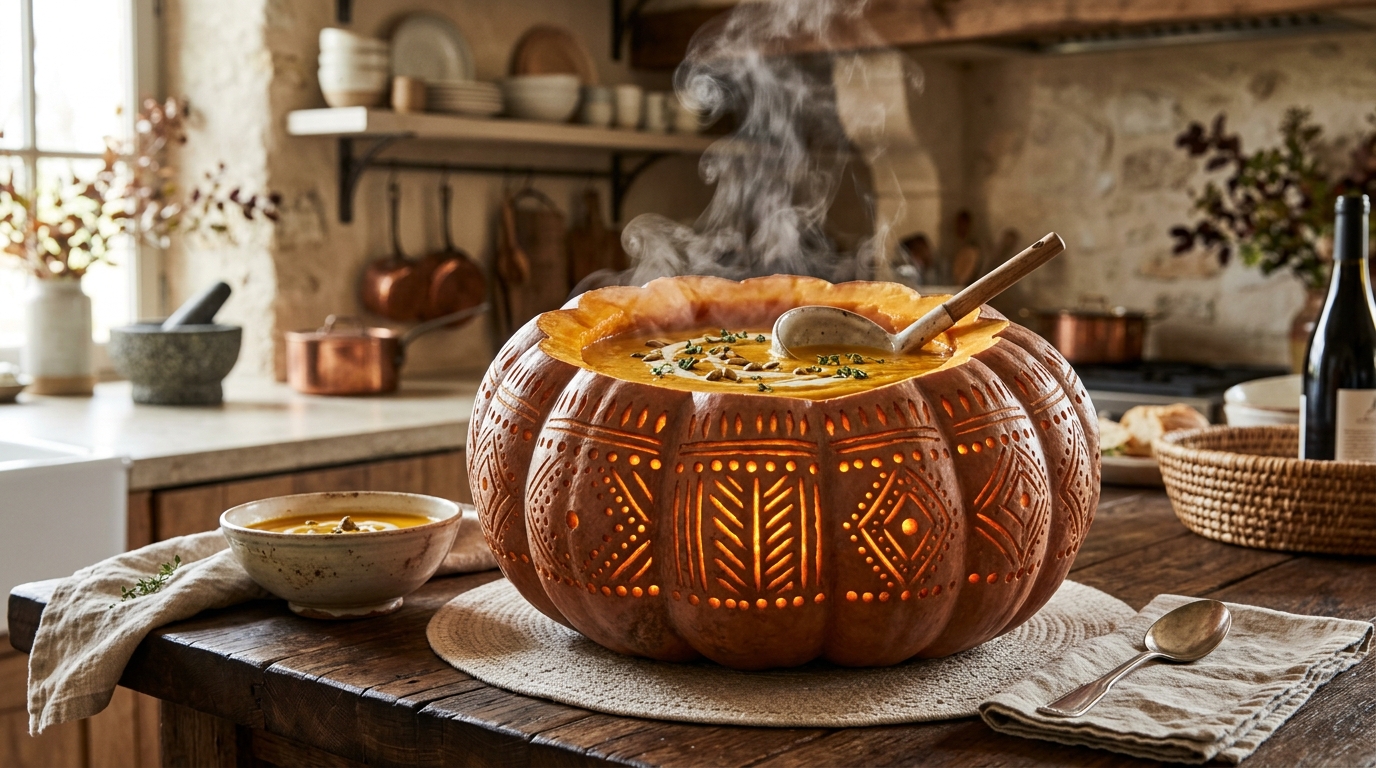
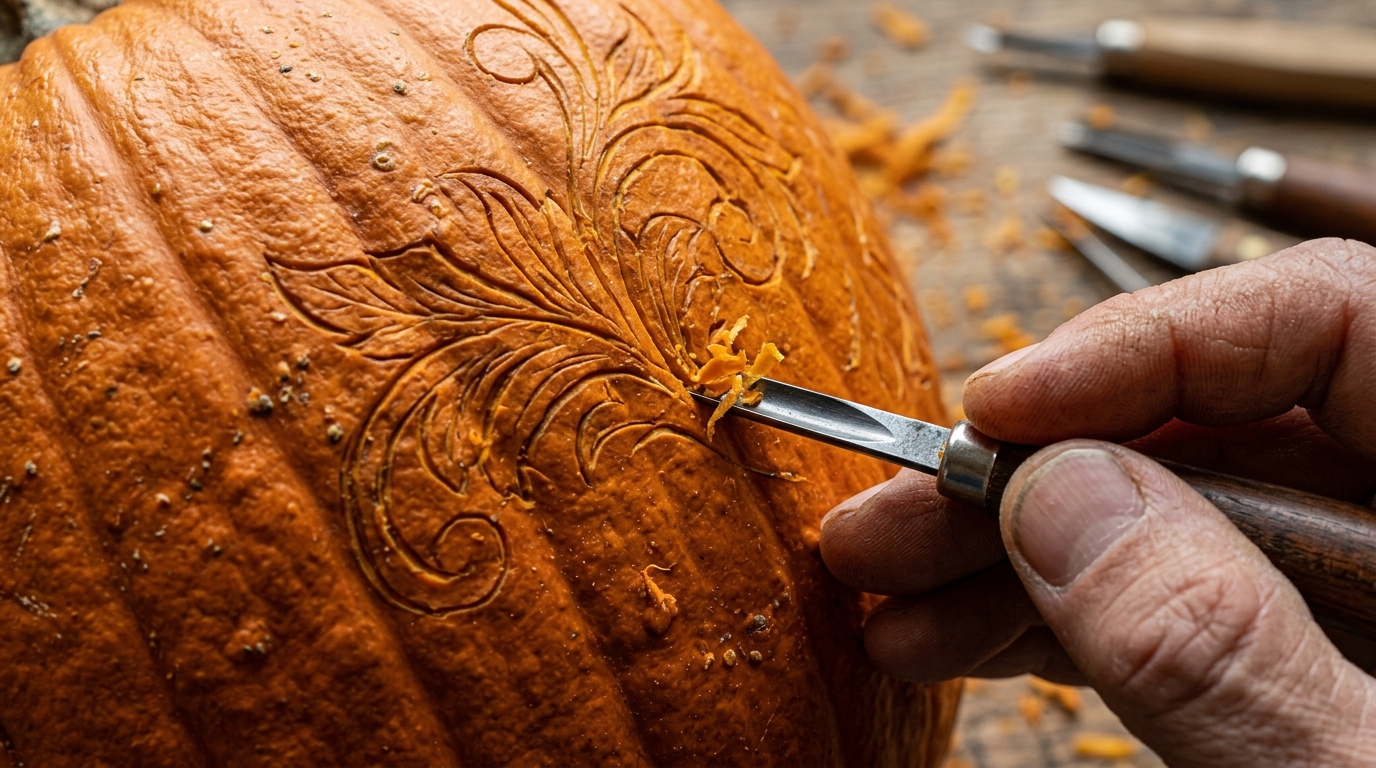
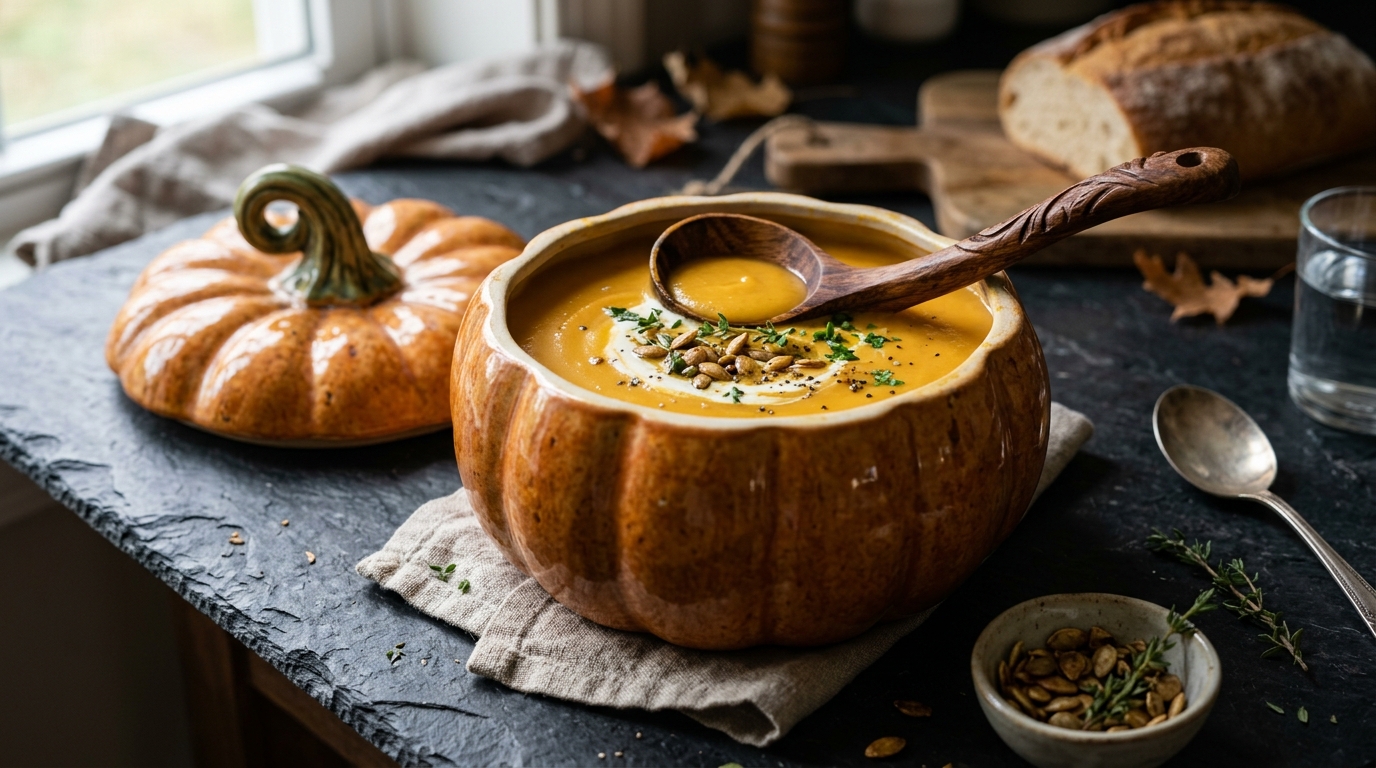
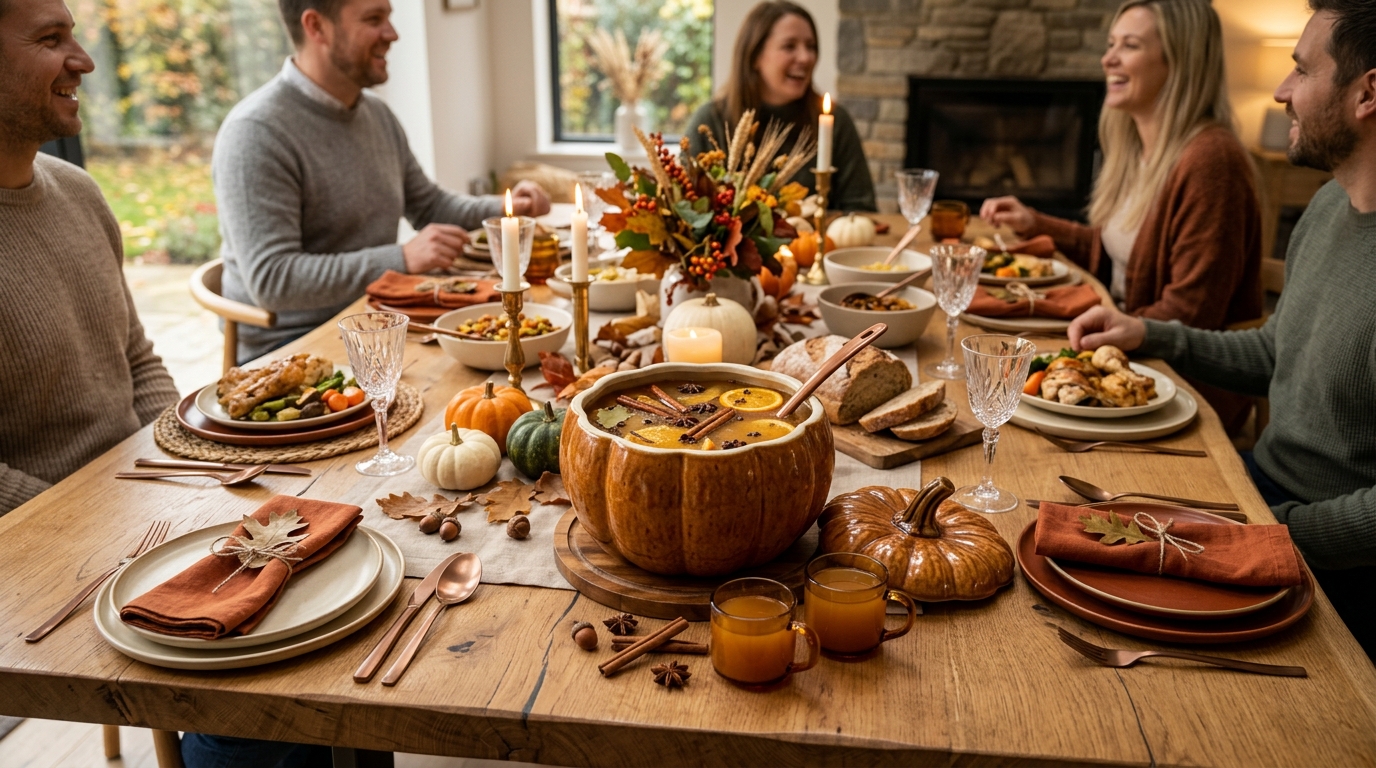
For those hosting autumnal gatherings, why use a ceramic bowl when nature has provided a thermal, organic alternative? A thick-walled Fairytale or Cinderella pumpkin can be cleaned and roasted slightly to serve as a soup tureen or a punch bowl. When you carve with function in mind, your ‘design’ is the natural texture of the rind itself. A light etching of geometric patterns on the surface provides visual interest without compromising the integrity of the bowl. This is the ultimate zero-waste move: the bowl becomes the meal, or at the very least, returns to the earth without leaving a trace of microplastics behind.
Avian Sanctuary: The Upcycled Bird Feeder
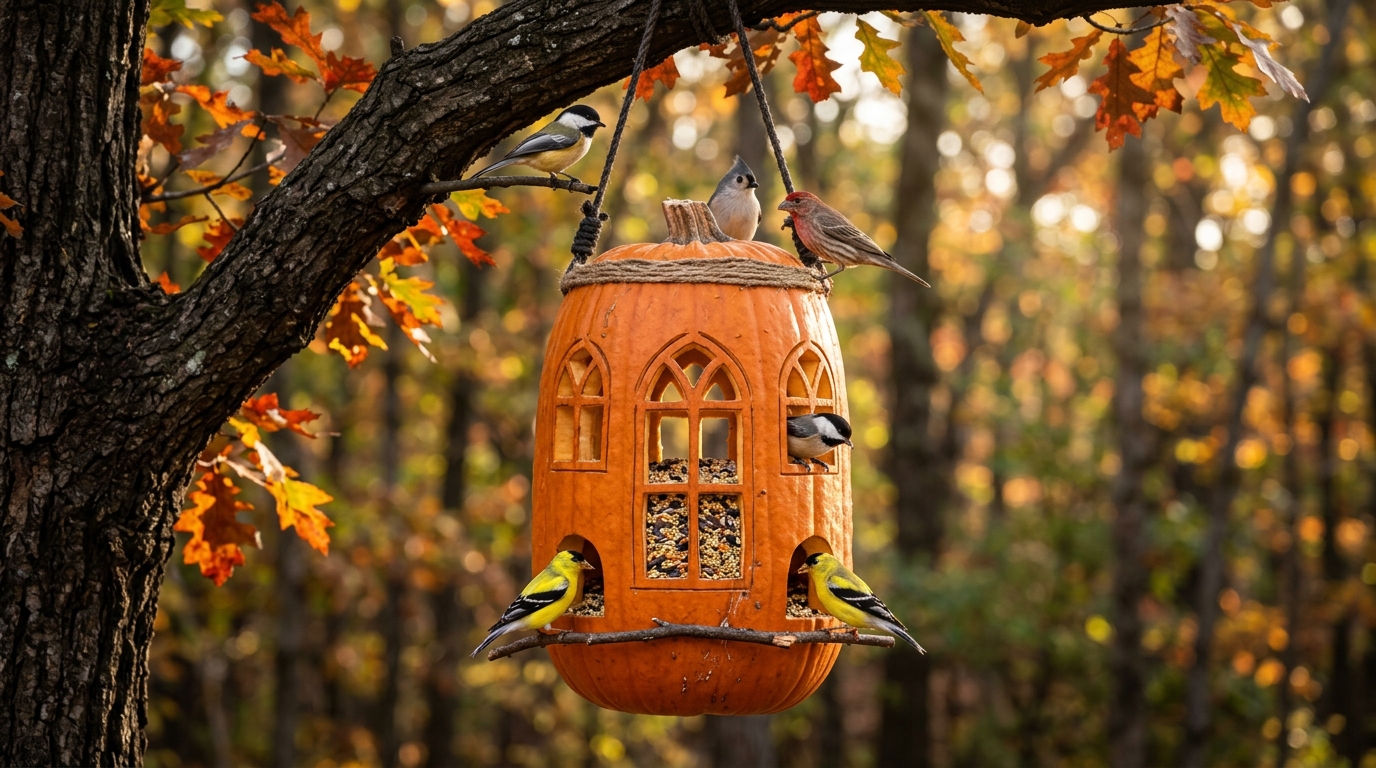
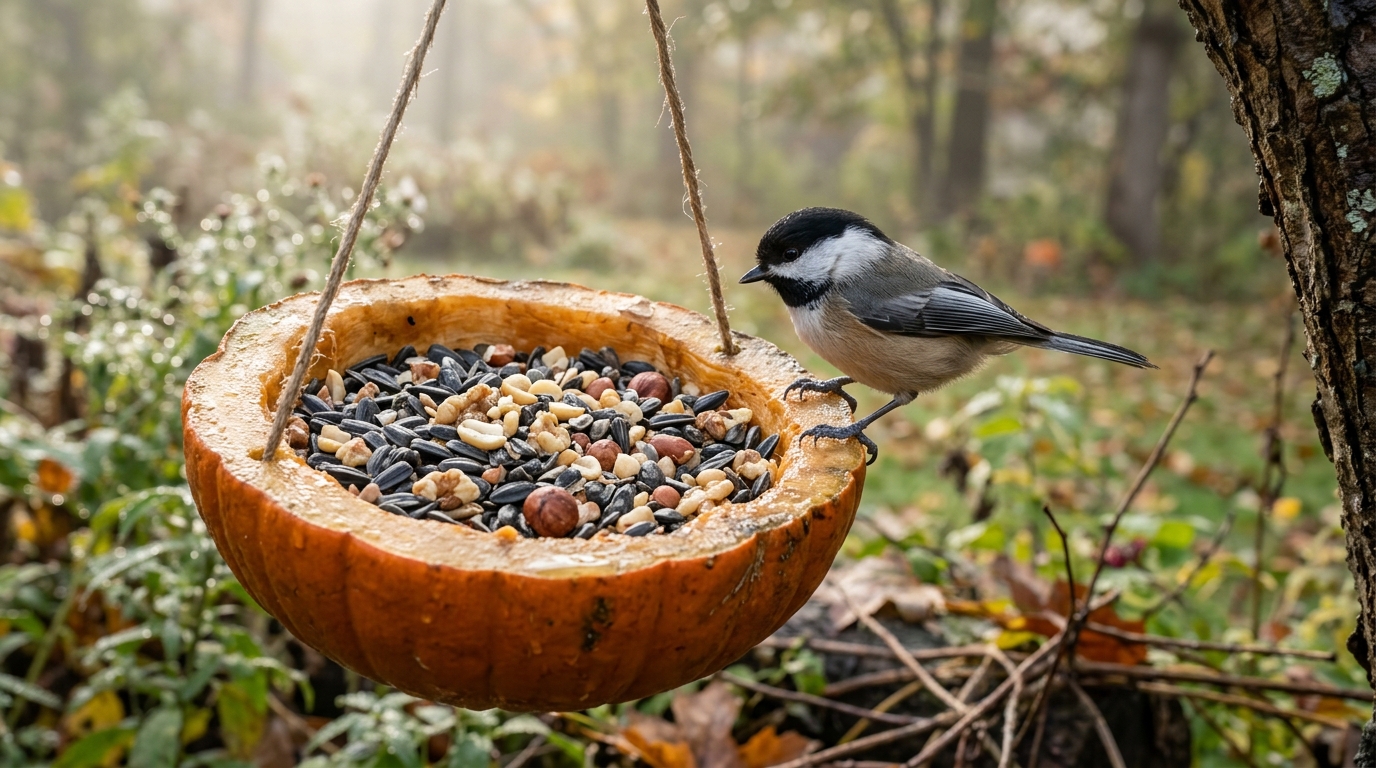
Once the ‘spooky’ night is over, most pumpkins are destined for the landfill. However, a functional carver sees a bird feeder. By carving large, architectural ‘windows’ into the sides of a tall gourd and filling the base with native seeds, you turn your front porch decor into a wildlife sanctuary. This method requires a sturdy handle—often a thick vine or twine threaded through the top—allowing the pumpkin to hang from a tree branch. It’s a design that evolves with the season, eventually being consumed by the very birds it sheltered.
Design Principles for the Sustainable Pumpkin
To truly master the functional gourd, one must adhere to certain design principles that differ from traditional carving. We are looking for longevity and utility. Here are a few curated guidelines for your next project:
- Architectural Integrity: Avoid thin, spindly cuts. Large, structural openings maintain the gourd’s shape longer and allow it to hold weight.
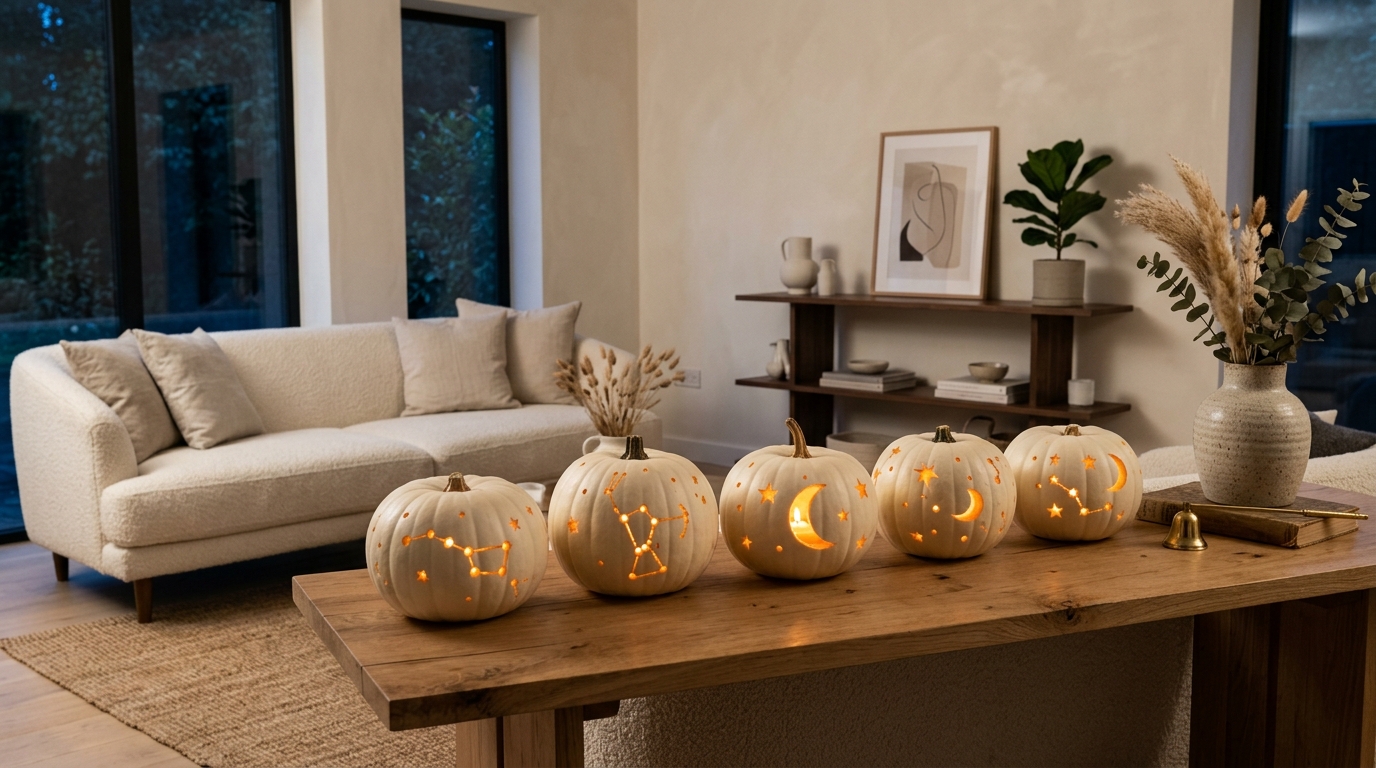
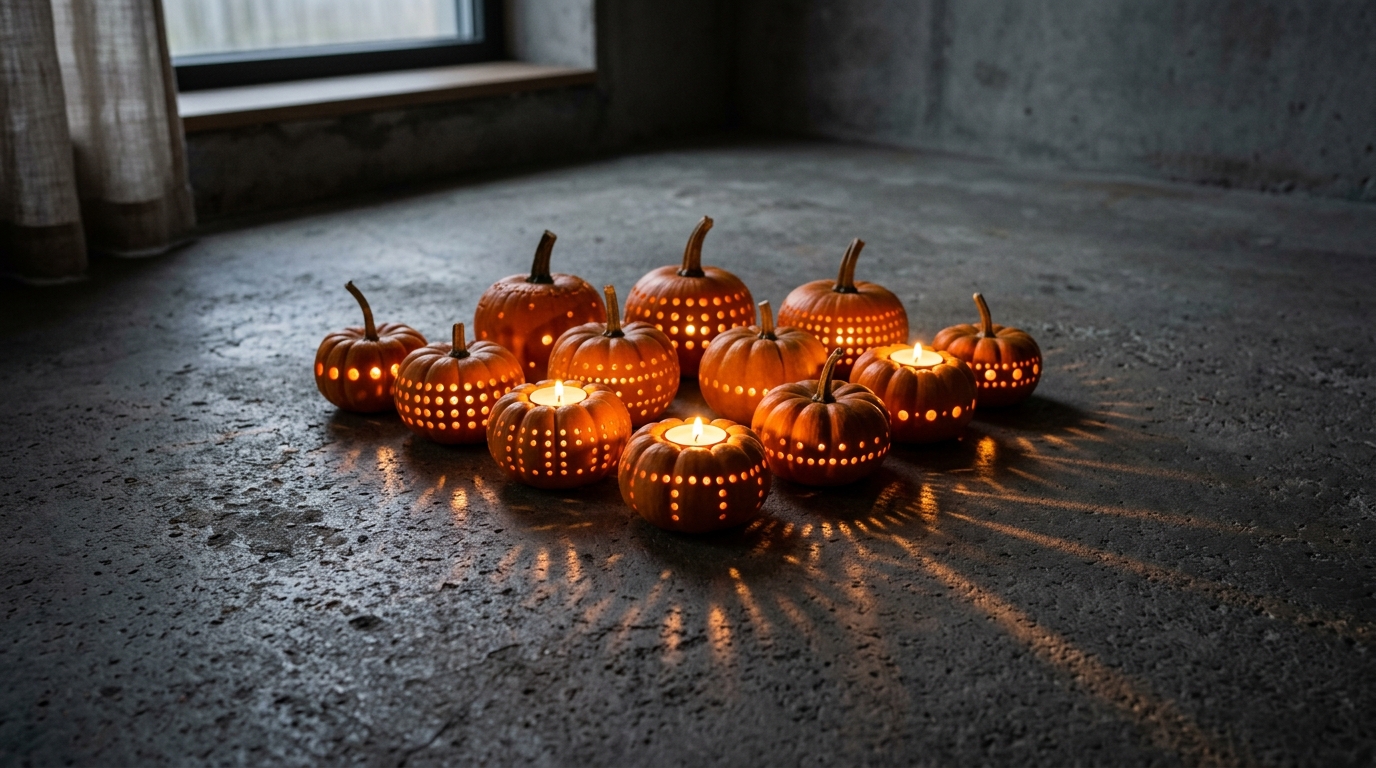
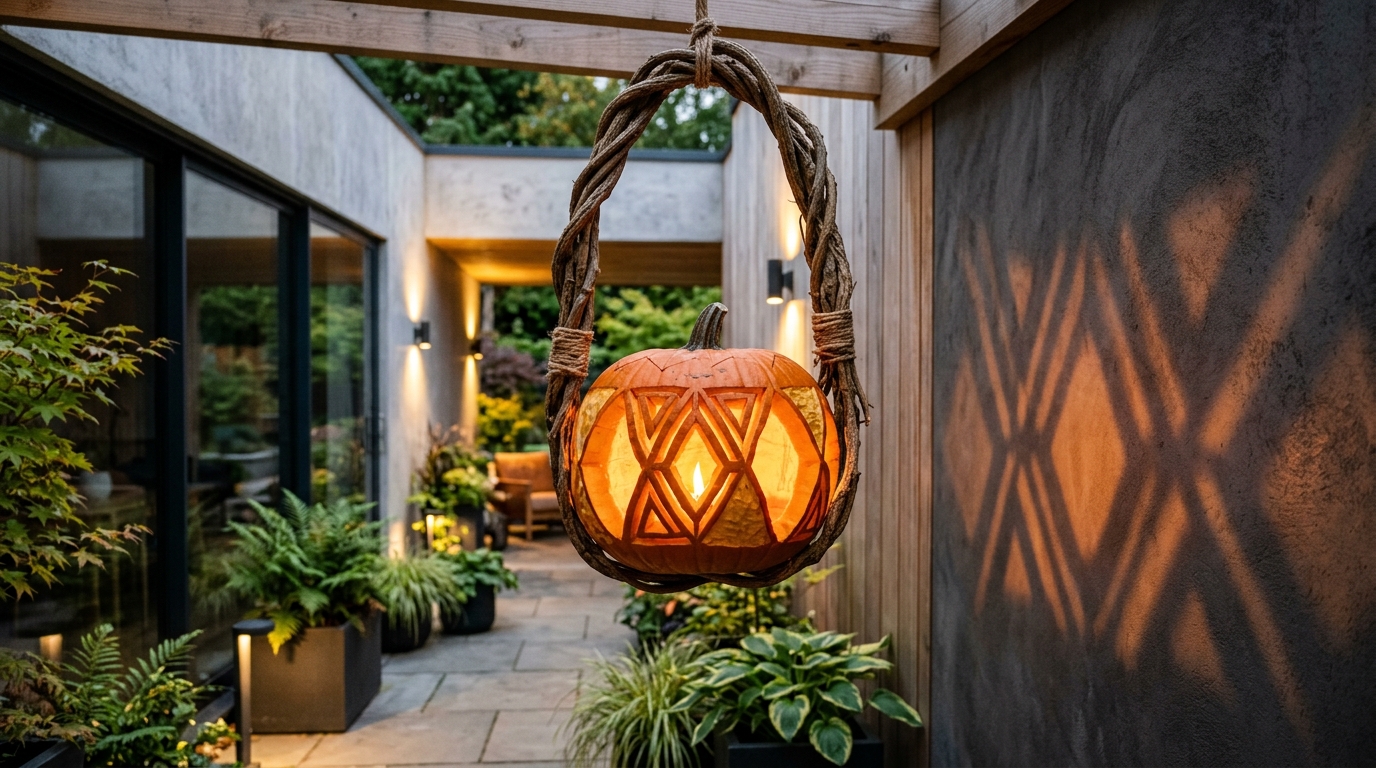
- Negative Space: Instead of traditional eyes and mouths, use drill bits to create uniform, celestial patterns. These holes allow for light to escape (if used as a lantern) but don’t weaken the walls as much as large cut-outs.
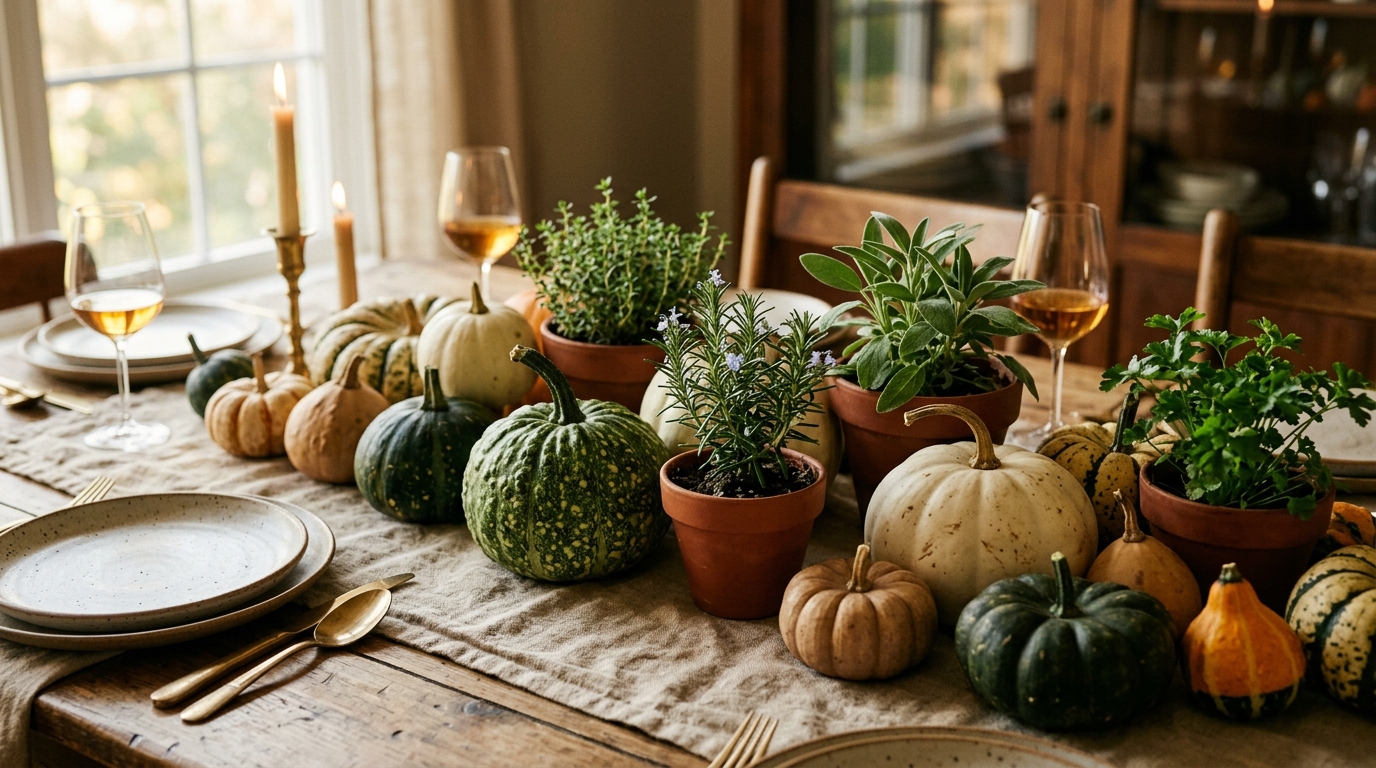
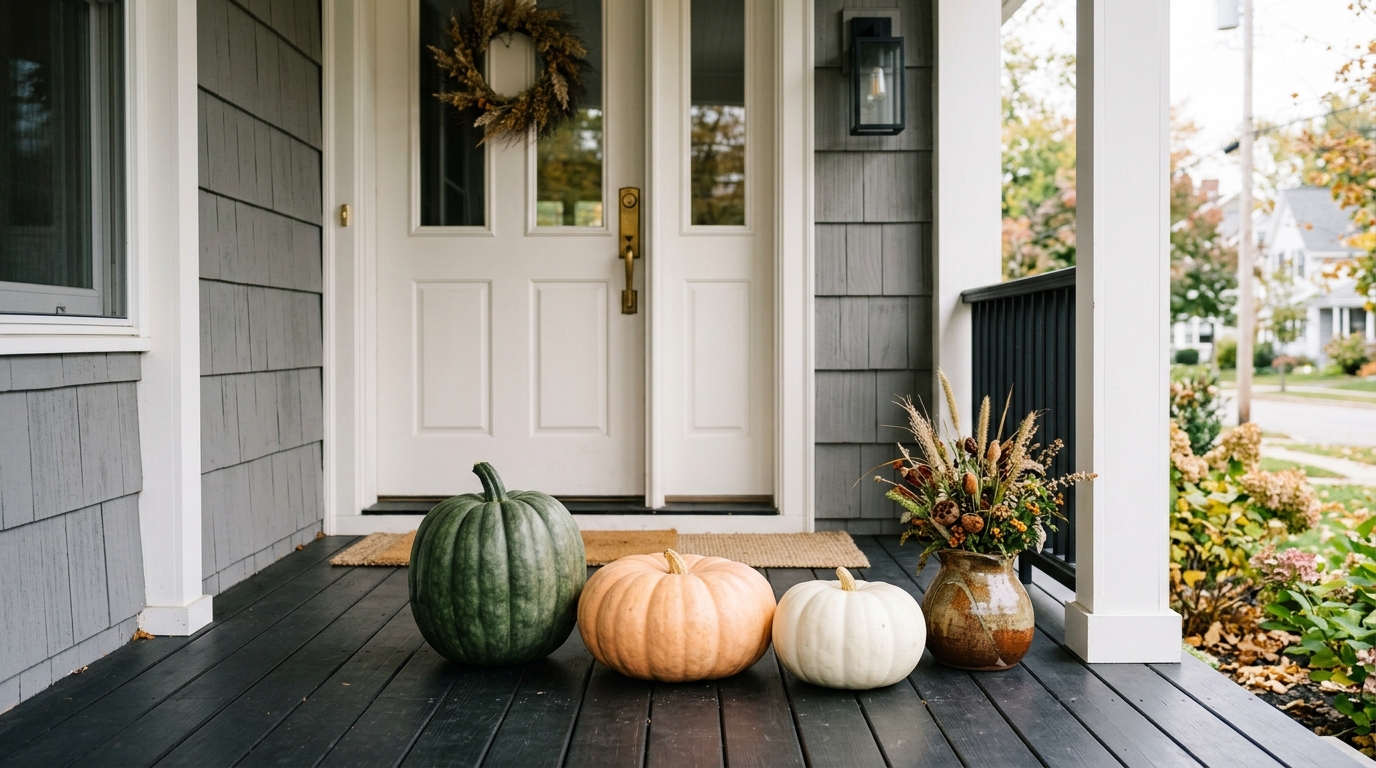
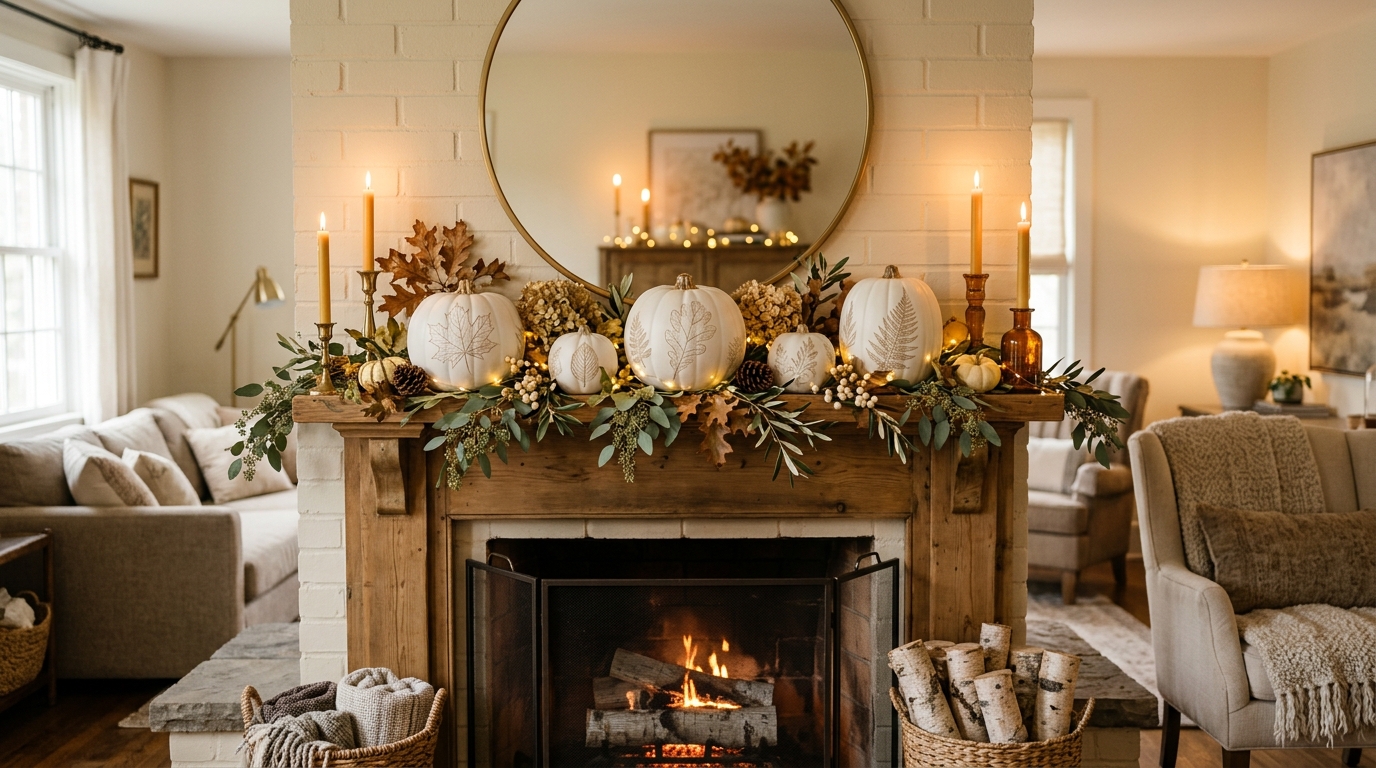
- Monochromatic Palettes: Choose pumpkins in shades of muted white (Casper), sage green (Jarrahdale), or deep tan (Musquee de Provence). These look more like high-end pottery and less like supermarket kitsch.
- Natural Textures: Incorporate the warts, ridges, and scars of the pumpkin into your design. These are features, not bugs, of organic decor.
The Sustainability Gap: Why Your Local Patch Matters
Most halloween pumpkin carving ideas ignore the supply chain. If you are buying a pumpkin that has been bleached and waxed for supermarket longevity, you are already starting with a compromised material. For a truly sustainable, functional gourd, sourcing from local, organic farms is essential. These gourds have thicker skins and more vibrant, nutrient-dense interiors. They are free from synthetic coatings that prevent them from composting properly, ensuring that when their second life as a planter or feeder is over, they can return to the soil seamlessly.
Extending the Lifecycle: From Porch to Compost
The beauty of the functional gourd is its planned obsolescence. It is designed to fail, but to fail usefully. When the pumpkin eventually begins to degrade, it shouldn’t be a moment of disappointment. In a zero-waste home, this is the final stage of the design. The ‘planter’ is buried directly into the garden soil; the ‘bird feeder’ is left in the woods for foragers; the ‘tureen’ is composted to feed next year’s crop. This circularity is what distinguishes a designer’s approach from a consumer’s approach. We are not just making things look pretty; we are participating in a seasonal cycle.
Technical Tips for Longevity
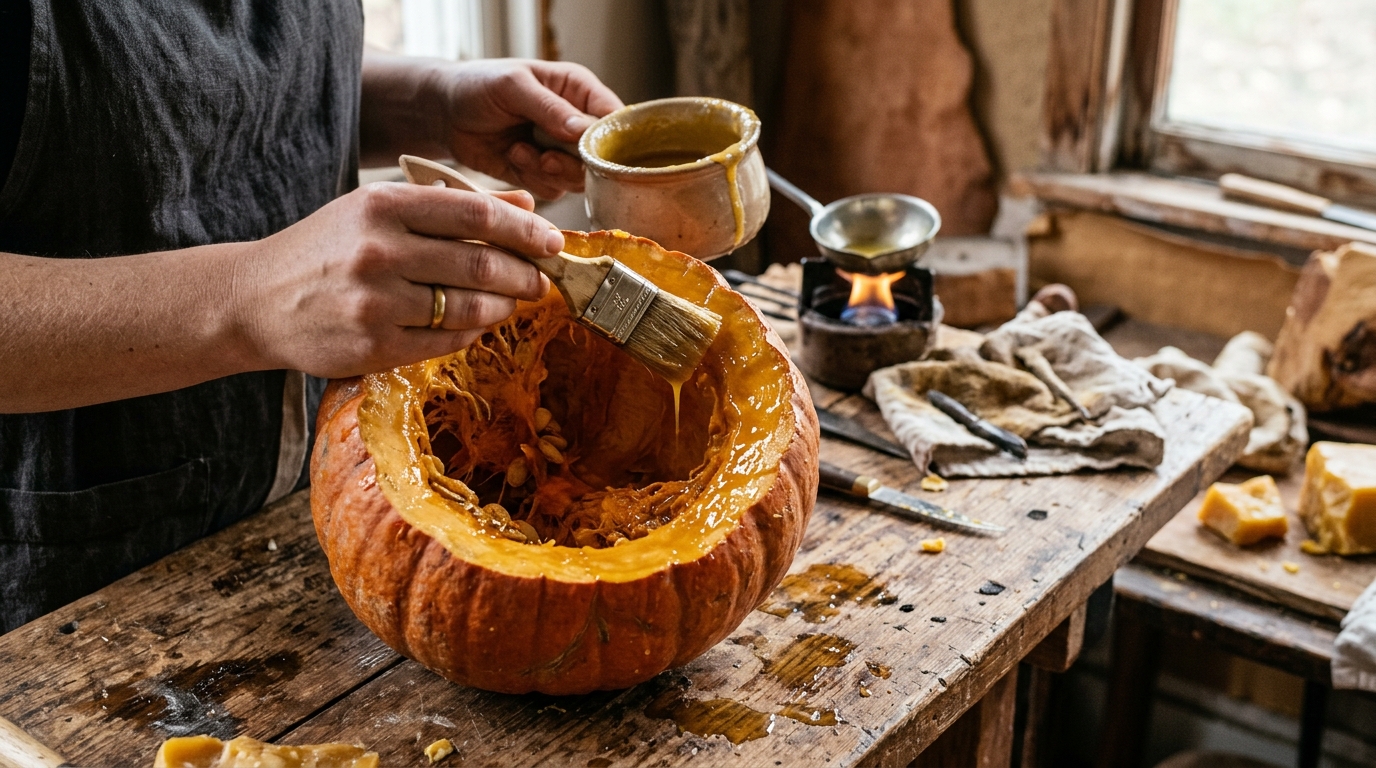
While the goal is eventual decomposition, we do want our functional accents to last through the holiday season. To prevent premature rot without using toxic chemicals, consider an internal coating of vegetable oil or beeswax. This creates a natural moisture barrier. Additionally, keeping your gourds in a cool, dry place away from direct sunlight will prevent the cell walls from breaking down too quickly. If using as a planter, ensure there is a small drainage hole at the bottom to prevent water from pooling and fermenting the interior.
Conclusion: Elevating the Tradition
The transition from ‘disposable’ Halloween to ‘sustainable’ Halloween is a hallmark of the conscious modern home. By adopting the ‘Functional Gourd’ mindset, we move away from the frantic, waste-heavy consumption of halloween pumpkin carving ideas that prioritize a one-night visual gag. Instead, we embrace a design-led, environmentally-conscious ritual. We turn our homes into galleries of organic art, our gardens into sanctuaries, and our celebrations into meaningful reflections of the natural world. This year, don’t just carve a face; carve a future.
Inspiration Gallery
Editorial Lookbook & Photo Collection