There’s an undeniable allure to the lakeside cabin. Images of serene waters, rustling pines, and cozy evenings by a crackling fire instantly evoke a sense of escape and tranquility. For generations, these rustic retreats have served as quintessential vacation spots, offering a cherished respite from the urban grind. Websites, like the one showcasing a charming lakeside cabin in pine woods, beautifully capture this traditional narrative of leisure and simple escapism. However, in our rapidly evolving world, where work-life boundaries have blurred and the quest for holistic well-being is paramount, the idea of a cabin solely as a vacation destination feels increasingly limiting. It’s time to challenge this singular vision and ask: what if these idyllic lakeside havens could be more? What if they could seamlessly integrate productivity, creativity, and profound wellness into their very foundations, becoming vibrant, year-round sanctuaries for a life lived fully?
This isn’t about sacrificing the cabin’s inherent charm; it’s about elevating it. It’s about recognizing that the profound peace found by the water isn’t just conducive to relaxation, but also to deep focus, inspired creation, and genuine self-care. The traditional notion of a “lakeside cabin design” often emphasizes quaintness and rustic aesthetics, sometimes overlooking the potential for sophisticated functionality. Our modern lives demand spaces that adapt, inspire, and sustain us in multiple capacities. The adaptable A-frame, or any thoughtfully designed lakeside dwelling, stands ready to answer this call, transforming from a mere holiday home into a dynamic hub for remote work, artistic exploration, and restorative retreats, all while nestled in nature’s embrace.
Beyond the Weekend Getaway: Why Lakeside Cabins Need a New Purpose
The Shifting Paradigm of Work and Leisure
The global shift towards remote work isn’t just a temporary trend; it’s a fundamental recalibration of how and where we earn our livelihoods. Millions have discovered the liberating potential of working from anywhere, shedding the confines of traditional office spaces. This newfound freedom, however, comes with its own challenges: the need for dedicated, ergonomic workspaces at home, the battle against distractions, and the constant search for environments that foster both productivity and mental well-being. A cramped city apartment, while convenient, often falls short. Enter the lakeside cabin. Imagine swapping the cacophony of traffic for the gentle lapping of waves, the grey office wall for a panoramic view of the lake. This isn’t just a romantic fantasy; it’s a strategic move to optimize one’s professional life. A well-designed lakeside cabin offers an unparalleled blend of focus and inspiration, allowing for deep work sessions punctuated by rejuvenating moments in nature. It’s about crafting an environment where the lines between work and life don’t blur into chaos, but rather merge into a harmonious, integrated existence.
The Untapped Potential of Nature’s Embrace
Beyond remote work, the modern individual seeks spaces that nurture creativity and support holistic wellness. Artists, writers, musicians, and innovators often find their most profound breakthroughs when disconnected from urban distractions and reconnected with the natural world. The quiet solitude of a lakeside setting provides a powerful canvas for creative pursuits, allowing ideas to flow uninhibited. Similarly, the growing emphasis on mental health and self-care has fueled the demand for wellness retreats, not just as occasional getaways, but as integrated parts of a lifestyle. A lakeside cabin, with its inherent tranquility and access to outdoor activities like kayaking, hiking, or simply observing wildlife, is perfectly positioned to serve as a personal wellness hub. It offers a natural antidote to stress, fostering mindfulness and encouraging practices that restore balance. The ambient sounds, the quality of light, the fresh air – all contribute to an environment where one can truly unwind, reflect, and recharge, making the concept of a lakeside cabin design far more profound than just a pretty exterior.
Ergonomics Meets Aesthetics: Crafting Productive Sanctuaries
The Integrated Workspace: Seamless Functionality
The days of a makeshift laptop-on-the-coffee-table setup are over, especially if the cabin is to serve as a serious remote work base. A truly adaptable lakeside cabin must feature a dedicated, ergonomically sound workspace that doesn’t compromise the aesthetic integrity or the relaxing atmosphere. This requires intelligent design solutions. Think convertible desks that fold seamlessly into a wall unit when not in use, revealing a cozy reading nook. Consider built-in shelving and discreet storage solutions that keep work paraphernalia out of sight, maintaining the cabin’s serene feel. A prime example would be a custom-built desk that extends from a window sill, offering breathtaking lake views, perhaps with integrated charging ports and hidden cable management. The key is seamless integration: the workspace should feel like an organic part of the home, not an intrusive addition. Soundproofing in this dedicated zone, even if subtle, can be a game-changer, allowing for focused calls or deep concentration without disturbing others or being disturbed by household activities. This thoughtful approach to lakeside cabin design elevates it from a casual escape to a truly functional, inspiring environment.
Lighting the Way to Productivity and Serenity
Light, both natural and artificial, plays a pivotal role in productivity, mood, and overall well-being. A lakeside cabin design optimized for remote work and creative pursuits must master this element. Maximizing natural light is paramount; large windows, ideally oriented to capture diffuse northern light for workspaces or expansive lake views for inspiration, are essential. Beyond mere quantity, the quality of light matters. Layered artificial lighting is crucial: bright, focused task lighting for desks and reading nooks; soft, warm ambient lighting for general comfort; and accent lighting to highlight architectural features or artwork. Critically, integrating circadian rhythm-friendly lighting solutions can enhance focus during the day and promote restful sleep at night. Smart lighting systems that adjust color temperature and brightness throughout the day mimic natural light cycles, supporting biological rhythms even during long working hours. Imagine a workspace bathed in crisp, invigorating light in the morning, gradually transitioning to a warm, inviting glow as evening approaches. This thoughtful control over illumination not only boosts productivity but also contributes significantly to the cabin’s role as a wellness retreat.
Smart Design for Small Footprints: Maximizing Every Square Inch
Flexible Layouts: The Art of Transformation
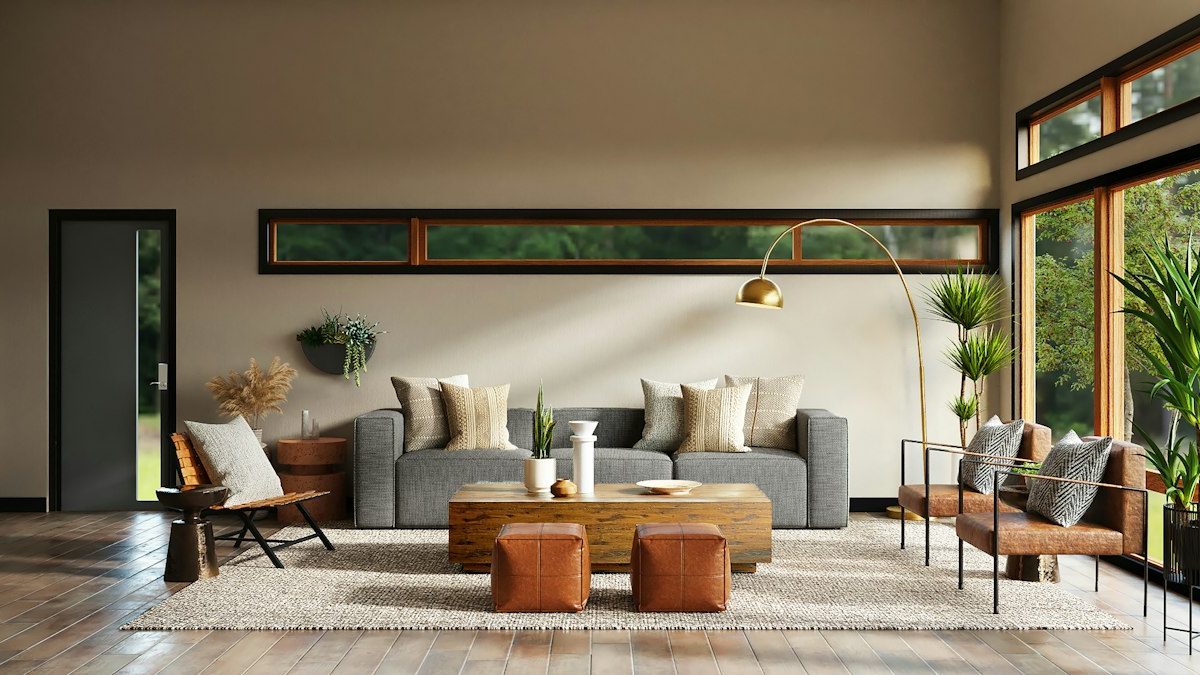
Lakeside cabins, by their very nature, often feature more compact footprints than sprawling suburban homes. This limitation, however, can be a catalyst for ingenious design rather than a constraint. The secret lies in flexible layouts and multi-functional furniture that allow a single space to serve myriad purposes throughout the day. Consider modular sofas that can be reconfigured for lounging, group discussions, or even an impromptu guest bed. Movable partitions, such as sliding barn doors or elegant screens, can instantly transform an open-plan living area into a private workspace or a quiet meditation zone. Built-in solutions are invaluable: banquettes with hidden storage in a dining nook, murphy beds that disappear into a wall, or even staircases that conceal pull-out desks and shelves. Every piece of furniture, every architectural detail, should be scrutinized for its potential to adapt and serve more than one function. This intelligent approach to lakeside cabin design ensures that the cabin remains uncluttered and spacious, regardless of the activity, truly embracing the mantra of ‘less is more’ while delivering maximum utility.
Storage Solutions: A Clutter-Free Mind
A cluttered space often leads to a cluttered mind, a significant impediment to both productivity and peace. In a multi-functional lakeside cabin, effective storage is not just a convenience; it’s a design imperative. The goal is to make every storage solution discreet, integrated, and highly efficient. Think vertical – floor-to-ceiling shelving units that blend into the wall, offering ample space for books, files, and personal items. Under-floor storage, benches with lift-top compartments, and ottomans that double as storage chests are brilliant for stowing away blankets, craft supplies, or office essentials. The backs of doors can be fitted with shallow shelves, and even stair risers can conceal drawers. Custom cabinetry built around windows or under beds capitalizes on often-unused spaces. When everything has its place, and those places are thoughtfully designed to be out of sight when not needed, the cabin maintains its serene aesthetic. This meticulous attention to hidden storage is a hallmark of sophisticated lakeside cabin design, ensuring that the environment remains conducive to both rigorous work and profound relaxation.
Connectivity and Comfort: Bridging Wilderness and World
Seamless Technology Integration
The beauty of a lakeside cabin is its natural setting, but for remote work and modern living, robust connectivity is non-negotiable. The challenge is integrating essential technology seamlessly without detracting from the rustic charm. High-speed, reliable internet is the cornerstone; this might involve satellite, fixed wireless, or even fiber optic solutions depending on the location. Beyond connectivity, smart home systems can enhance comfort and efficiency. Imagine adjusting thermostat settings, lighting scenes, or even drawing blinds with a voice command or a tap on a tablet. Discreet charging stations integrated into furniture, hidden behind panels, or built into bedside tables prevent a tangle of cables from marring the aesthetic. High-quality, built-in sound systems can provide ambient music for focused work or immersive audio for creative projects, all while being virtually invisible. The goal is not to turn the cabin into a sterile smart house, but to allow technology to quietly support and enhance the living experience, making the transition from urban productivity to natural tranquility effortless. This thoughtful technological backbone is a critical, yet often overlooked, aspect of contemporary lakeside cabin design.
Year-Round Comfort: Embracing All Seasons
A true adaptable cabin isn’t just a summer retreat; it’s a four-season sanctuary. This demands a focus on year-round comfort, crucial for remote workers or artists who might spend extended periods there. Excellent insulation, high-performance windows, and energy-efficient heating and cooling systems (such as geothermal or mini-splits) are fundamental. Imagine working comfortably through a crisp autumn day or a snowy winter morning, gazing out at a frozen lake. Materials also play a vital role in comfort. Think warm, natural wood finishes, thick wool rugs, and plush upholstery that invite coziness. A robust, well-designed fireplace or wood-burning stove isn’t just for ambiance; it’s a central element for warmth and a focal point for relaxation. Covered outdoor spaces – like screened-in porches or sheltered decks with outdoor heaters – extend the usable living area into colder months, allowing for fresh air breaks or outdoor work sessions even when the weather is less forgiving. Embracing and preparing for all seasons is key to transforming a seasonal escape into a permanent, inviting haven for work and retreat, significantly impacting the functionality of the lakeside cabin design.
The Creative Spirit Unleashed: Spaces for Inspiration
Art Studios and Writing Nooks
For many, the pull of a lakeside cabin is deeply tied to a desire for creative expression. The tranquility and natural beauty provide an unparalleled muse. Therefore, an adaptable cabin must intentionally incorporate spaces that nurture these pursuits. A dedicated art studio might be a sun-drenched corner with ample wall space for canvases, a robust sink for cleaning brushes, and durable, easy-to-clean flooring. Or it could be a small, detached shed converted into a creative sanctuary. For writers, a quiet, intimate nook with a comfortable armchair, a small desk, and a commanding view of the lake can be profoundly inspiring. These spaces should be designed to minimize distractions and maximize connection to the outdoors. Large windows that frame specific natural vistas, perhaps a stand of pines or a distant island, become living artworks that fuel imagination. The choice of materials – warm wood, natural stone – further enhances this connection, making the creative process feel organic and rooted. This intentional design for inspiration is a significant departure from traditional vacation cabins, elevating the very concept of lakeside cabin design to a new level of purpose.
Wellness Retreats: Mindfulness in Nature
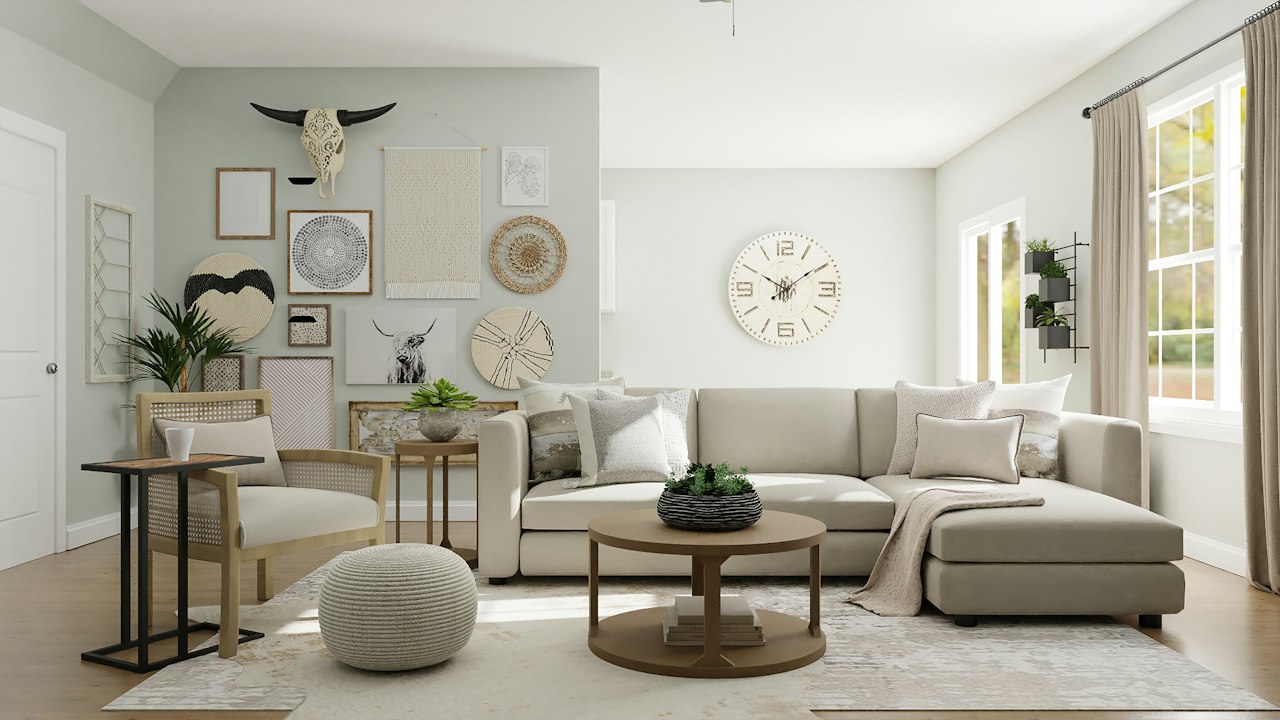
The quest for holistic wellness is no longer an occasional indulgence but a lifestyle choice. An adaptable lakeside cabin can serve as an ideal personal wellness retreat, offering dedicated zones for practices that soothe the mind and body. Imagine a quiet, open space designed for yoga or meditation, perhaps with radiant floor heating for comfort and large windows that bring the outside in. This could be a flexible zone that doubles as a reading area or a space for gentle movement. Small, integrated saunas or steam rooms can provide therapeutic benefits, offering a luxurious touch without demanding excessive space. Outdoor showers, perhaps fed by natural spring water (if feasible and safe), offer an invigorating connection to nature. Even a simple, well-designed deck or patio, furnished with comfortable seating, can become a space for mindful contemplation, stargazing, or enjoying morning coffee in absolute peace. The emphasis here is on creating an environment where self-care isn’t an afterthought but an integral part of the daily routine, leveraging the cabin’s natural surroundings to amplify its restorative power. This focus on internal well-being truly differentiates modern lakeside cabin design.
Materiality and Authenticity: Echoing Nature’s Harmony
Sustainable Choices for a Lighter Footprint
In an age of ecological consciousness, the design of any structure, particularly one nestled in nature, must prioritize sustainability. An adaptable lakeside cabin isn’t just about personal well-being; it’s about respectful coexistence with its environment. This means opting for materials with a low environmental impact. Reclaimed wood from local sources, such as old barns or salvaged timber, adds character and reduces demand for new logging. Local stone can be used for foundations or fireplaces, blending the structure seamlessly with its surroundings. Eco-friendly finishes, low-VOC paints, and natural insulation materials contribute to healthier indoor air quality. Passive design principles, such as optimizing window placement for solar gain in winter and natural ventilation in summer, reduce energy consumption significantly. Rainwater harvesting systems, greywater recycling, and composting toilets can further minimize the cabin’s footprint. Investing in durable, high-quality materials ensures longevity, reducing waste and the need for frequent replacements. This commitment to sustainability isn’t just a trend; it’s an ethical responsibility, and a defining characteristic of forward-thinking lakeside cabin design.
Texture and Tone: A Sensory Experience
The sensory experience within the cabin is just as important as its functionality. An adaptable lakeside retreat should immerse its occupants in a comforting, organic atmosphere that mirrors the beauty outside. This is achieved through thoughtful selection of textures and tones. Warm wood, from ceiling beams to flooring and custom cabinetry, creates an inviting, grounding presence. Pair this with the rugged honesty of natural stone, perhaps a fireplace surround, or a backsplash in the kitchen. Layer in soft, tactile fabrics like linen, wool, and cotton for upholstery, throws, and curtains, adding depth and coziness. The color palette should be drawn directly from the surrounding landscape: muted greens, deep blues, earthy browns, and warm greys. Biophilic design principles are key here, introducing elements that connect occupants to nature – potted plants, natural light patterns, and views that frame the lake and forest. The interplay of rough and smooth textures, light and shadow, and natural hues creates a rich, calming environment that appeals to all the senses, fostering a deeper connection to place and enhancing the overall experience of lakeside cabin design.
Case Study in Transformation: Reimagining the Traditional Lakeside Cabin
Consider the charming, rustic lakeside cabin often featured in traditional design showcases. While undeniably picturesque for a fleeting vacation, many of these designs, much like the one linked as a comparison, inherently prioritize a singular vision of leisure. They often feature cozy but somewhat static living areas, kitchens designed for occasional use, and bedrooms purely for sleeping. Storage might be an afterthought, and dedicated workspaces are non-existent. The implied expectation is that you arrive, relax, and leave, rather than live, work, and thrive.
This is precisely where the adaptable A-frame, or any thoughtfully designed lakeside cabin, offers a powerful alternative. Instead of a quaint reading corner that’s lovely but lacks utility, imagine a cleverly integrated, custom-built desk that unfolds from the wall, complete with hidden power outlets and ergonomic seating, ready for hours of focused work. Where there might have been a simple guest room, envision a flexible space with a murphy bed that retracts to reveal a padded floor for yoga, or a robust easel for painting. The kitchen, instead of being a small, charming nook, becomes a fully equipped culinary hub, inspiring gourmet cooking or batch meal prep for a week-long retreat. Outdoor spaces evolve from a basic deck into multi-season living rooms with sheltered seating, outdoor heaters, and even a small, integrated plunge pool or sauna. The entire design philosophy shifts from passive consumption of leisure to active engagement with life – professional, creative, and personal. This isn’t a mere upgrade; it’s a fundamental reimagining of purpose, making the lakeside cabin not just a getaway, but a powerful asset for a contemporary, balanced lifestyle.
The Future of Lakeside Living: More Than Just a View
The allure of the lakeside cabin remains timeless, but its utility in the modern world can and should evolve. By embracing a design philosophy that prioritizes adaptability, functionality, and holistic well-being, we unlock the full potential of these extraordinary spaces. No longer confined to brief escapes, the reimagined lakeside cabin becomes a dynamic environment where professional endeavors flourish, creative spirits are ignited, and personal rejuvenation is deeply woven into the fabric of daily life. It represents a conscious choice to integrate nature’s profound benefits into our most productive and introspective moments.
Investing in a lakeside cabin design that supports remote work, artistic pursuits, and wellness retreats is an investment in a richer, more balanced way of living. It’s a statement that one doesn’t have to choose between career aspirations and a deep connection to nature, or between personal growth and tranquil solitude. Instead, these elements can coexist harmoniously, mutually enhancing each other in an environment carefully crafted for optimal living. The adaptable A-frame is more than just a structure; it’s a testament to a future where our living spaces truly serve our multifaceted lives, offering not just a view, but a profound way of being.
Conclusion: Your Lakeside Cabin, Your Personal Sanctuary of Productivity and Peace
Ultimately, the adaptable lakeside cabin is a powerful symbol of modern ingenuity meeting timeless natural beauty. It’s an answer to the contemporary yearning for a life that is both productive and peaceful, connected yet tranquil. By moving beyond the conventional vacation-only paradigm, we unlock a world of possibilities, transforming these cherished retreats into year-round sanctuaries. From ergonomic workspaces with lake views to inspiring art studios, from rejuvenating wellness nooks to sustainable living practices, every element contributes to a holistic experience. Your lakeside cabin isn’t just a place to visit; it’s a place to live, to work, to create, and to thrive – a testament to a lifestyle where nature and purpose converge in perfect harmony.
Inspiration Gallery


Editorial Lookbook & Photo Collection