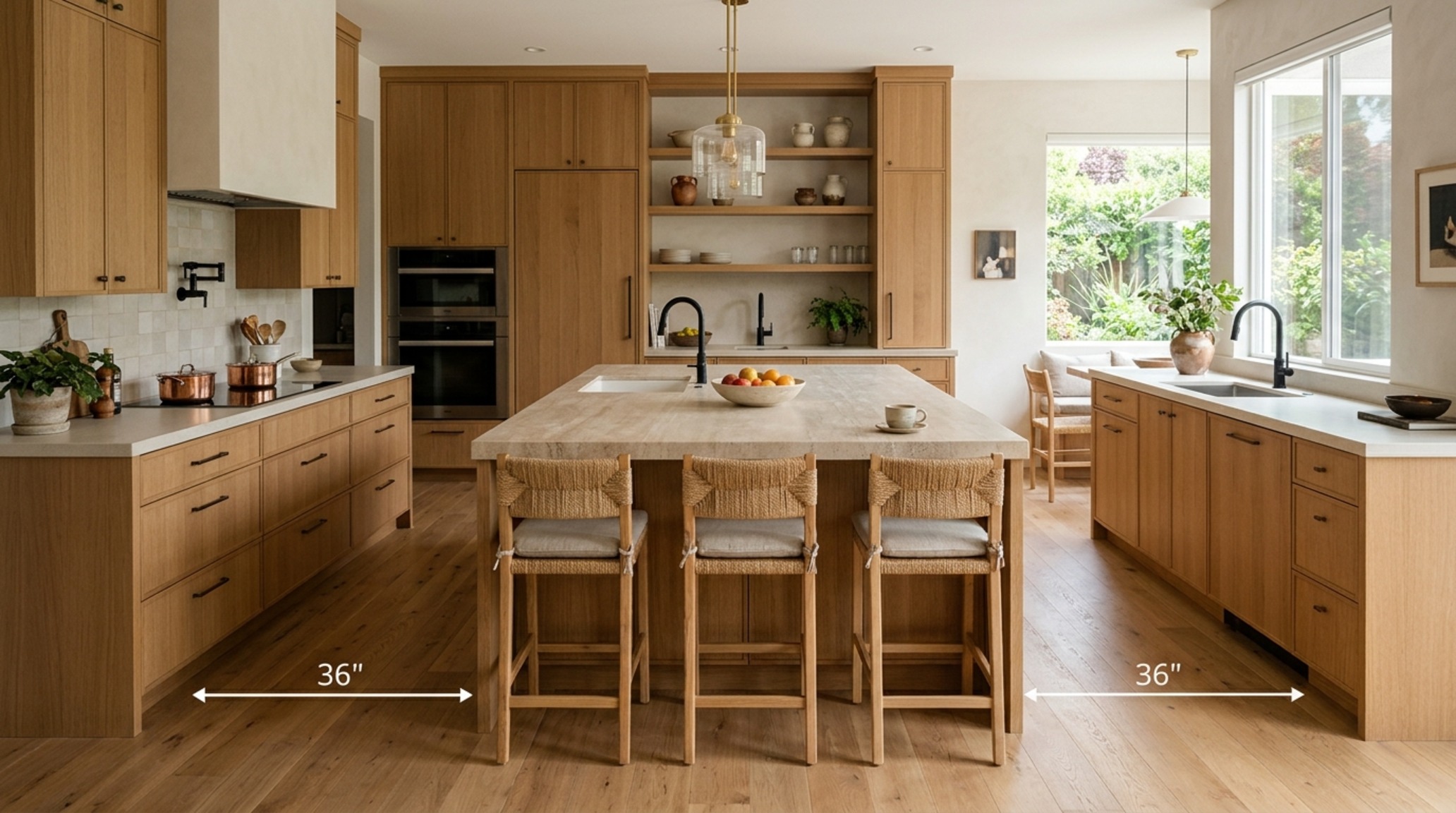
Have you ever walked into a room that felt physically effortless, where the air seemed to settle perfectly around the furniture and the light caught every texture just right, yet you couldn’t quite put your finger on how to replicate it? It often starts with the physics of the floor plan—the essential 36-inch primary circulation paths and the 42-inch main thoroughfares that prevent a space from feeling congested. However, the true alchemy of a home lies in the sensory layers above those floor lines. When you begin the process of finding an interior decorator, you aren’t just hiring someone to select a sofa; you are seeking a curator of atmosphere who understands how a 18-inch coffee table reach or a 30-inch dining chair clearance facilitates human connection as much as a bespoke textile palette does.
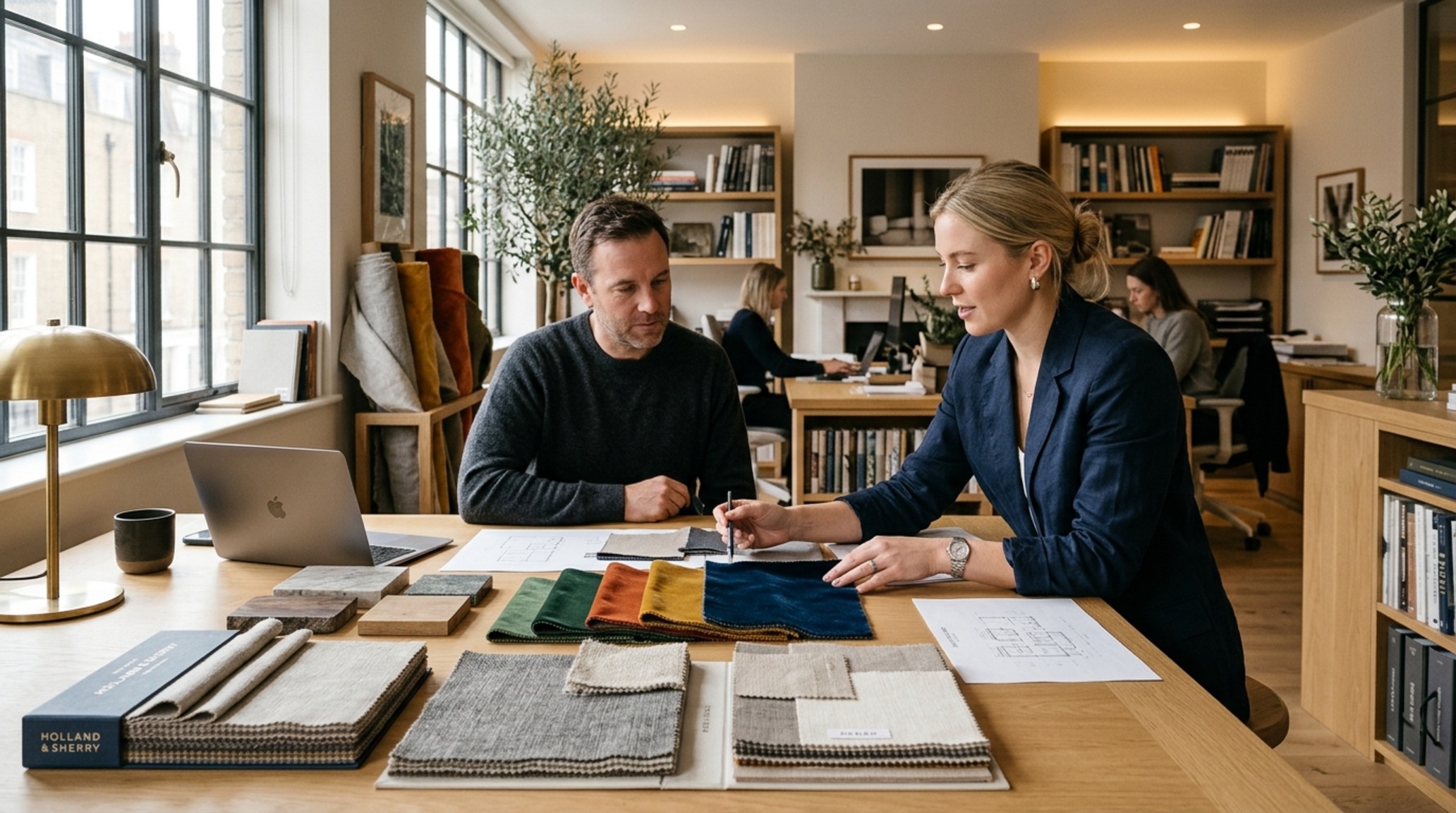
The Living Room: Sculpting Atmosphere with Light and Textile
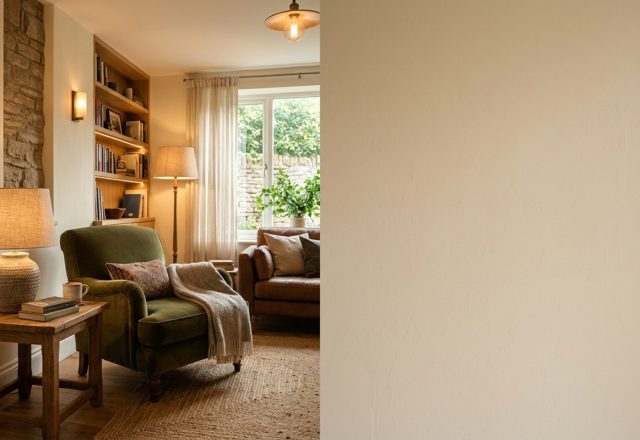
In the primary living space, the visual mood is often dictated by the interplay between hard surfaces and soft landings. A seasoned expert knows that the ‘to-the-trade’ textures—those heavy-weight Belgian linens and high-pile wools—do more than look beautiful; they absorb sound and soften the architectural edges of a room. When finding an interior decorator, look for someone who prioritizes the ‘spatial cadence’ of the room. This means ensuring that the negative space breathing room is as intentional as the placement of a sculptural armchair.
Lighting is the silent protagonist here. We often specify 2700K warm ambient lighting for social zones to mimic the golden hour of natural sun. A high CRI (Color Rendering Index) of 90+ is non-negotiable; it ensures that the subtle undertones of a paint like Benjamin Moore Swiss Coffee don’t shift into a muddy green under artificial bulbs.
“Design is not just what it looks like and feels like. Design is how it works through the senses.”
This sensory logic is what separates a decorated room from a curated sanctuary.
Local Interior Decorators: Bridging Regional Light and Materiality
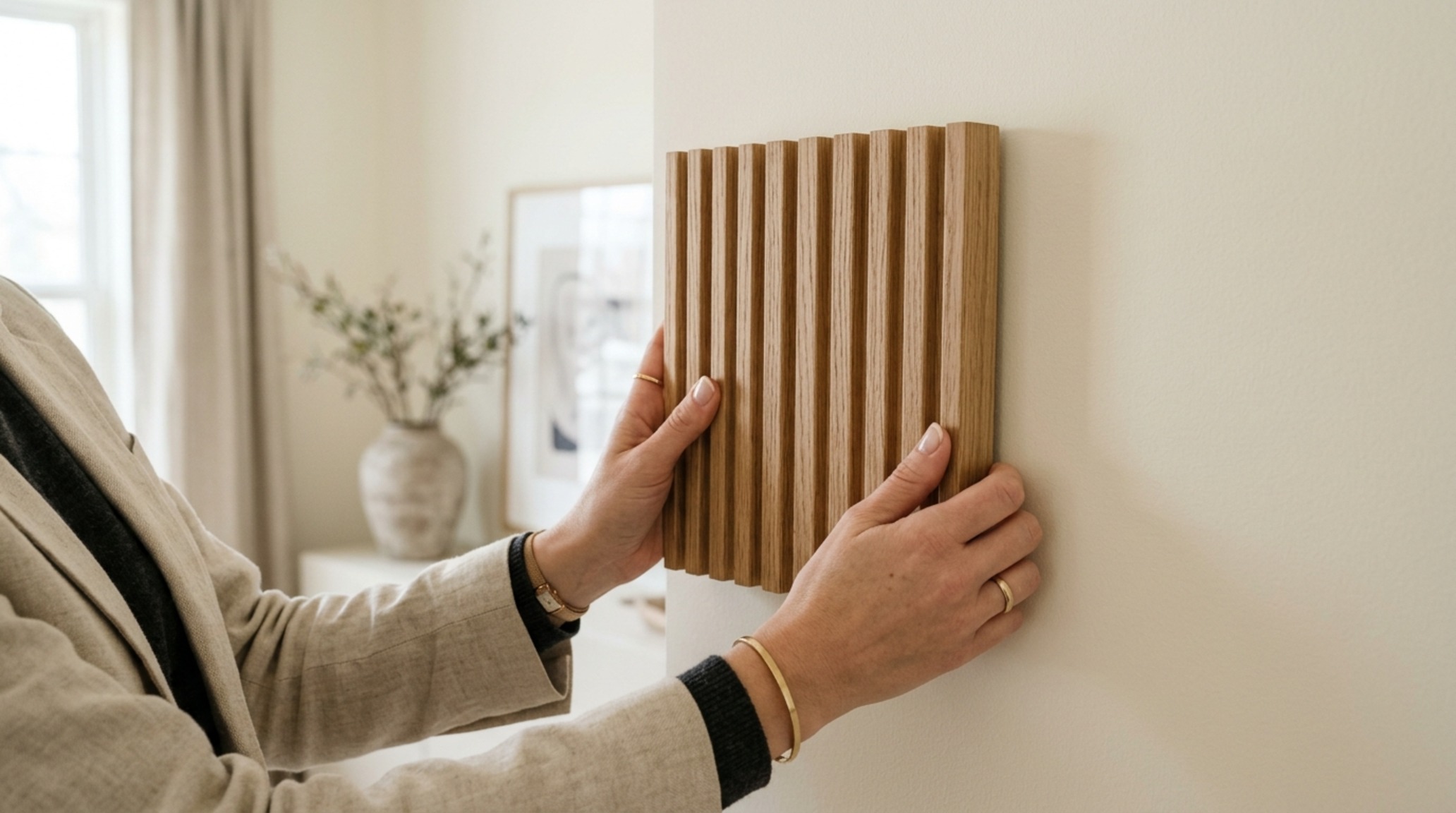
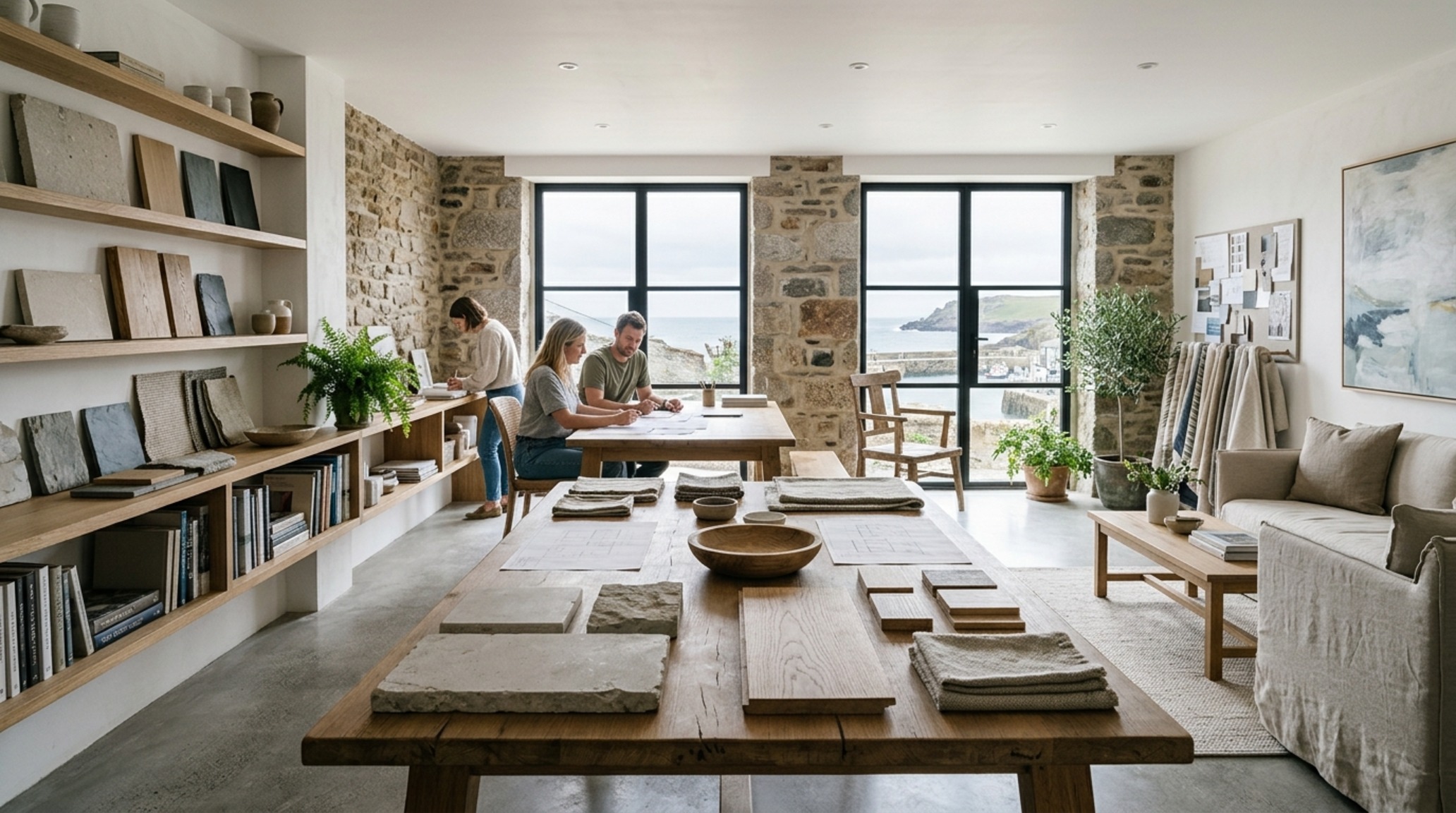
Working with local interior decorators offers a distinct advantage in understanding how regional light temperatures affect your home’s interior. In coastal regions, the blue-dominant morning light requires a different approach to warmth than the high-altitude, crisp light of a mountain home. A local expert can navigate these nuances, selecting materials like fluted white oak or honed travertine that respond beautifully to the specific geographic context of your windows.
The Culinary Hearth: Balancing Technical Clearances and Tactile Warmth
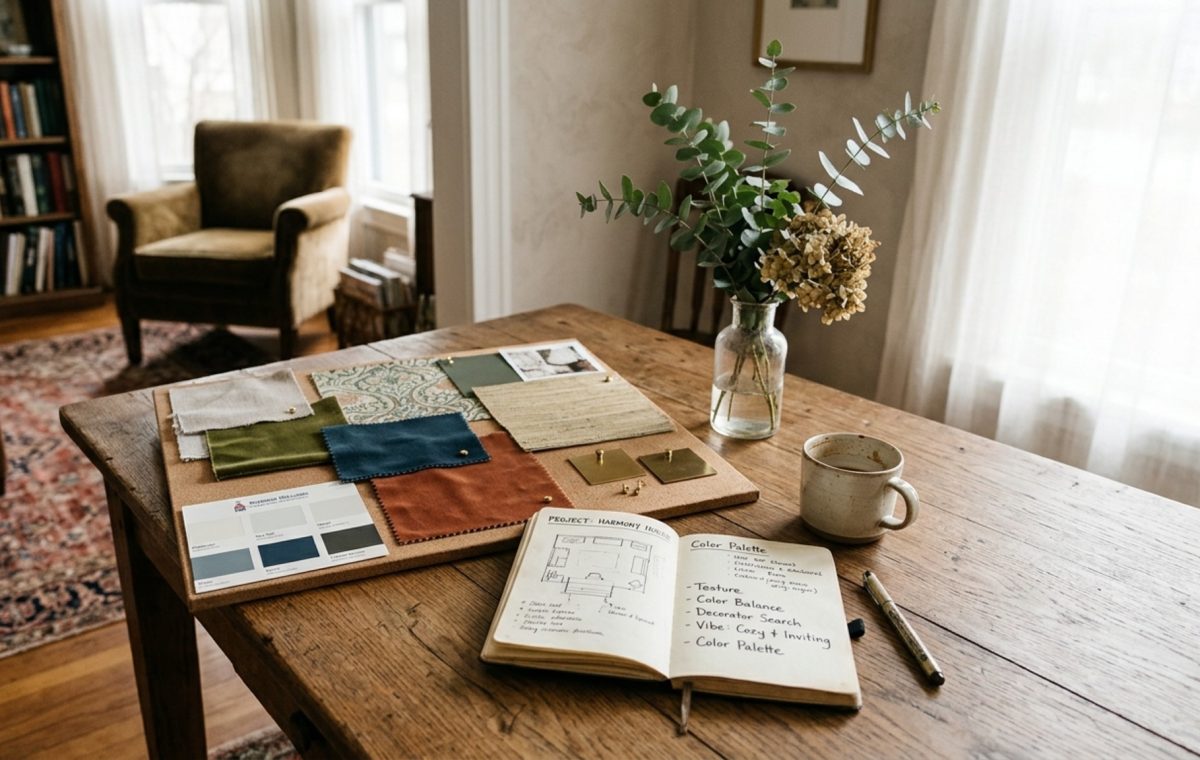
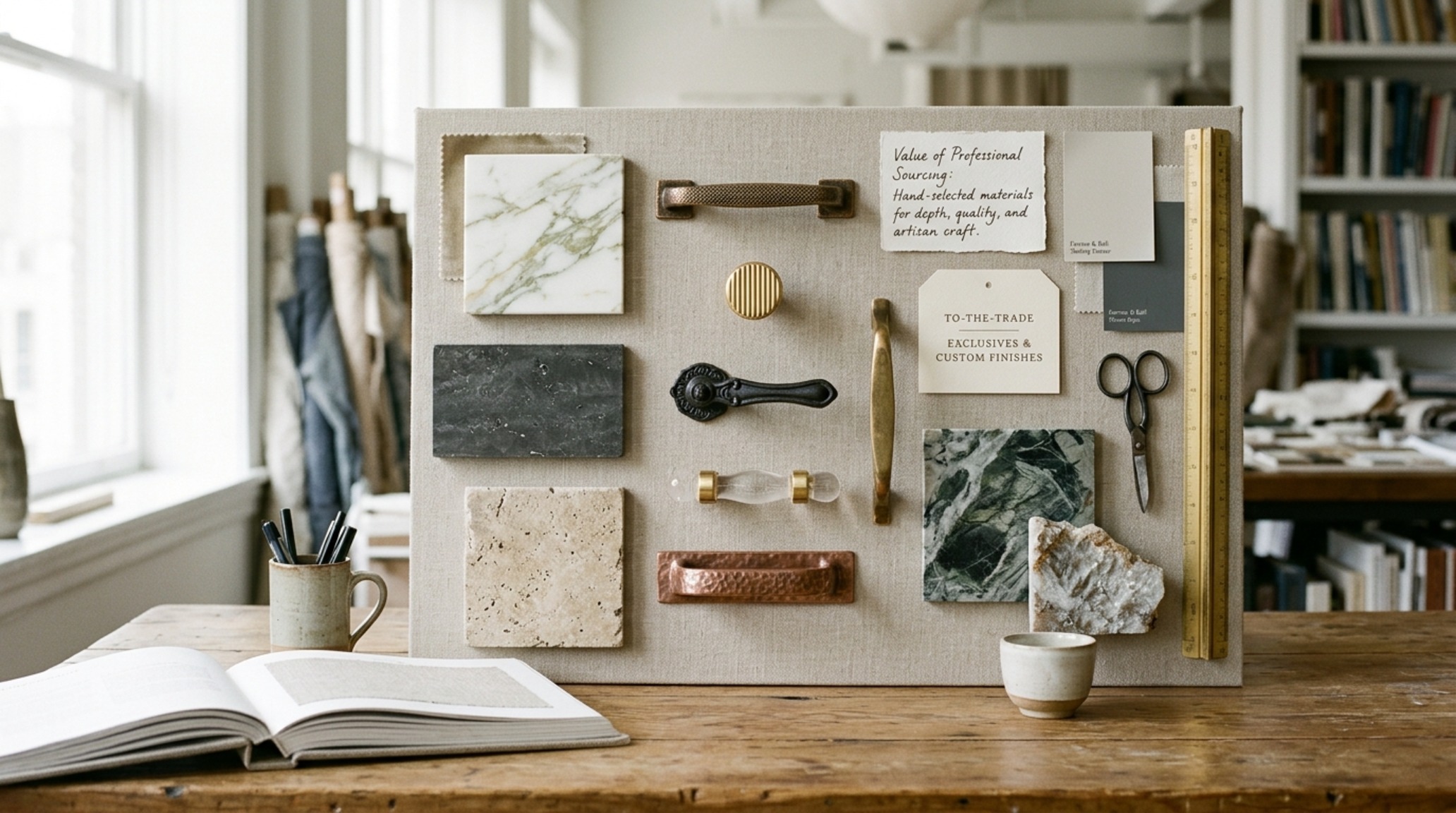
The kitchen and dining areas are where structural logic meets high-end sensory design. Here, the residential design timeline becomes a critical framework. We often see homeowners rush into stone selection without considering the tactile coldness of certain marbles versus the organic warmth of soapstone. A professional decorator will guide you through the ‘visual weight’ of your cabinetry, perhaps suggesting a soft, muted tone like Farrow & Ball Setting Plaster to provide a warm, plaster-like backdrop for brass hardware.
Ergonomics in the dining zone are paramount. A 30-inch clearance behind a seated guest is the difference between a cramped meal and a graceful evening. By integrating these clearances into the initial mood board, the decorator ensures the visual ‘breathing room’ matches the physical experience. The transition from a hard kitchen island to a soft dining textile creates a rhythmic shift in the home’s energy, moving from utility to relaxation.
The Master Suite: A Sensory Sanctuary of Bespoke Materials
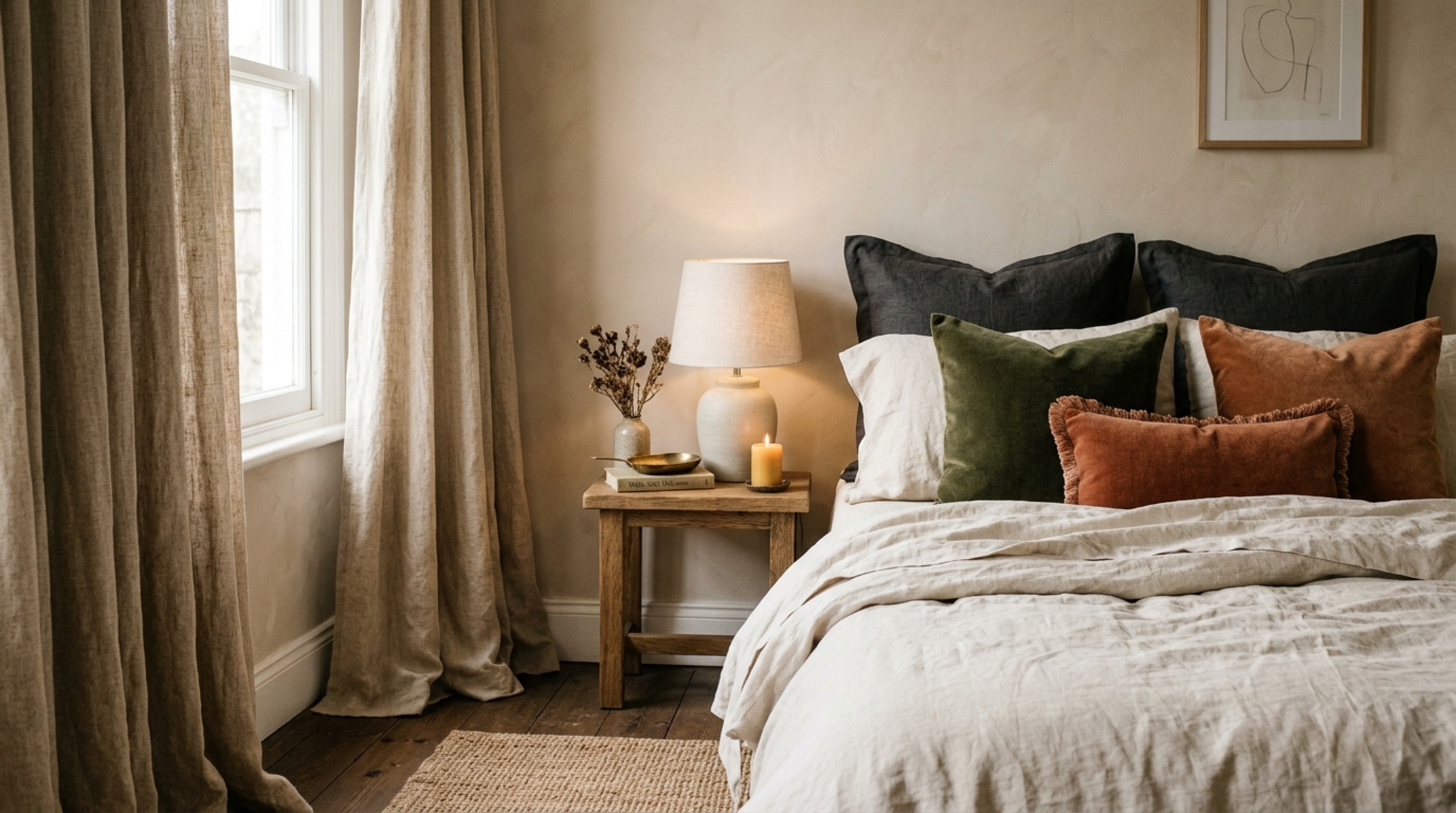
In the bedroom, the focus shifts entirely to ‘tactile grounding.’ This is the space where the ‘to-the-trade’ materials truly shine—mohair velvets, silk-wool blends, and grasscloth wallcoverings that provide micro-texture to the walls. When finding an interior decorator, ask how they approach the layering of bedding and window treatments to manage light and sound. Shadows are just as important as light here; the ‘shadow play’ created by a well-placed sconce can transform a flat wall into a deeply emotive surface.
Designer Portfolio Review: Assessing the Depth of Detail
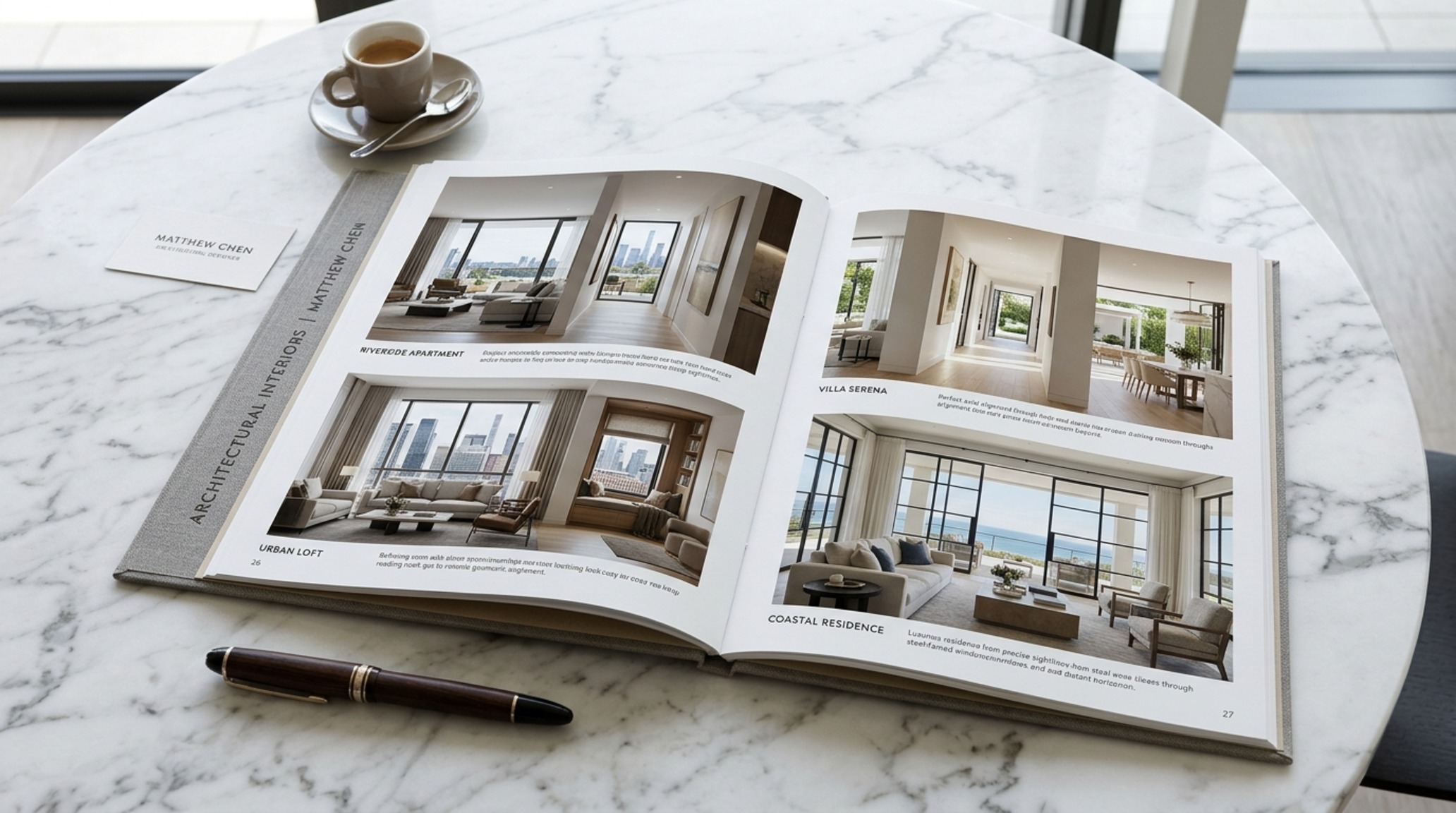
Conducting a thorough designer portfolio review is about more than just liking the photos. Look for the ‘sightline alignment.’ Does the view from the bed lead to a balanced vignette? Is there a sense of proportion between the bedside lamps and the headboard height? A portfolio should demonstrate a mastery of ‘tactile materiality’—the ability to mix a rough-hewn antique stool with a sleek, modern glass pendant without the room feeling disjointed. This balance is the hallmark of a sophisticated visual mood.
The Creative Studio: High CRI Environments and Functional Flow
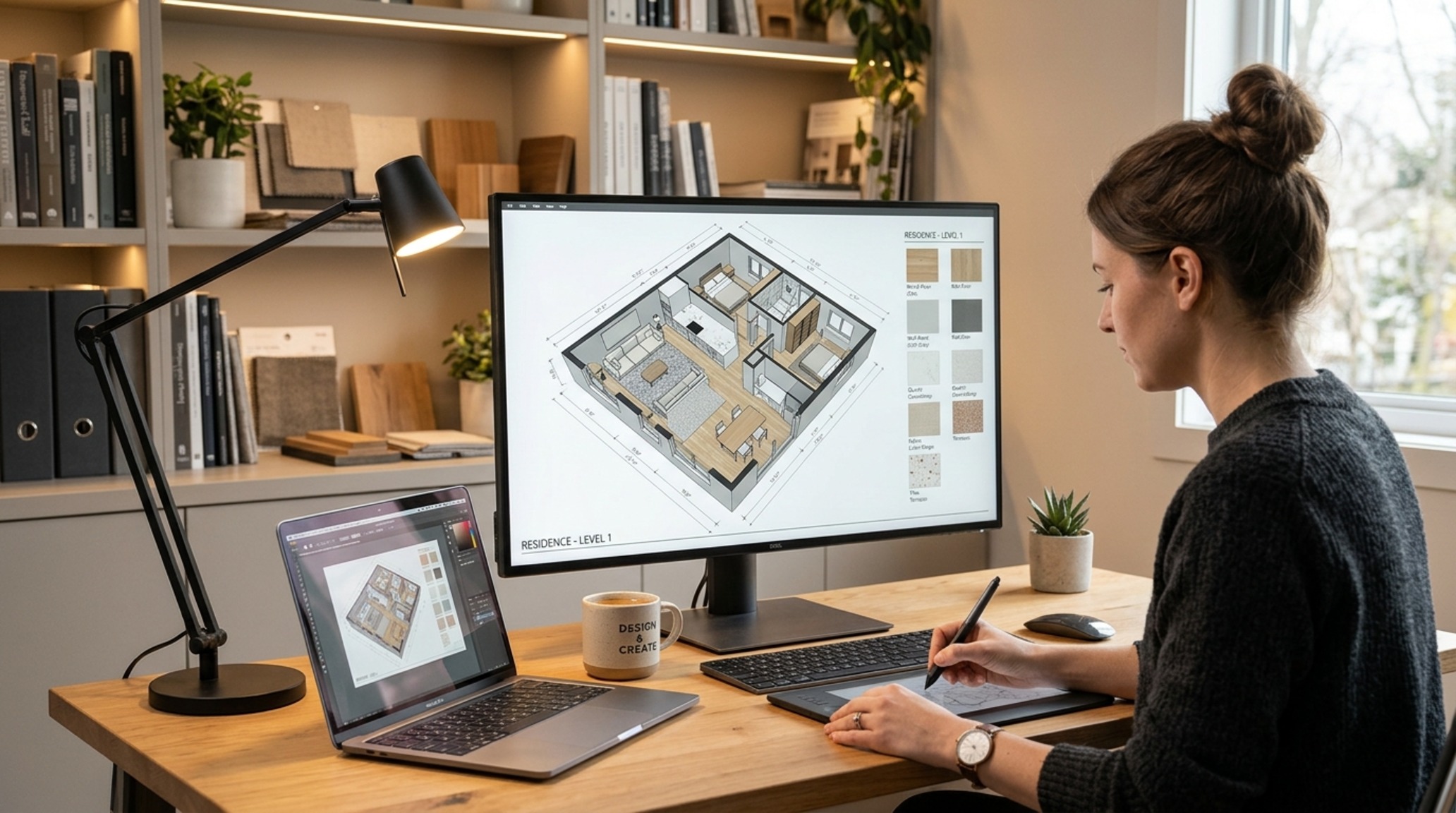
Whether it’s a home office or a dedicated library, the workspace requires a pivot toward task-oriented sensory design. Here, 3000K lighting provides the necessary alertness without the clinical coldness of higher temperatures. The flow must accommodate 36-inch walkways to ensure movement isn’t stifled by storage units or desk placement. Finding an interior decorator with an eye for the ‘visual narrative’ of a workspace means your reference books and equipment are integrated into the decor, rather than cluttering it.
Interior Design Interview Questions: Uncovering the Visual Process
When you sit down for a consultation, your interior design interview questions should probe into their atmospheric philosophy. Ask: “How do you balance light temperature with north-facing windows?” or “What is your approach to mixing disparate wood species within a single open-plan floor?” These questions reveal if the decorator understands the technical underpinnings of the ‘visual mood’ you desire. It moves the conversation from mere aesthetics to a rigorous architectural standard.
The Professional Lens: Finding an Interior Decorator to Translate Your Sensory Language
Ultimately, finding an interior decorator is a search for a translator. You have a feeling you want to evoke—perhaps it’s the quietude of a Scandinavian winter or the vibrant warmth of a Mediterranean villa—and they have the technical vocabulary to build it. They understand that a 12-inch overhang on a kitchen island isn’t just a measurement; it’s a social invitation. They know that the specific weight of a linen drape affects the way it ‘puddles’ on the floor, contributing to the overall relaxed or formal mood of the room.
Budgeting is a core part of this relationship. Understanding the cost to hire a decorator involves looking at the value of ‘to-the-trade’ access. Often, the savings found through exclusive vendor relationships and the avoidance of costly spatial mistakes (like purchasing a rug that is 2 feet too small for the seating group) more than offset the design fees. It is an investment in the long-term architectural integrity of your sanctuary.
Design Ledger: Materials, Palette & Clearances
Curated tactile palette, spatial dimensions, and atmospheric lighting index for this design scheme.
Designing for visual mood is a slow, iterative process of layering. It requires patience to wait for the right vintage textile or the custom-mixed paint sample that finally ‘clicks’ in the afternoon sun. As you begin finding an interior decorator, remember that the most beautiful homes are those that feel deeply lived-in, where every object has the space to breathe and every material tells a story of comfort. Before you start your next renovation, take a moment to notice how the light hits your favorite corner at 4:00 PM—what is the one texture you could add there to make that moment feel even more like home?
Editorial Silo • Recommended Architecture Studies
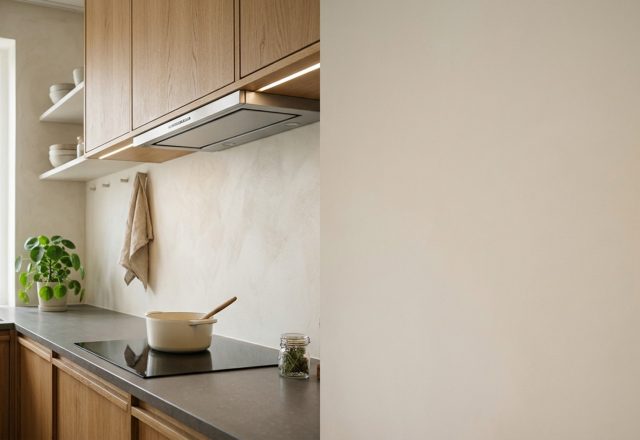
- 12 Range Hood Styles: Minimalist Designs — Archival Design Case Study
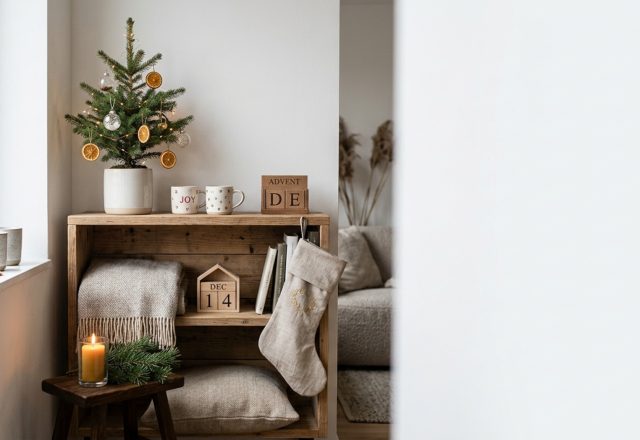
- Christmas decoration designs for seamless compact living — Archival Design Case Study
Visual Space & Form Catalog
Documenting spatial cadence through authentic materials, intentional voids, and sculpted architectural illumination.


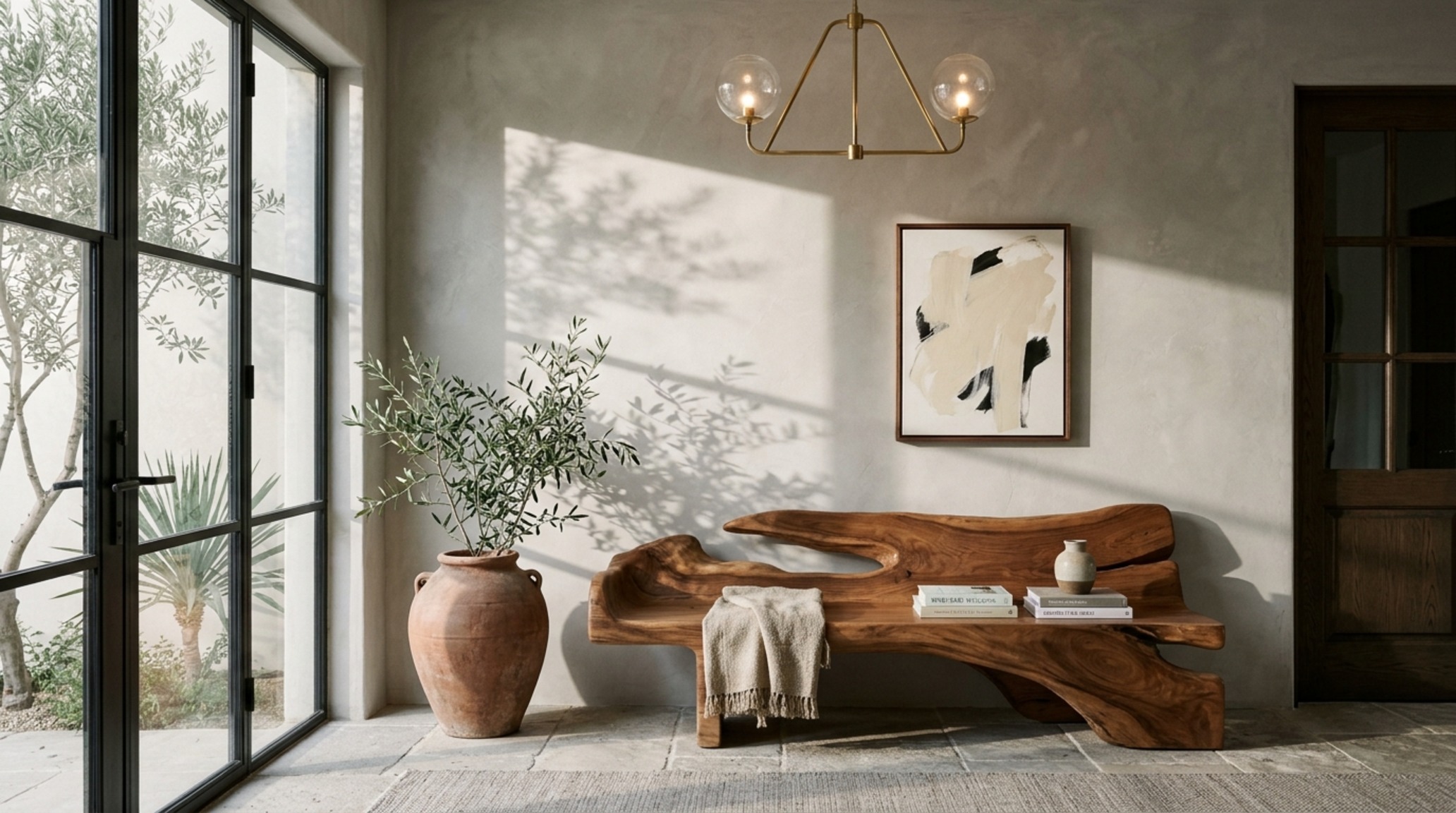
Curated Visual Lookbook
Design Gallery & Spatial Studies
A visual curation of architectural arrangements, lighting concepts, and material palettes featured in this space.