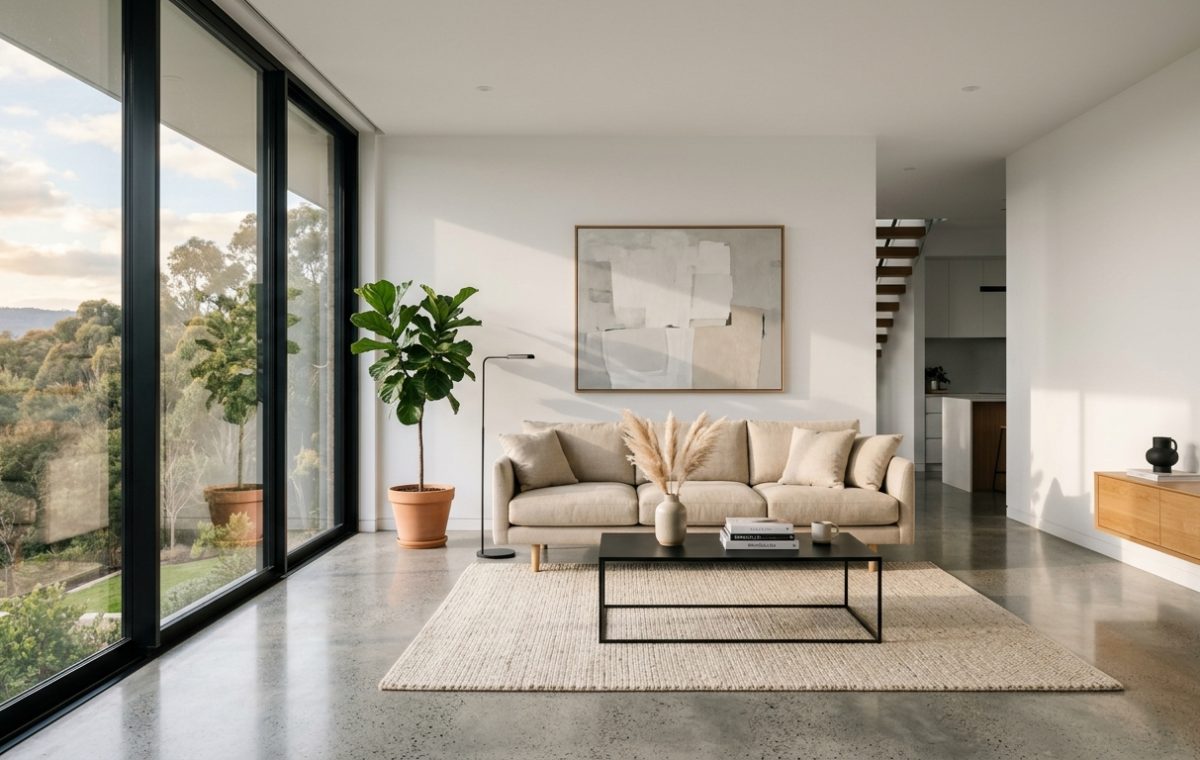
In an era defined by constant connectivity and an unrelenting flood of information, our homes have transitioned from mere shelters to vital sanctuaries for mental preservation. While high-end editorial coverage often focuses on the visual sleekness of modern minimalist interior design, the true value of this movement lies far beneath the surface. It is not merely an aesthetic choice; it is a profound psychological intervention. The evolution of minimalist spaces, particularly when compared to the cozy but often cluttered nuances of traditional decor or even the heavily layered textures of early Japandi trends, reveals a shift toward prioritizing cognitive clarity over decorative accumulation.
The Neuroscience of Visual Noise and Cortisol
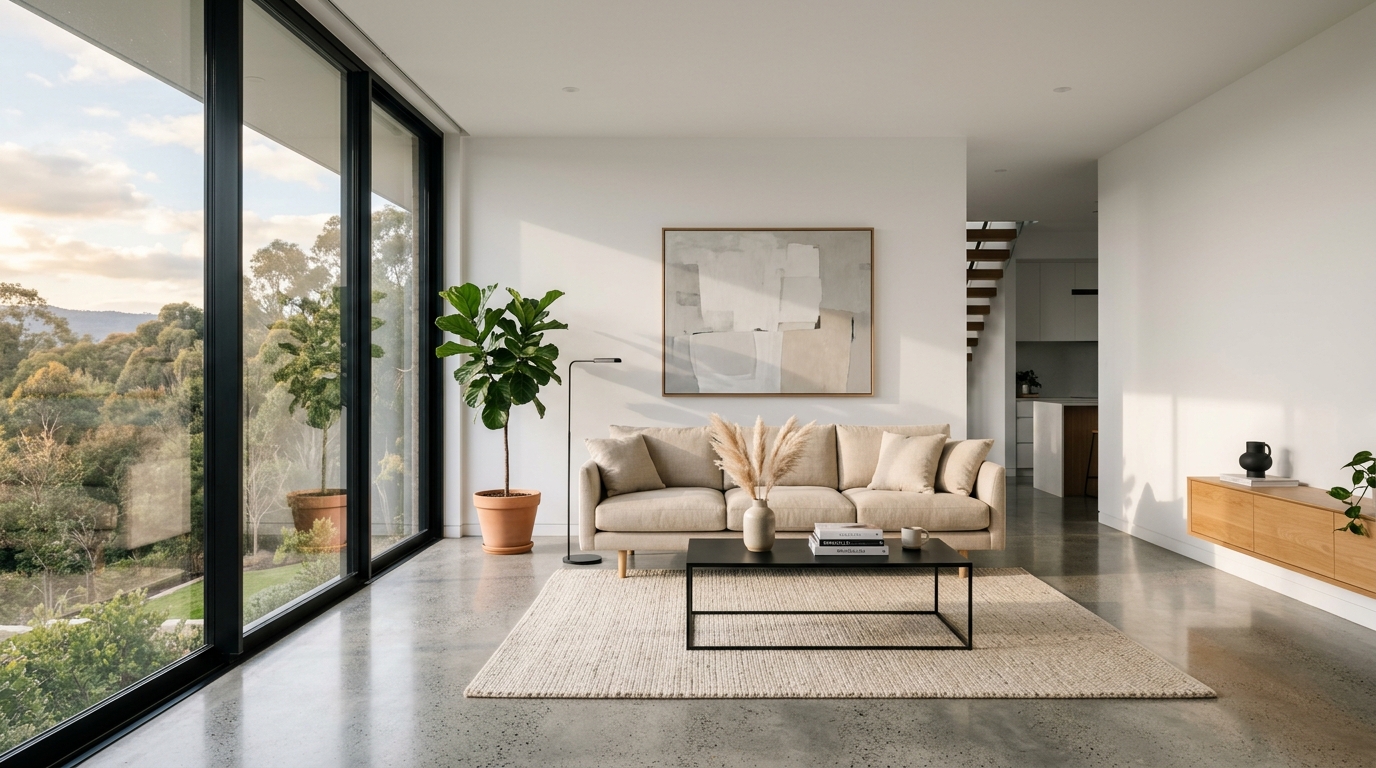
Our brains are wired to process every object within our field of vision. Each trinket on a mantel, every stack of papers on a desk, and every intricate pattern on a rug represents a data point that the subconscious mind must catalog and track. This phenomenon, often referred to as ‘visual noise,’ has a direct correlation with our physiological stress levels. Studies in environmental psychology suggest that living in a cluttered environment triggers the release of cortisol, the body’s primary stress hormone. When we inhabit a space defined by modern minimalist interior design, we are effectively lowering the cognitive load on our brains.
By removing the unnecessary, we allow the prefrontal cortex to rest. Instead of navigating a minefield of distractions, the eye glides over smooth surfaces and rests in ‘negative space.’ This is the ‘Ma’ of Japanese philosophy—the space between things that gives them meaning. In a minimalist home, this space is not ’empty’; it is functional. It provides the mental breathing room required to transition from the high-alert state of professional life into a restorative domestic state. Unlike the evolved Japandi bedroom, which focuses on a fusion of cultures, a purely psychological approach to minimalism focuses on the biological necessity of stillness.
The Zeigarnik Effect and Unfinished Tasks
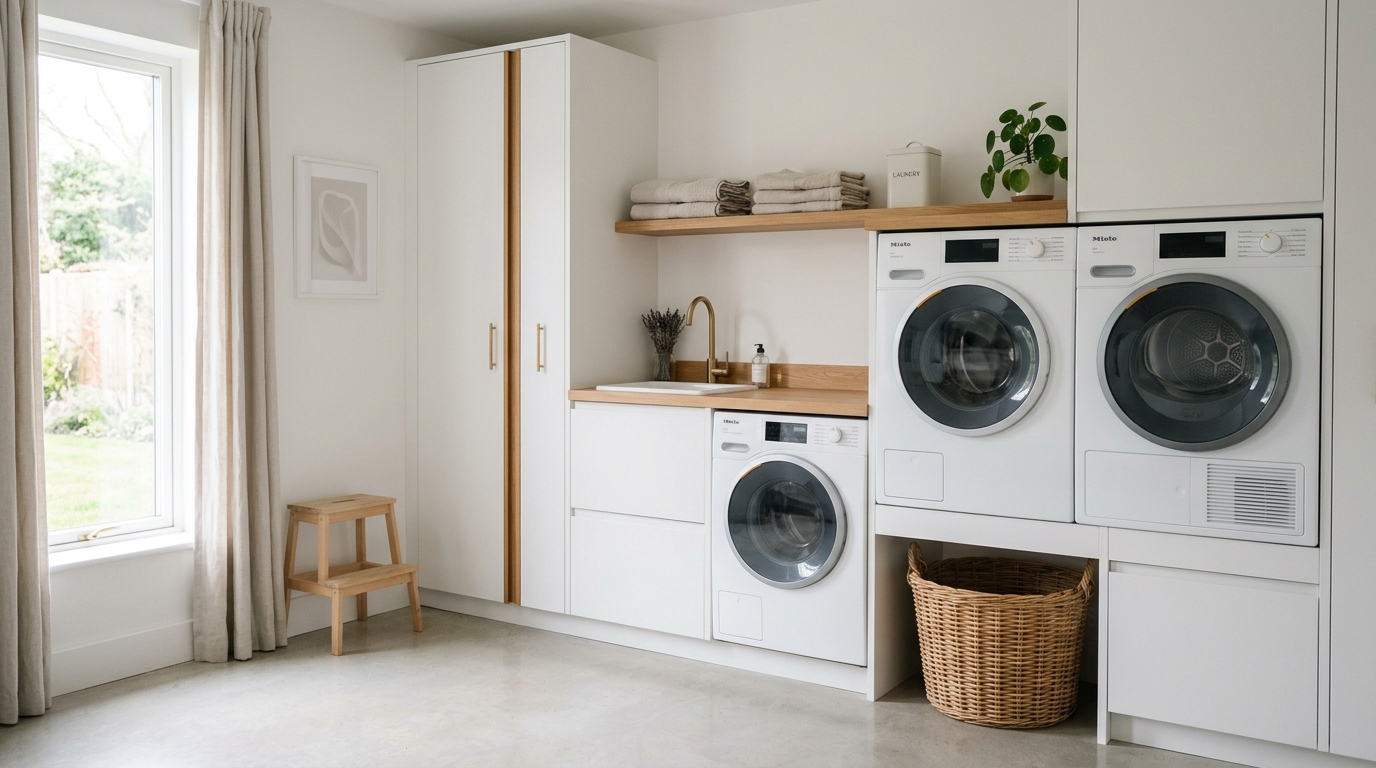
Clutter isn’t just physical; it’s a representation of ‘unfished business.’ According to the Zeigarnik Effect, people remember uncompleted or interrupted tasks better than completed ones. In a domestic setting, a pile of laundry or a bookshelf overflowing with unread titles acts as a series of visual ‘open loops’ that the brain struggles to close. Modern minimalist interior design functions as a closing mechanism for these loops. By curating only what is essential and beautiful, we eliminate the subconscious reminders of chores and consumption, allowing for a deeper level of presence and focus.
The Blank Canvas: Minimalism as a Catalyst for Creativity
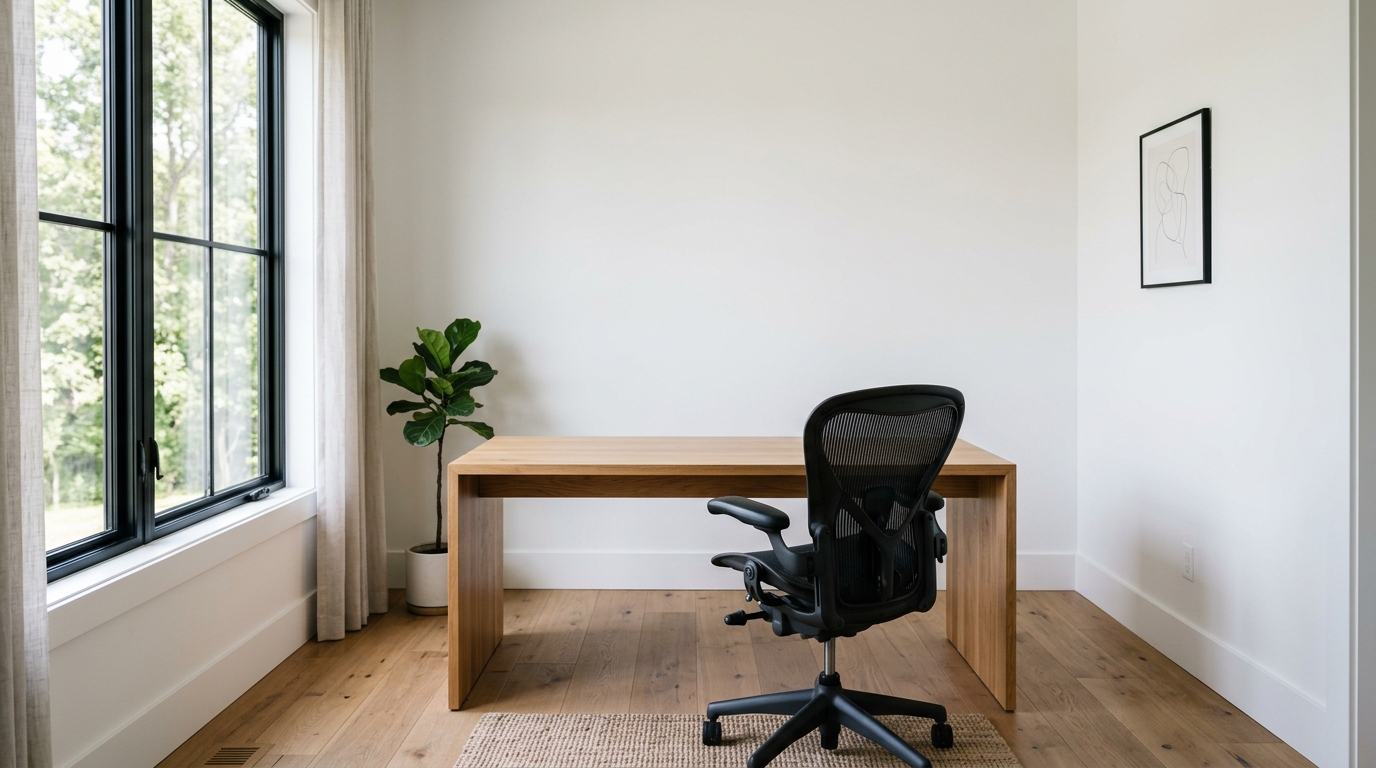
There is a common misconception that minimalist spaces are cold or uninspiring. However, from a psychological standpoint, the opposite is true. A room filled with specific, high-stimulus objects dictates a certain mood or narrative to the inhabitant. In contrast, a minimalist environment acts as a blank canvas. When the external environment is quiet, the internal world is allowed to speak. This is why many of the world’s most prolific creators prefer sparse studios. By minimizing external stimuli, modern minimalist interior design fosters a state of ‘deep work’ and creative incubation.
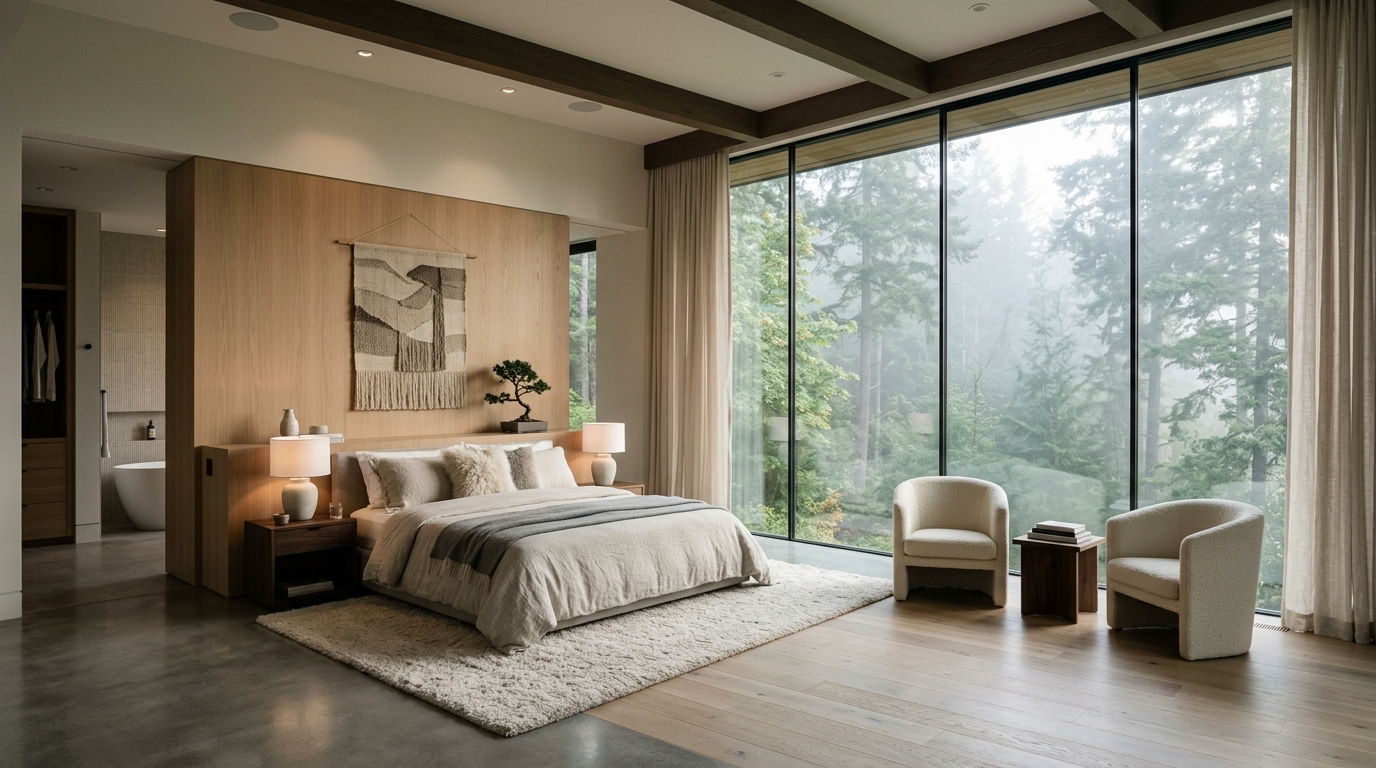
When we look at the evolution of sleep sanctuaries, moving beyond the ‘evolved Japandi’ look toward a more rigorous minimalism, we see a focus on monochromatic palettes and hidden storage. This isn’t about hiding our lives; it’s about protecting our mental focus. When the visual field is clear, the mind is no longer tethered to the physical objects surrounding it, allowing for wandering thought, problem-solving, and genuine relaxation.
- Reduced Decision Fatigue: Fewer items mean fewer choices to make about maintenance, organization, and use.
- Enhanced Sensory Regulation: Minimalist textures and soft lighting prevent sensory overload, particularly beneficial for neurodivergent individuals.
- Promoted Mindfulness: Each object in a minimalist home is chosen with intention, fostering a more mindful relationship with our possessions.
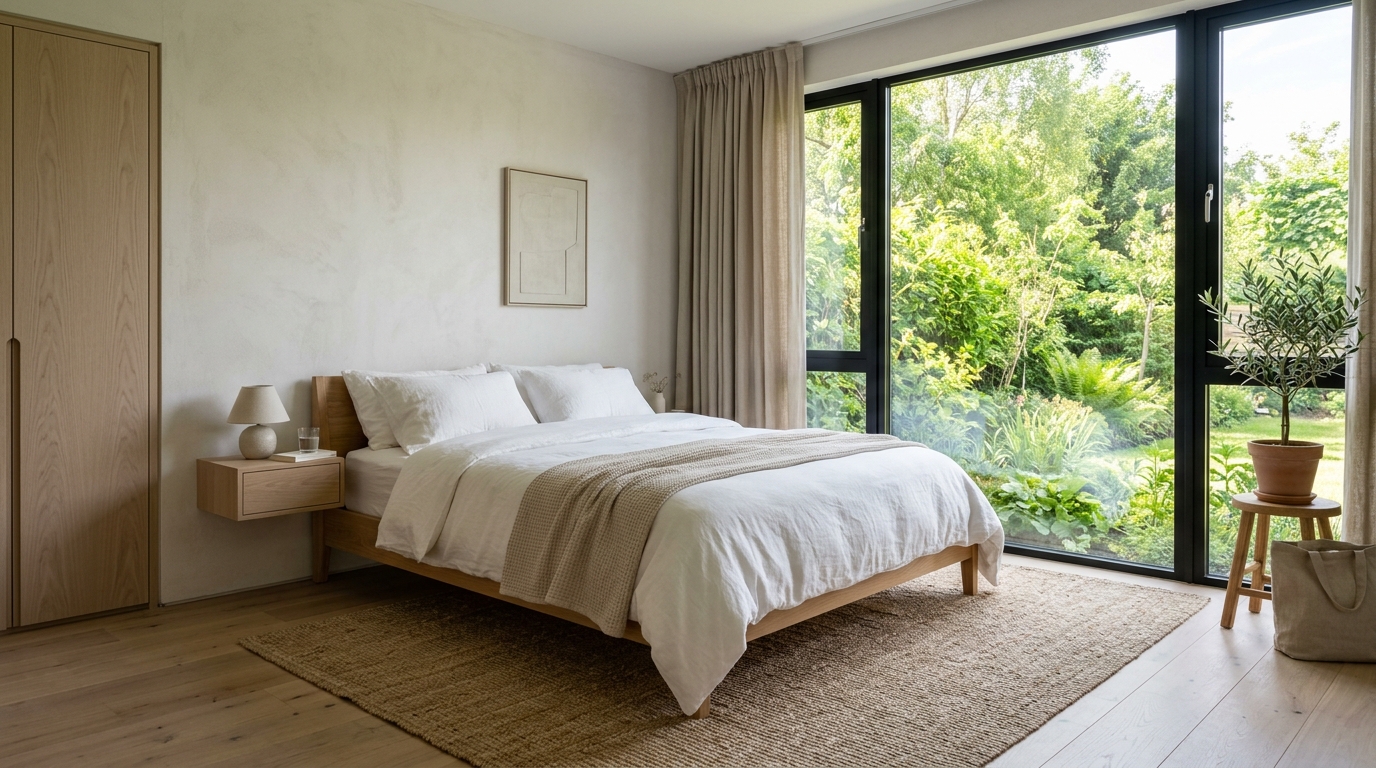
Tactile Minimalism: Grounding the Senses in Quality
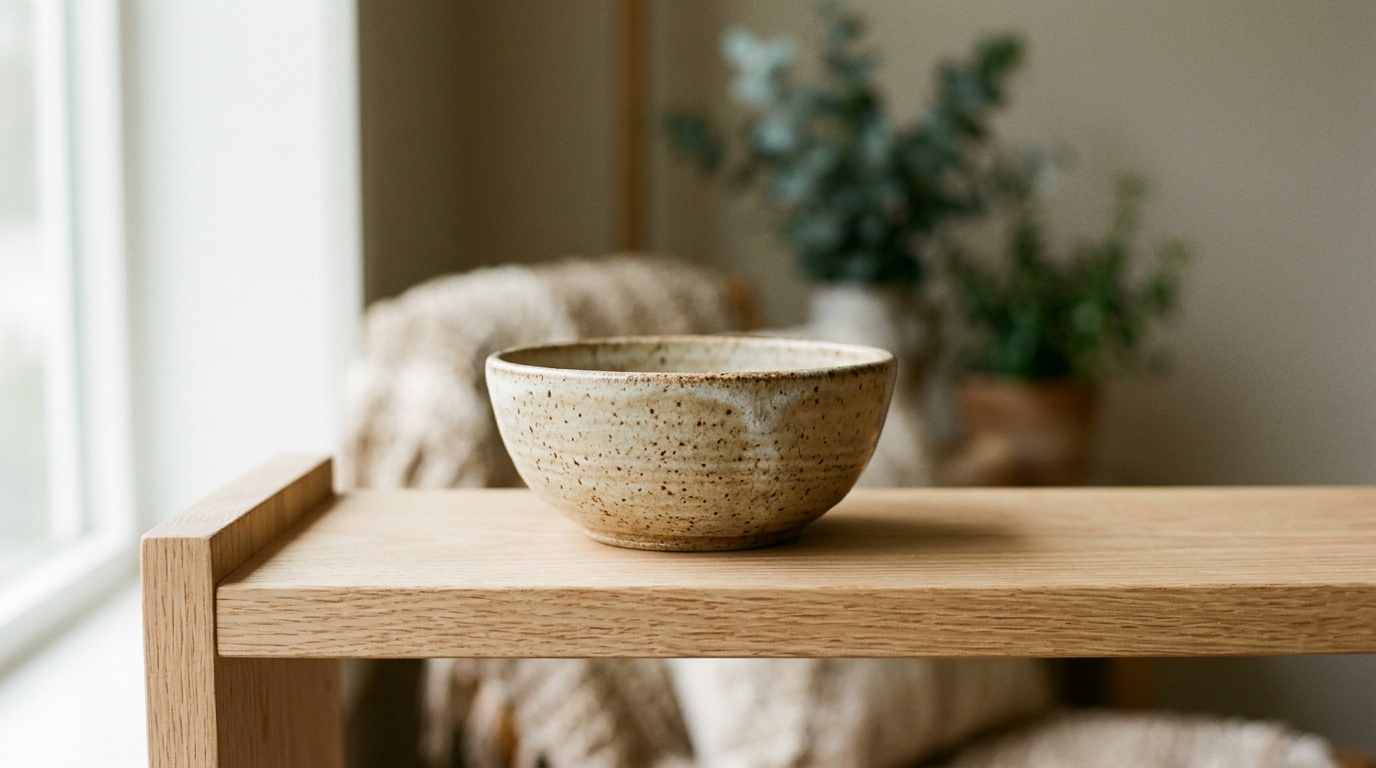
As we move away from quantity, the quality of what remains becomes paramount. This is where the psychological benefits of modern minimalist interior design intersect with the sensory experience. Instead of a room filled with cheap, mass-produced items, a minimalist space might feature a single, perfectly crafted white oak table or a hand-knotted wool rug in a soft grey. The tactile experience of these materials provides a ‘grounding’ effect. In psychology, grounding techniques are used to pull people out of anxiety or ‘heady’ states and back into their bodies. Touching high-quality, natural materials serves this same purpose, providing a physical anchor to the present moment.
The shift from the ‘Japandi Bedroom 2.0’ to a more refined minimalist sanctuary emphasizes this tactile purity. While Japandi introduces more contrast and fusion, the psychological minimalist seeks a more cohesive, monochromatic experience to minimize the ‘edge’ between different zones of the room. This seamlessness creates a sense of boundlessness, which is deeply calming to the nervous system.
Color Psychology and the Minimalist Palette
The reliance on whites, beiges, and soft earth tones in modern minimalist interior design is not a lack of imagination; it is a strategic use of color psychology. Brighter colors and high-contrast patterns are energetic; they demand attention and stimulate the brain. While this can be beneficial in a workspace or a commercial setting, it is counterproductive in a space meant for recovery. Neutral palettes reduce visual vibration, creating a ‘lullaby for the eyes.’ This environmental consistency signals to the amygdala—the brain’s fear center—that the environment is safe and predictable, further reducing anxiety.
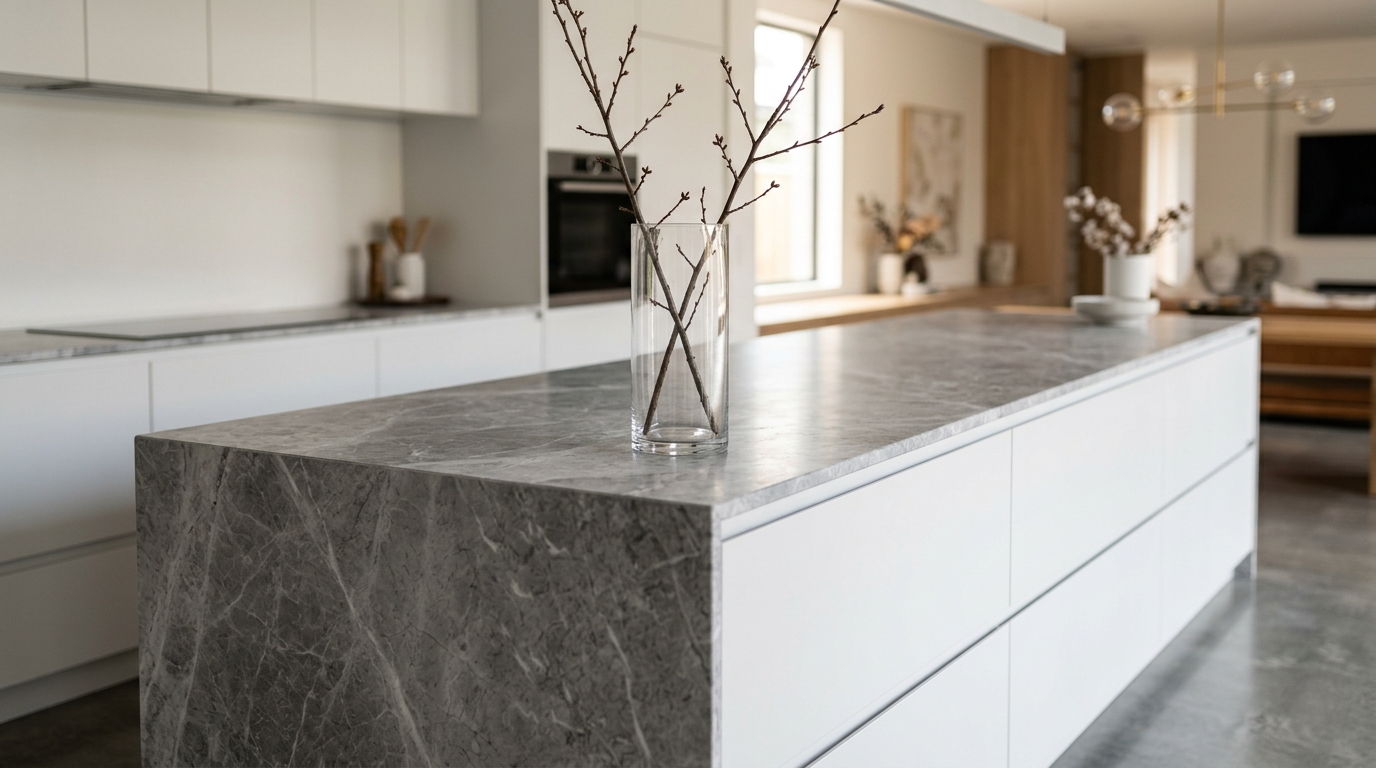
Living with Intentionality: The Shift from Consumption to Curation
Perhaps the most profound psychological benefit of embracing modern minimalist interior design is the shift in mindset it requires. To live minimally is to live intentionally. It requires a constant questioning of what adds value to our lives and what is merely ‘filler.’ This practice of discernment in our physical space eventually bleeds into our emotional and social lives. When we learn to say ‘no’ to a decorative object that doesn’t serve our peace, we become better at saying ‘no’ to social obligations or habits that drain our energy.
This is where minimalism transcends the ‘evolved fusion’ of trends. It becomes a philosophy of life. The home becomes a physical manifestation of one’s values. If we value peace, our home reflects it. If we value clarity, our surfaces remain clear. This alignment between our internal values and our external environment is a key component of psychological well-being. It reduces the ‘cognitive dissonance’ that occurs when we want a peaceful life but surround ourselves with the chaos of overconsumption.
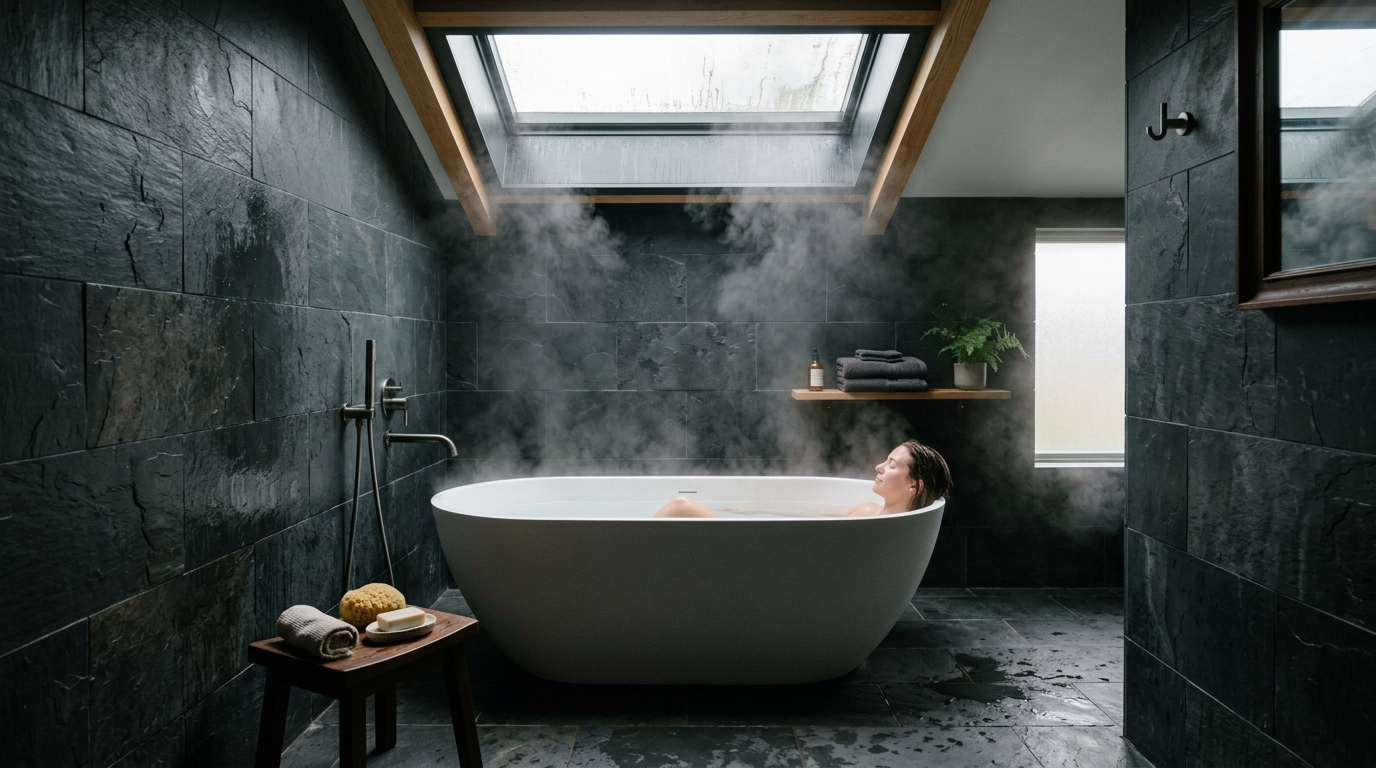
Final Perspectives: The Home as an Extension of the Self
We are not separate from our environments; we are in a constant feedback loop with them. Every wall, every shadow, and every piece of furniture informs our mood and our sense of self. Choosing modern minimalist interior design is an act of self-care that acknowledges the fragility of our mental focus in a chaotic world. It is the architectural equivalent of a deep, cleansing breath. By stripping away the superfluous, we do not lose anything; rather, we gain the space to discover who we are when we aren’t defined by what we own. The future of home design is not found in more features or more ‘fusion,’ but in the elegant, quiet power of enough. In the end, a minimalist home does not just look better—it allows us to feel better, think clearer, and live more authentically.
Inspiration Gallery
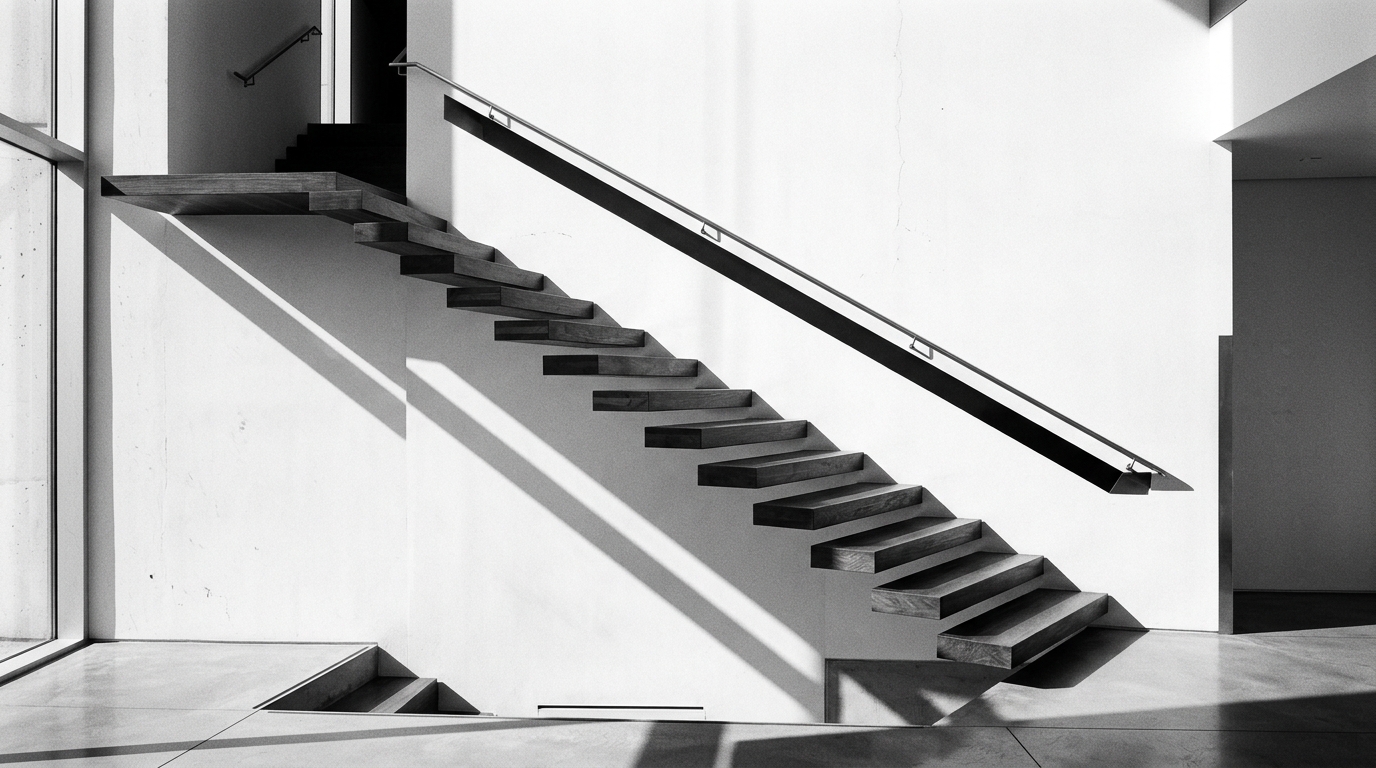
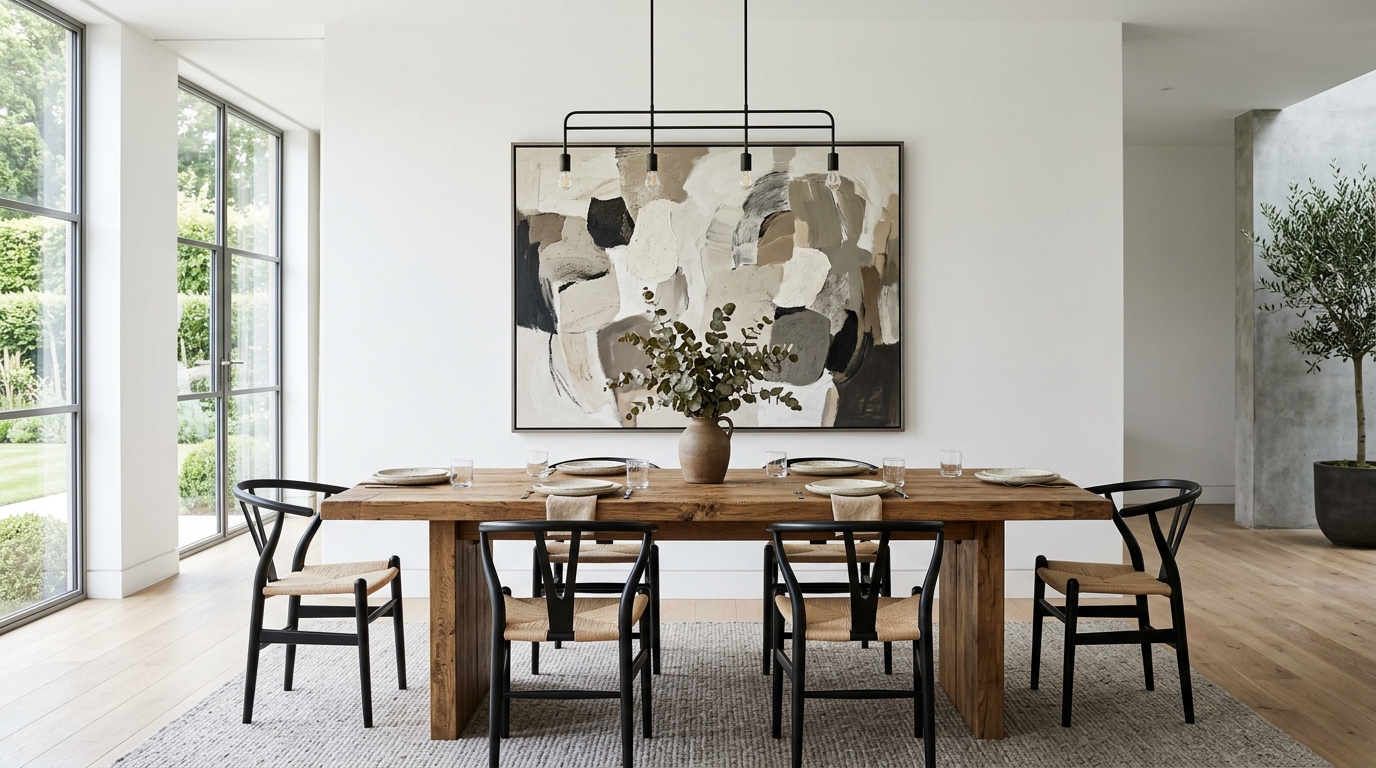
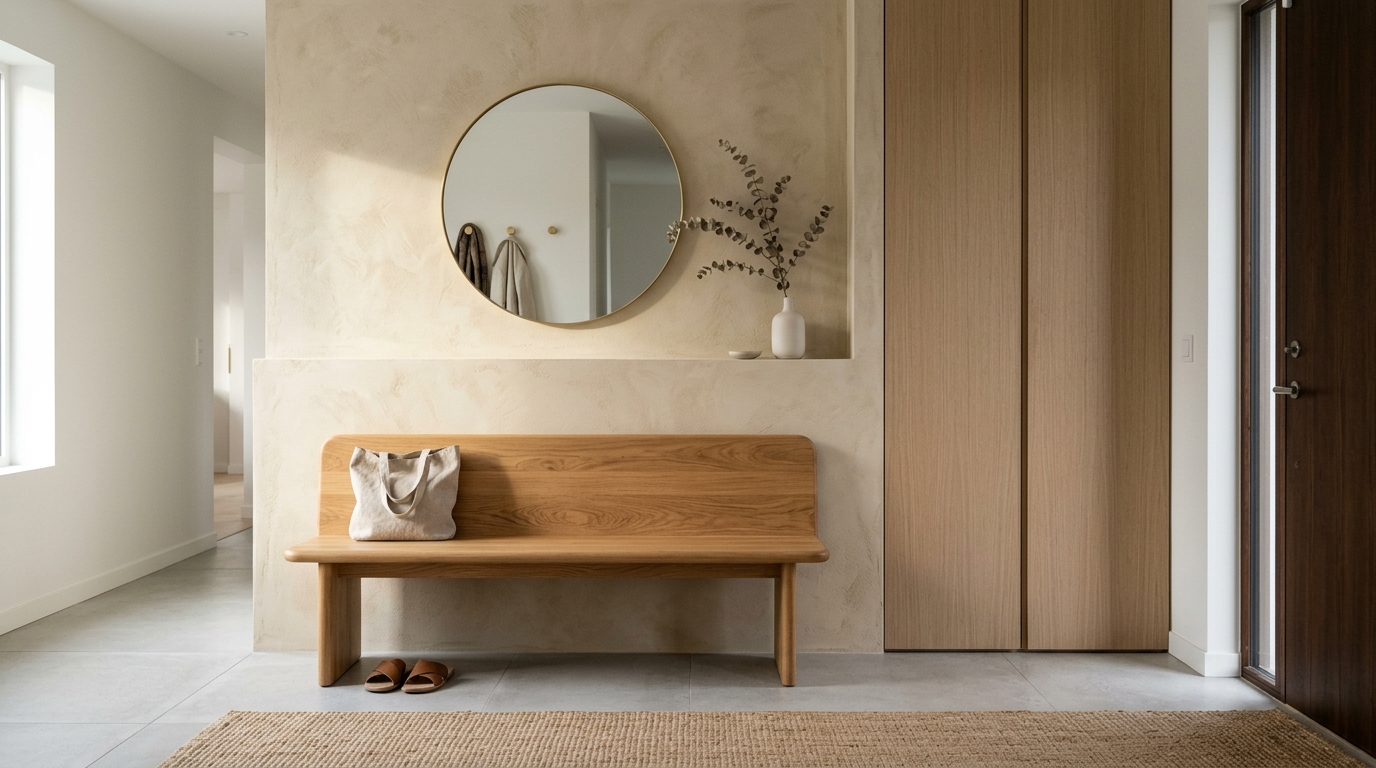
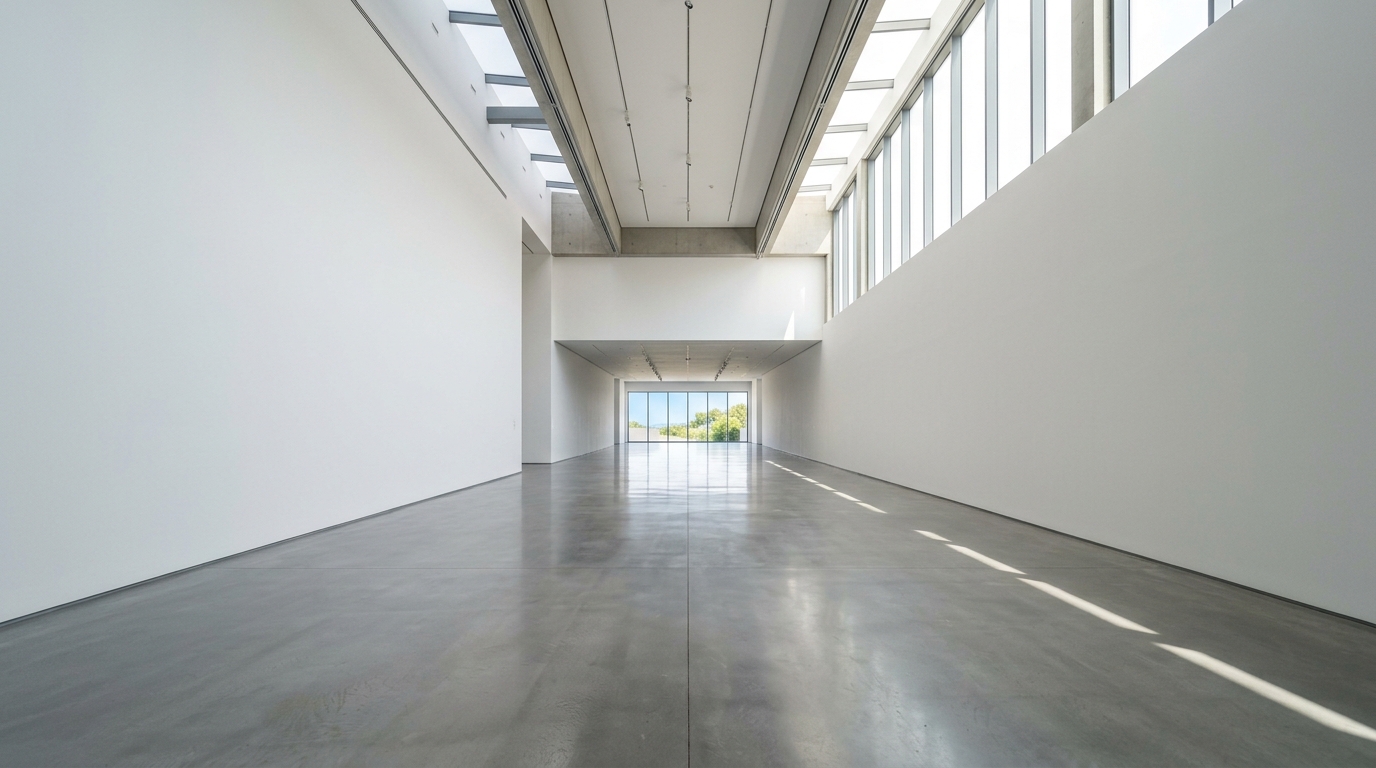
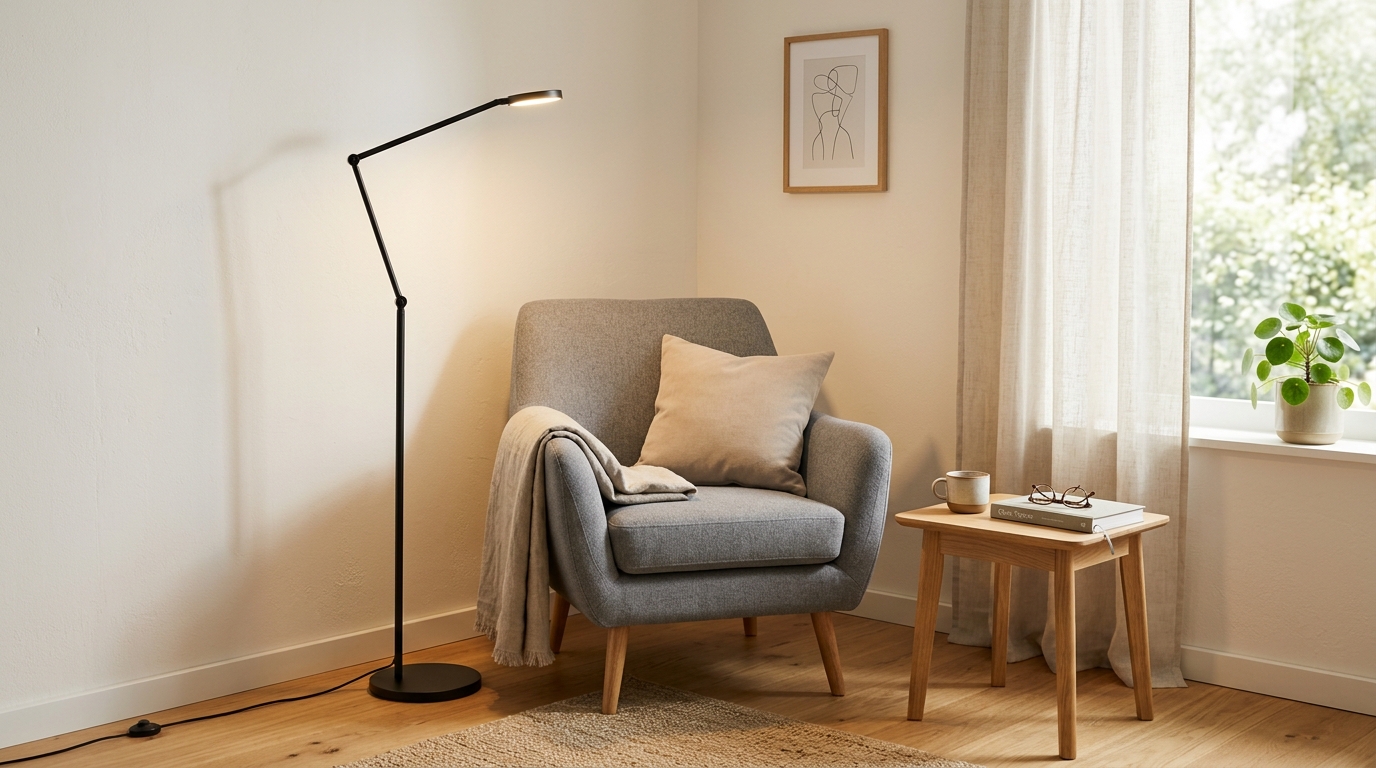
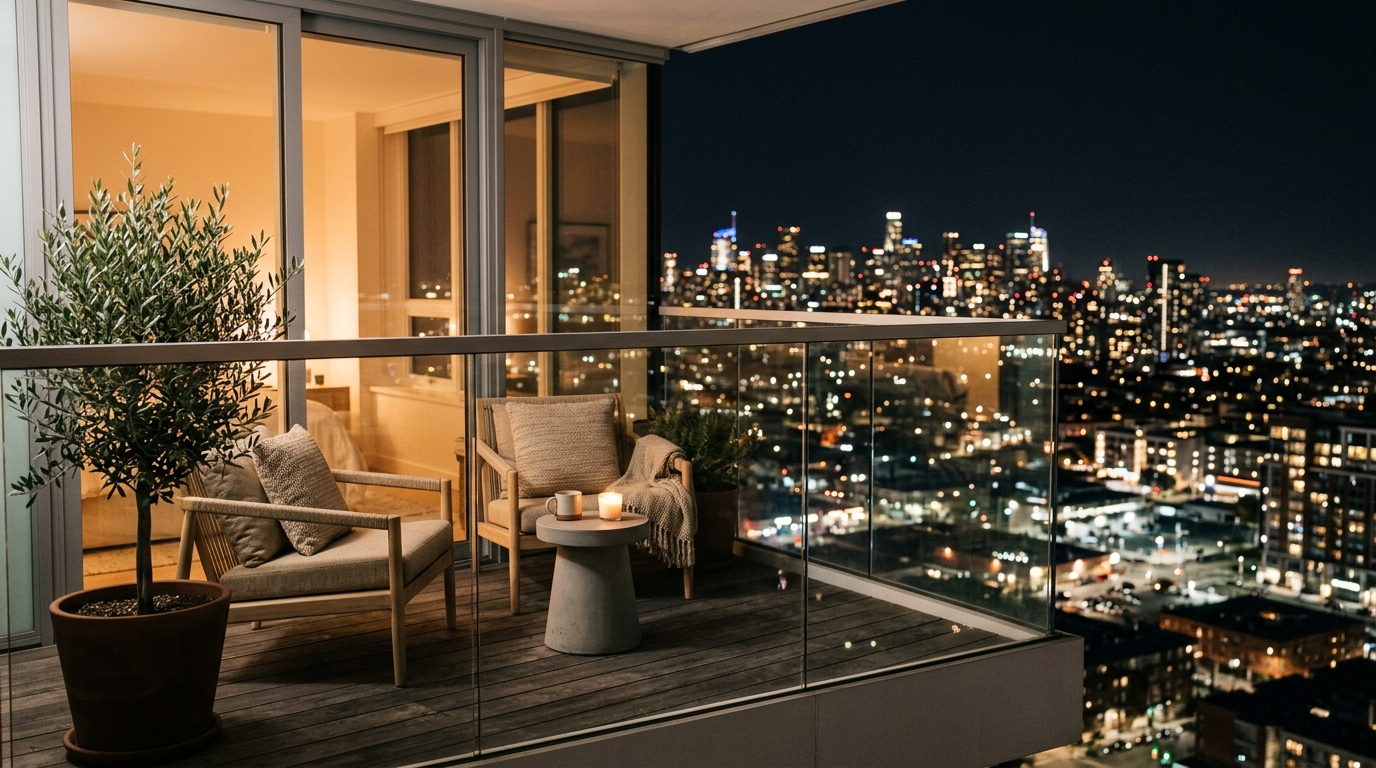
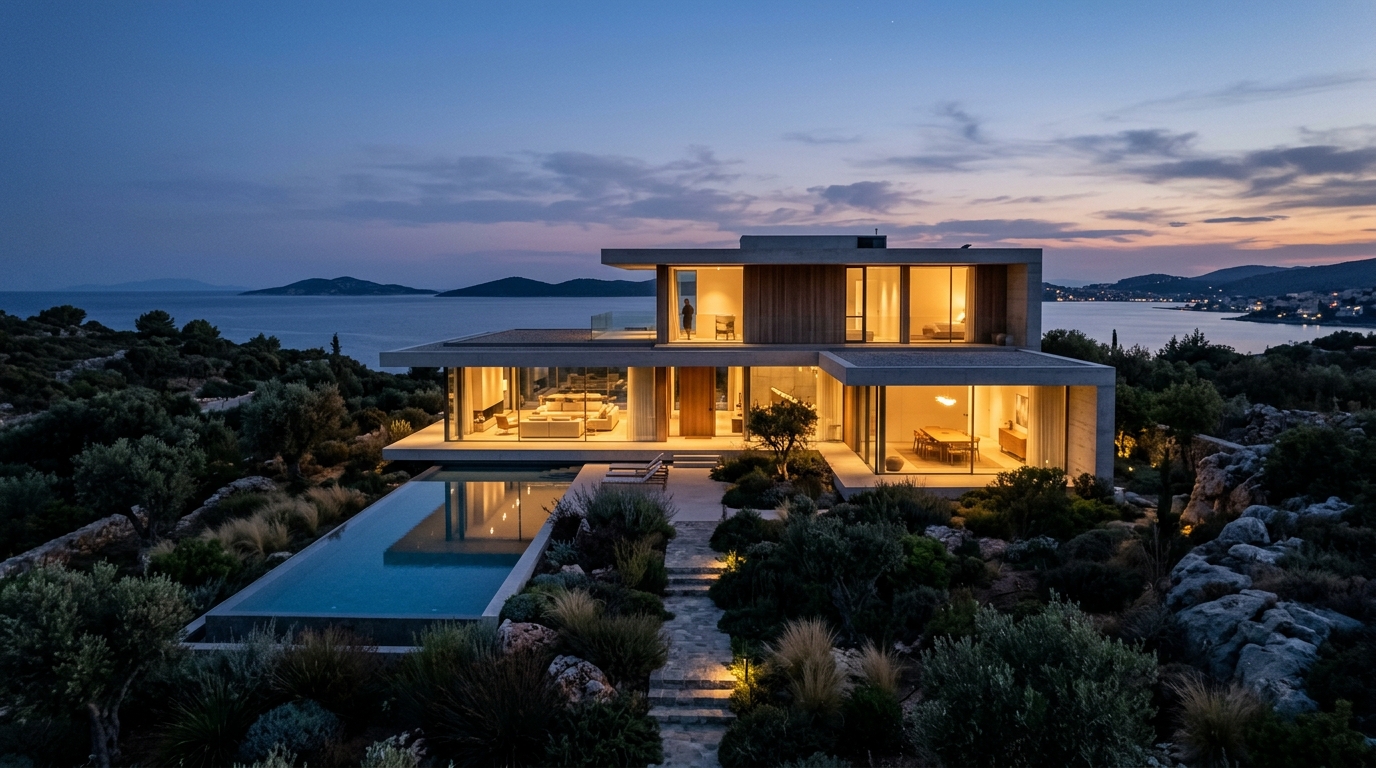
Editorial Silo • Recommended Architecture Studies
- The Nordic Spatial Formula: Designing a High-End Scandinavian Balcony with Walmart’s 2024 Architectural Essentials — Archival Design Case Study
Curated Visual Lookbook
Design Gallery & Spatial Studies
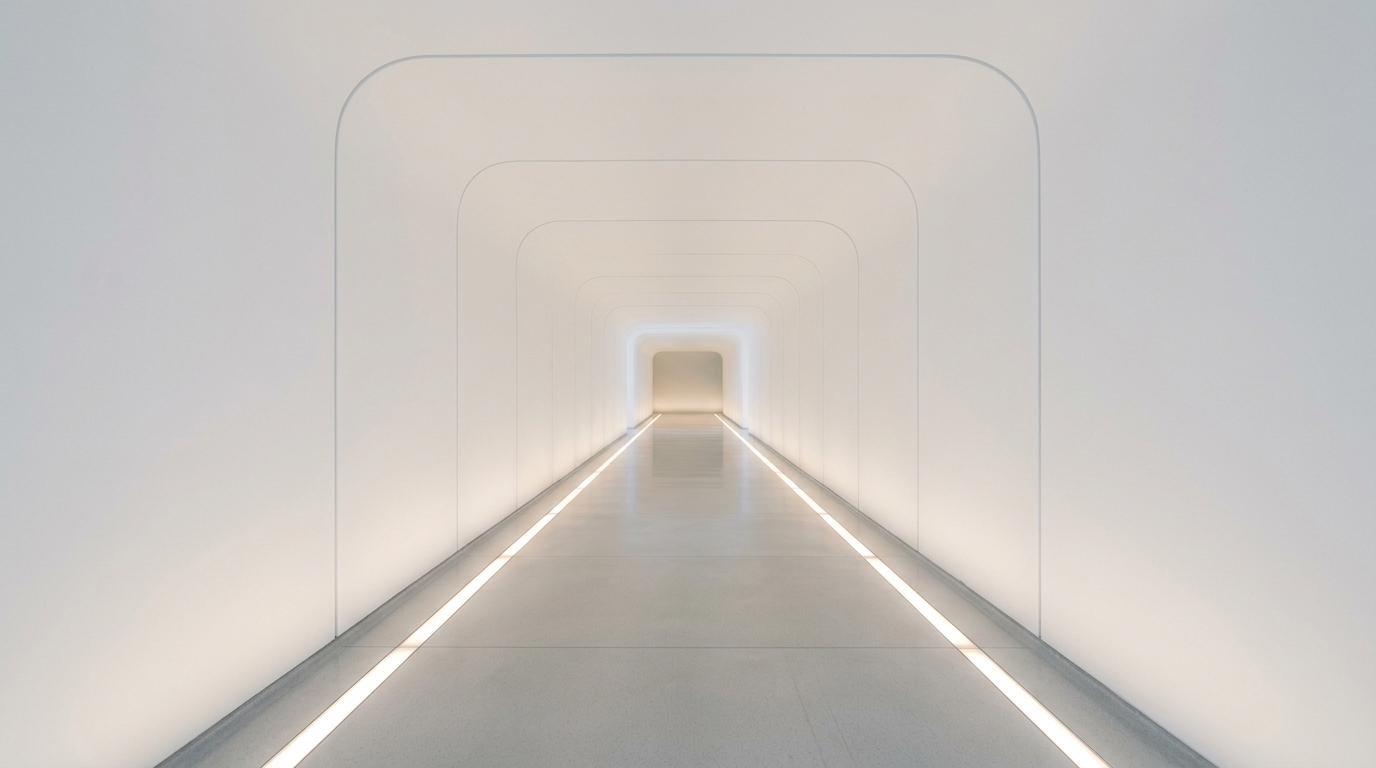
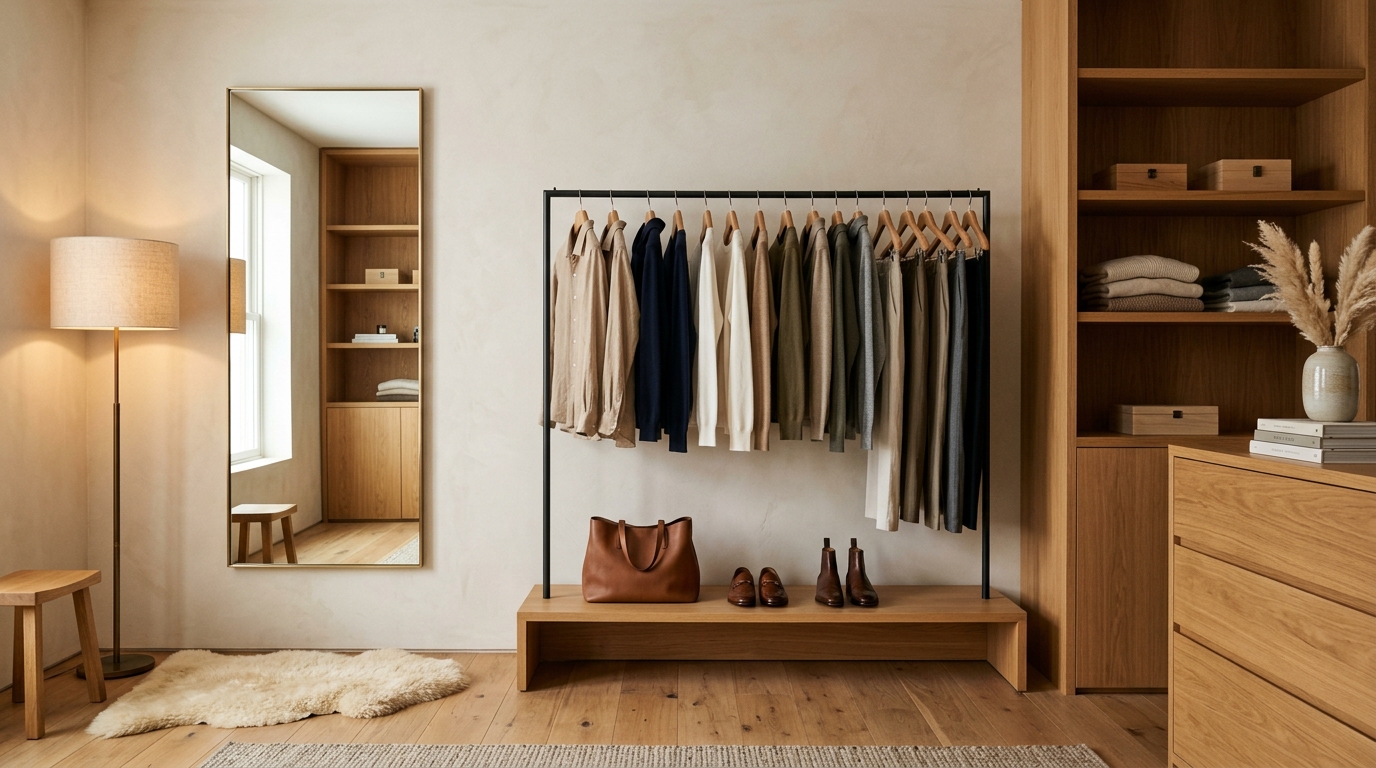
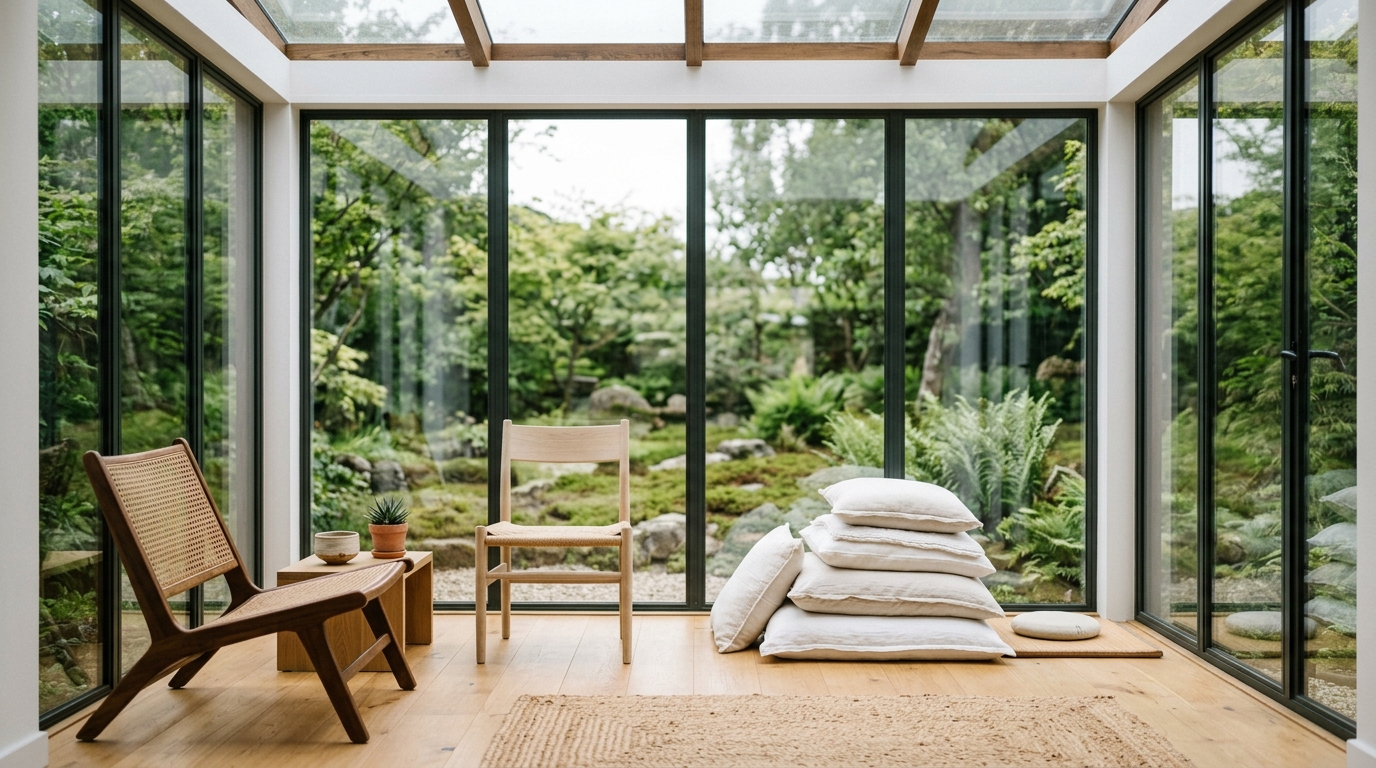
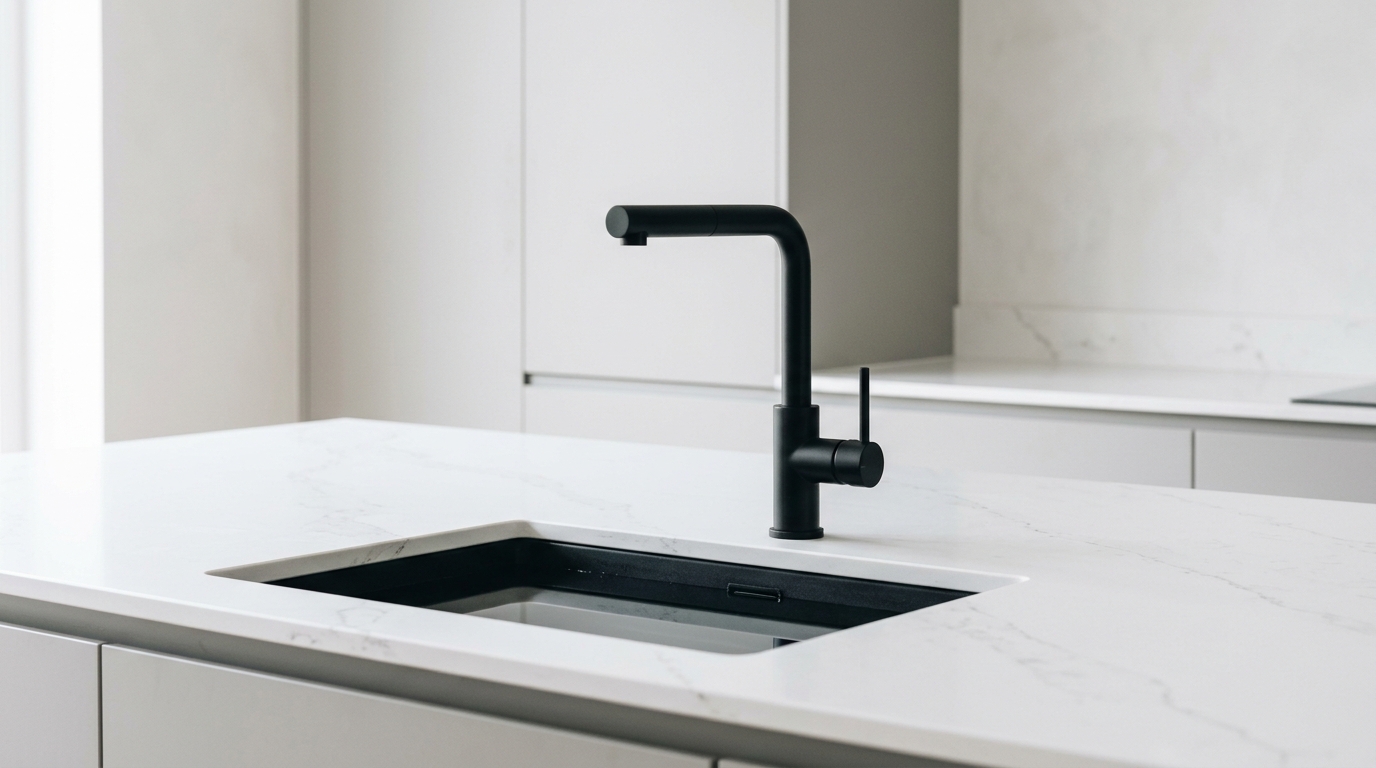
A visual curation of architectural arrangements, lighting concepts, and material palettes featured in this space.