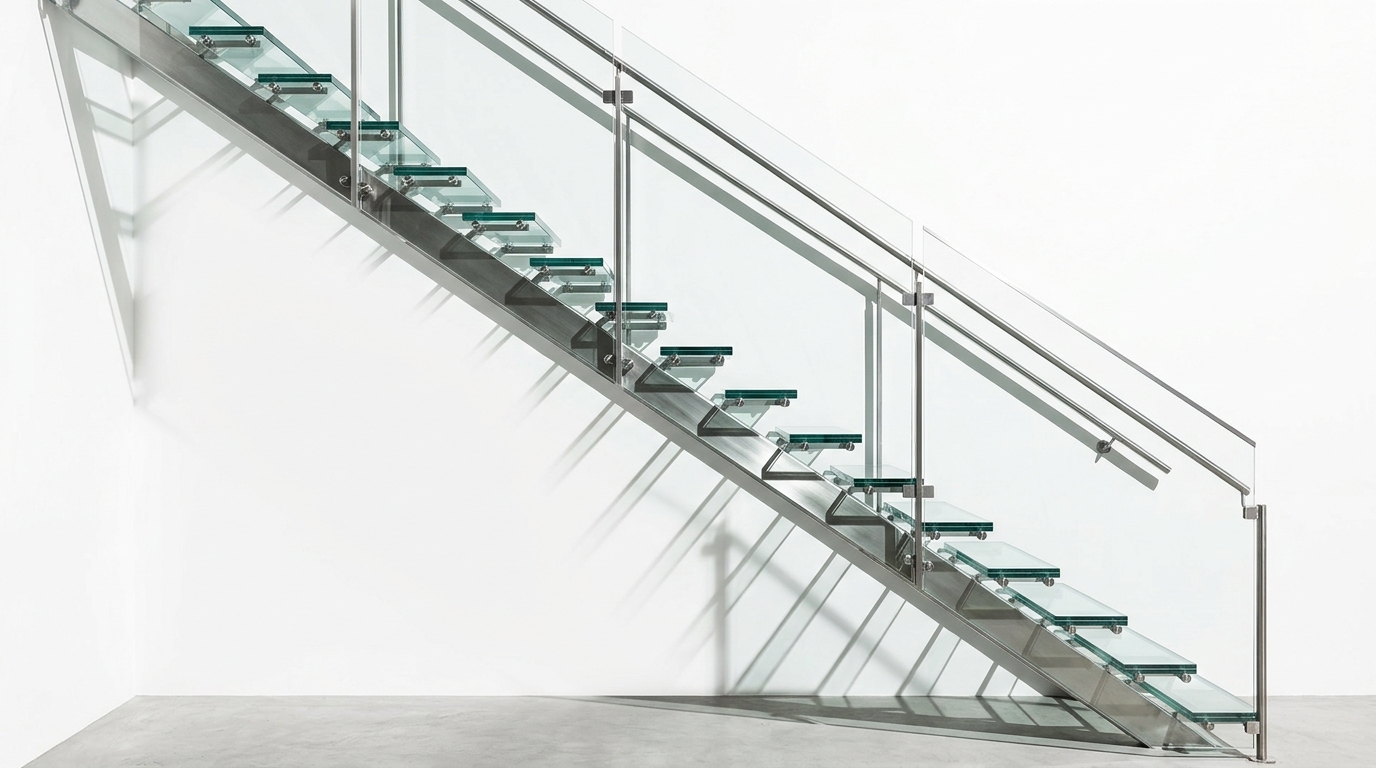
In an era defined by a relentless sensory onslaught, our homes have transitioned from mere shelters to the final frontiers of mental preservation. We are bombarded by digital notifications, urban noise, and a cultural obsession with accumulation. However, a profound shift is occurring within the realm of high-end architecture and interior styling. The rise of modern minimalist interior design is no longer just a trend favored by those who appreciate the stark beauty of a white cube; it has become a psychological necessity, a deliberate rebellion against the cognitive load of 21st-century life. While mainstream design media often encourages us to utilize every square inch—such as the common advice to transform the void under a staircase into a cramped office or a cluttered wine rack—there is a growing movement that argues for the sanctity of the void. This exploration delves into why the ‘less is more’ philosophy is the ultimate tool for emotional regulation and cognitive clarity.
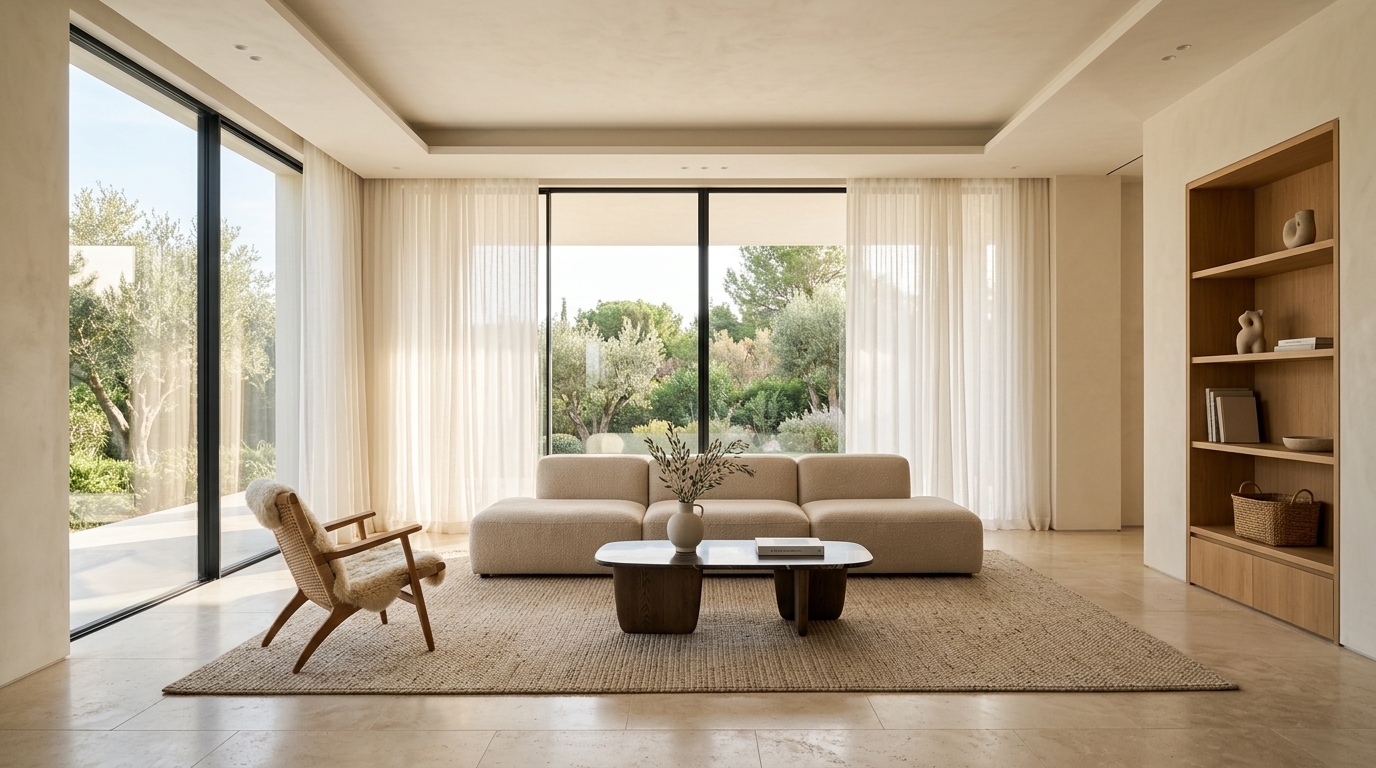
The Neurological Burden of Visual Clutter
To understand the psychological pull of minimalism, one must first understand how our brains interact with physical environments. The human brain is an extraordinary processing engine, but it has a finite capacity for attention. Every object in our field of vision—the stack of unread magazines, the ornate picture frame, the vibrant pattern on a rug—demands a microscopic amount of neural energy to process. Neuroscientists at Princeton University found that physical clutter in your surroundings competes for your attention, resulting in decreased performance and increased stress. When we inhabit spaces filled with excess, our brains are essentially in a state of low-level, constant alarm.
Modern minimalist interior design acts as a neurological reset. By stripping away the non-essential, we reduce the amount of visual information the amygdala has to interpret. In a minimalist room, the eyes can glide across surfaces without snagging on ‘visual noise.’ This lack of friction translates directly to lower cortisol levels. It is not simply that a clean room looks nice; it is that a clean room allows the nervous system to transition from a state of hyper-vigilance to a state of restorative calm.
The Power of Negative Space: Rejecting the ‘Maximize Every Inch’ Fallacy
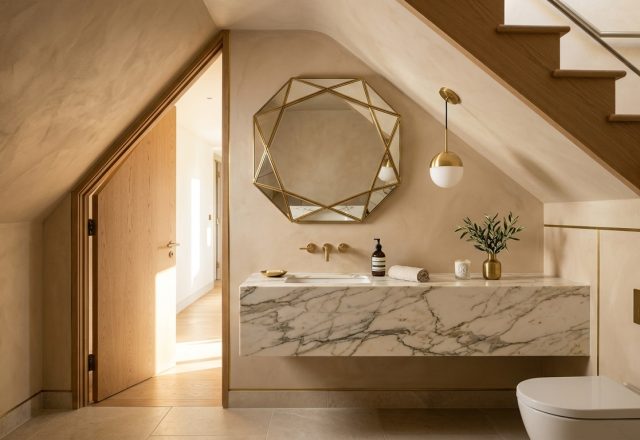
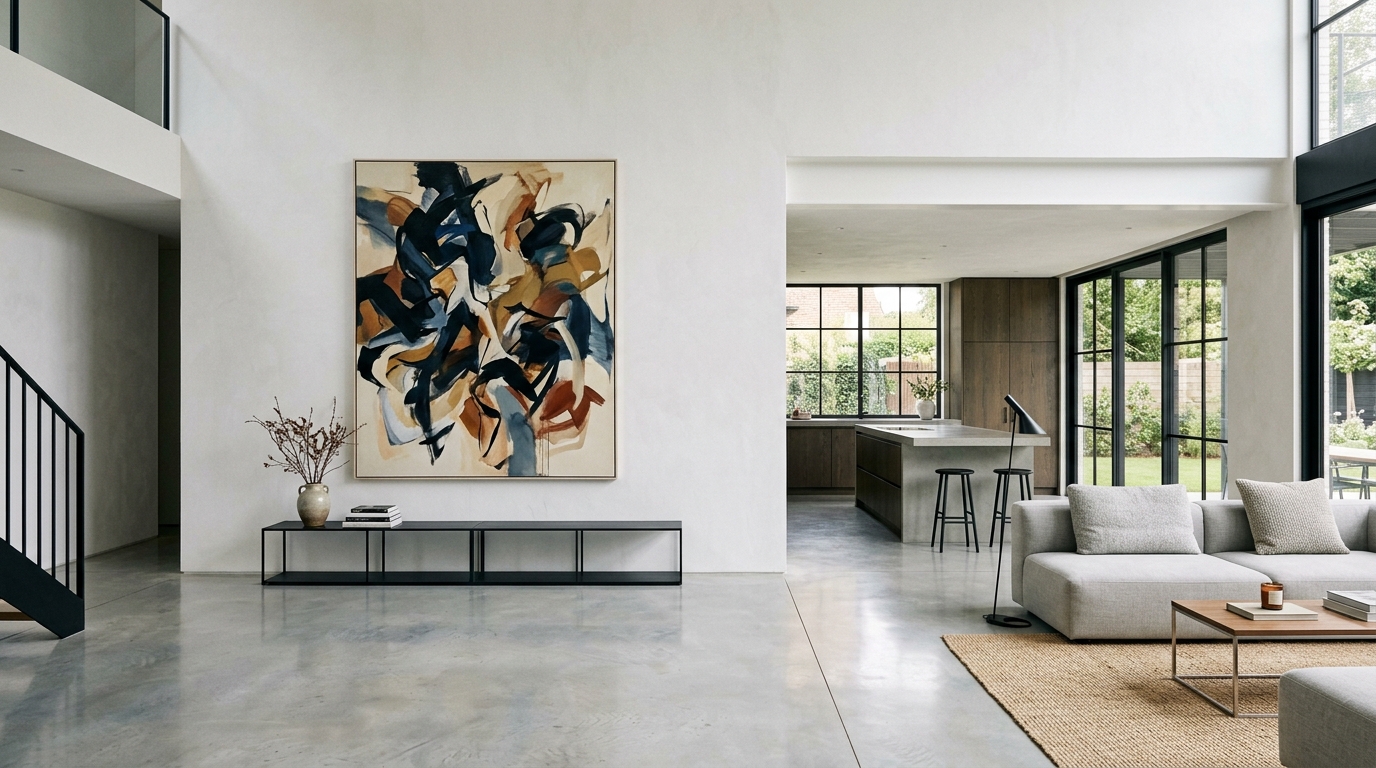
Mainstream design advice often focuses on the utility of space. We are told that a successful home is one where every nook and cranny has been ‘solved.’ If there is a space under the stairs, we are told to build drawers; if there is a wide hallway, we are told to add a console table. While these solutions are practical, they often ignore the psychological value of nothingness. In the context of modern minimalist interior design, negative space is not a vacuum waiting to be filled; it is a vital architectural element that provides ‘breathing room’ for the soul.
The Architectural Breath
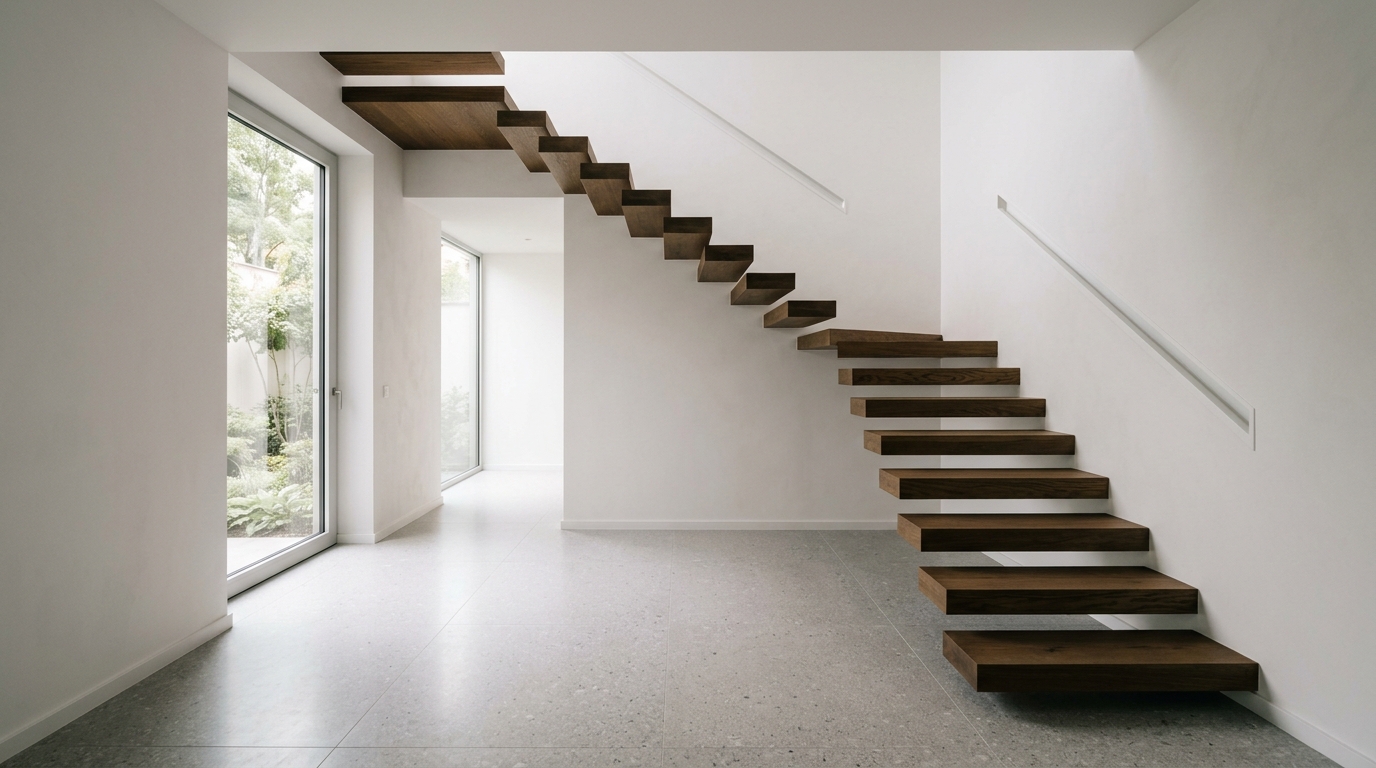
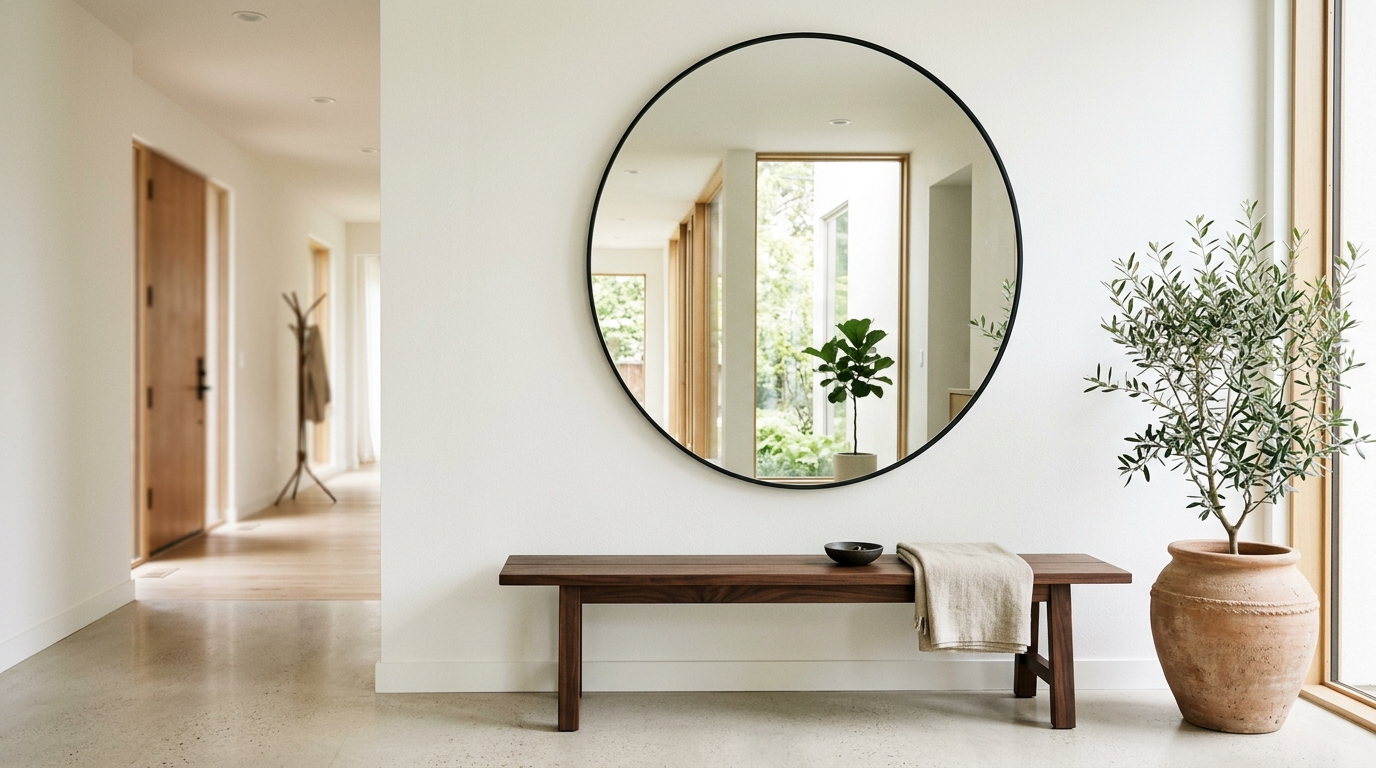
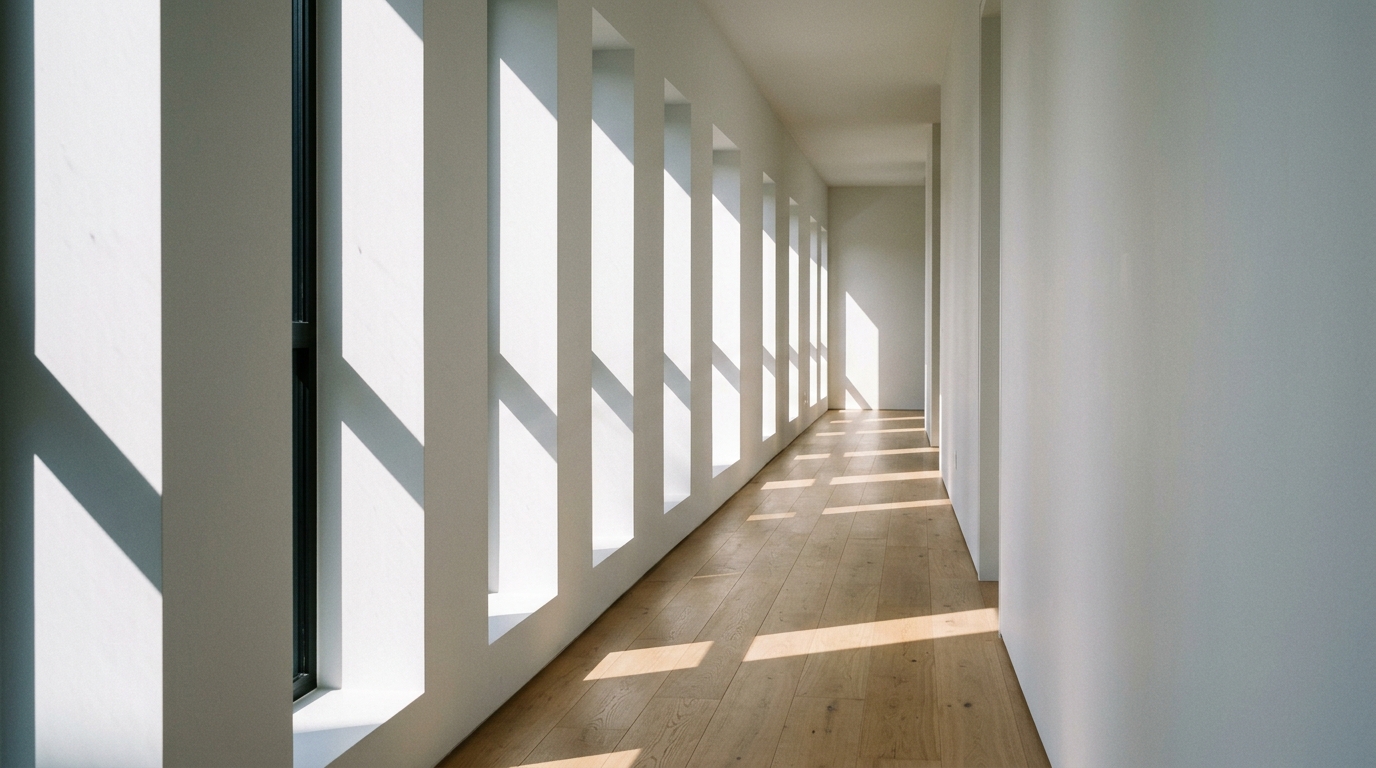
When we leave a space empty—whether it is an alcove under a staircase or a large expanse of wall—we are creating a spatial rhythm. This rhythm allows the mind to decompress. A minimalist interior that honors negative space acknowledges that human beings need more than just physical storage; we need mental expansiveness. A void allows light to travel further and shadows to play more gracefully, creating a dynamic environment that feels alive yet serene. By resisting the urge to ‘maximize’ every corner, we prioritize the human experience over the storage of objects.
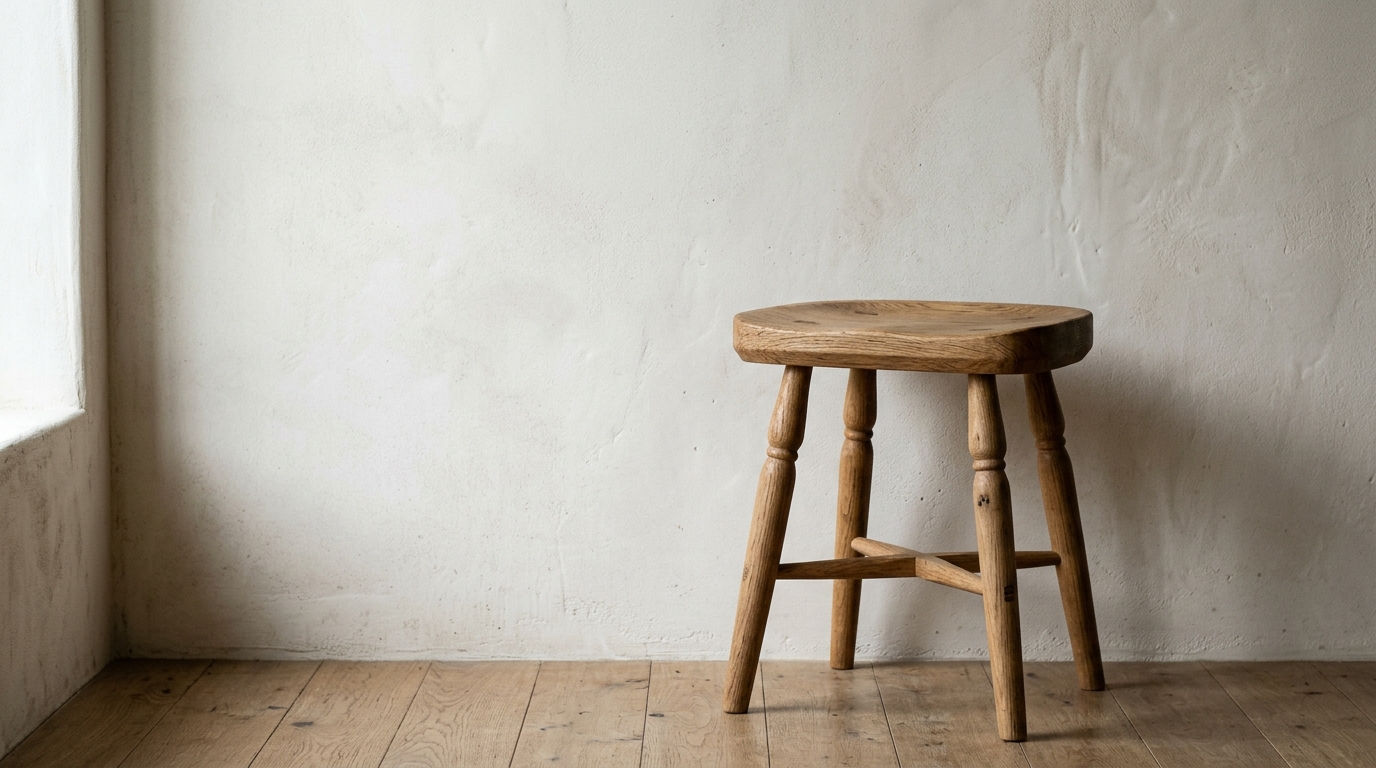
Intentionality and the Philosophy of Essentialism
At its core, minimalism is an exercise in intentionality. It is the physical manifestation of the question: ‘Does this serve my highest self?’ In a minimalist home, every piece of furniture and every work of art is a conscious choice. This level of curation fosters a deep sense of agency. When we are surrounded only by things that are either deeply functional or profoundly beautiful, we create an environment that reflects our internal values rather than our external compulsions.
This shift from accidental accumulation to deliberate curation has a profound effect on our decision-making capabilities. In a cluttered environment, we are constantly faced with ‘micro-decisions’—where to put a set of keys, which book to pick up from a pile, how to organize a chaotic drawer. This leads to decision fatigue. Modern minimalist interior design eliminates these micro-stresses, preserving our cognitive energy for the things that truly matter: our work, our relationships, and our creative pursuits.
The Role of Natural Light and Materiality
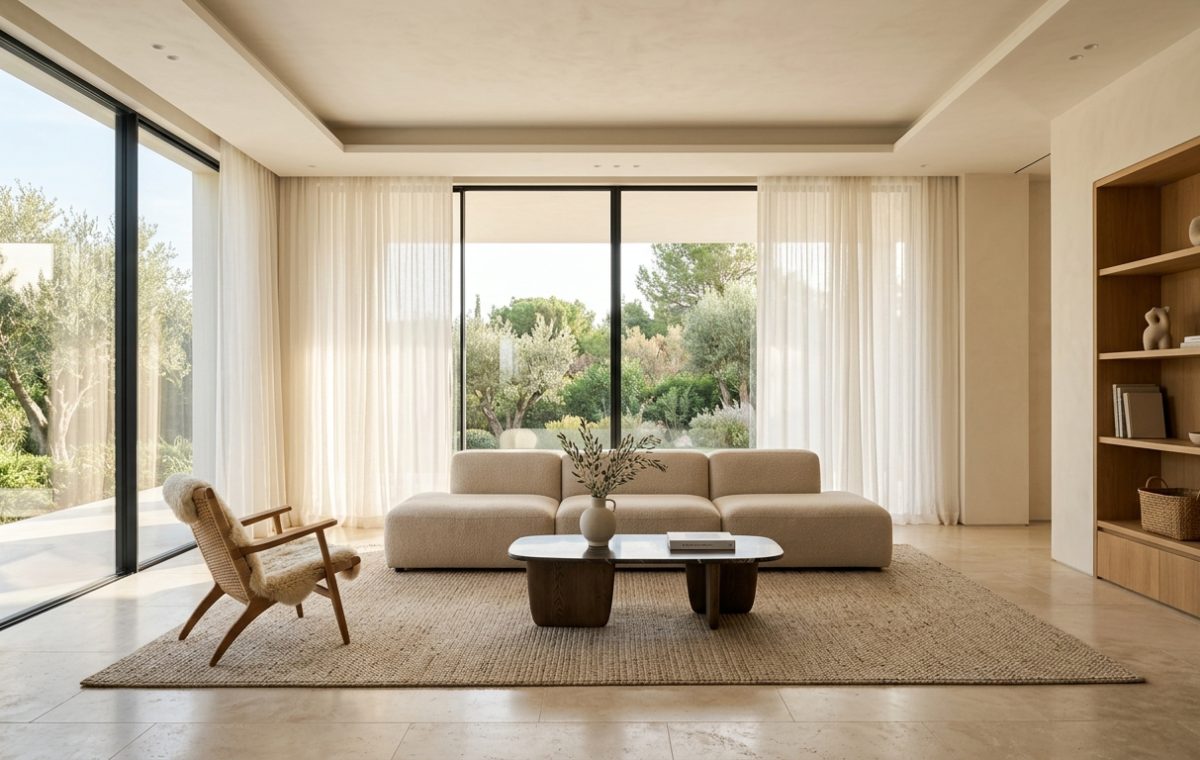
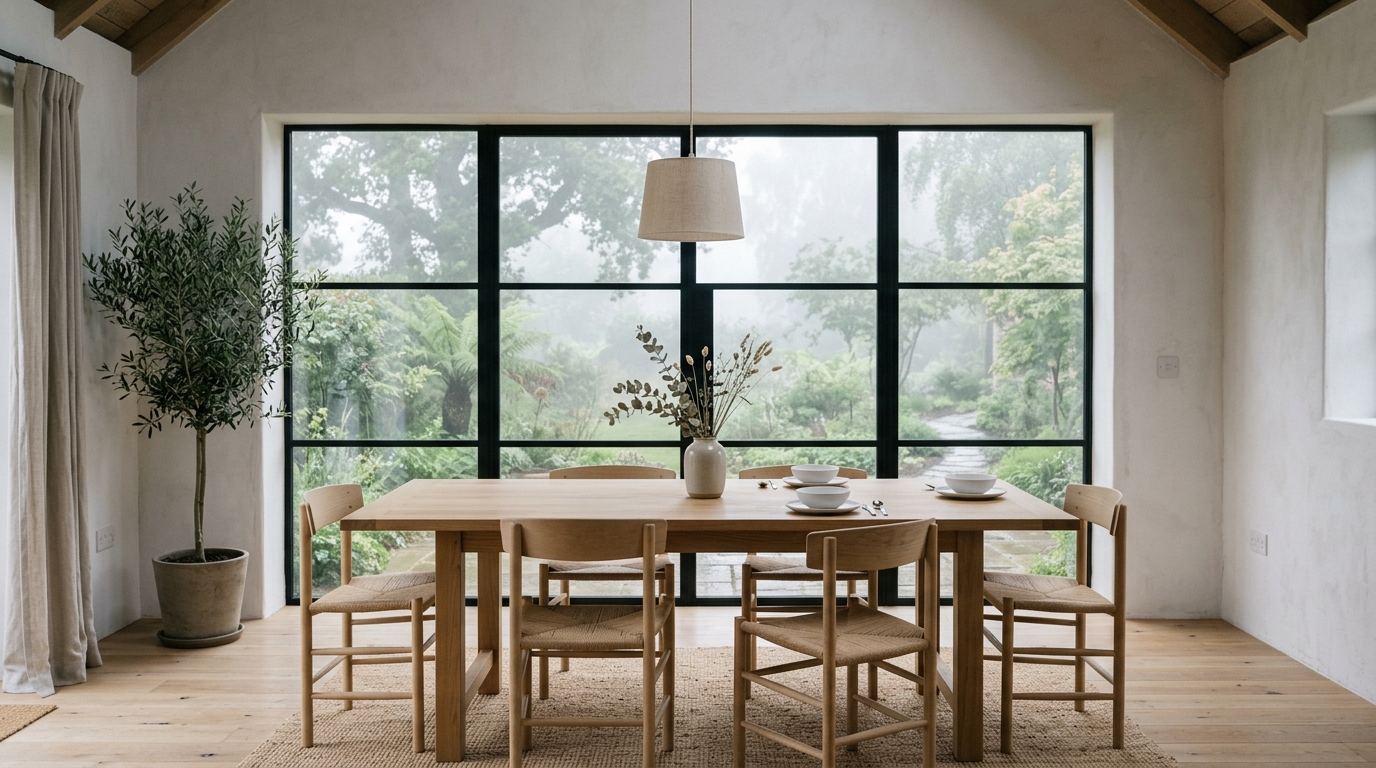
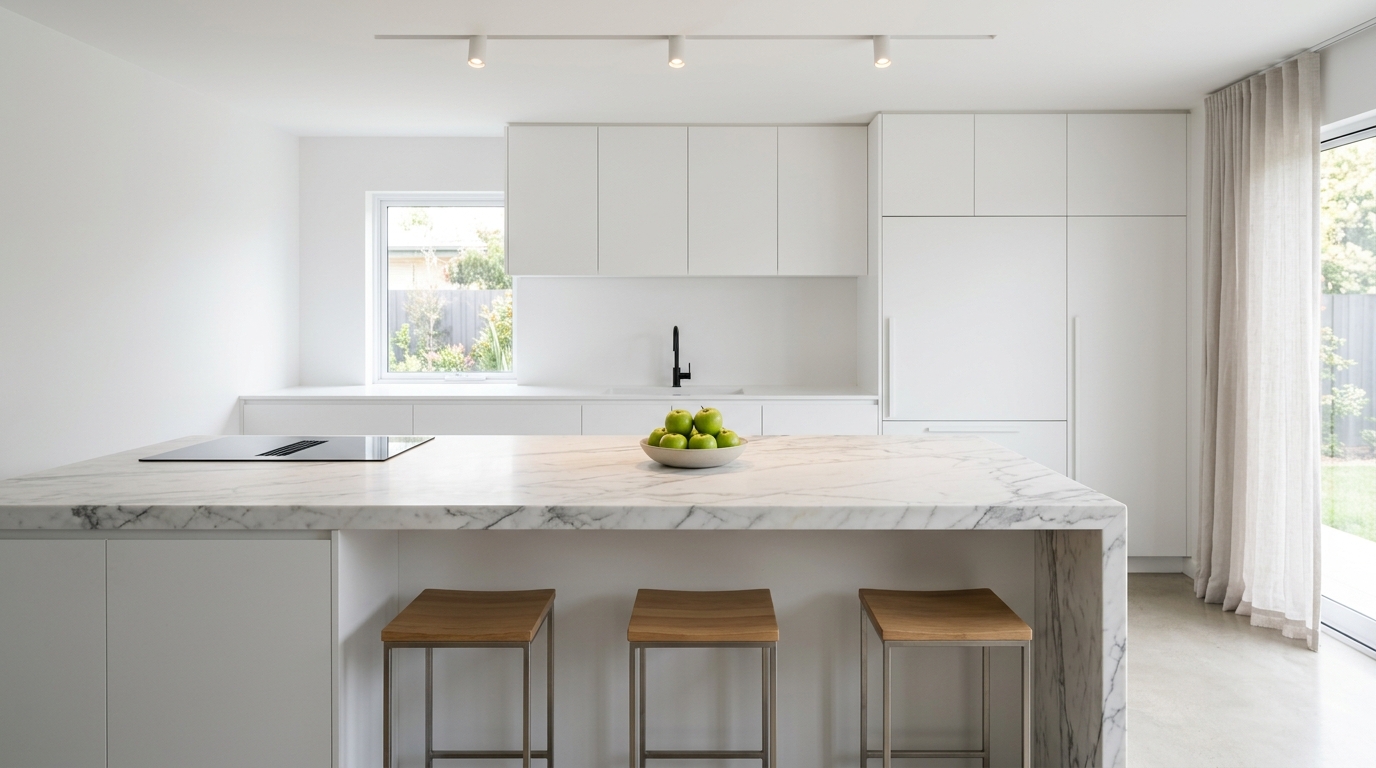
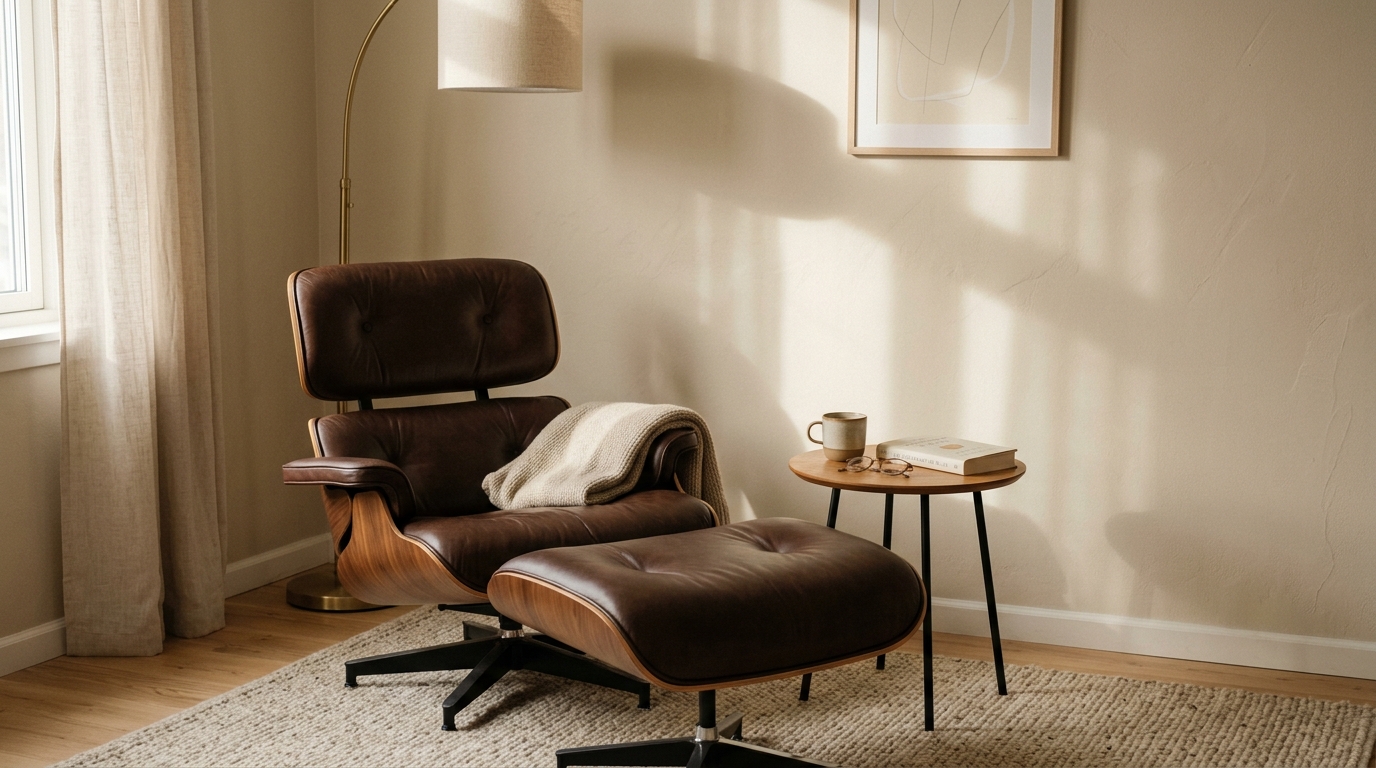
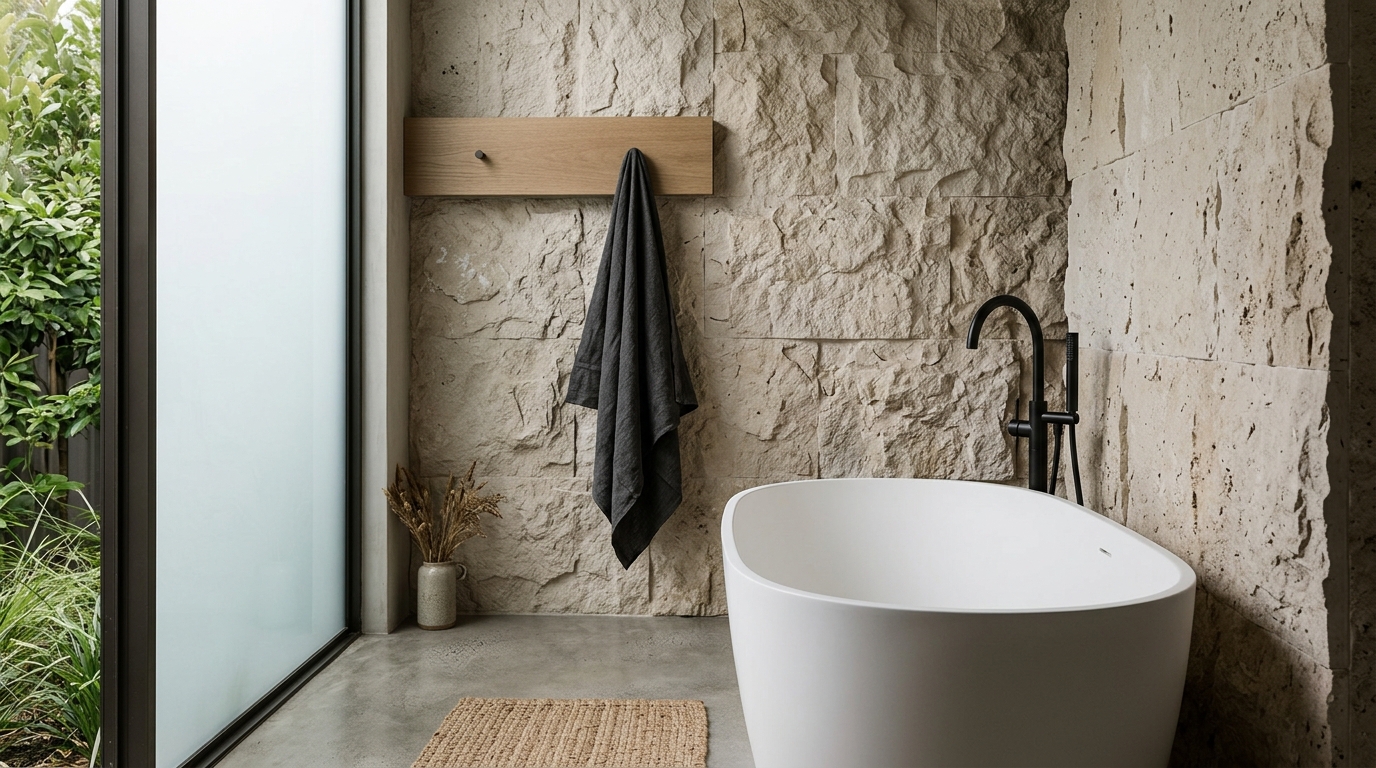
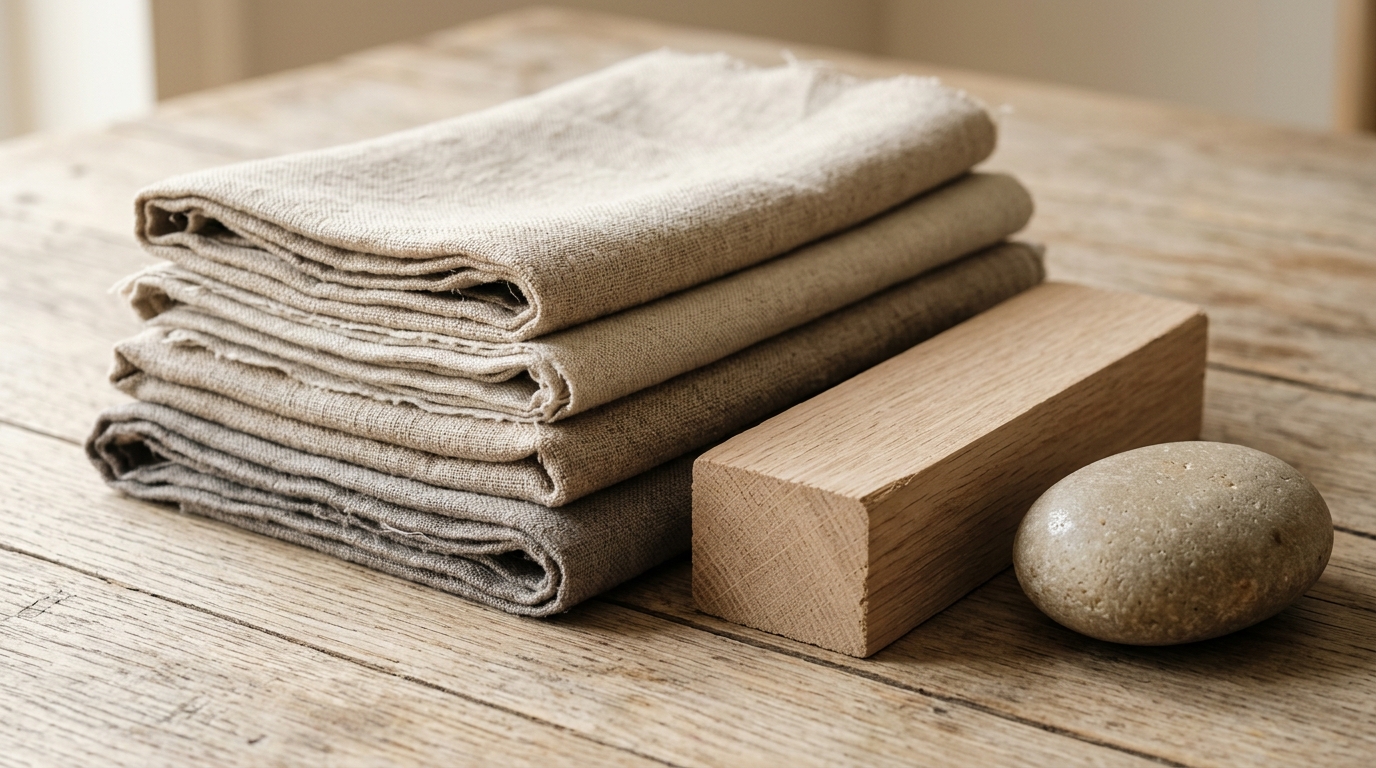
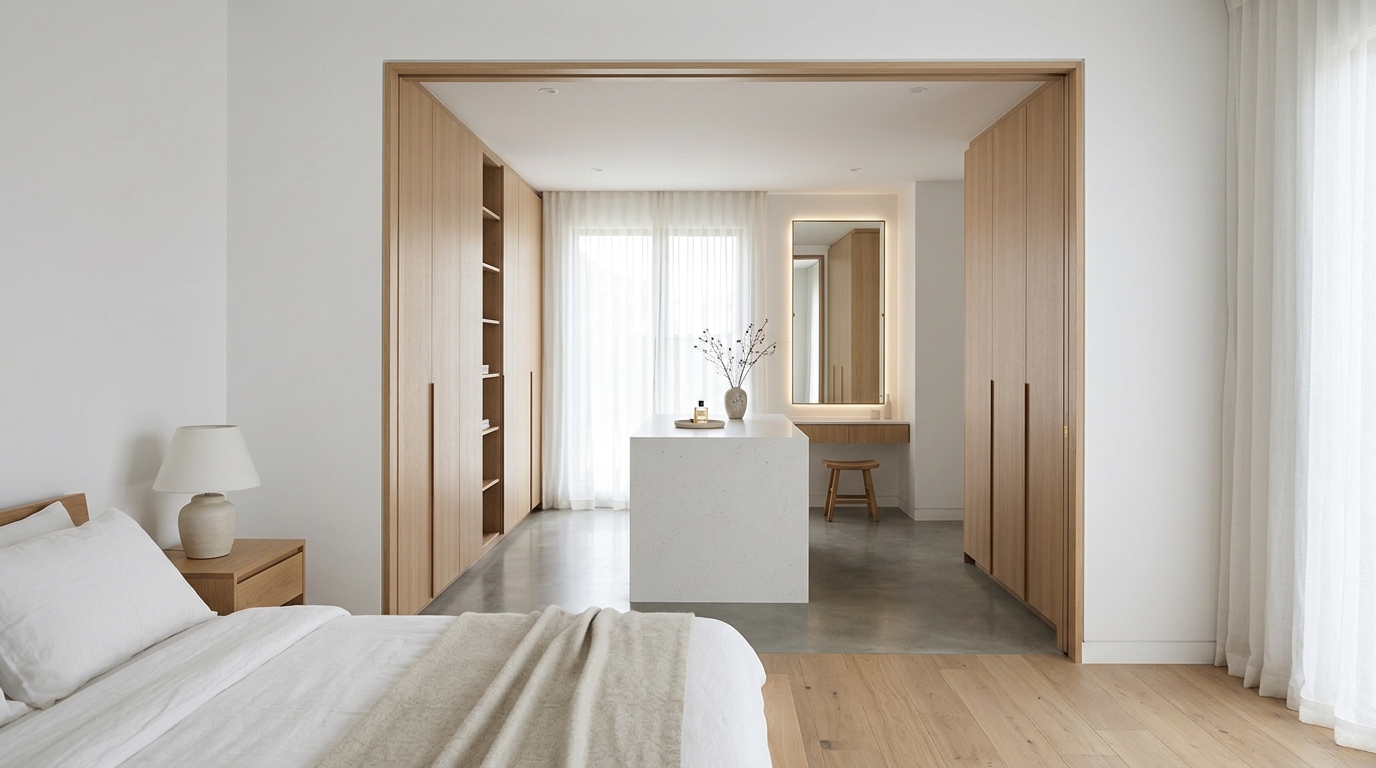
Minimalism is often criticized as being ‘cold’ or ‘sterile,’ but this is a misunderstanding of the medium. True modern minimalist interior design relies heavily on the quality of light and the integrity of materials. Without the distraction of ornate patterns, the texture of a raw silk curtain, the grain of a white oak floor, or the cool smoothness of a marble countertop becomes the focus. This focus on materiality grounds us in the present moment, providing a tactile, sensory experience that is often lost in our digital lives.
The Circadian Connection
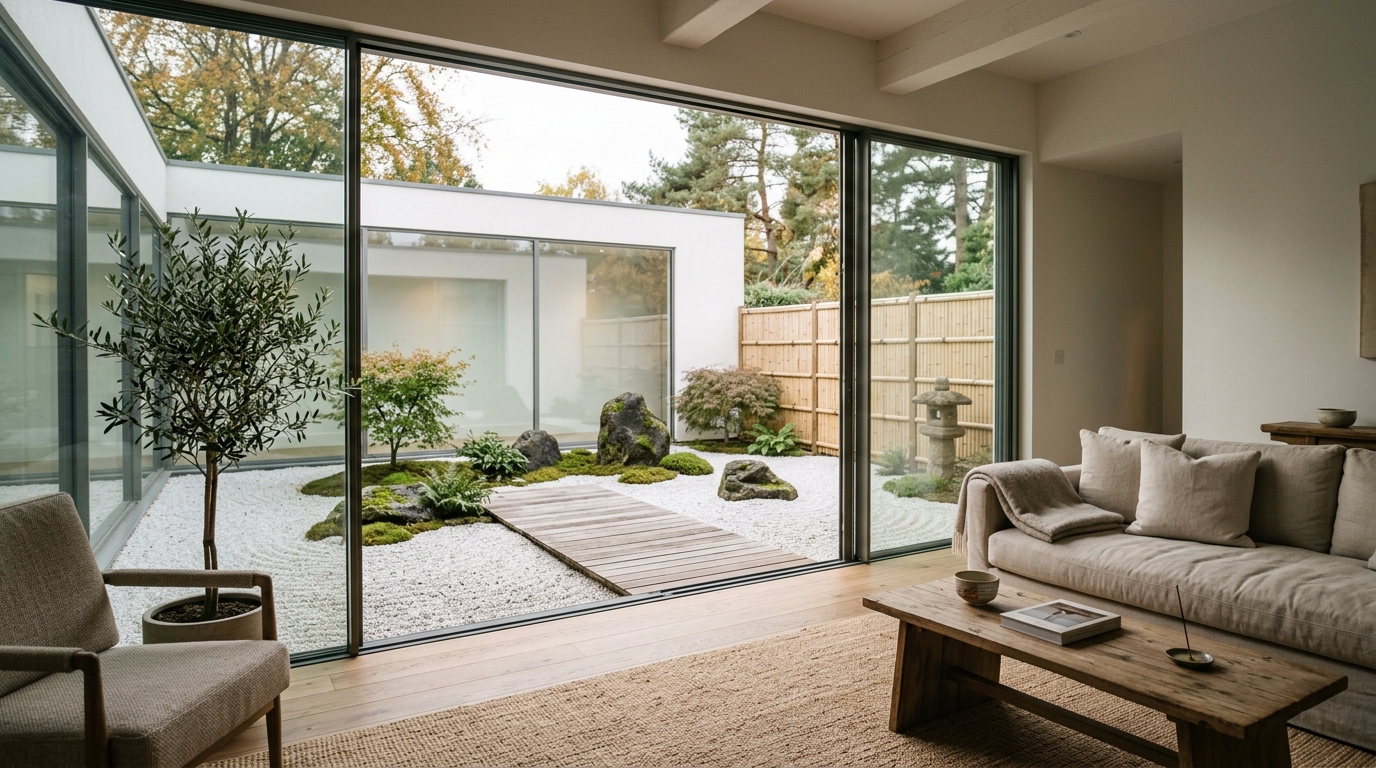
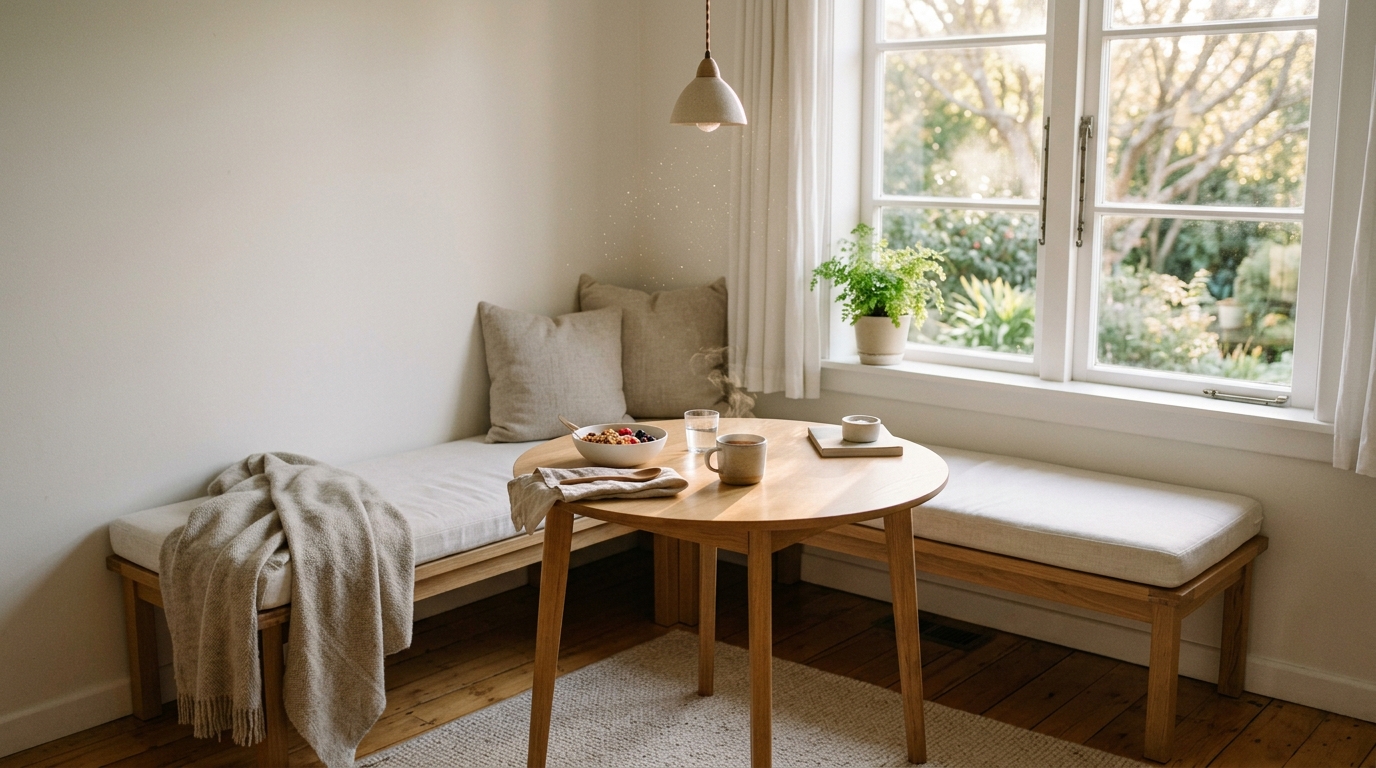
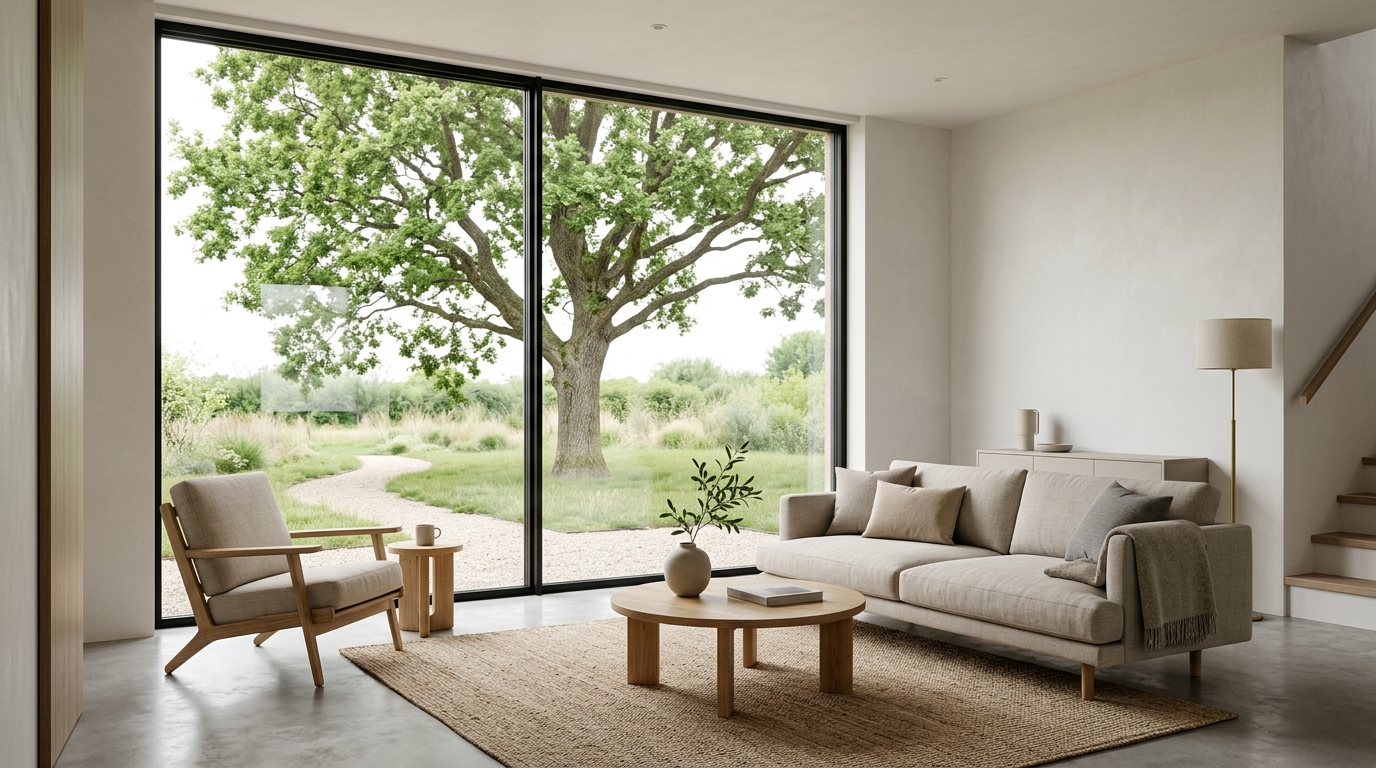
Minimalist spaces typically maximize natural light, which is essential for regulating our circadian rhythms. By utilizing large, unobstructed windows and reflective neutral surfaces, minimalist design ensures that the interior environment shifts in harmony with the exterior world. This connection to the natural cycle of day and night improves sleep quality, mood, and overall energy levels. The home becomes a vessel for light, rather than a warehouse for shadows.
Minimalism as a Tool for Focus and Creativity
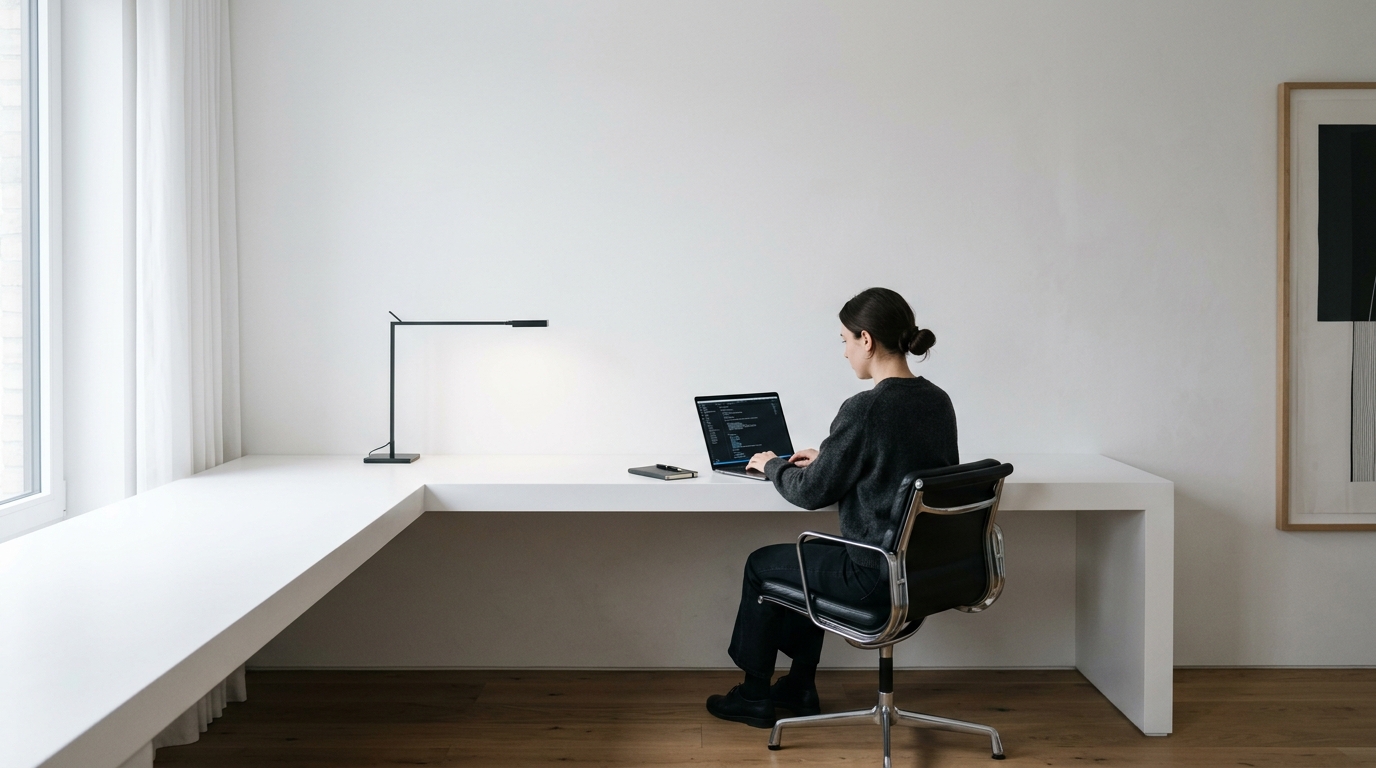
There is a reason why many of the world’s most prolific thinkers and creators prefer minimalist workspaces. Creativity requires a certain amount of mental ‘white space.’ When our physical environment is quiet, our internal dialogue becomes clearer. A minimalist home office, free from the distraction of unnecessary gadgets and piles of paperwork, allows for ‘deep work’—a state of flow where the mind can solve complex problems without interruption.
- Reduction of Distractions: Fewer objects mean fewer visual anchors pulling you away from your task.
- Clarity of Thought: Open spaces correlate with open-mindedness and divergent thinking.
- Aesthetic Cohesion: A unified color palette reduces the ‘jumpiness’ of the visual field, allowing the brain to enter a meditative state.
By designing for focus, we are not just creating an office; we are creating a sanctuary for the intellect. The modern minimalist interior design approach recognizes that the environment is an extension of the mind.
The Emotional Weight of Objects and the Art of Letting Go
Many of us hold onto objects not because they are useful, but because they are tethered to memories or anxieties about the future. We keep the ‘just in case’ items and the ‘guilt-driven’ gifts. Minimalism forces us to confront this emotional baggage. The process of decluttering is, in many ways, a process of self-therapy. It requires us to acknowledge the past without being weighed down by it.
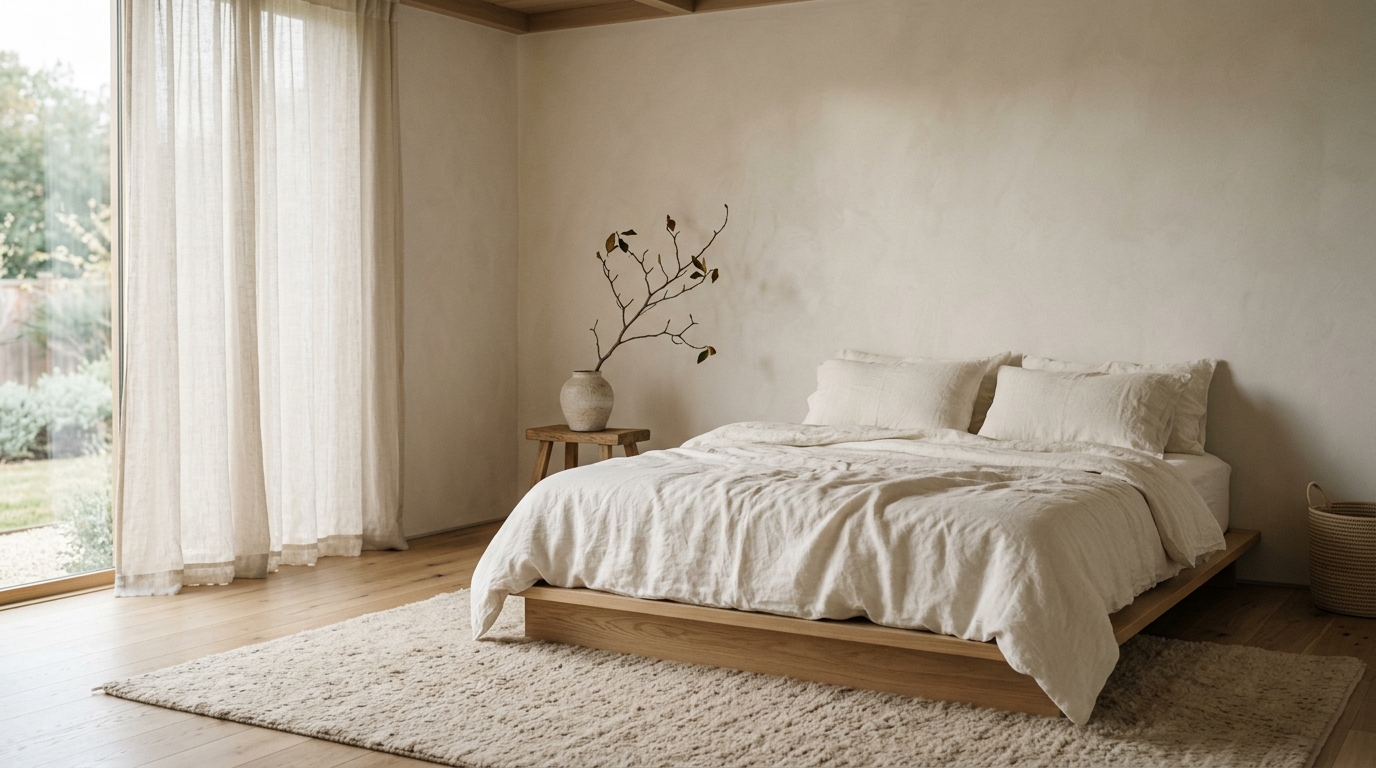
When we clear out the physical manifestations of our past selves, we make room for who we are becoming. A minimalist home is a forward-looking space. It is a canvas for the present and the future, rather than a museum of the past. This release of physical weight leads to a feeling of lightness and freedom that is often described by new minimalists as transformative. The home stops being a source of chores and begins being a source of energy.
A Sensory Sanctuary: Texture and Acoustic Calm
One of the less-discussed benefits of modern minimalist interior design is its impact on acoustics. A room filled with hard, cluttered surfaces can create a chaotic acoustic environment where sound bounces and echoes. However, a well-designed minimalist space uses soft textures—linen wall panels, thick wool rugs, and heavy drapery—to absorb sound, creating a ‘hushed’ atmosphere. This acoustic calm is essential for high-functioning individuals who need to disconnect from the noise of the city.
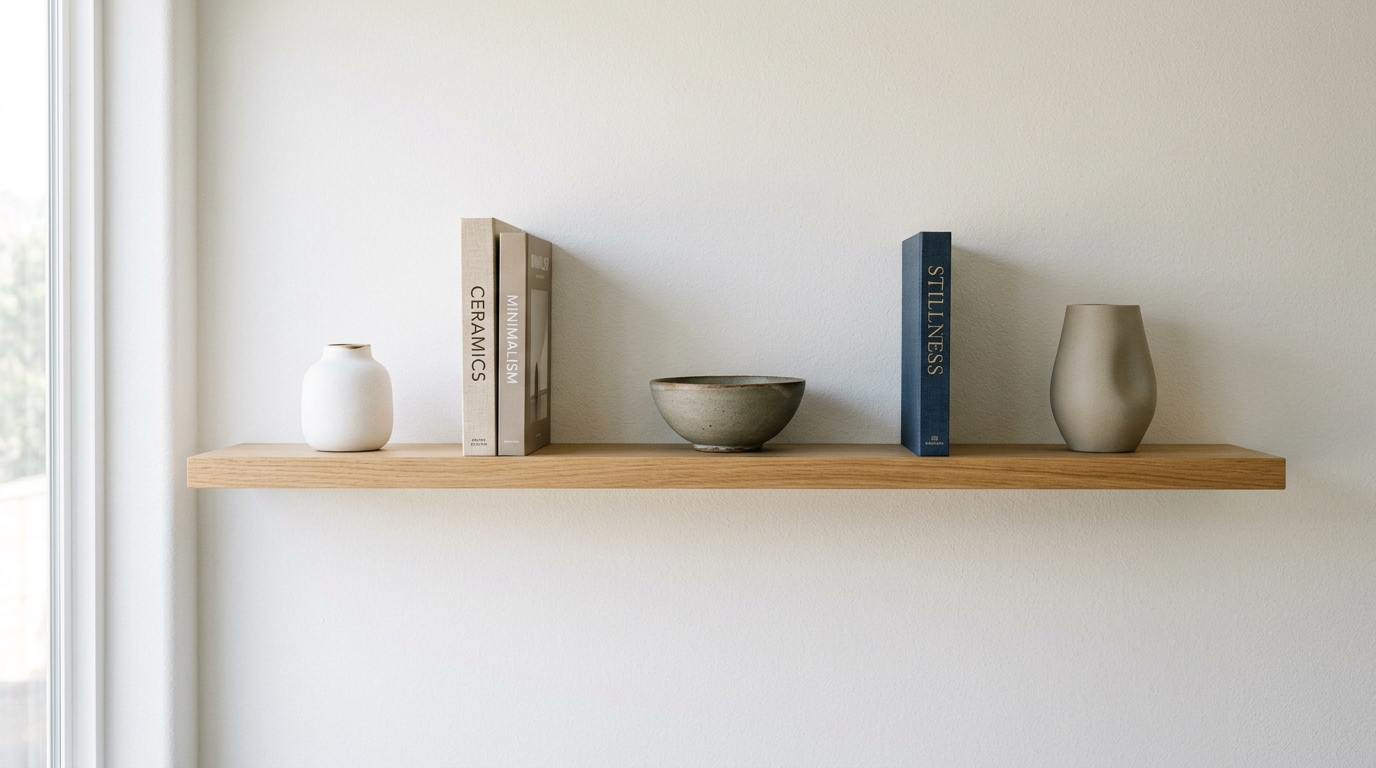
The sensory experience of a minimalist home is one of subtlety. It is the feeling of a warm breeze through a sheer curtain, the scent of natural wood, and the sight of a single, perfect flower in a ceramic vase. These small, curated moments of beauty provide more lasting satisfaction than a room filled with a thousand expensive but disconnected items.
Final Perspective: The Architecture of the Soul
Minimalism is not a destination or a rigid set of rules; it is a philosophy of living that prioritizes the human spirit over material acquisition. By embracing modern minimalist interior design, we are choosing to create a sanctuary that supports our mental health, enhances our focus, and celebrates the beauty of simplicity. It is an acknowledgment that our external world profoundly shapes our internal state. In the quiet of a minimalist room, we finally have the space to hear our own thoughts, to breathe deeply, and to exist without the pressure of performance or accumulation. The most luxurious thing we can own is not a collection of rare objects, but a calm and focused mind, reflected perfectly in the space we call home.
Inspiration Gallery
Editorial Silo • Recommended Architecture Studies
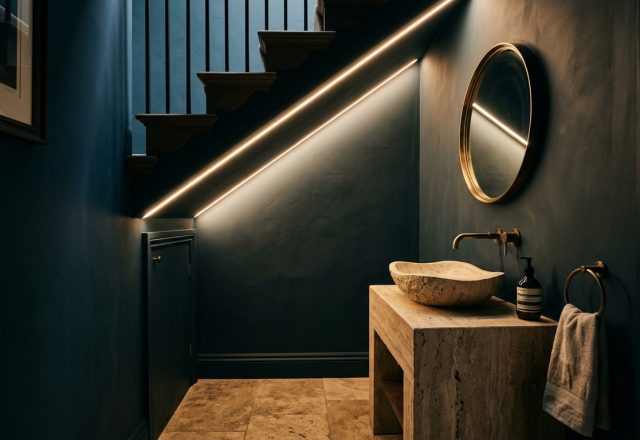
- The Jewel Box Effect: Atmospheric Lighting and High-Contrast Materiality for a Powder Room Under Stairs — Archival Design Case Study
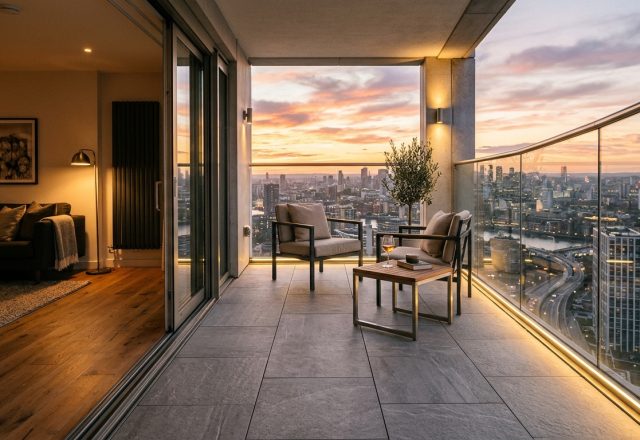
- Outdoor Patio Tiles: The Architectural Blueprint & Spatial Flow Guide — Archival Design Case Study
Curated Visual Lookbook
Design Gallery & Spatial Studies
A visual curation of architectural arrangements, lighting concepts, and material palettes featured in this space.