For most parents, the decision to install a garden playhouse is driven by a fleeting moment in time—a specific window between the ages of three and eight when the magic of a ‘secret hideout’ is at its peak. We scroll through galleries of charming, whimsical structures, much like those found on popular design blogs, and we see them as temporary fixtures. They are viewed as the childhood equivalent of a starter home: functional for a few years, but ultimately destined for the scrap heap or a dusty corner of a classifieds site once the children discover video games or social lives. This is a fundamental design error.
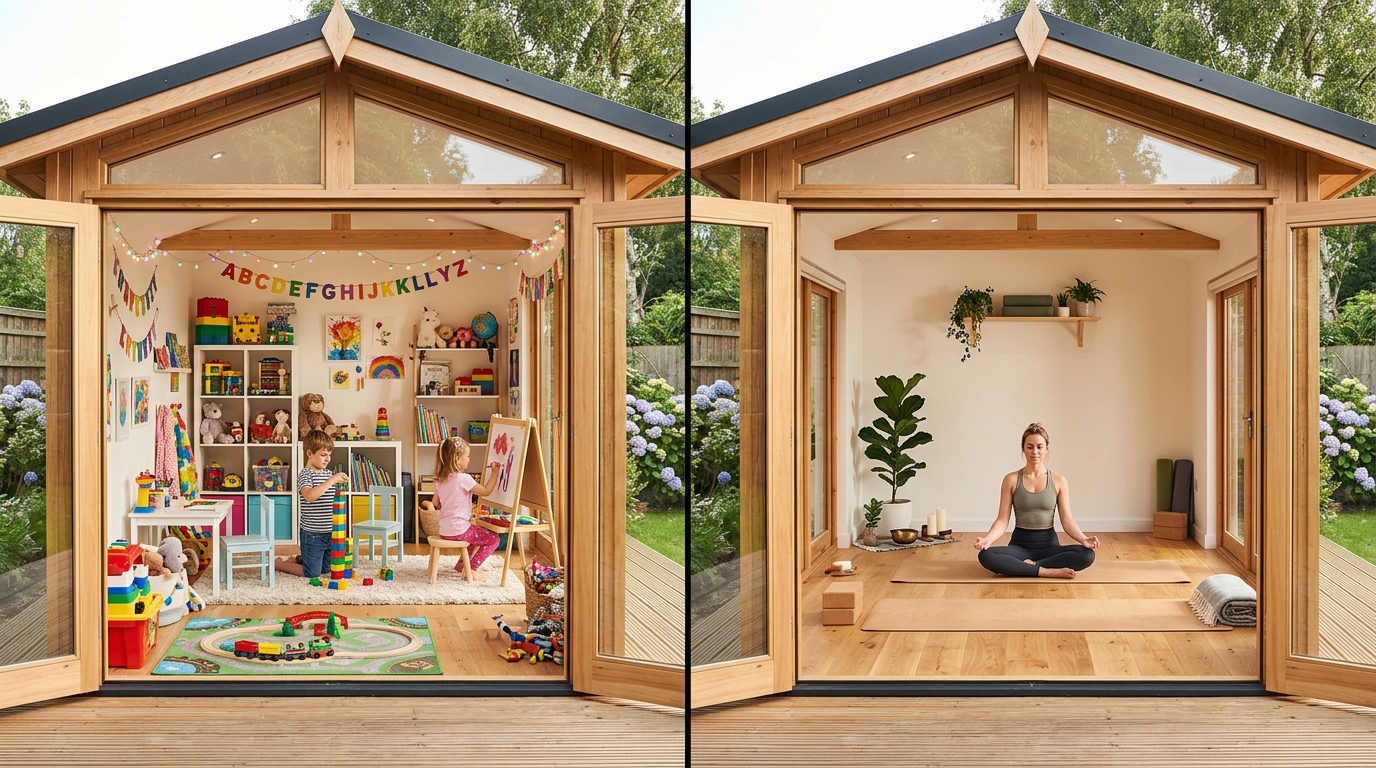
When we approach luxury outdoor kids playhouses through the lens of longevity, we stop building ‘toys’ and start building ‘architecture.’ The concept of the ’20-Year Playhouse’ flips the traditional narrative on its head. Instead of a five-year investment that depreciates to zero, we advocate for a structure with a ‘retirement plan’—a high-end garden building designed from day one to transition from a realm of make-believe into a sophisticated executive office, a tranquil yoga studio, or a chic teen retreat.
The Fallacy of the ‘Temporary’ Build
The traditional market for children’s outdoor structures is flooded with thin-walled shiplap, plastic windows, and height clearances that would make an adult claustrophobic. While these might suffice for a summer of play, they represent a missed opportunity for the modern homeowner. When you invest in luxury outdoor kids playhouses, you aren’t just buying a place for toys; you are acquiring valuable square footage for your property. By treating the project as a miniature house rather than a large toy, you ensure that the materials, the insulation, and the utility connections are of a standard that remains relevant long after the last teddy bear has been packed away.
Why Most Playhouses Fail the Longevity Test
- Sub-Standard Height: Traditional playhouses have low eaves that make it impossible for an adult to stand comfortably. If you can’t stand in it, you can’t work in it.
- Lack of Thermal Regulation: Without proper insulation and double-glazing, a playhouse is a greenhouse in the summer and an icebox in the winter, rendering it useless for 70% of the year.
- Temporary Foundations: Structures built on basic wooden skids or uneven ground will rot and warp within a decade.
- Juvenile Aesthetics: Bright primary colors and ‘wonky’ fairytale windows may be cute for a toddler, but they become an eyesore for a homeowner seeking a sophisticated garden landscape.
Phase One: The Golden Era of Play (Ages 3-10)
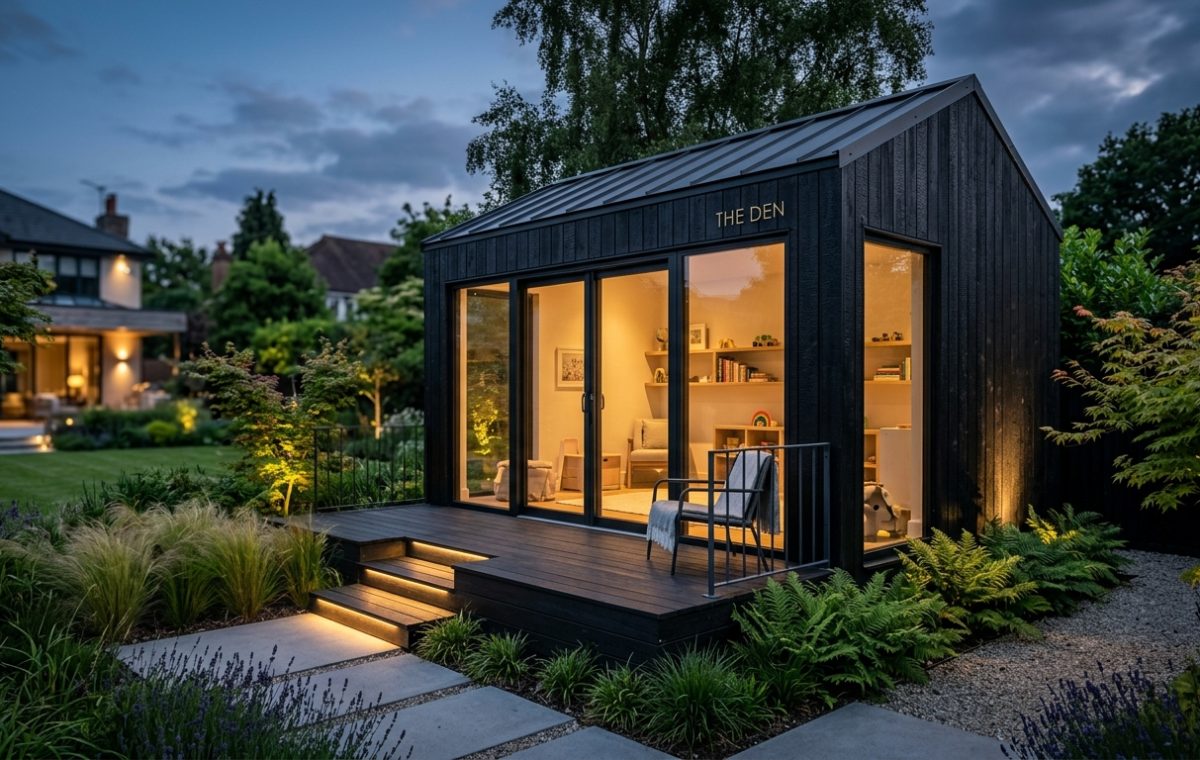
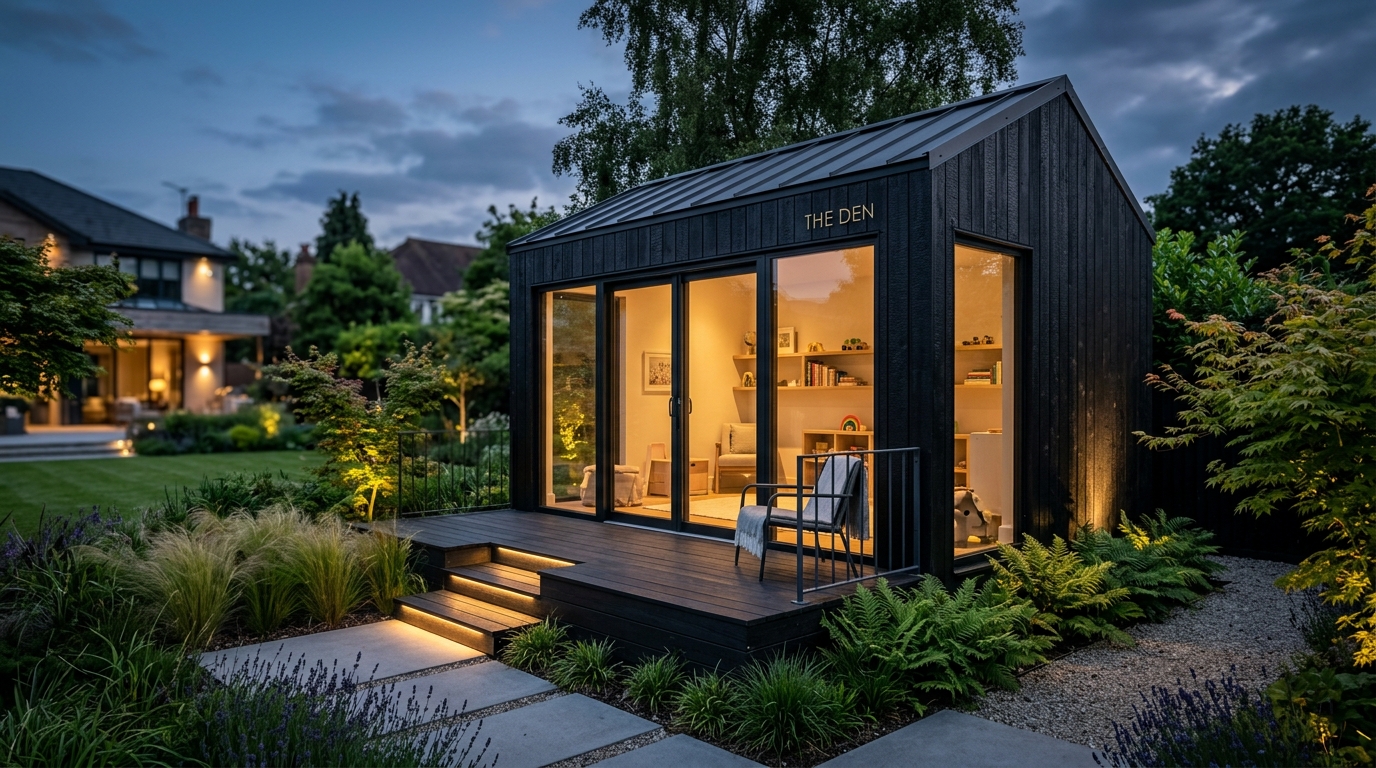
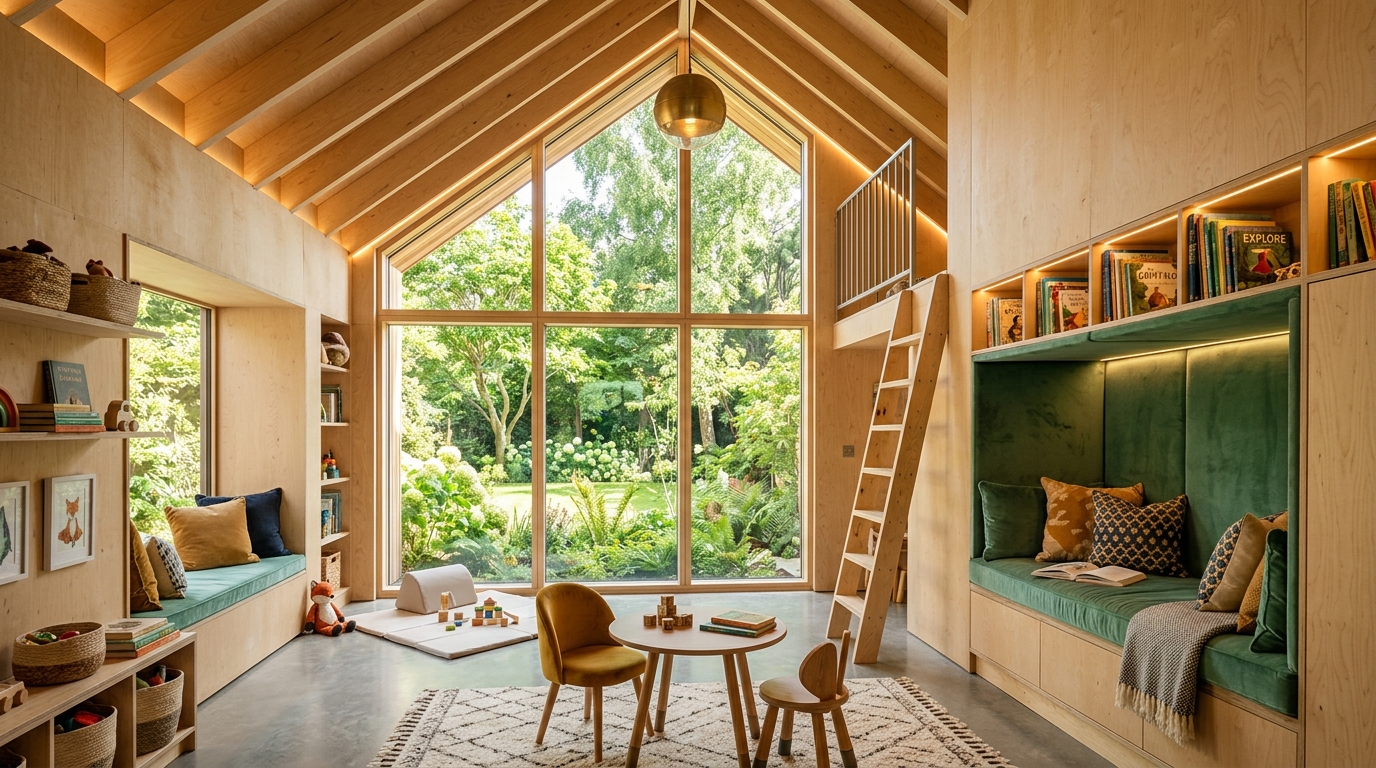
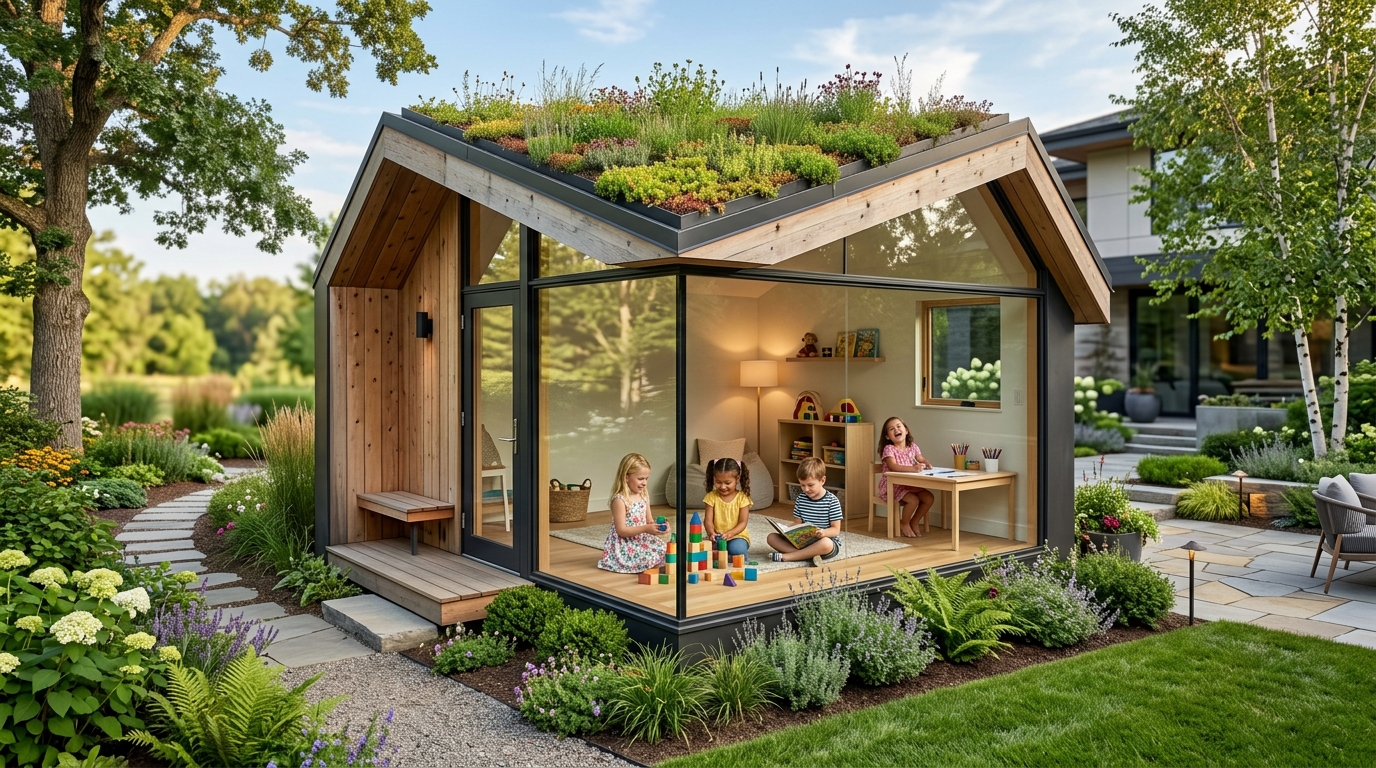
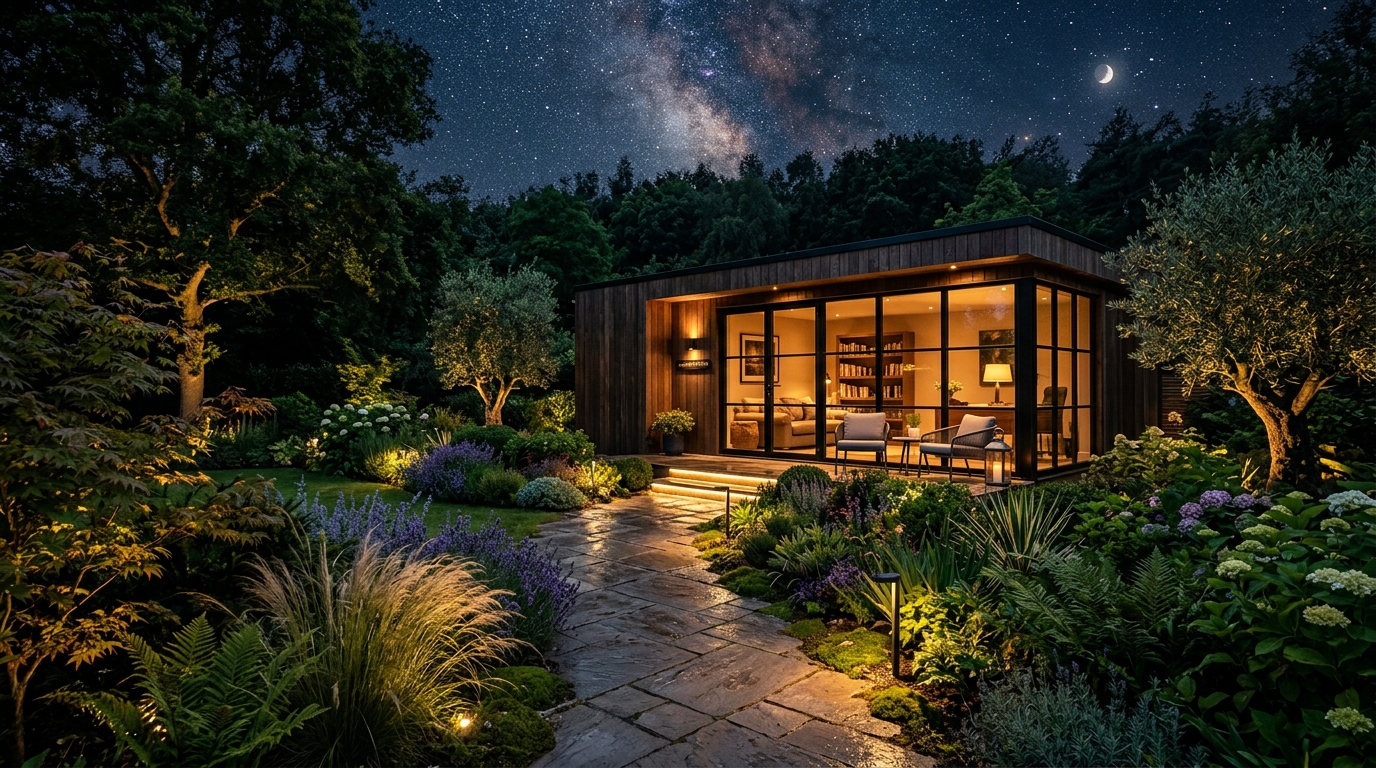
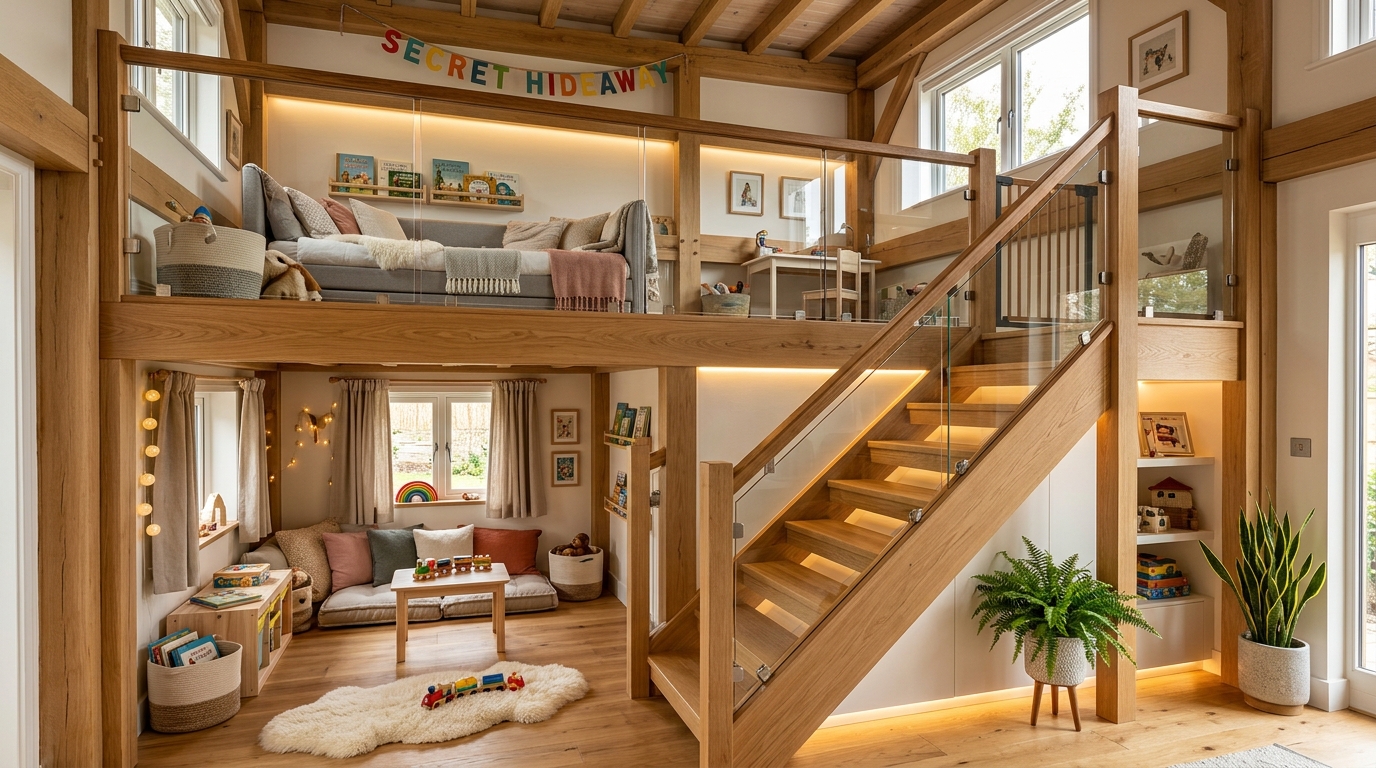
In the first decade, the structure serves its primary purpose. However, even in this ‘play’ phase, the design should be aspirational. Think of it as a ‘Miniature Modernist’ retreat. Instead of literal interpretations of castles or cottages, we recommend clean lines, large expanses of tempered glass, and sustainable timber cladding like Western Red Cedar or Siberian Larch. These materials age gracefully, developing a silver-grey patina that complements any garden design.
Inside, the ‘luxury’ element is found in the details. Rather than unfinished plywood, consider birch ply cabinetry that provides storage for toys now and can house professional filing systems later. Electrical wiring should be installed behind the walls from the start, providing safe lighting for late-afternoon tea parties today and power for a high-speed iMac tomorrow.
The Transition Years: The Teen Den (Ages 11-17)
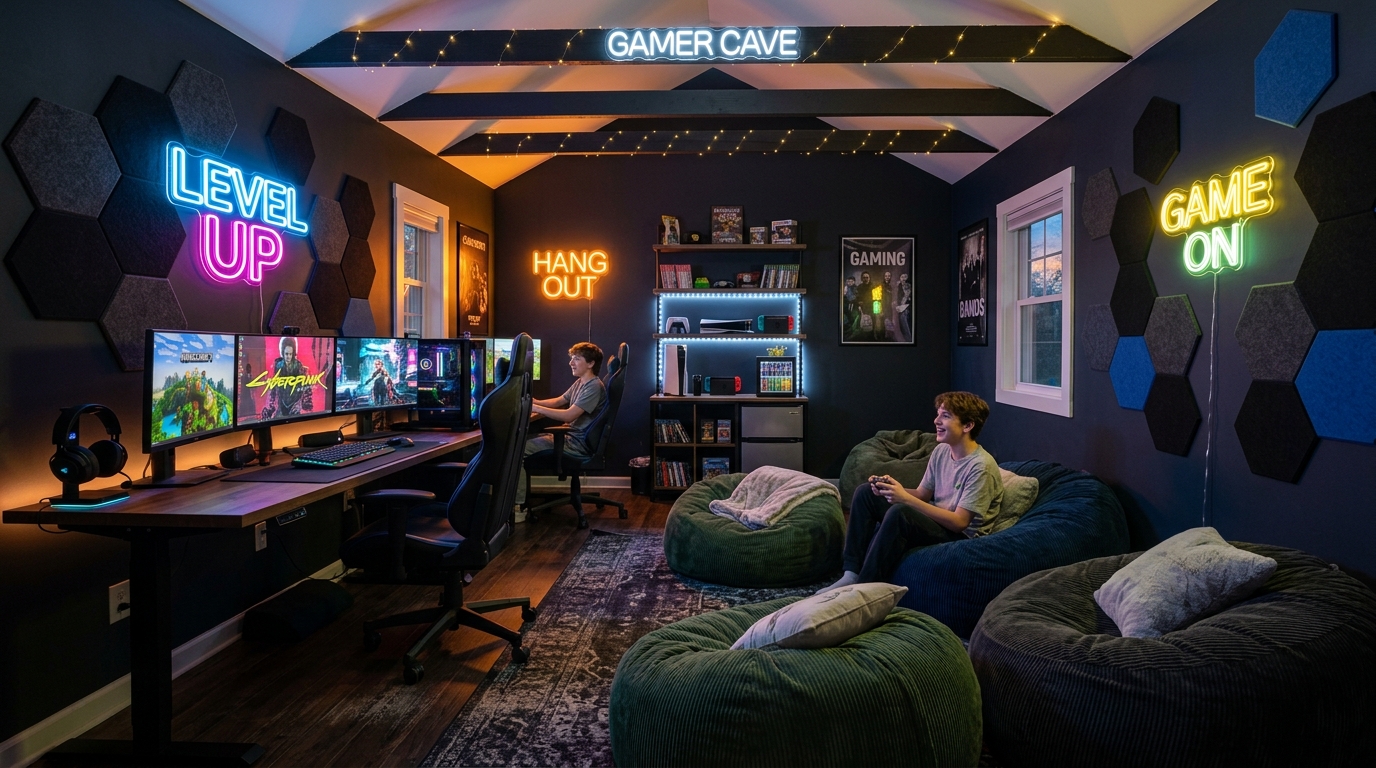
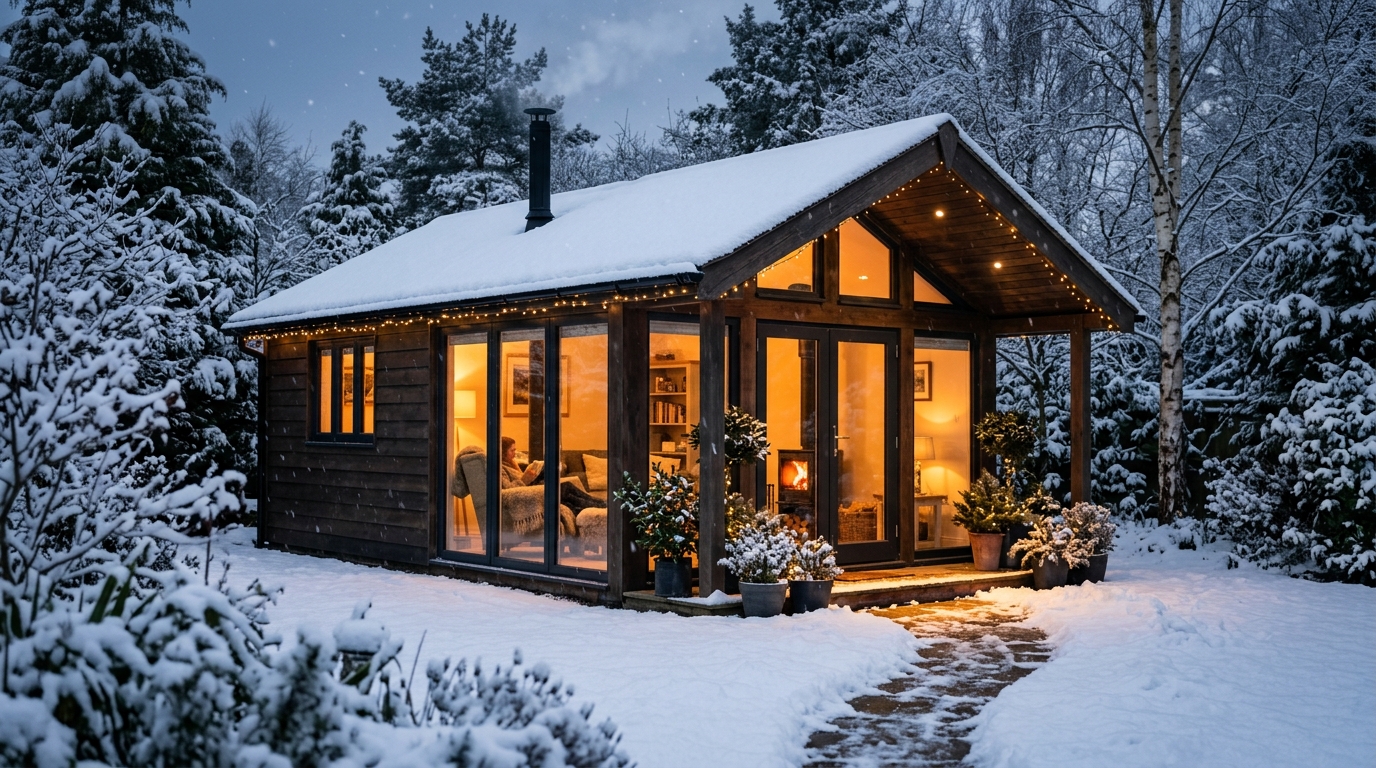
As children enter their teenage years, their need for autonomy grows. This is where the ‘Playhouse with a Retirement Plan’ truly begins to pay dividends. While the neighbors are dismantling their rotted pine sheds, your 20-year structure is being rebranded. The toy boxes are replaced with a gaming setup or a music station. Because you built with adult-height ceilings and full insulation, the space is a legitimate ‘detached’ room. It becomes a vital pressure valve for the main house, giving teenagers a space to socialize that is separate but safe.
Architectural Requirements for the Seamless Transition
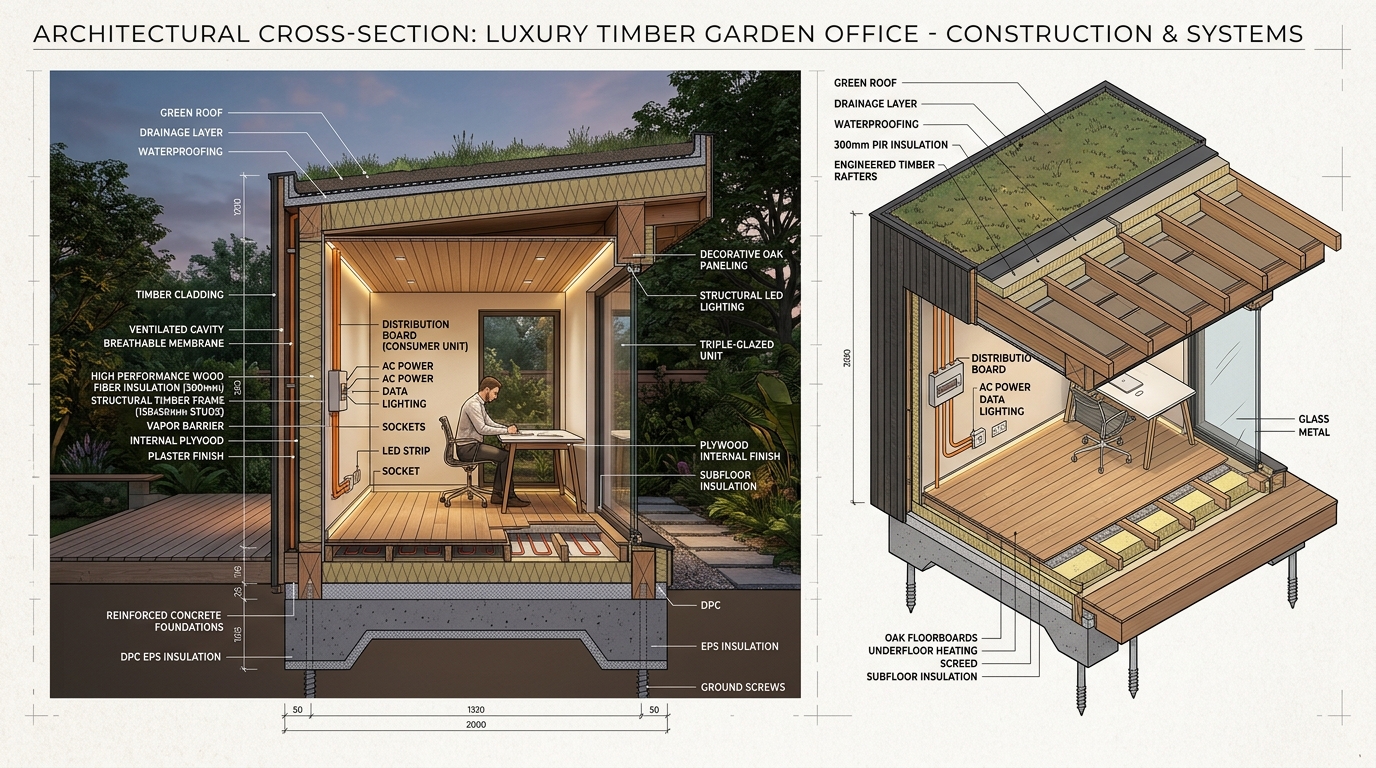
To ensure your luxury outdoor kids playhouses can survive the transition, three ‘Non-Negotiables’ must be integrated into the initial build:
- Full Residential-Grade Insulation: Use PIR (Polyisocyanurate) foam boards in the floor, walls, and roof. This ensures the building meets the same thermal standards as your primary residence.
- Professional-Grade Electrics and Connectivity: Do not rely on an extension cord from the house. Hard-wire a consumer unit with dedicated circuits for heating, lighting, and, crucially, a hard-wired Ethernet connection for seamless internet.
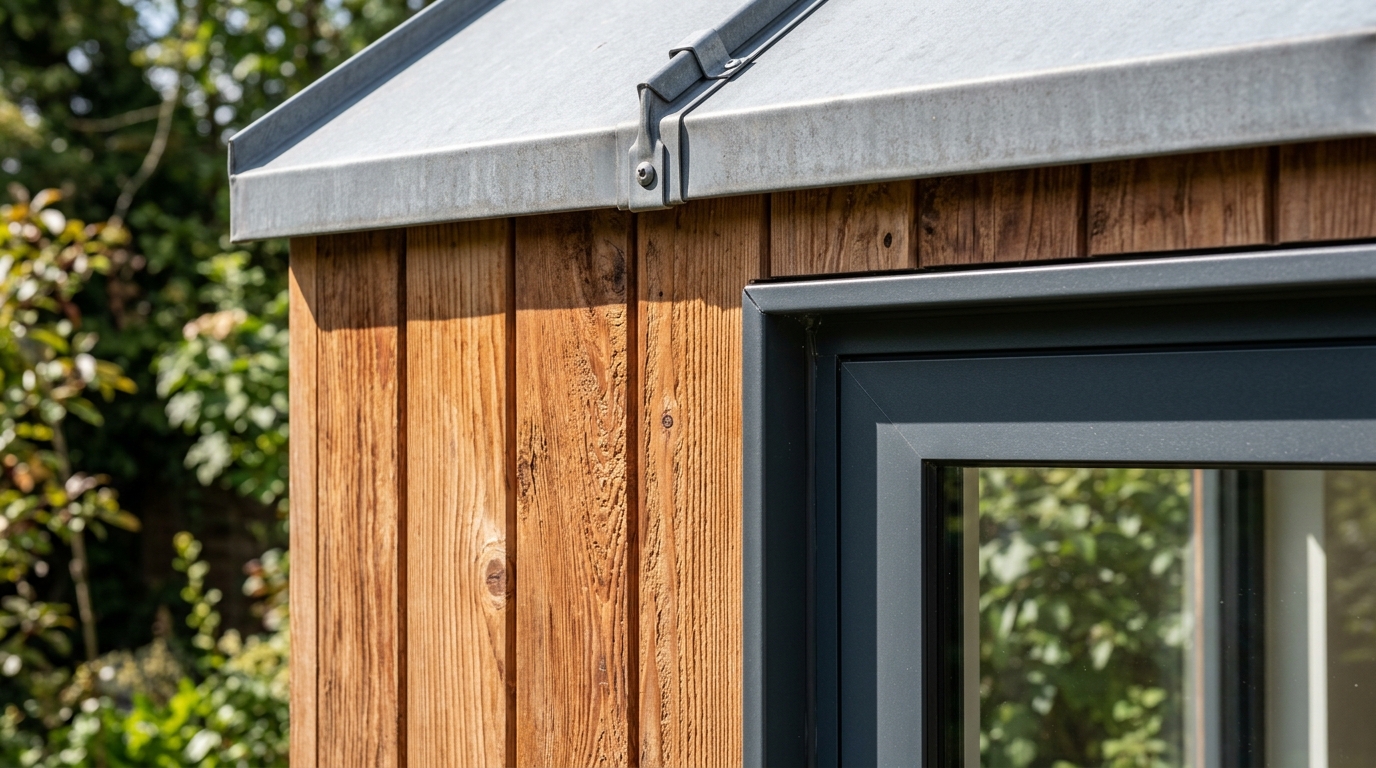
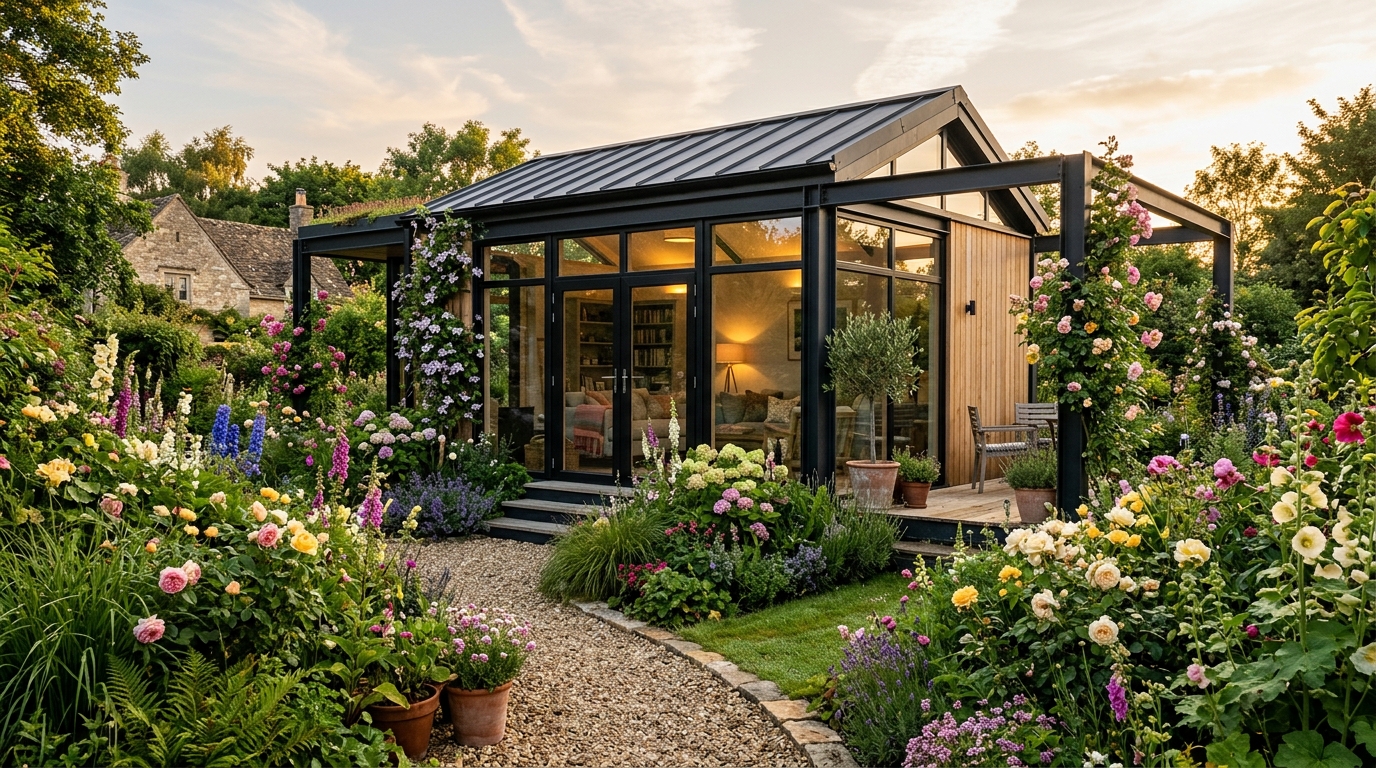
- A ‘Grown-Up’ External Envelope: Choose roofing materials like EPDM rubber or zinc that carry 25-year guarantees. If the exterior looks like a professional garden studio, it will always add value to your home.
Phase Three: The Executive Garden Office (Ages 18+)
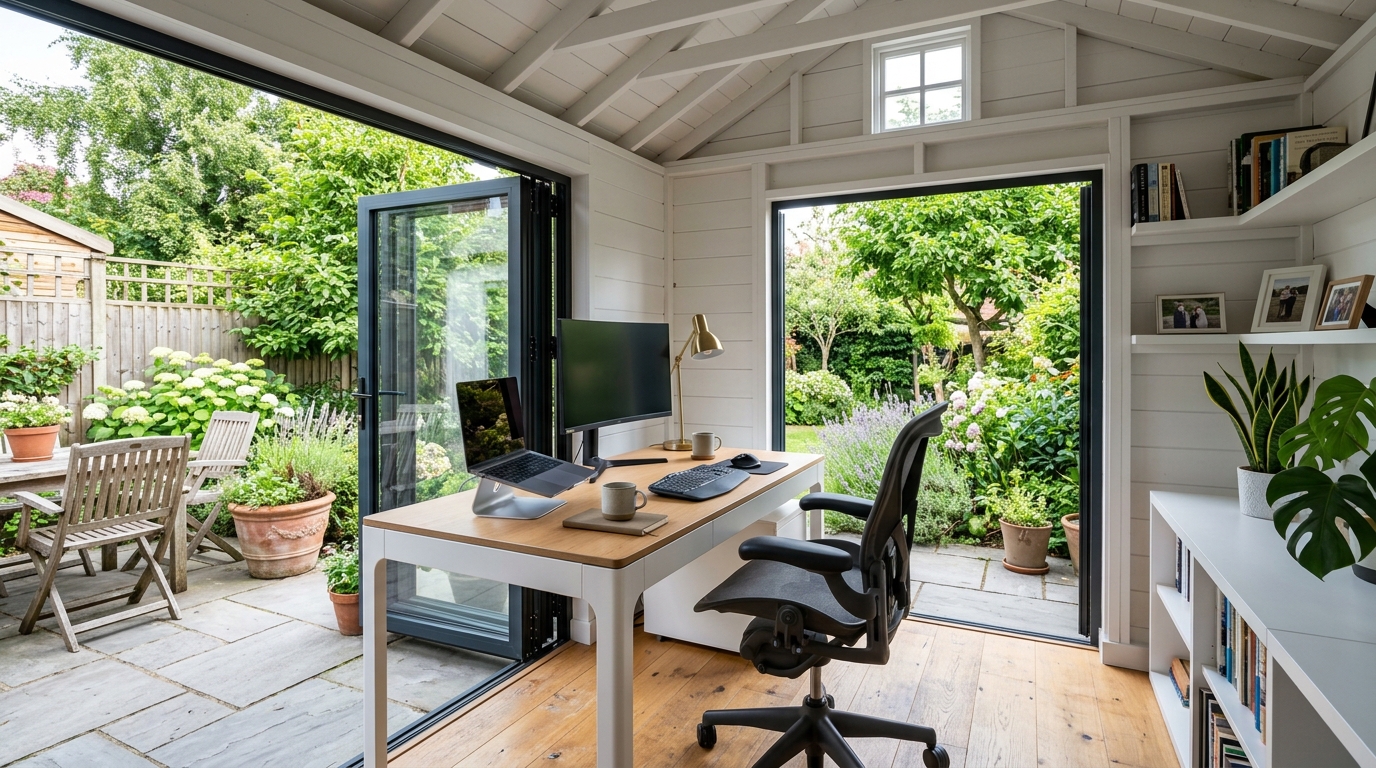
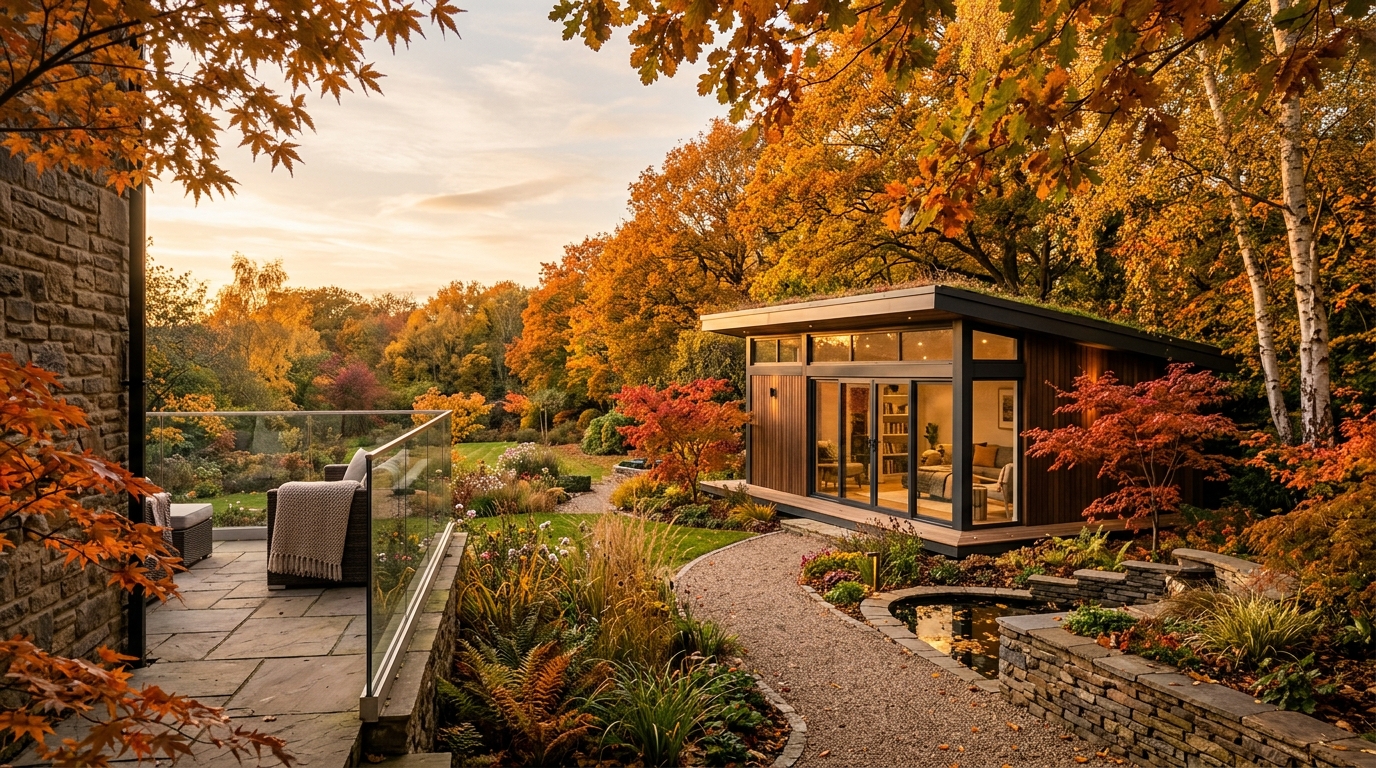
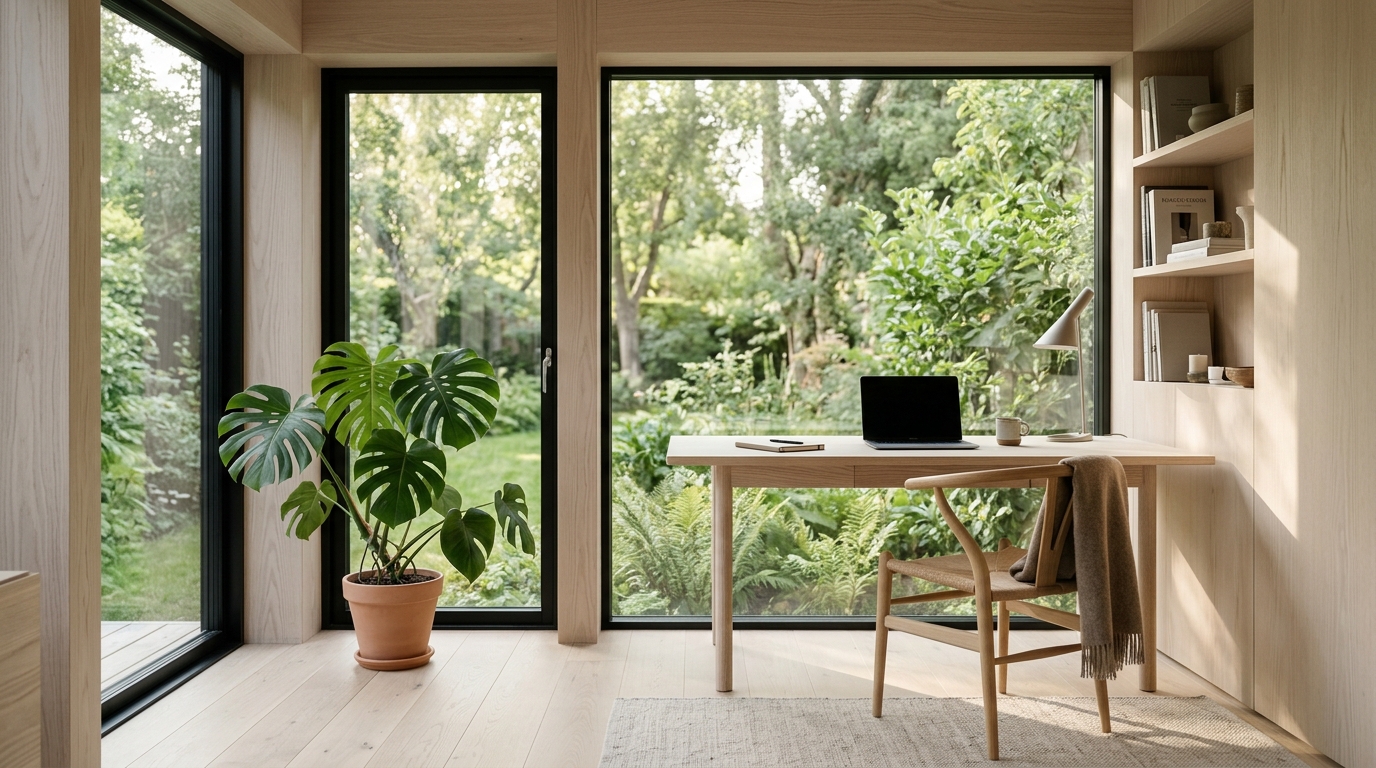
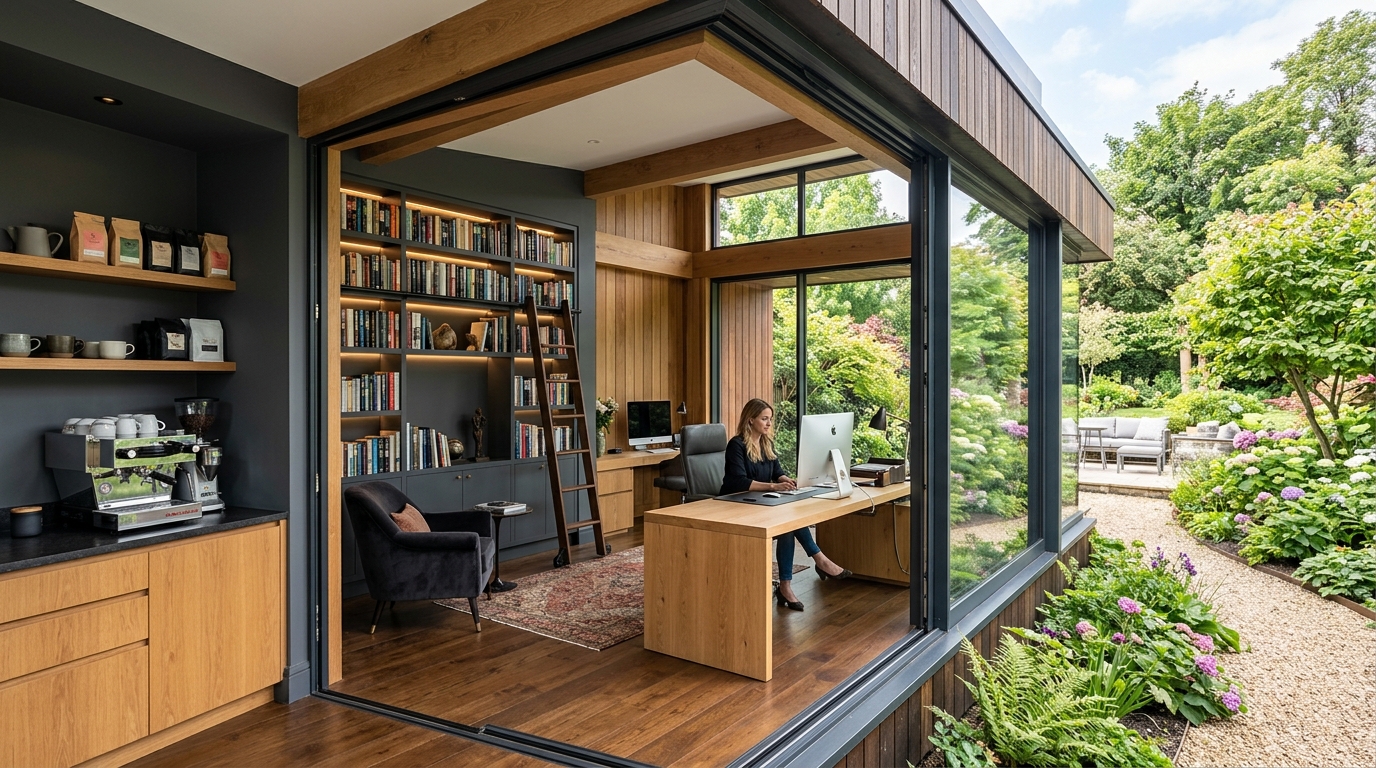
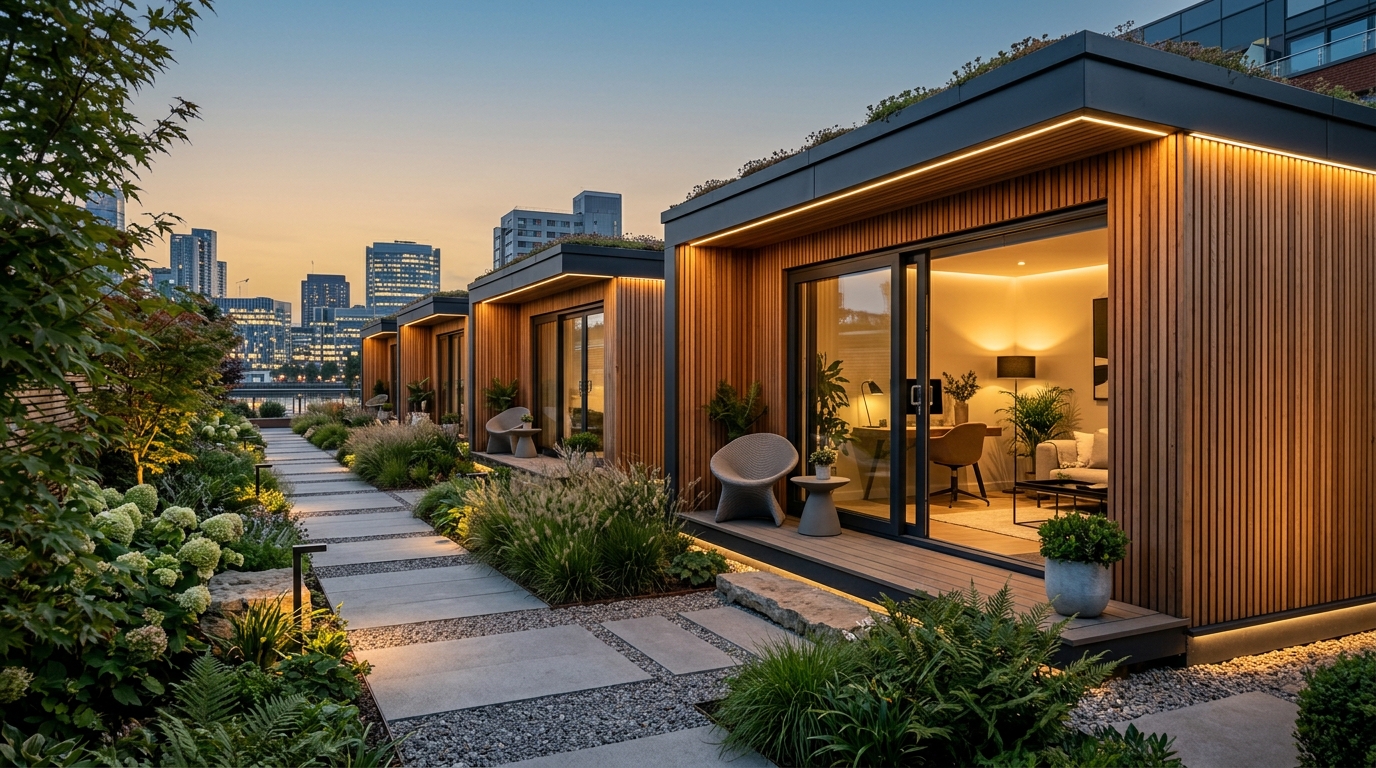
Finally, we reach the ‘Retirement’ phase. The children have moved out or are away at university. The structure that once hosted imaginary pirates is now ready for its second life as a high-end garden office. Because the foundations were laid with longevity in mind, the transformation is cosmetic rather than structural. A fresh coat of paint, a designer desk, and perhaps some professional landscaping around the entrance complete the metamorphosis.
In this final stage, the investment is fully realized. A dedicated garden office can add up to 5-10% to a property’s total value, far outweighing the initial cost of building a high-spec structure versus a cheap playhouse. You have effectively ‘future-proofed’ your garden, creating a multi-generational asset that evolves alongside your family’s needs.
Design Analogies: Investing in ‘Shell’ Not ‘Style’
Think of your luxury playhouse like a high-end luxury watch. You wouldn’t buy a watch that only tells the time for five years; you buy a piece of engineering that will be passed down. When we look at the ’37 Awesome Outdoor Kids Playhouses’ typically cited in design blogs, many are visually stunning but architecturally hollow. They prioritize the ‘now’—the immediate visual impact for a child—without considering the ‘next.’ Our approach is to prioritize the ‘Shell.’ If the shell is built to the standards of a modern home, the ‘Style’—whether it’s a playroom or a boardroom—can be changed at will.
The ROI of Quality Materials
When selecting materials for luxury outdoor kids playhouses, consider the following for long-term durability:
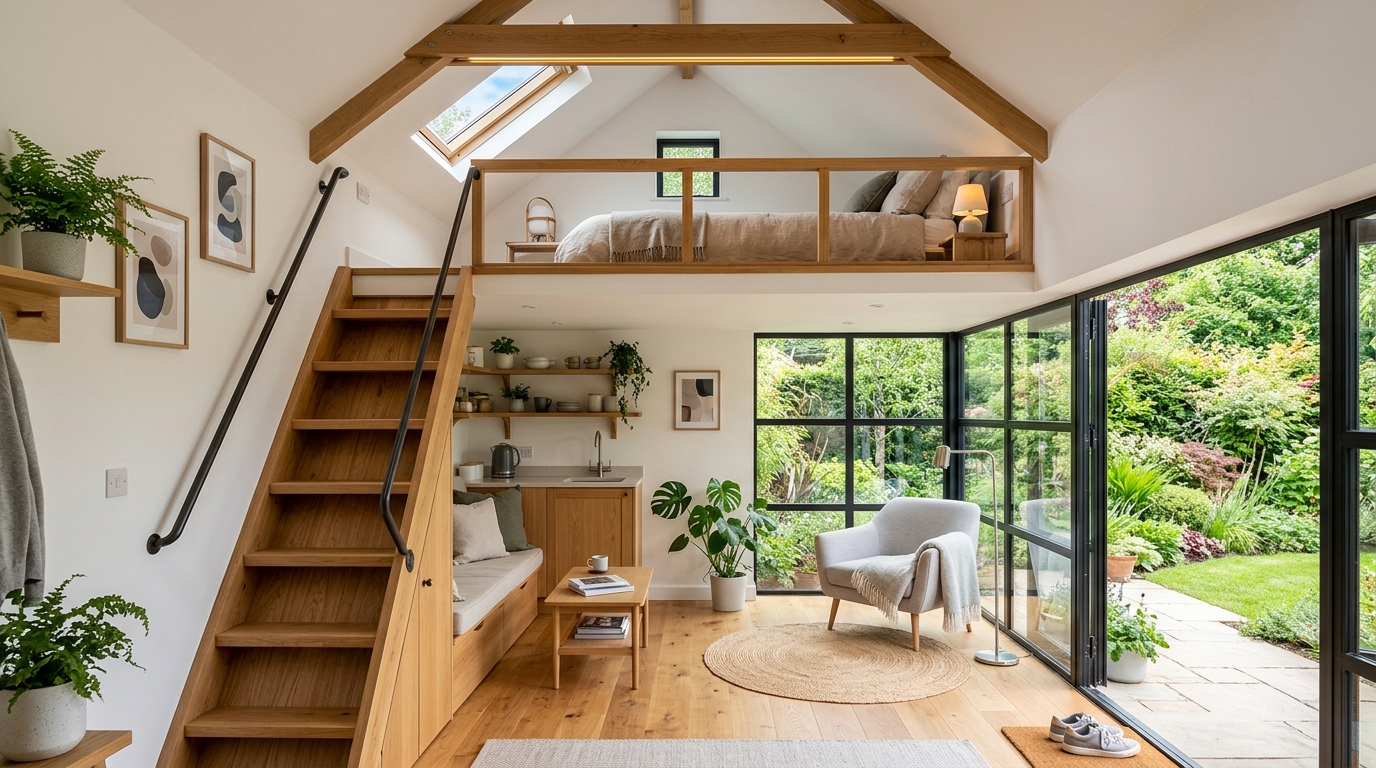
- Aluminum Bi-fold Doors: These provide a seamless connection to the garden and will never warp or rot like cheap timber frames.
- Engineered Oak Flooring: Durable enough for heavy play, but sophisticated enough for a professional office.
- Recessed LED Lighting: Avoids the ‘nursery’ look of hanging pendants and provides a clean, architectural aesthetic.
Conclusion: The Legacy of the Garden Room
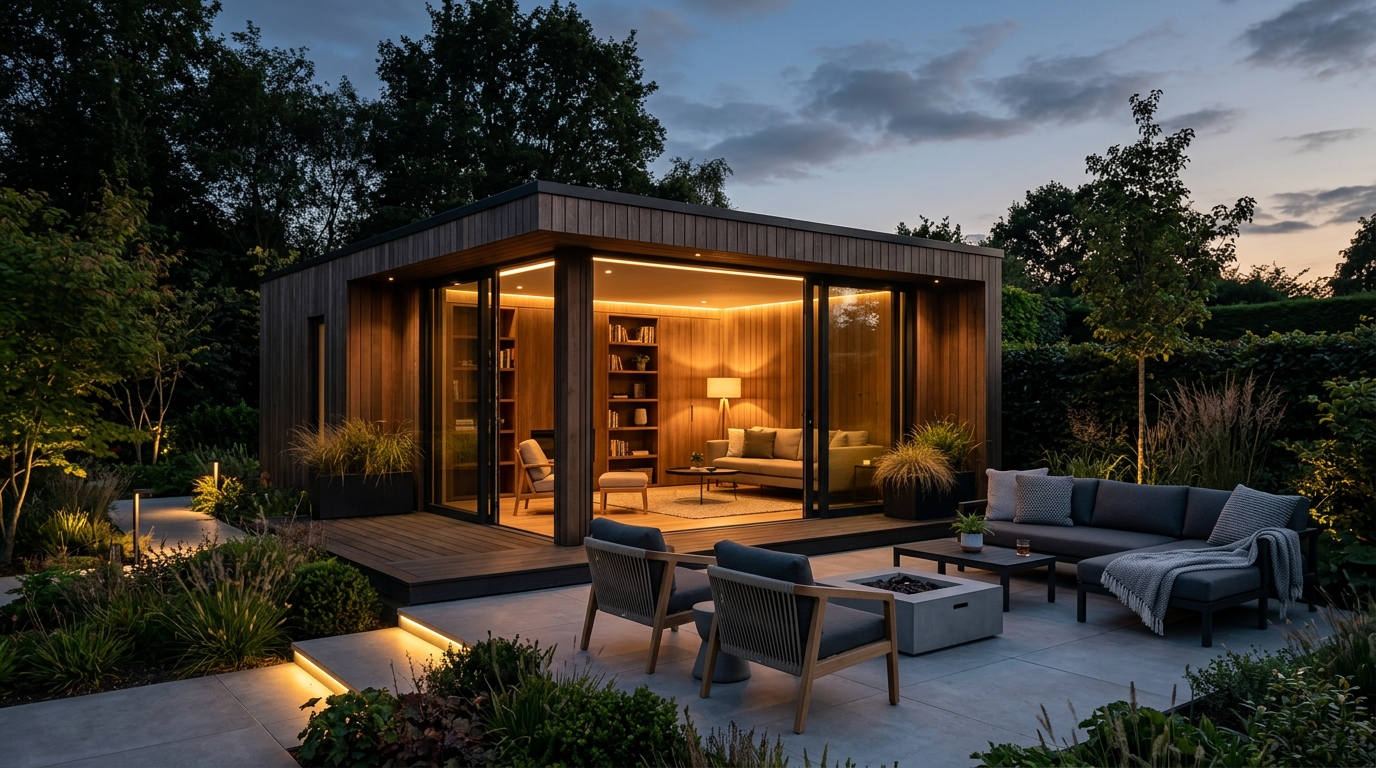
Designing for a ‘Second Life’ isn’t just about financial savvy; it’s about creating a permanent landmark in your family’s history. By investing in luxury outdoor kids playhouses that are built to last two decades or more, you are creating a space that holds the echoes of childhood laughter within the walls of a productive, professional future. It is time to stop viewing playhouses as disposable items. Build with intent, build with quality, and build for the next twenty years.
Inspiration Gallery
Editorial Lookbook & Photo Collection