Curating a Space That Actually Invites You to Read
Most designed corners in modern homes look great on camera but fail the daily comfort test. They lack soul. A truly inviting reading spot starts with the friction removed from your habit. If you have to dig through a closet for a blanket or squint under harsh overhead lighting, the book stays closed. That is why styling matters. It is functional architecture disguised as comfort.
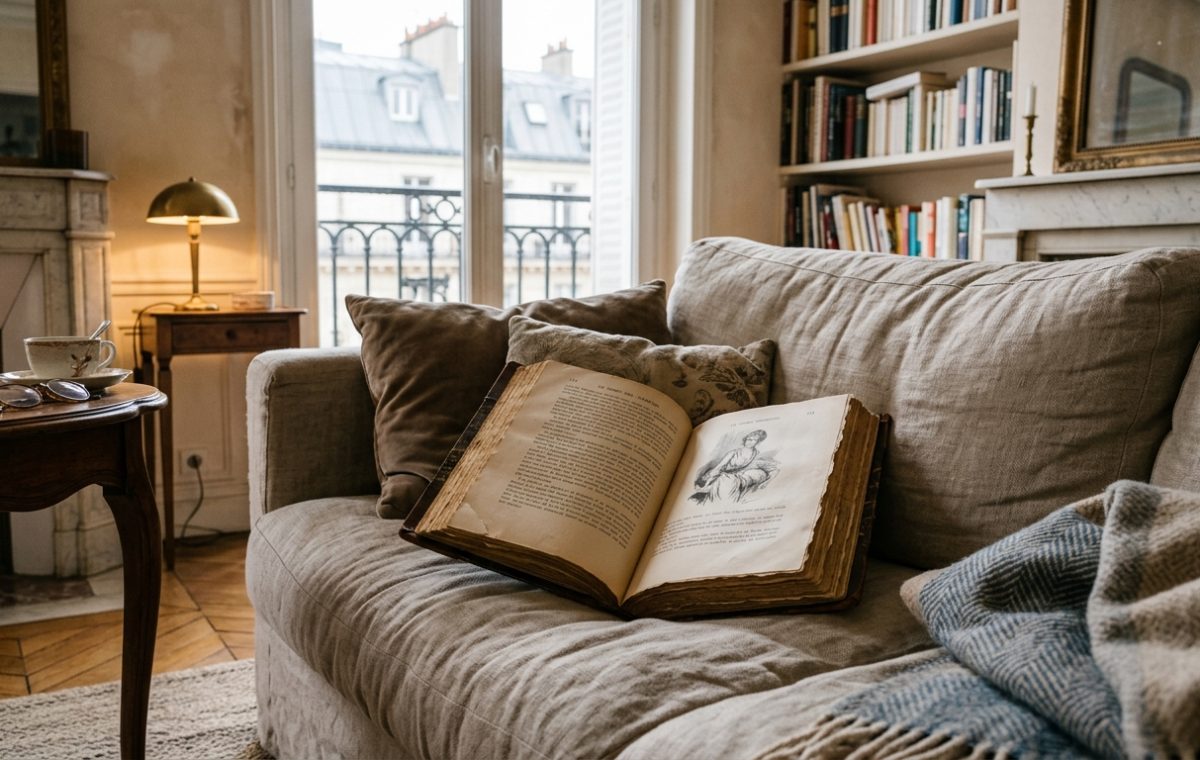
Look at how a textured linen sofa anchors the entire layout in this Parisian apartment. The fabric breathes, ages gracefully, and hides everyday wear much better than synthetic velvets. Tossing a heavy tweed throw blanket across the cushion creates an instant tactile invitation. You do not need pristine perfection. A slightly rumpled cushion and an open book left mid-chapter signal a lived-in space that welcomes slow afternoons.
Lighting and Layering Your Literary Nook
Task lighting changes everything after dusk. A small brass desk lamp on a side table throws a warm, concentrated pool of light onto your pages without blinding the rest of the room. Pair that with natural light pouring through tall classic windows offering a view of city rooftops. Even on grey days, positioning your seating near a window connects you to the outside world while keeping you sheltered indoors.
- Choose adjustable or directional lamps rather than harsh overhead fixtures.
- Keep a sturdy side table within arm’s reach for tea cups and reading glasses.
- Incorporate vintage books with aged pages to add instant character and warmth.
Built-in bookshelves framing a fireplace add vertical weight and depth to the room. Instead of color-coding your library like a design catalog, let spines breathe naturally. Mix paperback heights, hardcover textures, and antique volumes. The visual irregularity makes the walls feel organic rather than rigid.
Real comfort is never sterile. It is messy around the edges, layered with heavy textiles, and centered entirely around things you actually use every day.
Avoiding Common Styling Pitfalls
It is easy to over-accessorize a sitting space until it feels like a museum exhibit. Resist the urge to place decorative objects everywhere. Leave negative space on your side tables so you actually have room to set down a ceramic mug or a pair of reading glasses without knocking things over. Let your functional items do the heavy lifting aesthetically.
How are you currently handling your book storage, and what is one small adjustment you can make today to make your favorite seat feel ten times more welcoming?
Editorial Silo • Recommended Architecture Studies
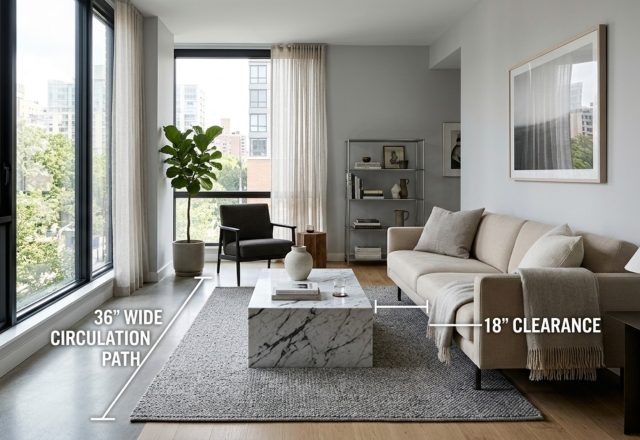
- The Architect’s Blueprint: Living Room Ideas For Small Rooms & Engineering Spatial Volume and Flow in Compact Living Rooms — Archival Design Case Study
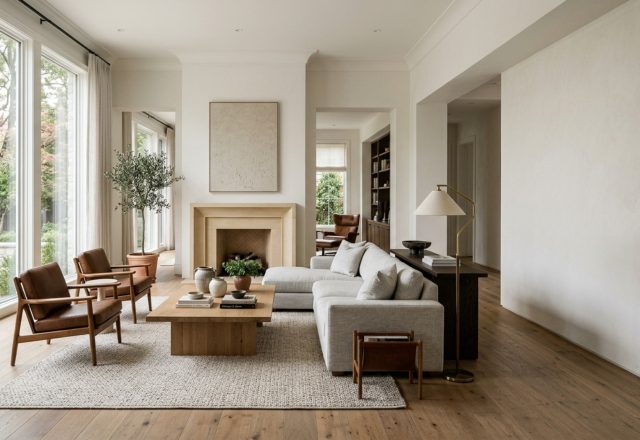
- Large living room design rules for functional flow — Archival Design Case Study
Curated Lookbooks & Architectural Studies
- Living Room Accent Table Ideas for Cozy Small Spaces
- The Enduring Appeal of Classic Parquet Flooring in Homes
- Styling Neutral Couch Pillows for Effortless Texture
- Designing a Classic French Apartment Living Room
- French Country Living Room Decor Ideas for Calm Spaces
- The Geometry of Hue: Color Affects Mood & Reconfiguring Spatial Perception and Architectural Mood
Curated Visual Lookbook
Design Gallery & Spatial Studies
A visual curation of architectural arrangements, lighting concepts, and material palettes featured in this space.