The Physics of the Private Realm: Why Proportions Matter
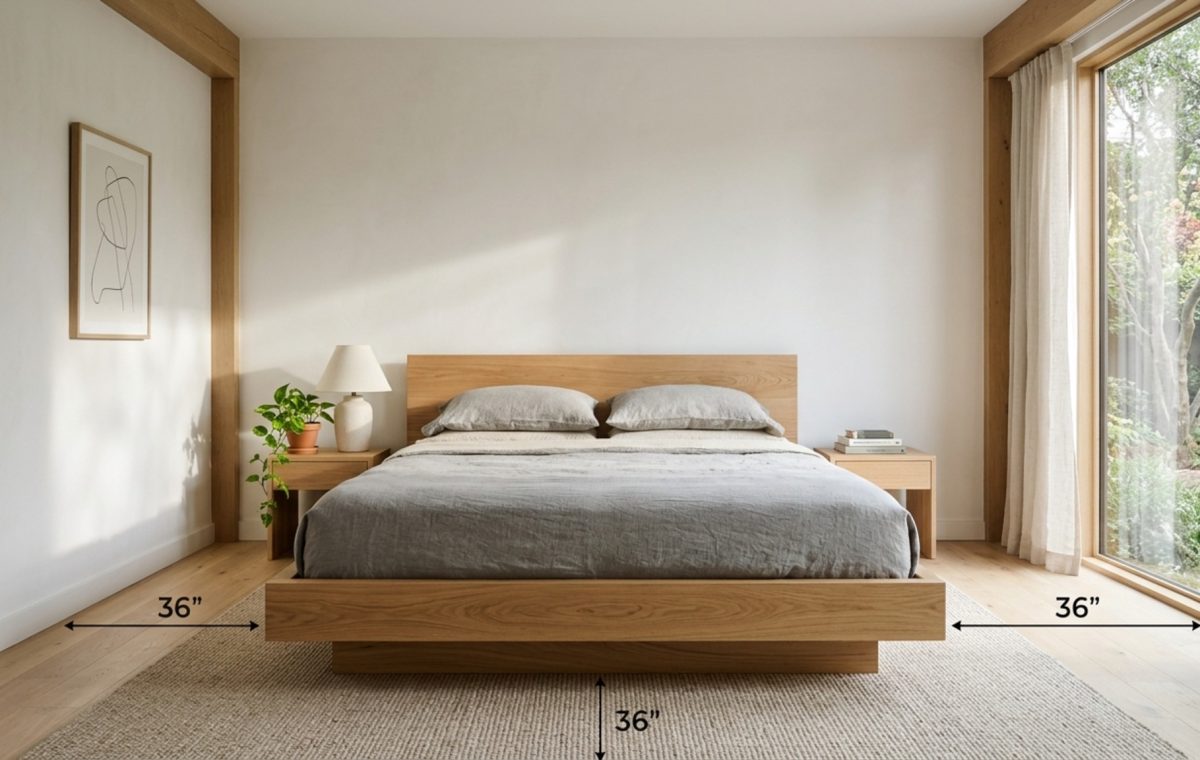
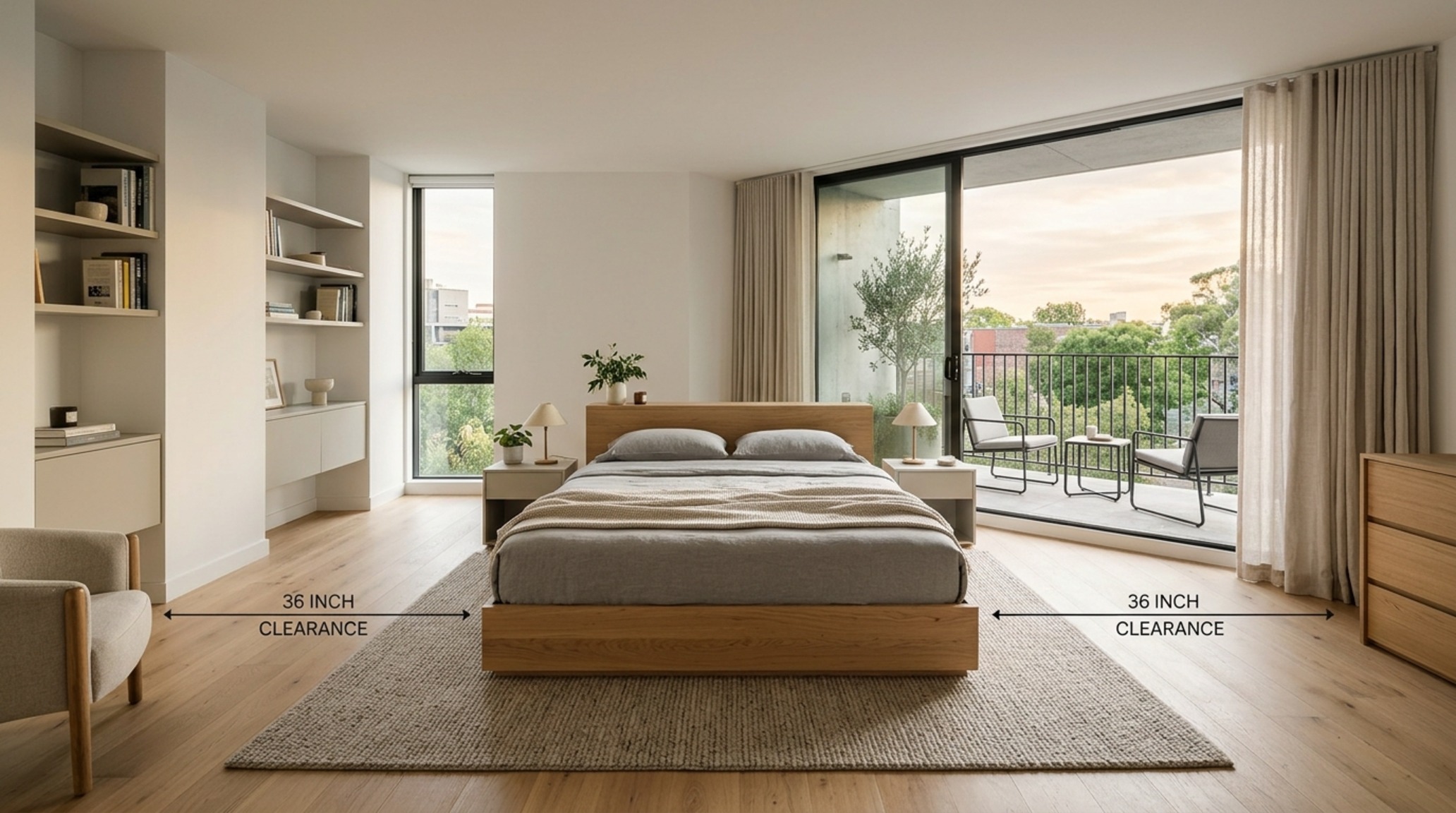
Before the first swatch of linen is selected or the primary lighting circuit is dimmed, a bedroom must breathe. We often overlook the tangible physics of the room—the essential 36-inch primary circulation path required for a natural gait, the 10-degree door swing clearance, and the critical sightline paths from the threshold to the window. It is within this architectural framework that the modular bed emerges as the functional center of gravity. No longer a static, heavy monolith, the modern sleep system acts as a pivot point for spatial flow, allowing for an adaptable layout that respects both the architecture of the house and the psyche of the inhabitant.
When we design a sanctuary, we are essentially managing negative space. A modular bed provides the unique ability to calibrate the floor plane. By utilizing a low-profile chassis, we can maintain clear sightlines across the room, which psychologically expands the square footage. In high-density urban environments where every inch is a premium, the ability to shift components—moving a headboard from a wall-mount to a frame-mount or adjusting the height of the platform—ensures that the furniture evolves with the resident’s lifestyle. This spatial cadence is the difference between a room that feels cluttered and one that feels curated.
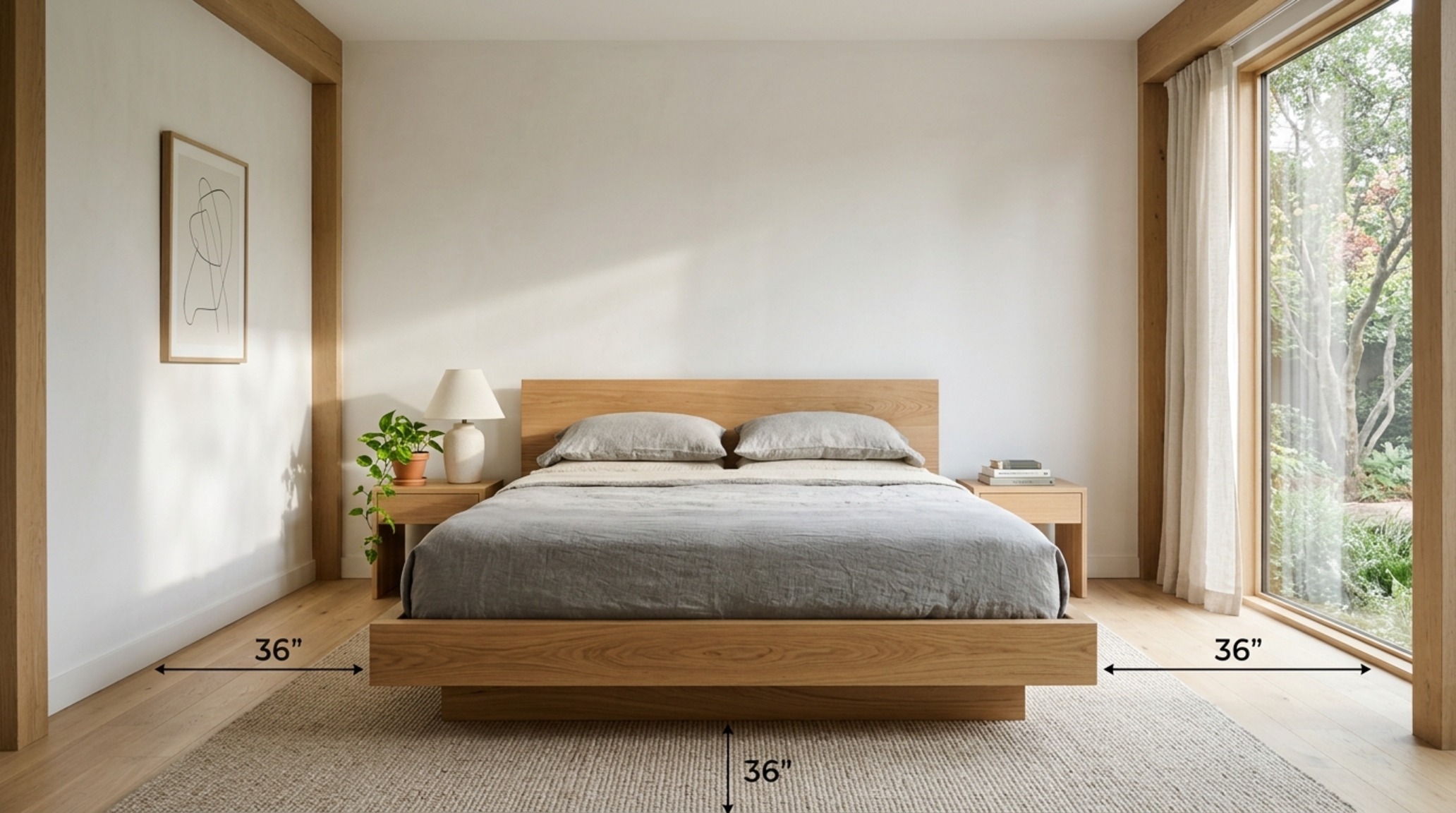
Modular Platform Bed Systems: Reclaiming the Floor Plane
The modular platform bed is more than a minimalist aesthetic choice; it is a structural intervention. Traditional frames often create a visual ‘block’ that stops the eye, making a room feel fragmented. In contrast, a well-engineered modular bed uses architectural recessed legs or a cantilevered base to create a floating effect. This allows the flooring—perhaps a wide-plank white oak or a honed concrete—to extend visually underneath the piece, enhancing the sense of continuity. From a pragmatic standpoint, a platform system eliminates the need for a box spring, reducing the vertical bulk and allowing for a sleeker, more sophisticated silhouette that aligns with the 2024 trend of ‘quiet luxury’.
A Tactile Renaissance: Performance Linens and Biophilic Textures
The shift in 2024 interior design is moving away from purely visual aesthetics toward a multi-sensory experience. We are seeing a profound embrace of biophilic nuance. It isn’t enough for a modular bed to look good in a photograph; it must feel resonant to the touch. This is where the materiality of the headboard and frame becomes paramount. We are moving toward sustainable modular furniture that utilizes materials like regenerative cork. Cork is not only a carbon-negative material but also offers incredible acoustic dampening properties, softening the ‘hard’ edges of modern architecture and creating a literal sound-cocoon for sleep.
“Design is not just what it looks like and feels like. Design is how it works, and in the bedroom, the ‘work’ is the facilitation of deep, restorative rest through tactile grounding.”
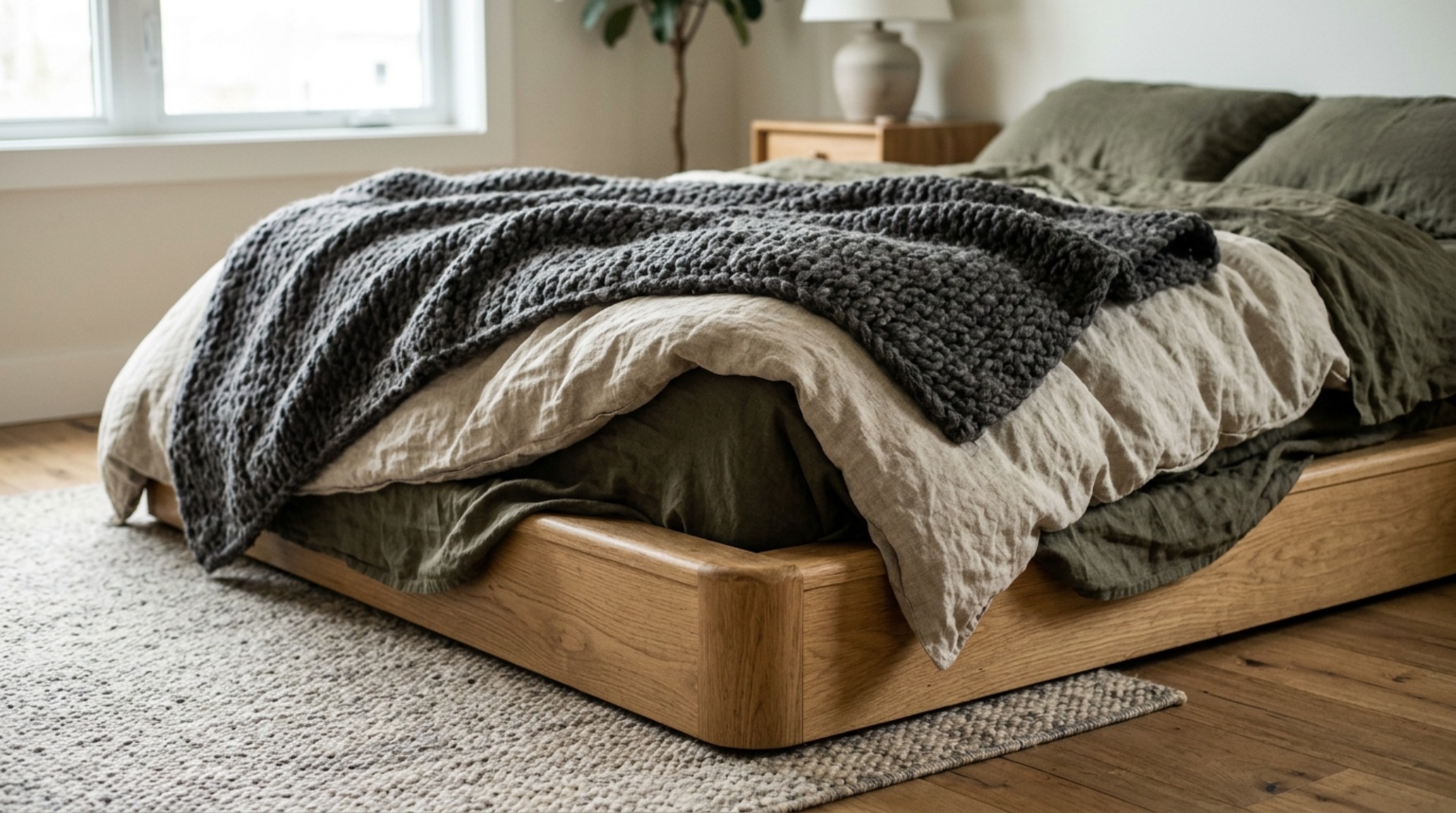
Pairing a modular bed with performance linens—fabrics that are breathable, durable, and possess a rich, slubby texture—elevates the sensory sleepscape. These aren’t the clinical, overly-starched sheets of the past. Instead, we are looking at heavy-weight linens in earthy tones like Benjamin Moore Swiss Coffee or Farrow & Ball Setting Plaster. These hues reflect light softly, preventing the harsh glares that can disrupt the transition to sleep. The interaction between a matte-finished modular bed frame and the organic ripple of natural linen creates a shadow play that adds depth to even the most minimalist room.
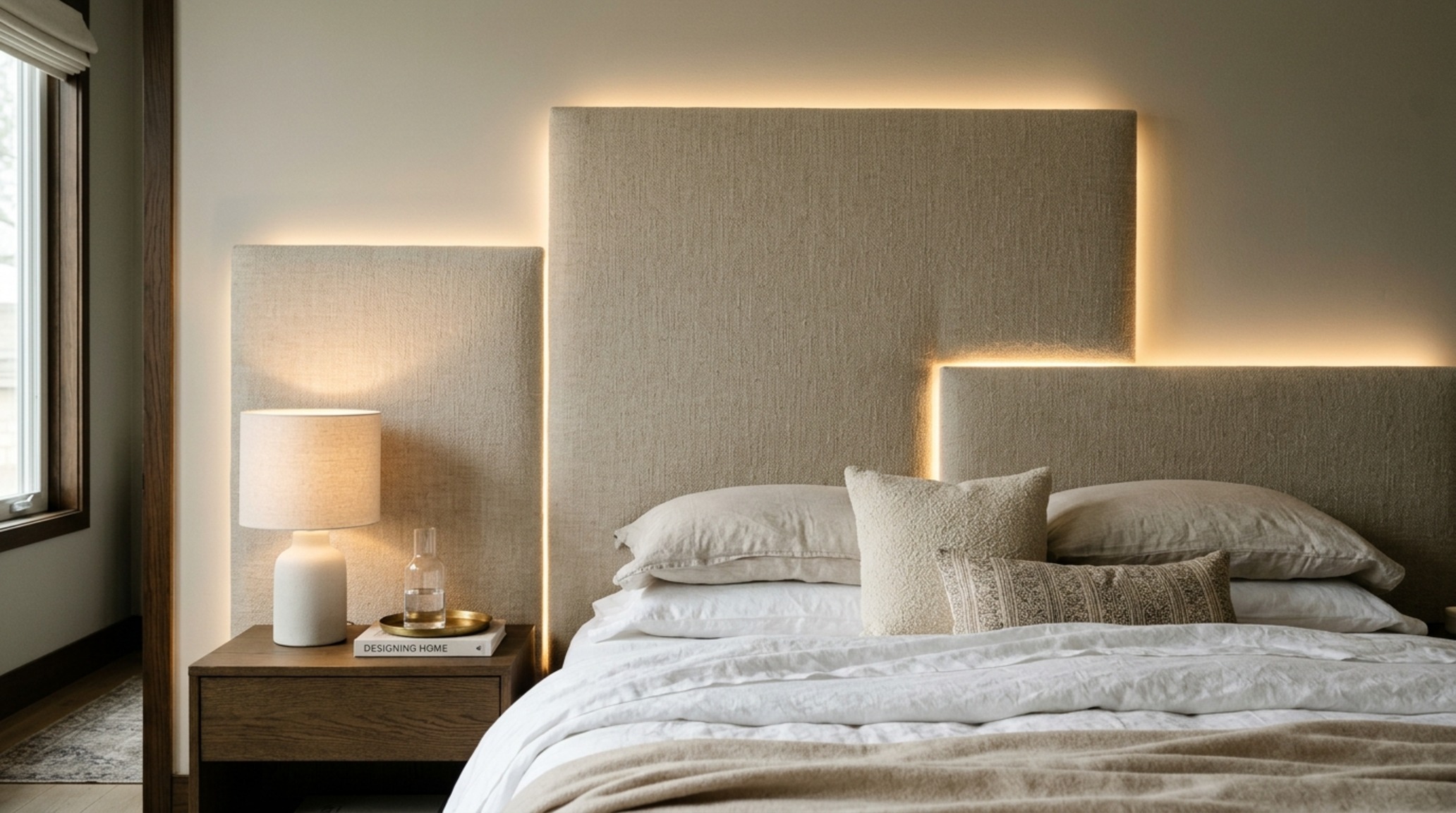
Sustainable Modular Furniture: The Rise of Cork and Regenerative Materials
As we become more conscious of our environmental footprint, the demand for sustainable modular furniture has skyrocketed. Designers are looking for pieces that offer longevity through adaptability. A modular bed built from FSC-certified hardwoods or innovative recycled composites ensures that the piece doesn’t end up in a landfill when life circumstances change. The beauty of these materials lies in their honesty; they don’t hide behind thick veneers. Instead, they celebrate the grain, the knot, and the natural variation of the material. This organic warmth balances the industrial minimalism of many modular systems, creating a space that feels both modern and deeply rooted in nature.
Engineering the Invisible: Customizable Headboard Design & Integrated Storage
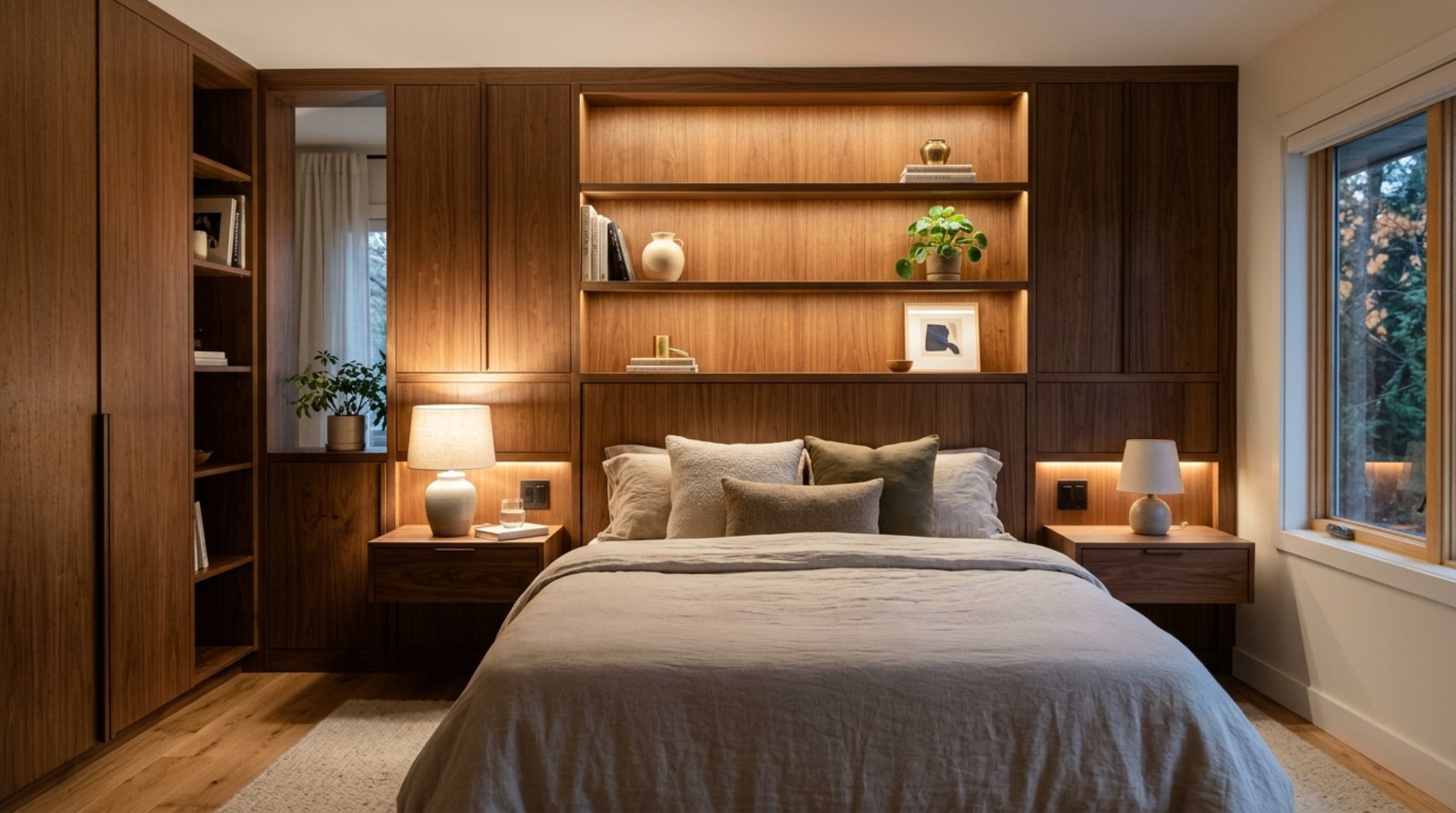
One of the most transformative aspects of the modular bed is the ability to personalize the vertical plane. A customizable headboard design allows the user to treat the wall behind the bed as an architectural canvas. Whether it is a series of oversized upholstered panels that span the entire width of the room or a minimalist wooden slat system with integrated shelving, the headboard becomes an extension of the room’s architecture rather than just a furniture attachment. This modularity means you can swap a plush, velvet-upholstered panel for a sleek, fluted oak panel as seasons or tastes change, without replacing the entire modular bed structure.
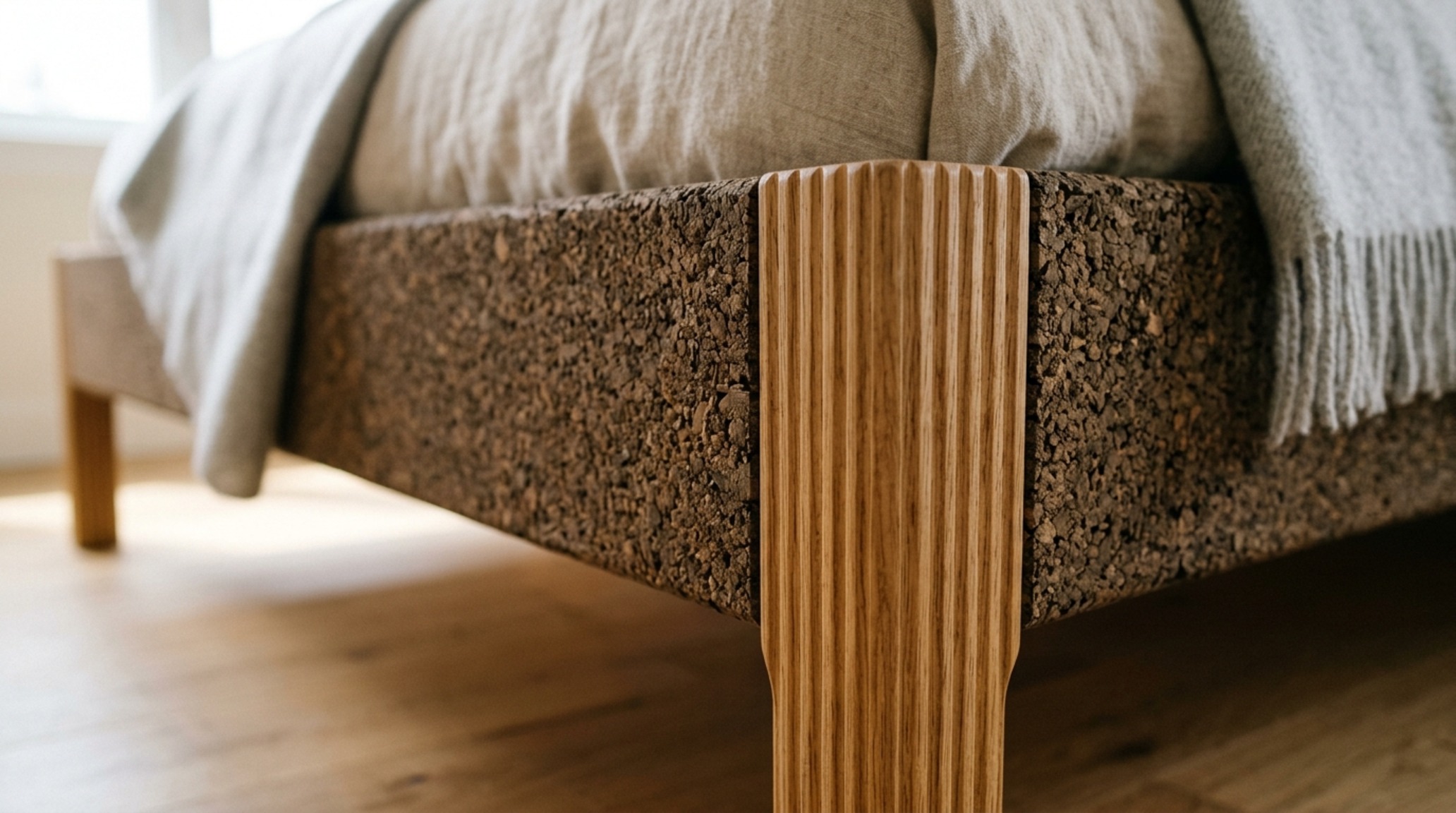
Integrating technology into these headboards is also a key 2024 trend. We are seeing modular bed systems with discreetly embedded USB-C ports, dimmable LED accent strips that provide 2700K warm ambient light, and even acoustic panels that block out the hum of urban life. The goal is to hide the ‘clutter’ of modern life—cables, chargers, and hardware—within the clean lines of the bed’s design. This leads to a cleaner visual field, which is essential for mental decompression before sleep. By carefully considering the placement of these elements, we maintain that critical 18-inch reach from the bedside, ensuring ergonomics are never sacrificed for style.
The Hydraulic Storage Bed: Solving the High-Density Urban Puzzle
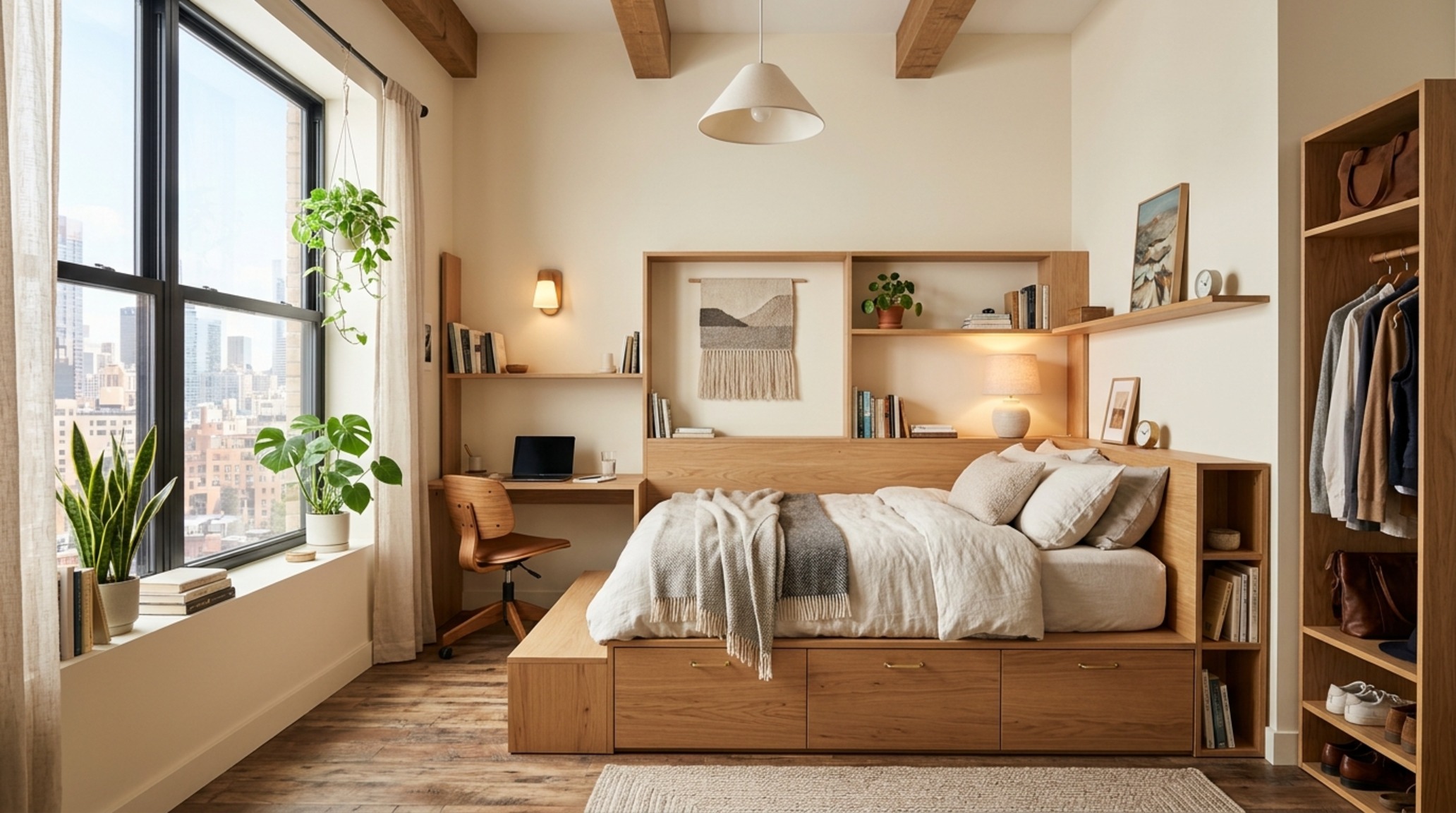
For those living in metropolitan hubs like New York, London, or Tokyo, the hydraulic storage bed is a revelation. It solves the perennial conflict between the desire for a minimalist aesthetic and the reality of storage needs. Traditional under-bed drawers often require a 30-inch clearance on either side of the bed to fully extend, which is often impossible in tight layouts. A modular bed equipped with a hydraulic lift system allows for easy access to the entire footprint of the bed frame from a vertical angle. It’s a seamless, quiet mechanism that turns the ‘dead space’ beneath the mattress into a high-capacity wardrobe or linen closet. This functionality is a cornerstone of compact living solutions, proving that you don’t have to live in a sprawling estate to have a sophisticated, organized bedroom.
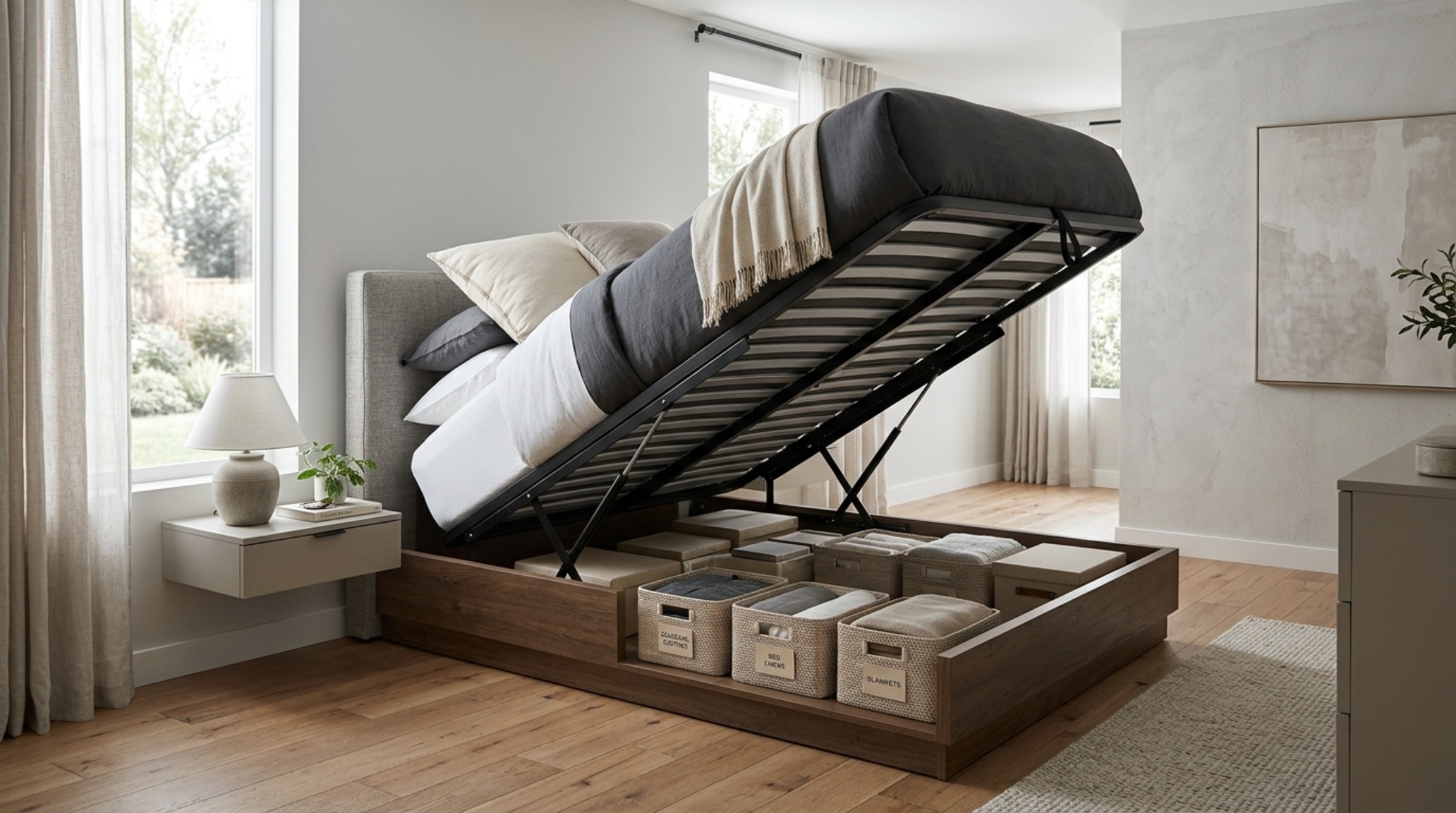
When selecting a hydraulic storage bed, the focus should be on the quality of the pistons and the structural integrity of the frame. You want a movement that is effortless and a frame that doesn’t creak under the weight of a premium latex or pocket-sprung mattress. This is where the ‘modular’ aspect shines—many of these storage bases can be paired with different styles of feet and headboards, allowing for a flexible bedroom layout that doesn’t feel dictated by the presence of a storage unit. The modular bed thus becomes a chameleon, shifting its identity to meet the specific spatial demands of the home.
Architectural Perspectives & Lighting Vignettes: The Final Layer
Lighting is the invisible thread that ties the modular bed and the rest of the room together. To achieve a true sensory sleepscape, one must move beyond a single overhead fixture. We recommend a layered approach: 2700K warm ambient lighting for the overall glow, 3000K task lighting for reading (ensuring a high CRI of 90+ to keep colors accurate), and low-level 2200K ‘sunset’ lighting for the hour before sleep. When these lights hit the textures of a modular platform bed—the grain of the wood, the weave of the linen—they create a rhythmic atmosphere that signals to the brain it is time to rest. The modular bed isn’t just where you sleep; it is the stage upon which the ritual of rest is performed.
Tactile Finishes, Color Codes & Spatial Ledger
Curated tactile palette, spatial dimensions, and atmospheric lighting index for this design scheme.
The evolution of the bedroom from a utilitarian room to a sensory sleepscape mirrors our broader cultural shift toward wellness and intentionality. By choosing a modular bed, we are not just buying furniture; we are investing in a system that acknowledges the fluidity of modern life. It is a commitment to spatial intelligence, material honesty, and the fundamental human need for a sanctuary that feels as good as it looks. As we look forward, the boundaries between architecture and furniture will continue to blur, leaving us with spaces that are infinitely more responsive, tactile, and deeply restorative.
Editorial Silo • Recommended Architecture Studies
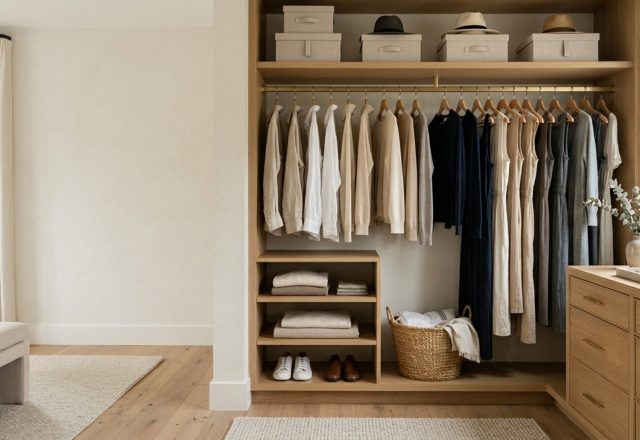
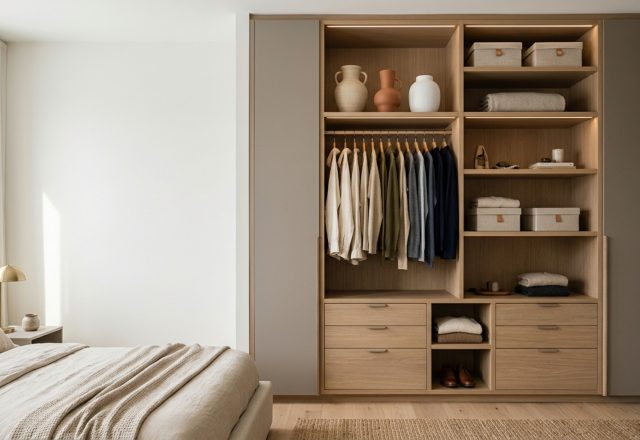
- Pristine Bedroom closet ideas pictures — Archival Design Case Study
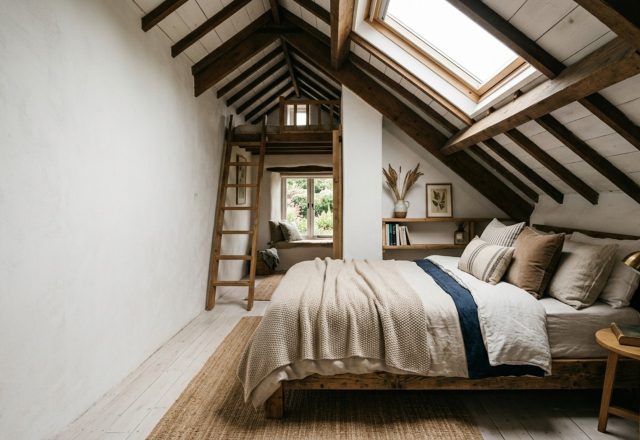
- 15 Attic Bedroom Designs for Tiny Lofts — Archival Design Case Study
Editorial Photo Collection
Visual studies exploring spatial ergonomics, material authenticity, and balanced natural light.

Curated Lookbooks & Architectural Studies
- Luminous Tactility: Orchestrating the Sensory Harmony of Raw Clay and Warm Light through Zellige Tile Decor Ideas
- Neutral Entryway Design: Mastering the Art of the First Impression
- The Tactile Aesthetic of Walk In Pantry Organization: Materials, Moods & Lighting Kelvin
- Stunning Dark Wood Ceiling Beams for Warm Interiors
- The Optical Illusion Balcony: How to Use Walmart’s June Architectural Drops to Double Your Square Footage
- Rustic Living Room Storage Ideas for a Cozy Space
Curated Visual Lookbook
Design Gallery & Spatial Studies
A visual curation of architectural arrangements, lighting concepts, and material palettes featured in this space.