The Chemistry Behind Historic Oxidation
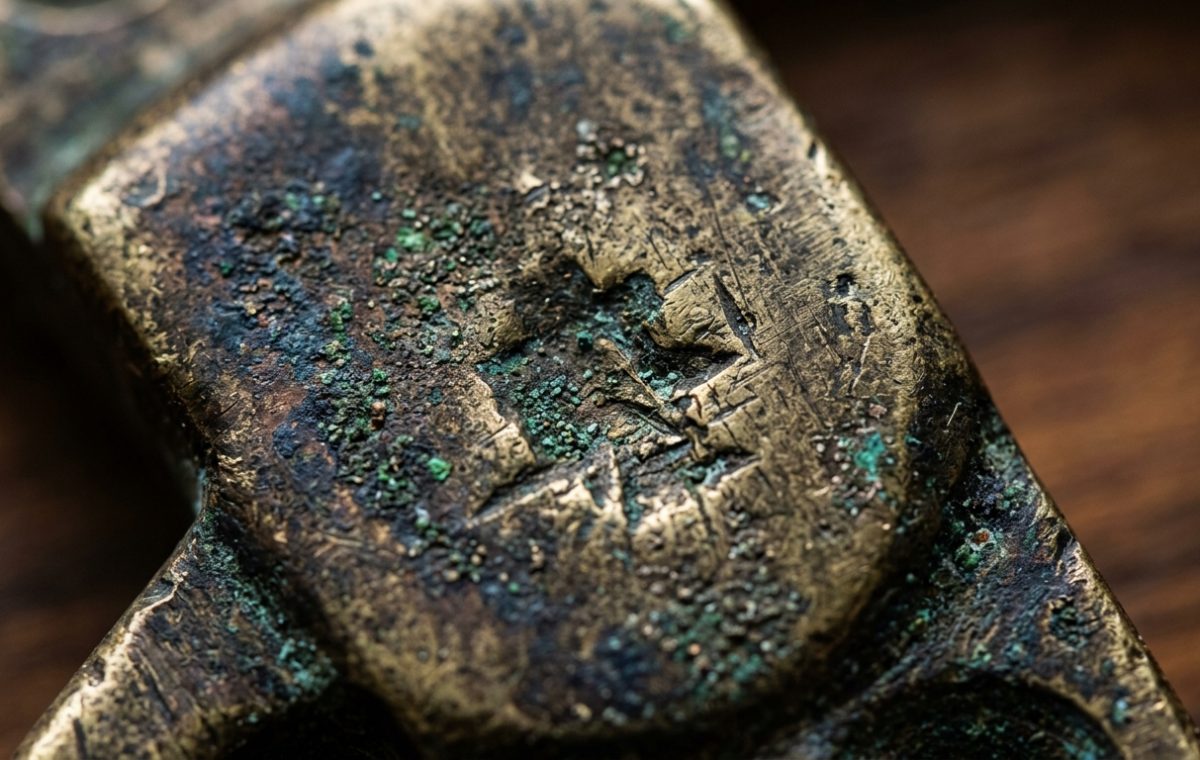
Metals tell stories if you pay close attention. When bronze and brass elements sit exposed to air and moisture for decades, chemical reactions take hold. You get verdigris. That powdery green crust is not a flaw. It is a badge of honor. It proves real age.
New metal looks sterile. It lacks depth. Real vintage fixtures develop complex surface textures. Copper and zinc alloys react with environmental elements over time. The result is a mottled blend of dark ochres and vibrant turquoise deposits.
Why Collectors Value Natural Wear
Many people panic when they spot green residue on old architectural salvage. They want to scrub it bare. Don’t do that. Chemical patination builds a protective barrier while revealing true authenticity. An aggressively polished antique loses its historical soul.
- Surface pitting caused by decades of use
- Flecked green oxidation deposits in recessed corners
- Uneven metallic sheen from handling
- Warm honey undertones beneath dark oxidation
Preservationists know that aggressive cleaning destroys value. Leaving surface age intact keeps the object connected to its timeline. When you spot a heavy buildup in tight crevices, admire the craftsmanship rather than reaching for harsh chemical strippers.
Incorporating Aged Metal into Modern Interiors
Using weathered hardware grounds a space. It stops a room from feeling too brand-new or sterile. Pair antique cabinet pulls or decorative door latches with neutral backdrops. Let the textured surfaces contrast cleanly against matte wood or lime-washed walls.
Of course, upkeep requires balance. If active corrosion threatens the structural integrity of a piece, stabilize it carefully. Otherwise, let nature do the decorating.
How do you usually handle vintage hardware finds in your own restoration projects? Do you prefer a gleaming polished look, or do you leave the aged crust untouched?
Editorial Lookbook & Photo Collection