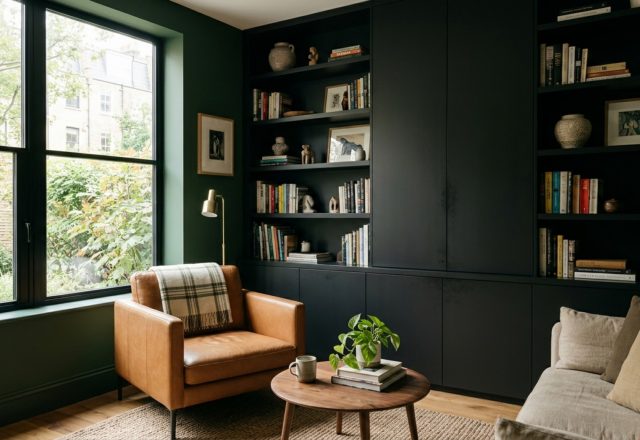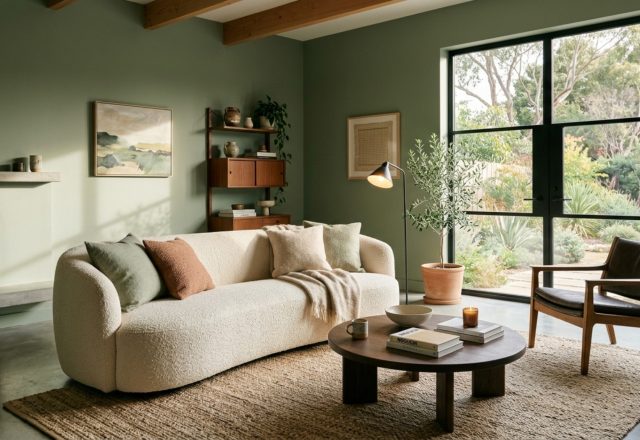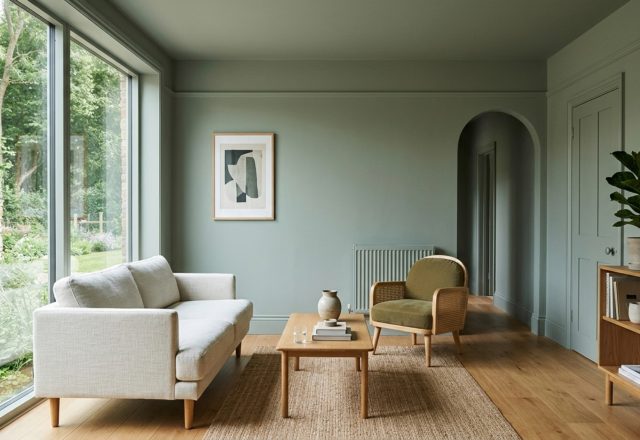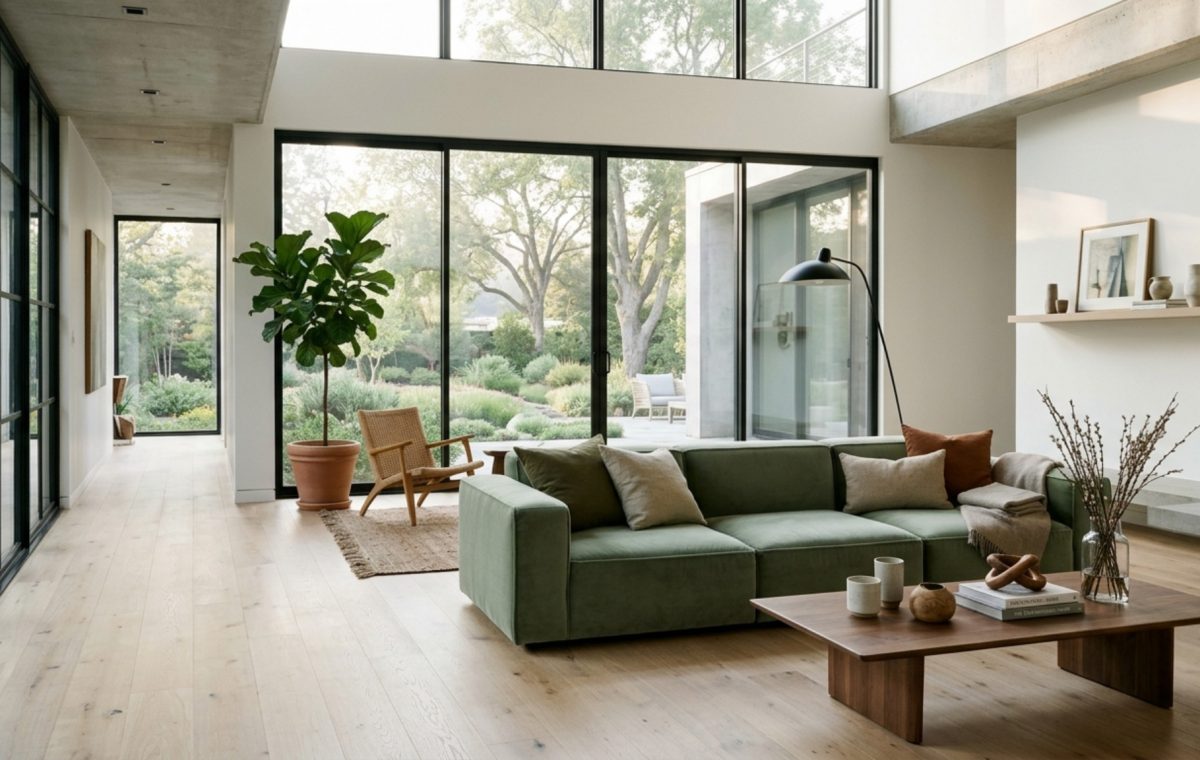
There is a specific, quiet gravity to a well-executed green couch. It is not merely a piece of furniture; it is a grounding weight, an anchor that pulls the organic world indoors. When we discuss sage green living room ideas, we are often talking about a search for equilibrium—a way to balance the digital sharpness of modern life with the soft, restorative frequencies of the forest floor. Achieving this sanctuary-like atmosphere requires more than just picking a paint swatch; it demands an architectural understanding of light, a tactile approach to materiality, and a disciplined respect for spatial clearances.
In the current design landscape, the shift toward biophilic palettes has elevated the sage green sofa from a trend to a foundational element of the contemporary home. Unlike the high-octane saturation of emerald or the dark moodiness of forest green, sage possesses a unique chromatic flexibility. It acts as a neutral with a heartbeat. In this exploration, we will look at how to synthesize architectural precision with the sensory richness of textiles to create a living space that feels curated yet deeply lived-in.
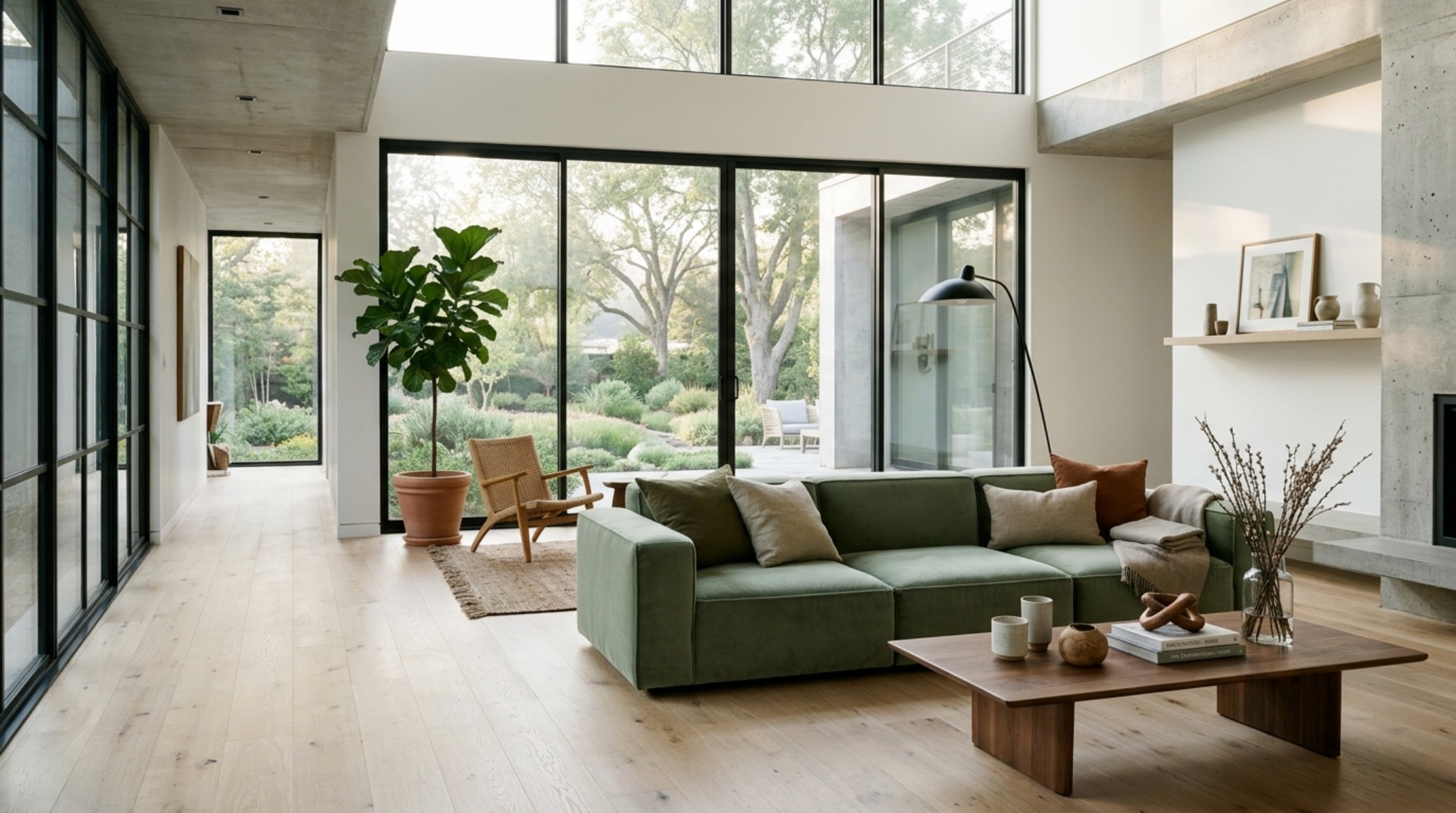
The Architectural Foundation of Sage Green Living Room Ideas
Designing a living room around a central green piece requires a keen eye for spatial cadence. We often see beautiful furniture undermined by poor circulation. To maintain a professional architectural flow, one must adhere to the 36-inch rule: primary circulation paths—the walkways where people move through the room—should never drop below 36 inches in width. This creates what designers call ‘negative space breathing room,’ ensuring the sofa doesn’t feel like an obstacle but rather a destination.
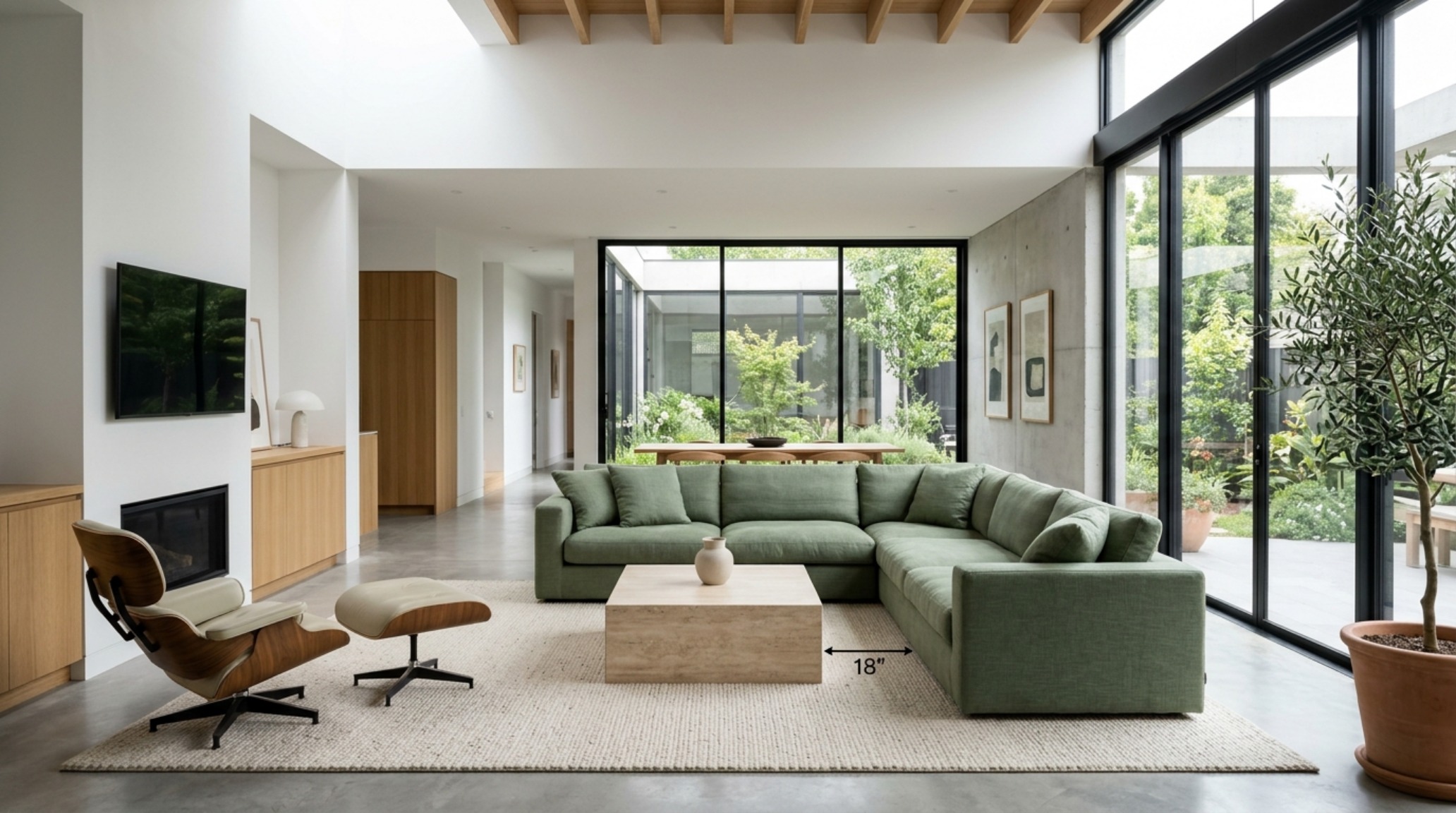
The relationship between the sofa and the coffee table is equally critical. For ergonomic comfort, a distance of 18 inches between the edge of the seat and the table edge is the industry standard. This allows for an easy reach for a drink or book without cramping the legs. When integrating sage green living room ideas layout strategies, consider the sightline alignment. A low-profile sage sofa can maintain an open view toward a garden or an architectural fireplace, whereas a high-back velvet piece creates a sense of enclosure and privacy. In smaller apartments, modern sage green living room ideas ideas often lean toward ‘leggy’ furniture—sofas with exposed wooden or metal frames that allow light to pass underneath, visually expanding the floor plane.
Materiality: The Science of Touch
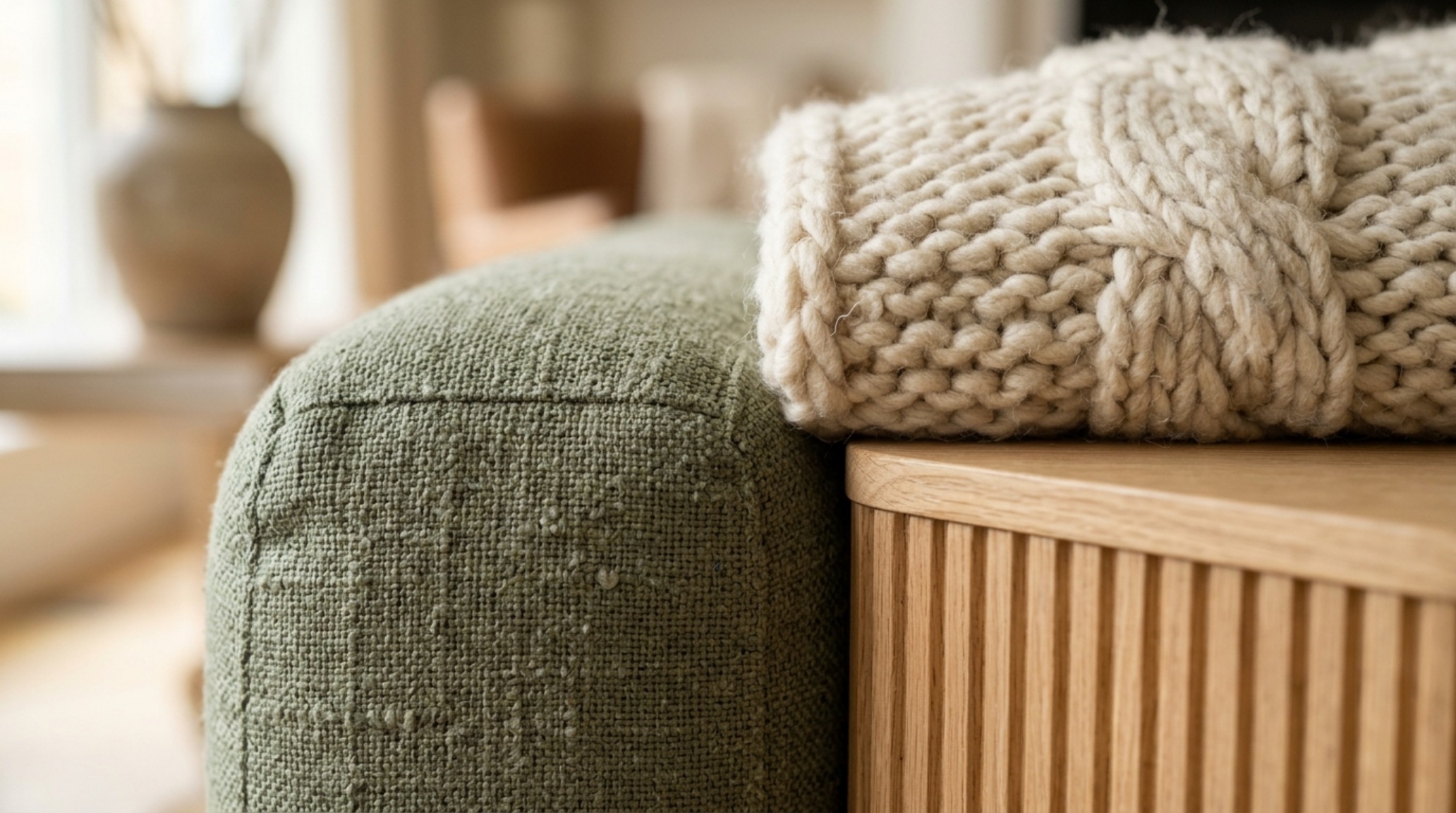
The success of a green-centric room lives and dies by its textures. A flat, polyester green couch will never achieve the soulful resonance of a slubby linen or a heavy-weight cotton velvet. Texture is the secret language of luxury sage green living room ideas textures. When you place a matte, sage-toned velvet sofa against a limewash wall—perhaps in a shade like Farrow & Ball’s ‘Setting Plaster’—the contrast between the plush pile and the chalky, mineral wall creates a sophisticated visual tension.
We must also consider the hard surfaces that surround the upholstery. To avoid the room feeling too ‘cool,’ pair sage with warm-toned woods like white oak or walnut. A fluted oak sideboard provides a rhythmic, vertical texture that complements the horizontal expanse of a sectional. If your aesthetic leans more toward the geological, honed travertine coffee tables offer a porous, organic counterpoint to the smoothness of the fabric. Avoid polished surfaces where possible; the goal is a soft, diffused reflection of light that enhances the organic nature of the green hue.
The Kelvin Scale: Mastering the Sage Green Living Room Ideas Lighting Guide
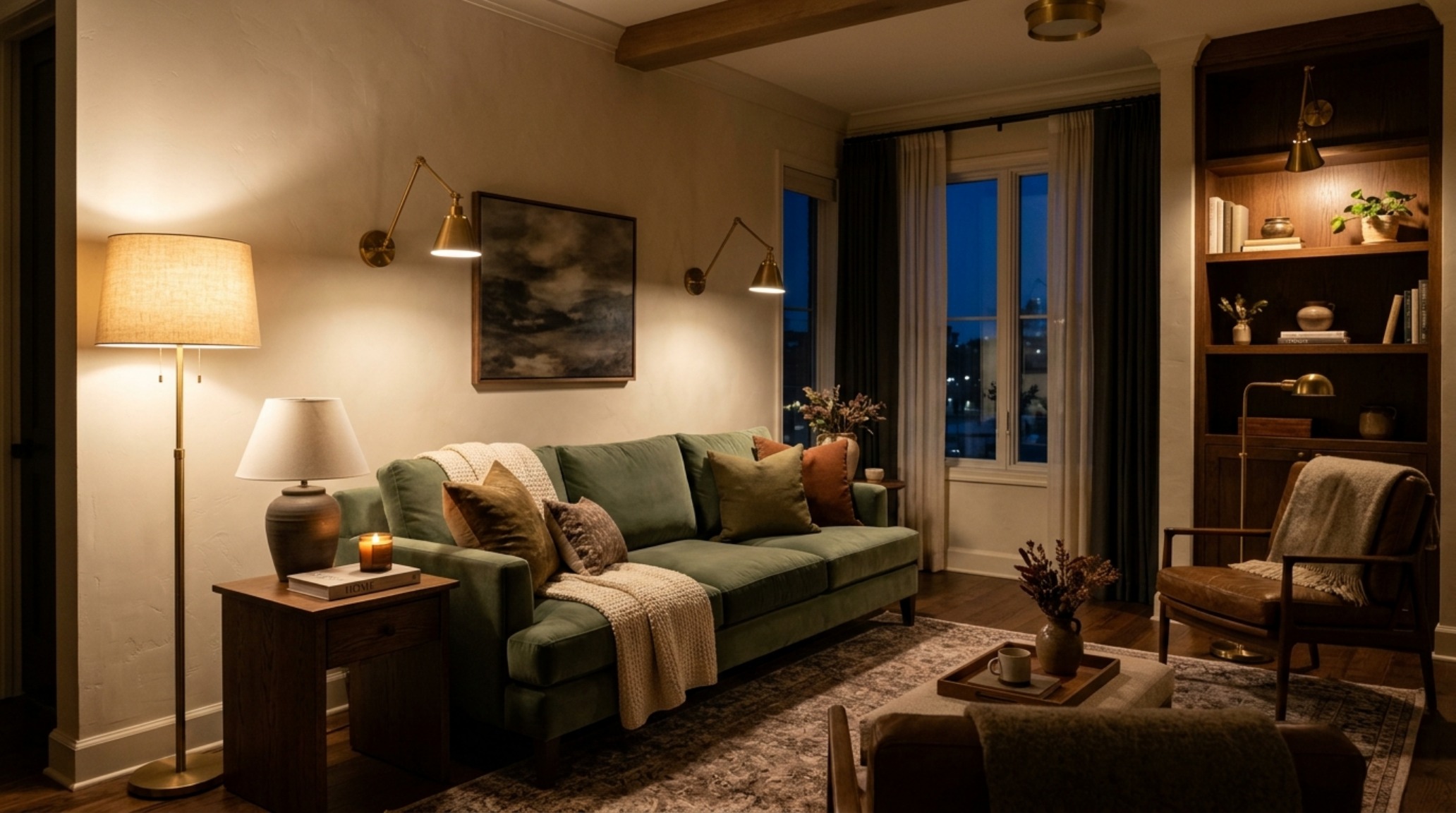
Lighting is the most overlooked variable in interior design, yet it dictates how color behaves. Sage green is a ‘chameleon’ color; it is highly sensitive to the Kelvin (K) temperature of your bulbs. To achieve that coveted ‘serene sanctuary’ vibe, you must understand the difference between task and ambient light. For general evening relaxation, stick to 2700K warm ambient bulbs. This temperature brings out the yellow undertones in sage, making it feel cozy and golden. If you move toward 3000K, the green becomes crisper and more modern, which is excellent for task areas or reading nooks.
However, the real secret lies in the Color Rendering Index (CRI). For sage green living room ideas architecture and design, always specify bulbs with a CRI of 90 or higher. Low CRI bulbs (common in cheap LEDs) can make sage green look ‘muddy’ or grayish, stripping the life out of the pigment. Layer your lighting by including floor lamps with linen shades to further diffuse the glow, creating a soft shadow play that adds depth to the room’s corners. Directional ceiling spots should be used sparingly, aimed perhaps at a piece of art rather than directly at the sofa, to avoid harsh ‘hot spots’ on the fabric.
Small Space Sage Green Living Room Ideas: Maximizing Impact
In smaller footprints, the color sage is a strategic ally. Because it shares a visual frequency with nature, the eye tends to push it back, making the sofa feel less intrusive than a navy or charcoal equivalent. When implementing small space sage green living room ideas, use ‘tone-on-tone’ layering. Paint the walls a very light, desaturated version of the sofa’s color—something like Benjamin Moore’s ‘Swiss Coffee’ with a hint of ‘Saybrook Sage’ mixed in—to blur the boundaries of the room.
Ergonomics in small spaces also demand clever furniture selection. A 30-inch clearance for any secondary seating (like a lounge chair near the green couch) ensures the room doesn’t feel like a furniture showroom. Use mirrors strategically to reflect the green upholstery, effectively ‘doubling’ the presence of the color without adding physical bulk. The focus should be on quality over quantity: one significant, beautifully textured sage green sofa is far more effective than a cramped set of smaller, mismatched pieces.
The Palette of the Earth: Paint and Accents
What colors truly sing alongside sage? To keep the space feeling architectural and refined, look to a palette of ‘dirty’ neutrals and sun-baked earths. Terracotta, ochre, and deep slate charcoal provide the necessary grounding for the lighter green. A sage green couch paired with a charcoal-toned rug creates a high-contrast, modern look, while pairing it with cream and tan leans into a more traditional, Scandinavian-inspired warmth.
Consider the ‘fifth wall’—the ceiling. In a room dedicated to sage green living room ideas, a soft white ceiling is standard, but a very pale tint of the wall color can make the room feel more cohesive and cocoon-like. Hardware also plays a role; brushed brass or antique bronze finishes offer a warm metallic touch that feels far more intentional than standard chrome. The goal is to create a space where every element feels as though it was weathered by the same elements, creating a unified, atmospheric whole.
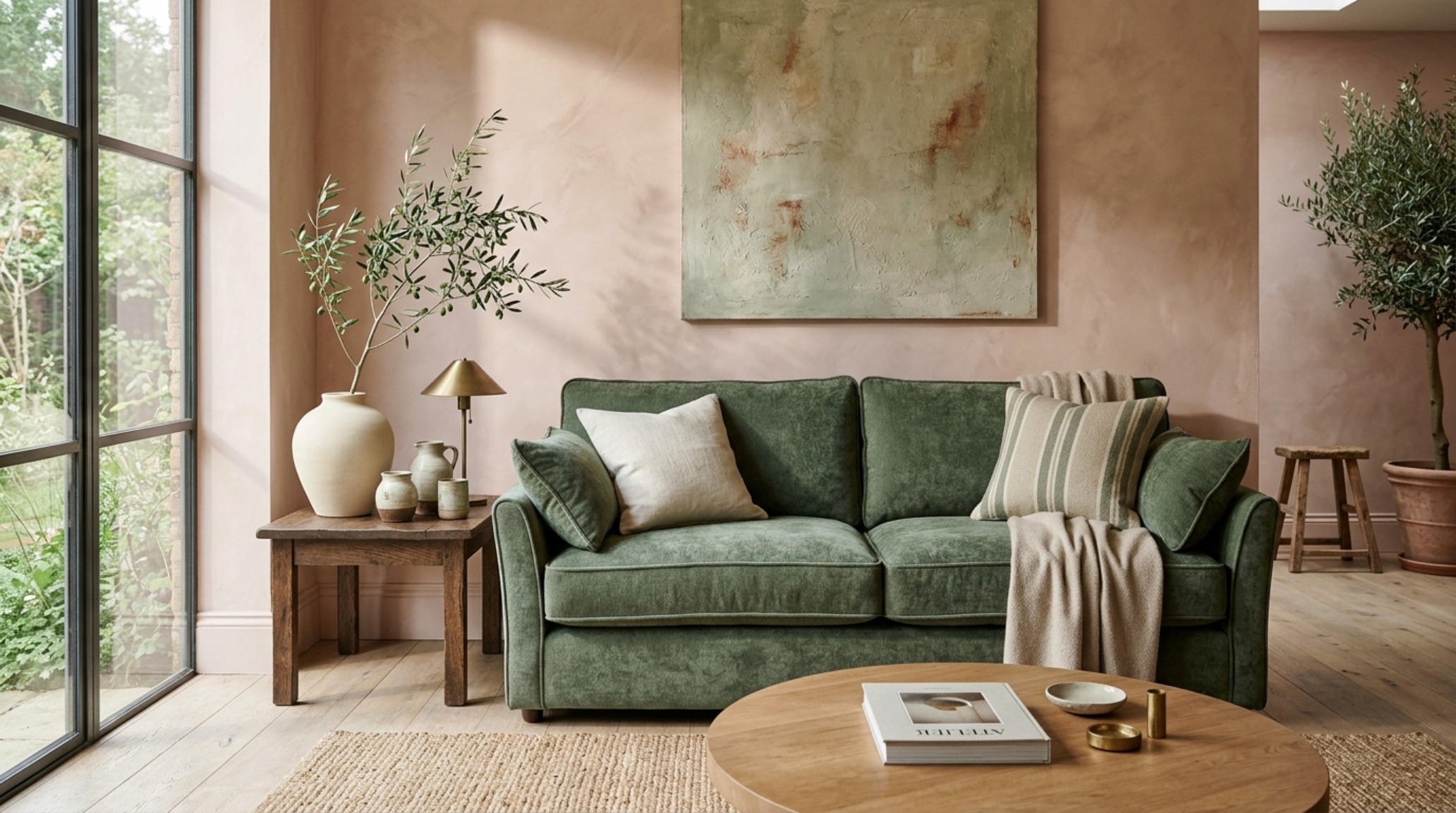
Architectural Specification & Material Matrix
Curated tactile palette, spatial dimensions, and atmospheric lighting index for this design scheme.
Designing with a green sofa is ultimately an exercise in restraint and sensory awareness. It is about understanding that the beauty of sage green living room ideas lies not in the furniture alone, but in the way the morning light catches the nap of the fabric, the way the oak grain echoes the organic hues, and the way the shadows settle into the corners at 2700K. When we respect the architectural clearances and the physics of light, we don’t just decorate a room; we compose a lifestyle. As the world outside continues its frantic pace, these green-hued sanctuaries offer a silent, tactile reminder of the enduring peace found in thoughtful design.
Editorial Silo • Recommended Architecture Studies
- The Infinite Small Room: Ergonomic Stealth Storage in Deep Moody Enclaves — Archival Design Case Study
- The Sensory Sanctuary: Layering Organic Textures and Warm 2700K Light for the Ultimate Earthy Retreat — Archival Design Case Study
Architectural Inspiration Lookbook
A high-resolution study in spatial proportions, tactile materiality, and light choreography curated for enduring modern living.
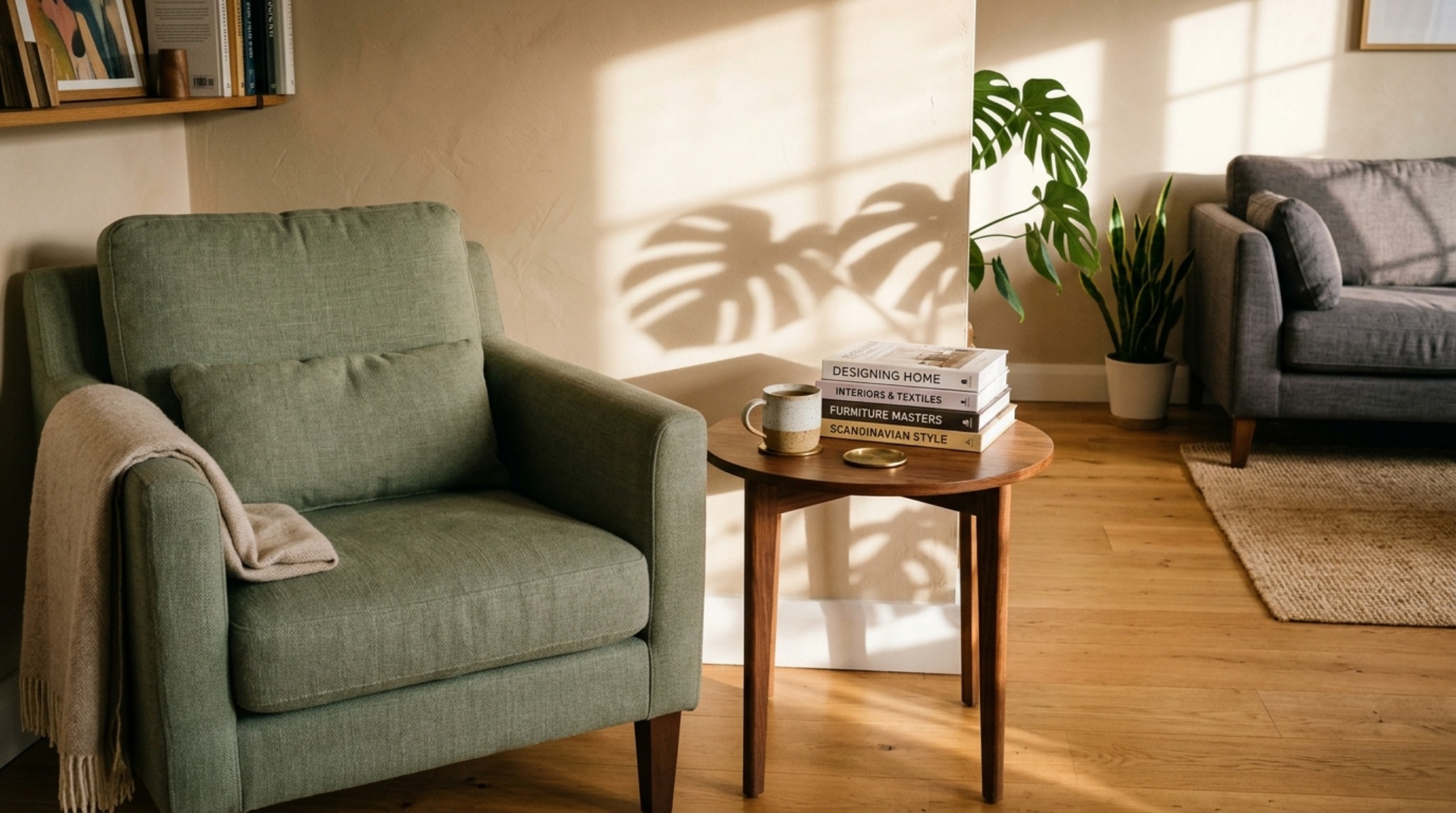
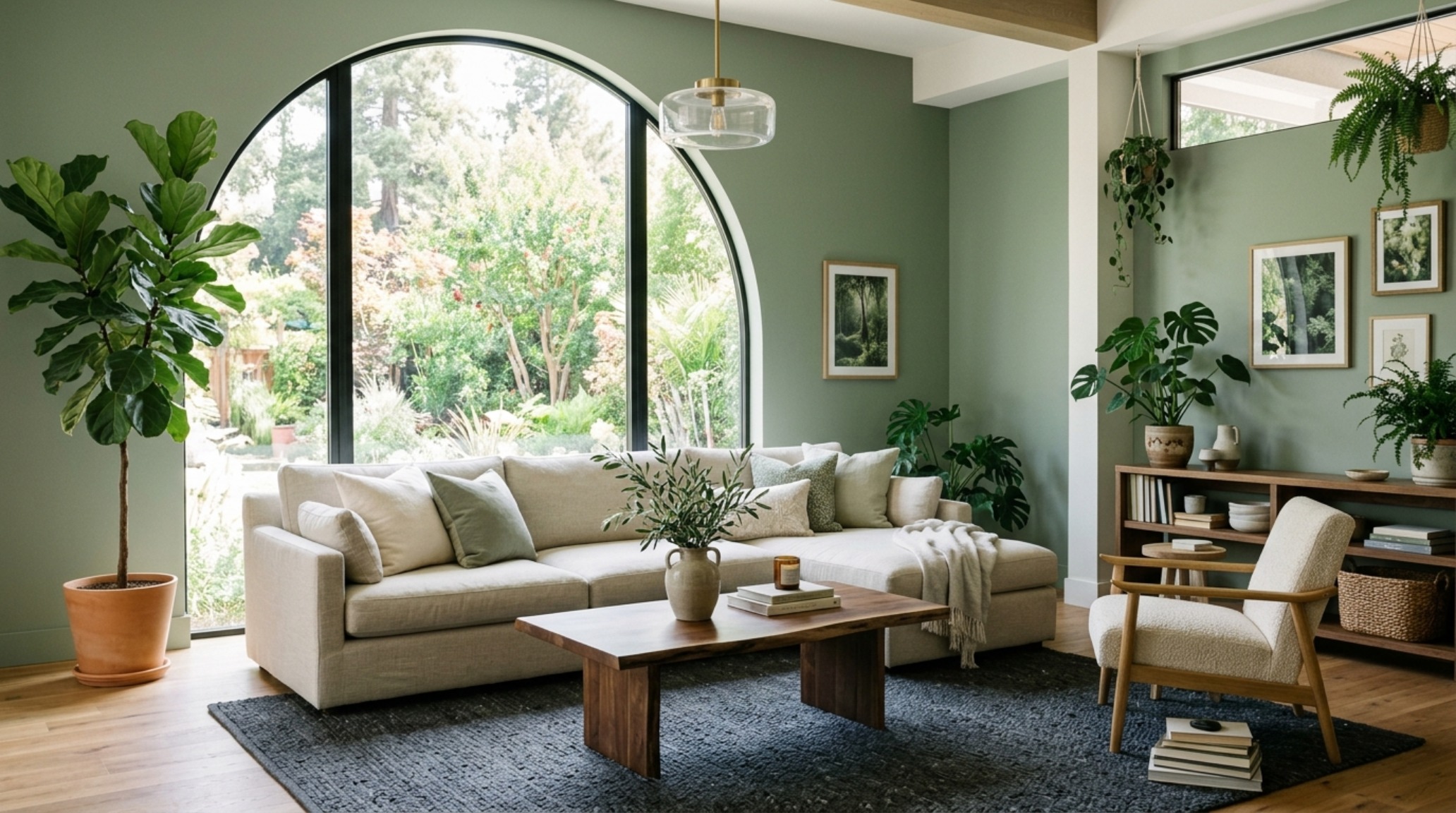
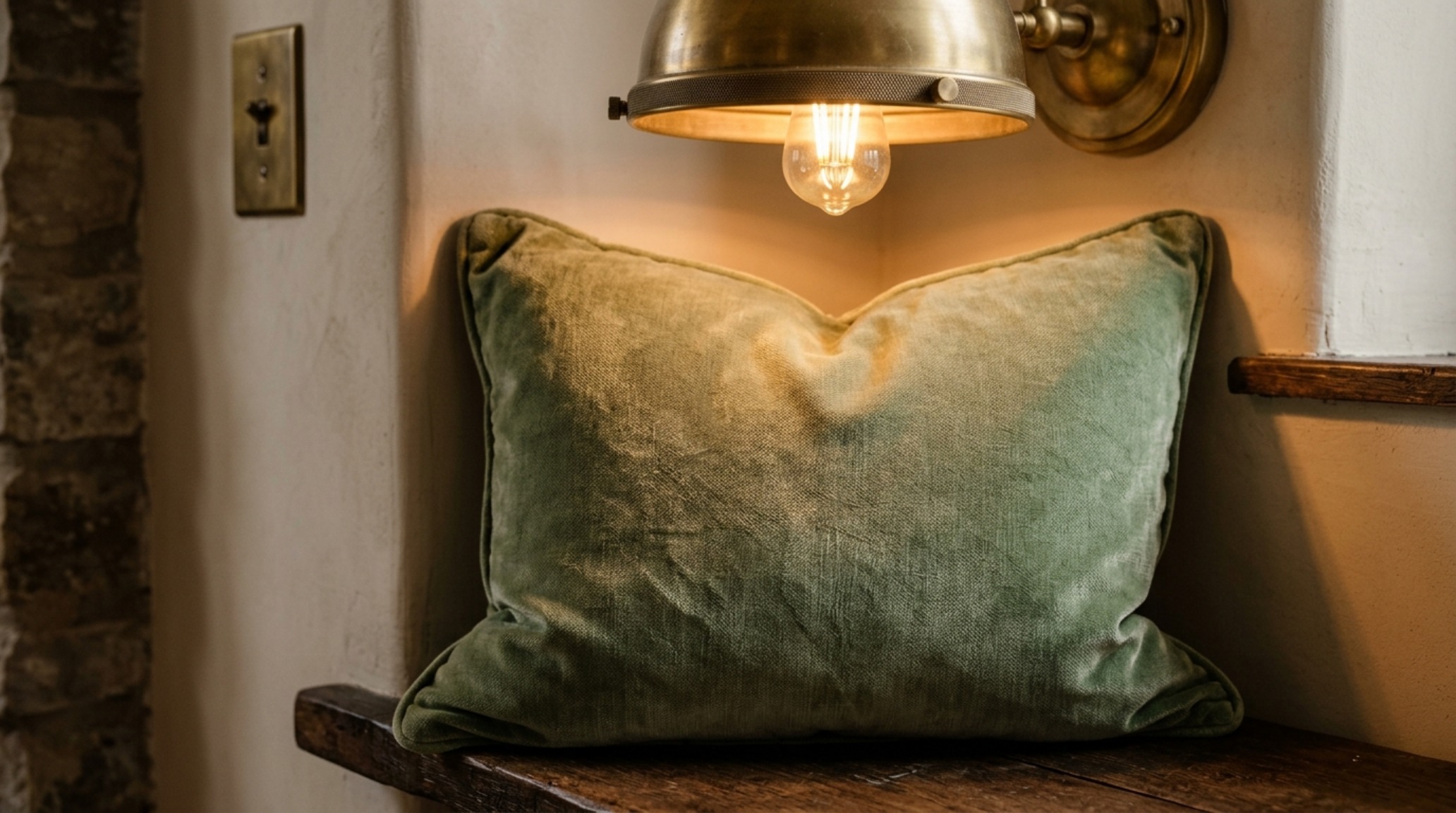
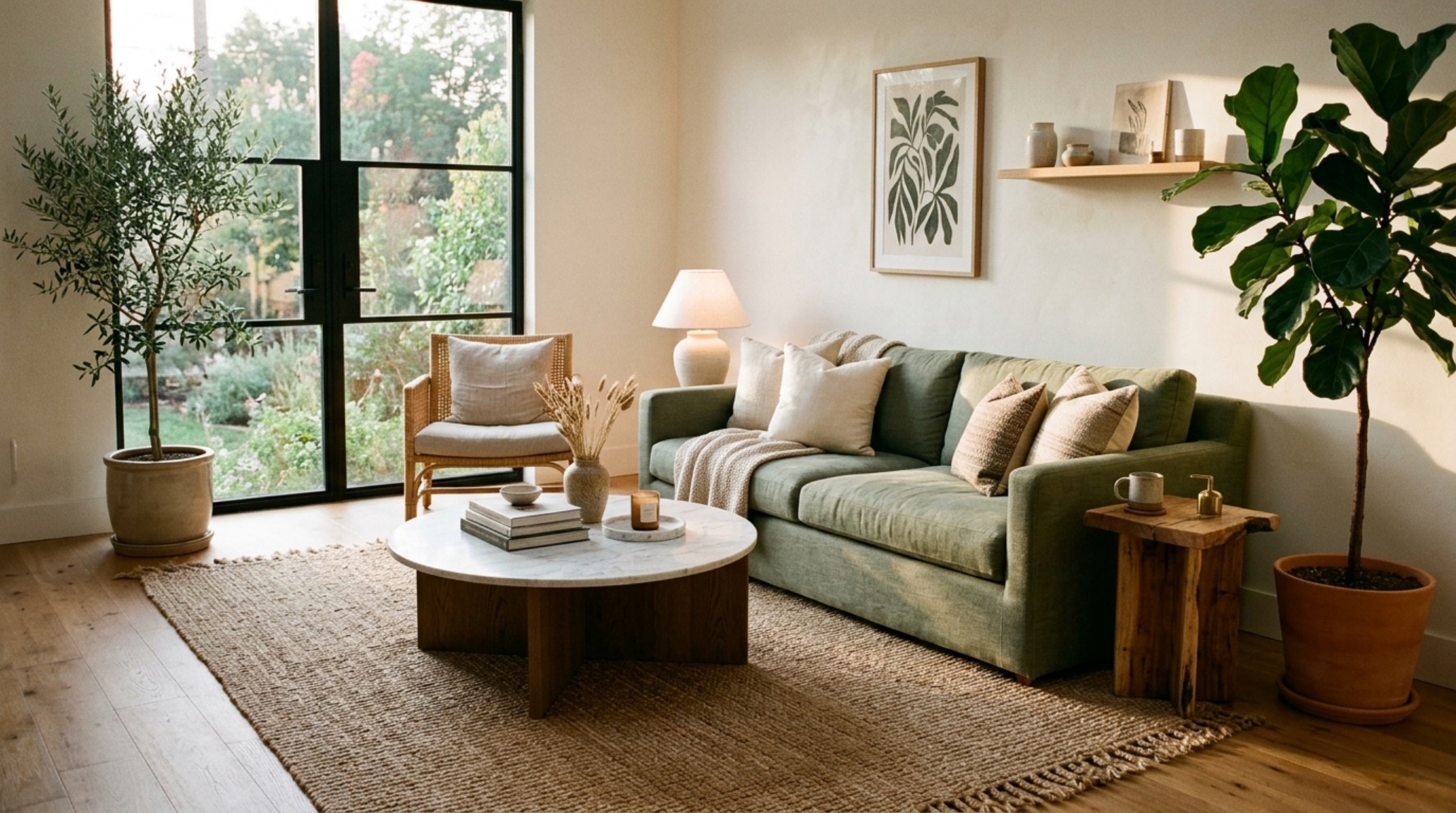
Curated Visual Lookbook
Design Gallery & Spatial Studies
A visual curation of architectural arrangements, lighting concepts, and material palettes featured in this space.