The Floor Plan as a Preservative Strategy
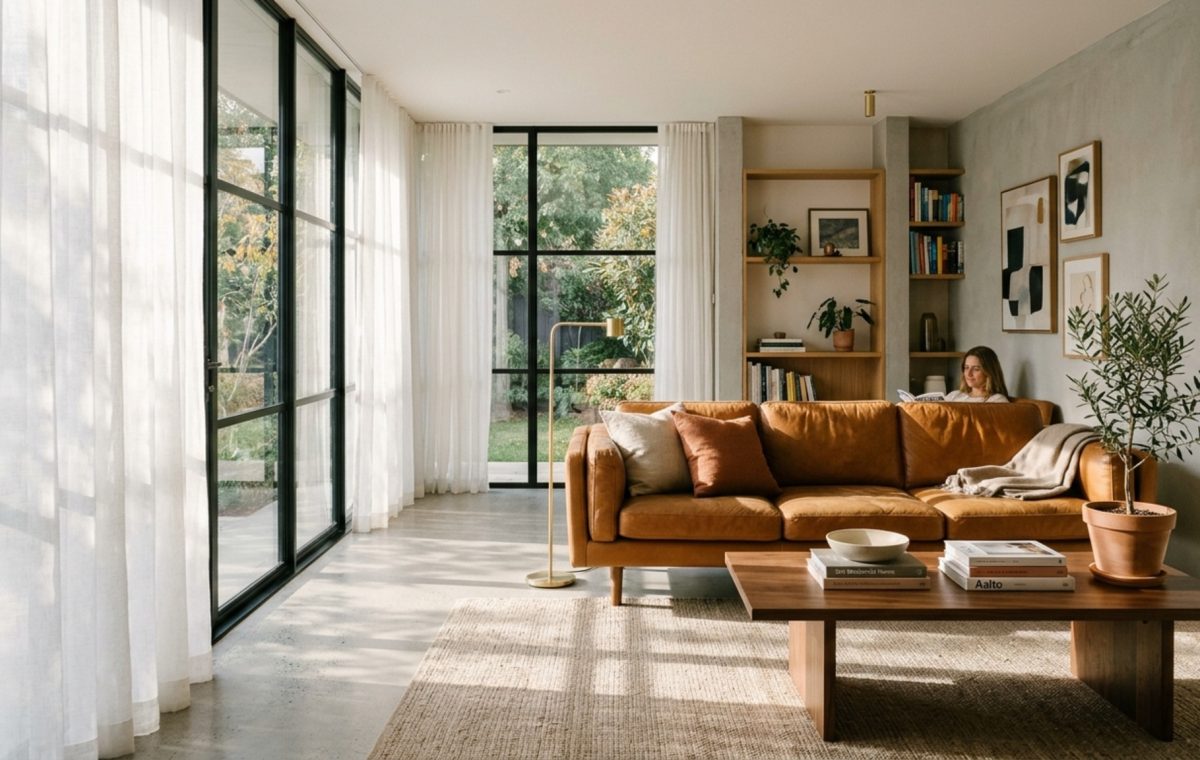
In the choreography of a well-appointed room, the physical layout dictates more than just the flow of conversation or the ease of movement. When we establish a 36-inch primary circulation path around a seating group or ensure an 18-inch reach from a sofa to a coffee table, we are setting the stage for structural longevity. Within this architectural framework, understanding how to care for leather furniture becomes an exercise in spatial awareness. A leather sofa is not merely a piece of furniture; it is a biological material, a secondary skin that responds to the micro-climate of its environment. If we place a cognac-toned aniline sofa directly in the path of a return air vent or under the unshielded glare of a south-facing window, we are essentially designing its premature demise. True maintenance begins with the floor plan, ensuring that our prized silhouettes are positioned to breathe, age, and patinate without the stress of environmental extremes.
Protecting Leather from Sunlight: The Physics of Photodegradation
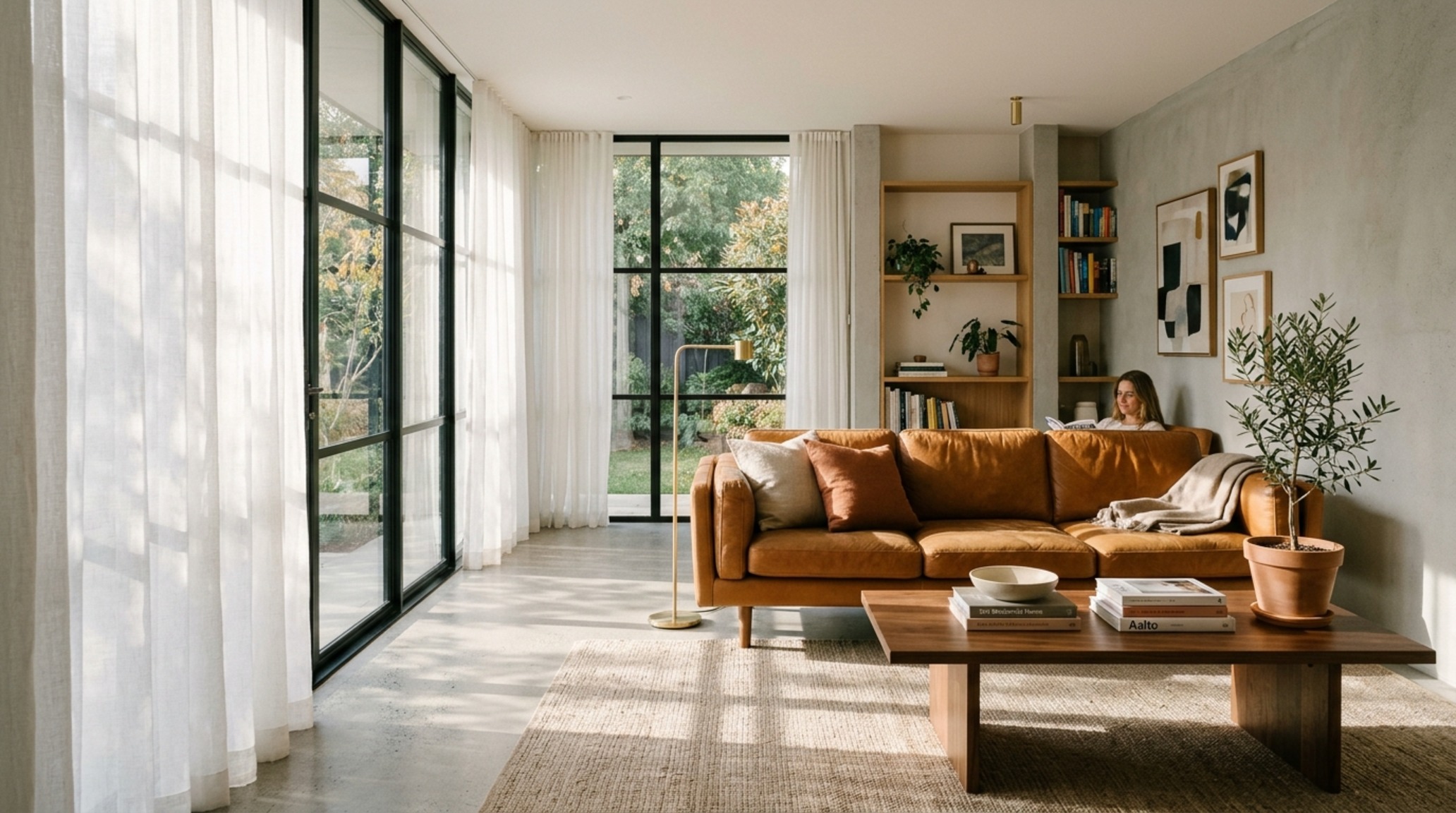
The most relentless adversary of organic materials in an interior space is UV radiation. Architects often use deep overhangs or specialized glazing to protect structural elements, and we must apply that same rigor to our upholstery. Protecting leather from sunlight is not just about preventing color fade—though the loss of a rich pigment like Farrow & Ball’s Setting Plaster-inspired terracotta is a tragedy—it is about preventing the molecular breakdown of the hide’s fibers. When UV rays penetrate the leather, they dissipate the natural oils that keep the collagen fibers supple. Once these oils evaporate, the leather loses its elasticity, leading to the brittle, crackled texture that signifies structural failure.
To mitigate this, consider the ‘Solar Arc’ of your room. If your living space features floor-to-ceiling windows, the use of linen sheers or UV-filtering films (which can block up to 99% of harmful rays without sacrificing 2700K natural light quality) is non-negotiable. If the architectural constraints of the room force a piece into a high-light zone, rotating the piece quarterly—much like a sculptor rotates a block of marble to ensure even weathering—can help the patina develop uniformly rather than in jagged, uneven patches. The goal is a graceful evolution of the material, where the sun kisses the surface rather than scorching it.
The Thermal Envelope: HVAC and Humidity Control
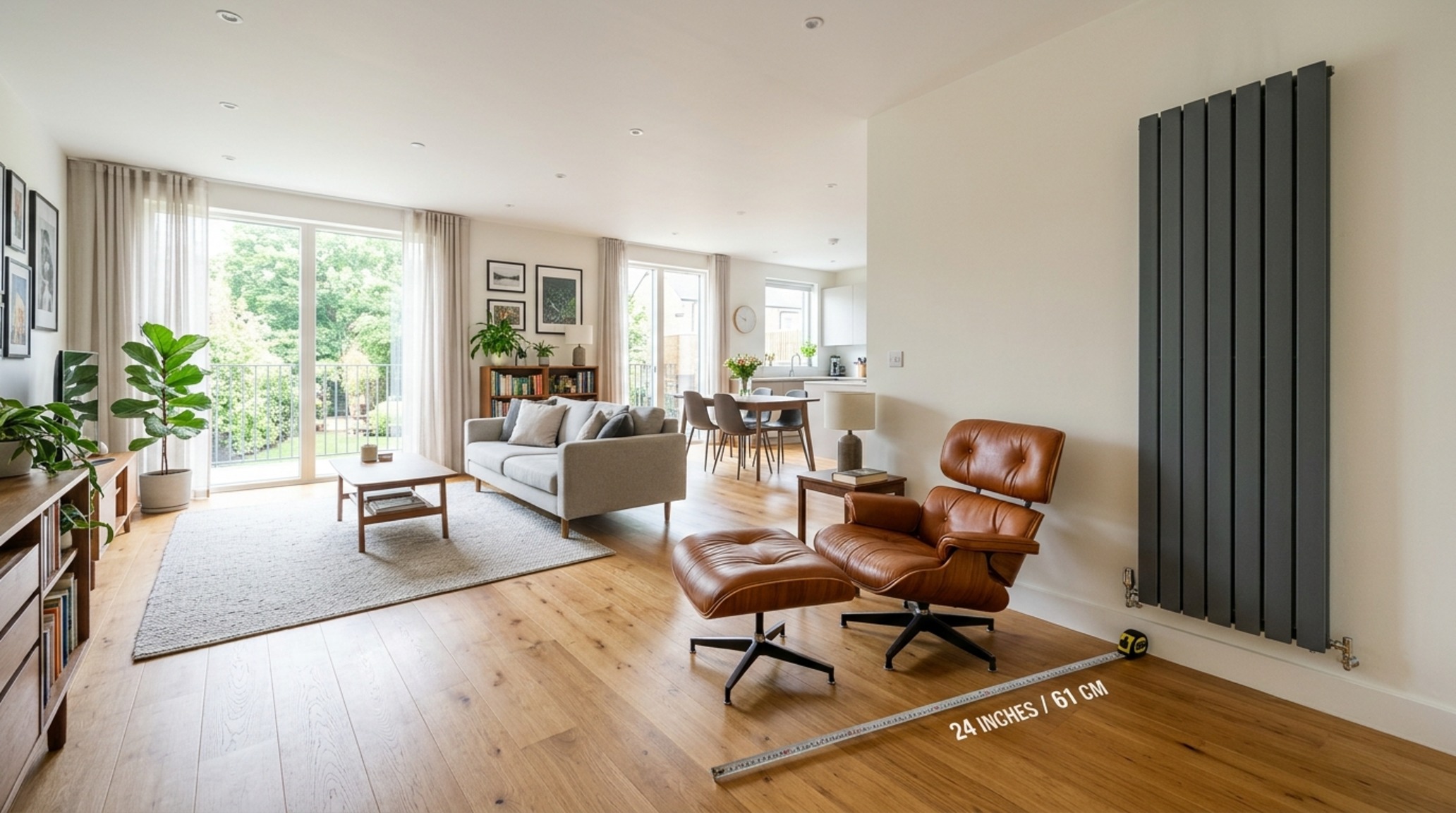
Beyond the sun, the silent stressors of HVAC systems play a critical role in the architectural health of leather. Forced-air heating is notoriously dehydrating. When a leather chair is positioned within 24 inches of a radiator or a heat vent, it undergoes a constant cycle of expansion and contraction. This thermal cycling is the enemy of tension. As the hide dries, it shrinks, pulling at the seams and distorting the original silhouette envisioned by the designer. Maintaining a consistent relative humidity between 40% and 50% is the ‘sweet spot’ for leather preservation. It keeps the hide hydrated enough to remain flexible but dry enough to prevent the growth of mildew in deep tufts or crevices. Think of your humidifier not as a seasonal appliance, but as a structural support system for your furniture’s skin.
Leather Furniture Maintenance Tips for Structural Integrity
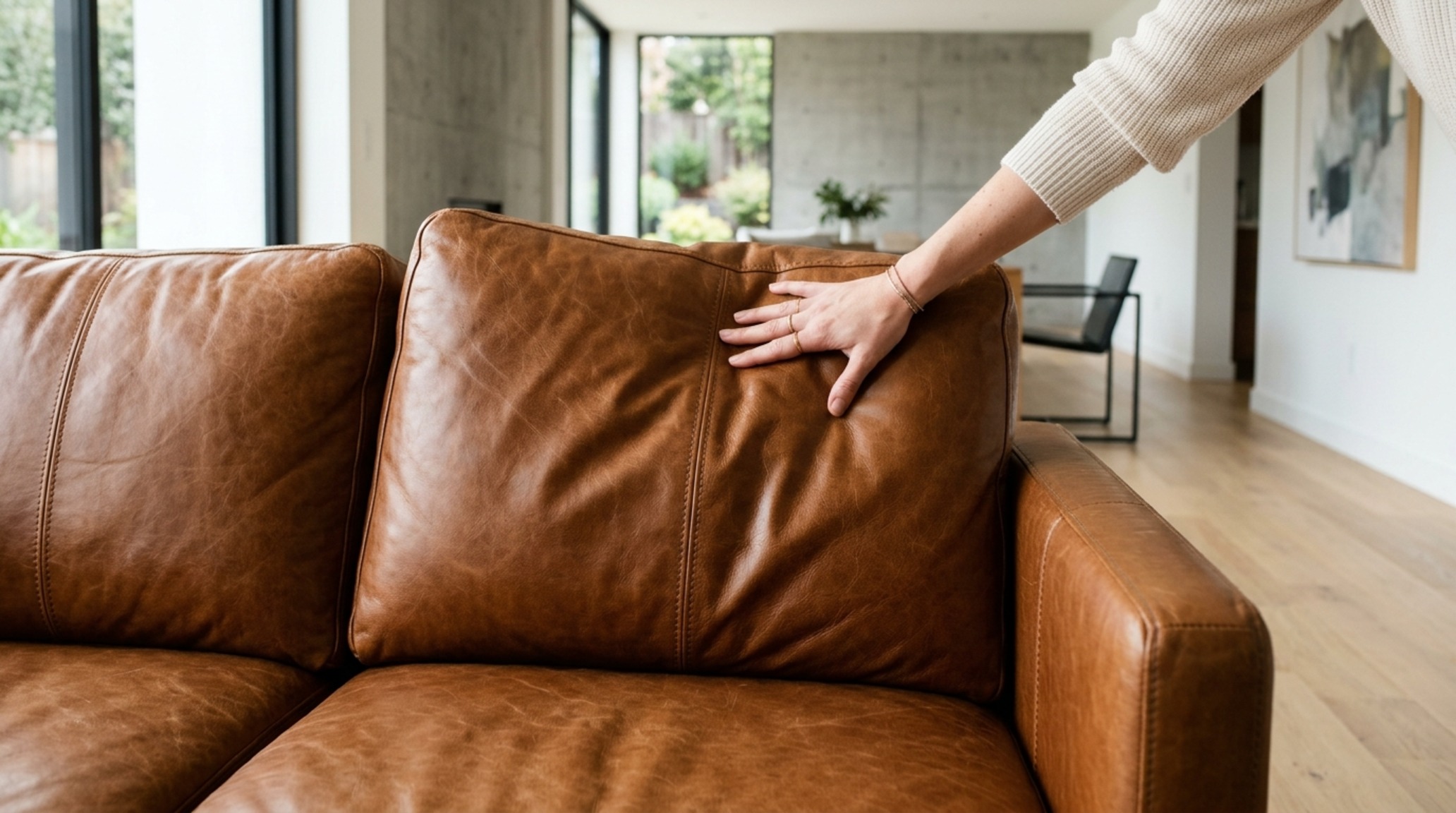
Maintaining the form of a leather piece requires an understanding of tension and compression. Over time, the internal foam or down wrap of a cushion will settle, and the leather will ‘pool’ if not properly tended. One of the most effective leather furniture maintenance tips is the ritual of the weekly ‘plump and rotate.’ For sofas with loose cushions, swapping the left and right ends ensures that the compression of the hide is distributed evenly. This prevents the dreaded ‘puddling’ where the leather loses its architectural tautness and begins to sag.
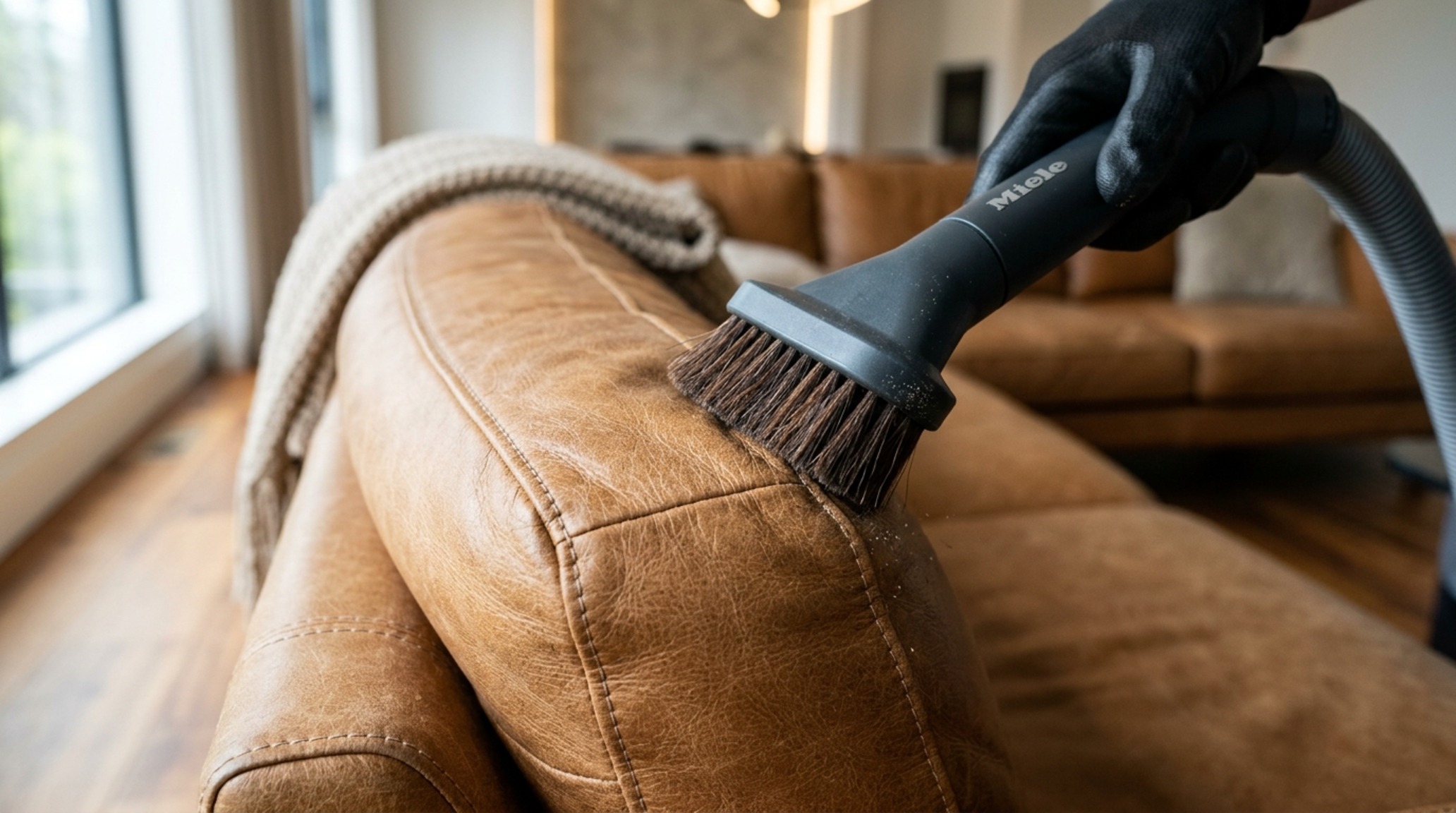
Furthermore, dust is more than an aesthetic nuisance; it is an abrasive. At a microscopic level, household dust consists of silica and organic debris that acts like sandpaper against the grain of the leather. A weekly wipe-down with a dry, lint-free microfiber cloth—paying close attention to the welting and the hidden channels where the back meets the seat—removes these micro-abrasives before they can dull the finish. This simple act of ‘dry cleaning’ is the foundation of a long-term preservation strategy, keeping the surface smooth and the light-reflective qualities of the grain intact.
How to Clean Aniline Leather: The Purist’s Protocol
Aniline leather is the ‘raw concrete’ of the furniture world—honest, beautiful, and unapologetically porous. Because it lacks a heavy polymer topcoat, it breathes better than protected leathers, but it is also highly susceptible to staining. Learning how to clean aniline leather requires a ‘less is more’ philosophy. You are dealing with an open-pore surface that will absorb liquids instantly. If a spill occurs, the architectural response is immediate blotting—never rubbing. Rubbing pushes the liquid deeper into the dermis and can damage the delicate grain.
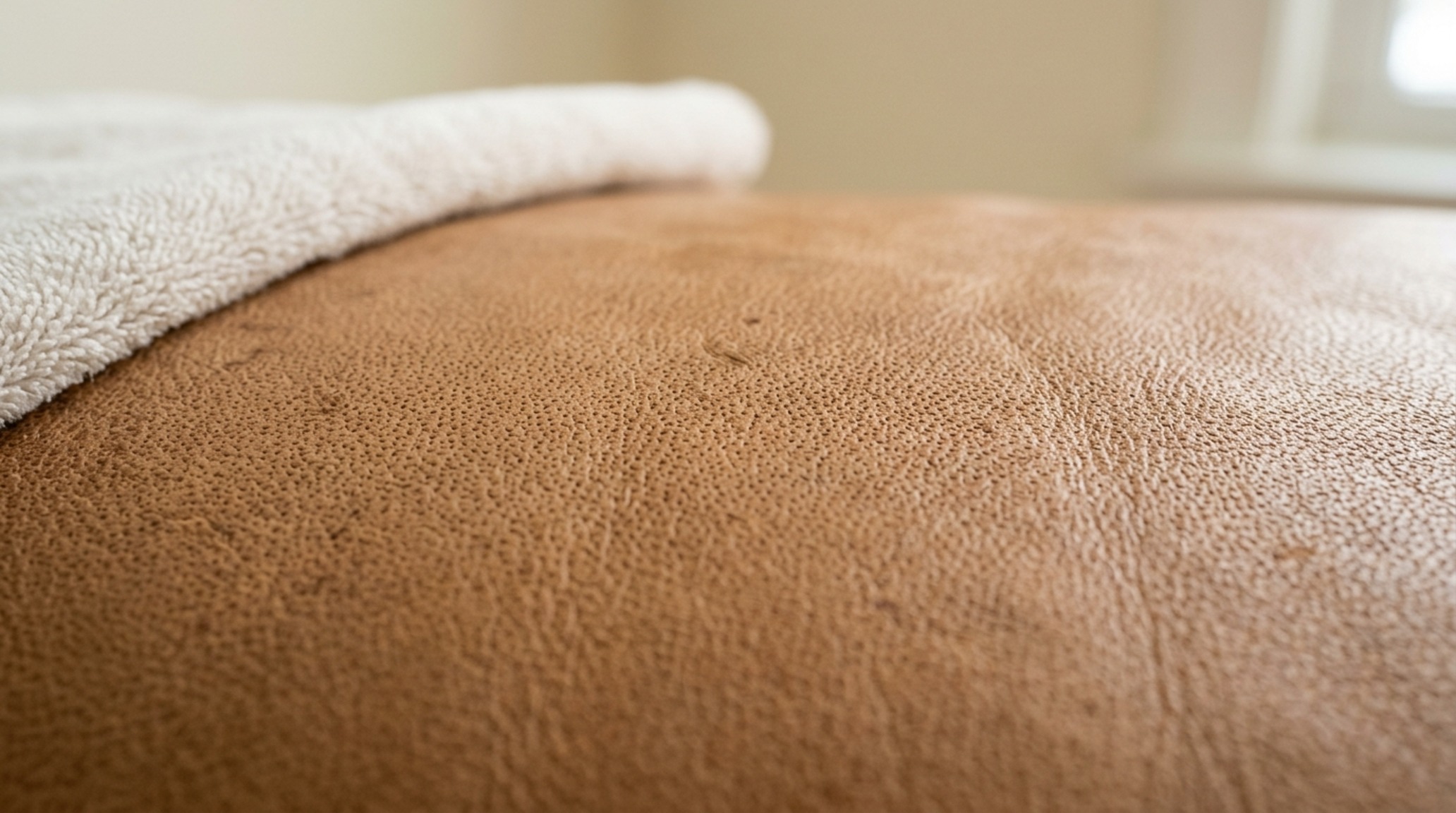
For routine cleaning of aniline pieces, avoid any heavy chemicals or ‘all-purpose’ cleaners that can strip the delicate dyes. Instead, use a vacuum with a soft brush attachment to clear the ‘valleys’ of the grain. If a damp wipe is necessary, use only distilled water. The minerals in tap water can leave ‘tide marks’ or rings on the leather that are nearly impossible to remove once they set. This disciplined approach ensures that the leather’s natural ‘pull-up’—the way the oils move within the hide to create tonal depth—remains the focal point of the piece.
Remove Stains from Leather Couch: The Chemistry of Recovery
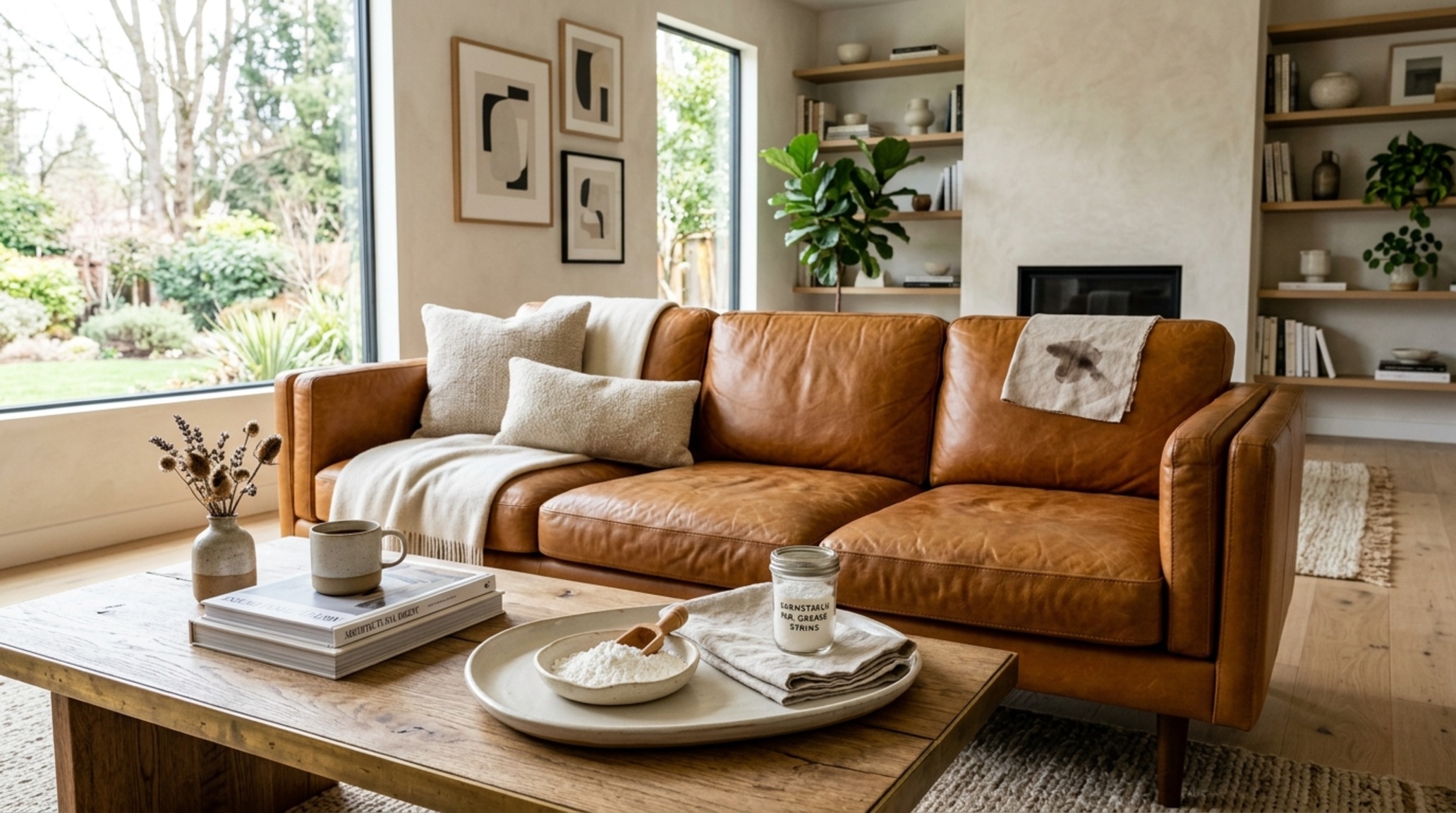
Accidents are inevitable in a lived-in interior, but a stain doesn’t have to be a permanent architectural scar. To remove stains from leather couch surfaces, one must understand the pH balance of the material. Leather is slightly acidic (usually between 4.5 and 5.0 pH). Using an alkaline cleaner, like baking soda or ammonia-based sprays, will disrupt this balance and cause the leather to become ‘fatigued’ and gray. For grease-based stains, such as those from skin oils or food, a dusting of cornstarch left overnight can often draw the oil out of the pores through capillary action.
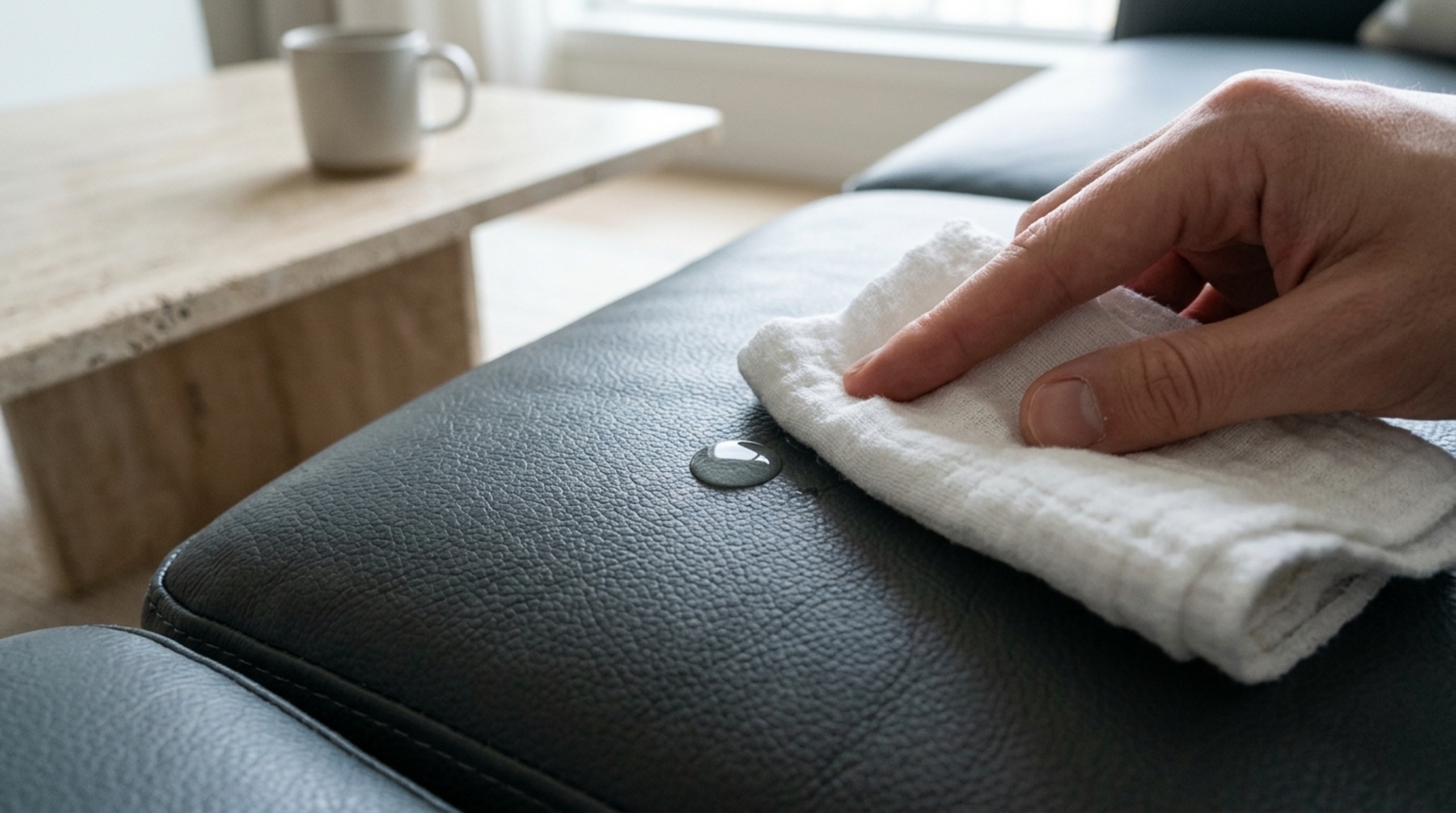
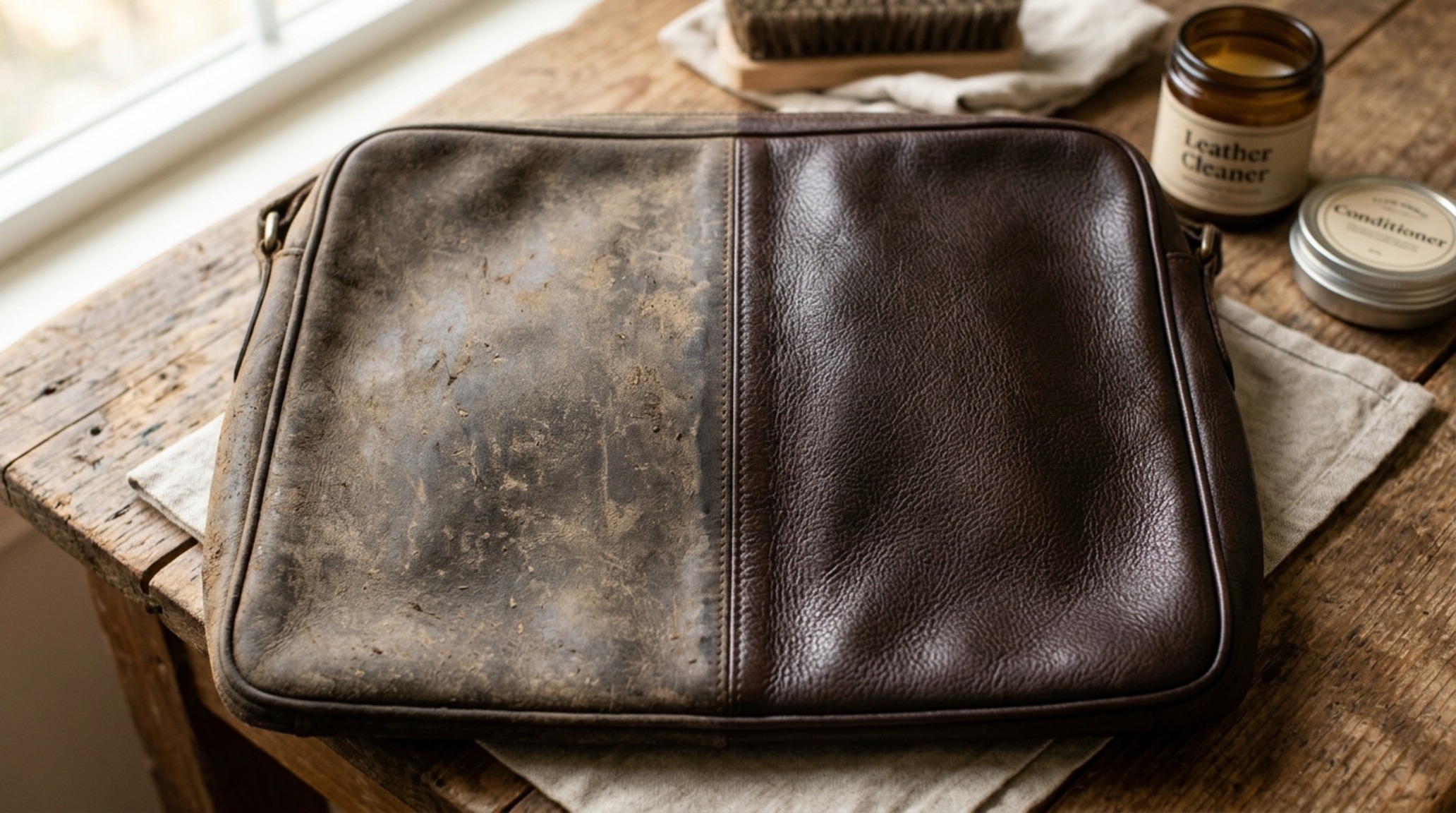
For water-based stains (ink, wine, or coffee), the goal is to stabilize the area. Professional-grade leather cleaners are formulated to lift the stain without dehydrating the surrounding fibers. Always test any solution on an inconspicuous area—perhaps the underside of a cushion or the interior of a hidden flap—before proceeding. The key is to work from the outside of the stain inward, preventing the ‘halo effect’ where the cleaning agent spreads the pigment into a larger circle.
Natural Leather Cleaning Solutions and Rituals
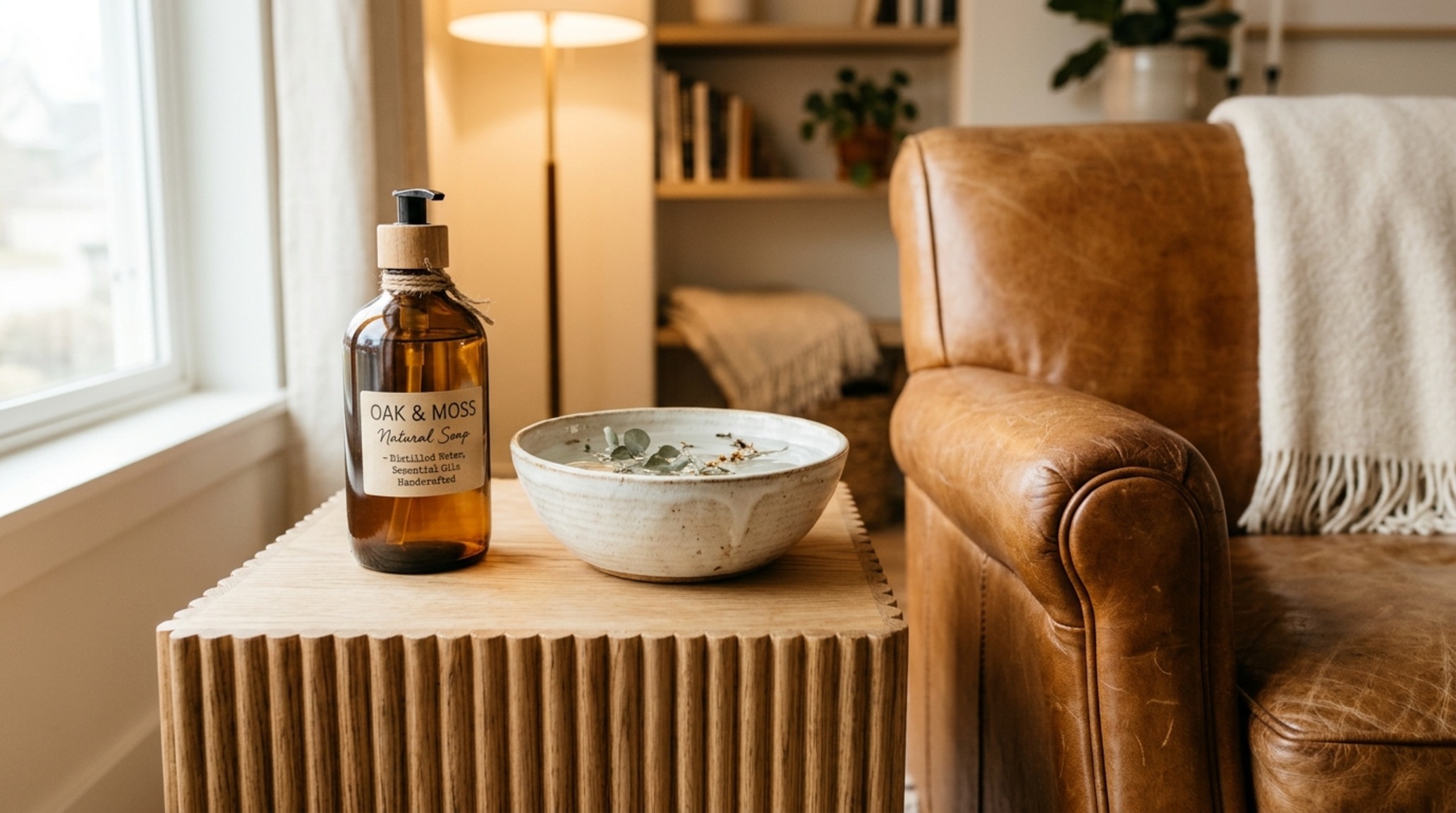
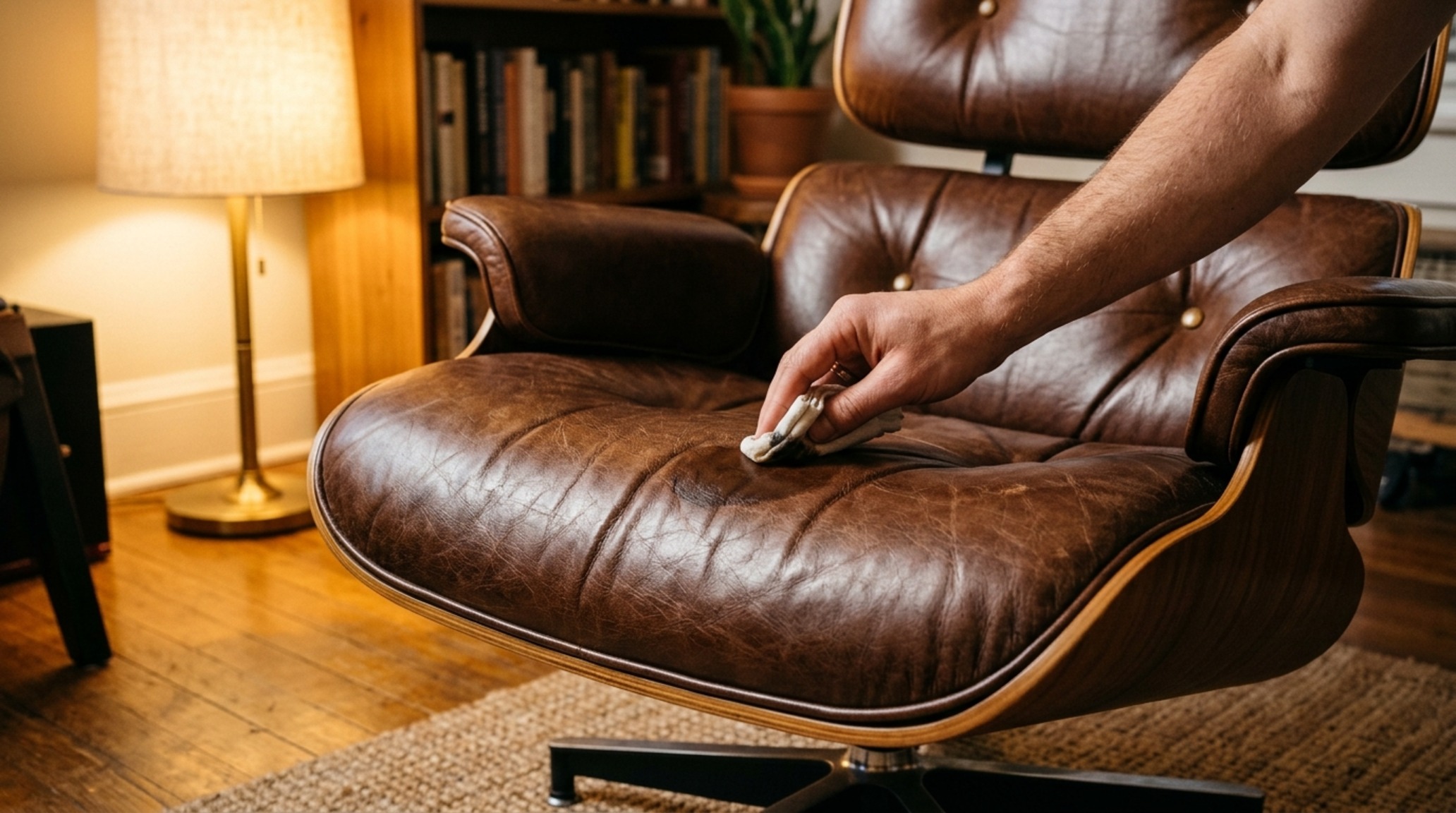
In a world of synthetic aerosols, there is a profound elegance in natural leather cleaning solutions that respect the organic origins of the hide. A simple mixture of one part mild, pH-neutral Castile soap to ten parts distilled water creates a gentle ‘cleansing milk’ that can lift surface grime without the use of harsh solvents. This solution should be applied with a slightly damp cloth—never wet—ensuring that the leather never reaches a point of saturation. Following this with a dry buffing restores the soft luster that defines high-quality upholstery. This ritual isn’t just about cleanliness; it’s about reconnecting with the tactile reality of your home’s materials.
Best Leather Conditioner for Sofas: The Hydration Layer
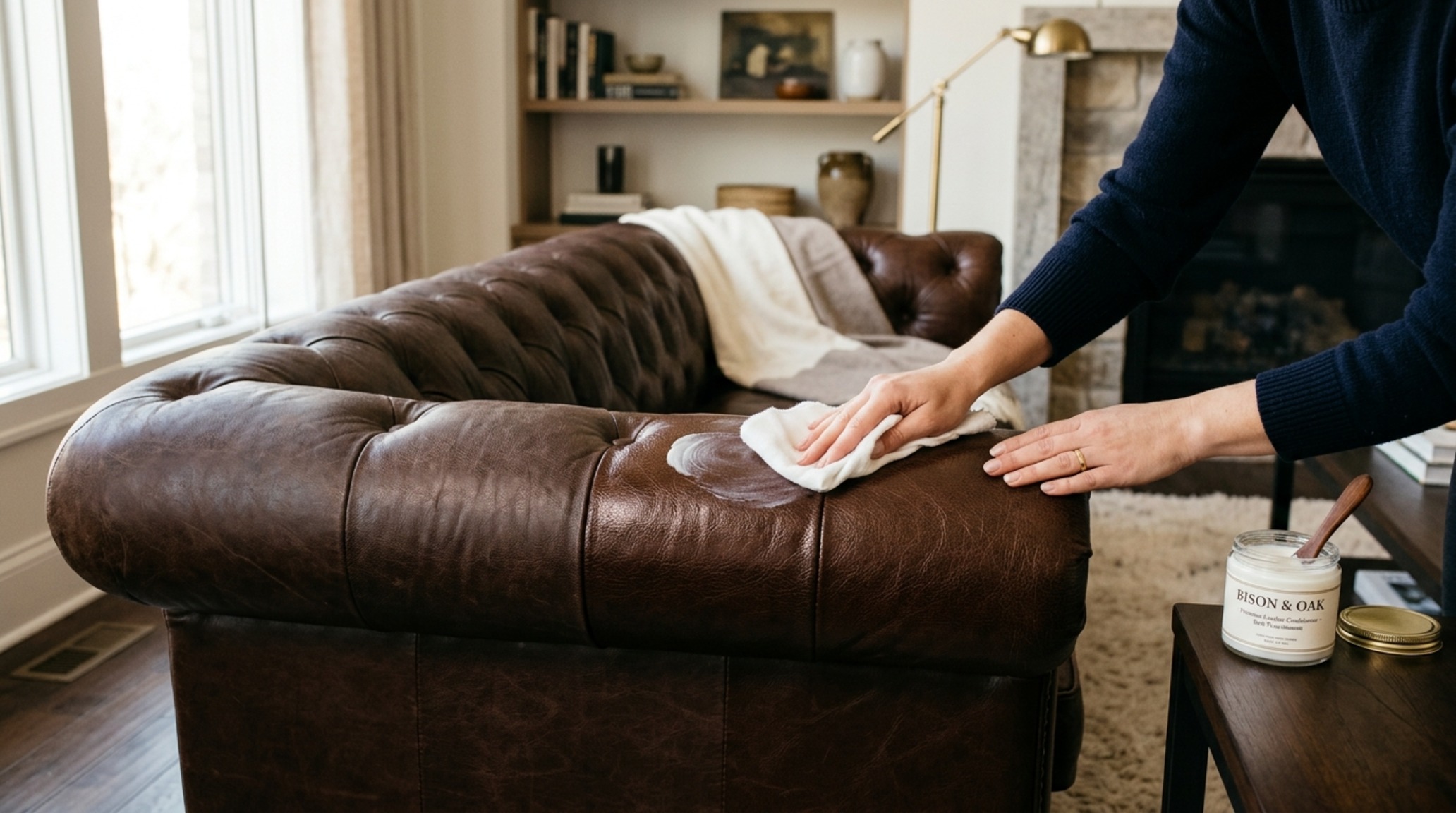
Just as a building’s facade requires a sealant to withstand the elements, leather requires a periodic replenishment of its internal lipids. Selecting the best leather conditioner for sofas involves looking for wax-based or high-quality cream formulas rather than oils that can go rancid or darken the hide excessively. A high-quality conditioner acts as a barrier, providing a sacrificial layer that absorbs minor abrasions and repels moisture. Application should be sparse; a pea-sized amount worked into a large area in circular motions is more effective than a heavy coating that sits on the surface and attracts dust.
Conditioning should occur twice a year—typically at the change of seasons when the HVAC systems switch between cooling and heating. This bi-annual ‘deep hydration’ ensures the leather remains supple enough to accommodate the weight of the sitters without micro-tearing at the tension points. When finished, the leather should feel ‘fat’ and responsive to the touch, with a subtle glow that enhances the room’s ambient 2700K lighting, rather than a greasy sheen that looks artificial.
The visual impact of a well-maintained leather piece is profound. Under the soft wash of 3000K task lighting or the warm glow of a fireplace, the grain of a conditioned sofa reveals a depth of character that synthetic materials simply cannot replicate. The way the light catches the slight variations in the patina—the ‘history’ of the piece—is what transforms a house into a home with a sense of permanence and architectural weight.
Material Schedule & Architectural Clearances
Key structural details: paint hex codes, authentic stone and wood finishes, and lighting Kelvin index.
Architectural Perspectives & Material Curation
In the final analysis, the longevity of our interiors rests on the harmony between material selection and spatial discipline. When we choose a piece of leather furniture, we are inviting a living element into our architectural narrative—one that will record the passage of time through its changing texture and deepening hue. By integrating these technical preservation strategies into our daily rhythms, we move beyond simple maintenance and into the realm of true stewardship. The knowledge of how to care for leather furniture allows us to preserve the structural integrity of our designs, ensuring that these anchors of our living spaces remain as beautiful and functional decades from now as they are on the day they were first positioned within our floor plans. As we look forward to the evolution of our homes, let us treat each surface with the reverence it deserves, curating spaces that grow richer, softer, and more deeply resonant with every passing year.
Editorial Silo • Recommended Architecture Studies
- The High-Performance Hue: Strategic Interior Color Matching for Ergonomic Clarity and Small-Space Expansion — Archival Design Case Study
- The Architecture of the Table: Mastering Proportions and Sightlines in Holiday Table Decorating Ideas — Archival Design Case Study
Sensory Space & Material Gallery
Visual exploration of sightlines, tactile surfaces, and ambient illumination crafted for timeless spaces.
Curated Visual Lookbook
Design Gallery & Spatial Studies
A visual curation of architectural arrangements, lighting concepts, and material palettes featured in this space.