The Invisible Choreography: Ergonomics and Spatial Flow
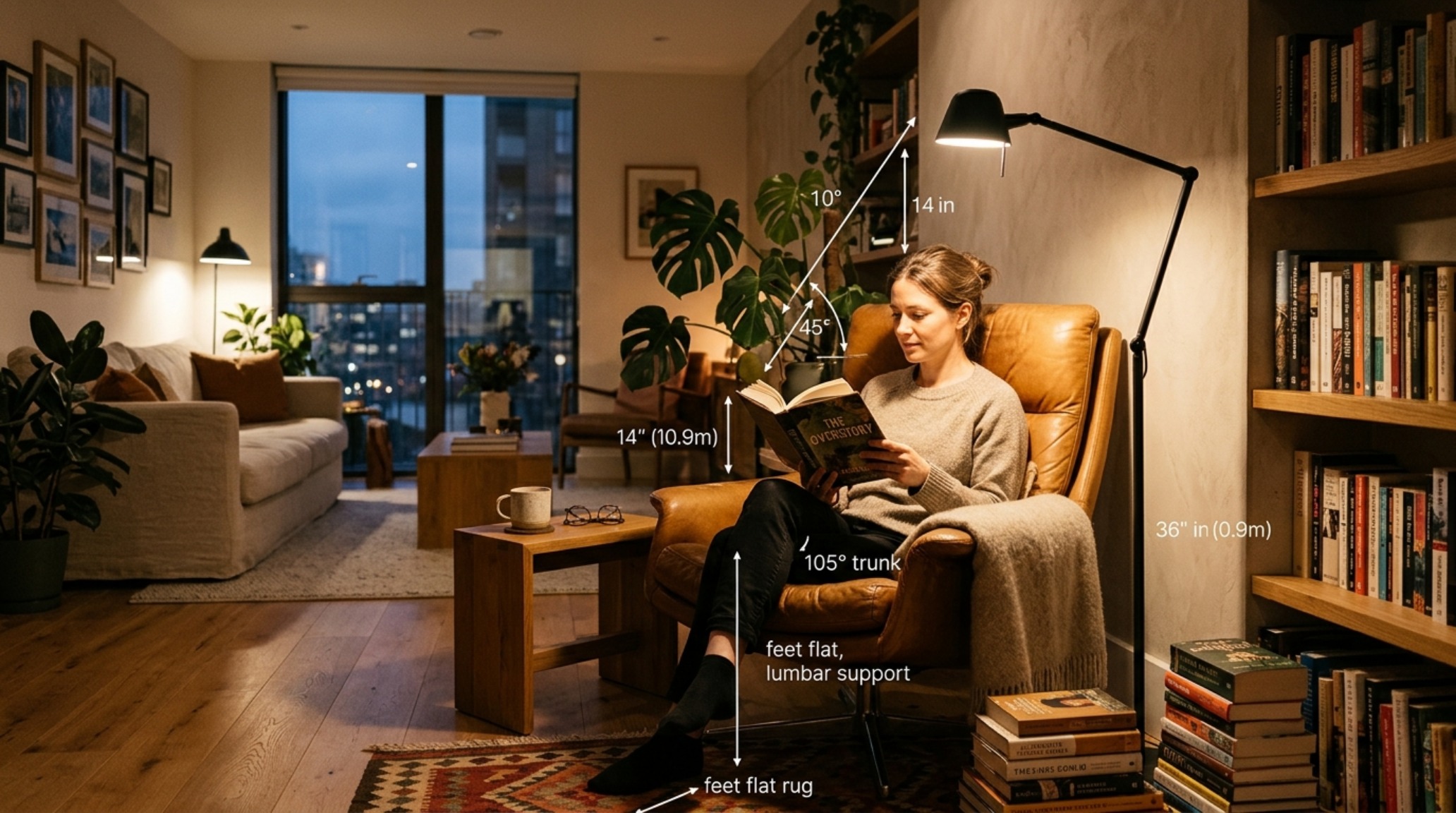
Success in high-end design often hinges on the invisible. Before the first swatch is chosen, we must map the architectural choreography of the home: the 36-inch primary circulation paths that prevent a space from feeling cramped and the 18-inch reach from sofa to surface. Within these rigid ergonomic clearances, the most effective interior decoration ideas for living room emerge not as static displays, but as lived-in environments. By respecting the 30-inch clearance behind a desk or accent chair, we invite a sense of breath into the room’s spatial cadence, ensuring that every movement feels intentional rather than obstructed. This foundation of physical comfort is the prerequisite for the visual alchemy that follows.
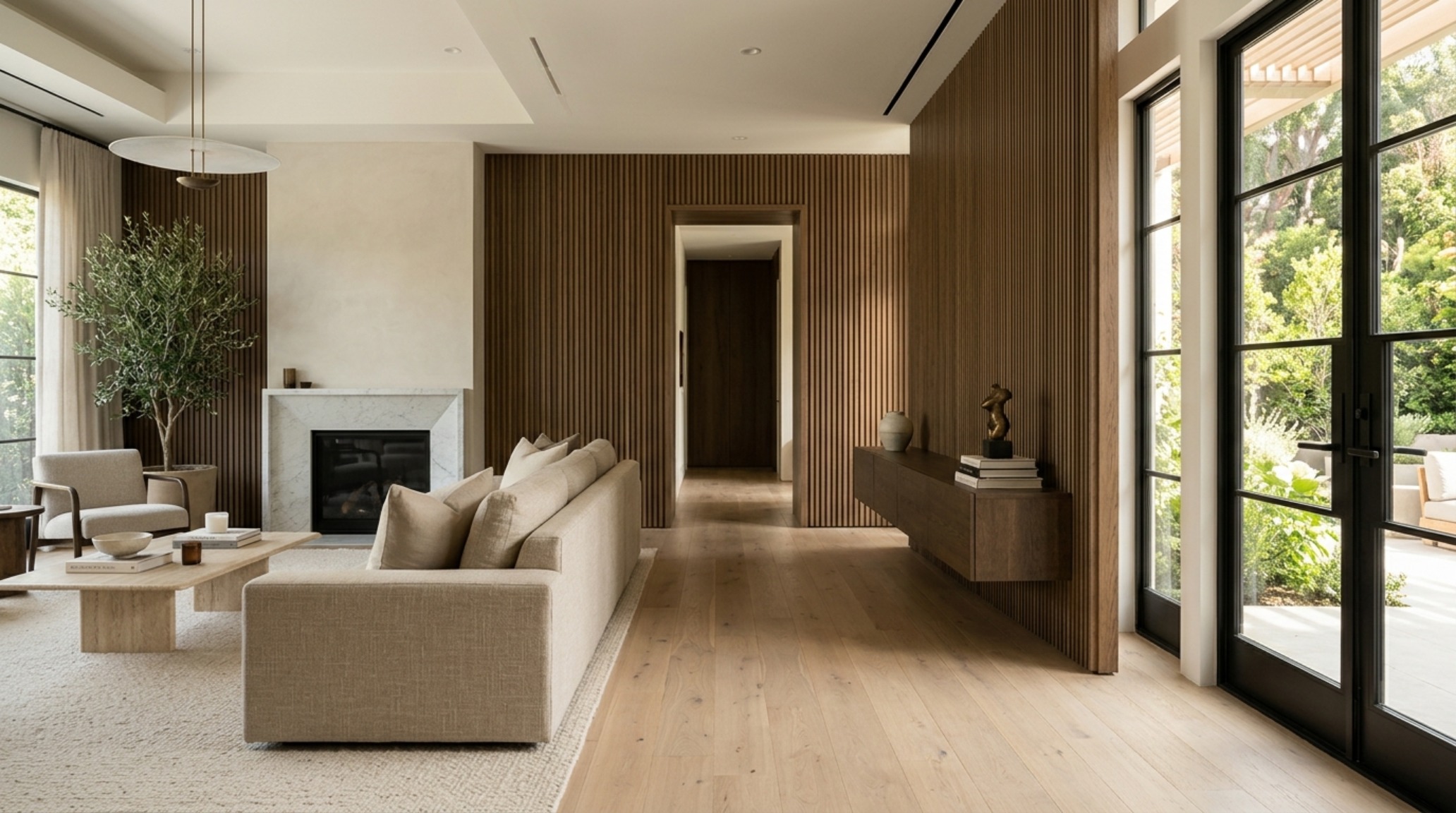
Modern Living Room Design: The Authority of Negative Space
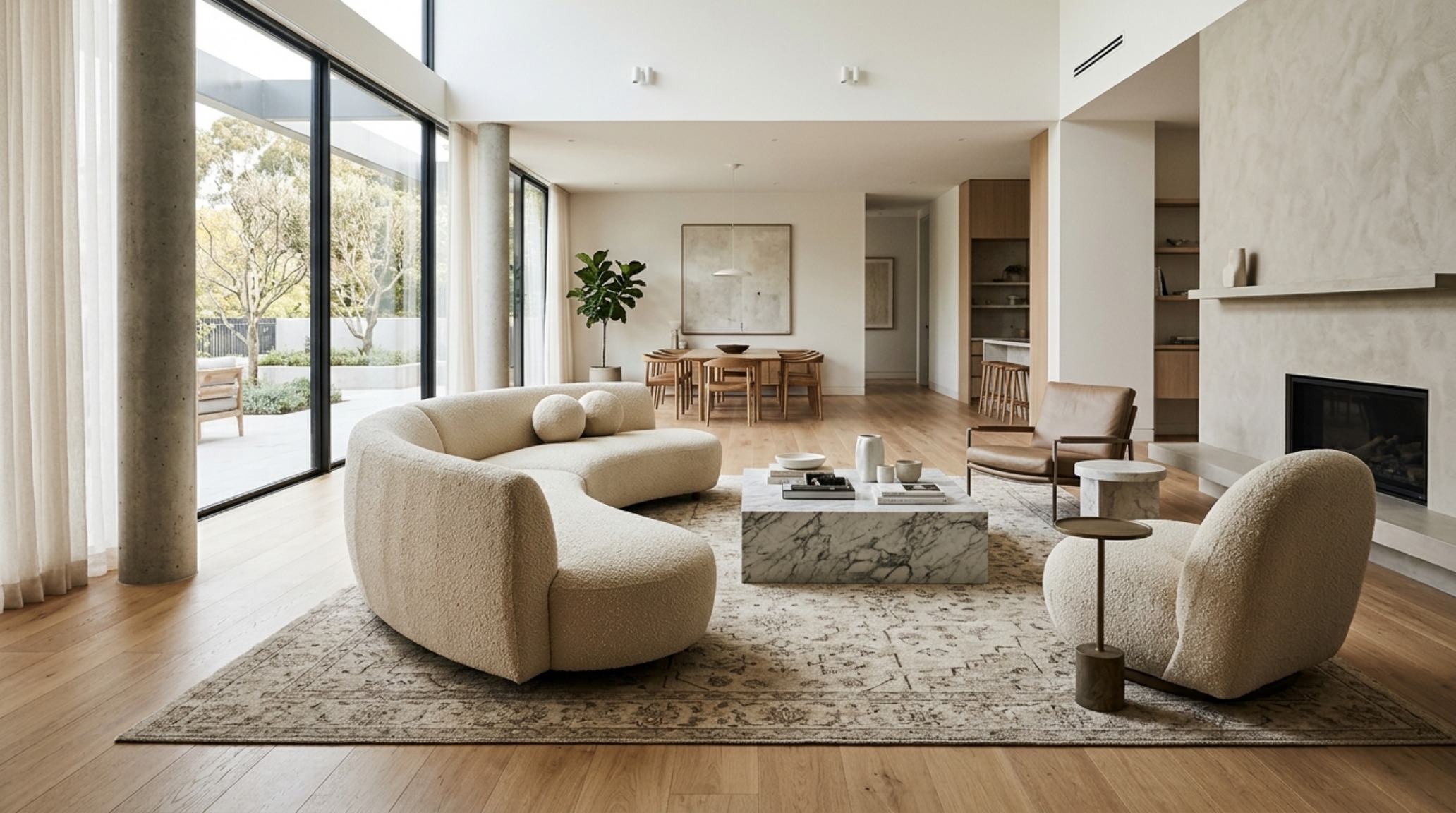
In the contemporary landscape, luxury is defined by what we leave out as much as what we bring in. A modern living room design requires an understanding of ‘visual weight’—the idea that a heavy velvet sofa needs the counterpoint of a leggy, minimalist coffee table to maintain equilibrium. We look at the room’s ‘sightline alignment,’ ensuring that as you enter, your eye is led naturally toward a focal point—perhaps a fireplace or a floor-to-ceiling window—without being snagged on clutter. This is where the 36-inch walkway becomes more than a rule; it becomes a tool for framing the furniture as art. By allowing furniture to ‘float’ away from the walls, we create a sense of depth and architectural interest that is often lost in more traditional, perimeter-heavy layouts.
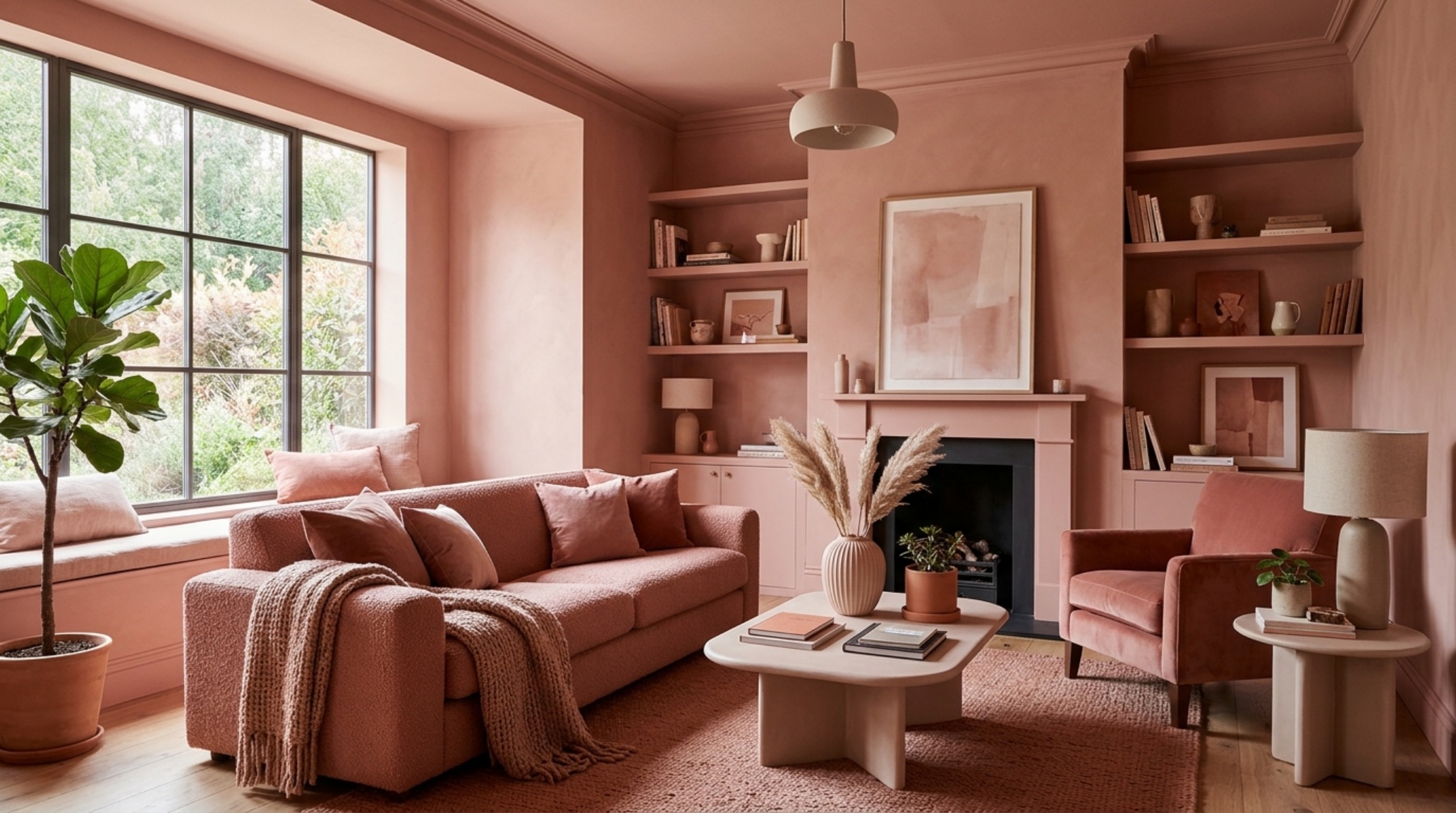
The Double Drench: Mastering Immersive Color Theory
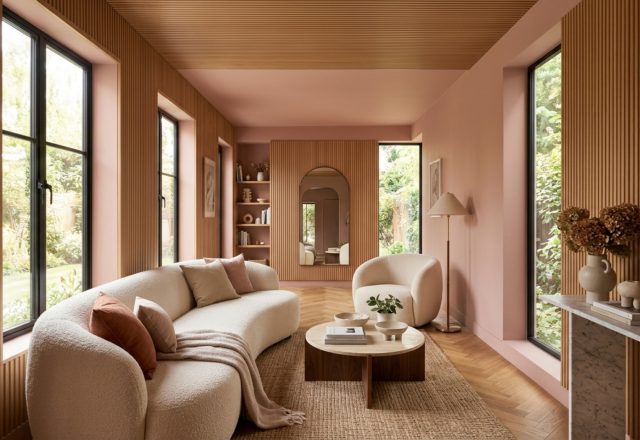
The concept of ‘Double Drenching’—a term gaining significant traction in high-end circles like House Beautiful—is the art of applying a single hue, or very closely related tones, across every surface. This includes walls, baseboards, crown molding, and even the ceiling (the often-ignored ‘fifth wall’). When you apply a shade like Farrow & Ball’s Setting Plaster or the sophisticated Dead Salmon across all planes, the architectural boundaries dissolve. The room feels expansive yet cocooning. This technique eliminates the ‘choppy’ visual breaks created by white trim, allowing the eye to sweep across the room uninterrupted.
Integrating interior decoration ideas for living room within a drenched environment requires a shift in perspective. Instead of using color for contrast, we use texture. A matte-painted wall provides the perfect backdrop for a high-gloss lacquered side table in the same shade. This tonal consistency creates a sophisticated, gallery-like atmosphere that feels both curated and calm. It’s about the subtle shift from a 2700K warm glow hitting a flat-finish wall to the way it catches the sheen of a silk-infused rug in the same palette.
Contemporary Living Room Nuances: Balancing Warmth and Precision
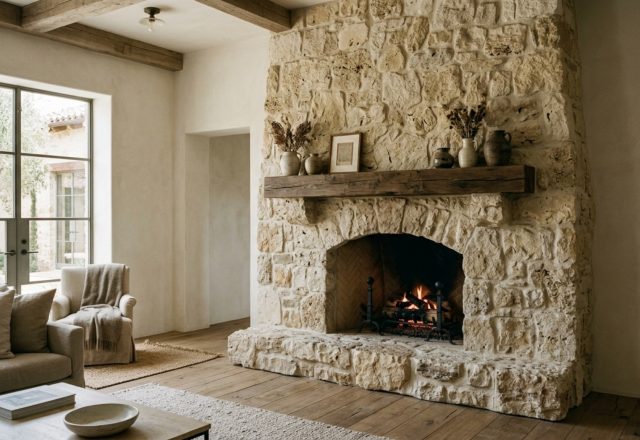
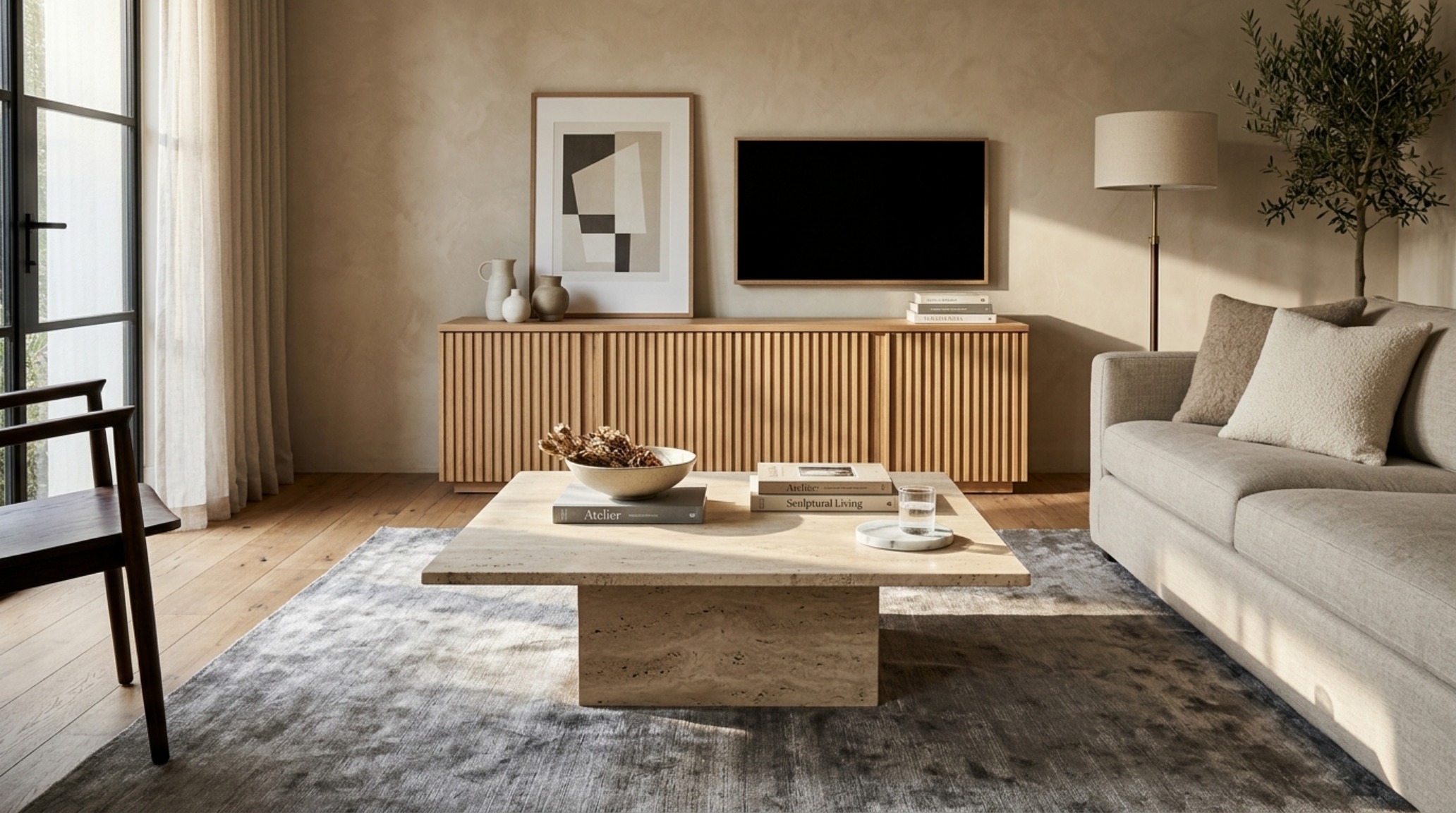
While the monochromatic look is powerful, it risks feeling sterile if not grounded by organic elements. Contemporary living room nuances are found in the tension between the precision of a hard-edged stone mantle and the softness of a draped mohair throw. We look for materials that speak a similar tonal language but offer different tactile responses. Consider a palette of ‘Warm Alabaster’—where the walls are Benjamin Moore Swiss Coffee, the sofa is an oatmeal-colored bouclé, and the floor is a bleached white oak. This layering of ‘white on white’ isn’t about absence; it’s about the presence of nuance. The grain of the wood, the weave of the fabric, and the cool touch of a honed marble coffee table provide the ‘notes’ in this architectural composition.
Tactile Alchemy: The Materiality of Comfort
In the pursuit of interior decoration ideas for living room, the ‘hand-feel’ of a space is just as critical as its appearance. We are seeing a move toward ‘Material Alchemy’—the intentional blending of disparate textures to create a sensory-rich environment. Imagine a cognac leather armchair that has aged to a soft patina, paired with a heavy Belgian linen sofa. The leather provides a structural, smooth coolness, while the linen offers a breathable, lived-in warmth. This contrast is what makes a room feel expensive yet approachable.

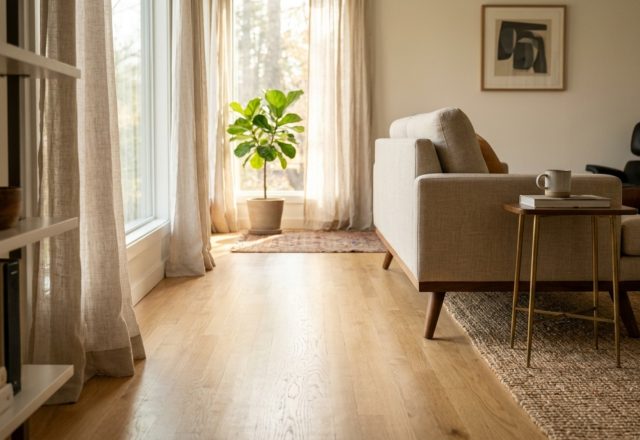
This materiality extends to the floor. A high-CRI (90+) lighting scheme will reveal the true depth of a hand-knotted wool rug versus a synthetic alternative. We advocate for natural fibers—jute, sisal, wool, and silk—because they interact with light in a way that synthetics simply cannot replicate. The way a 3000K task light highlights the loop-and-pile texture of a wool rug creates shadows that add a three-dimensional quality to the floor plane, grounding the entire room.
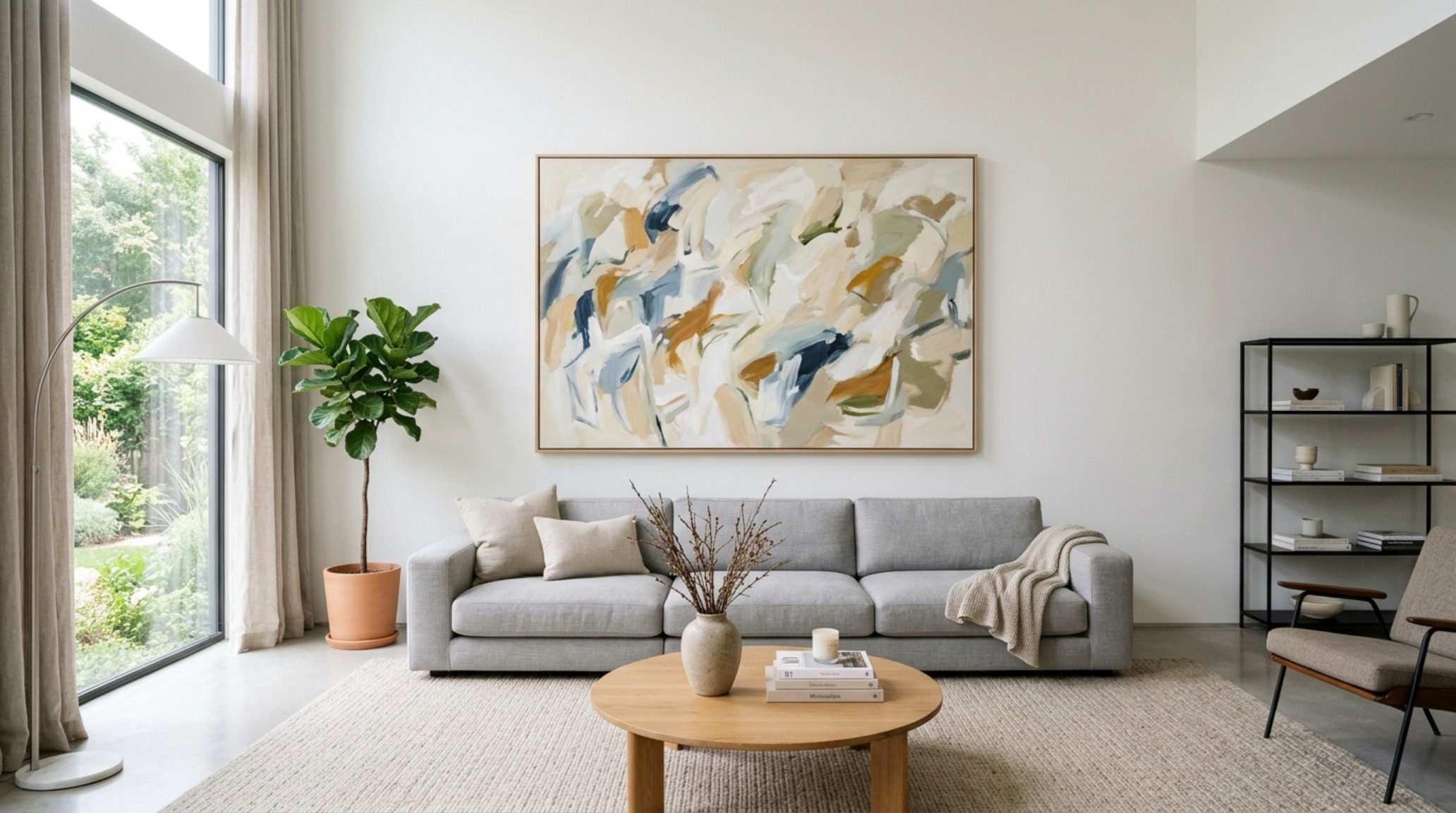
Living Room Wall Art Ideas: Scale, Proportion, and Presence
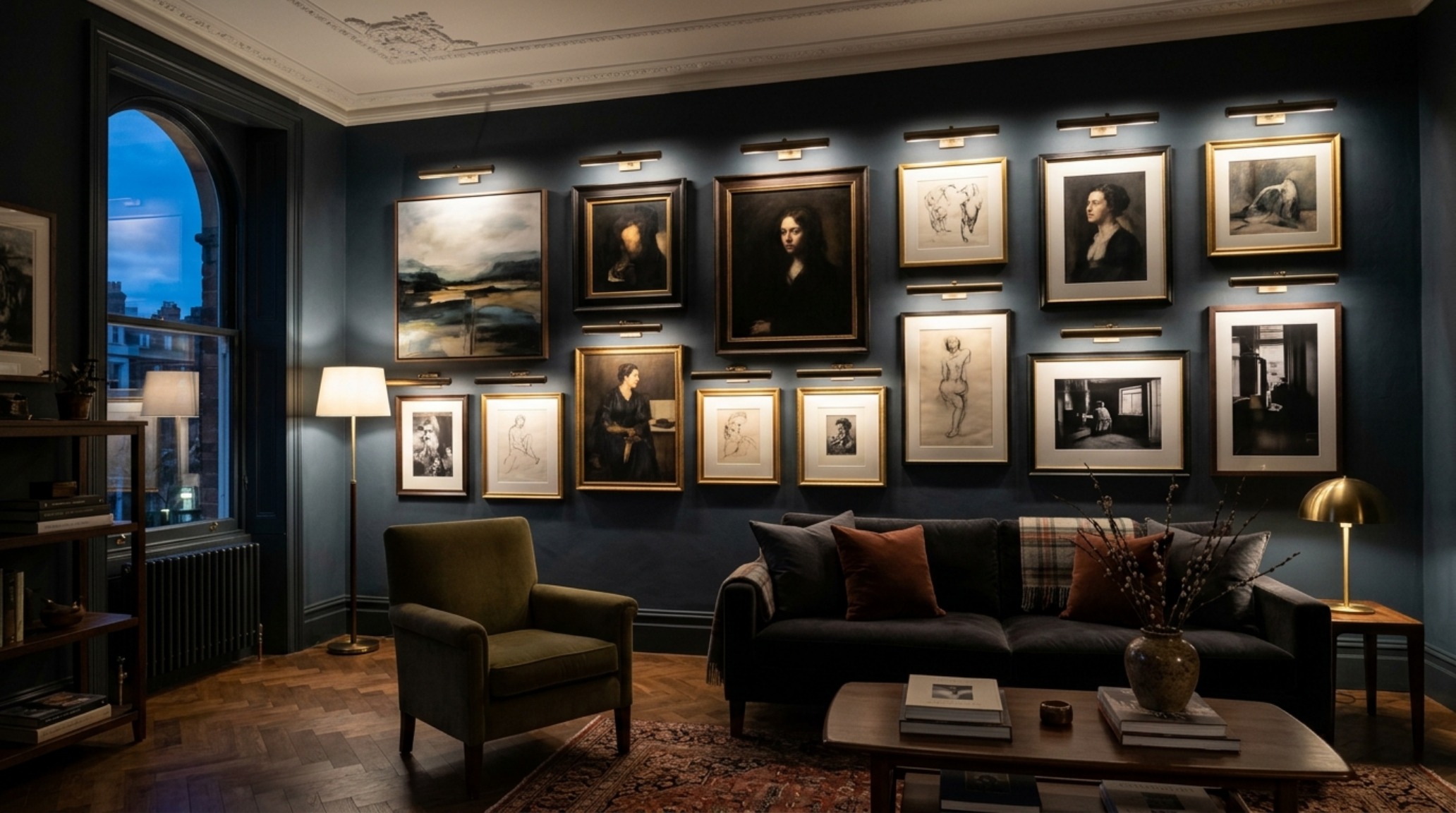
When discussing living room wall art ideas, the primary error is often scale. A common professional guideline is that art should occupy approximately two-thirds to three-quarters of the available wall space above a piece of furniture. If a sofa is 90 inches wide, the art above it should ideally be between 60 and 70 inches wide. This maintains the spatial cadence of the room. However, art isn’t just about paintings. It’s about the ‘shadow play’ created by a 3D wall sculpture or the organic rhythm of a series of framed architectural sketches.
Cozy Living Room Inspiration: Curating the Personal Sanctuary
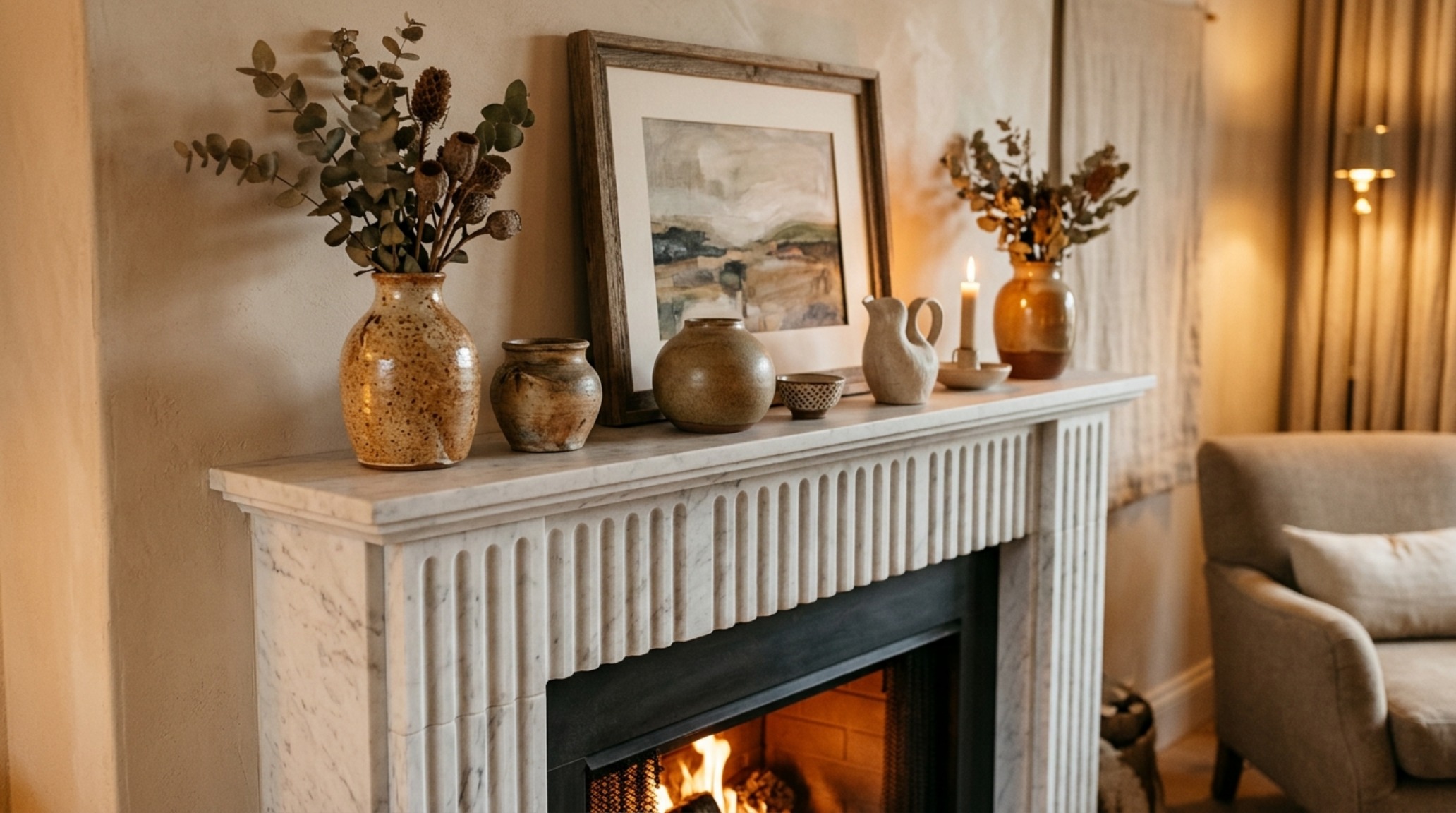
True cozy living room inspiration doesn’t come from clutter; it comes from ‘tactile grounding.’ This means choosing items that invite touch and provide psychological warmth. A fireplace is the ultimate grounding element, but in its absence, we can use ‘warm’ materials like brass, copper, and medium-toned woods like walnut. The key is to keep the heights varied. A tall floor lamp, a medium-height bookshelf, and a low-slung lounge chair create a ‘skyline’ within the room that feels dynamic and inviting. This vertical variation prevents the eye from settling too quickly, encouraging a slower, more relaxed exploration of the space.
Lighting Solutions for Living Rooms: The Three-Tiered Approach
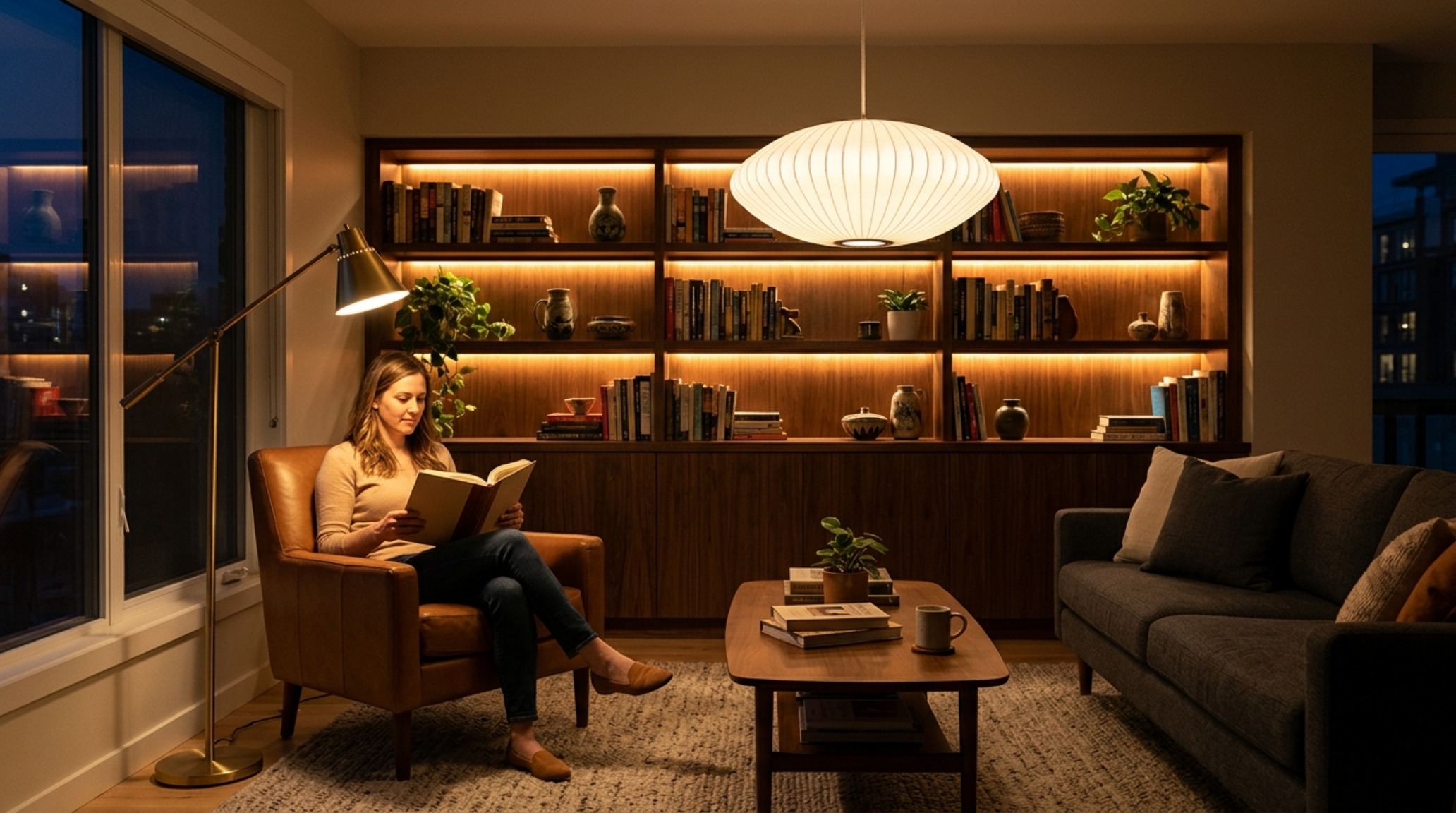
Lighting is the most transformative tool in a designer’s arsenal. To achieve a high-end ambience, we must move beyond the ‘big light’ on the ceiling. Effective lighting solutions for living rooms require three distinct layers: ambient, task, and accent lighting, ideally set at three different heights.
- Ambient (Eye Level and Above): Soft, diffused light from a central pendant or recessed architectural lighting (2700K) to provide a general wash of warmth.
- Task (Waist Height): Focused lighting for reading or working, often provided by a sculptural floor lamp or a sleek table lamp with a high CRI rating to ensure colors look true.
- Accent (Floor and Niche): Uplights behind a large plant or integrated LED strips in a bookshelf to create depth and highlight architectural features.
By controlling these layers independently—preferably with a smart dimming system—you can transition the room from a bright, functional morning space to a moody, amber-hued evening sanctuary. This is the ‘Alchemist’s’ secret: the ability to change the physical properties of the room using nothing but photons.
Small Living Room Decor: Expanding the Horizon
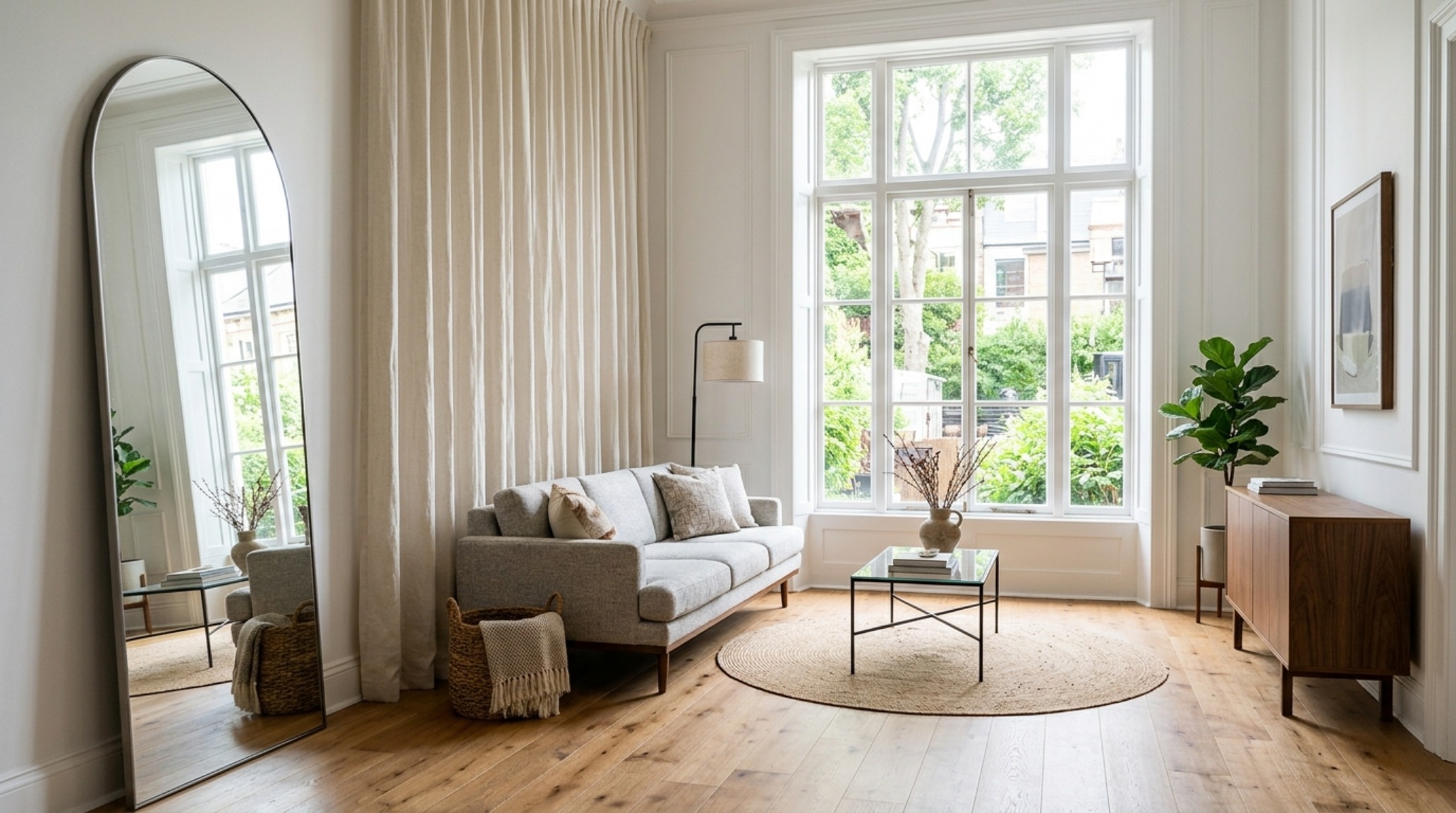
When dealing with limited square footage, small living room decor must be highly strategic. We use ‘leggy’ furniture to expose more of the floor, which trick the brain into perceiving more space. Mirrors are an obvious but essential tool, especially when placed opposite a window to double the natural light and the view. But the most effective trick is ‘verticality.’ By taking curtains all the way to the ceiling and using tall, narrow bookshelves, we draw the eye upward, emphasizing the height of the room rather than its footprint. In a small space, the 36-inch walkway might be tightened to 30 inches, but never less—circulation is the one thing you cannot compromise on if you want the room to feel luxurious.
Visual Anthology of Spatial Living
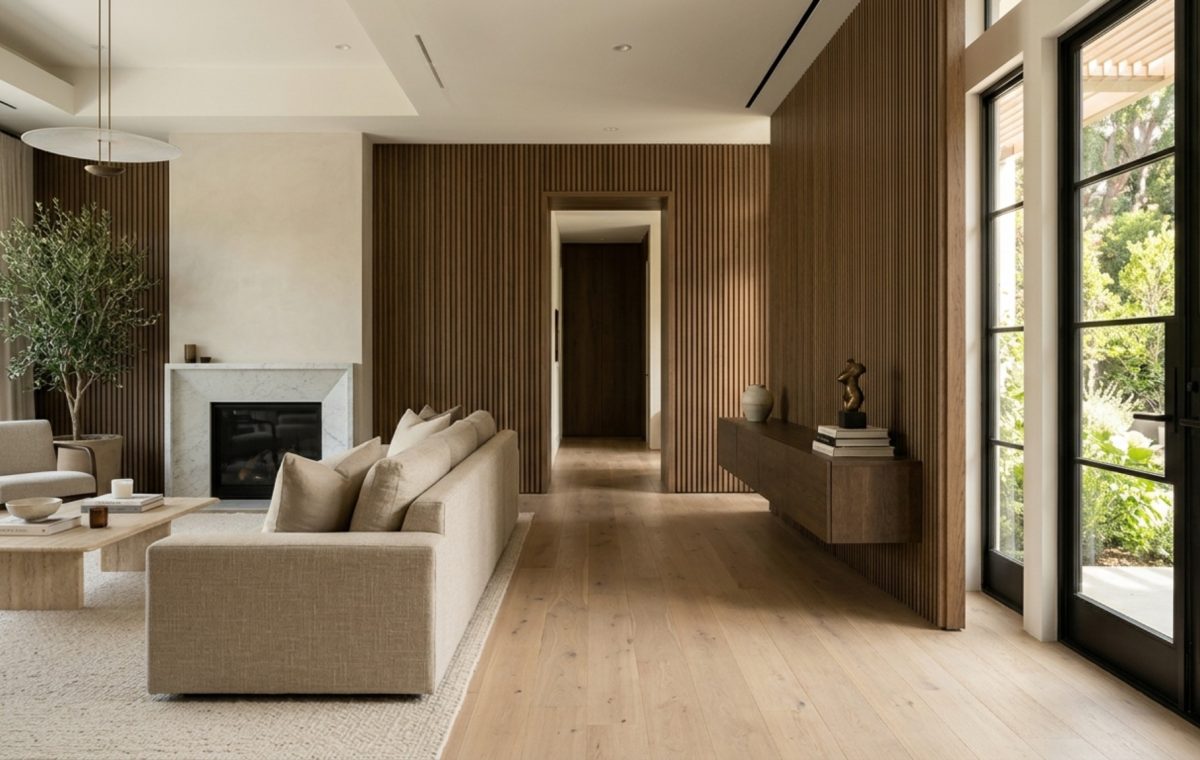
As we observe the evolution of residential interiors, the trend toward ‘immersive’ design is undeniable. It is a move away from the ‘showroom’ look toward something much more personal and sensorial. The integration of interior decoration ideas for living room today is about creating a narrative. Every object, from the artisanal ceramic vase to the custom-built oak cabinetry, should tell a story of materiality and craft. We see this in the resurgence of fluted details and reeded glass, which add a rhythmic texture to the room without introducing new colors. These subtle architectural details provide the ‘high-end’ feel that is often felt rather than seen.
Materiality, Palette & Dimension Blueprint
Architectural summary of tactile material selections, lighting specifications, and spatial ergonomics.
Designing a living space is ultimately an exercise in endurance. It is about choosing elements that will age with grace and a palette that responds beautifully to the shifting light of the seasons. When we master the alchemy of texture and the immersive power of tonal drenching, we create more than a room; we create a resonance. The most successful interior decoration ideas for living room are those that anticipate our needs before we even move, grounding us in a world that is as functionally precise as it is visually poetic. As the evening light fades and the 2700K glow takes over, the space should feel like a deep, architectural exhale.
Editorial Silo • Recommended Architecture Studies
- Natural Nuance: Fireplace Design Ideas With Stone & Weaving Mediterranean Fossil Stone and Honed Textures for a Sensory-First Hearth — Archival Design Case Study
- Ergonomic Mastery: Functional & Space-Saving Hacks for Interior Decoration Ideas For Living Room — Archival Design Case Study
Editorial Design Lookbook
A curated visual breakdown of structural layout, layered lighting, and material compositions.
Curated Visual Lookbook
Design Gallery & Spatial Studies
A visual curation of architectural arrangements, lighting concepts, and material palettes featured in this space.