The Evolution of the Domestic Anchor: From Formal Ritual to Hybrid Hub
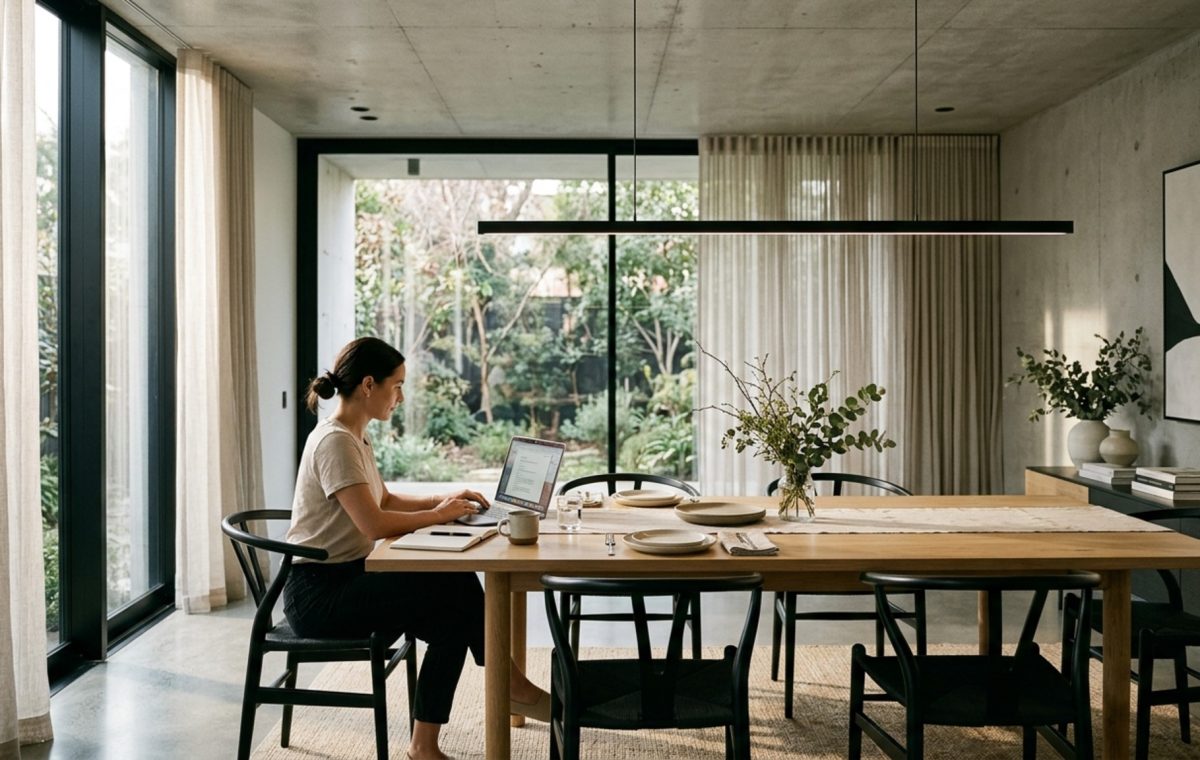
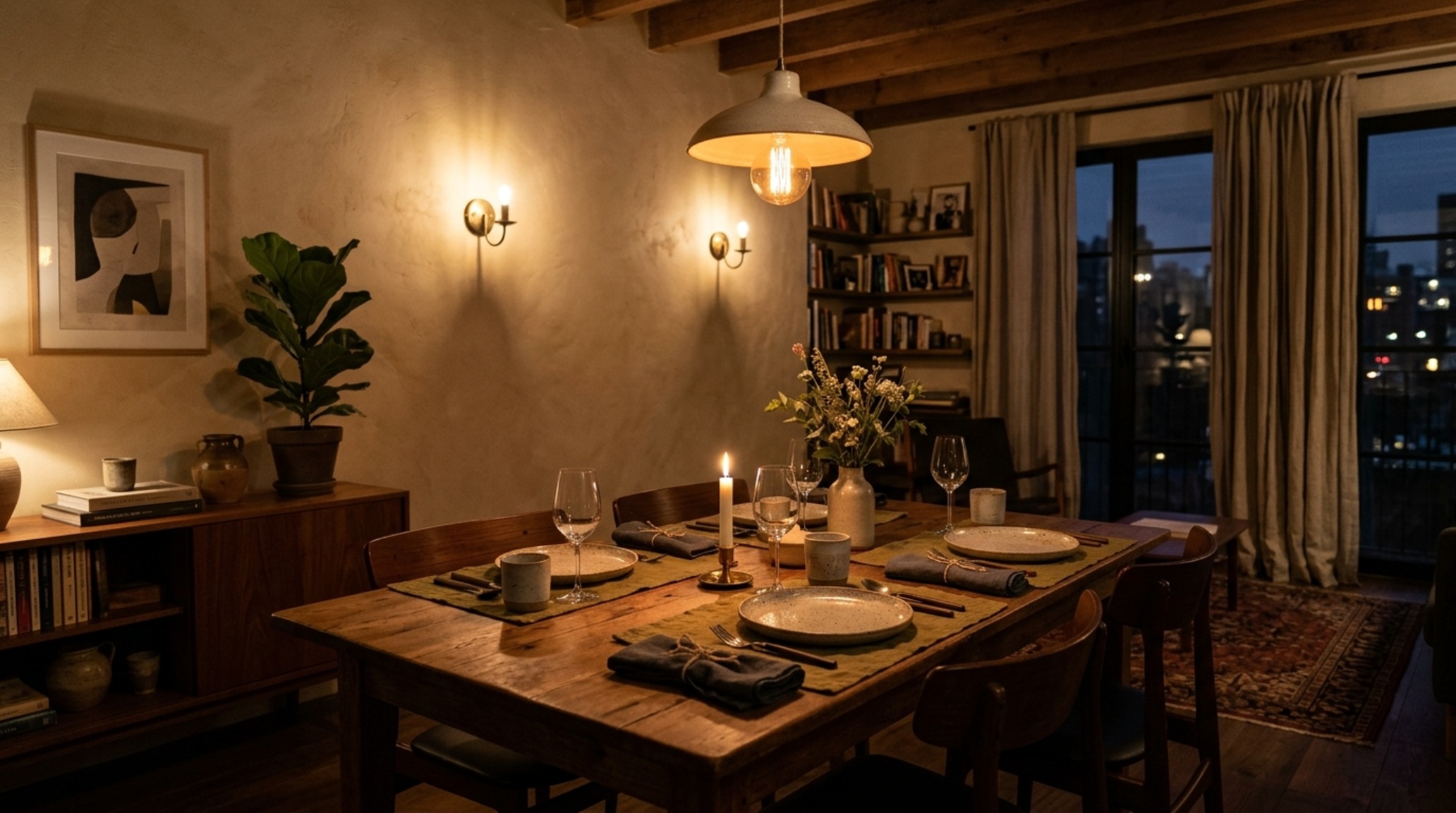
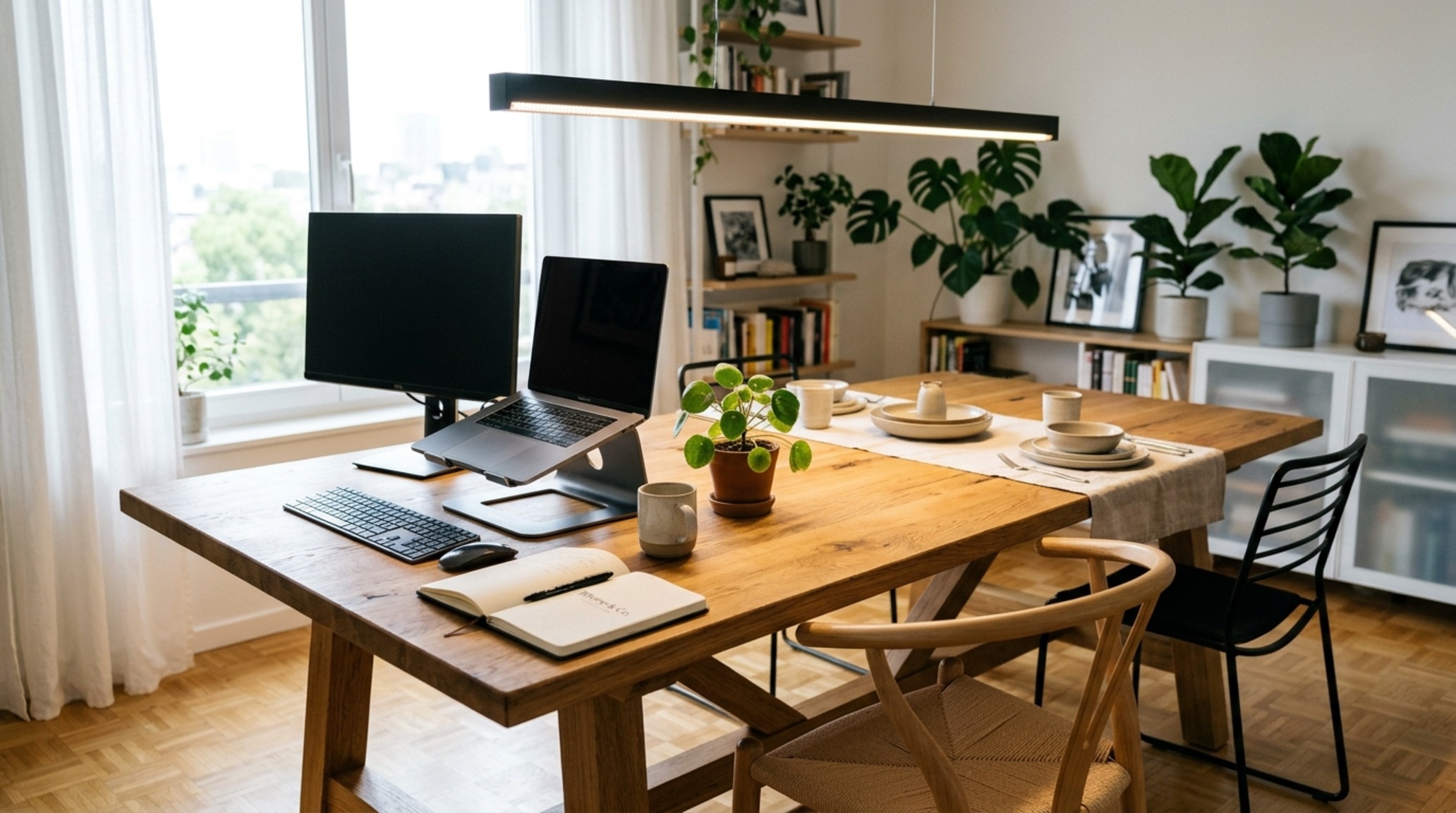
For decades, the dining room existed as a stiff, ceremonial museum, anchored by heavy, static chandeliers that prioritized ostentation over utility. These historical candelabras were designed for a world of singular purpose, casting a flickering, often inefficient glow over meals that followed rigid social codes. However, as our homes have been forced to expand their emotional and functional bandwidth, the architectural response has shifted toward fluidity. We no longer just eat; we congregate, we create, and we conduct global commerce from the very same mahogany or oak surface. This cultural pivot has redefined lighting for dining table design, elevating it from a mere decorative flourish to a critical piece of ergonomic engineering that must pivot between the clinical focus of a 9-to-5 and the amber-hued intimacy of a late-night dinner.
The modern table is a high-performance plane. It requires a lighting system that understands the nuance of transitions—what I call the ‘spatial cadence’ of the day. Achieving this balance isn’t about simply picking a beautiful fixture from a catalog; it is about calculating line-of-sight, managing glare on digital screens, and ensuring that the vertical volume of the room feels inhabited rather than just occupied. When we approach lighting for dining table placement today, we are effectively designing a multi-functional stage where the lighting must perform as both an atmospheric veil and a surgical task-light.
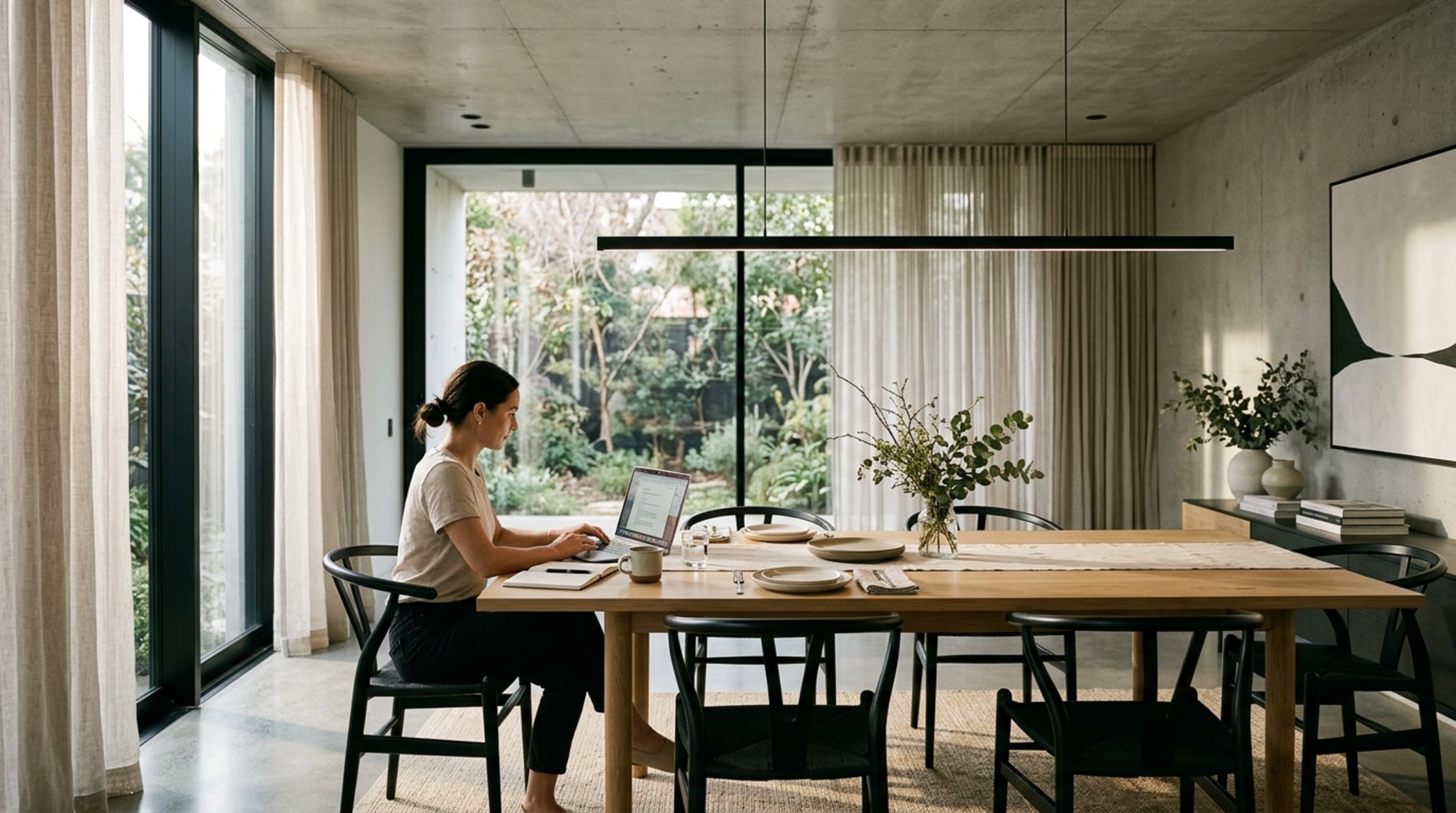
Best Lighting for Dining Table 2025: From Smart Systems to Sculptural Minimalism
As we look toward the design landscape of 2025, the trend lines are moving away from the ‘fast-fashion’ lighting of the previous decade and toward ‘slow design’—fixtures that emphasize materiality and integrated technology. The best lighting for dining table 2025 iterations feature high-CRI (Color Rendering Index) LED modules that mimic the full spectrum of natural sunlight, essential for those of us using the dining table as a creative studio. Designers are leaning into warm-dim technology, where the color temperature shifts from a crisp 3000K for morning emails to a soulful 2200K as the sun sets, replicating the psychological comfort of candlelight without the soot.
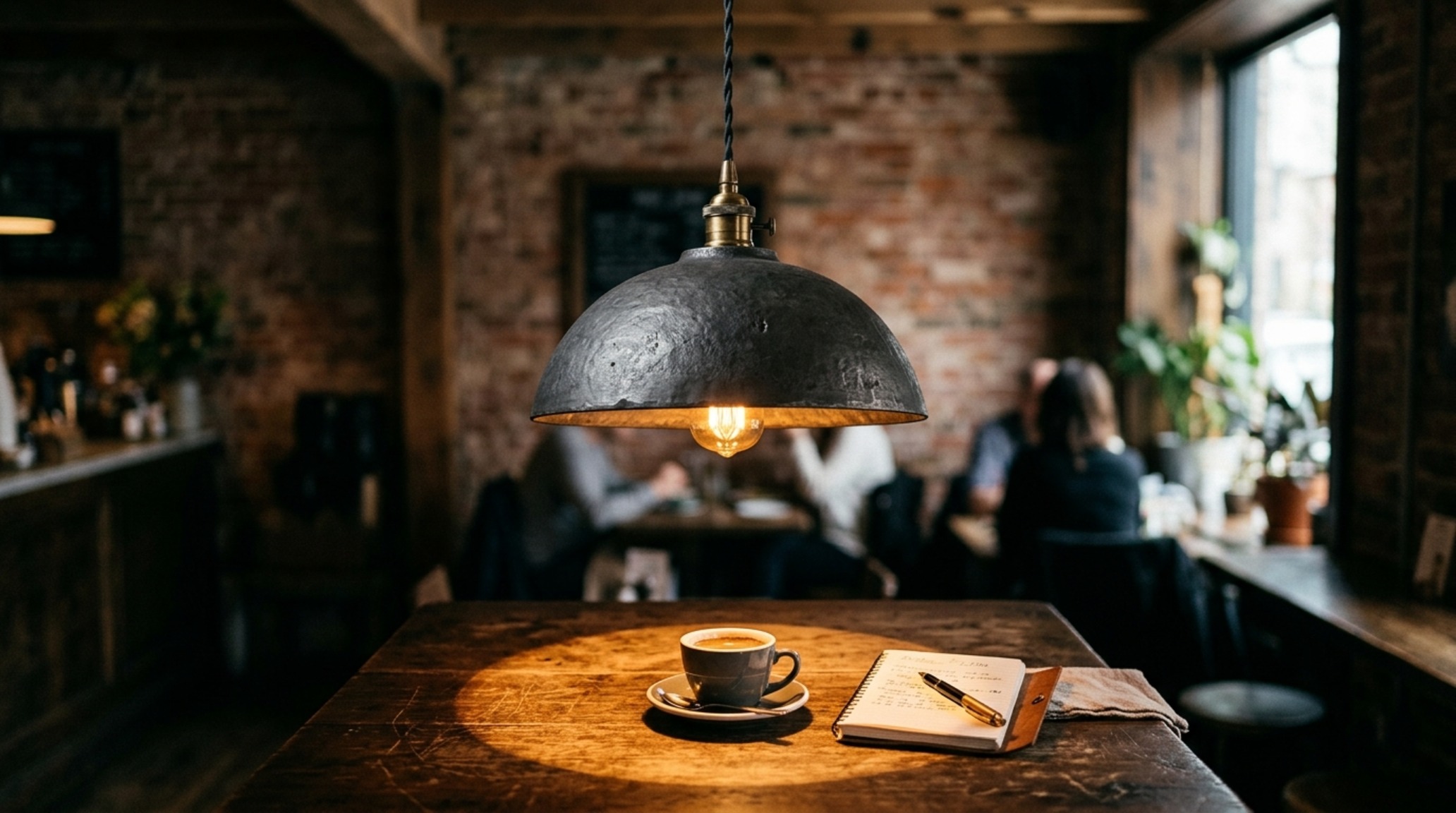
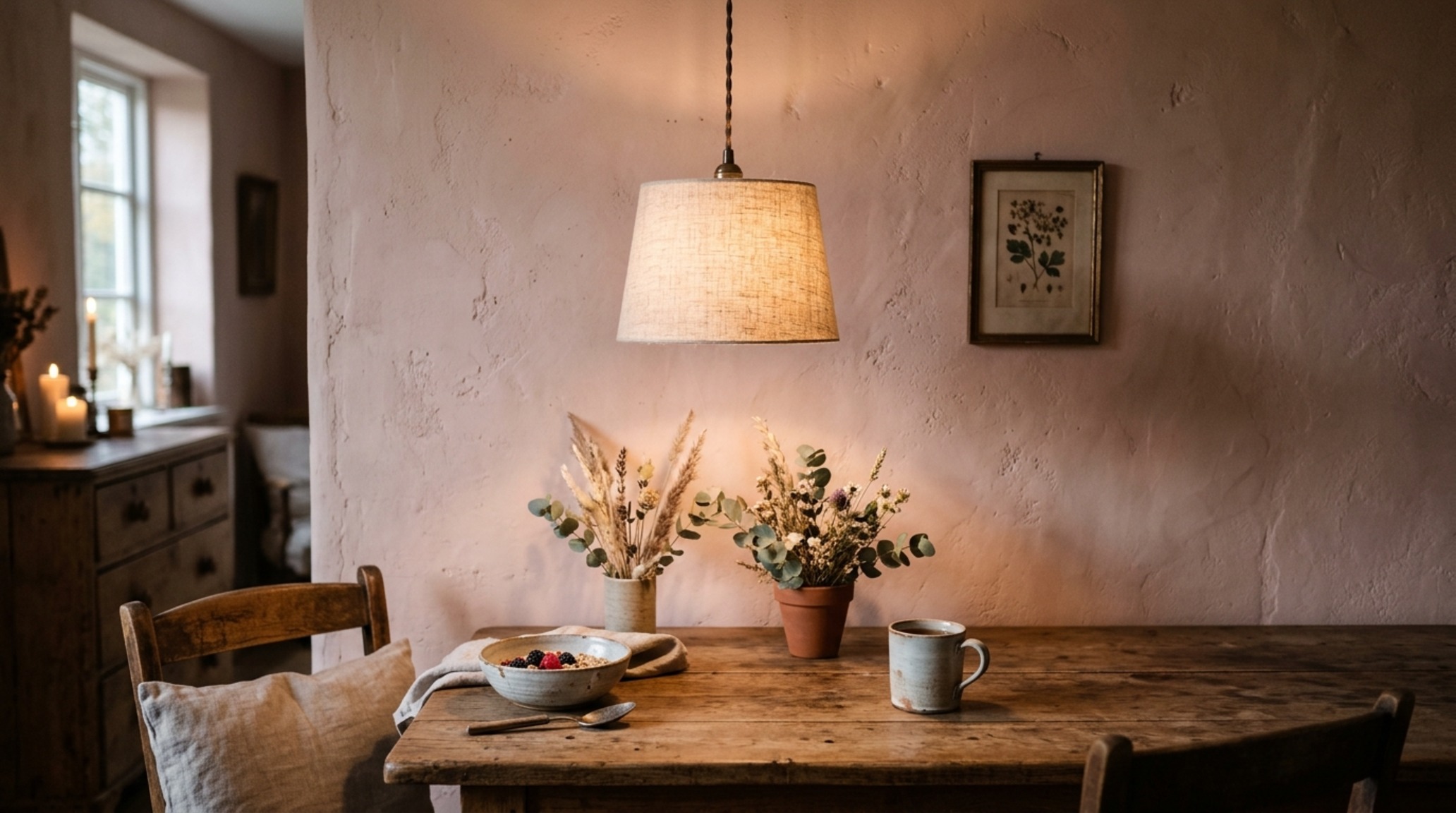
Materiality is also taking a tactile turn. We are seeing a resurgence of ‘honest’ materials: hand-blown smoked glass, sand-casted bronze, and even organic textures like hemp and bone-colored ceramics. These materials don’t just hang in space; they interact with the light. A fluted glass pendant, for instance, breaks the light into rhythmic patterns, creating a sense of ‘shadow play’ that adds depth to a room’s negative space. This sensory-first approach ensures that the fixture remains a compelling sculptural object during the day, even when the power is off.
Dimmable Dining Room Fixtures: Mastering the Circadian Shift
The transition from a workspace to a sanctuary is often managed by a single slider. Dimmable dining room fixtures are the unsung heroes of the modern hybrid floor plan. By utilizing Phase or DALI dimming systems, homeowners can manipulate the psychological weight of the room. High-lumen output is necessary when the table is covered in blueprints or homework, but the ability to dial that intensity back to 10% is what transforms a utilitarian surface into an inviting social anchor. I often recommend pairing dimmable overhead pendants with secondary layers, such as cordless rechargeable table lamps or low-profile wall sconces, to create a three-dimensional light landscape that avoids the ‘flat’ look of a single overhead source.
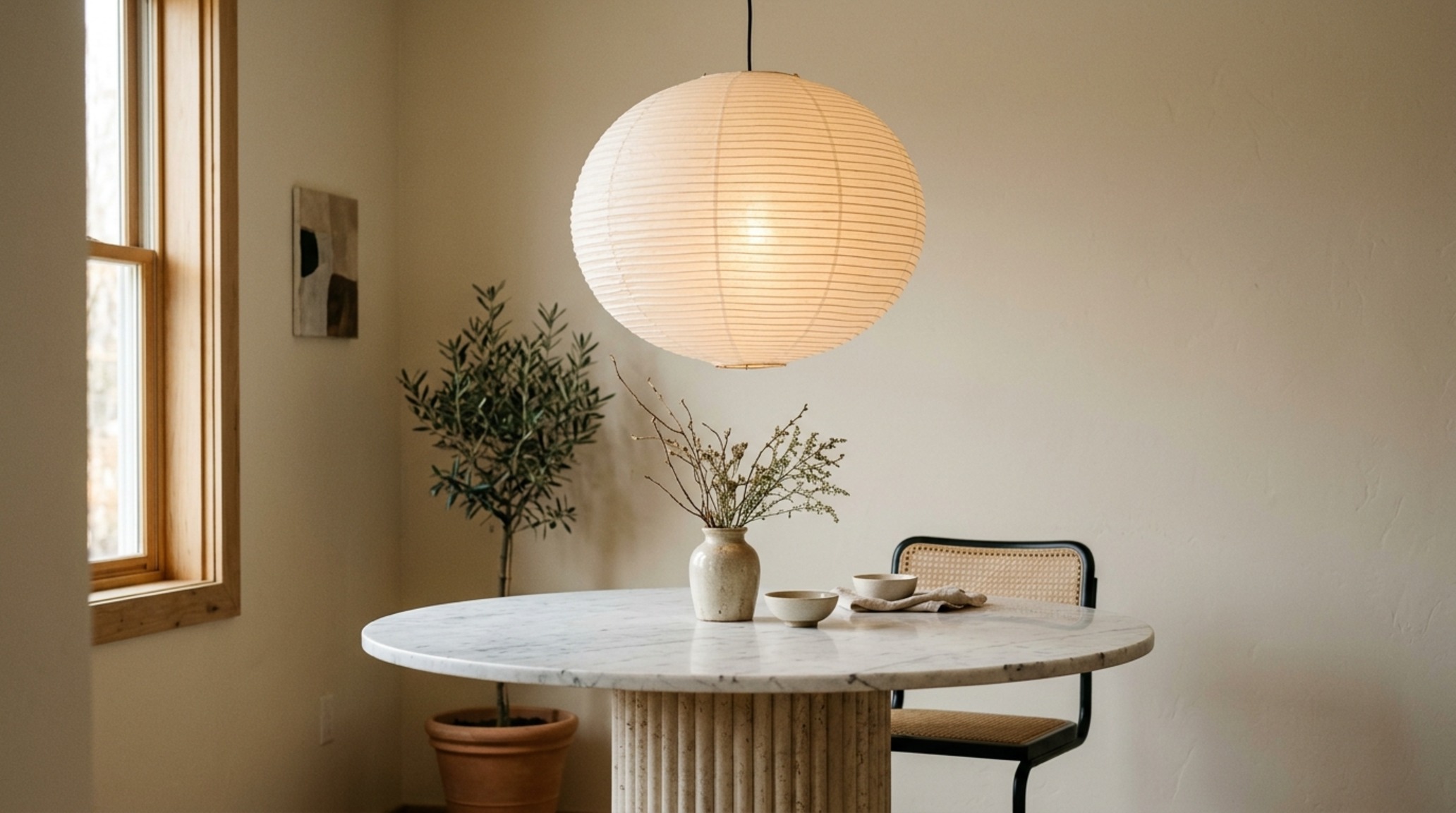
Modern Lighting for Round Dining Table: Anchoring the Curvilinear Form
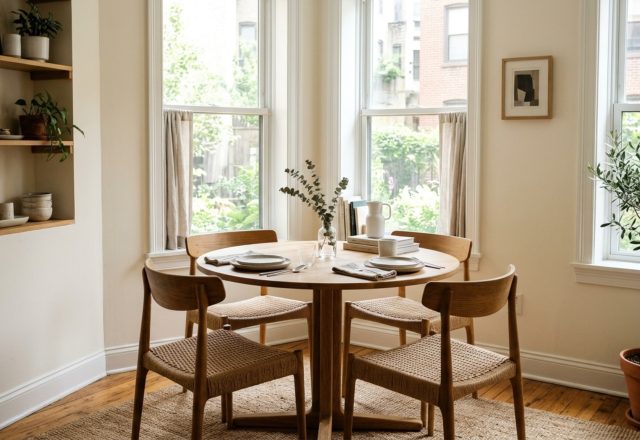
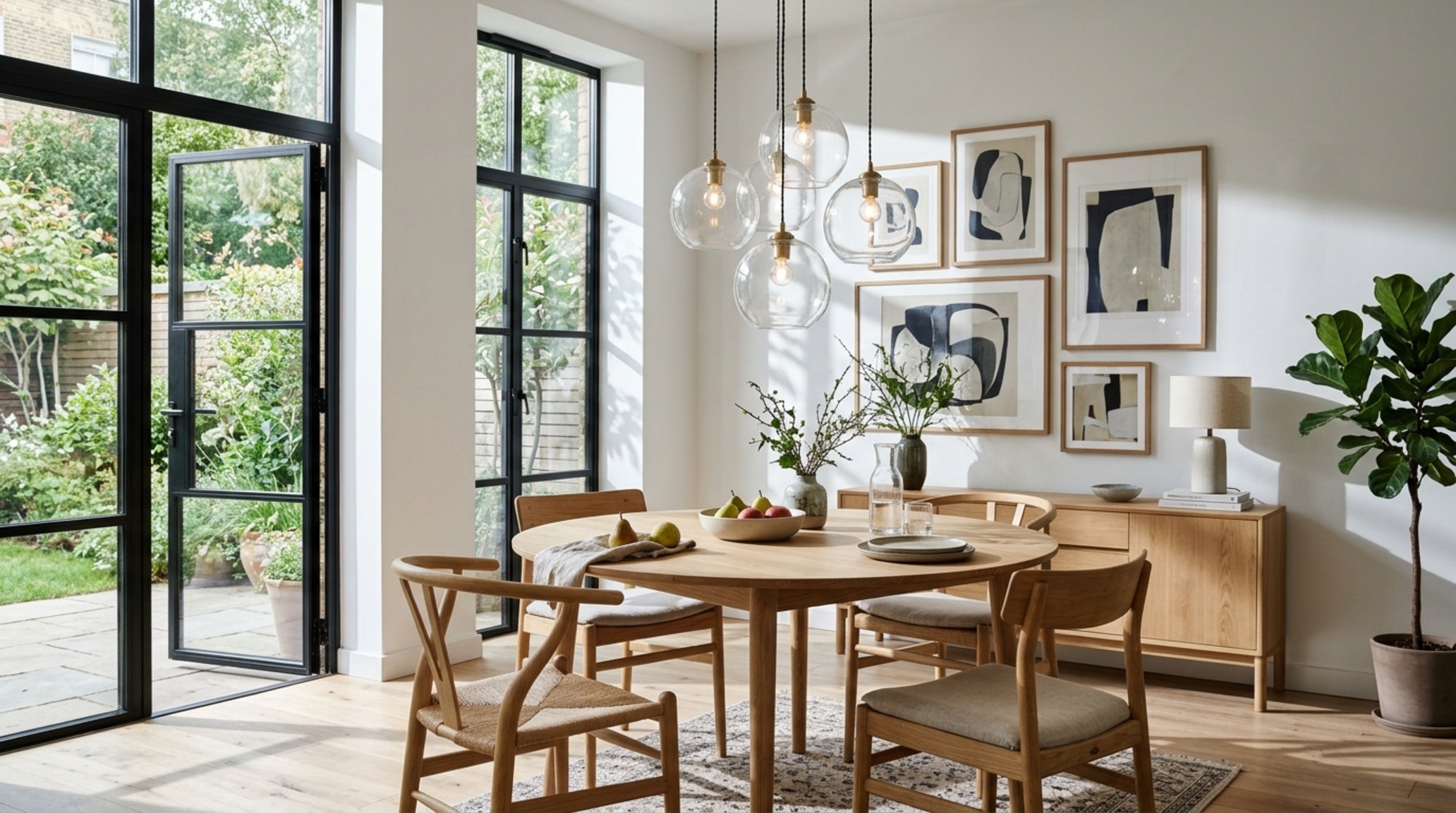
Round tables present a unique architectural challenge. Unlike rectangular tables that can handle linear suspensions or multiple pendants, a round table demands a singular, powerful focal point. Modern lighting for round dining table configurations typically rely on a ‘radius-centered’ philosophy. To maintain spatial harmony, the fixture should mirror the table’s geometry—think softened spheres, tiered circular rings, or organic, cloud-like clusters. The goal is to create a sense of centripetal force, drawing everyone toward the center of the circle to foster eye contact and conversation.
For a 48-inch round table, a fixture with a diameter of 24 to 30 inches usually feels right—roughly one-half to two-thirds the width of the table. If the fixture is too small, it looks like an afterthought; too large, and it overwhelms the ‘breathing room’ of the surrounding walkway. I frequently specify oversized paper lanterns or sculptural mobile-style fixtures for round tables, as they provide a significant visual footprint without adding physical or visual weight, keeping the sightlines across the room clear and unobstructed.
How to Measure Dining Room Light Size: The Calculus of Scale and Volume
One of the most common pitfalls in interior design is ‘fixture shrinkage’—the tendency to buy a light that looks massive in a showroom but disappears once hung in a high-ceilinged room. Understanding how to measure dining room light size involves a two-step mathematical ritual. First, look at the room dimensions: add the length and width of the room in feet, and that total in inches is your ideal fixture diameter for the space at large. However, when centering over a table, the table’s dimensions must take precedence.
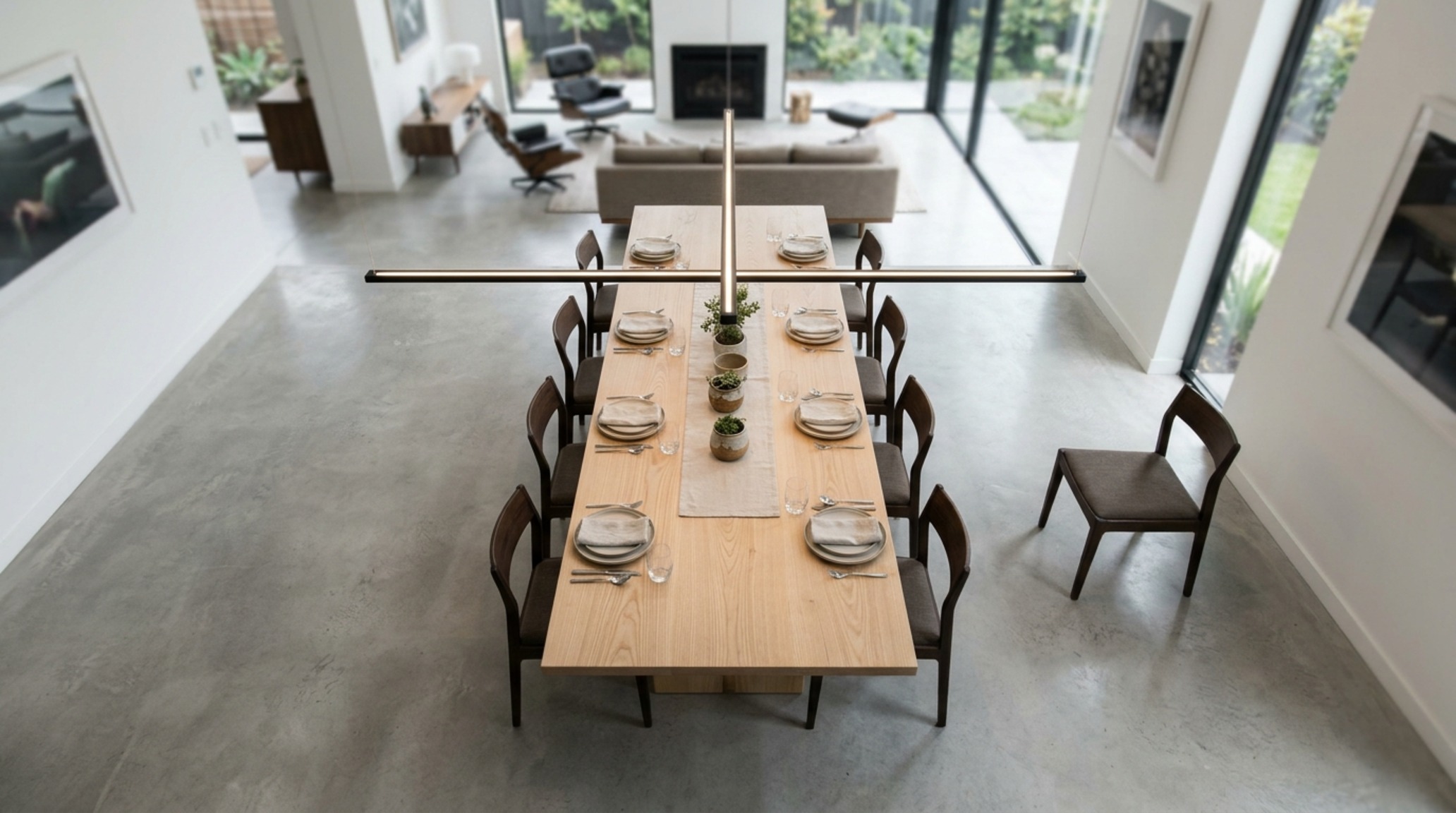
The golden rule is that the fixture should be 12 inches narrower than the table’s width on all sides to prevent anyone from bumping their head when standing up. For a standard 36-inch wide rectangular table, a linear suspension of 12 to 14 inches in width is ideal. Additionally, consider the ‘vertical volume.’ In rooms with ceilings higher than the standard 8 feet, you can increase the scale of the fixture or choose a multi-tiered design to occupy that dead air, ensuring the light feels grounded within the architectural shell.
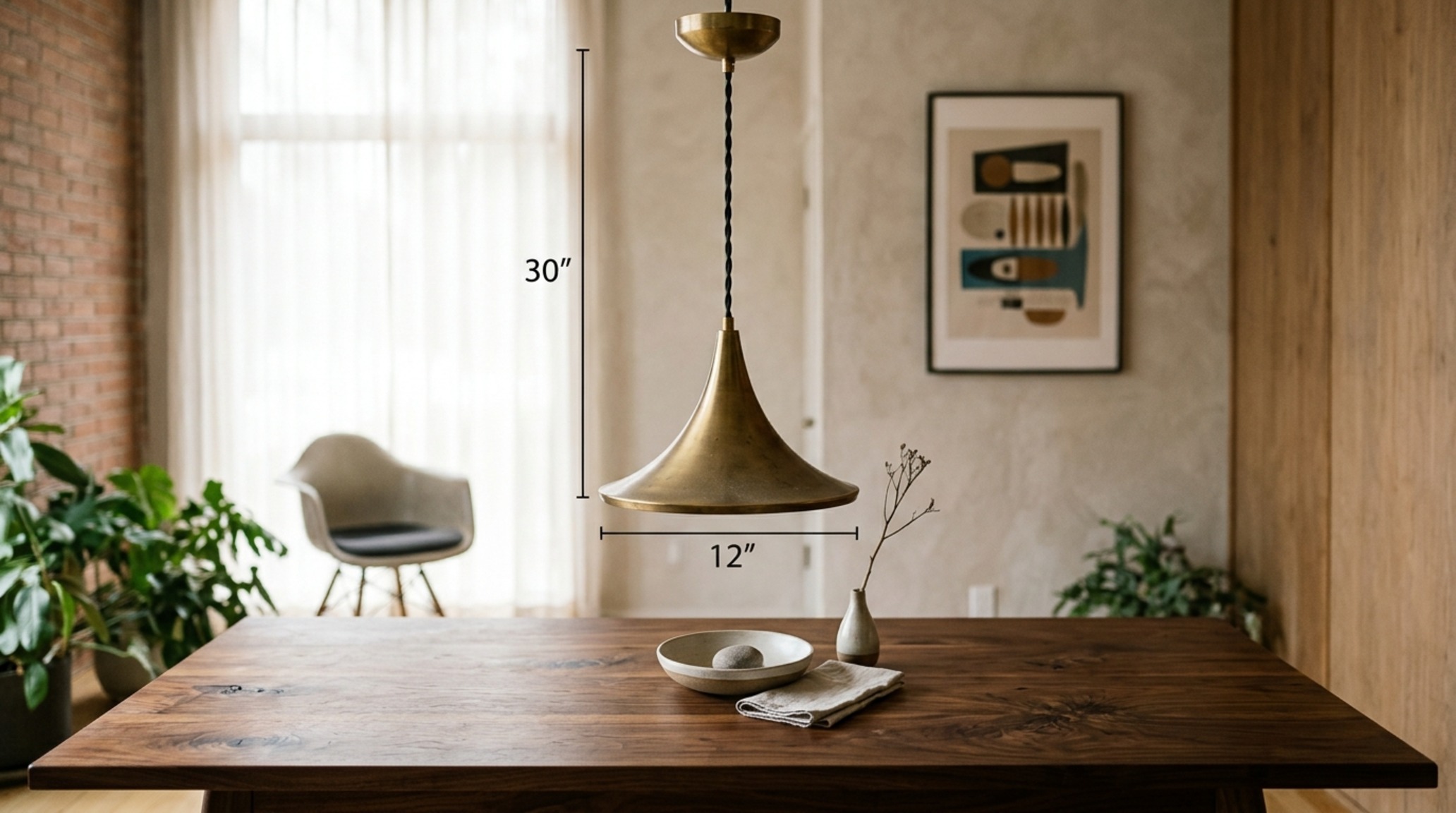
Over Table Lighting Clearance: The 30-Inch Rule and Beyond
Precision in height is where ergonomic engineering meets aesthetic intent. The standard over table lighting clearance is generally accepted as 30 to 36 inches from the table surface to the bottom of the fixture. However, this isn’t a rigid law. If you have a particularly tall household, or if the table doubles as a standing desk, you might push toward 38 inches. Conversely, in an intimate, low-ceilinged nook, dropping a pendant to 28 inches can create a ‘cocoon’ effect that feels incredibly sophisticated.
The key is sightline alignment. You want the light high enough so that you can see the person sitting across from you without a shade obstructing their face, but low enough to prevent ‘glare-bombing’—where the bare bulb or the bright interior of a shade is visible to seated guests. If the fixture has an open bottom, consider using silver-tipped bulbs or a soft-white silk diffuser to mitigate harsh hotspots. It’s these small, technical adjustments that separate a professionally designed space from a standard DIY installation.
Spatial Perspectives & Lighting Vignettes: The Art of Layering
True architectural depth comes from the interplay of different light sources. The pendant over the table provides the ‘anchor,’ but it shouldn’t work alone. I think of lighting in terms of ‘tactile grounding.’ By adding a floor lamp in a corner or a picture light over a nearby piece of art, you pull the eye away from the center, making the room feel larger and more dynamic. This is particularly vital in open-concept homes where the dining area needs to feel like its own distinct ‘zone’ without being cordoned off by walls.
Consider the ‘line-of-sight’ principle: as you move through the home, the lighting for dining table should act as a visual beacon, guiding the flow of movement. Using materials like Benjamin Moore Swiss Coffee on the walls provides a warm, reflective canvas that allows the light to bounce and soften, while a darker accent like Farrow & Ball Setting Plaster can absorb light, creating a moody, intimate pocket perfect for long evening conversations. The interplay between the hard surfaces of the table—perhaps a honed travertine or a rift-sawn oak—and the soft diffusion of the light creates a sensory contrast that is deeply satisfying to the human eye.
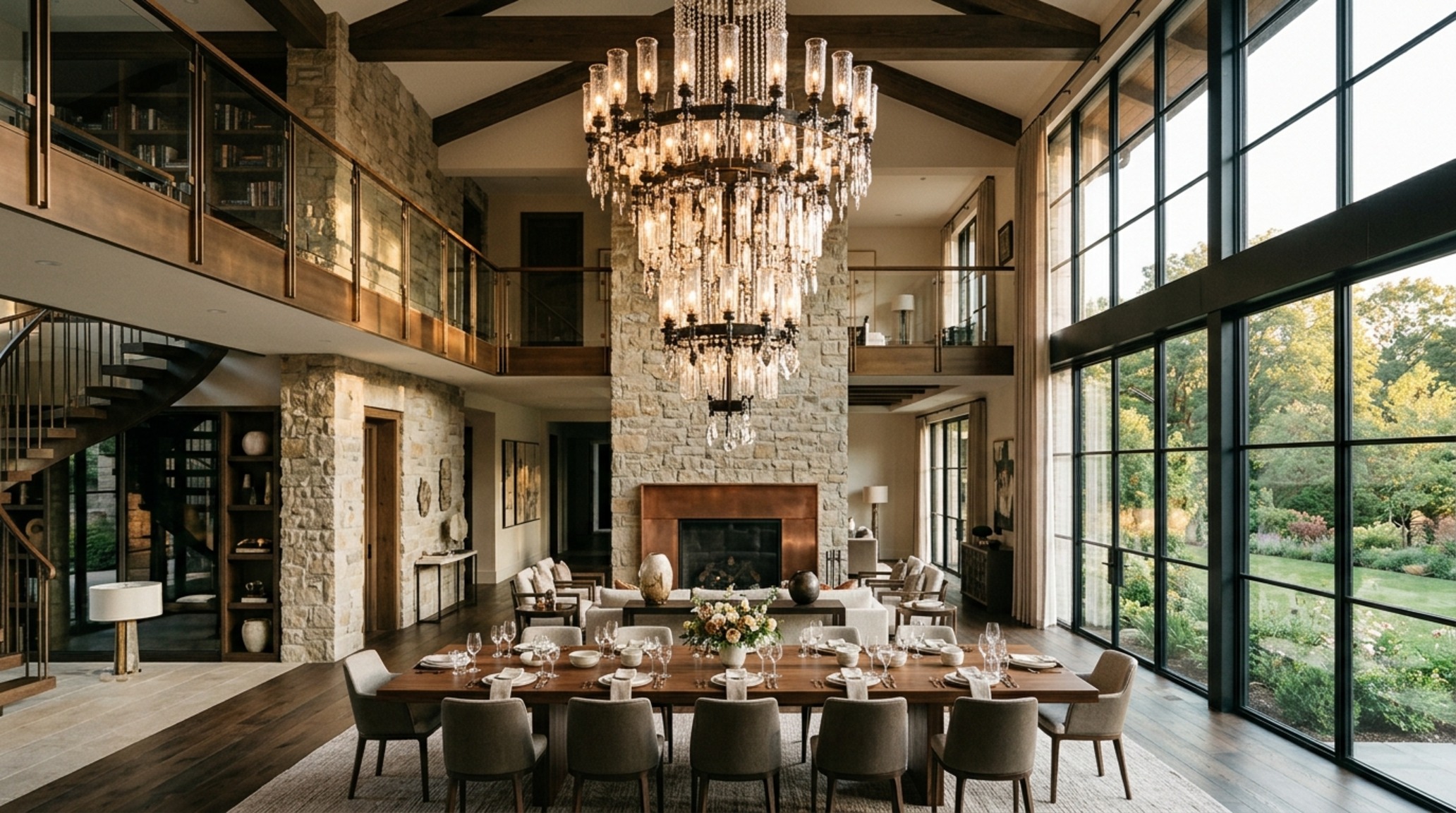
Spatial Palette, Finishes & Architectural Ledger
Comprehensive architectural blueprint detailing finishes, paint hex codes, and structural balance.
The future of the dining room isn’t about choosing between work and play; it’s about building a space that adapts to the fluid rhythm of a modern life. When we invest in high-quality lighting for dining table installations, we aren’t just buying a lamp—we are defining the boundaries of our home’s most important communal hub. As the daylight fades and the ‘task’ of the day gives way to the ‘ritual’ of the evening, a well-placed, thoughtfully scaled fixture becomes more than just a source of lumens. It becomes the emotional heart of the house, casting a warm, generous glow on the faces and moments that matter most, reflecting an architectural philosophy that prizes both human connection and functional grace.
Editorial Silo • Recommended Architecture Studies
- Tactile Narratives: Restaurant Design Inspiration & Mastering Materiality, Acoustics, and Sensory Mood for Immersive Dining — Archival Design Case Study
- Ergonomic Mastery: Functional & Space-Saving Hacks for Best Dining Sets — Archival Design Case Study
Editorial Design Lookbook
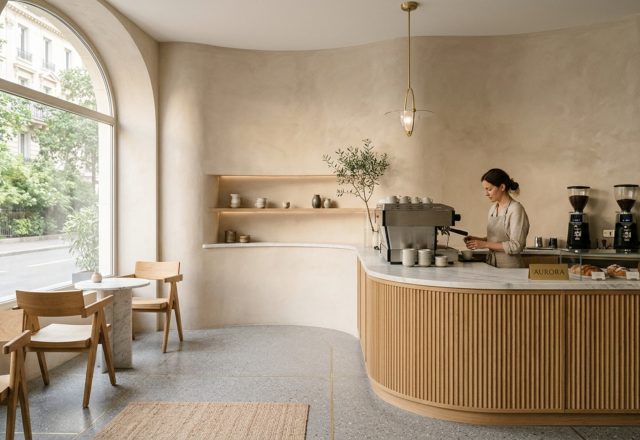
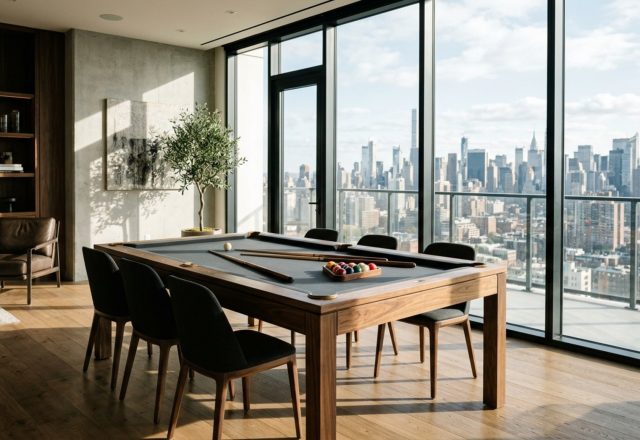
Photographic compositions framing clean architectural sightlines and layered sensory textures.
Curated Visual Lookbook
Design Gallery & Spatial Studies
A visual curation of architectural arrangements, lighting concepts, and material palettes featured in this space.