The Anatomy of a Layered Bed
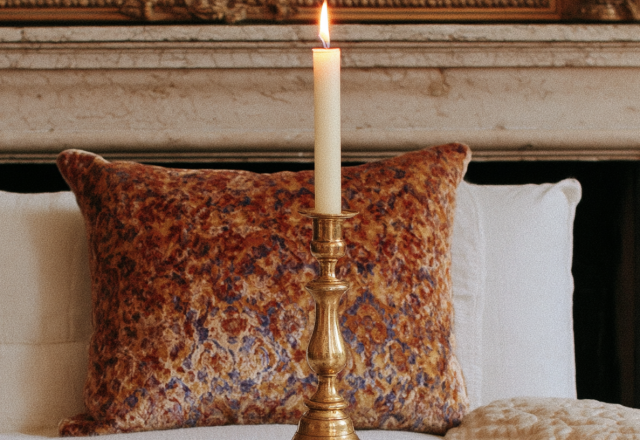
Most bedroom styling advice revolves around buying expensive mattress sets or trendy headboards. Real depth comes from smaller decisions. Look closely at how textiles meet surface textures. A folded stack of cream-colored linen paired with rich paisley prints creates immediate tactile weight. You do not need a complete room overhaul to shift the mood of a sleeping space. You just need better layering.
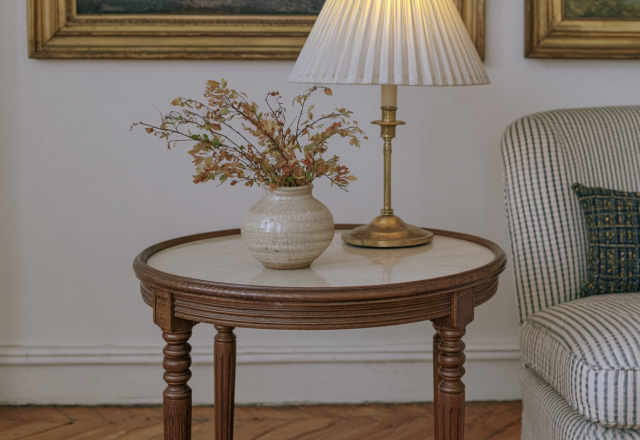
Pure linen breathes differently than heavy cotton blends. It softens with every wash, developing a relaxed drape that feels lived-in rather than sterile. When you place a delicate branch of dried botanicals across pristine winter-white linens, you introduce an organic contrast. It interrupts the geometric precision of folded edges. That small friction point is where good interior design actually lives.
Balancing Metallics and Natural Fabrics
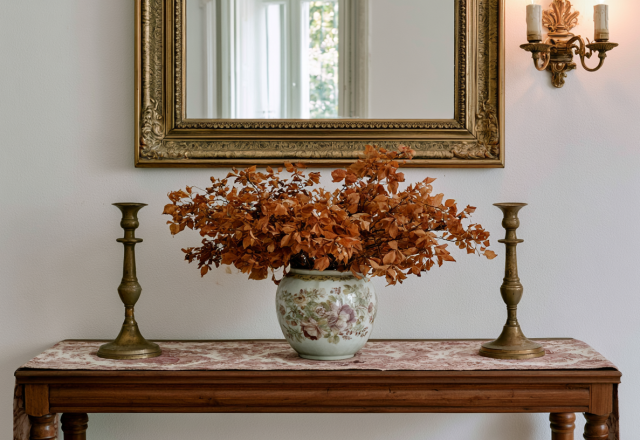
Shiny new fixtures often clash with antique aesthetics. The gleaming brass candleholder sitting beside these textiles brings a warm, reflective edge without feeling overly flashy. Patina matters. Metals that show a bit of age bridge the gap between polished luxury and rustic charm. If your bedroom feels flat, try introducing a single solid brass element near your soft goods to anchor the composition.
- Choose medium-weight linen for year-round durability and softness.
- Mix solid neutrals with a heritage pattern like paisley to add visual depth.
- Incorporate dried floral stems instead of fresh arrangements for low-maintenance seasonal styling.
Styling your primary bedroom should feel personal rather than staged for a catalog. Let your sheets wrinkle slightly. Embrace the rich hues of vintage prints. How often do you switch up your bed linens to match the changing light of a new season?
Editorial Lookbook & Photo Collection