The Allure of Unfussy French Elegance Designing a dining space that feels genuinely lived-in rather than staged requires a delicate balance of history and…
The Allure of Unfussy French Elegance
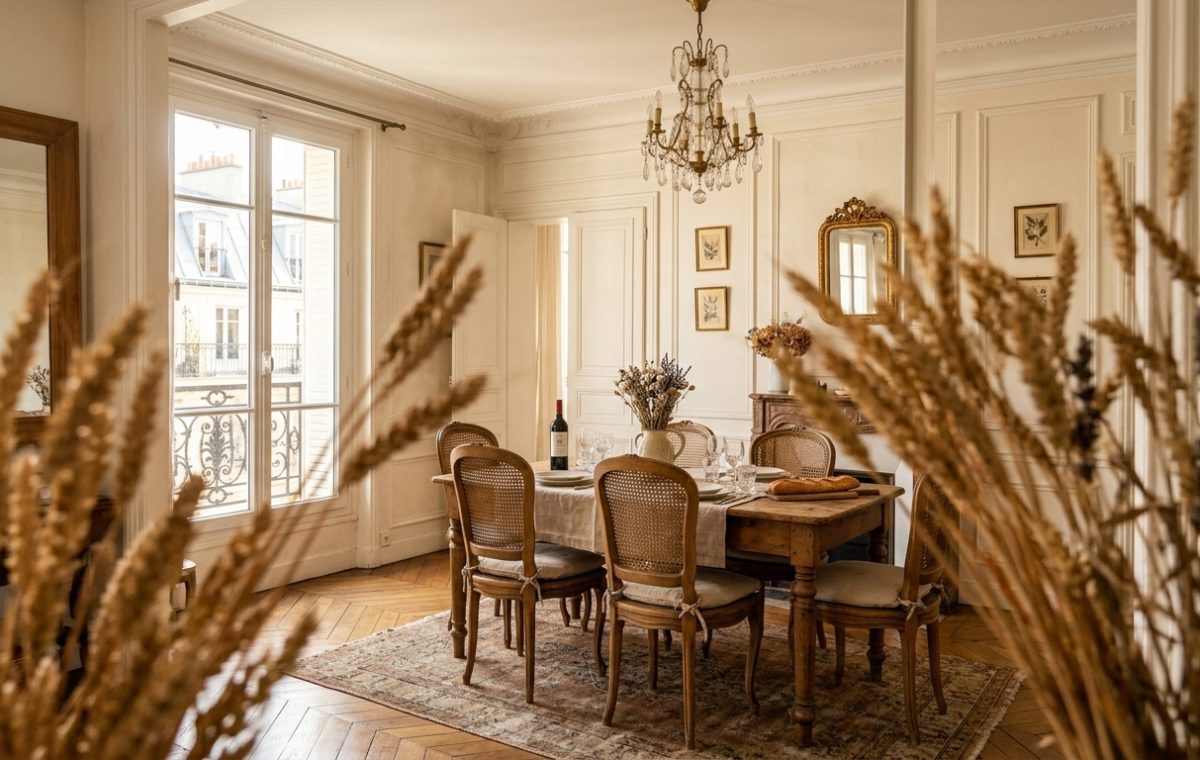
Designing a dining space that feels genuinely lived-in rather than staged requires a delicate balance of history and restraint. We often look at historic European apartments and wonder why their interiors feel so effortlessly magnetic. The secret lies in texture. When you anchor a room with herringbone wood floors and original wall moldings, you let the architecture do the heavy lifting.
Dining rooms should invite lingering. Nobody wants to sit on a stiff, overly formal chair for a three-hour meal. Pairing a worn oak table with woven cane back chairs introduces physical comfort and organic warmth simultaneously. That patina matters. Brand-new furniture often lacks soul.
Layering Natural Elements and Light
Natural light streaming through tall casement windows changes everything. If you are lucky enough to have tall French windows, keep window treatments minimal. Let the exterior view—even if it is just a bustling city street—become part of the interior atmosphere.
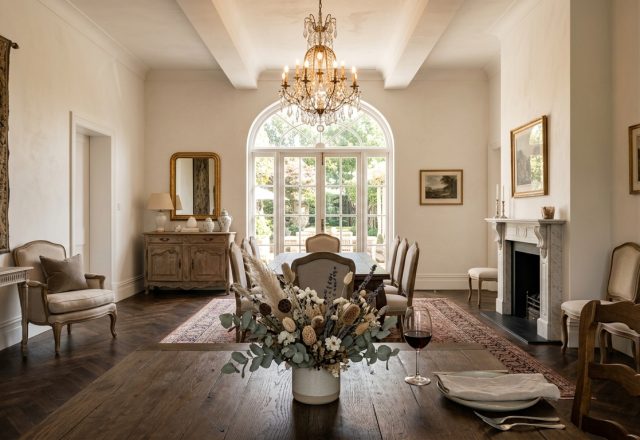
Overhead lighting needs consideration. A crystal chandelier adds sparkle against neutral plaster walls, keeping the rustic elements from feeling too heavy or rustic cabin-like. Contrast is key. Pair rough-hewn wood with delicate glassware and flickering candles to create tension.
Embrace natural wood grain instead of heavy paint.
Use dried wheat or lavender for low-maintenance, organic centerpieces.
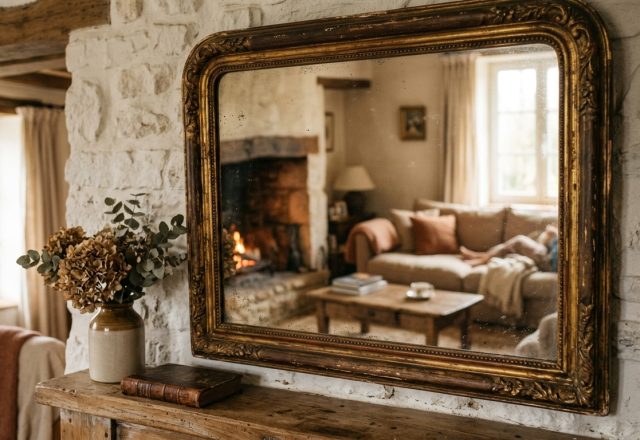
Incorporate vintage mirrors to bounce light around smaller dining spaces.
Styling tablescapes shouldn’t feel like an architectural blueprint. A simple loaf of crusty bread on a cutting board, an open bottle of wine, and mismatched ceramic water glasses communicate hospitality better than a pristine, untouchable centerpiece ever will.
Avoiding Common Design Traps
One major pitfall in traditional spaces is matching everything from a single catalog set. It kills personality. Mix flea-market finds with modern essentials. If your table is antique, let your dinnerware lean simple and contemporary to avoid a theme-park effect.
Maintenance is another reality check. Cane seating requires gentle care, and vintage rugs need occasional professional cleaning, especially under a busy dining table. Factor these upkeep steps into your daily life before committing to delicate antique pieces.
How do you balance rustic textures with refined details in your own home?
Editorial Lookbook & Photo Collection
Photo Archive: Designing a Timeless French Country Dining Room
36 Photos
Written by
JayhawkRent Editorial Team
Culinary Critic exploring visual stories and modern design based in Paris, France.
Editorial review fields are available through custom fields: jayhawk_reviewer_name and jayhawk_reviewer_note.
The Anatomy of a Timeless Dining Space Designing a proper formal dining room requires a delicate balance of scale, texture, and restraint. When ceilings…