Designing a Timeless Formal Dining Room with Classic Style
Key Points
The Anatomy of a Timeless Dining Space Designing a proper formal dining room requires a delicate balance of scale, texture, and restraint.
When ceilings…
The Anatomy of a Timeless Dining Space
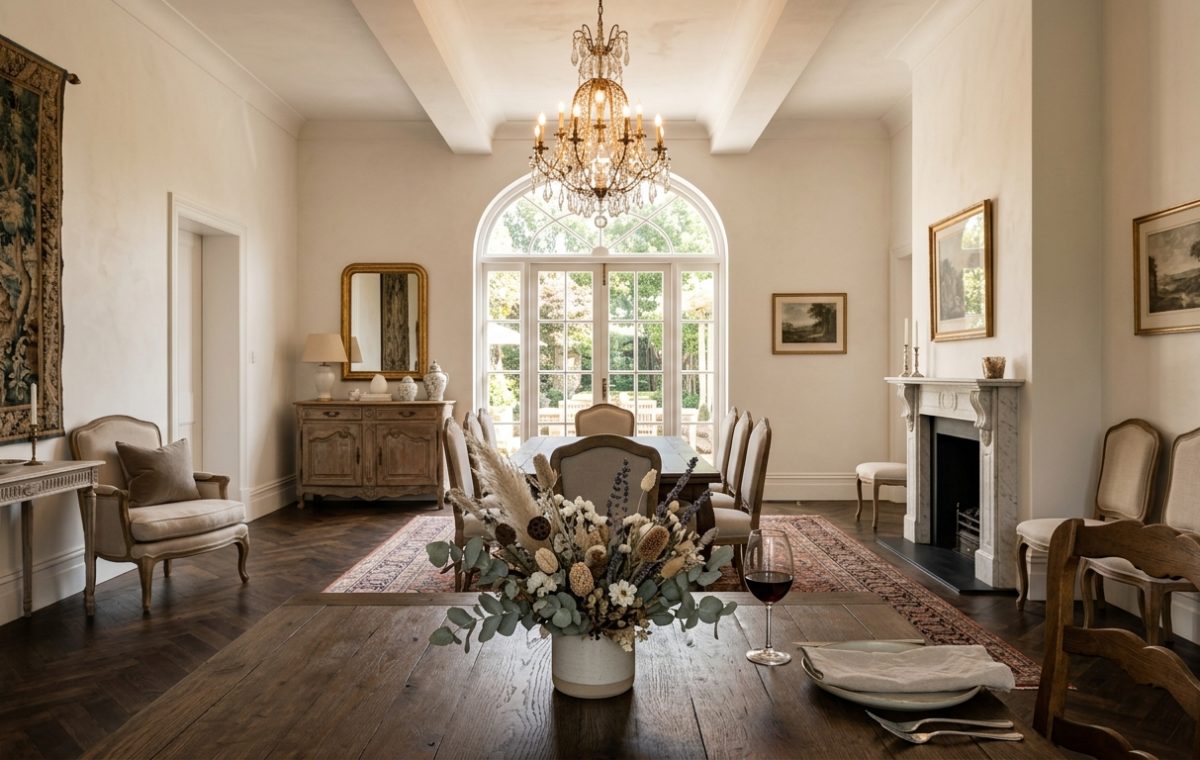
Designing a proper formal dining room requires a delicate balance of scale, texture, and restraint. When ceilings soar and windows frame lush greenery, furniture needs enough physical presence to hold the room without choking it. Too often, people lean on matching furniture suites that drain every ounce of character from a space. Instead, mixing worn woods with refined architectural details yields a much richer story.
Take the floor beneath your feet. A rich herringbone wood floor instantly grounds an expansive area, offering deep brown tones that contrast beautifully against pale, plastered walls. It adds visual weight while remaining entirely classic. Meanwhile, natural light pouring through arched glass doors breathes life into heavy timber and antique brass accents.
Lighting and Focal Points
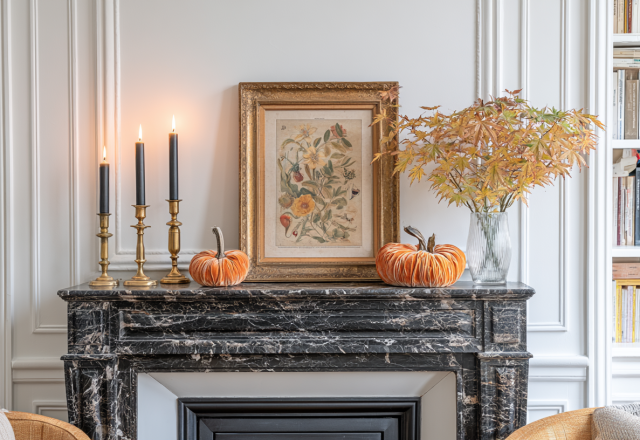
Overhead illumination is the jewelry of any serious room. A grand crystal chandelier centered beneath a vaulted ceiling draws the eye upward, highlighting structural beams and creating a dramatic focal point by night. Yet, raw sparkle needs a counterweight. A dark, moody fireplace mantel framed by understated artwork brings necessary warmth down to human scale, shifting the mood from cavernous to intimate.
Great dining spaces are built for lingering long after the plates are cleared. Comfort matters just as much as visual pedigree.
Seating options demand careful consideration. Upholstered side chairs paired with sturdy wooden head chairs offer versatility during long dinner parties. It is easy to obsess over the primary dining table, but the peripheral moments matter just as much. A distressed wooden sideboard tucked against a side wall provides both necessary storage and a surface to display curated ceramics and aged mirrors.
Balancing History and Utility
Antiques bring soul into a modern home, but a space stuffed exclusively with museum pieces feels stiff and unwelcoming. Layering in modern rustic elements—like a dried botanical centerpiece in a simple ceramic vessel—keeps the traditional aesthetic grounded and approachable. Upkeep is another reality to keep in mind. High-pile vintage rugs look stunning over dark parquet, but require patient maintenance when placed beneath heavy dining traffic. How do you plan to balance historic charm and everyday durability in your own entertaining spaces?
Editorial Lookbook & Photo Collection
Photo Archive: Designing a Timeless Formal Dining Room with Classic Style
36 Photos
Written by
JayhawkRent Editorial Team
Culinary Critic exploring visual stories and modern design based in Paris, France.
Editorial review fields are available through custom fields: jayhawk_reviewer_name and jayhawk_reviewer_note.
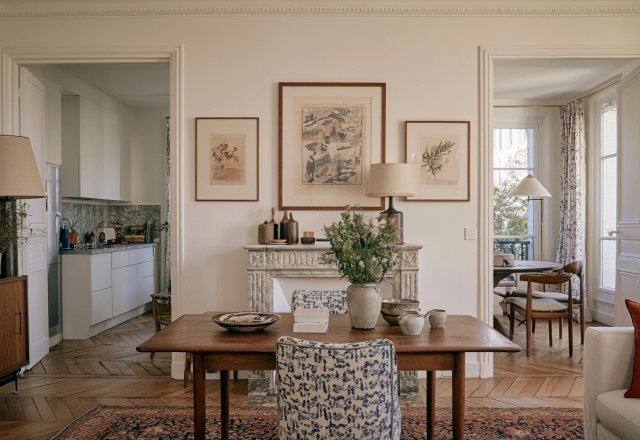
The Anatomy of Classic Parisian Proportion High ceilings change how a room breathes. When you pair soaring plaster cornices with authentic chevron parquet flooring,…
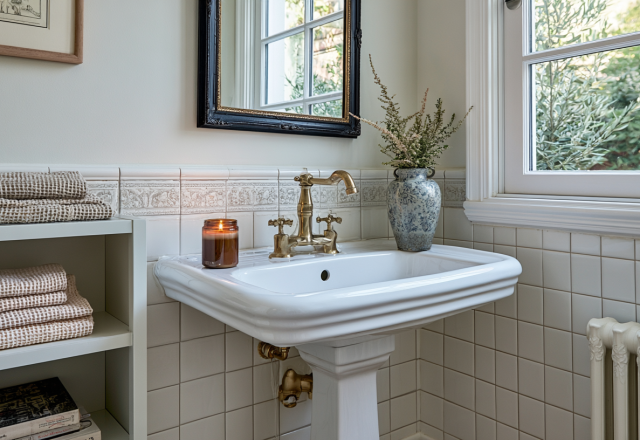
Designing a compact water closet requires absolute discipline. Every square inch counts. Heavy vanities often overwhelm tight footprints, turning a functional washroom into a…