How do we honor the heavy weight of tradition without overwhelming the intentional clarity of a modern home? Integrating classic christmas tree ideas into a contemporary floor plan requires more than just a box of ornaments; it demands a keen understanding of spatial cadence and the restraint to let negative space breathe. The challenge is often found in the friction between the exuberant, maximalist memories of childhood and the refined, editorial quietude we cultivate in our adult spaces. By focusing on slim silhouettes, natural materiality, and a disciplined color story, we can create a holiday centerpiece that feels both archival and avant-garde.
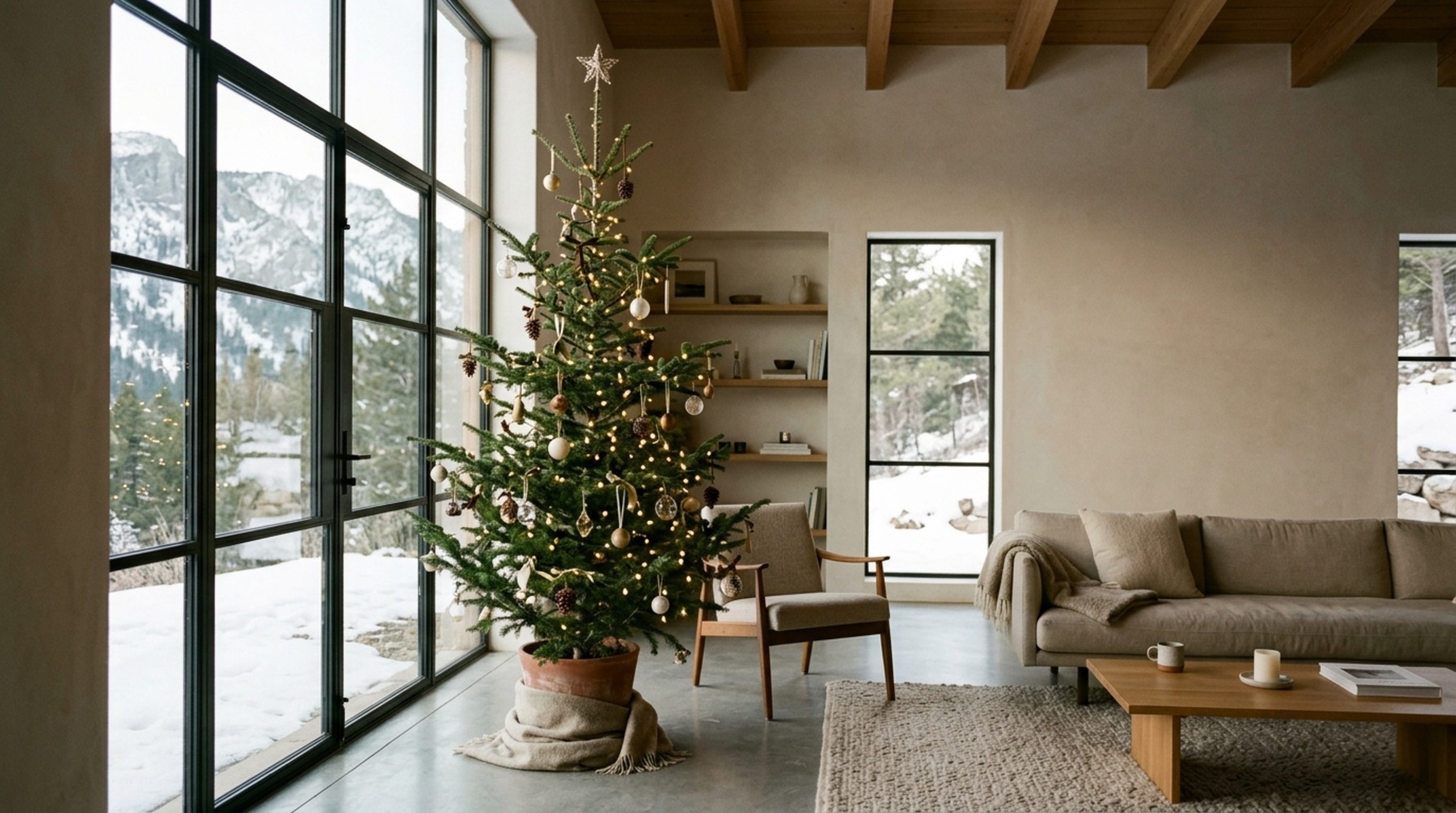
Architectural Details & Spatial Cadence: The Slim Silhouette
The standard 7.5-foot full-profile spruce often acts as a spatial disruptor in open-concept living areas. To maintain a 36-inch primary circulation path, interior designers are increasingly pivoting toward the ‘slim’ or ‘pencil’ silhouette. These trees offer the same vertical impact without devouring the floor plane. When selecting a tree, consider the architectural ‘visual weight.’ A sparse Alpine fir, for instance, allows sightlines to pass through its branches, preventing the tree from becoming a solid green monolith that blocks natural light from floor-to-ceiling windows. This transparency is the hallmark of a sophisticated 2026 holiday aesthetic.
Placement is equally technical. To avoid a cramped feel, ensure the tree sits at least 18 inches away from high-traffic furniture like coffee tables or armchairs. If your living room features a ceiling height of 9 feet, a 7.5-foot tree provides the ideal 18-inch gap for a proportional topper, preventing the ‘crammed-to-the-joists’ look that often plagues standard residential holiday setups.
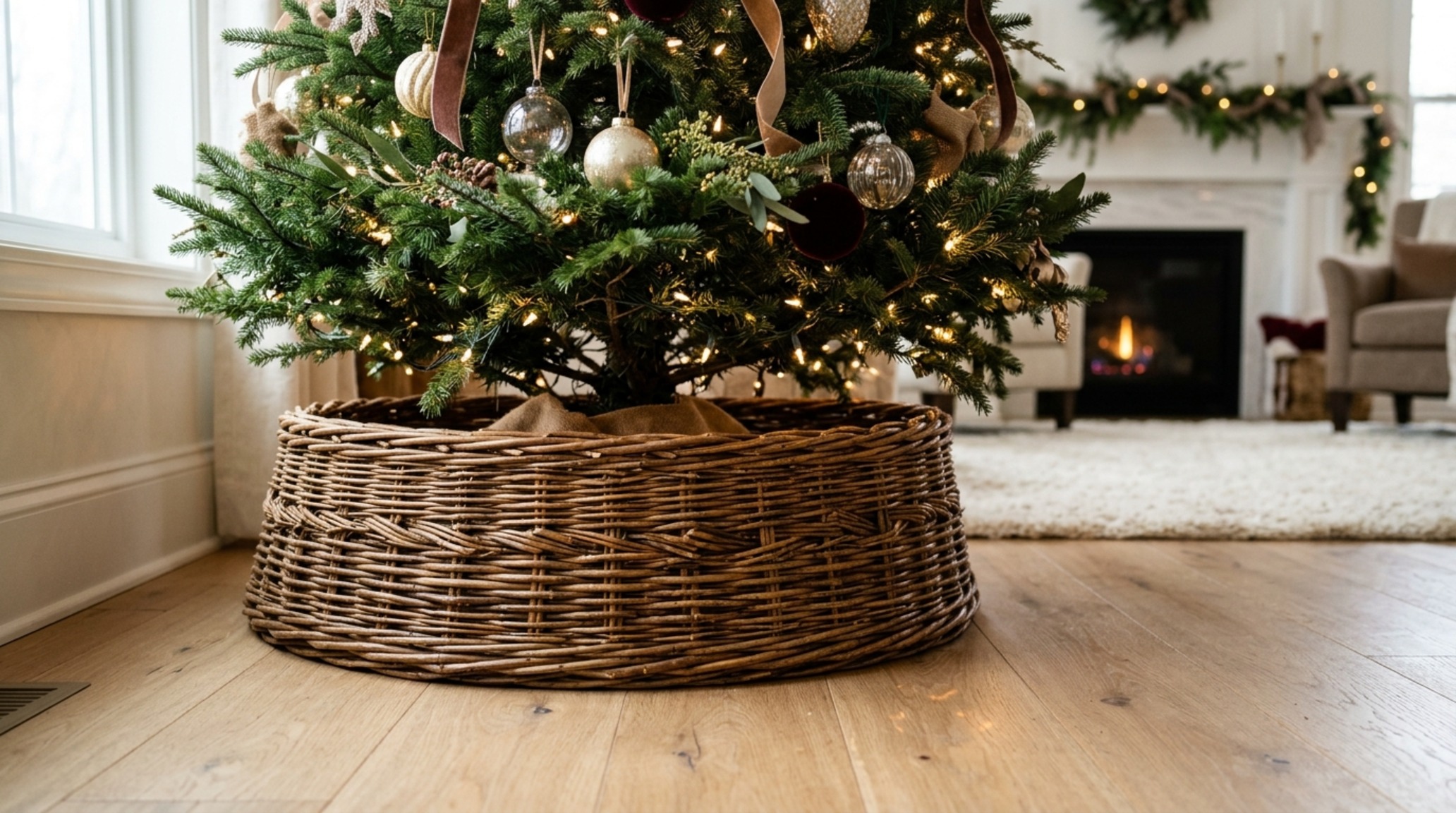
Wicker Tree Collars: Grounding the Base with Texture
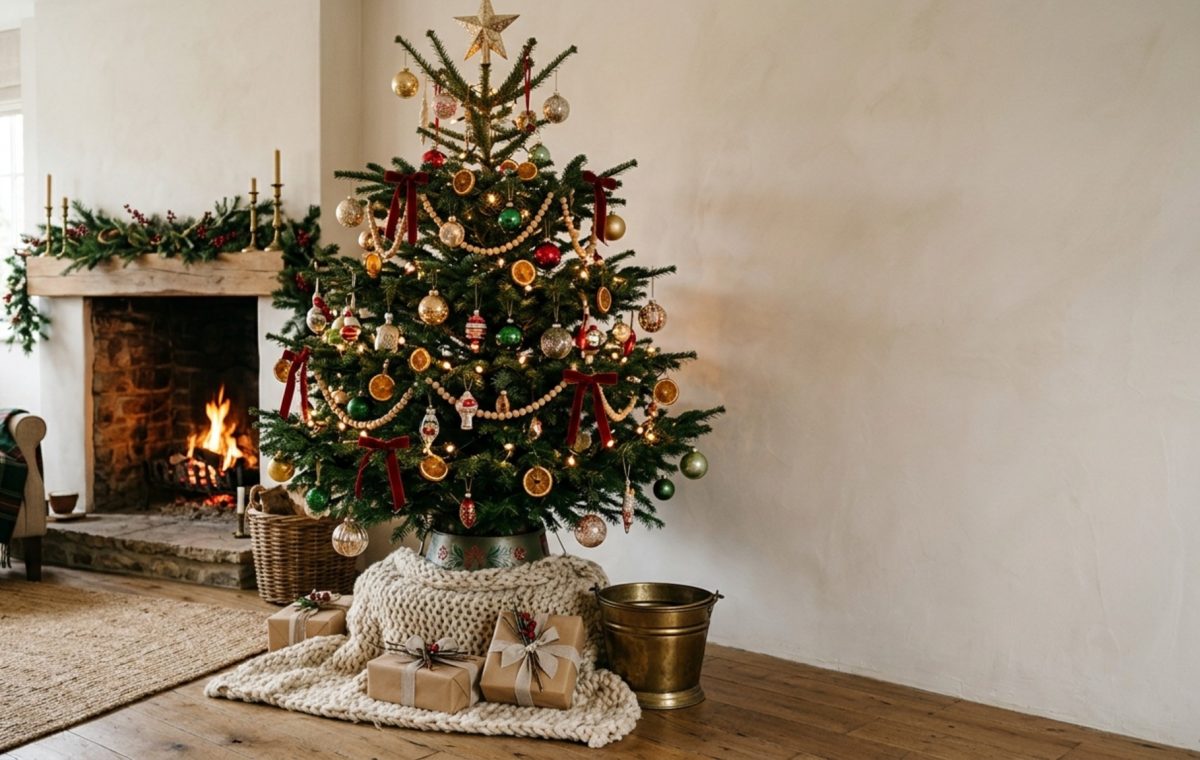
Gone are the days of the sprawling, dust-trapping fabric tree skirt. The rise of wicker tree collars has revolutionized the base of the holiday tree, offering a structural, clean-lined alternative that feels like an extension of the home’s furniture. A hand-woven willow or seagrass collar provides a tactile grounding that mimics the organic textures of a Scandifornian or Japandi interior. From a maintenance perspective, the collar hides the unsightly steel stand and tangled wires while providing a rigid perimeter that keeps gifts neatly organized rather than scattered.
Velvet Ribbon Layering: The Return of Tactile Elegance
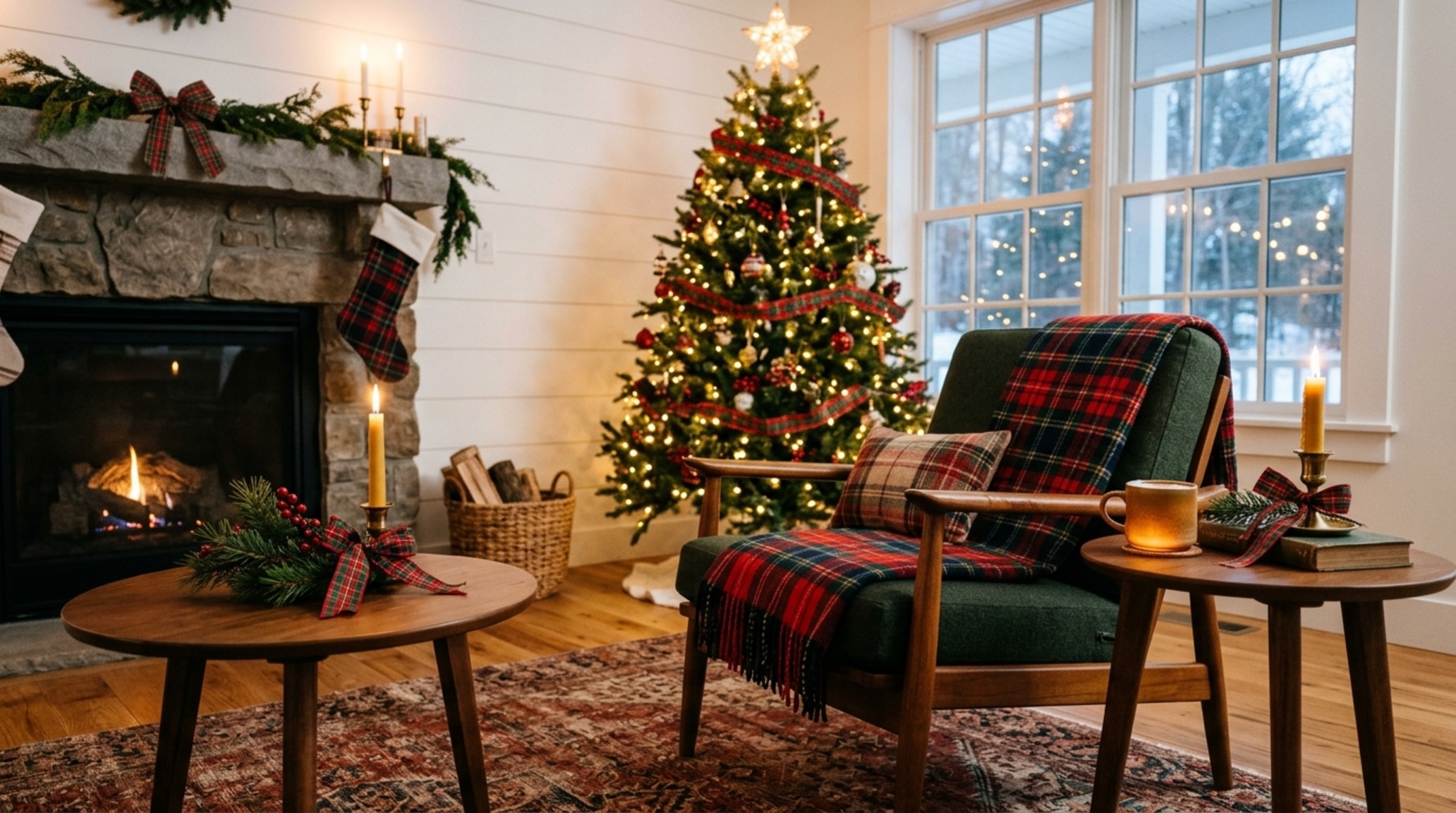
One of the most profound shifts in high-end holiday design is the move away from tinsel toward velvet ribbon layering. Using a heavy-gauge, double-sided silk velvet in tones like Farrow & Ball’s ‘Setting Plaster’ or a deep ‘Studio Green’ adds a couture-like finish to the evergreen branches. Rather than wrapping the tree horizontally—which can feel dated and restrictive—try ‘waterfall’ draping. Secure the ribbon near the top and let it cascade vertically in loose, organic loops. This technique emphasizes the height of the tree and creates a sense of rhythmic movement that feels far more intentional than traditional garland application.
When selecting your ribbon, look for a 2-inch width to provide enough visual presence. The matte finish of velvet absorbs light, creating a beautiful contrast against the reflective surfaces of your ornaments, grounding the sparkle with a much-needed softness.

Visual Narrative & Detail Studies: Lighting and Color
Lighting is the emotional heartbeat of the tree, yet it is where most designs falter. To achieve a professional, ‘glow-from-within’ effect, warm white led lighting is non-negotiable. However, the technical specifications matter: look for a color temperature of exactly 2700K. Anything higher (3000K+) begins to feel clinical and blue, while lower temps can look unnaturally orange. High CRI (Color Rendering Index) ratings of 90+ ensure that your ornaments’ colors are represented accurately, rather than being washed out by poor-quality diodes.
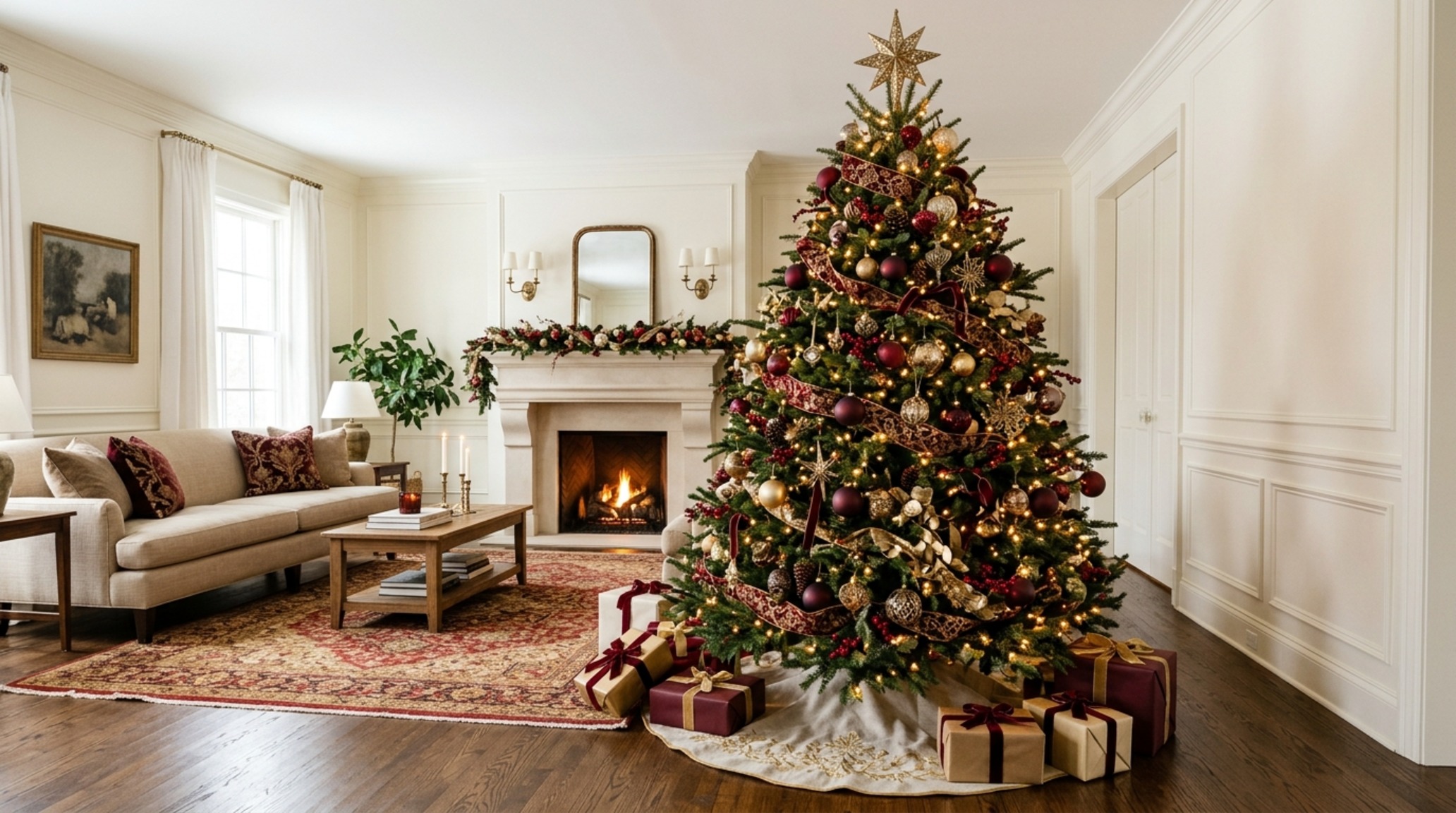
Red and Gold Tree Decor: A Study in Refined Warmth
While often dismissed as a cliché, red and gold tree decor can be elevated through the lens of materiality. Instead of bright, fire-engine reds and shiny yellows, pivot toward ‘Oxblood’ and ‘Antique Brass.’ Think of this as a tonal dialogue rather than a high-contrast clash. Using matte-finished burgundy baubles alongside brushed gold starbursts creates a palette that feels inherited rather than purchased. This approach aligns perfectly with the ‘Old Money’ or ‘Quiet Luxury’ trends dominating current architectural circles, where the focus is on patina and depth rather than flash.
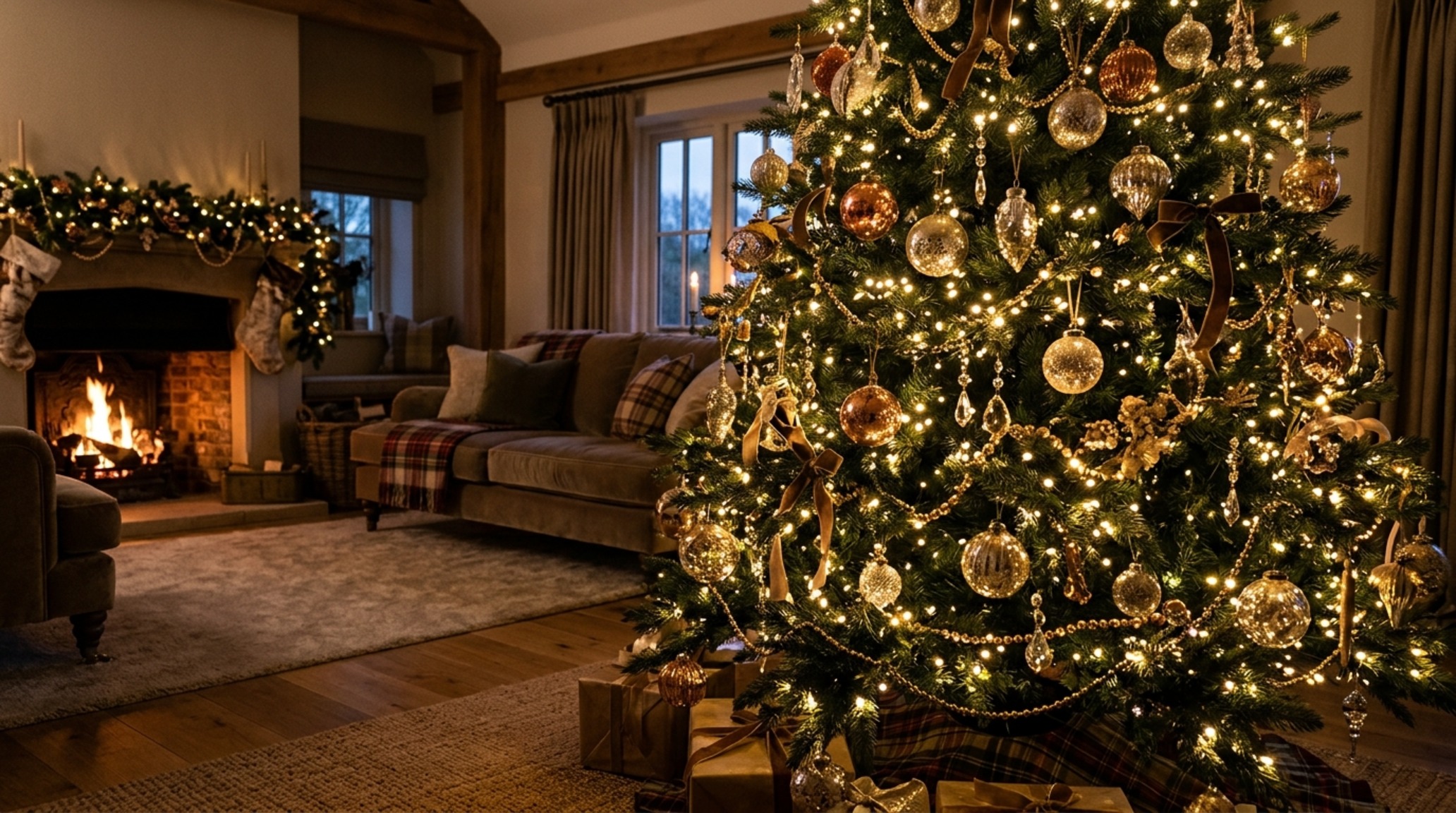
Heirloom Glass Baubles: Curating the Visual Anthology
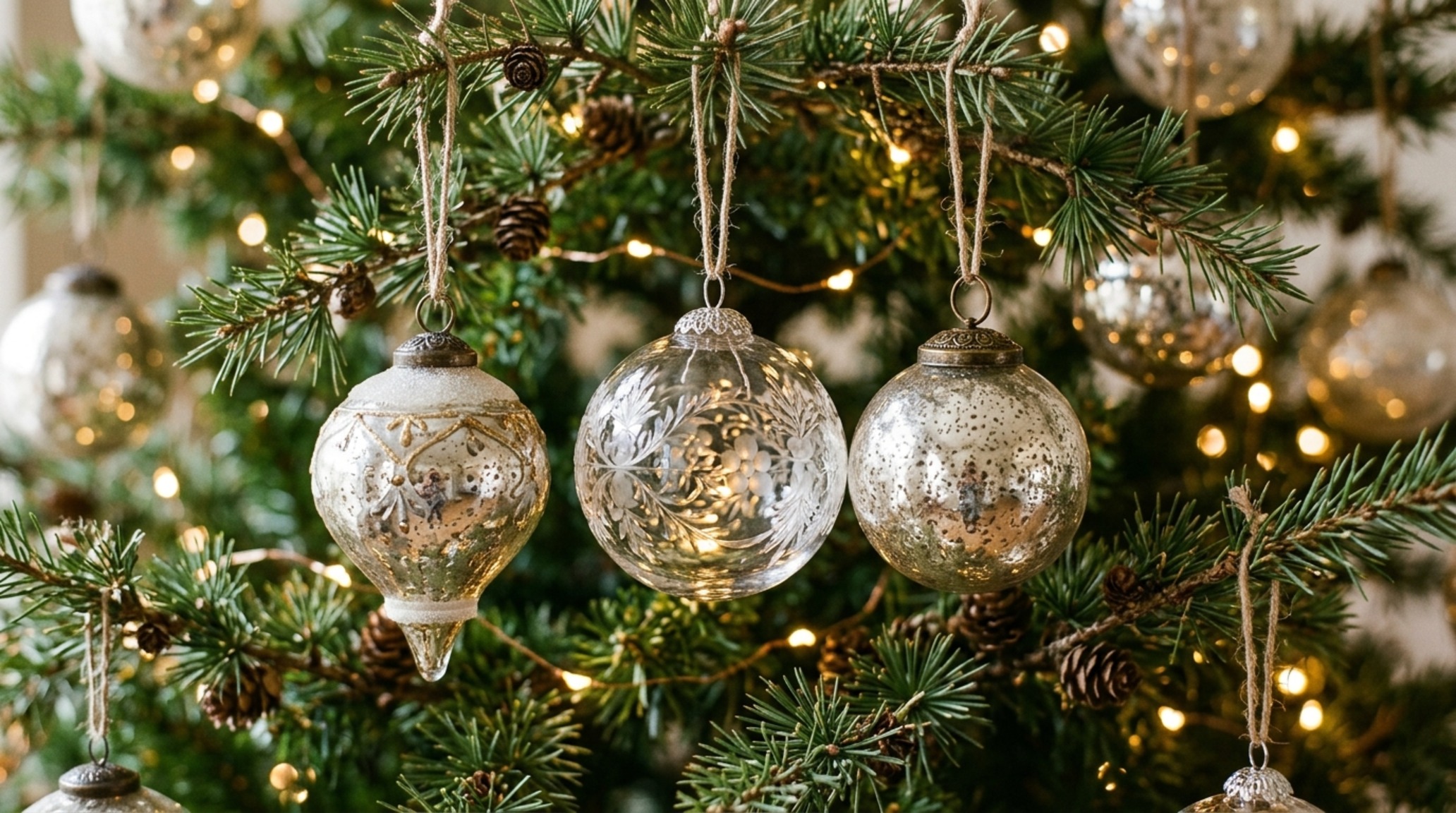
The most compelling trees tell a story through heirloom glass baubles. These aren’t just decorations; they are tactile memories. To keep the look cohesive, group these unique pieces by material rather than color. Mercury glass, etched crystal, and hand-blown flint glass offer varying levels of transparency and reflection. By mixing these textures, you create a visual landscape that rewards close-up inspection while maintaining a unified silhouette from a distance. In a modern home, these vintage elements provide the necessary ‘soul’ that prevents a space from feeling like a cold showroom.
Tartan Holiday Accents: Weaving in Heritage Patterns
To bridge the gap between the tree and the rest of the room, tartan holiday accents serve as the perfect connective tissue. A Black Watch or Stewart Highland plaid throw draped over a nearby armchair or a few structured cushions on the sofa can echo the classicism of the tree without feeling like a costume. The key is scale—choose a larger, oversized weave for a modern look, or a tight, traditional sett for a more formal architectural setting. This pattern-play adds a layer of ‘British Country House’ charm that softens the hard angles of contemporary furniture.
The 15 Classic Christmas Tree Ideas for the Modern Home
- The Monochromatic Evergreen: Use varying shades of green ornaments to create a lush, textured look that blends into the tree.
- The Mixed Metallic Cascade: Combine copper, silver, and gold for a warm, sophisticated glow.
- The Dried Botanical Tree: Incorporate eucalyptus, dried orange slices, and pampas grass for a nature-inspired, organic vibe.
- The Velvet Bow Minimalist: Ditch the ornaments entirely and use only 30-40 oversized velvet bows in a single jewel tone.
- The Mercury Glass Collector: A tree adorned exclusively in antique mercury glass for a shimmering, vintage-luxe feel.
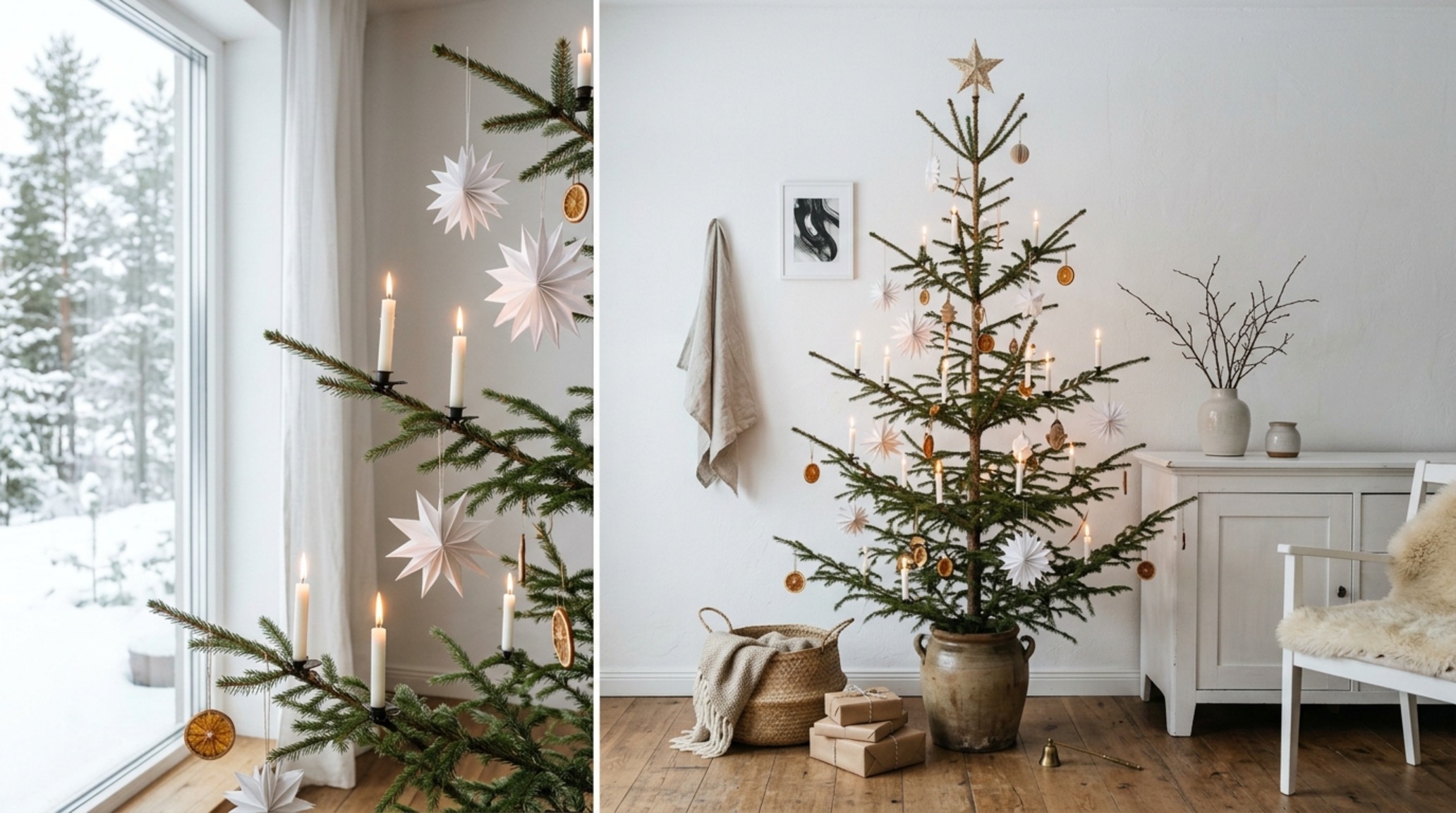
- The Alpine Sparse: A tree with significant ‘breathing room’ between branches, highlighting a few high-quality ornaments.
- The Tonal Neutral: Creams, beiges, and sands for a tree that complements a Benjamin Moore Swiss Coffee palette.
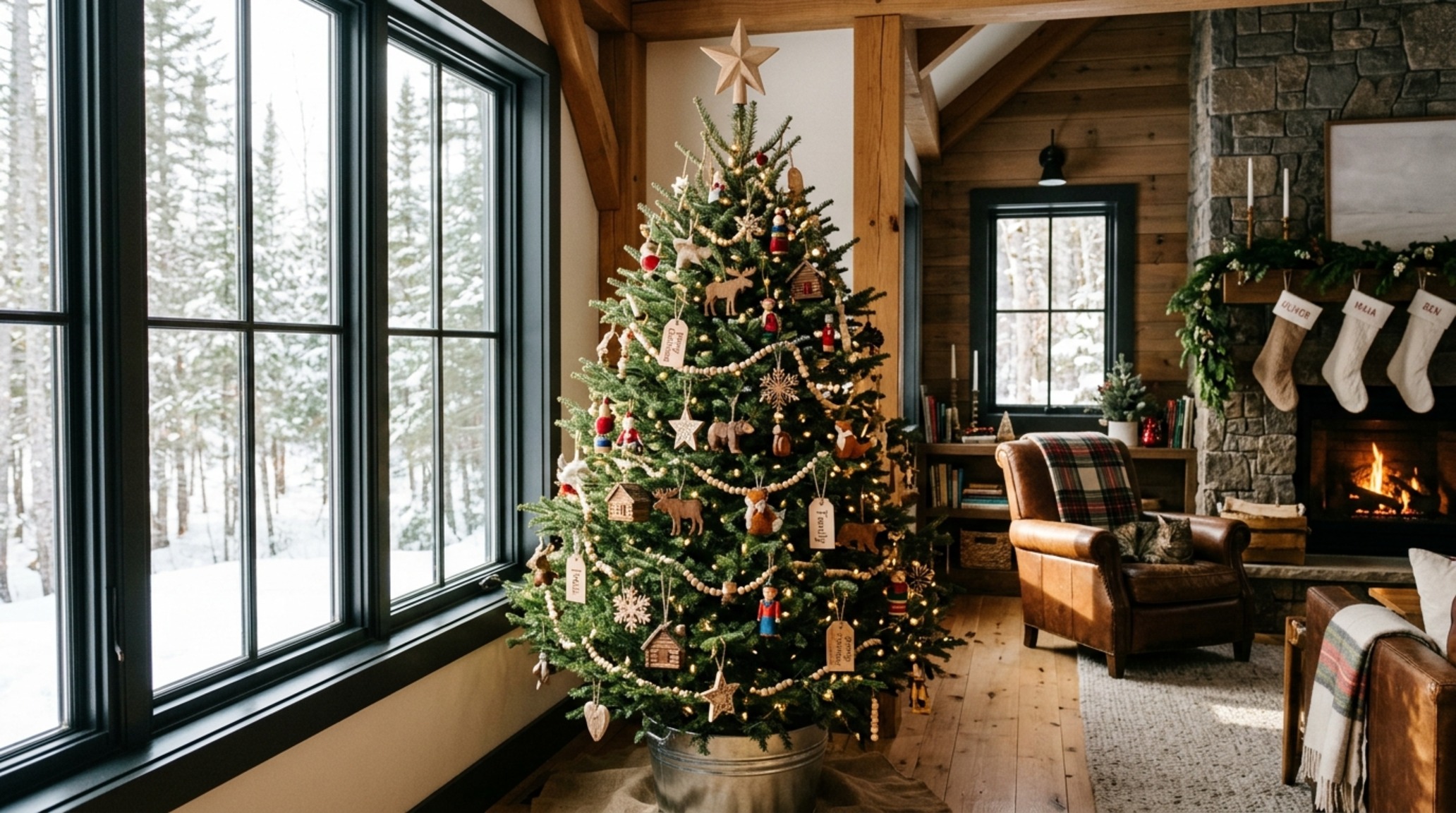
- The Frosted Woodland: Lightly flocked branches paired with wooden ornaments and pinecones.
- The High-Contrast Noir: Black matte ornaments mixed with bright gold for a dramatic, architectural statement.
- The Vertical Ribbon Waterfall: Focus on long, floor-length silk ribbons instead of traditional garland.
- The Candle-Lit Glow: Using clip-on LED candles to mimic the look of a 19th-century European Christmas.
- The Geometric Brass: Incorporate Himmeli-inspired brass shapes for a mid-century modern twist.
- The Heirloom Silver: Polished silver baubles and tinsel used sparingly to create a ‘cool’ classic look.
- The Deep Crimson Study: Every ornament in a different shade of deep red, from garnet to mahogany.
- The Wicker-Grounded Fir: A focus on the natural texture of the base, using a massive oversized willow collar.
Architectural Schedule & Palette Breakdown
Comprehensive material guide featuring exact paint swatches, authentic finishes, and spatial clearances.
Designing for the holidays is ultimately an exercise in spatial storytelling. When we lean into classic christmas tree ideas with a modern sensibility, we aren’t just decorating a corner; we are honoring the architectural integrity of our homes while inviting the warmth of history to stay for a while. The most successful festive interiors are those where the tree feels less like a temporary guest and more like the missing piece of a year-round design puzzle, glowing with the quiet confidence of a well-lived-in space.
Editorial Silo • Recommended Architecture Studies
- Exterior modern homes sculptural layout rules — Archival Design Case Study
- How do you become an interior designer in the modern market — Archival Design Case Study
Contemporary Living Lookbook
Visual exploration of sightlines, tactile surfaces, and ambient illumination crafted for timeless spaces.

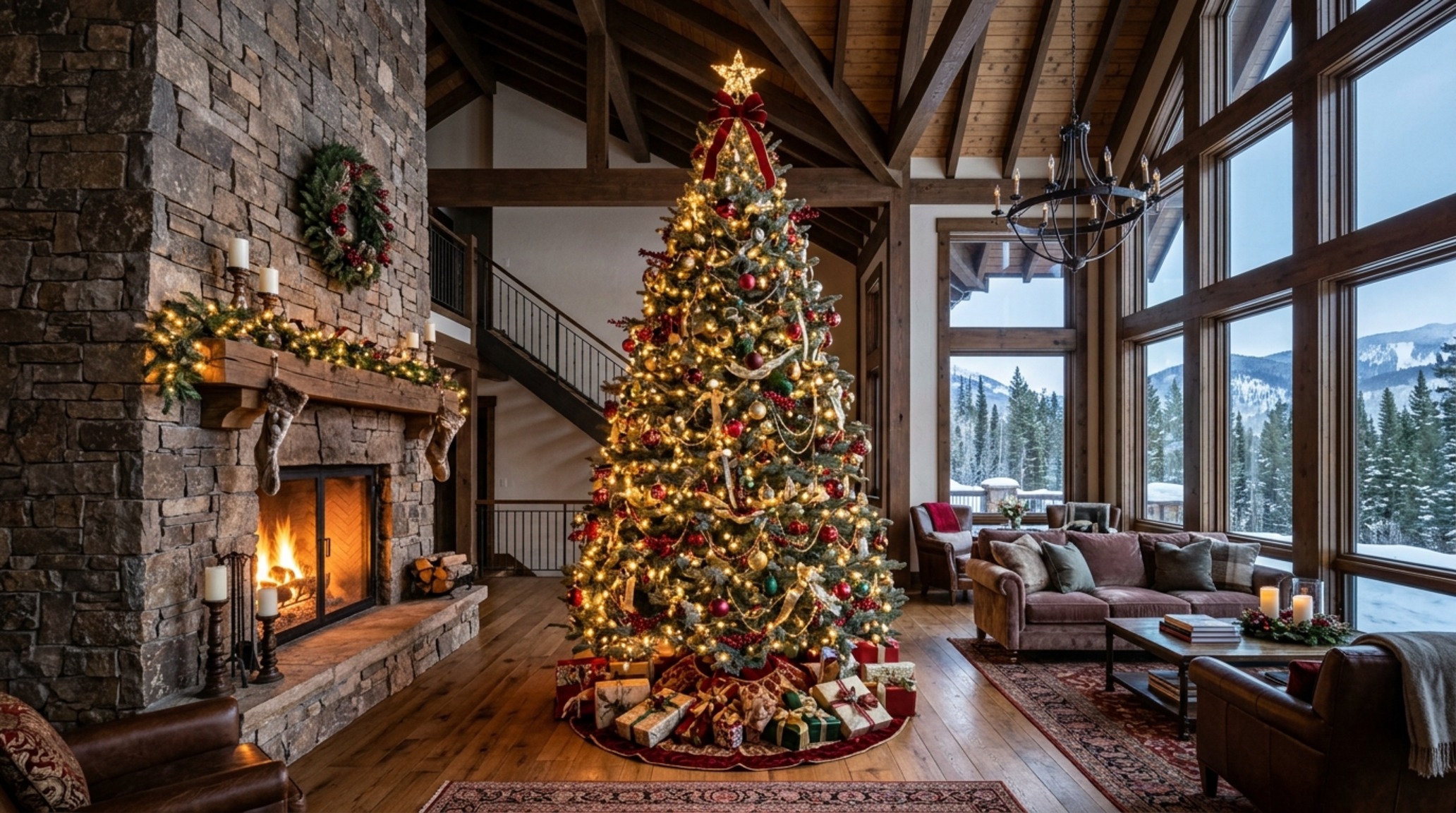
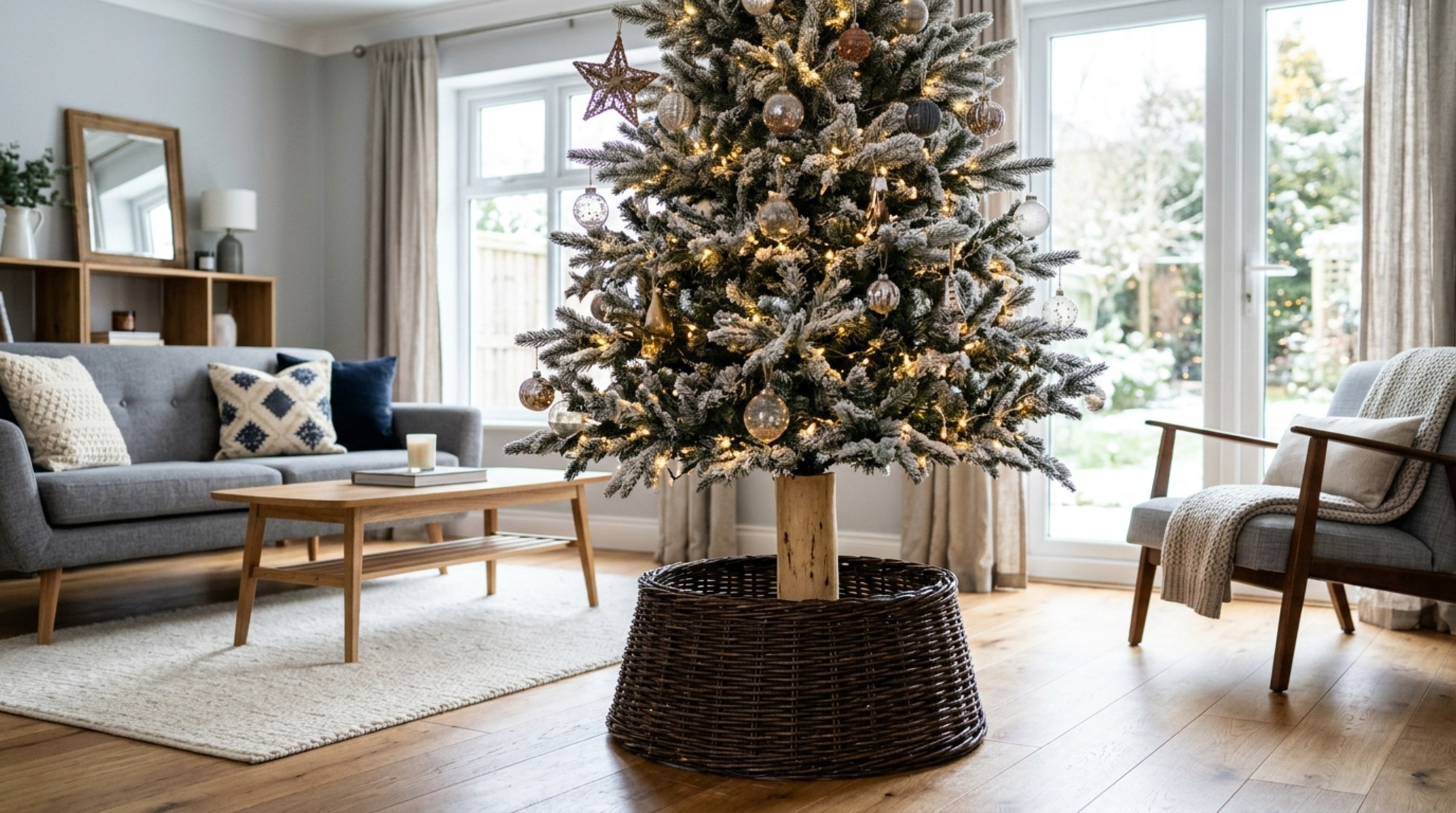

Curated Visual Lookbook
Design Gallery & Spatial Studies
A visual curation of architectural arrangements, lighting concepts, and material palettes featured in this space.