In an age defined by the relentless buzz of digital notifications and the overwhelming pressure of consumerism, our homes have transitioned from mere shelters to vital sanctuaries for the psyche. While many perceive modern minimalist interior design as a cold, clinical aesthetic reserved for high-end galleries, its true value lies far deeper than surface-level beauty. It is a psychological intervention. By intentionally stripping away the non-essential, we are not just cleaning a room; we are decluttering the mind. The philosophy of ‘less is more’ serves as a direct antidote to the sensory overload of contemporary life, fostering a sense of clarity, focus, and profound emotional relief.
The Neurobiology of Clutter and Cortisol
Science suggests that our brains are hardwired to prefer order. Studies in environmental psychology have consistently shown that cluttered environments lead to elevated levels of cortisol, the body’s primary stress hormone. When we are surrounded by unfinished tasks, piles of objects, and visual noise, our brains are forced to process a constant stream of stimuli that compete for our attention. This ‘visual weight’ creates a low-grade, persistent state of fight-or-flight.
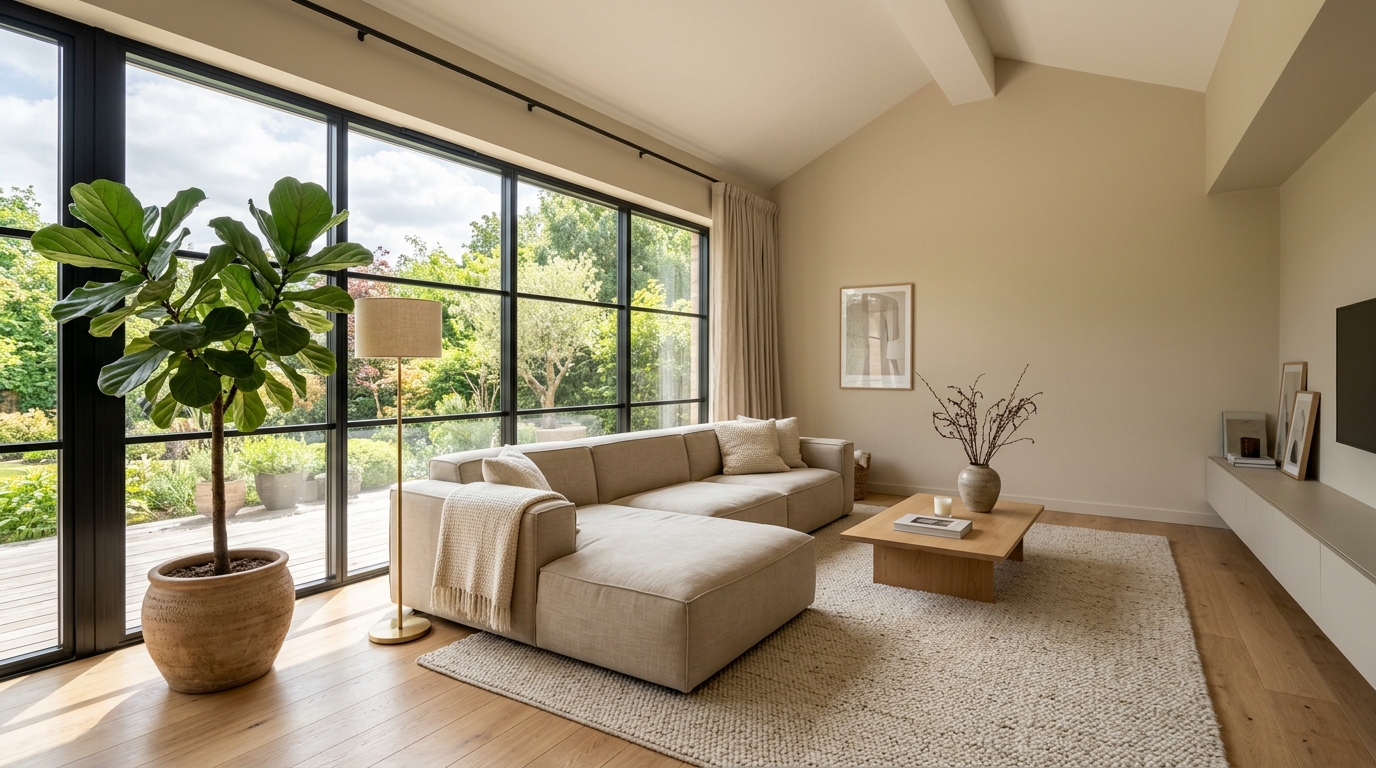
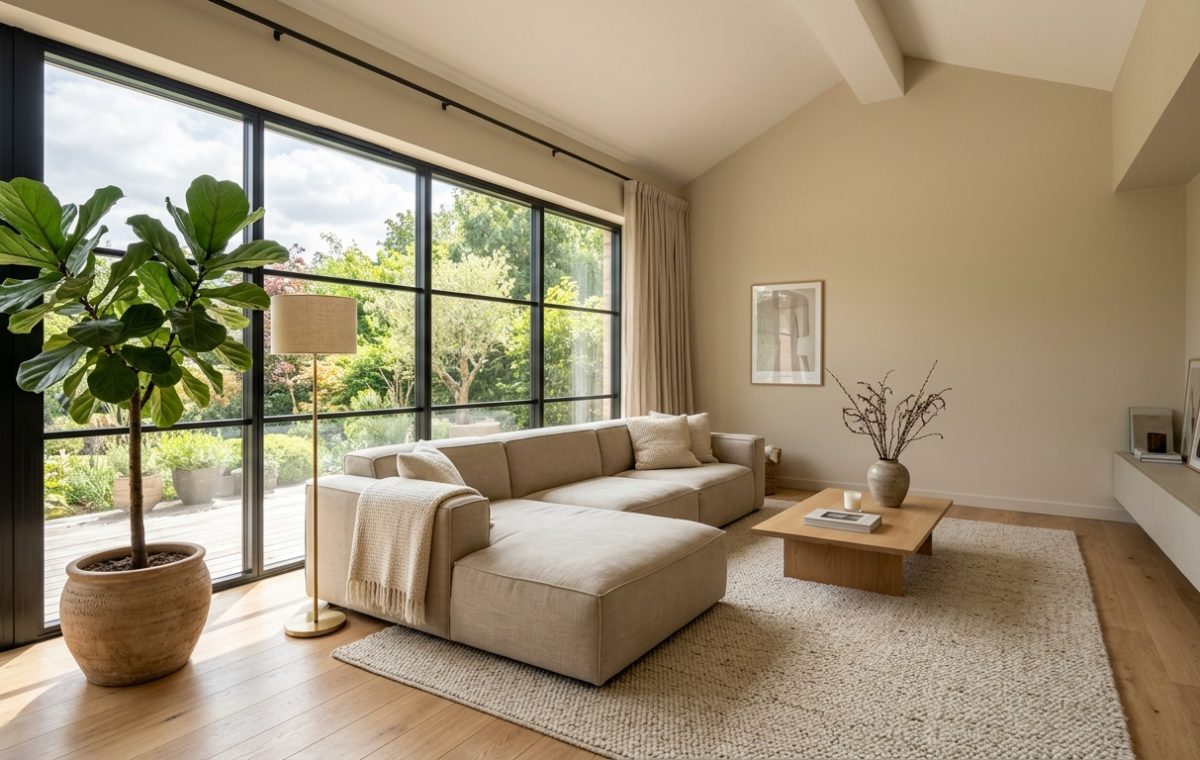
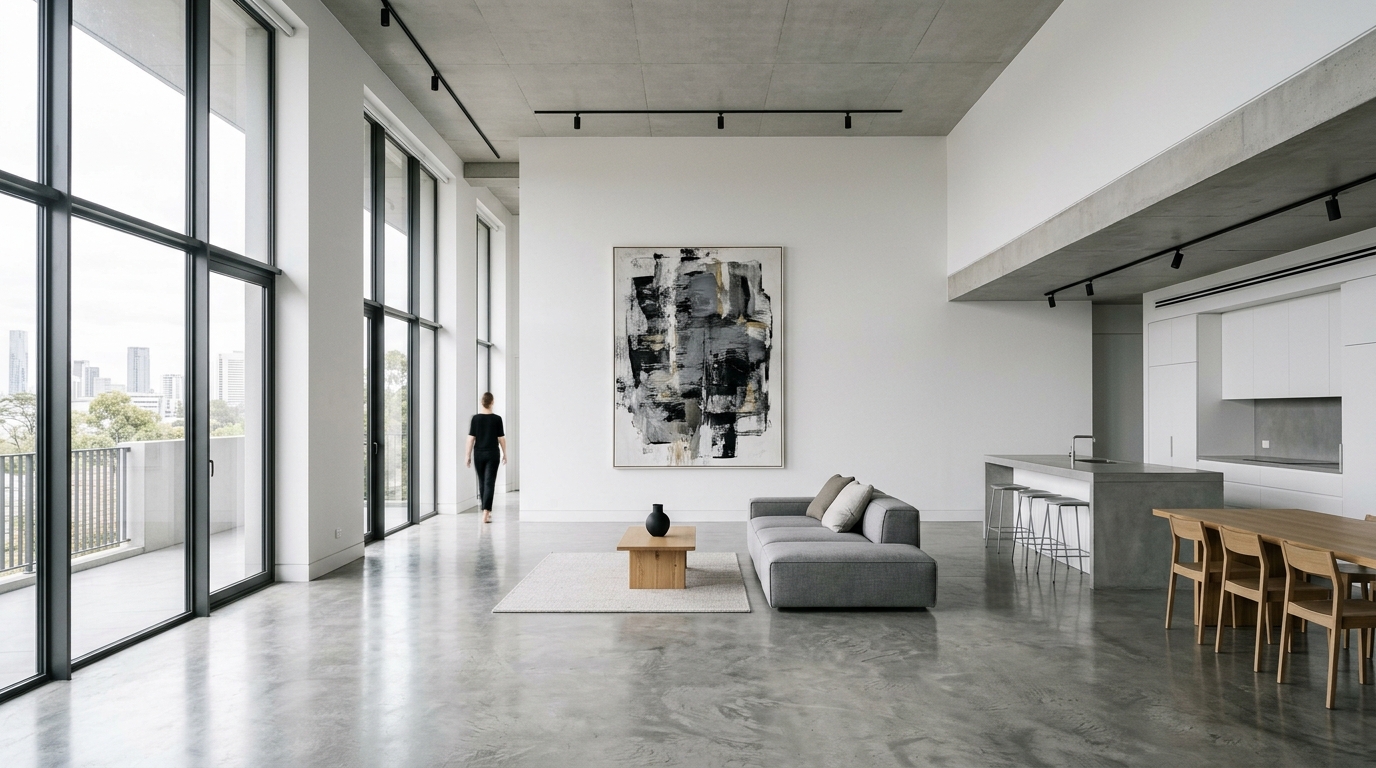
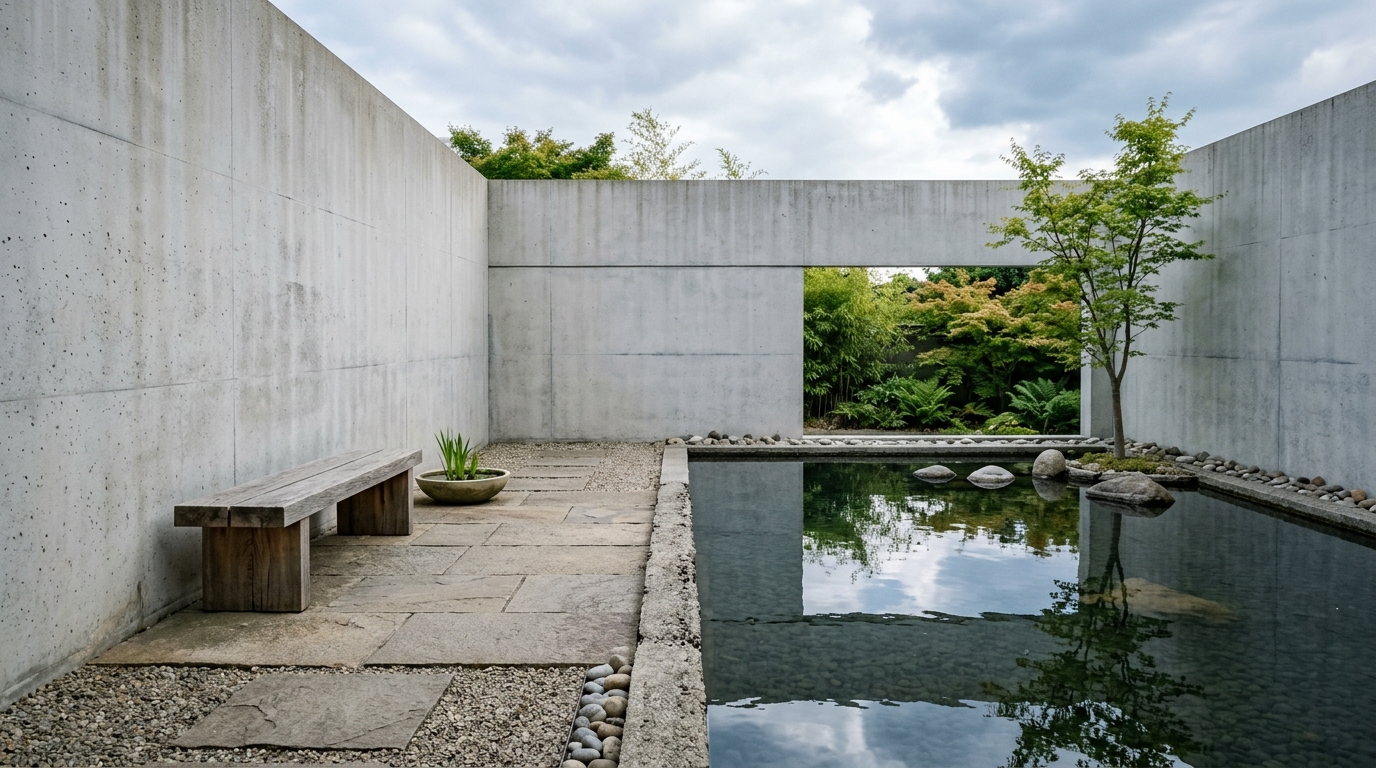
In contrast, modern minimalist interior design utilizes negative space as a functional element rather than an empty void. This absence of clutter allows the visual cortex to rest. When the eye can glide across a room without snagging on a pile of mail or an overcrowded bookshelf, the nervous system begins to downregulate. This transition from a high-stimulus environment to a curated one is the first step in reclaiming mental energy that was previously wasted on subconscious navigation of mess.
Attention Restoration Theory in the Modern Home
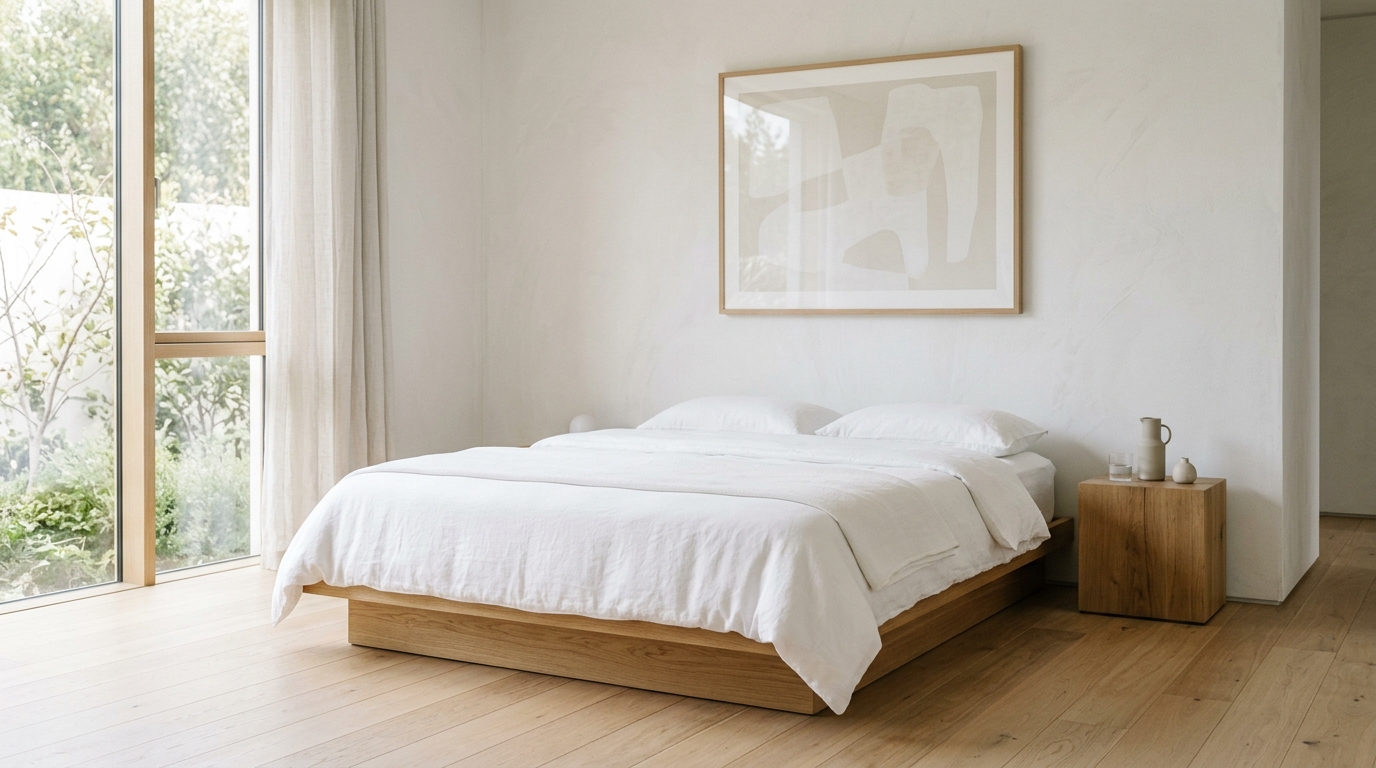
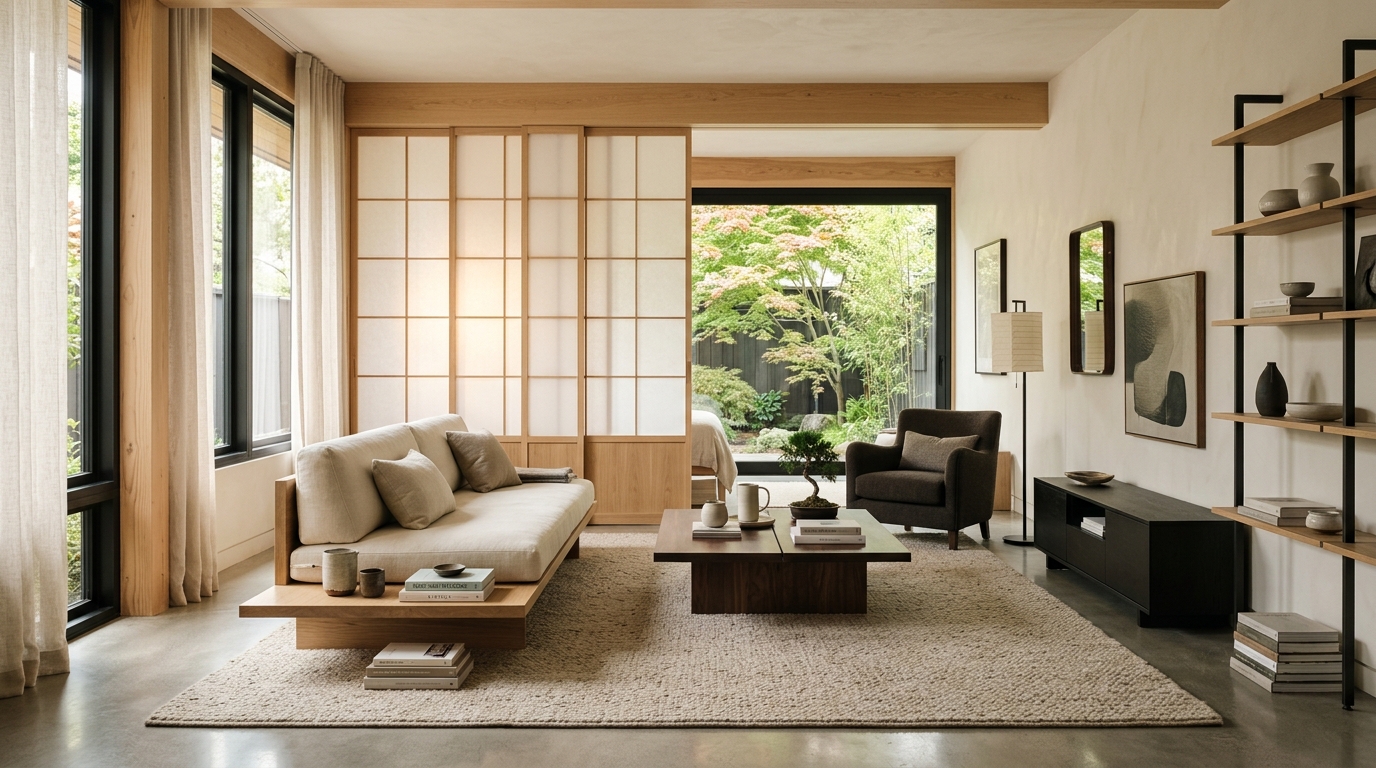
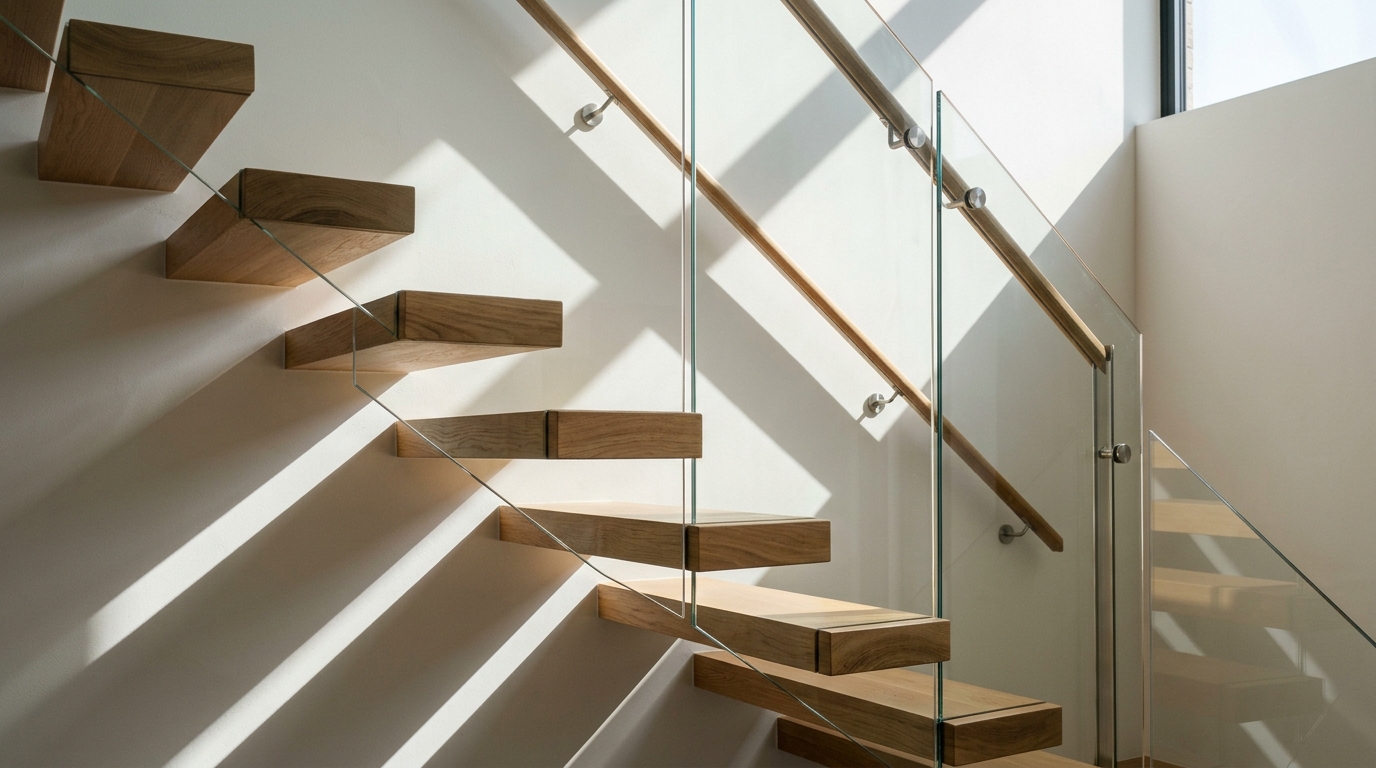
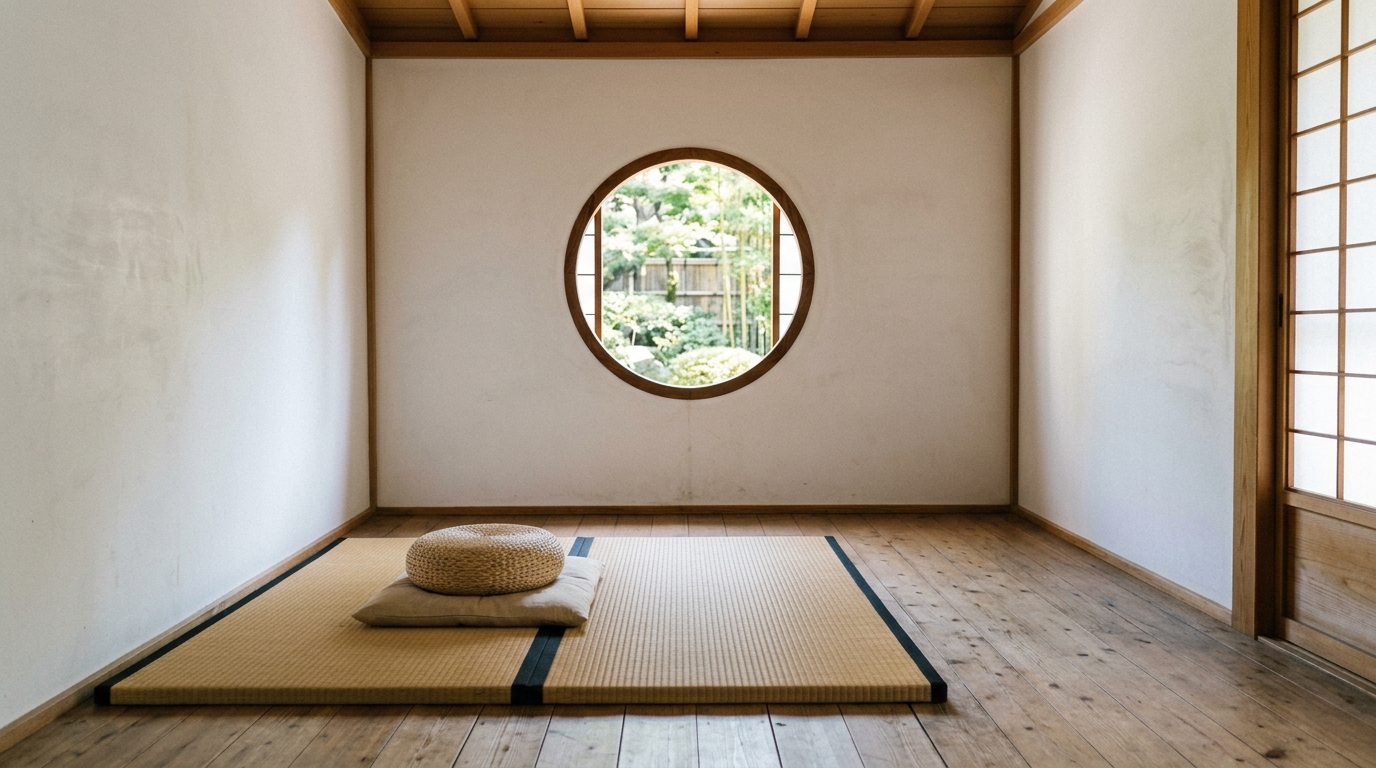
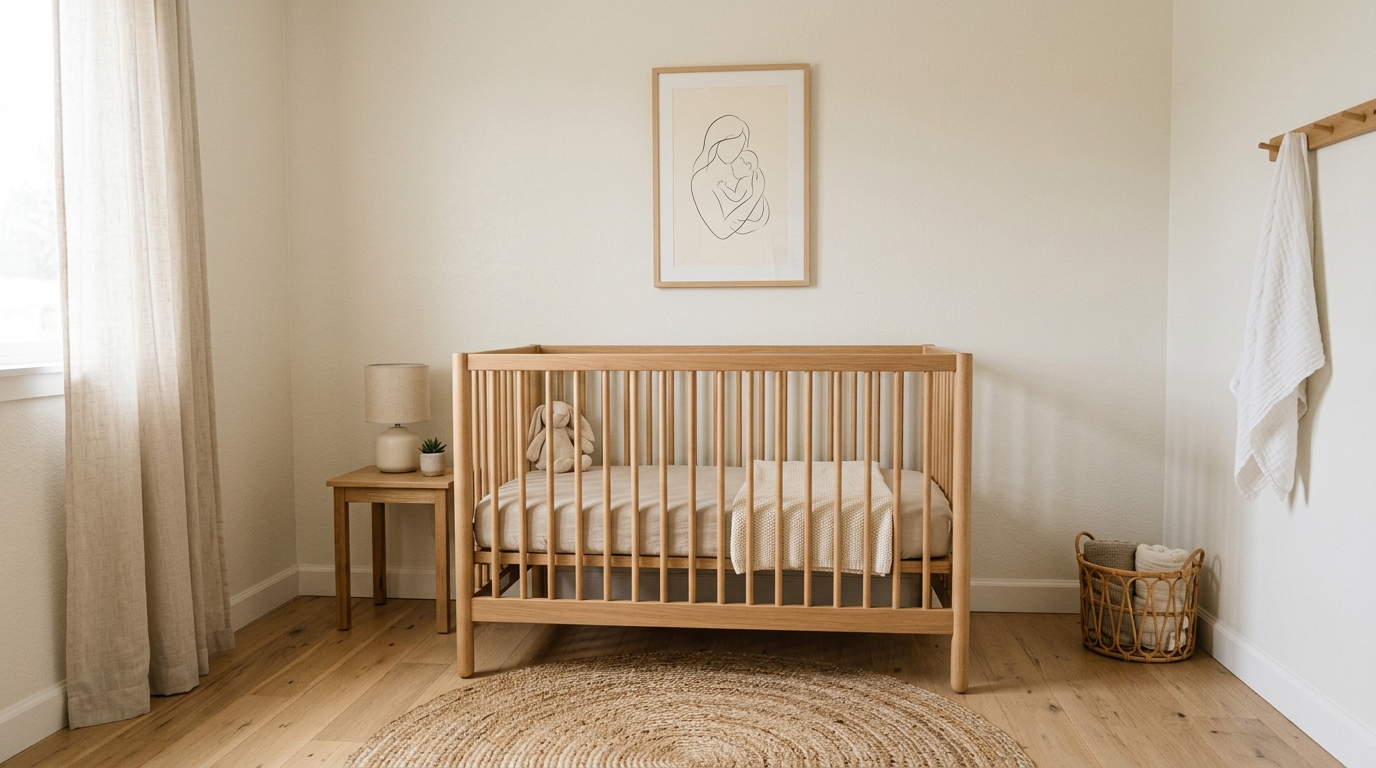
Developed by Rachel and Stephen Kaplan, Attention Restoration Theory (ART) posits that environments with high levels of ‘soft fascination’—such as natural light, simple geometric forms, and organic materials—help to restore our capacity for directed attention. Modern minimalism is the architectural embodiment of this theory. By focusing on high-quality materials like warm wood, smooth stone, and soft linen, minimalist design invites a gentle type of focus that doesn’t drain our cognitive reserves.
The Role of Light and Air
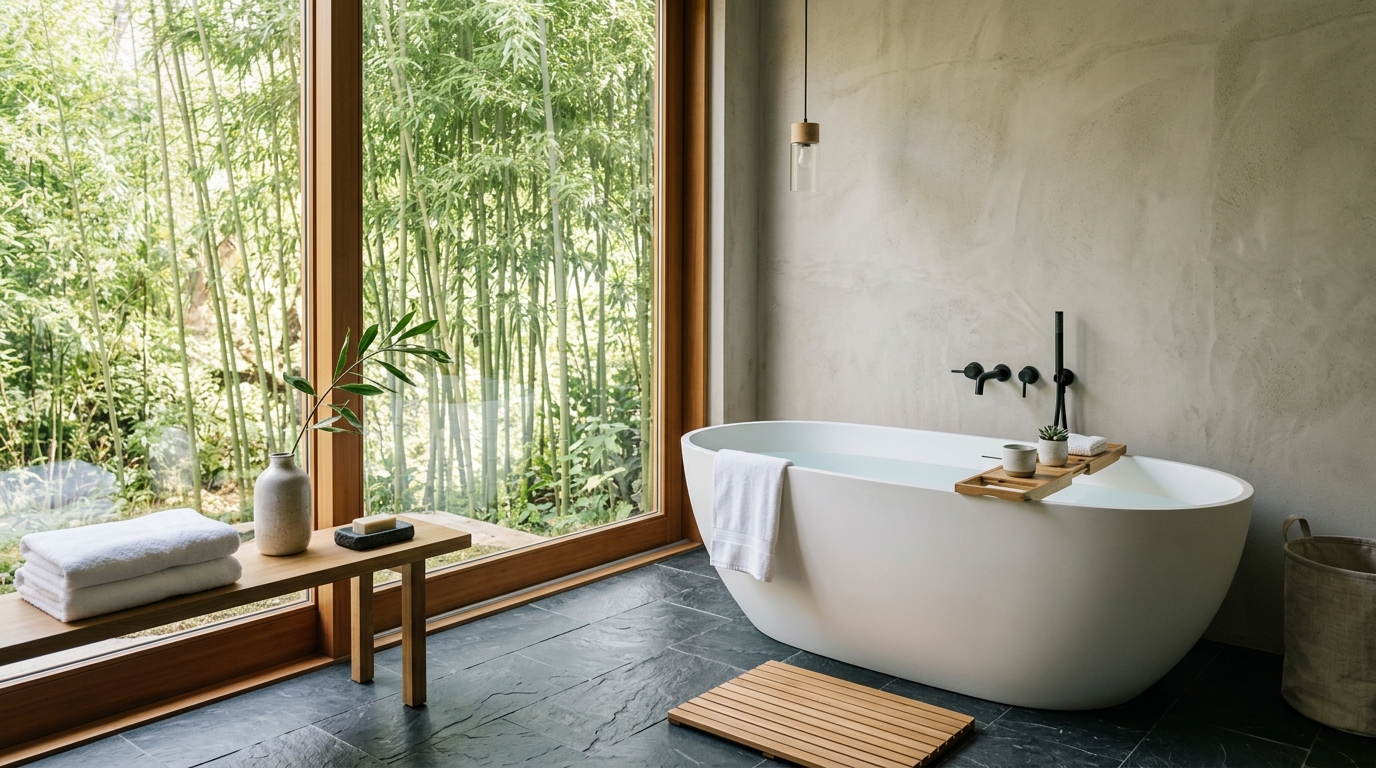
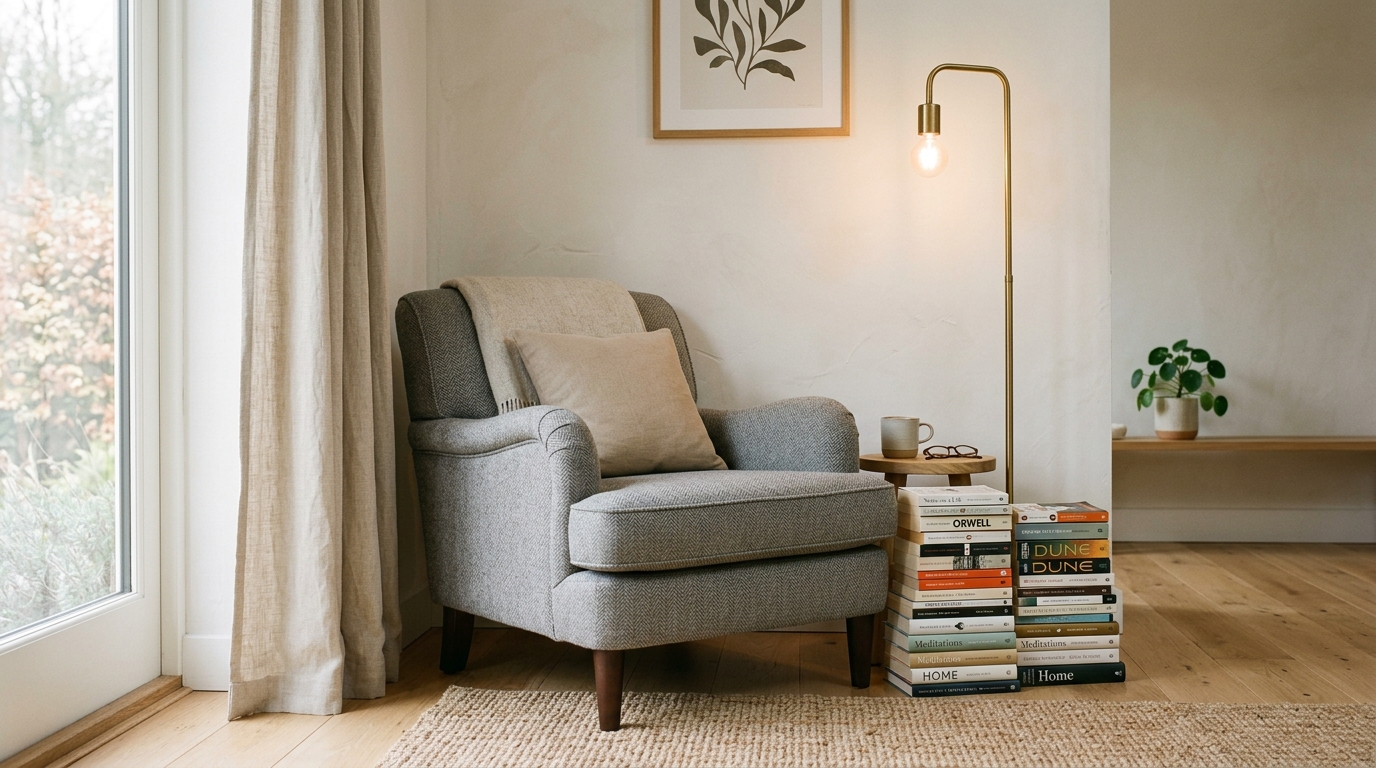
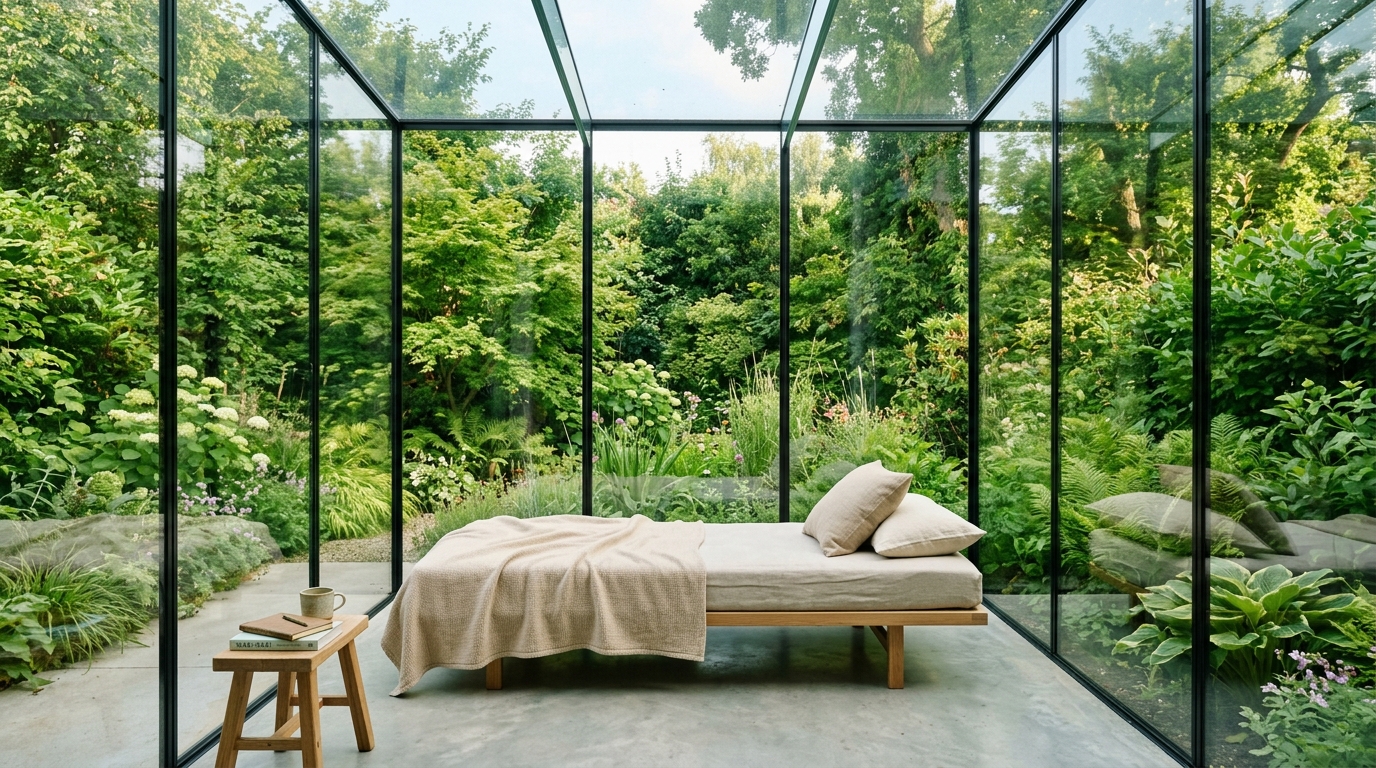
Minimalism is inherently tied to the optimization of natural light. Large windows, sheer curtains, and reflective surfaces are staples of the style. Light is a powerful mood regulator, influencing our circadian rhythms and the production of serotonin. In a minimalist setting, light becomes a primary ‘material.’ It shifts the atmosphere of the room throughout the day, providing a dynamic yet grounding connection to the natural passage of time, which is essential for grounding a stressed mind.
The Narrow Hallway Metaphor: Transitioning from Constraint to Flow
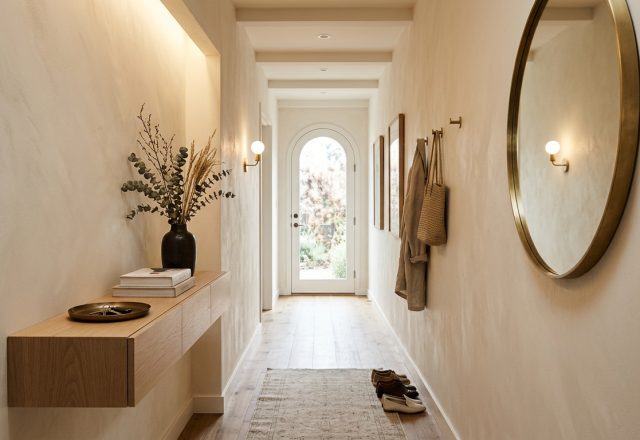
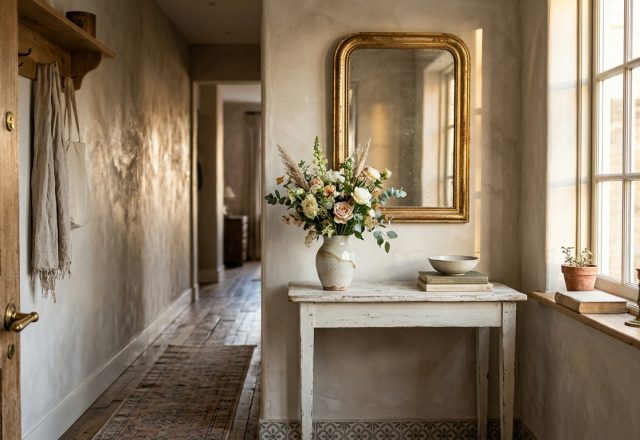
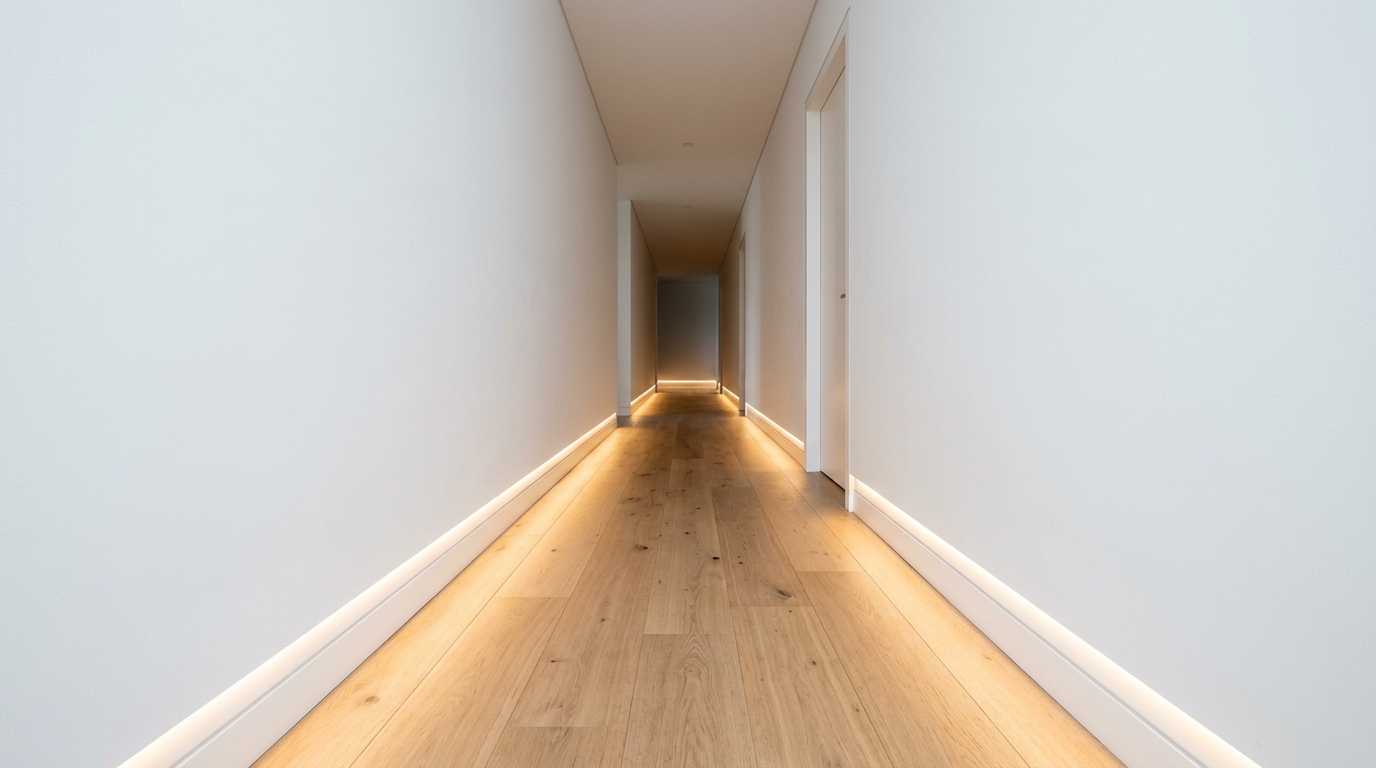
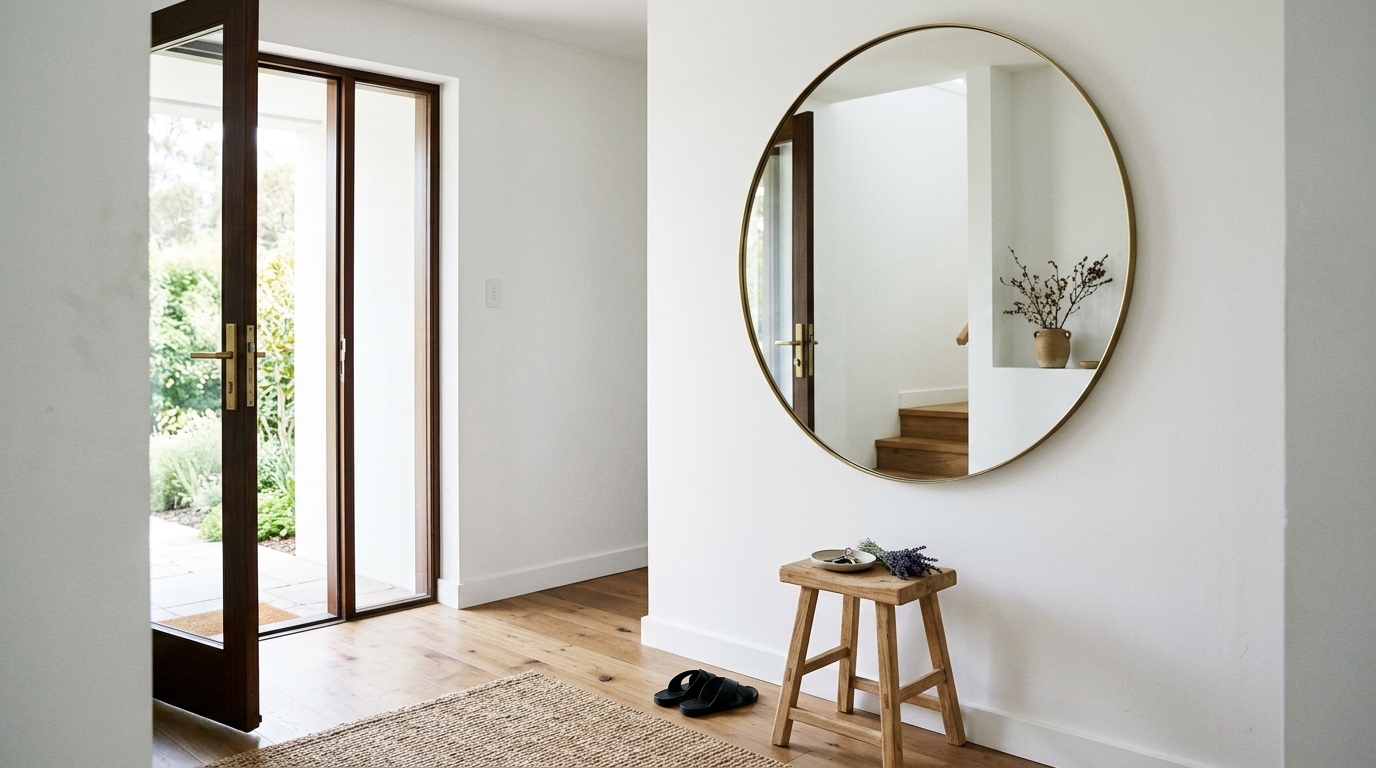
Consider the traditional approach to decorating a narrow hallway. Often, we try to fill these transitional spaces with small mirrors, narrow consoles, and various trinkets to make them feel ‘cozier.’ However, as explored in many interior guides, this can often lead to a feeling of claustrophobia. A modern minimalist approach to a narrow hallway involves prioritizing the line of sight. By keeping walls clear and floors unobstructed, a narrow space is transformed from a physical bottleneck into a psychological breathing room. This shift in perspective—viewing a hallway not as a place to store things, but as a path to clarity—is the essence of minimalist living.
Intentionality and the End of Decision Fatigue
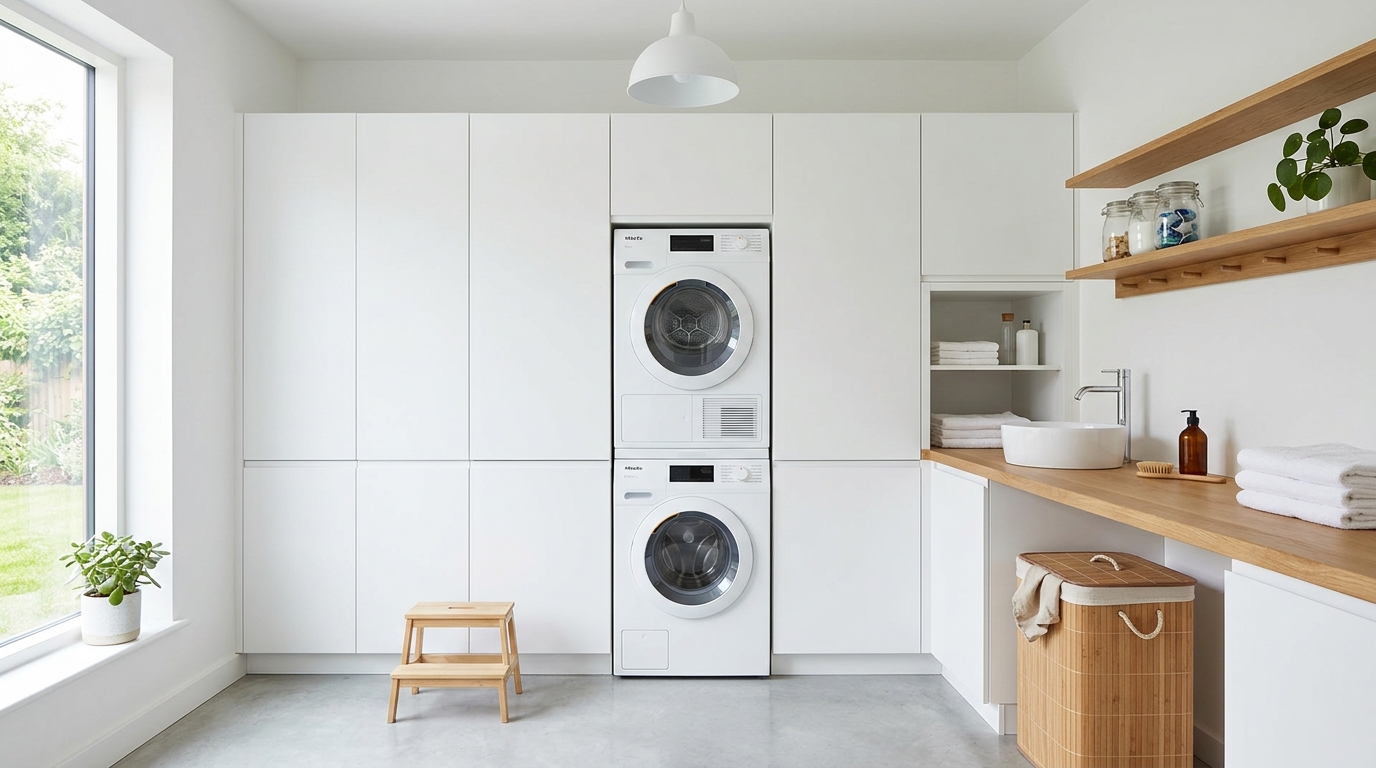
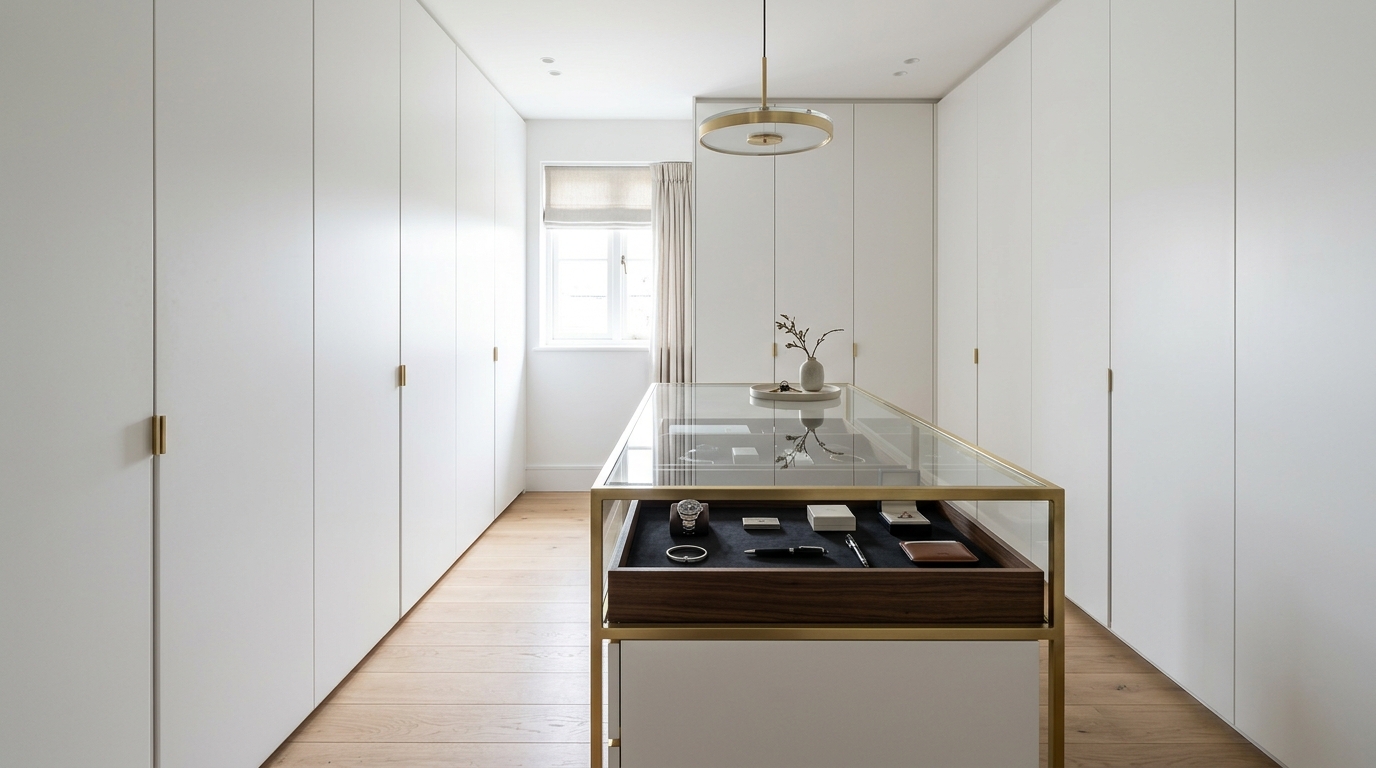
Every object in our home demands a decision: Where does it go? Does it need cleaning? When will I use it? This cumulative burden is known as decision fatigue. Modern minimalist interior design solves this by championing intentionality. Every piece of furniture, every lamp, and every work of art is chosen with purpose. When your environment is curated with intent, you remove the micro-decisions that plague a cluttered life. This freedom allows for deeper focus on the things that truly matter—relationships, creativity, and self-reflection.
Curating the Sensory Experience
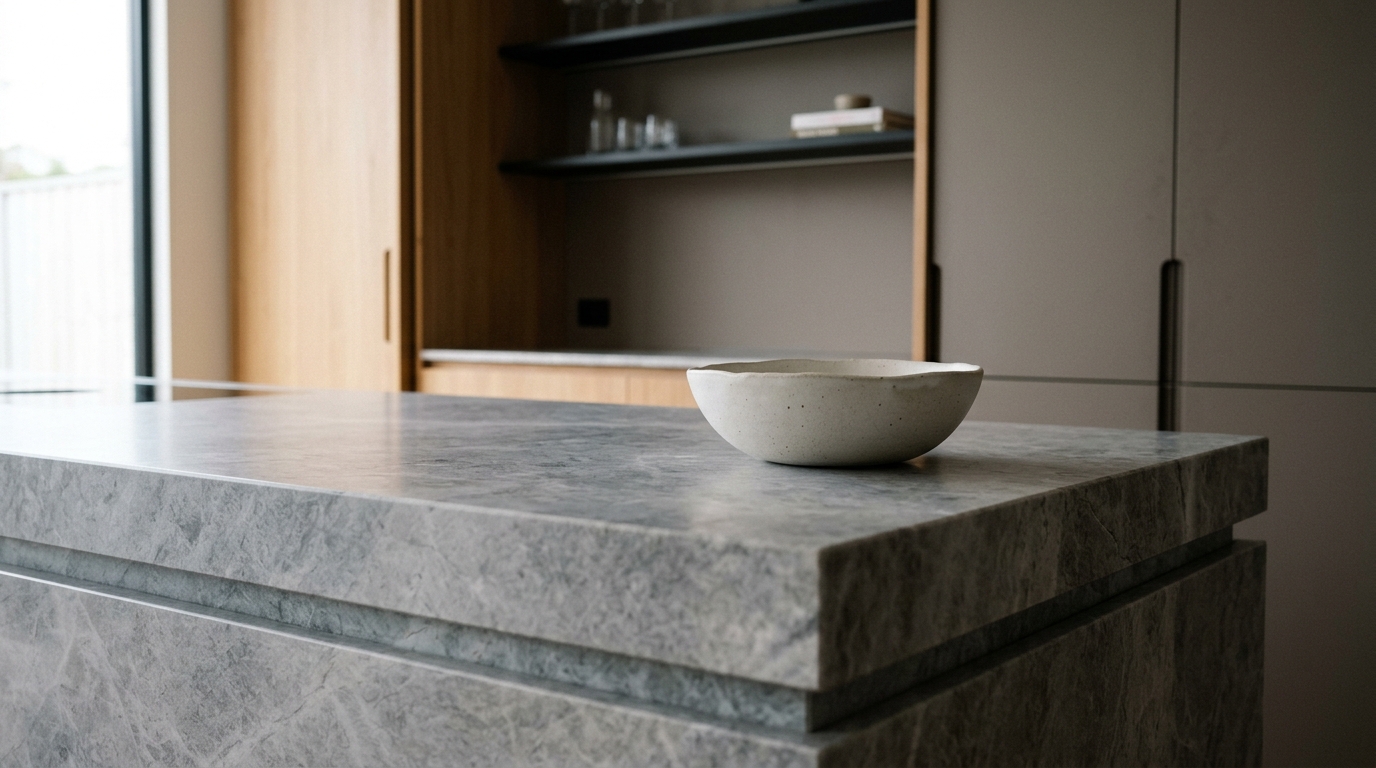
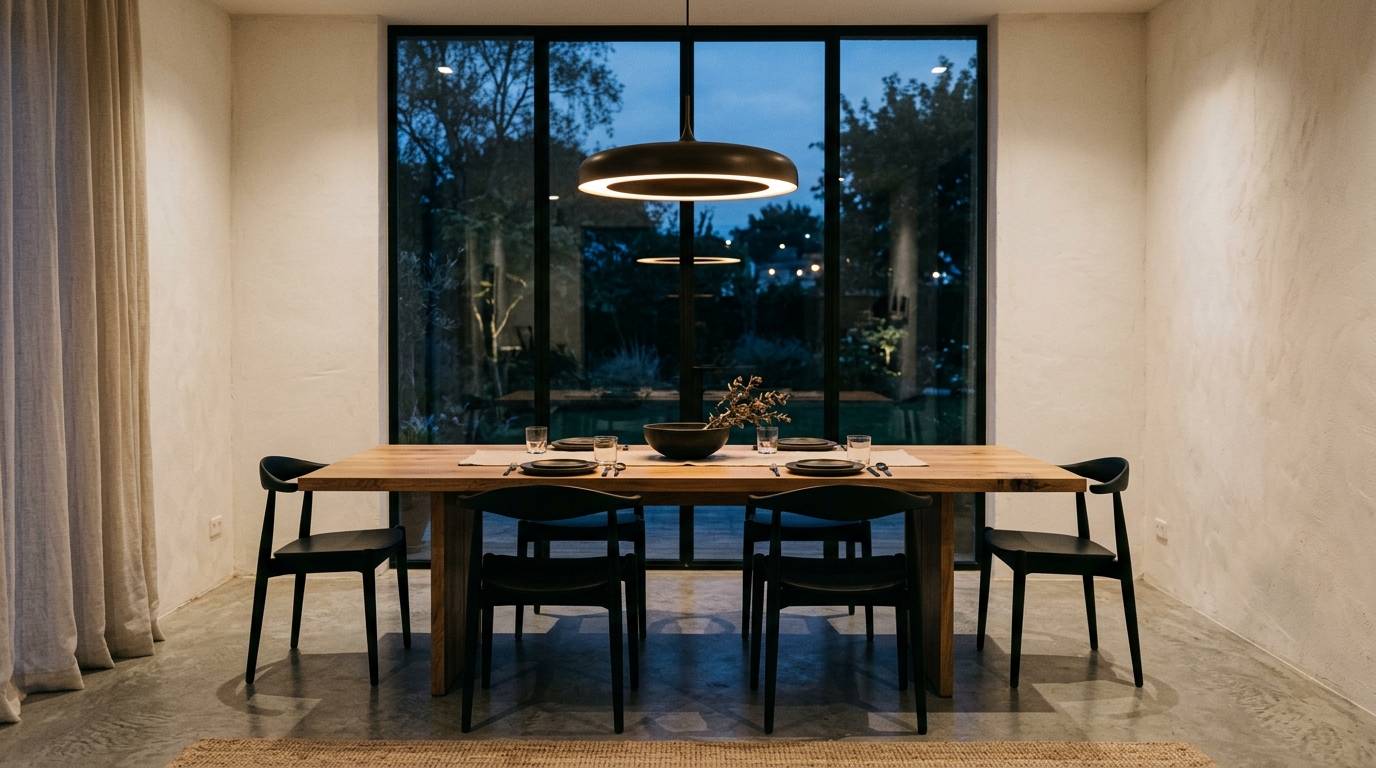
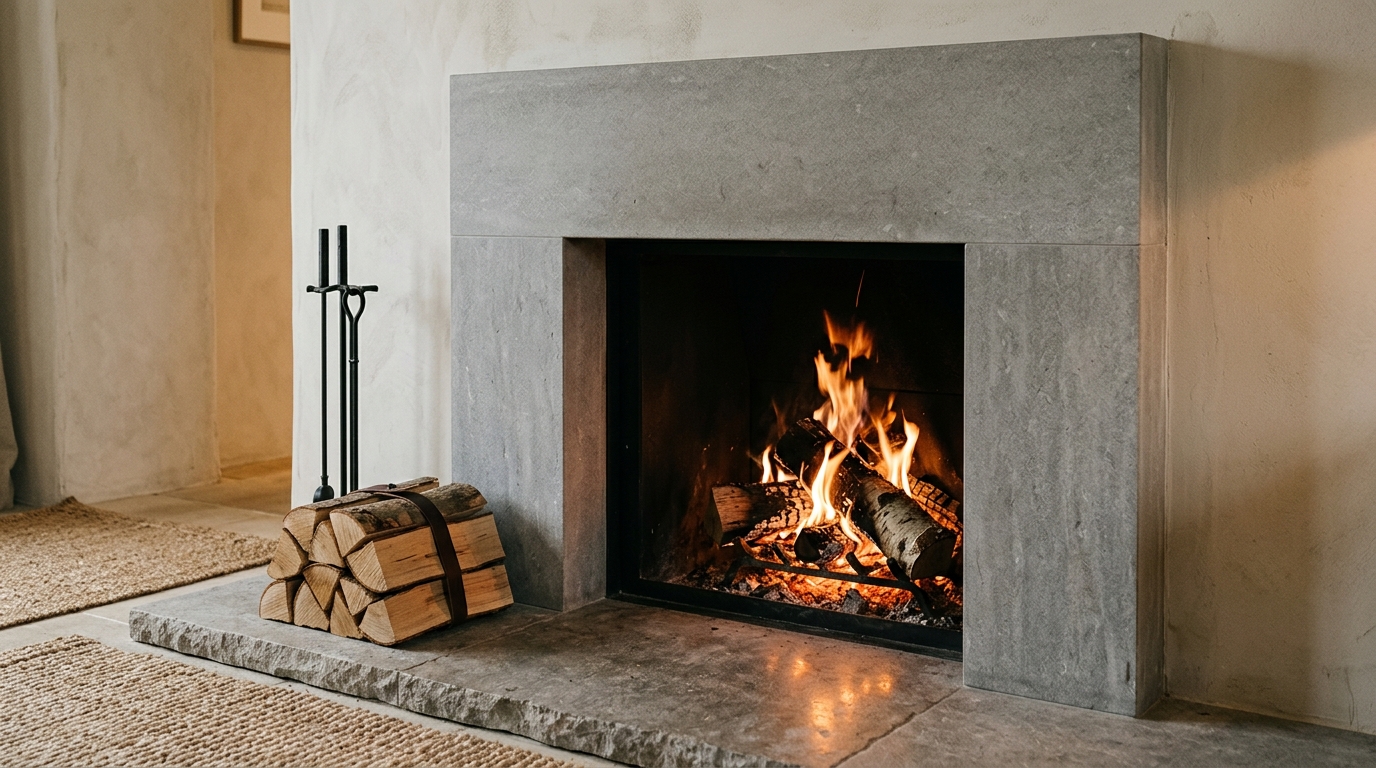
Minimalism is often criticized for being ‘sterile,’ but a well-executed minimalist space is incredibly tactile. Because there are fewer objects, the quality of each object becomes paramount. The psychological impact of touching a solid white oak dining table or walking barefoot on a cool concrete floor provides a grounding, haptic experience. These sensory touchpoints pull us out of our racing thoughts and back into our physical bodies, a key component of mindfulness-based stress reduction.
The Color Palette of Calm
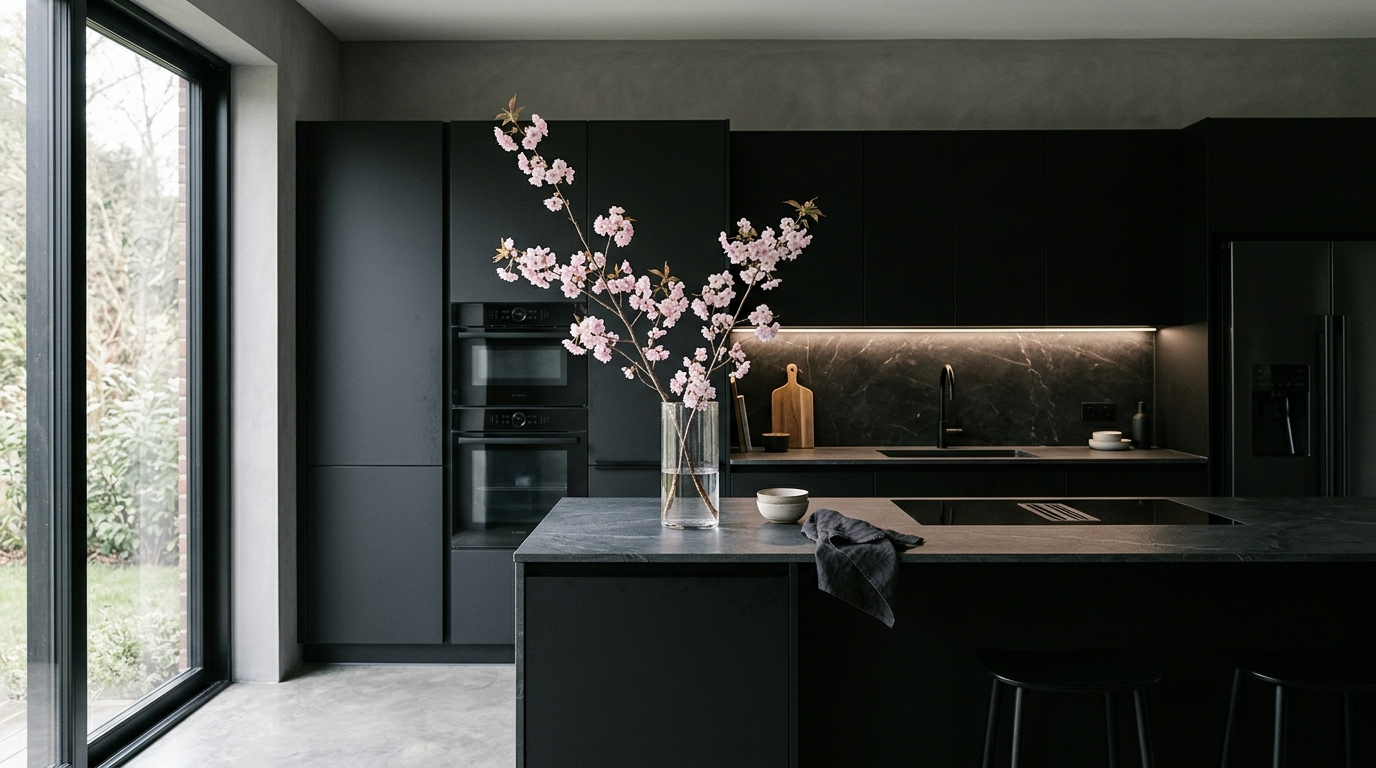
The color theory behind modern minimalist interior design is rooted in neutrality. Creams, greys, ochres, and muted earth tones are not chosen because they are ‘safe,’ but because they provide a low-arousal backdrop for the mind. Intense, bright colors can be stimulating, which is often the opposite of what we need in a home. Neutral palettes allow the inhabitant to project their own emotions and thoughts onto the space rather than having the space dictate an emotional state. It creates a blank canvas for the soul.
Minimalism as a Tool for Focus and Productivity
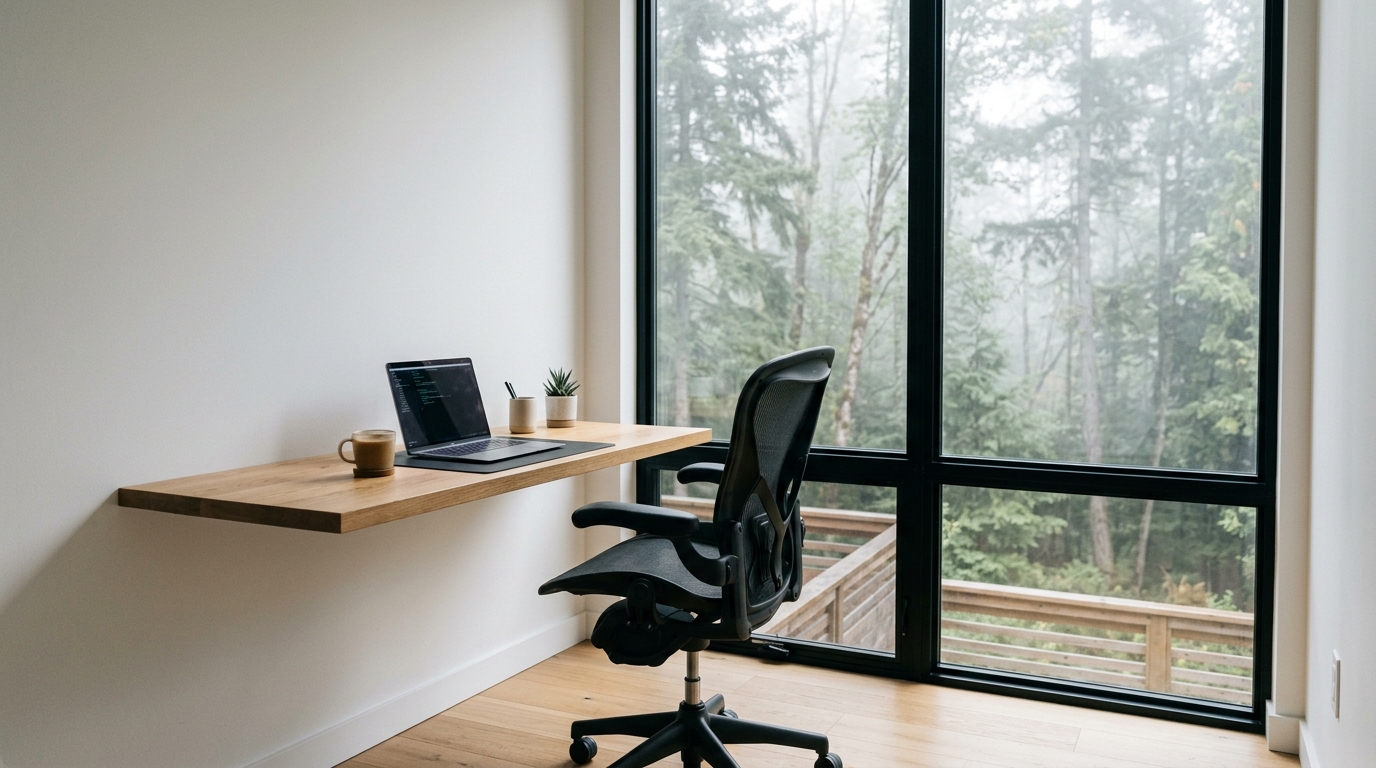
For those working from home, the psychological benefits of minimalism are even more pronounced. A minimalist home office eliminates the visual cues that trigger procrastination. Without a stack of papers or a messy desk to distract you, the brain can enter ‘deep work’ states more easily. This isn’t just about being neat; it’s about engineering an environment that supports cognitive flow. By reducing the external complexity of our surroundings, we enhance the internal clarity of our thoughts.
Living with Silence
There is an acoustic element to minimalism as well. Minimalist spaces, often incorporating soft textiles and thoughtful layouts, encourage a quieter environment. In a world that is never silent, a home that absorbs sound rather than echoing it is a profound luxury. This silence allows for a higher level of introspection and a faster recovery from the noise pollution of urban life.
Final Perspective: The Emotional Resilience of Space
Ultimately, modern minimalist interior design is about more than just a look; it is an act of self-care. It is a commitment to valuing your peace of mind over the accumulation of objects. As we move away from the ‘more is better’ philosophy, we discover that space itself is the ultimate commodity. A minimalist home doesn’t just look better; it feels like a long, deep exhale. It provides the literal and metaphorical room we need to grow, to heal, and to simply be. In the end, the most beautiful thing about a minimalist room isn’t the furniture—it is the sense of freedom it gives the person living inside it.
Sources & References
- Kaplan, S. (1995). The restorative benefits of nature: Toward an integrative framework. Journal of Environmental Psychology.
- Saxbe, D. E., & Repetti, R. (2010). No Place Like Home: Home Observed as a Stressful or Restorative Environment. Personality and Social Psychology Bulletin.
- Berto, R. (2014). The Role of Nature in Coping with Psycho-Physiological Stress: A Theoretical Perspective on Restoration. Behavioral Sciences.
Inspiration Gallery
Editorial Silo • Recommended Architecture Studies
- The Tactile Aesthetic of Narrow Entryway: Materials, Moods & Lighting Kelvin — Archival Design Case Study
- Tactile First Impressions: Mastering the Materiality and Mood of a Narrow Hallway Gallery — Archival Design Case Study
Curated Visual Lookbook
Design Gallery & Spatial Studies
A visual curation of architectural arrangements, lighting concepts, and material palettes featured in this space.