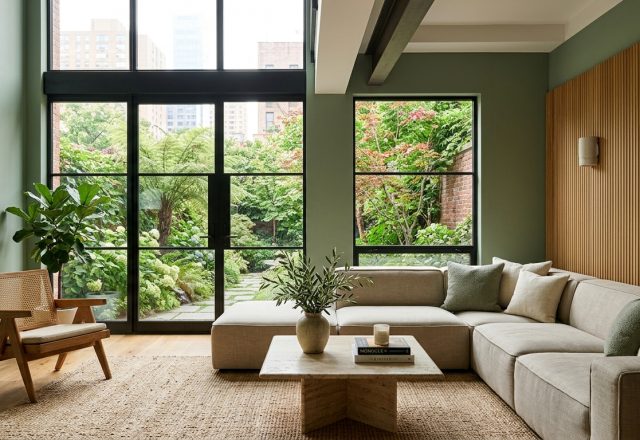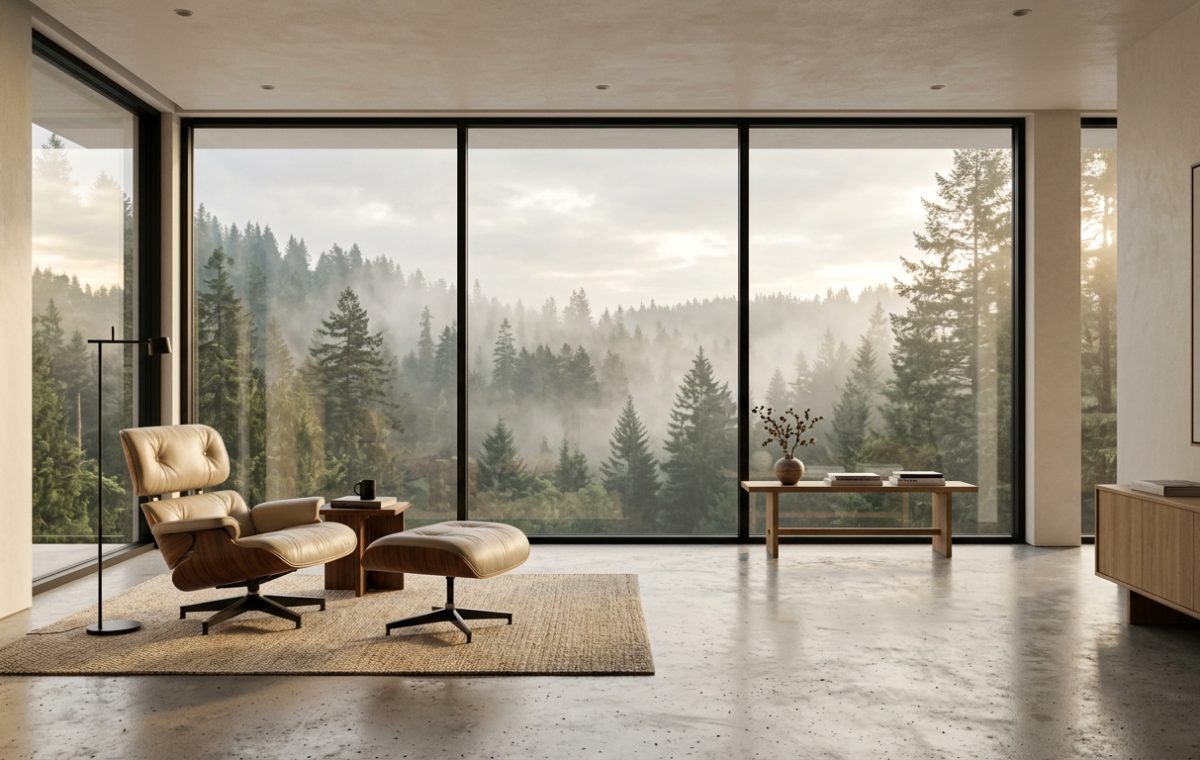
In an era defined by constant connectivity and an unrelenting stream of digital notifications, our homes have transitioned from mere shelters to critical battlegrounds for our mental health. While many view modern minimalist interior design through a purely aesthetic lens—admiring the crisp lines, the monochromatic palettes, and the expansive floor plans—there is a much deeper, more profound transformation occurring beneath the surface. Minimalism is not merely a style; it is a psychological intervention. It is the architectural manifestation of a mind seeking clarity in a world of cacophony.
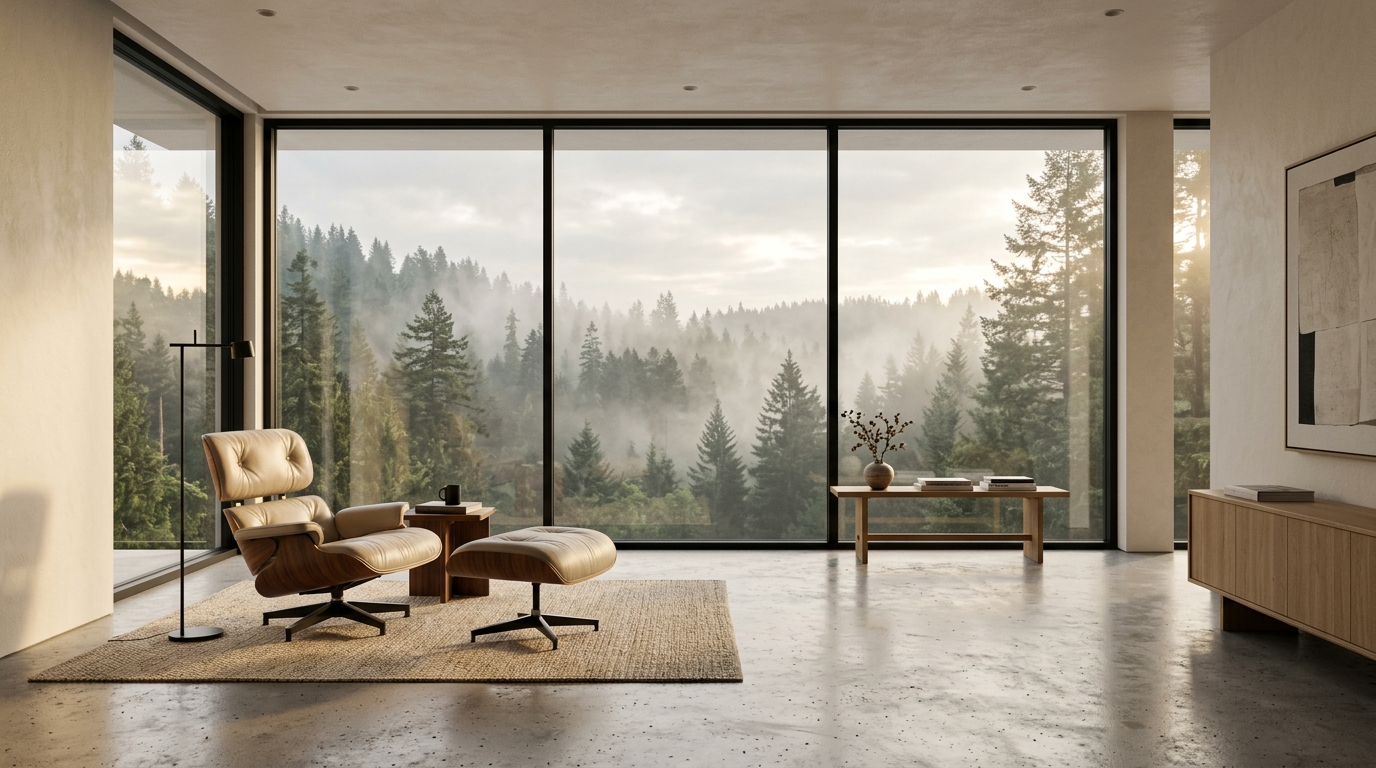
The Neurobiology of Space: Why Your Brain Craves Less
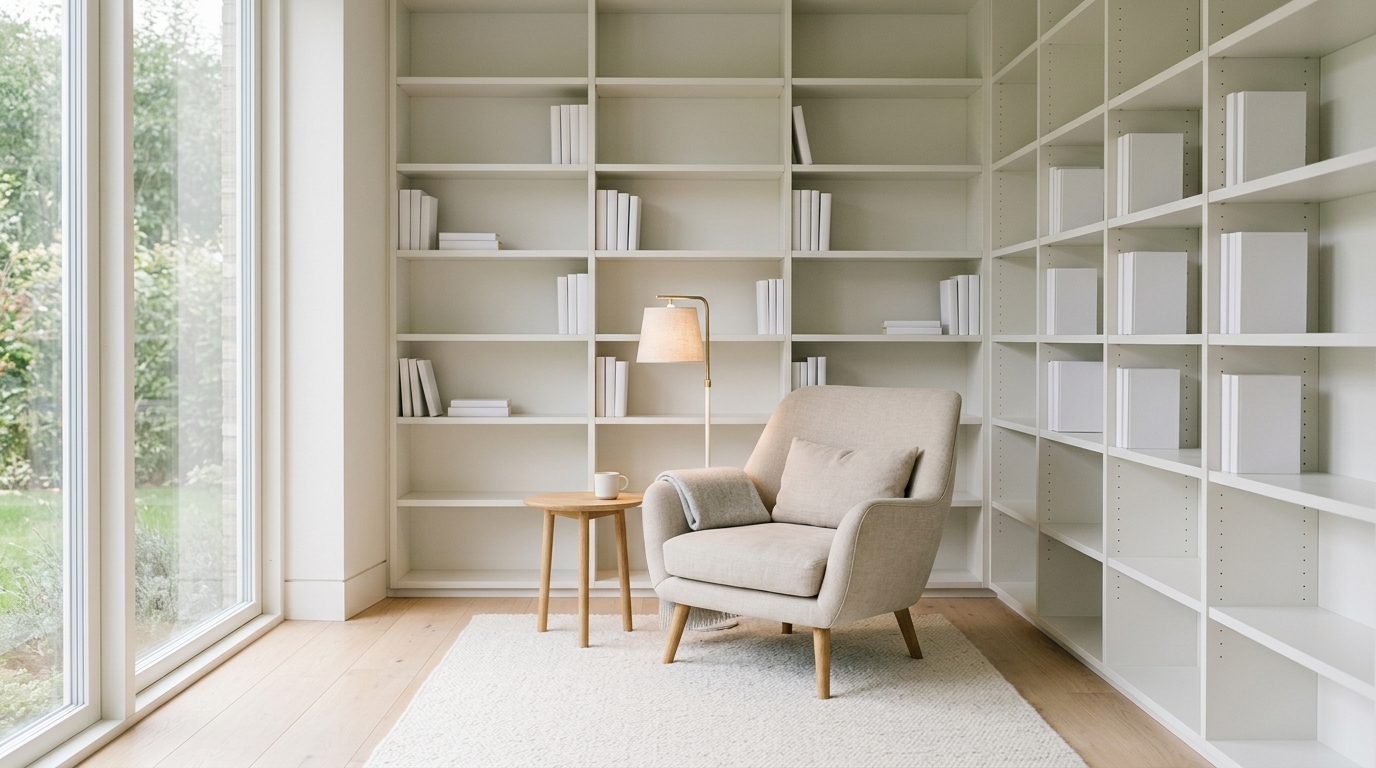
Our brains are wired to process every visual stimulus in our environment. From the pile of unread mail on the counter to the clashing colors of a cluttered bookshelf, each item demands a sliver of our cognitive bandwidth. Neuroscientists at Princeton University found that physical clutter in your surroundings competes for your attention, resulting in decreased performance and increased stress. This is where modern minimalist interior design acts as a cognitive lubricant. By reducing the number of objects the eye must track, we effectively lower our cortisol levels and allow our prefrontal cortex to rest.
When we walk into a room characterized by negative space, our nervous system receives a signal of safety. There are no hidden messes to trigger guilt, no unfinished tasks staring back at us from a corner. This sense of ‘visual silence’ allows the mind to enter a state of flow, making it easier to focus on high-level creative tasks or deep relaxation. It is a stark contrast to the dense, albeit green, interiors often seen in small-scale urban design, where every square inch is packed with functional items. While high-density green living is sustainable for the planet, minimalism is sustainable for the soul.
The Fallacy of ‘More’ and the Freedom of ‘Enough’
The consumerist myth suggests that our happiness is proportional to our possessions. However, the psychological weight of ownership is a burden few acknowledge. Every object we own requires cleaning, organizing, repairing, and eventually, disposal. This ‘ownership overhead’ creates a constant background hum of anxiety. Modern minimalist interior design challenges this paradigm by asserting that luxury is not found in accumulation, but in curation.
- Reduced Decision Fatigue: A minimalist home limits the choices we have to make daily, from which mug to use to where to place the keys.
- Heightened Sensory Appreciation: When you only have one piece of art on a wall, you truly see it. You appreciate the texture of the linen, the grain of the oak, and the play of light across a smooth surface.
- Intentional Living: Minimalism forces a confrontation with our values. If an item doesn’t serve a purpose or bring profound joy, it has no place in the sanctuary.
Biophilic Minimalism: Merging Mental Clarity with Nature
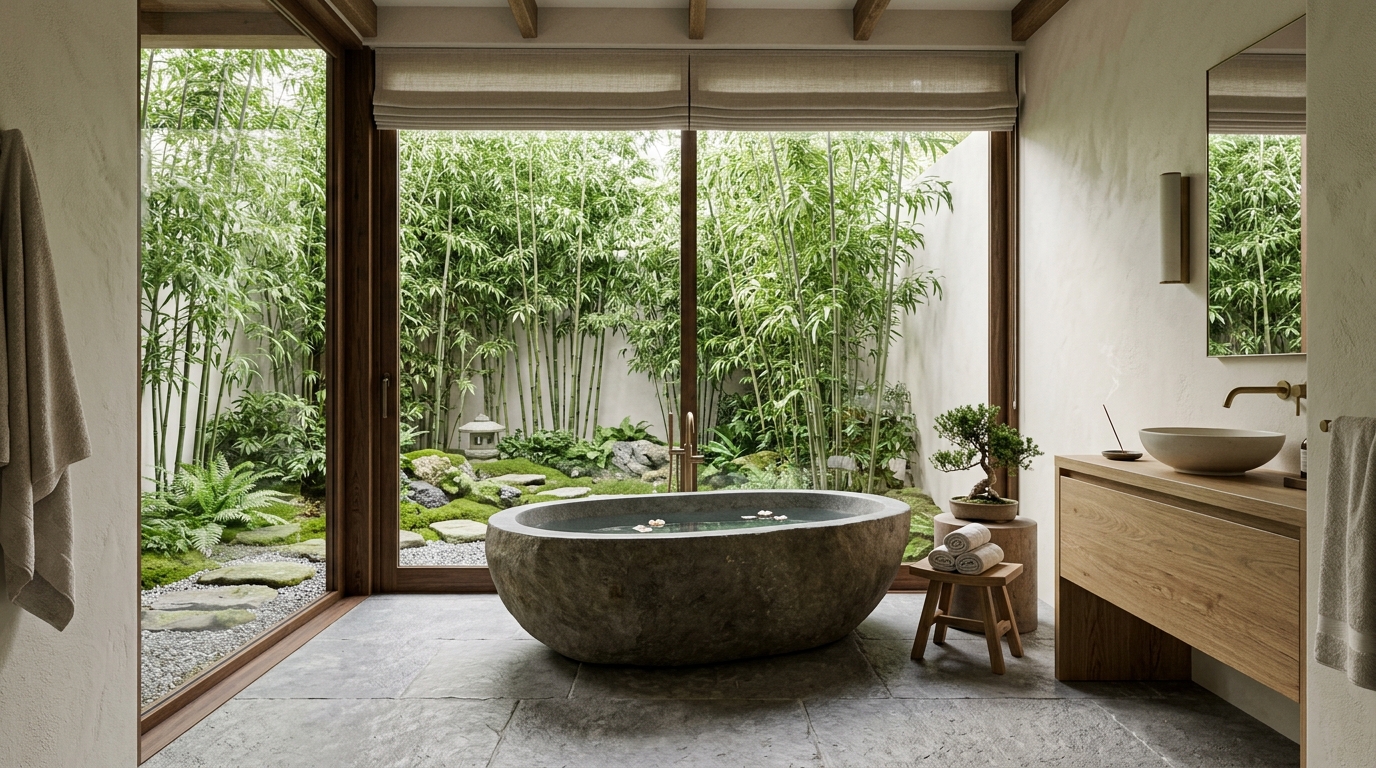
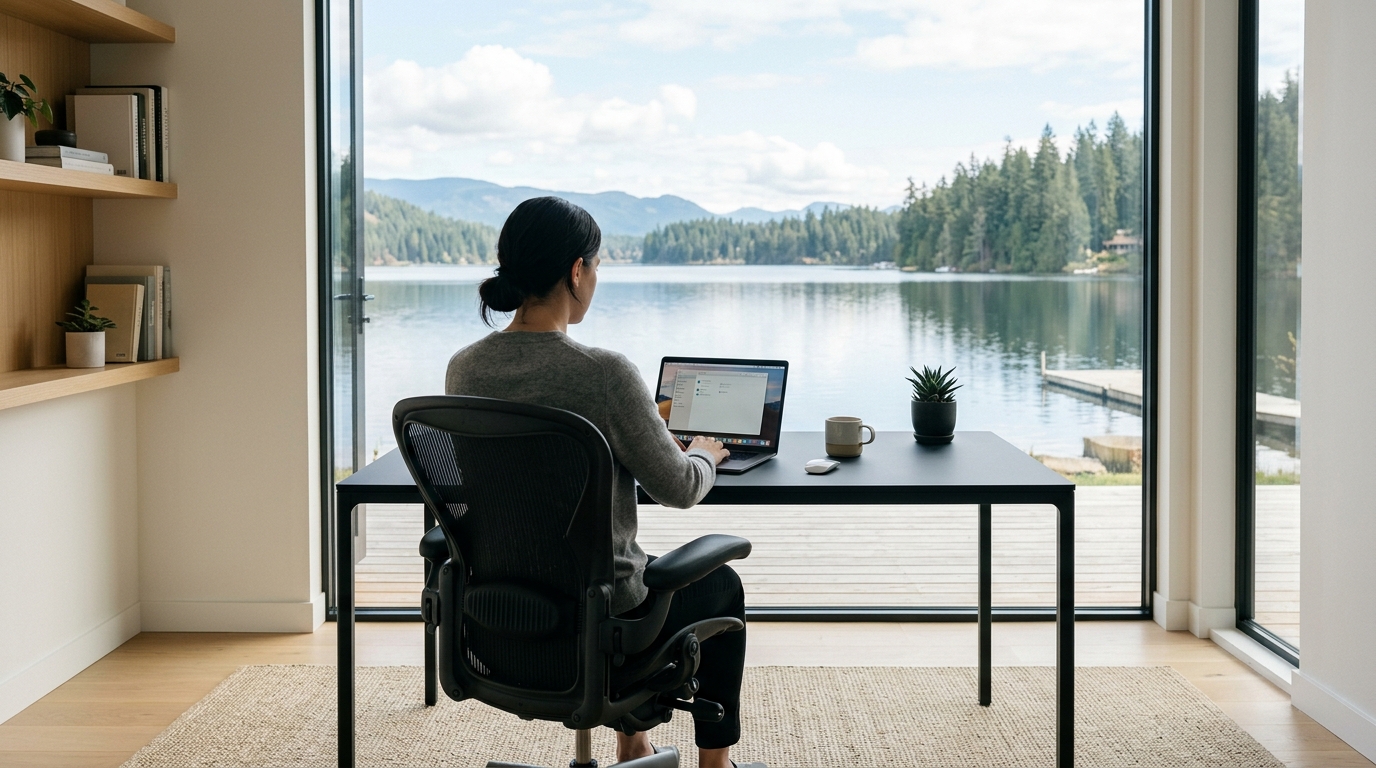
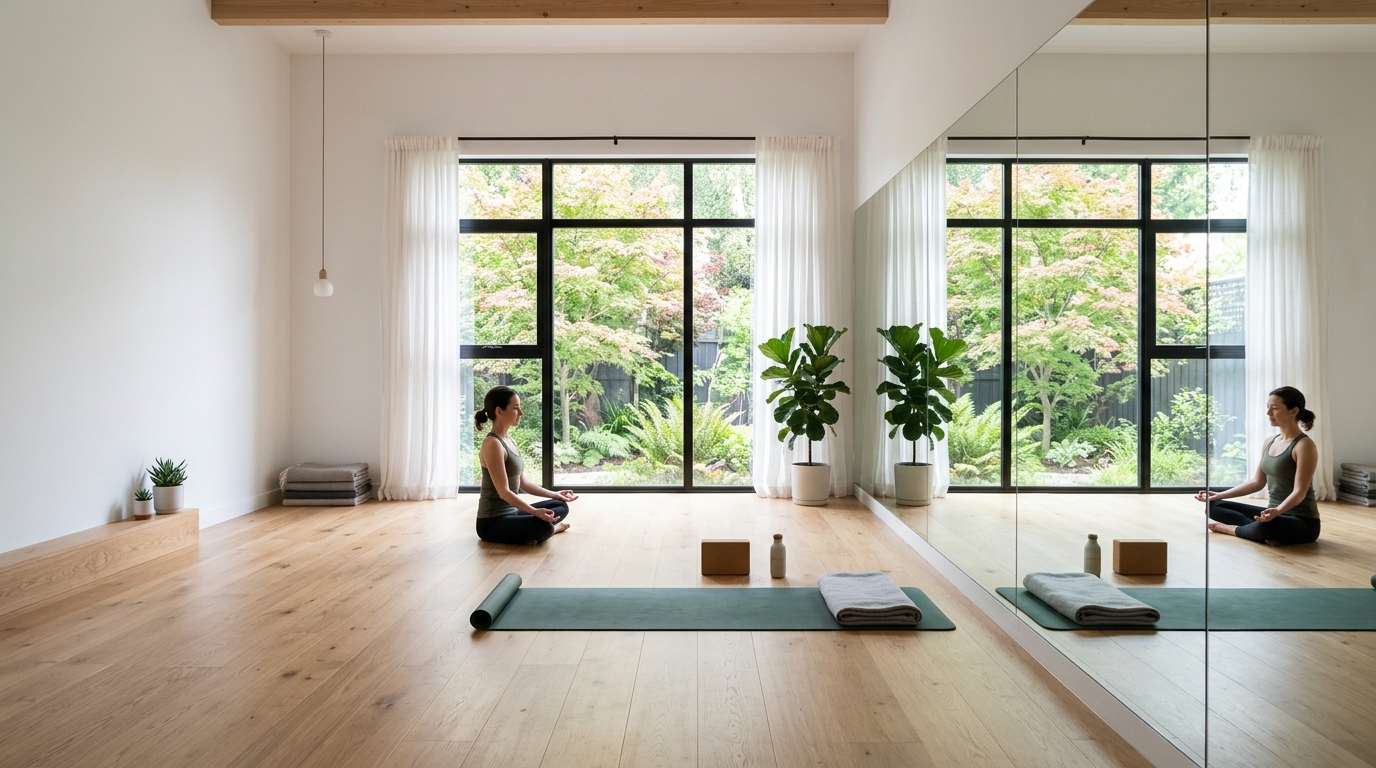
While the source article ‘Stepping Softly into Green Home Interiors’ emphasizes the integration of plants in small spaces, a minimalist approach takes this further by treating nature as the primary ‘decor.’ In modern minimalist interior design, a single, perfectly placed Japanese Maple or a floor-to-ceiling window overlooking a garden is more effective than a dozen small potted plants. It is about the quality of the interaction with the natural world.
The Power of Natural Light
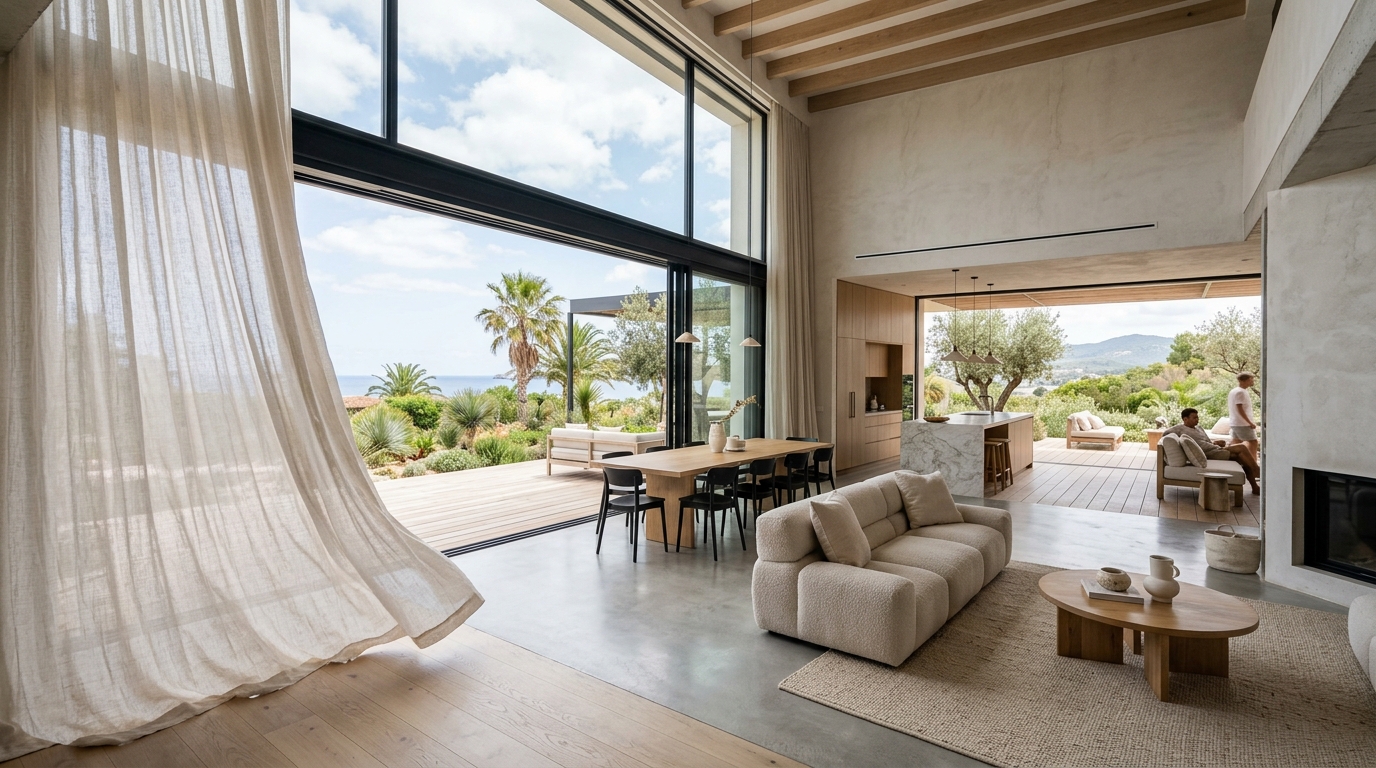
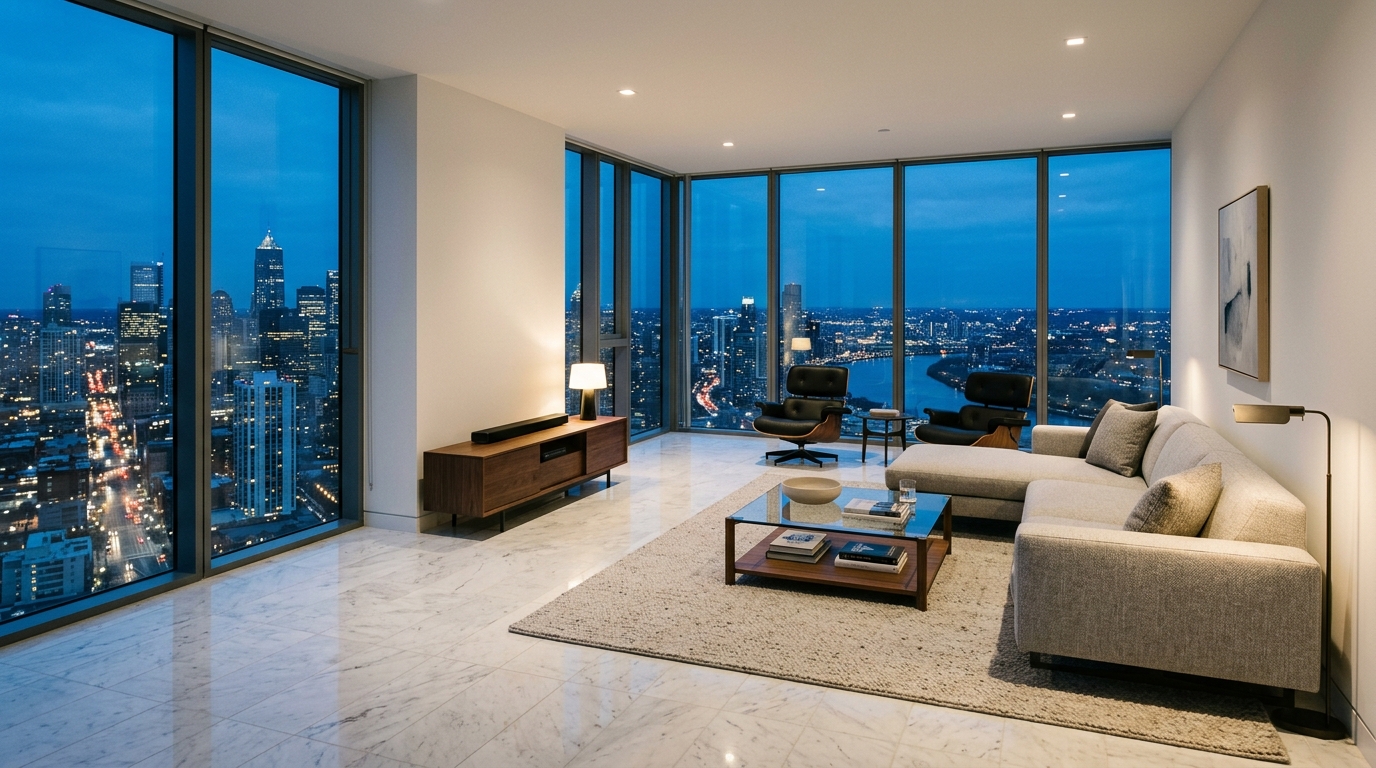
Minimalism prioritizes light over objects. Shadows become the texture of the room. This focus on natural light is not just about aesthetics; it is about regulating our circadian rhythms. Large, unobstructed windows and light-reflecting surfaces help maintain our internal clocks, leading to better sleep and improved mood. The psychological benefit of watching the sun move across a clean wall cannot be overstated—it grounds us in the present moment, a core tenet of mindfulness.
Materiality and Grounding
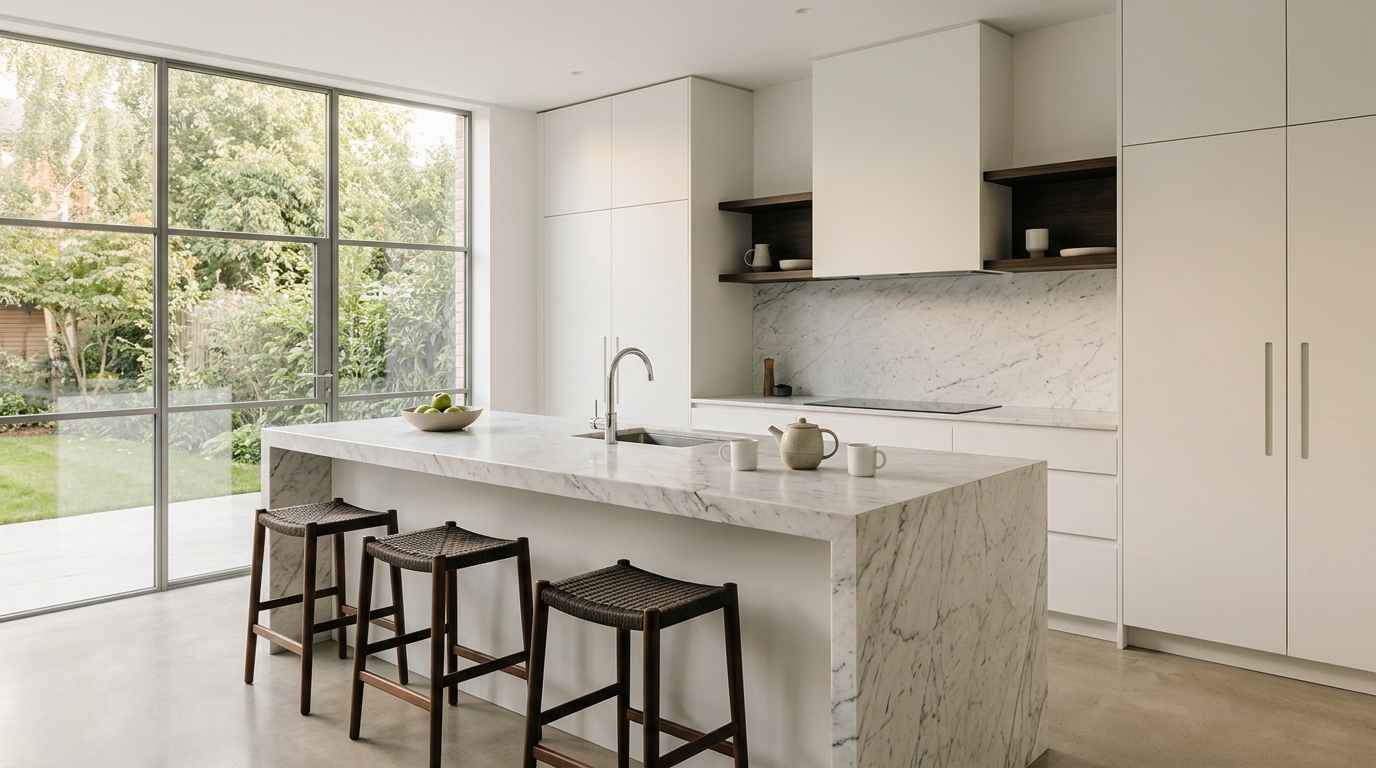
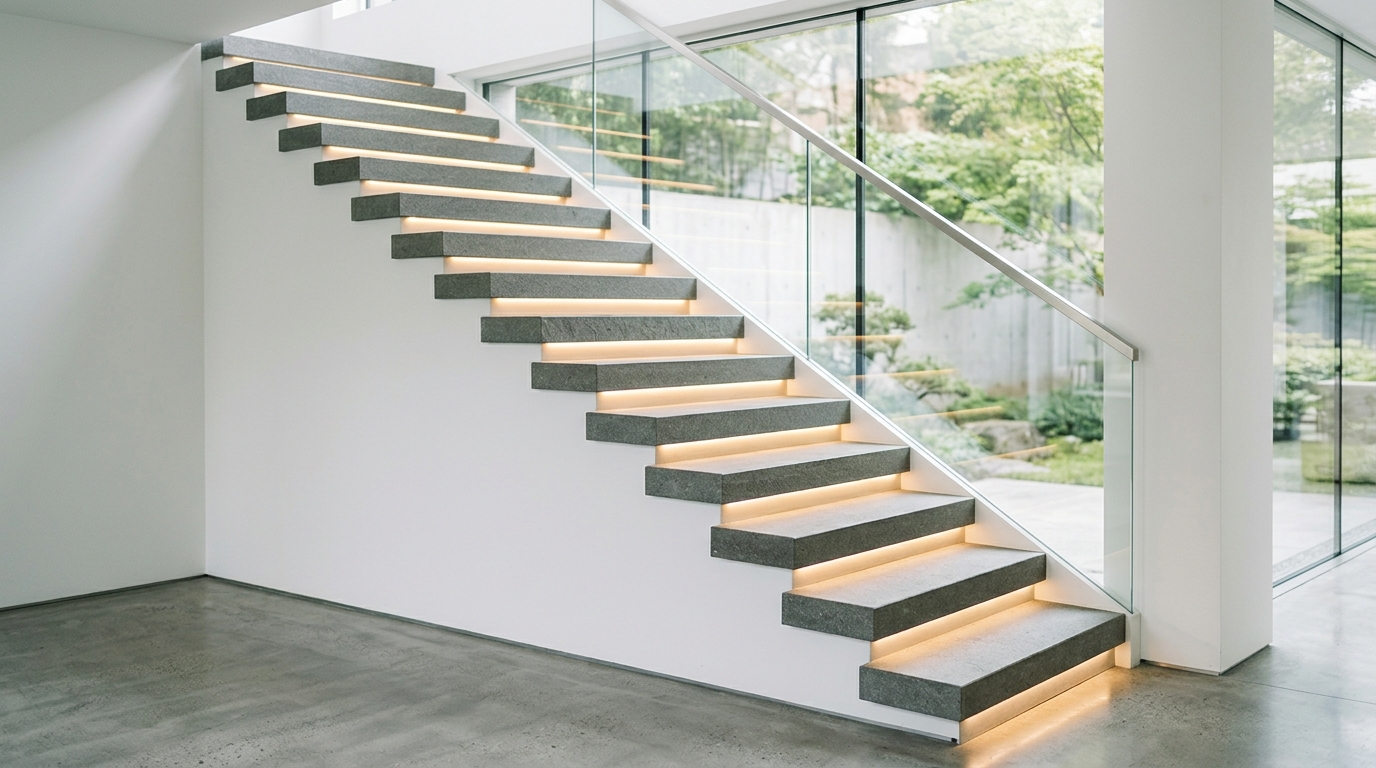
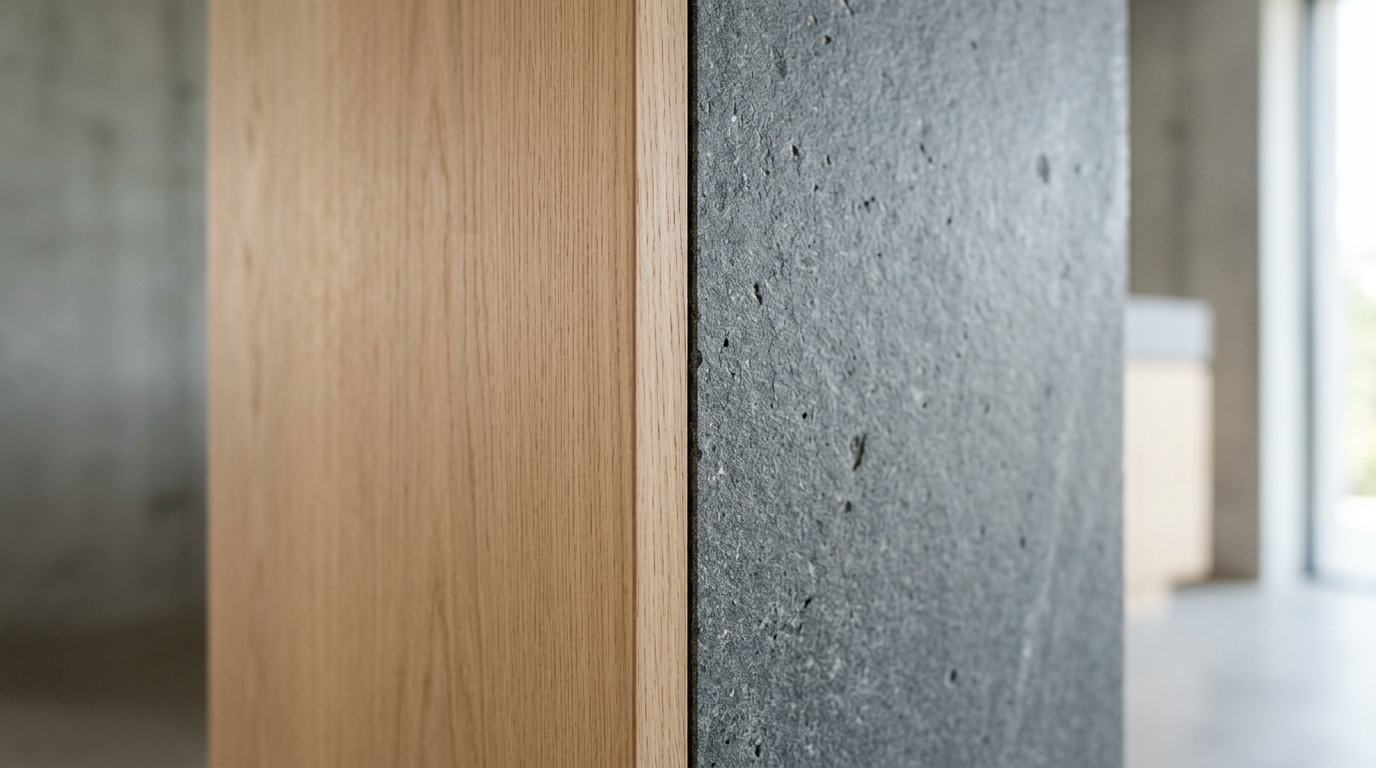
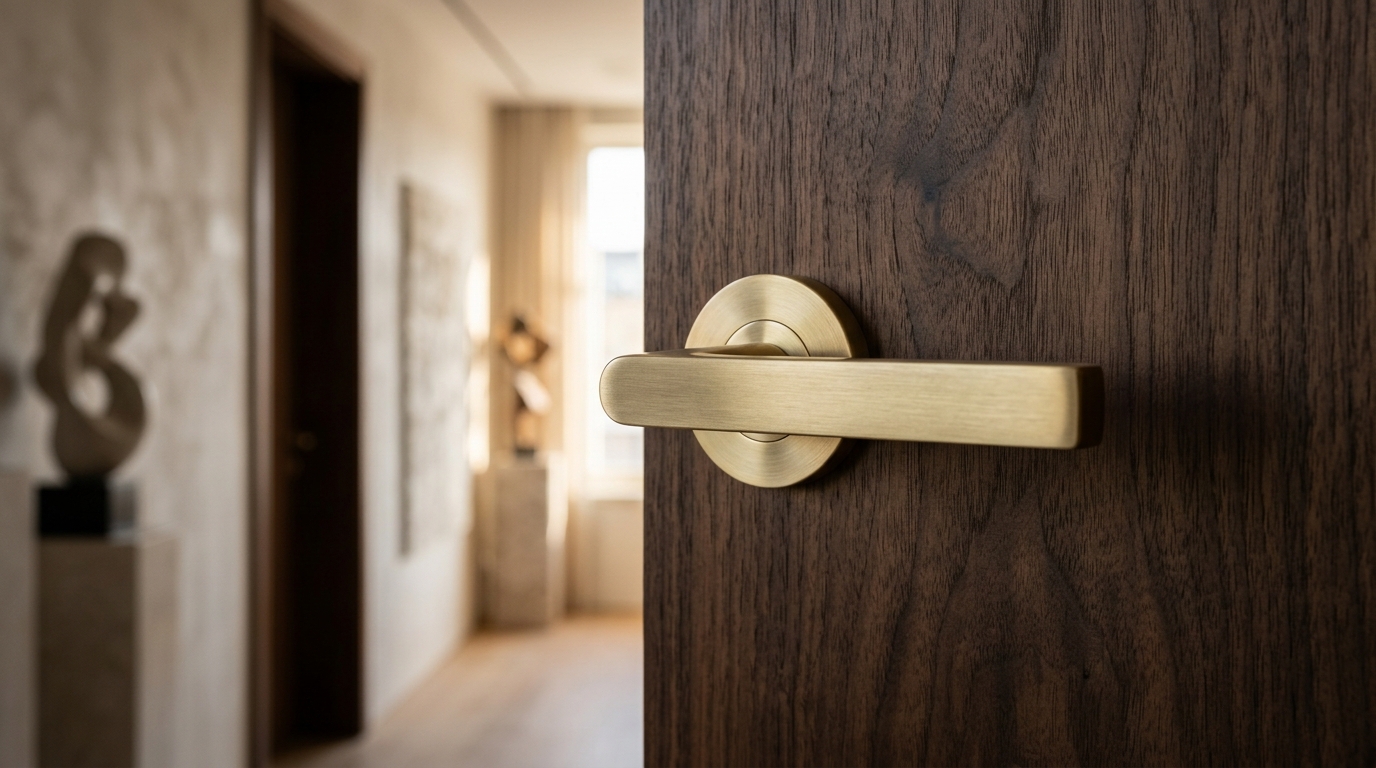
The materials used in high-end minimalist design—honed stone, raw wood, brushed metal—provide tactile feedback that grounds the inhabitant. In a digital world where we spend hours touching glass screens, the physical sensation of a cool marble countertop or a warm wooden bench provides a much-needed sensory anchor to reality.
Creating Ritual Through Functional Simplicity
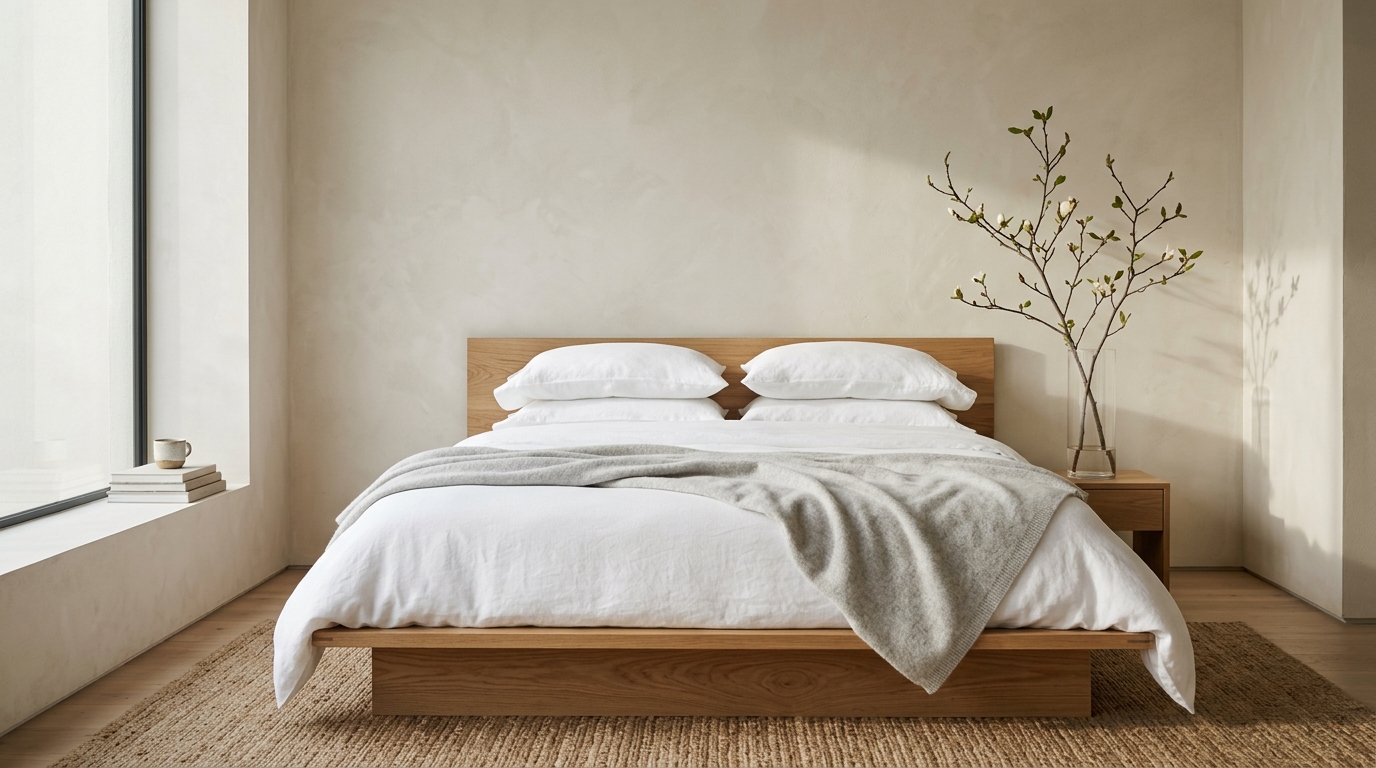
In a minimalist home, the architecture supports ritual. A kitchen with hidden appliances and clear surfaces turns the act of making coffee from a chore into a meditative practice. A bedroom devoid of technology and clutter becomes a dedicated temple for rest. This is the ‘opinionated’ side of minimalism: it dictates how we use our time by removing the distractions that lead to mindless scrolling or procrastination.
Critics often argue that minimalism is cold or impersonal. However, the opposite is true. By removing the ‘junk’ of personality—the cheap trinkets and trend-driven decor—we leave room for the genuine essence of the inhabitant to emerge. The home becomes a canvas for the person, rather than the person being a background character to their stuff. It is a rejection of the performative nature of traditional interior design in favor of an internal, lived experience.
The Comparison: Why Space Trumps Stuff
Comparing modern minimalist interior design to highly optimized small-footprint ‘green’ homes reveals a fundamental difference in philosophy. The latter often focuses on the ingenuity of storage—how much can we fit into 90 square meters? The minimalist asks: why do we need to fit so much in the first place? While the former is a masterpiece of engineering, the latter is a masterpiece of psychology. True serenity doesn’t come from a hidden drawer; it comes from the realization that the drawer isn’t necessary.
Beyond Aesthetics: Minimalism as a Form of Self-Care
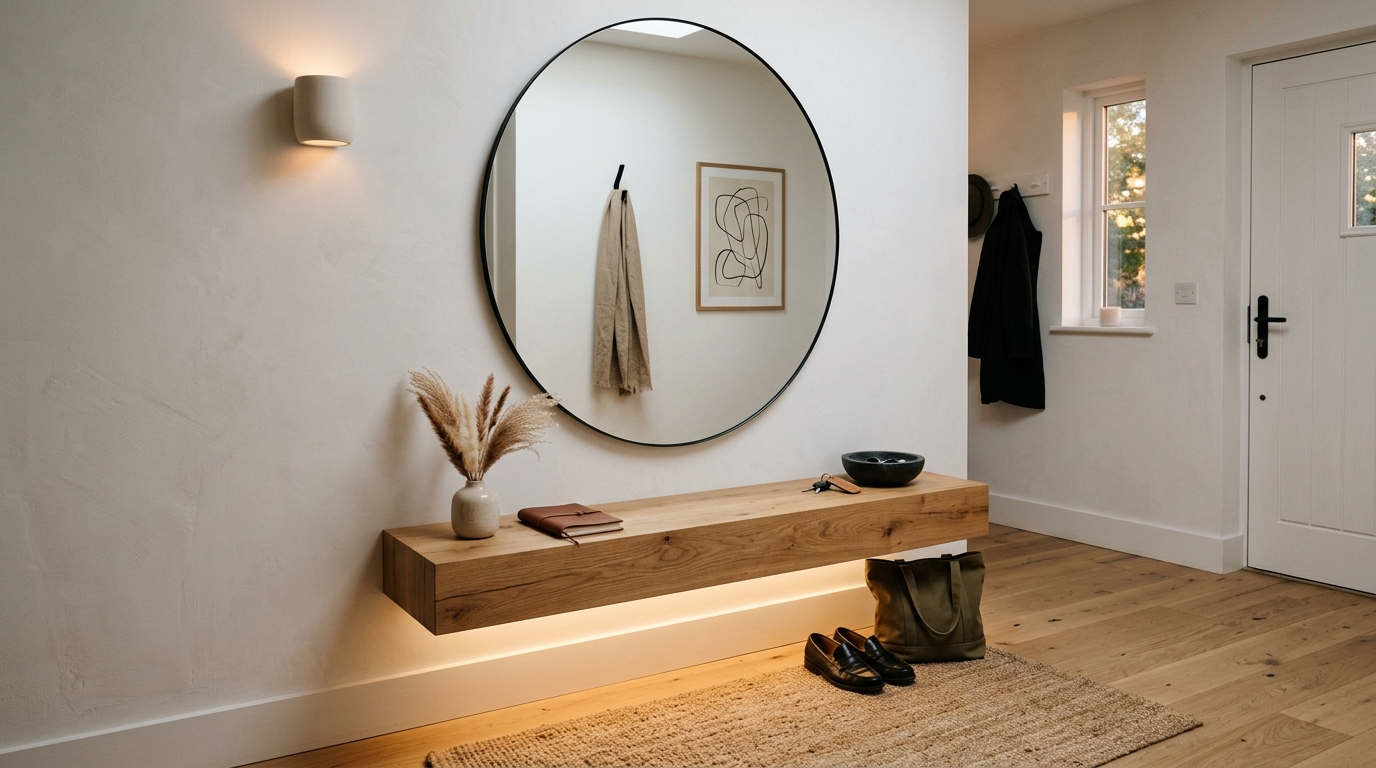
We must begin to view our interior environments as an extension of our mental health care. Just as we might choose a clean diet or a regular exercise routine, choosing modern minimalist interior design is a conscious decision to protect our peace. It is the ultimate luxury in a noisy world—the luxury of space, the luxury of silence, and the luxury of a clear mind. When our surroundings are in order, our thoughts follow suit. We find ourselves more patient, more focused, and more present for the people who matter most.
As we move further into an age of artificial intelligence and digital saturation, the value of a physical space that offers a respite from the ‘content’ of the world will only grow. The future of home design isn’t more technology or more ‘smart’ features; it is more space. It is the courage to leave a wall empty and the wisdom to know that a room is not finished when there is nothing more to add, but when there is nothing left to take away.
Inspiration Gallery
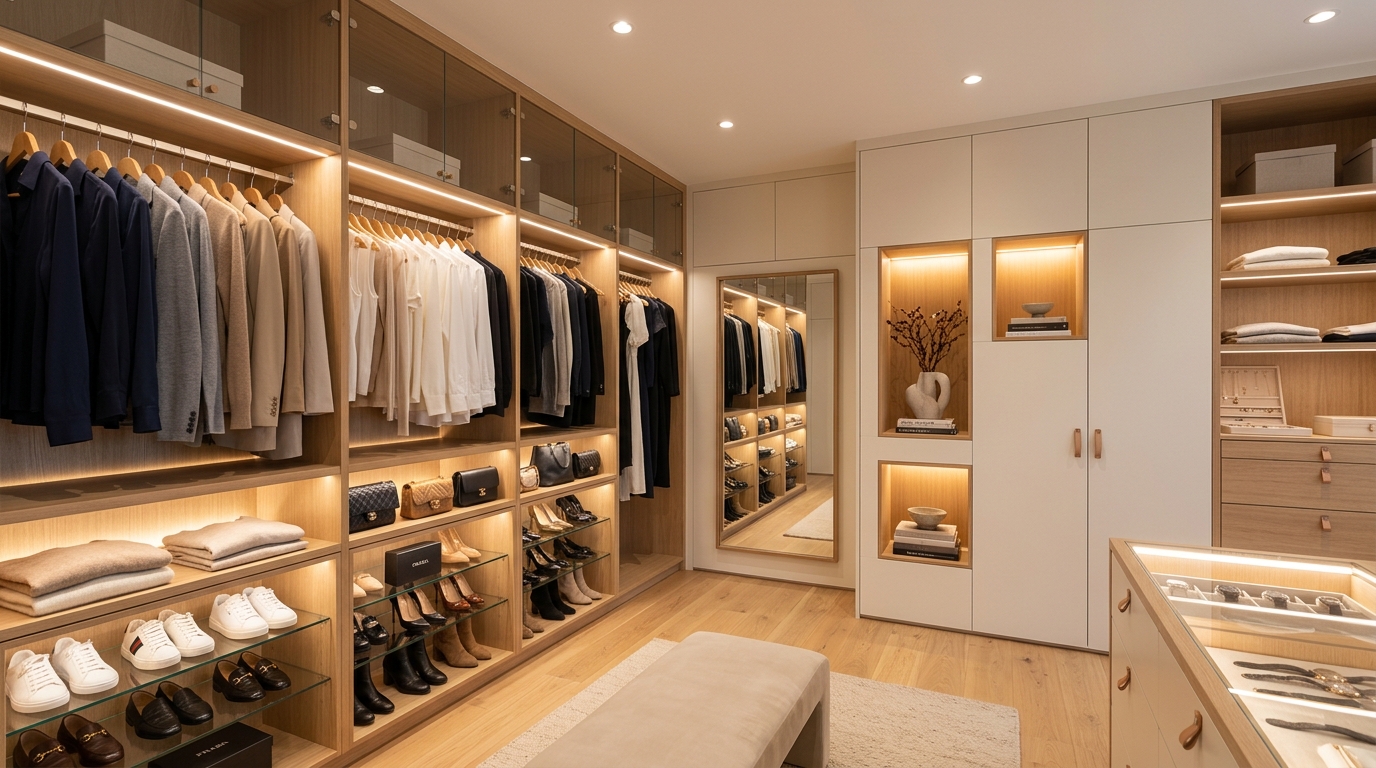
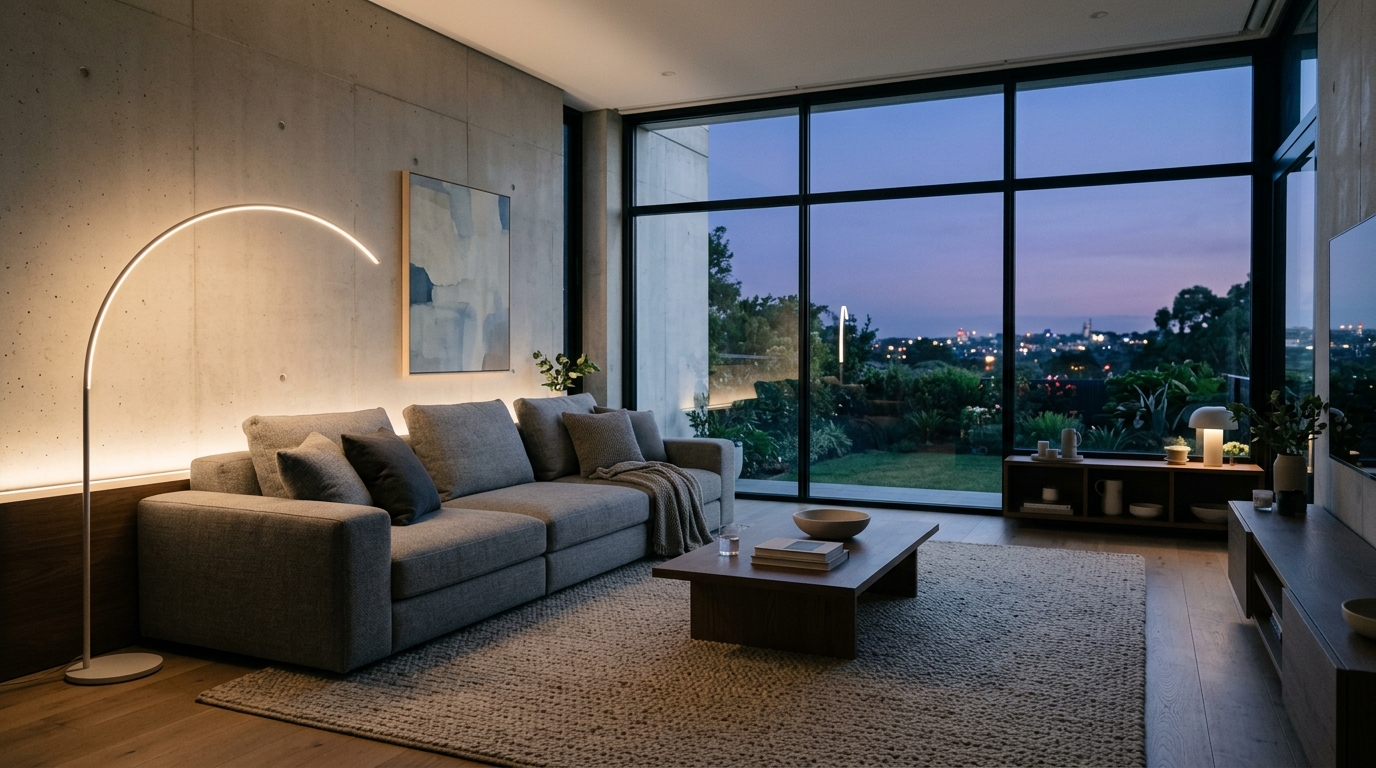
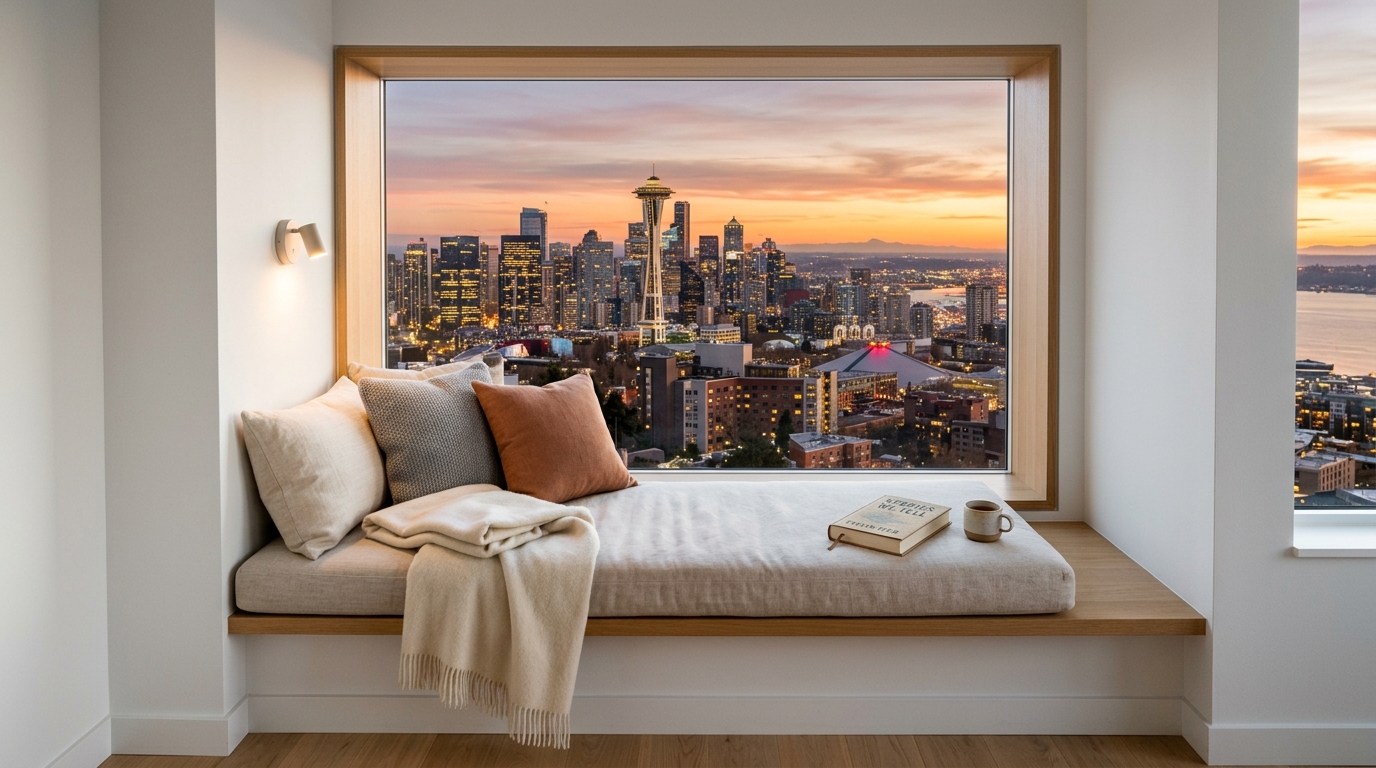
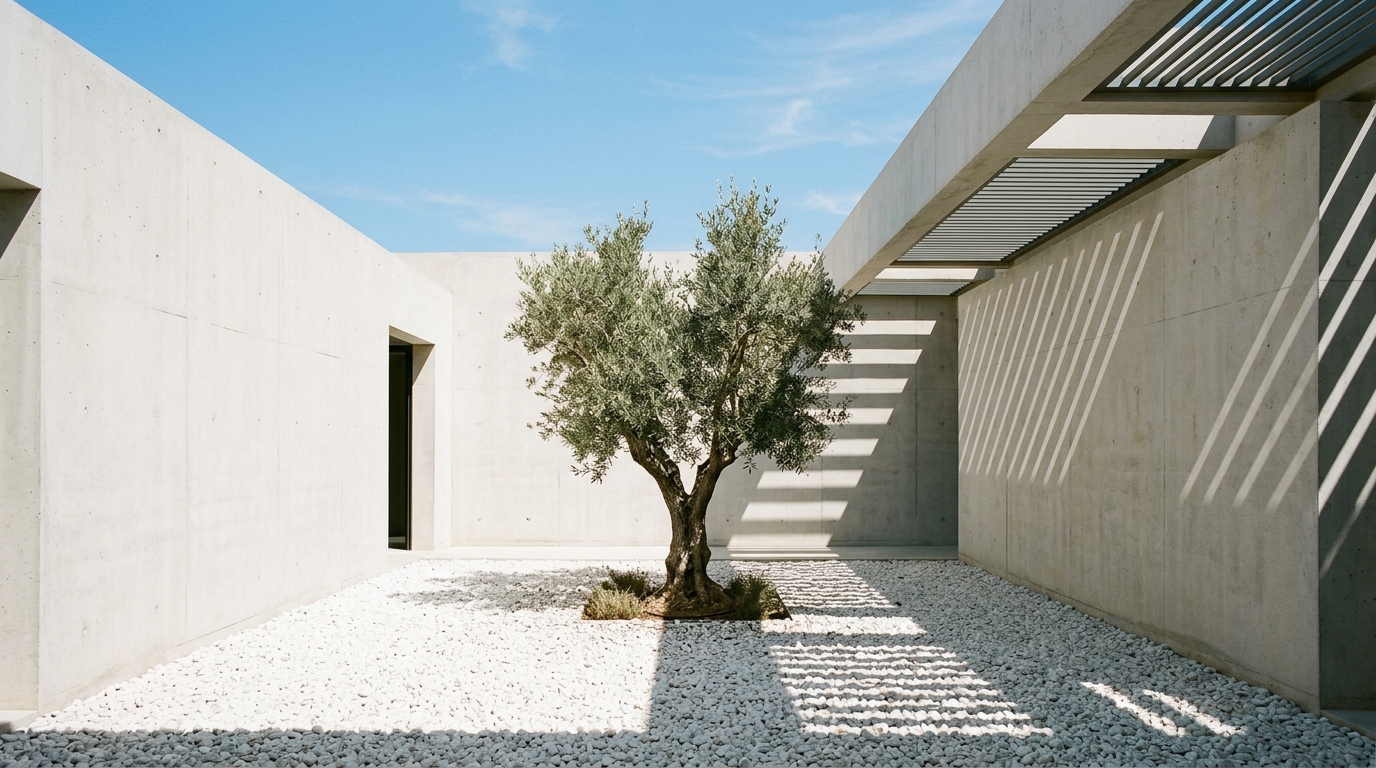
Editorial Silo • Recommended Architecture Studies
- The Geometry of Calm: Sculpting 90sqm with Sage Green Zoning and Architectural Flow — Archival Design Case Study
Curated Visual Lookbook
Design Gallery & Spatial Studies
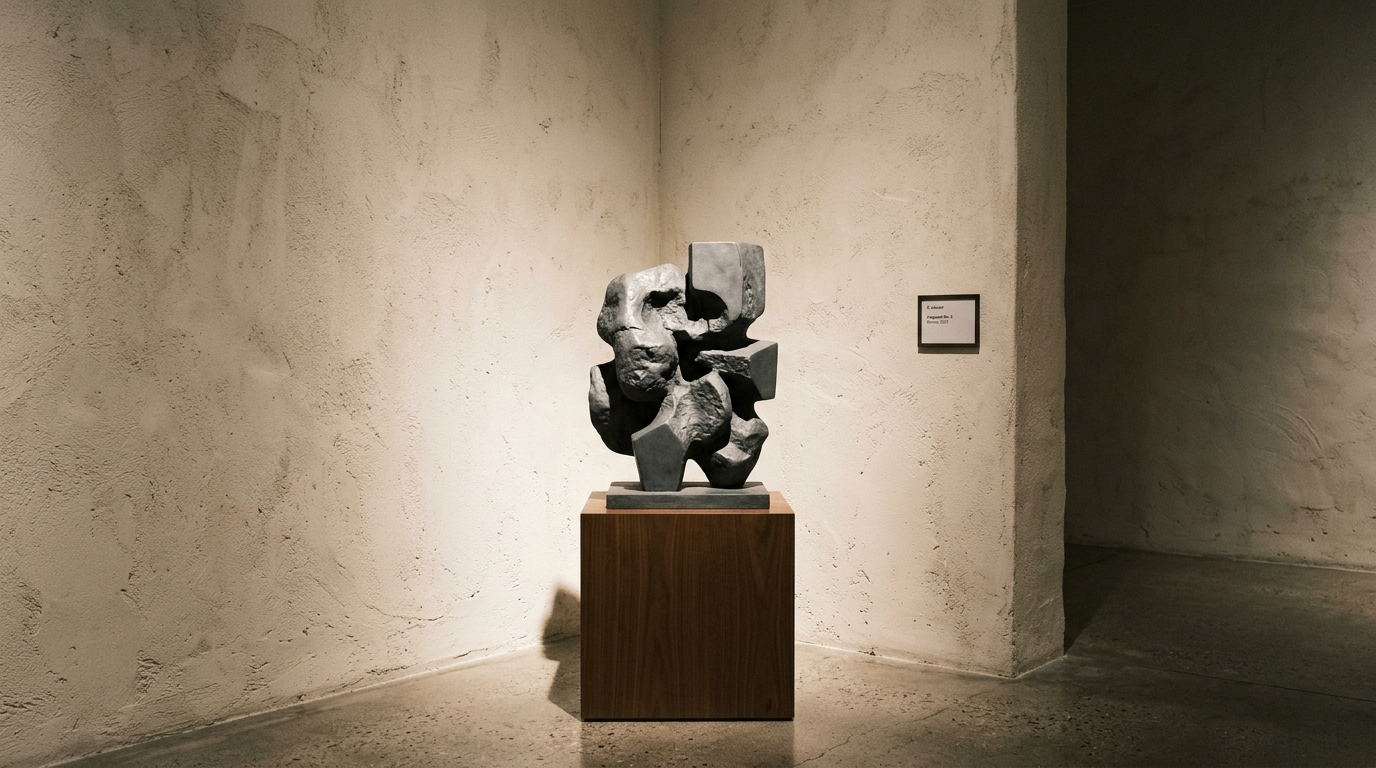
A visual curation of architectural arrangements, lighting concepts, and material palettes featured in this space.