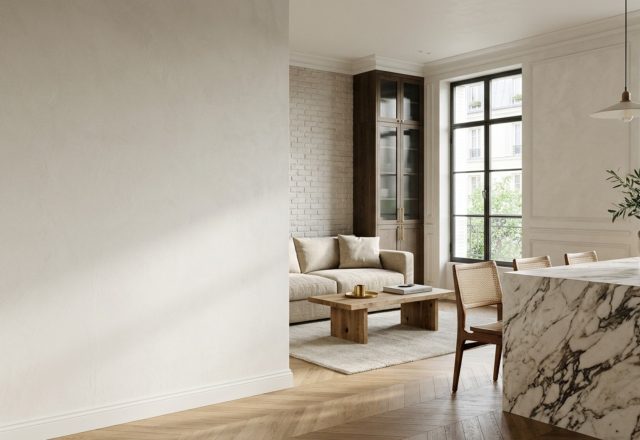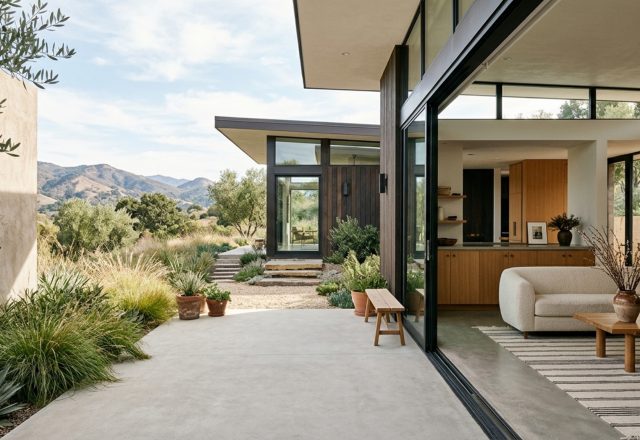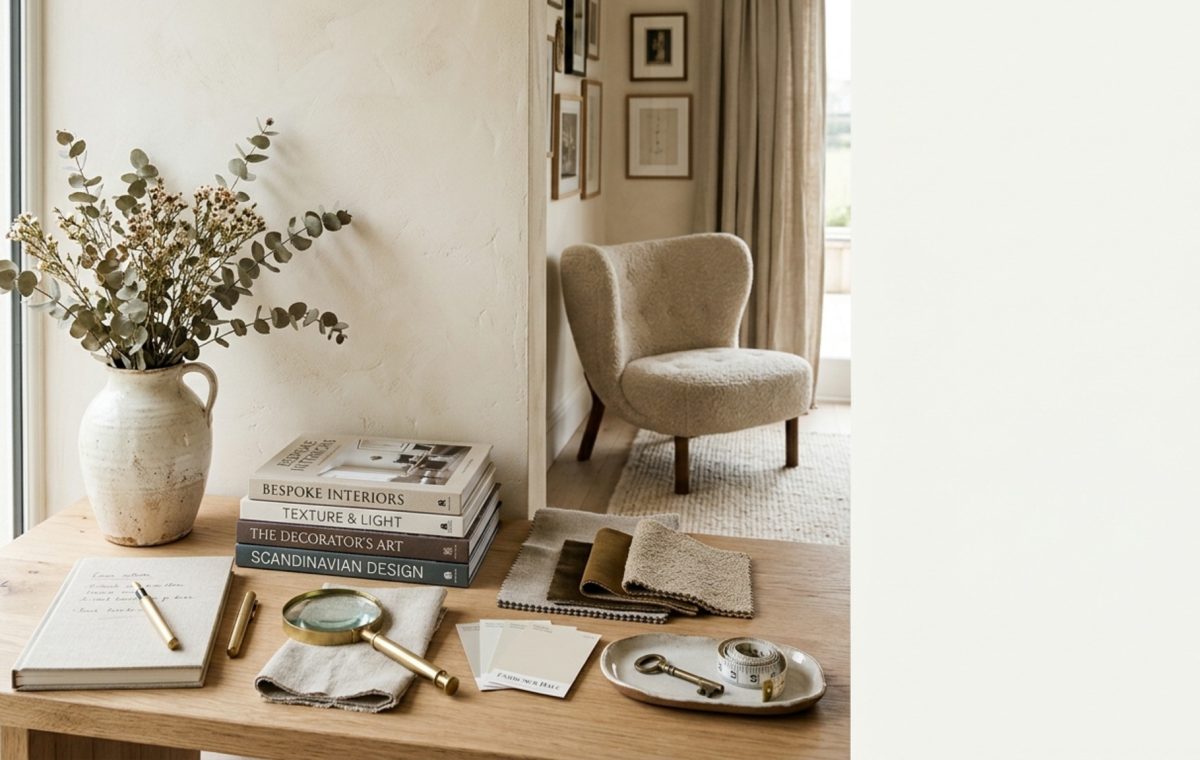
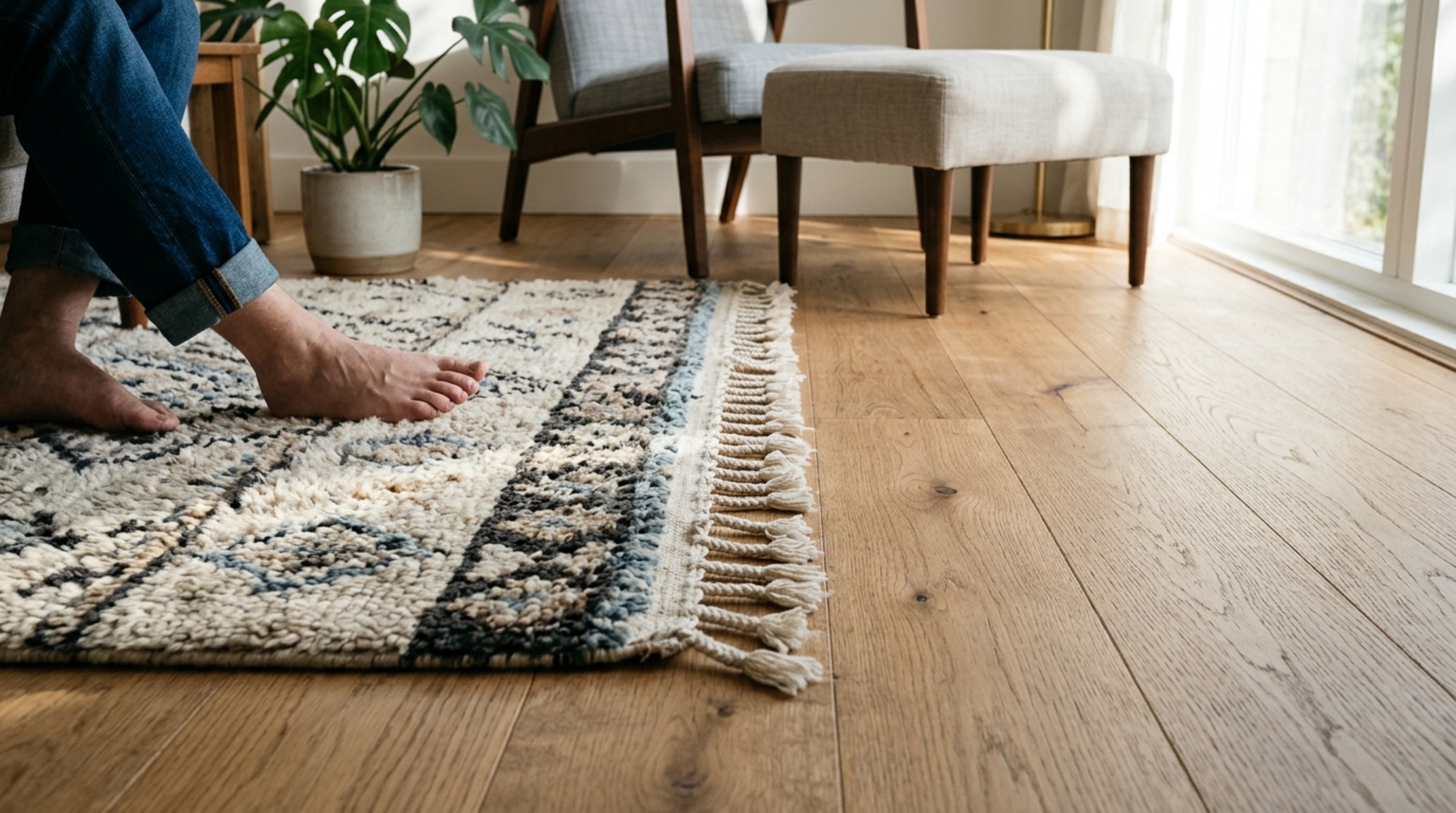
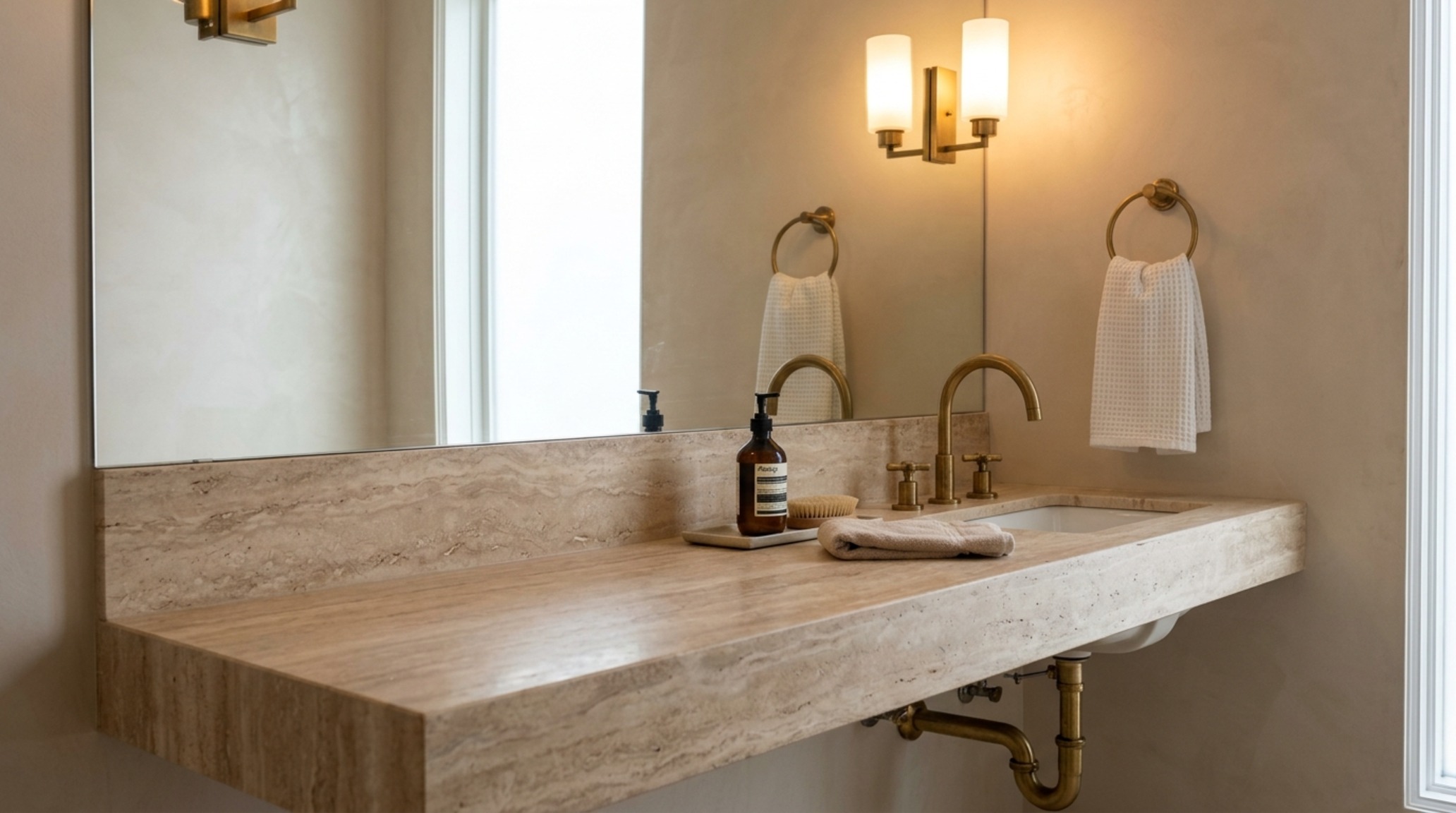
The friction of raw, honed travertine against the silent, velvet grain of a rift-sawn oak floor creates a tactile dialogue that most homeowners sense but cannot quite articulate. When we consider what do interior decorators do, it is precisely this choreography of sensation they are mastering. The most common mistake I see—and I see it often in even the most beautiful Zip Codes—is the ‘Showroom Fallacy.’ It is the impulse to purchase a coordinated suite of furniture from a single catalog, resulting in a space that feels commercially sterile rather than personally resonant. The fix is not just buying better things; it is the strategic layering of history, texture, and light that transforms a house into a sanctuary. This is where the decorator’s lens becomes the essential bridge between a shell of a building and a lived-in masterpiece.
Interior Decorator vs Designer: Understanding the Boundary of the Bone
In the hierarchy of home creation, the distinction between an interior decorator vs designer is often blurred, yet it is fundamental to the success of your project. An interior designer typically engages with the architectural integrity of the space—moving walls, specifying plumbing locations, and understanding building codes. Conversely, a decorator is the master of the atmospheric finish. They are the curators of the visual mood, focusing on the sensory elements that define your daily experience.
The Do’s of Spatial Cadence
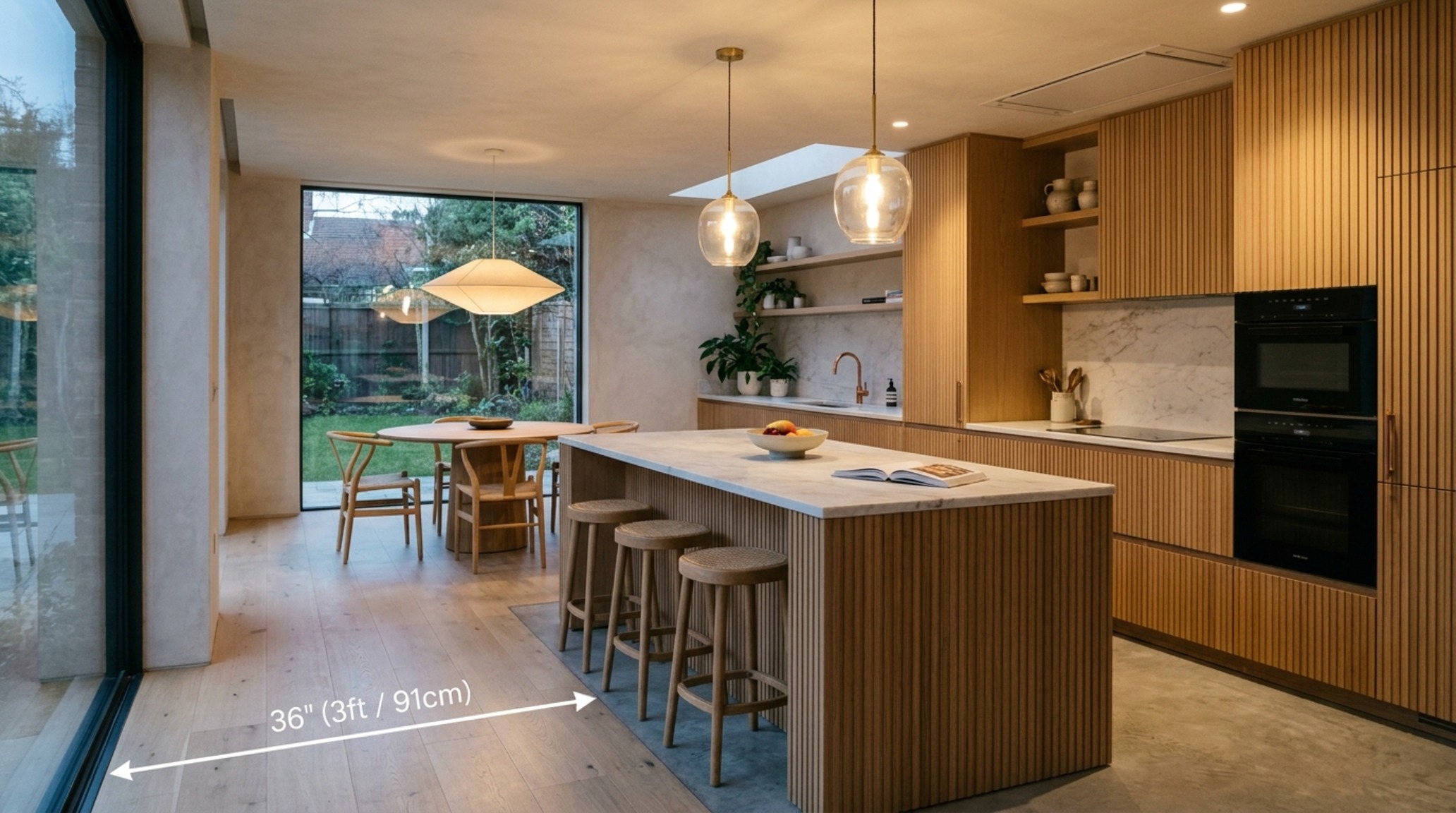
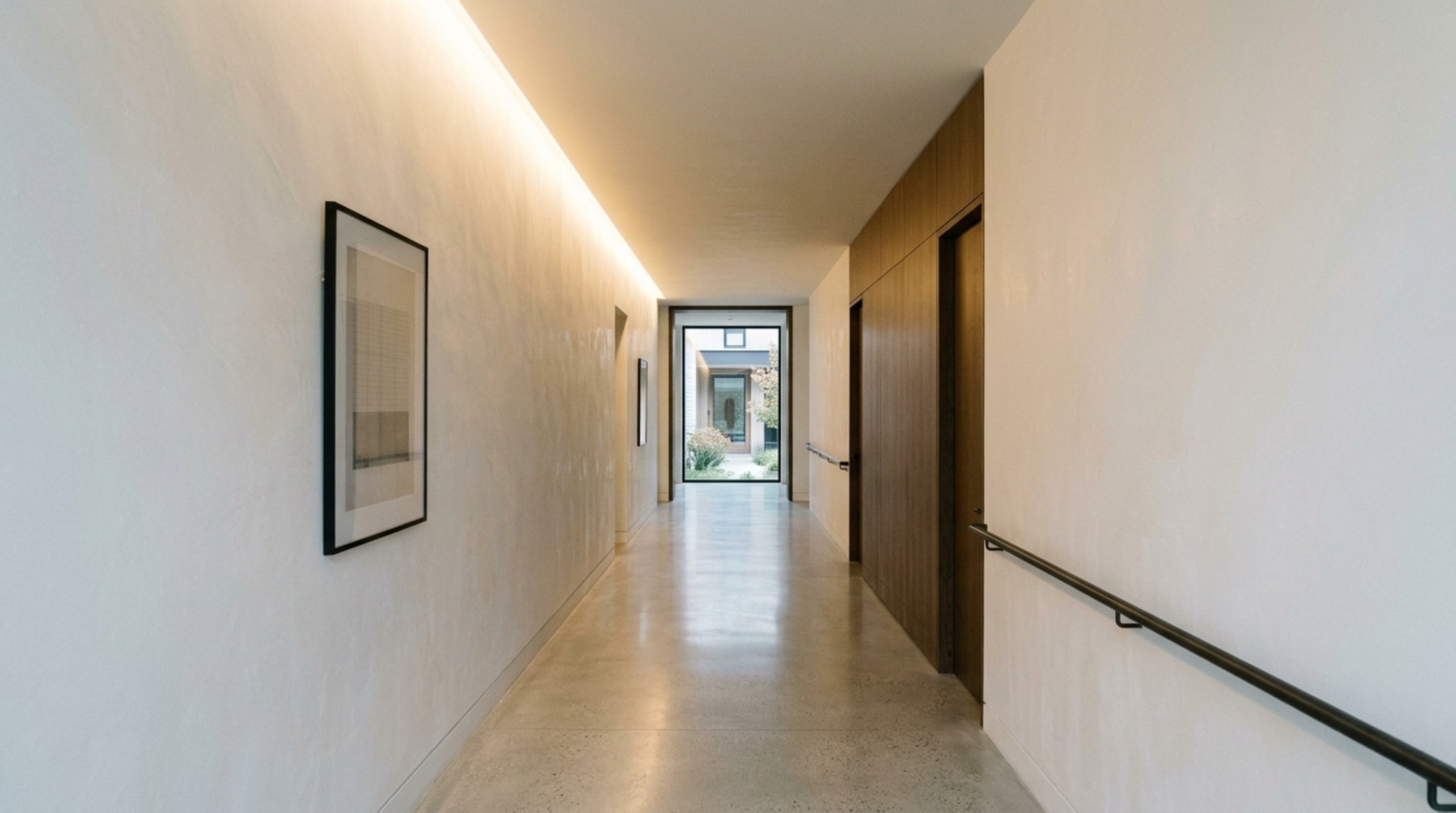
- Do respect the 36-inch rule: Ensure primary circulation paths have at least 36 inches of clearance to allow for natural movement.
- Do consider the 2700K vs 3000K balance: Use 2700K for ambient, warm evening glow in living areas and 3000K for task-oriented zones like the pantry or vanity.
- Do prioritize high CRI: Always specify lighting with a Color Rendering Index of 90+ to ensure your textiles and paint colors appear true to life.
The Don’ts of Structural Overreach
- Don’t ignore sightline alignment: Avoid placing heavy furniture that breaks the visual flow of a room’s natural architectural axes.
- Don’t underestimate negative space breathing room: A room needs ‘dead’ space for the eye to rest; filling every corner creates visual fatigue.
“A decorator doesn’t just fill a room; they curate the shadow play and tactile grounding that makes a house feel like an extension of the soul.”
Furniture Curation Services: Opening Sightlines & Floor Plane
When providing furniture curation services, a professional decorator looks beyond the aesthetic of a single chair to how that piece interacts with the floor plane. They consider the ‘visual weight’—choosing between a sofa that sits flush to the floor for a grounded, monolithic feel or one on slender legs to create a sense of lightness in a smaller room. This is the art of spatial cadence.
The Do’s of Material Contrast
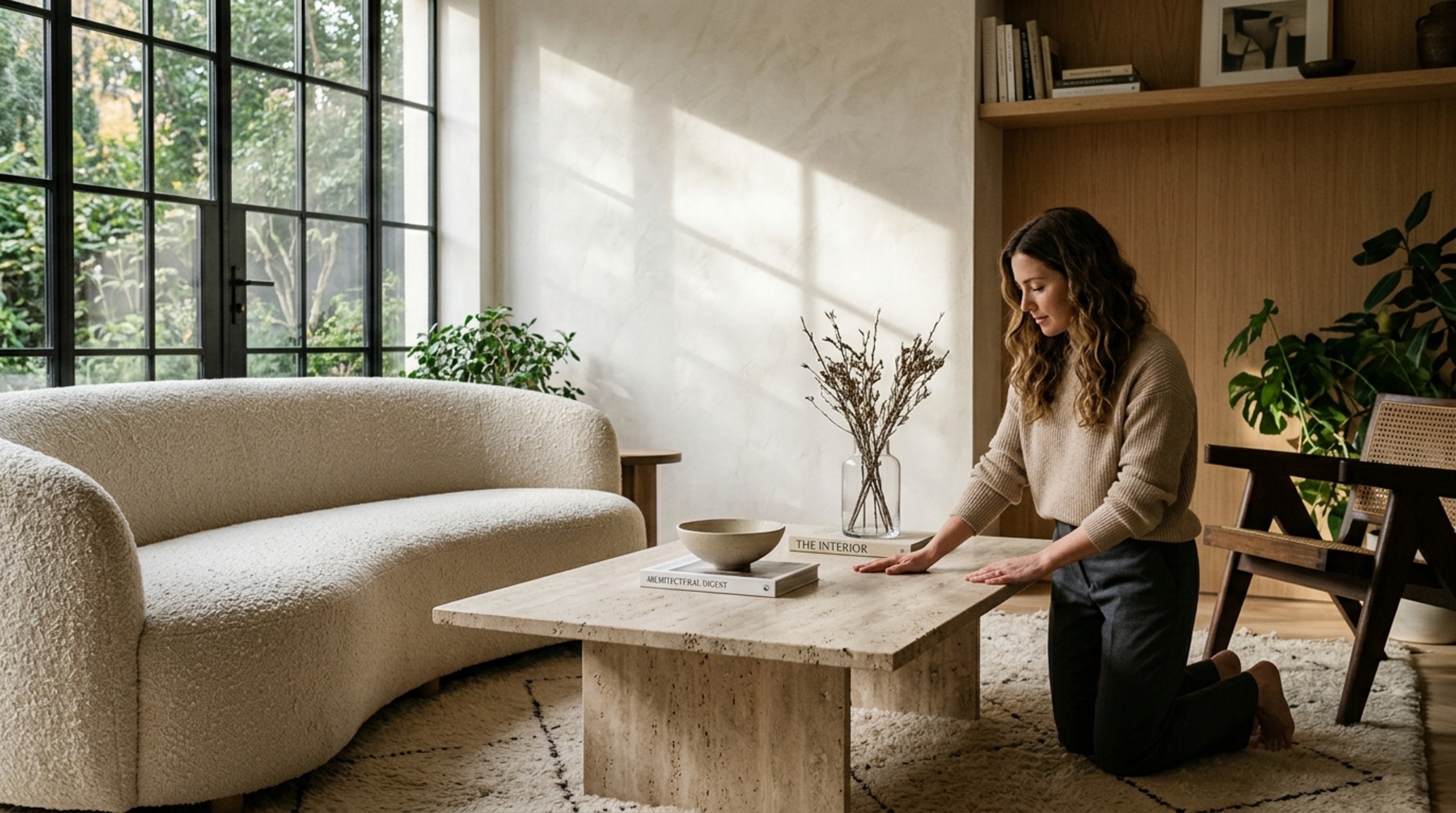
When I work on a curation project, I focus on the ‘material handshake.’ If we have a cold, polished marble coffee table, we must pair it with a warm, nubby bouclé or a heavy linen sofa. What do interior decorators do in this scenario? They balance the thermal and visual temperatures of the room. Pro tip: Always ensure your coffee table is positioned approximately 18 inches from the sofa edge—this is the golden distance for both comfort and accessibility.
The Don’ts of Set Shopping
Never buy the matching armchair that comes with the sofa. It is the fastest way to drain the personality out of a room. Instead, look for a piece in a contrasting material—perhaps a vintage leather sling chair or a fluted oak accent piece—to create a sense of curated evolution over time.
Color Palette Consultation: Depth, Light, and Atmospheric Identity
A color palette consultation is far more than picking a pretty shade from a fan deck. It is an exercise in physics and psychology. Decorators analyze the orientation of your windows—North-facing light is cool and bluish, often requiring warmer tones like Benjamin Moore Swiss Coffee to prevent the room from feeling clinical. South-facing light is intense and golden, which can beautifully handle more complex, muddy tones like Farrow & Ball Setting Plaster.
The Do’s of Tonal Layering
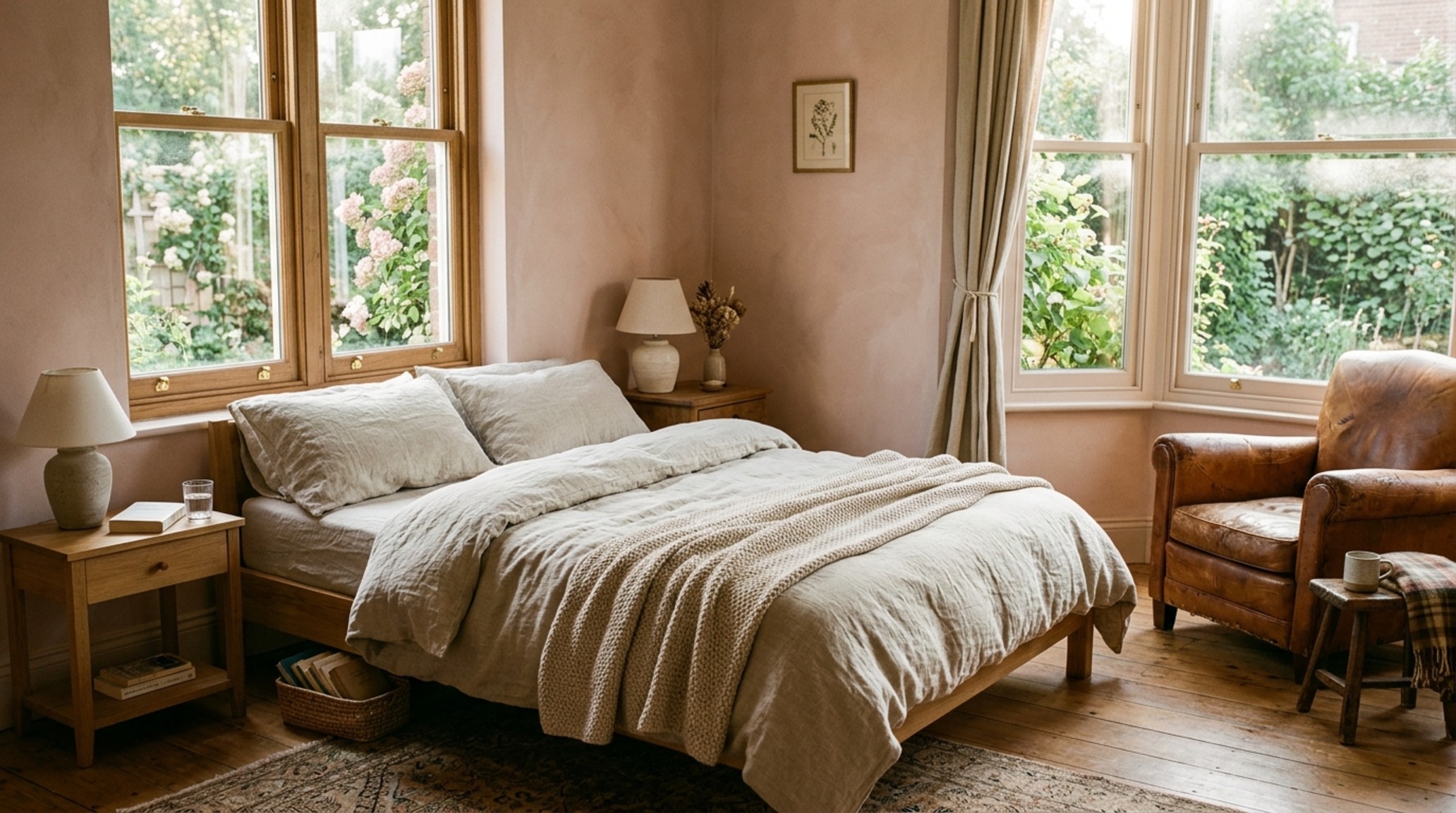
The secret to a bespoke look is ‘tonal depth.’ Instead of one flat gray, a decorator uses four or five variations of the same hue across different textures—a matte plaster wall, a silk rug, a velvet pillow. This creates a visual vibration that feels rich and intentional.
The Don’ts of The ‘Accent Wall’
The traditional 2005-era accent wall is largely dead in high-end design. If a color is good enough for one wall, it is usually good enough for all four. If you want drama, consider ‘color drenching’—painting the baseboards, walls, and crown molding the same color to create an immersive, architectural envelope.
Interior Design Finishing Touches: The Art of the Vignette
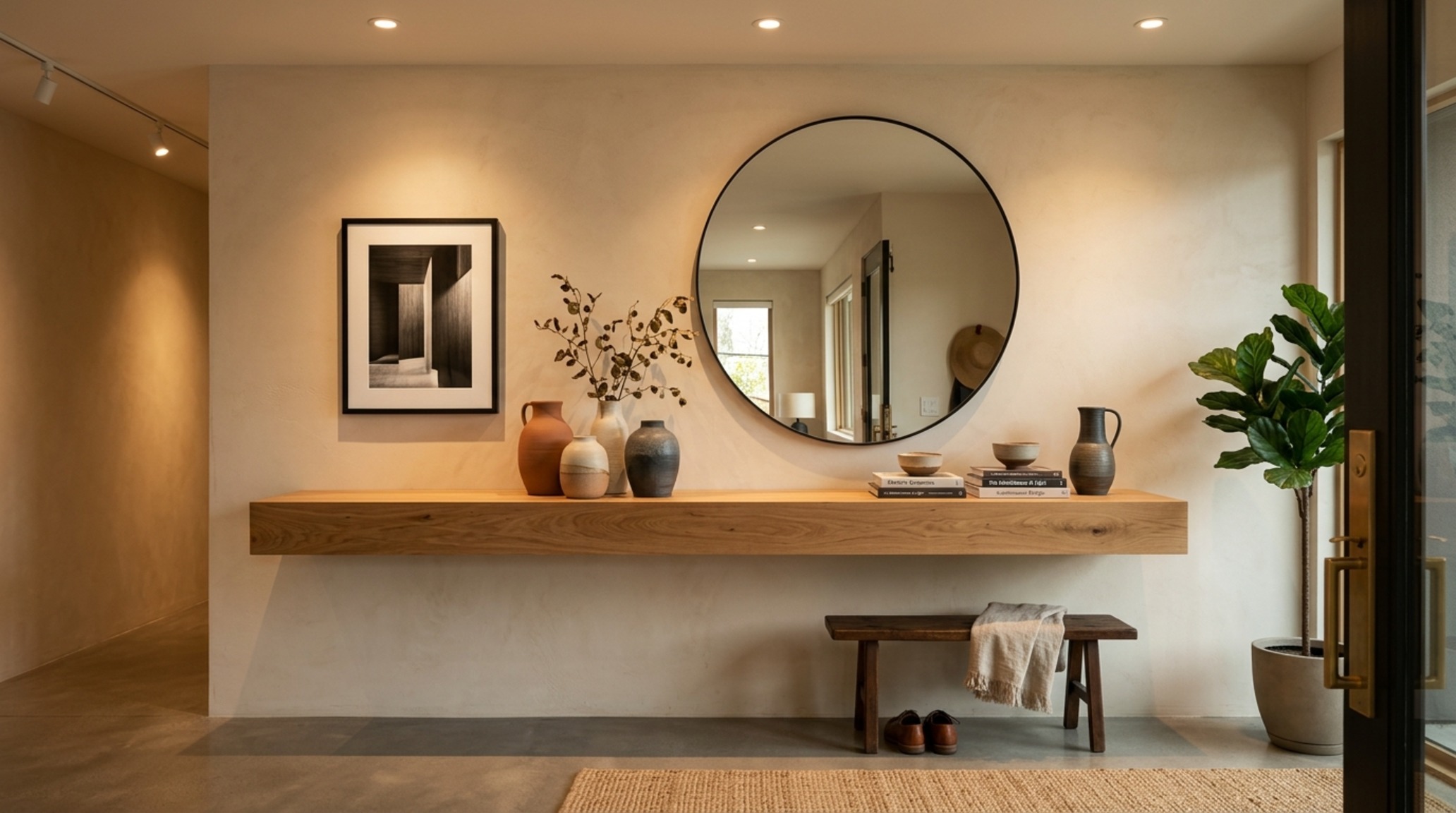
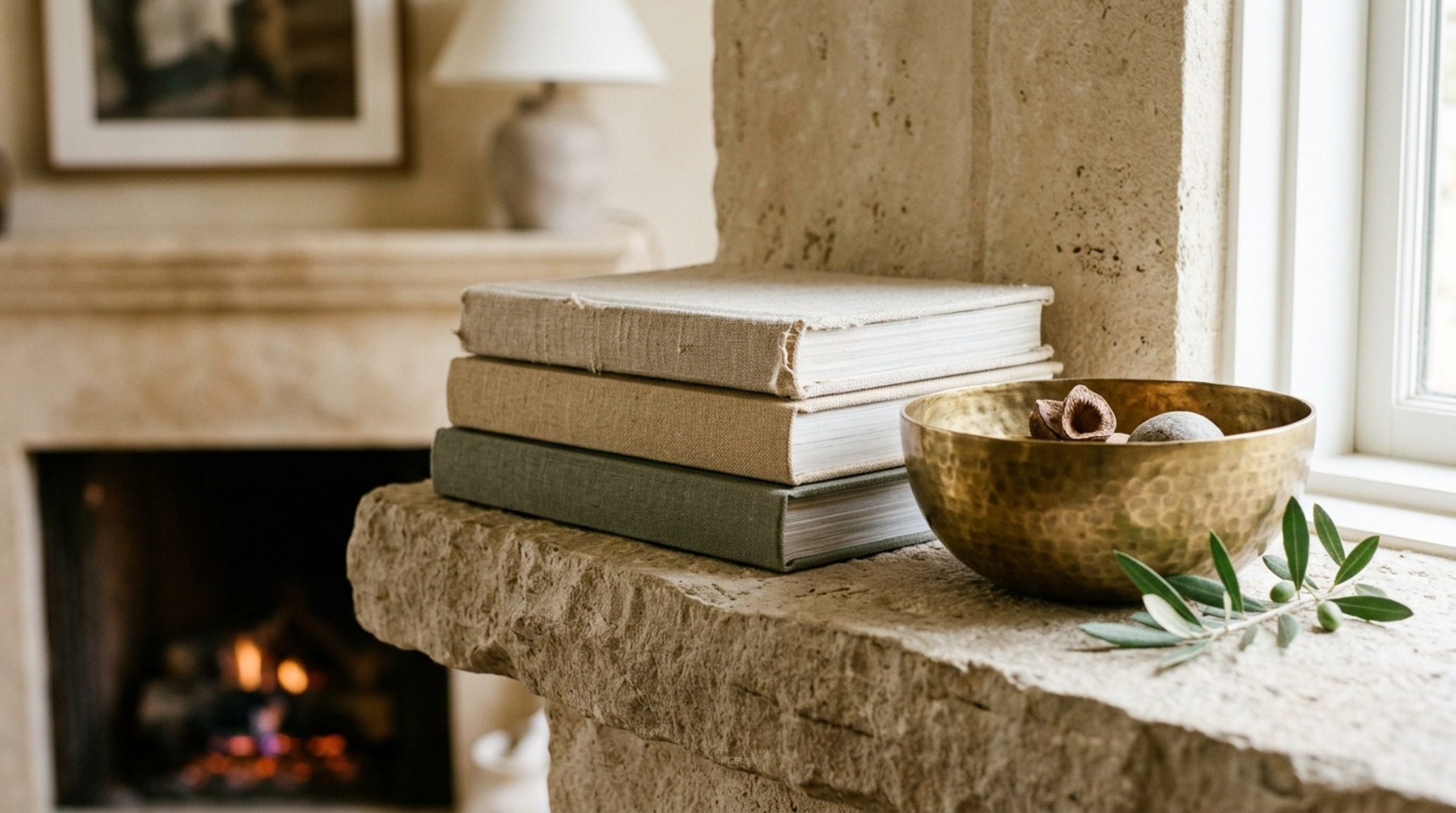
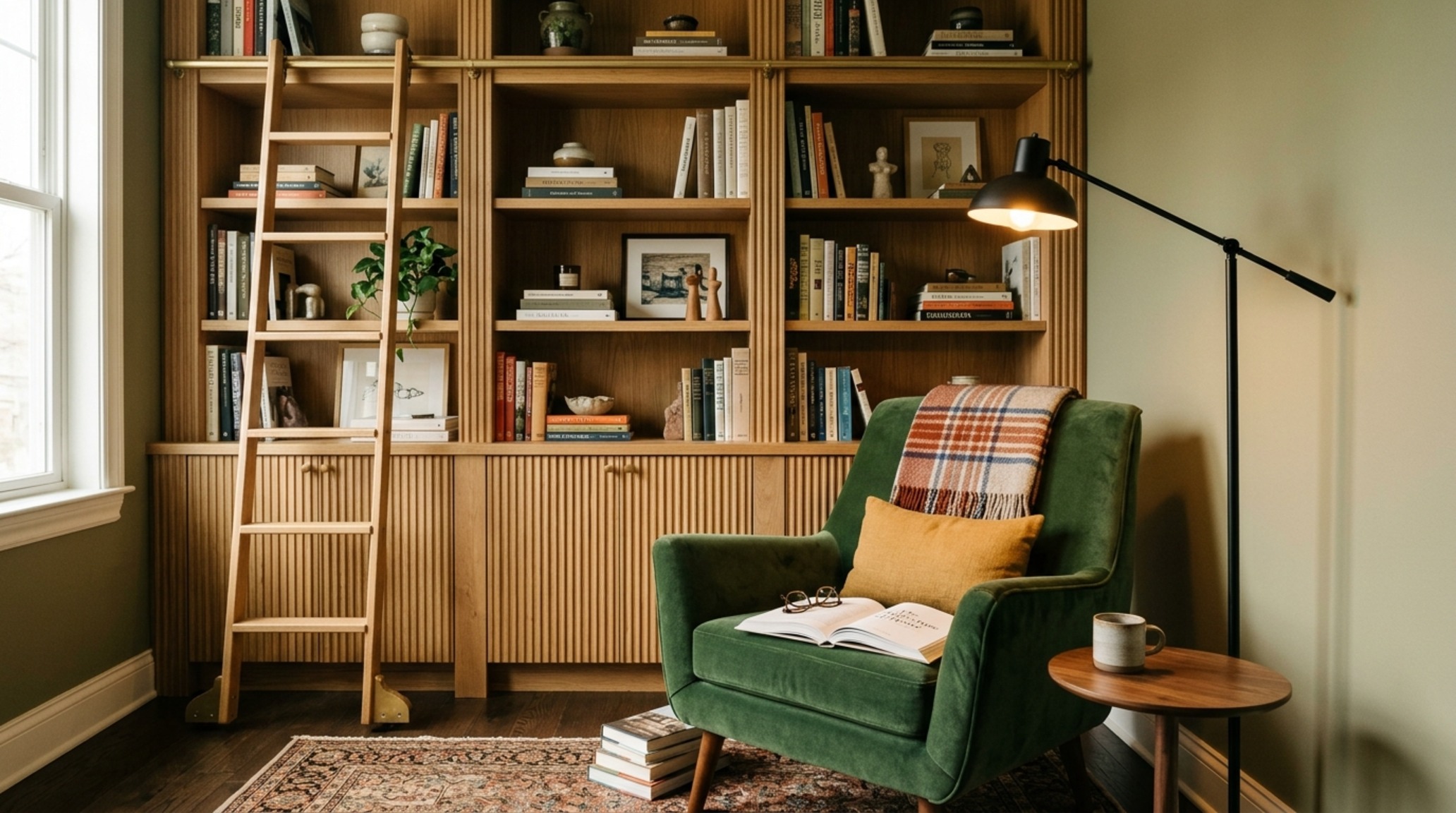
The soul of a home lives in the interior design finishing touches. This is where a decorator translates your travels, your family history, and your eccentricities into a visual anthology. It involves the careful placement of ‘objects of interest’—a hand-turned wooden bowl, a stack of linen-bound books, or a singular piece of sculpture that draws the eye across the room.
The Do’s of Vertical Styling
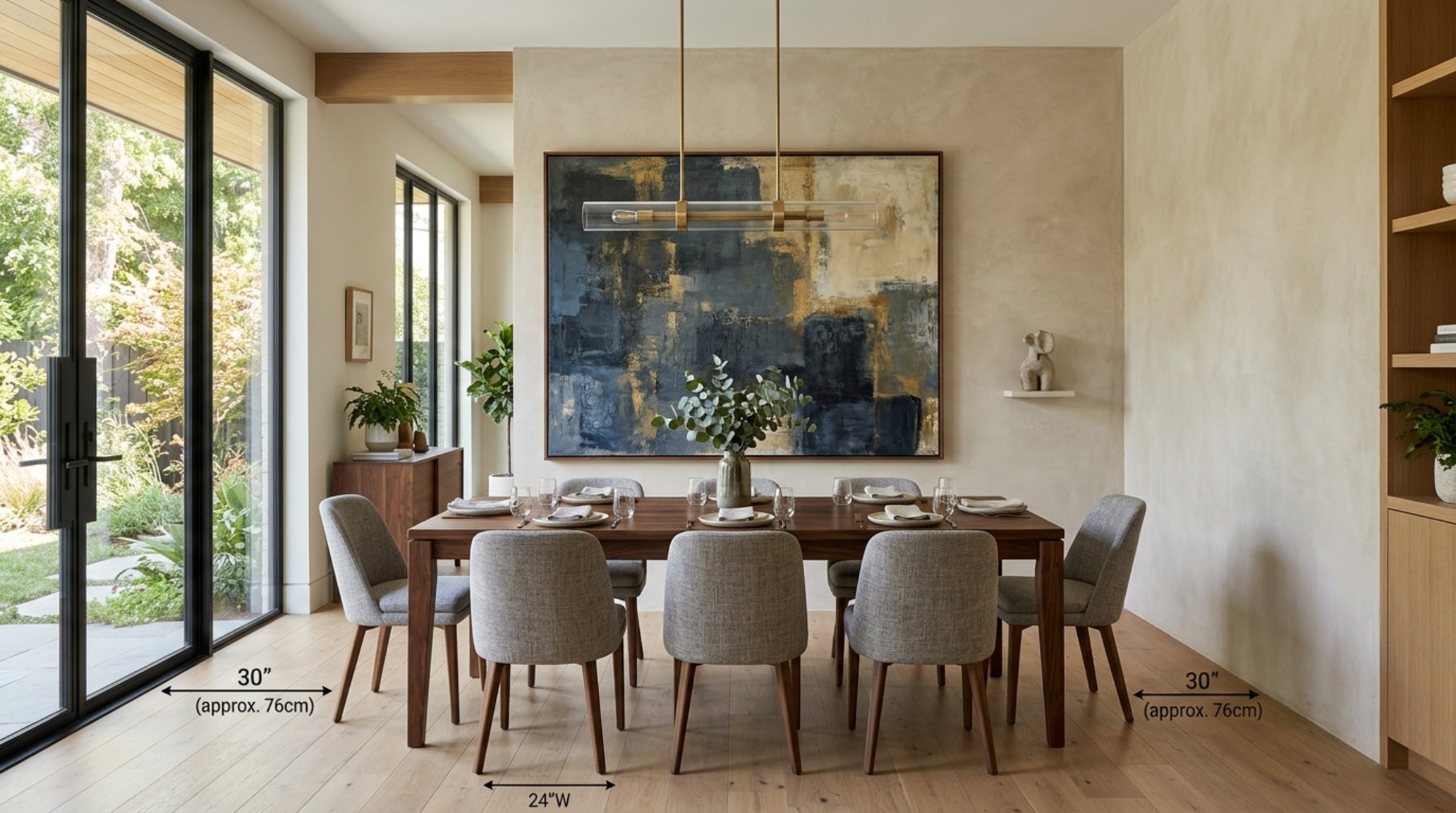
When styling shelves or mantels, think in triangles. Vary the heights of objects to create a rhythmic flow that keeps the eye moving. Use the 30-inch rule for dining chairs: ensure there is at least 30 inches of space behind a dining chair when tucked in to allow someone to pass behind easily.
The Don’ts of Generic Decor
Avoid ‘filler’ items from big-box retailers that have no meaning to you. One authentic, slightly weathered antique found at a flea market carries more ‘visual soul’ than a dozen mass-produced ceramic vases. A decorator’s job is to edit out the noise and amplify the signal of your personal style.
What do interior decorators do to balance the professional home styling cost?
Understanding the professional home styling cost is often about understanding the value of ‘the expensive mistake avoided.’ While a decorator carries a fee, they also bring access to ‘To The Trade’ showrooms, custom workrooms, and a curated list of reliable artisans. They manage the logistics of a home makeover process, ensuring that the 12-week lead time for a custom sofa doesn’t result in you sitting on the floor because the old one was sold too early.
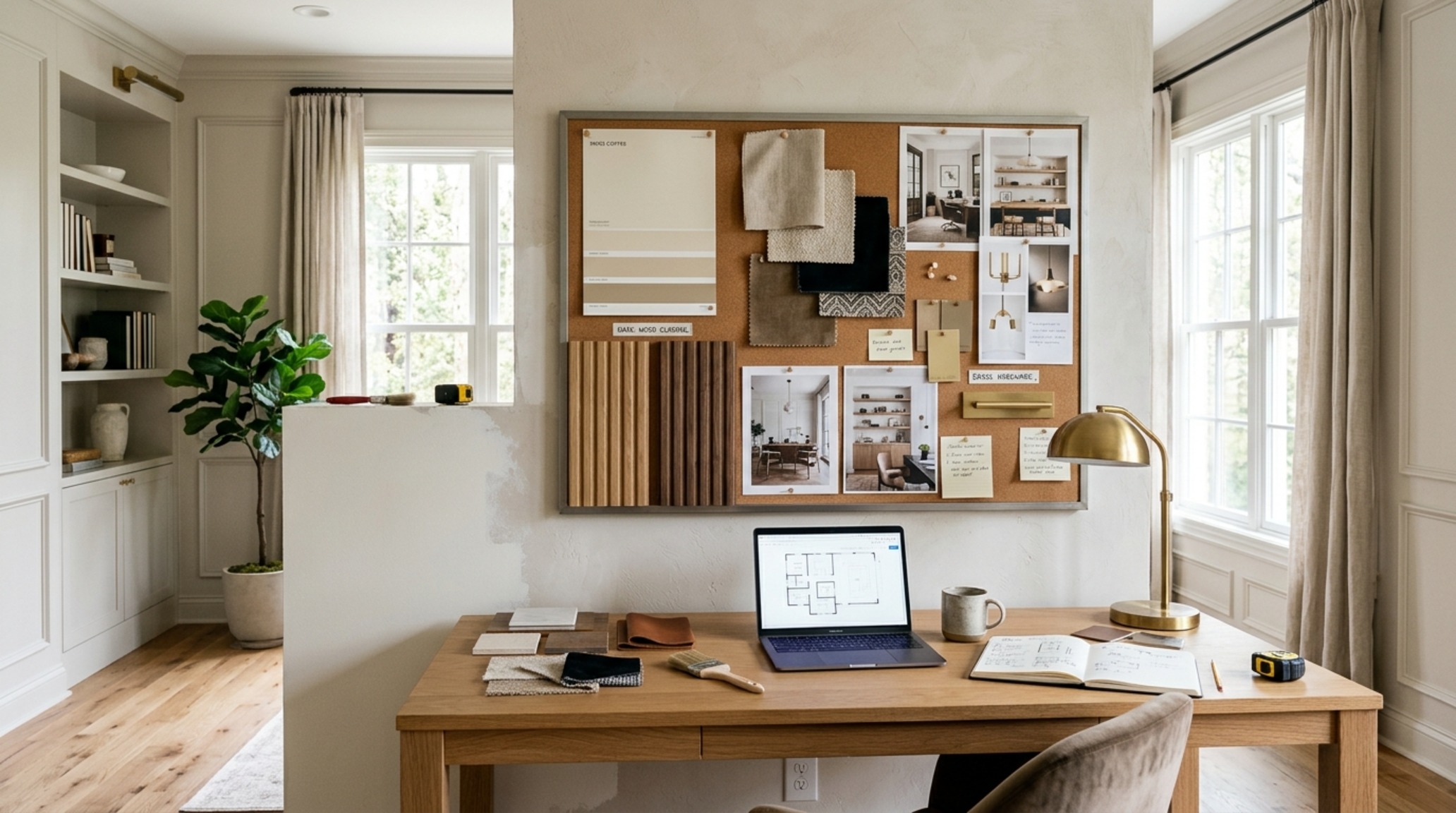
Beyond the logistics, they provide the ‘editing eye.’ They know when to spend on a high-traffic rug and when a vintage find can save the budget without sacrificing the aesthetic. By investing in a decorator, you are essentially purchasing a roadmap that ensures every dollar spent contributes to a cohesive, high-CRI, tactilely rich environment.
Material Schedule & Specification Sheet
Detailed specifications outlining core tactile materials, lighting temperature, and room clearances.
Ultimately, the question of what do interior decorators do is answered in the way a room feels at 4:00 PM when the low sun hits a textured plaster wall. It is the invisible scaffolding of comfort. Before you make your next purchase, consider the lighting—not just the lamp, but the quality of the light itself. One final tip: Try swapping your standard 5000K daylight bulbs for 2700K warm LEDs this evening and see how the ‘mood’ of your home shifts instantly. How does the texture of your favorite chair change when the light finally respects its materiality?
Editorial Silo • Recommended Architecture Studies
- Organic Apartment renovation costs: Luxury finishes — Archival Design Case Study
- Perfect Modern California Homes: Space-Saving Living Ideas — Archival Design Case Study
Curated Interior Perspectives
An evocative photographic exploration balancing structural discipline with inviting tactile softness.
Curated Visual Lookbook
Design Gallery & Spatial Studies
A visual curation of architectural arrangements, lighting concepts, and material palettes featured in this space.