For generations, the weight of a home was measured by the literal mass of its components: the mahogany sideboards that required four men to move and the heavy velvet drapes that swallowed the sun. We were bound by the physical proximity of our neighbors and the limited inventory of local showrooms. Today, that physical friction has dissolved into a fluid digital stream. Navigating the best websites for interior design ideas allows us to transcend local limits, pulling the spatial logic of a Parisian pied-à-terre into a Midwestern loft with the precision of a master architect. This modern evolution shifts our focus from merely filling a room to curating a high-end sensory experience, where digital curation meets the tangible reality of the 36-inch primary circulation path. We are no longer limited by what is available; we are only limited by what we can visualize.
Spatial Perspectives & Material Curation
When we look at the digital landscape of 2025, the distinction between a professional resource and a casual mood board has blurred in favor of high-fidelity, actionable data. Sourcing from elite trendsetters involves more than just pinning pretty pictures; it requires an understanding of spatial cadence and the way light interacts with surface. The foundational strategy for a successful project in 2025 fuses Architectural Digest’s spatial logic with Houzz’s practical functionality. This synthesis allows a homeowner to transition from a conceptual dream to a technical reality without losing the emotional resonance of the design.
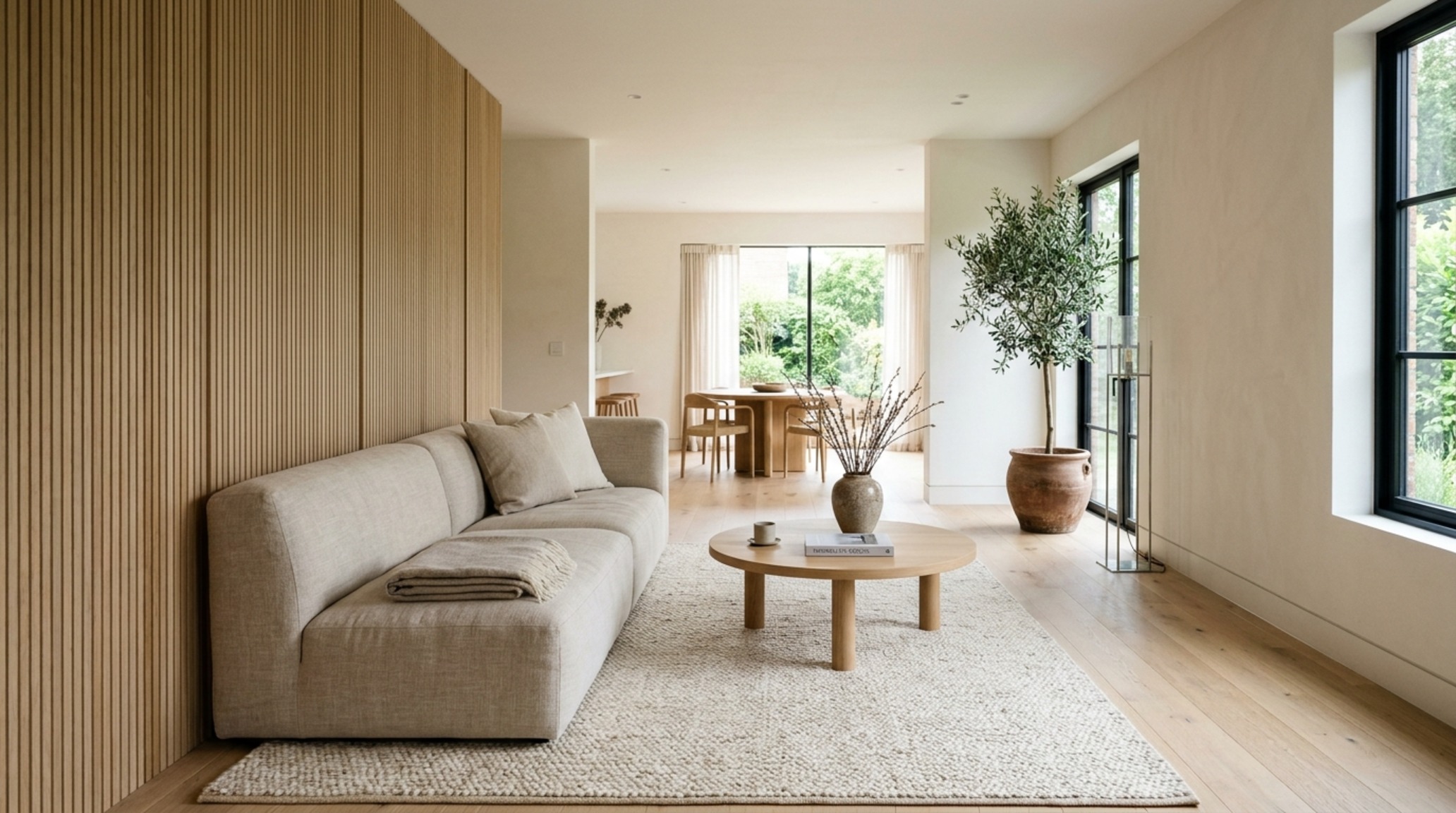
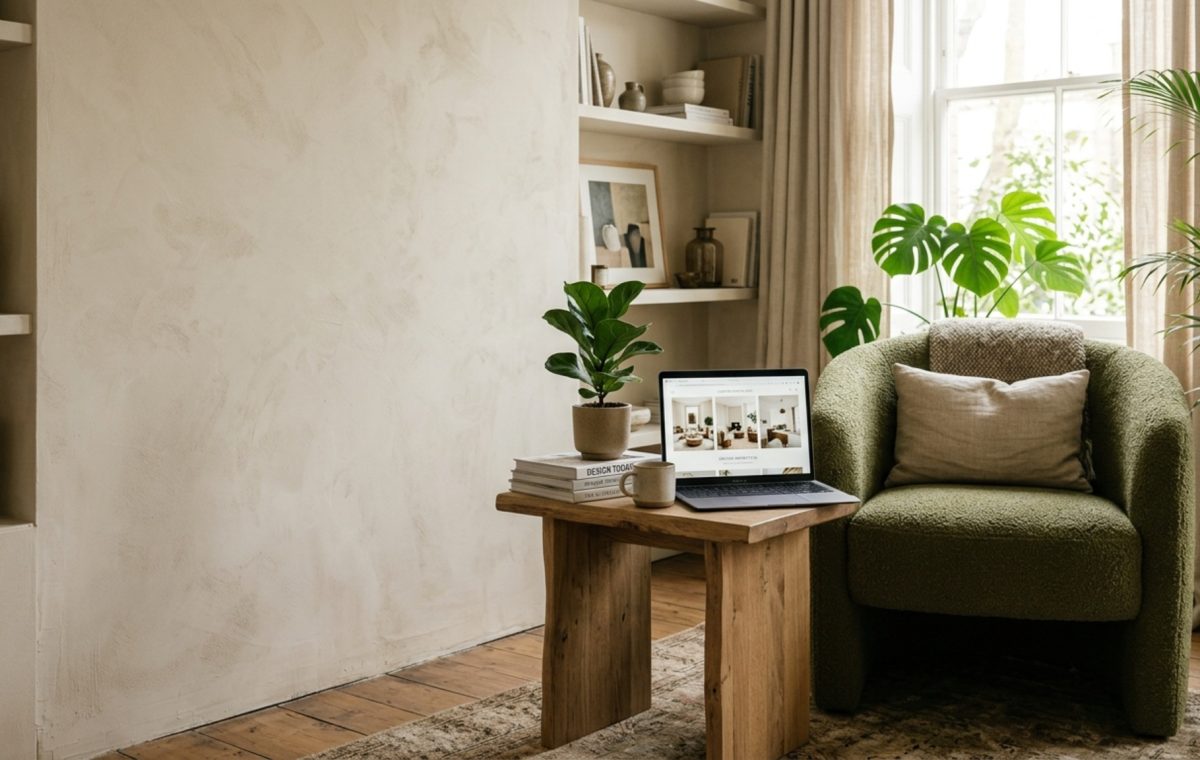
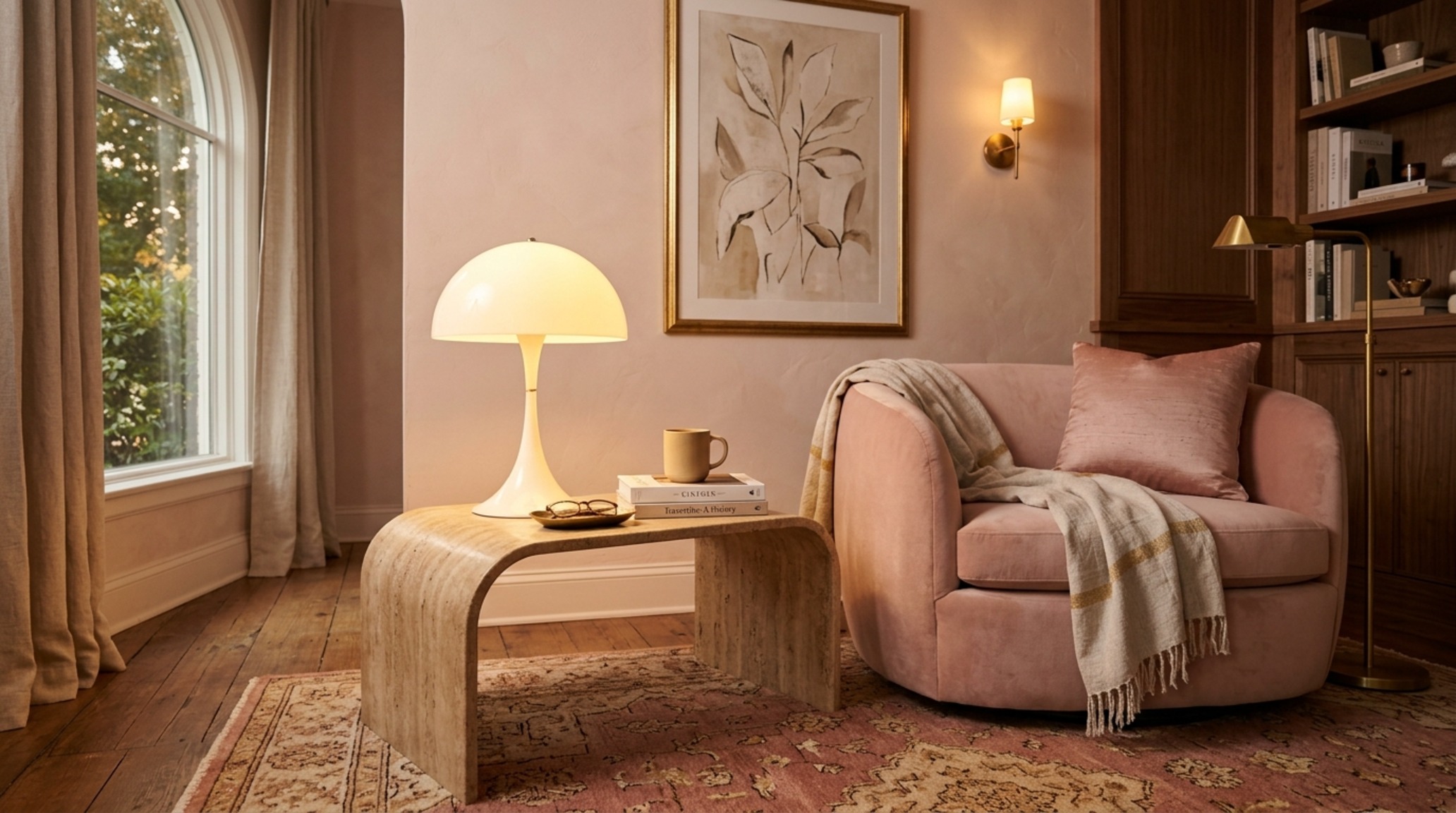
In the image above, notice the interplay of negative space breathing room. The chair is not simply placed; it is positioned with a 30-inch dining chair clearance in mind, ensuring that the visual weight of the furniture does not overwhelm the room’s flow. When browsing best home design websites, the most successful designers are those who look for these hidden measurements—the invisible lines that govern how a body moves through a space. By observing how professional photographers frame a room, we can learn to balance a bold focal point, such as a fluted white oak feature wall, with the quiet rest of a neutral linen sofa.
Professional Design Resources: Beyond the Aesthetic Surface
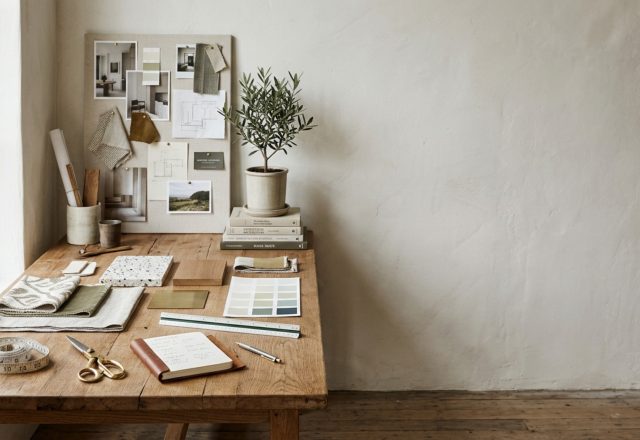
True luxury is found in the details that the untrained eye often misses but the body feels instantly. This is where professional design resources become indispensable. Instead of searching for generic ‘blue paint,’ high-end planning requires the nuance of a Farrow & Ball ‘Setting Plaster’ or the creamy depth of Benjamin Moore ‘Swiss Coffee.’ These specific swatches react differently to 2700K warm ambient lighting than they do to the blue-tinted light of a north-facing window. Websites for interior design ideas now provide the technical specifications—the light reflectance values (LRV) and the material compositions—that ensure your home feels as good as it looks.
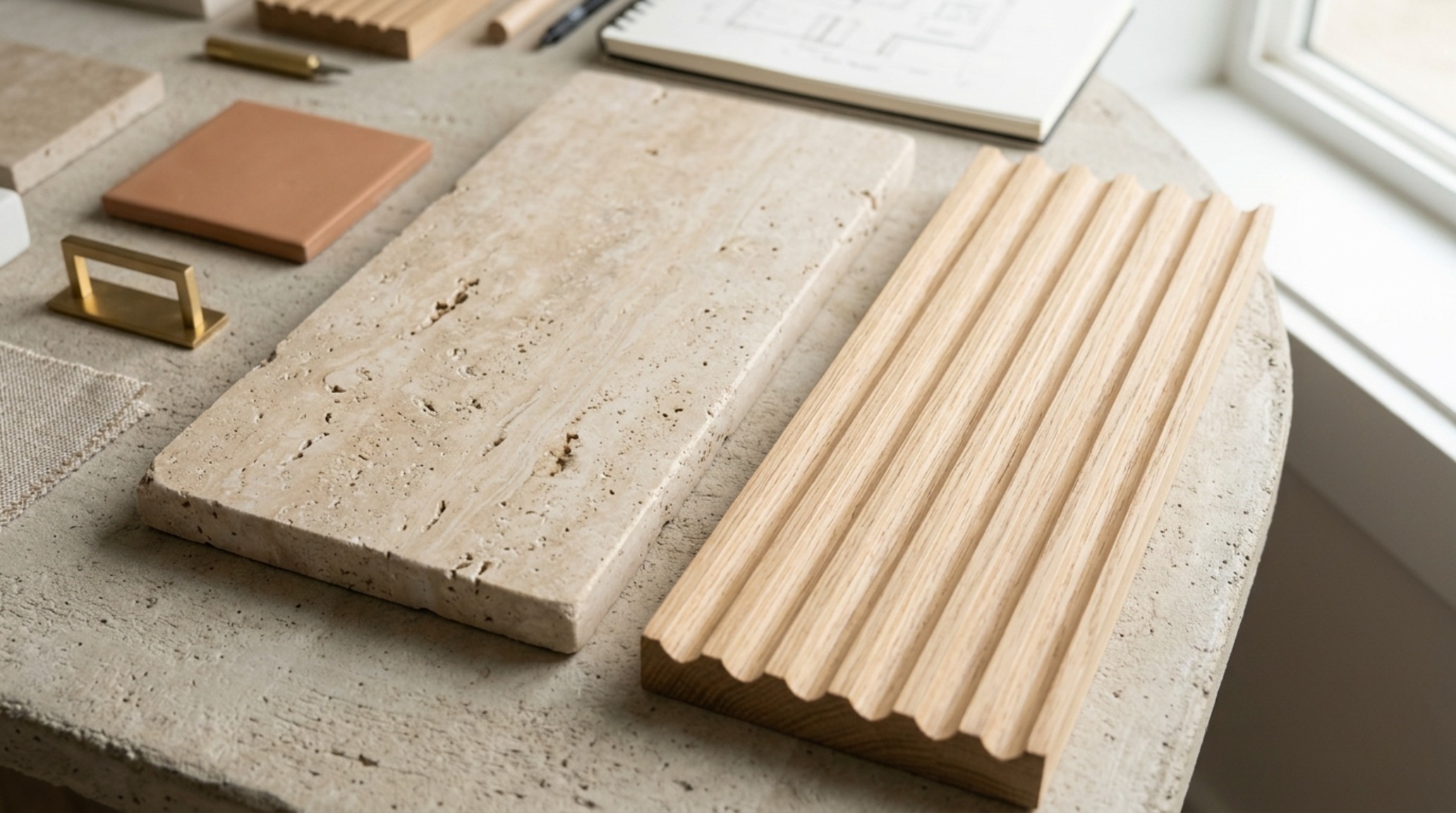
We must also consider the tactile grounding of a space. A room visualizer tool might show you a marble floor, but a professional resource will explain the difference between a polished finish and a honed travertine stone. The latter offers a soft, matte texture that absorbs light rather than reflecting it, creating a sense of permanence and warmth. When planning your 2025 renovation, prioritize websites that provide this level of material depth, moving beyond the ‘what’ and into the ‘how’ of architectural construction.
The Visual Concept Gallery: Websites for Interior Design Ideas
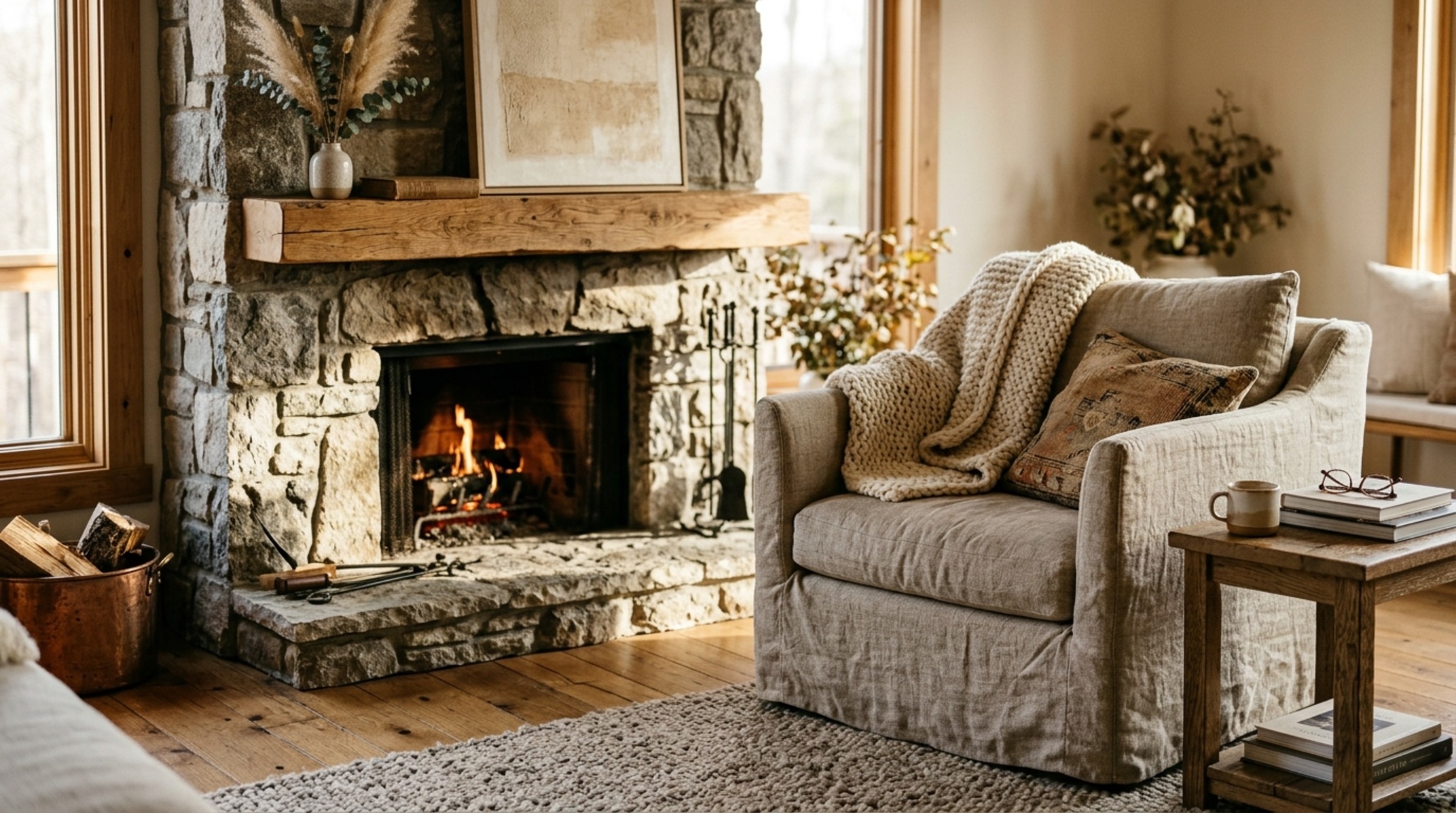
Modern design is increasingly defined by the marriage of heritage and technology. The concept of ‘shadow play’ has become a central theme in 2025, where lighting is used as a sculptural element rather than a mere utility. When exploring websites for interior design ideas, pay close attention to the CRI (Color Rendering Index) of the fixtures shown. A high CRI of 90+ is non-negotiable for high-end interiors, as it ensures that the subtle pink undertones in your ‘Setting Plaster’ walls don’t turn into a muddy grey at sunset. The visual galleries of 2025 are leaning heavily into these atmospheric lighting specs, showcasing how 3000K task lighting in a kitchen can transition seamlessly into a 2700K diffused glow for evening entertaining.
Room Visualizer Tools & The Geometry of Comfort
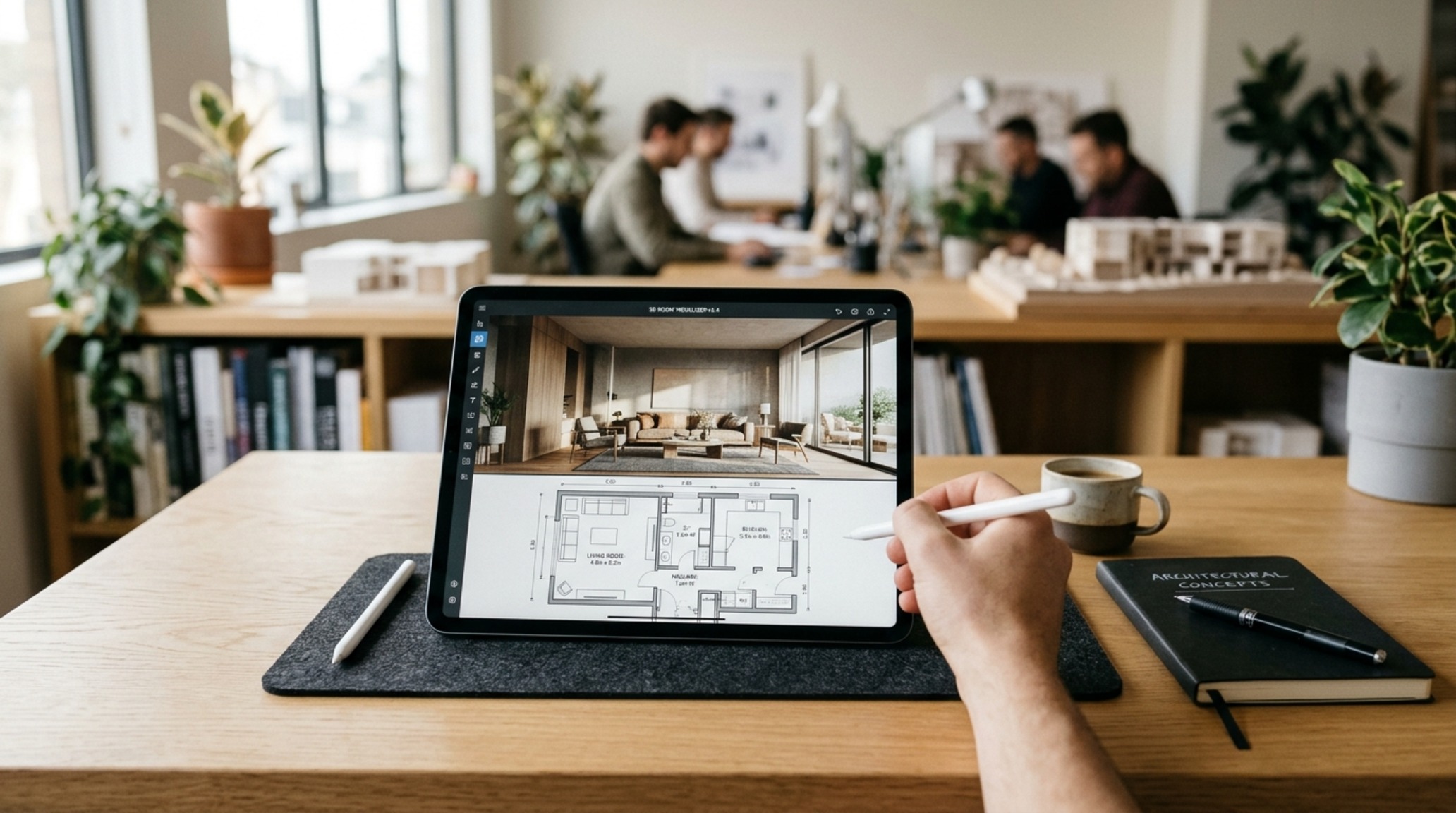
The rise of advanced room visualizer tools has democratized the ability to see spatial layout before a single piece of furniture is ordered. However, the tool is only as good as the data entered. As you navigate these platforms, remember the golden ratios of interior architecture. A coffee table should sit approximately 18 inches from the sofa—close enough for a drink, far enough for legs to move. A rug should ideally allow for at least 12 to 18 inches of exposed flooring around the perimeter to provide a ‘frame’ for the room. These tools allow us to test these clearances in a digital environment, avoiding the costly mistake of a rug that is too small or a walkway that feels like a squeeze.
Beyond the floor plan, look at sightline alignment. When you stand in the doorway of a room, where does your eye travel first? Is there a balanced ‘spatial cadence’ that guides you through the space? Use visualizer platforms to experiment with negative space. Sometimes, the most powerful design move is not what you add, but what you leave out. This ‘breathing room’ is the hallmark of luxury design, often highlighted on benchmark sites like jayhawkrent.com/websites-for-interior-design-ideas as a way to elevate even the most functional of spaces.
Architectural Details & Spatial Cadence
Luxury decor inspiration in 2025 is moving away from the ‘fast furniture’ trends of the previous decade and toward a more curated, archival approach. This involves sourcing vintage elements and pairing them with hyper-modern silhouettes. Consider the impact of a 1970s Italian travertine console table against a stark, minimalist backdrop. This contrast creates a narrative—a sense that the home has been assembled over time rather than purchased in a single weekend. The best websites for interior design ideas this year are those that celebrate this ‘eclectic precision,’ where every object has a reason for existing within the frame.
Apartment Renovation Ideas: Maximizing Small-Scale Elegance
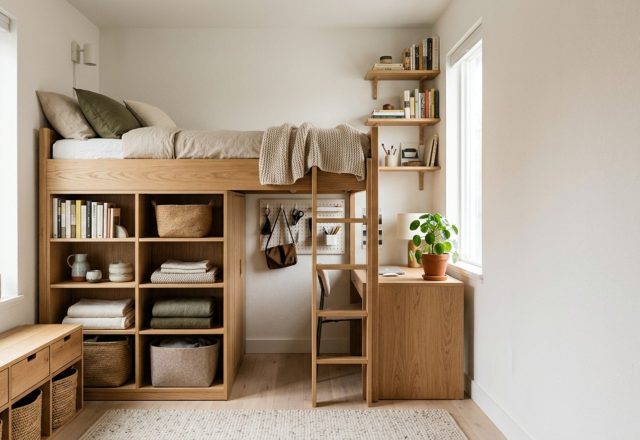
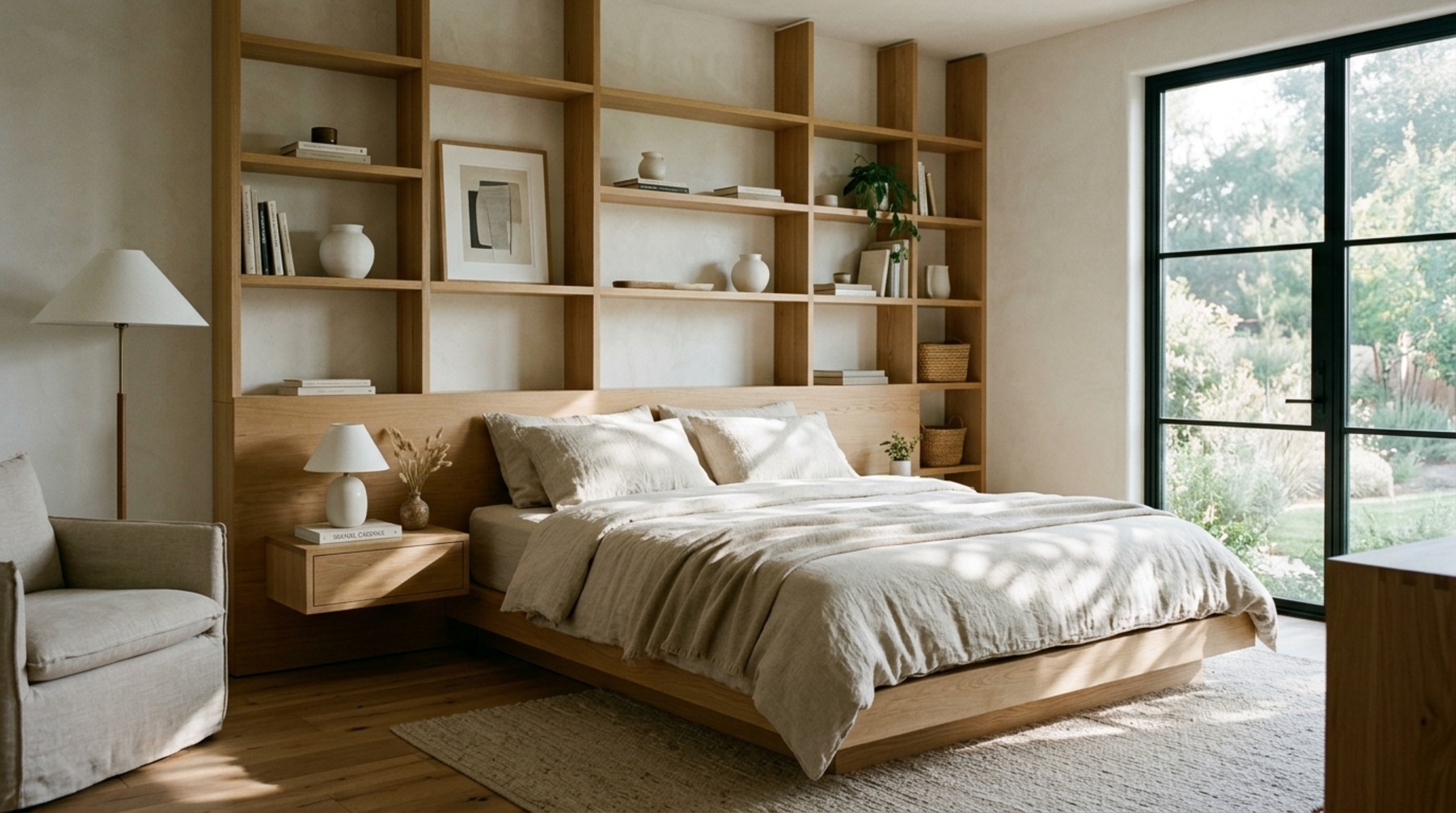
Small-space living requires an even higher level of architectural discipline. In an apartment renovation, every inch must perform double duty. We look for apartment renovation ideas that utilize vertical space without cluttering the eye’s path. Floating vanities in a bathroom, for instance, keep the floor plane visible, which tricks the brain into perceiving more square footage. Integrated cabinetry that mimics the wall color—perhaps a soft #EAE6DF Warm Alabaster—creates a seamless transition that hides storage in plain sight.
Lighting in smaller apartments should be layered to avoid flat, uninspired corners. Use diffused directional lighting to highlight specific textures, such as a lime-washed wall or a fluted oak cabinet door. This layering adds depth, making a compact room feel expansive and thoughtful. By sourcing ideas from high-end resources, we can apply the same spatial logic used in sprawling estates to the most modest of city dwellings, proving that luxury is a matter of proportion, not just size.
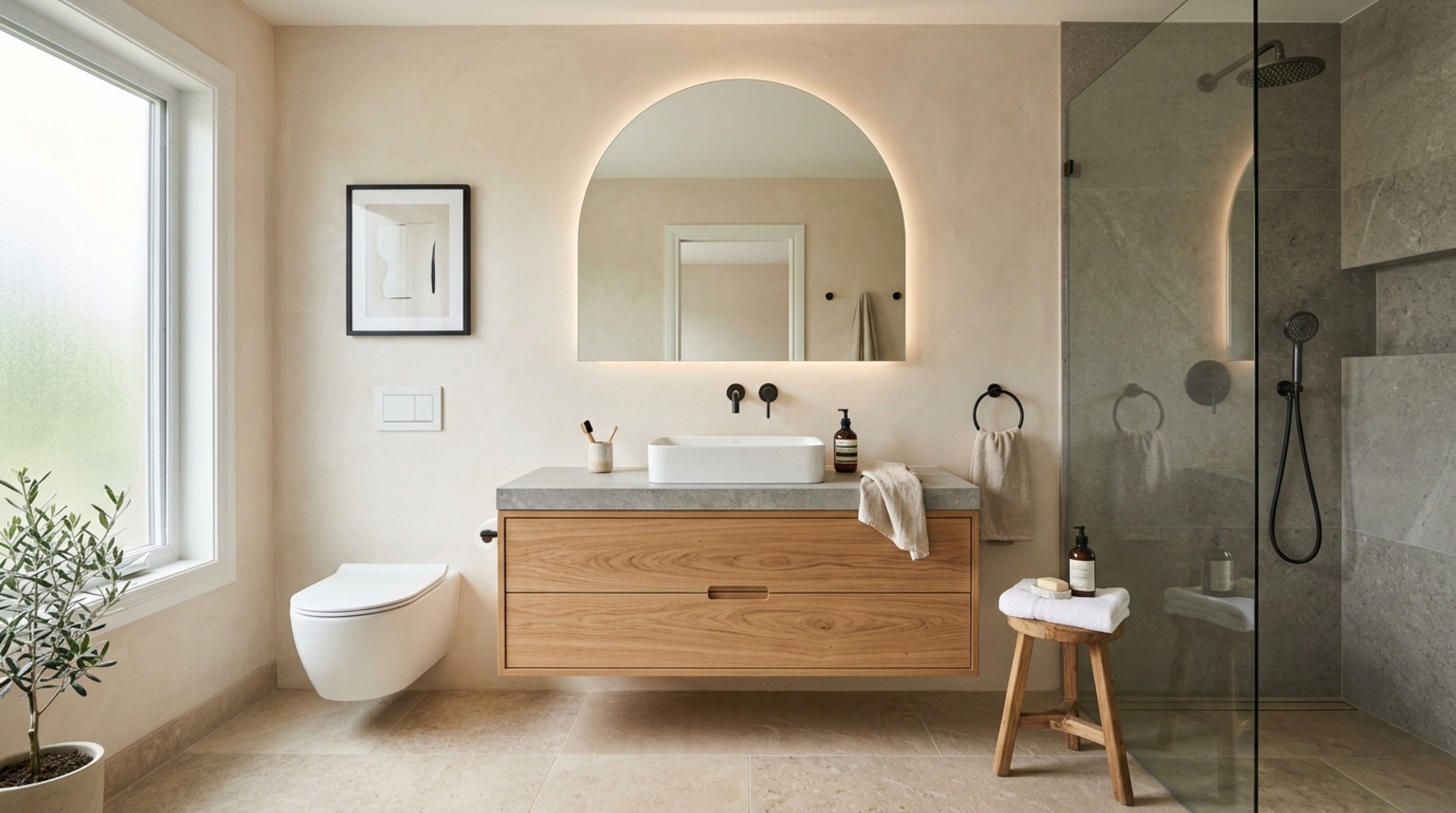
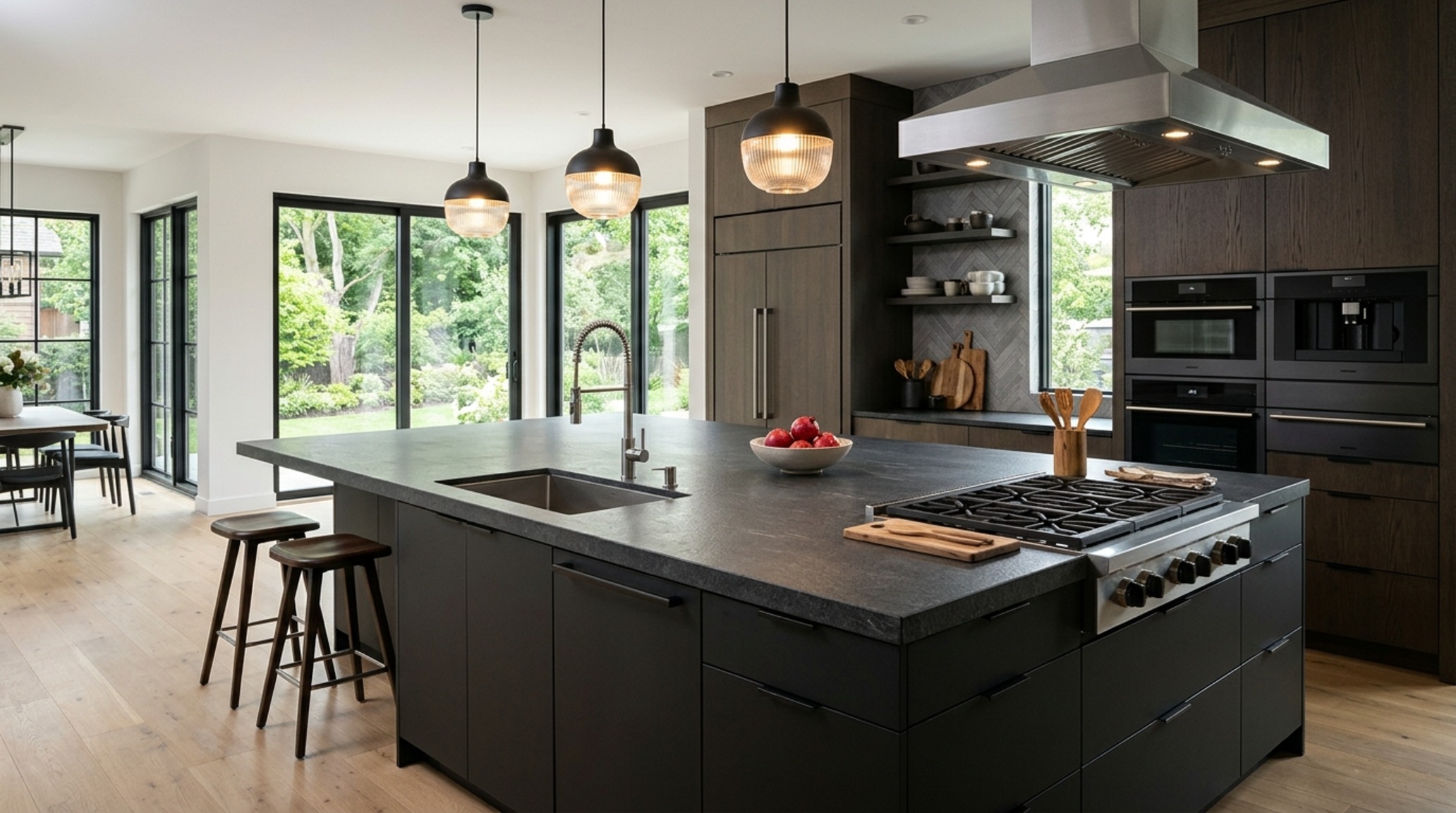
The tactile experience of a renovated space is often what defines its success. When you run your hand across a countertop, is it the cold, clinical feel of a synthetic laminate, or the organic, temperature-responsive touch of real stone? These material choices, while small, contribute to the overall sensory experience of the home. As we look toward the future of interior planning, the focus remains on the marriage of human-centric dimensions and high-concept aesthetics. The digital world provides the map, but the architectural reality—the 36-inch walkway and the 2700K glow—is what makes it a home.
Technical Breakdown & Material Schedule
Practical architectural ledger outlining surface materials, color values, and circulation dimensions.
Design is an iterative process of refinement. As we engage with the vast landscape of websites for interior design ideas, we are essentially building a personal library of spatial solutions. The digital world offers us the dream, but the successful realization of that dream lies in our commitment to architectural truth. By respecting the natural properties of wood, the specific Kelvin of a light bulb, and the necessary clearance for a human body, we create spaces that don’t just look stunning in a photograph but feel resonant and grounded in daily life. This is the ultimate goal of the 2025 interior landscape: to use technology as a bridge to a more authentic, tactile, and beautifully proportioned physical existence.
Editorial Silo • Recommended Architecture Studies
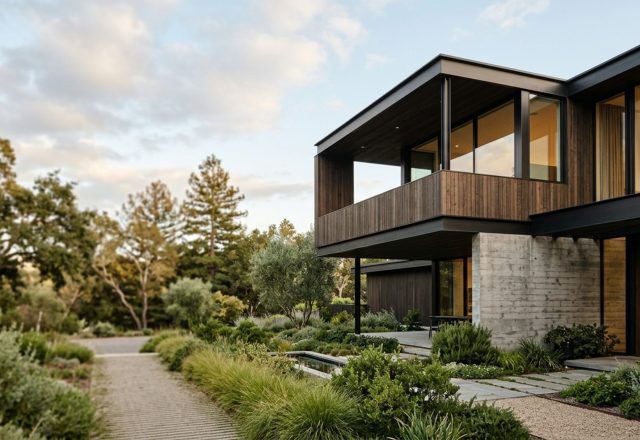
- Exterior modern homes sculptural layout rules — Archival Design Case Study
- How do you become an interior designer in the modern market — Archival Design Case Study
Editorial Photo Collection
An editorial exhibition documenting finishes, architectural lighting, and bespoke spatial detailing.
Curated Visual Lookbook
Design Gallery & Spatial Studies
A visual curation of architectural arrangements, lighting concepts, and material palettes featured in this space.