The Evolution of the Adolescent Sanctuary: From Thematic to Atmospheric
For decades, the standard approach to a young woman’s sanctuary was characterized by a heavy-handed application of saccharine pink and white laminate furniture—a bulky, temporary aesthetic that functioned more like a waiting room for adulthood than a reflection of a maturing identity. Today, we are witnessing a profound architectural shift where teenage girl paint bedroom ideas are treated with the same atmospheric gravity and material rigor as a primary suite. The shift from ‘juvenile’ to ‘sophisticated’ is not merely a change in color, but a change in philosophy. We are no longer designing for a static age; we are designing for a shifting state of being. By embracing high-pigment palettes and sensory materiality, we can create environments that support cognitive focus, emotional regulation, and a burgeoning sense of self.
Sophisticated Pink Paint Alternatives: From Saccharine to Sculptural
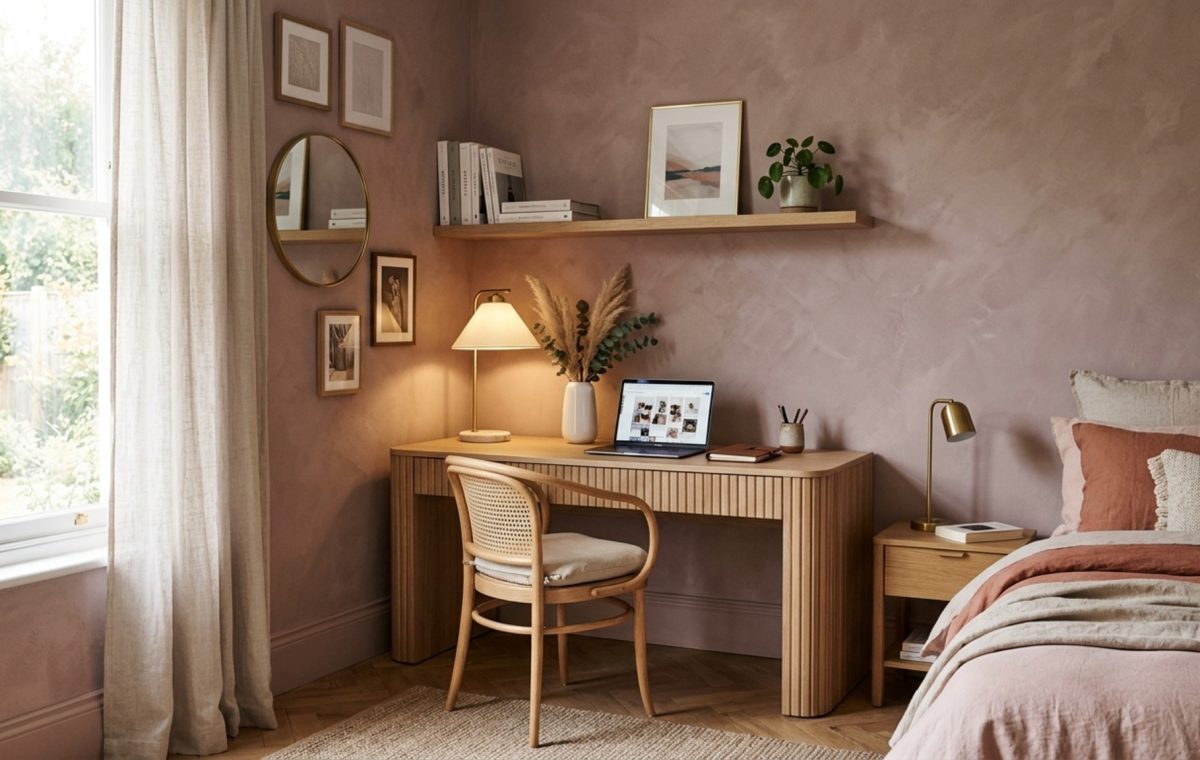
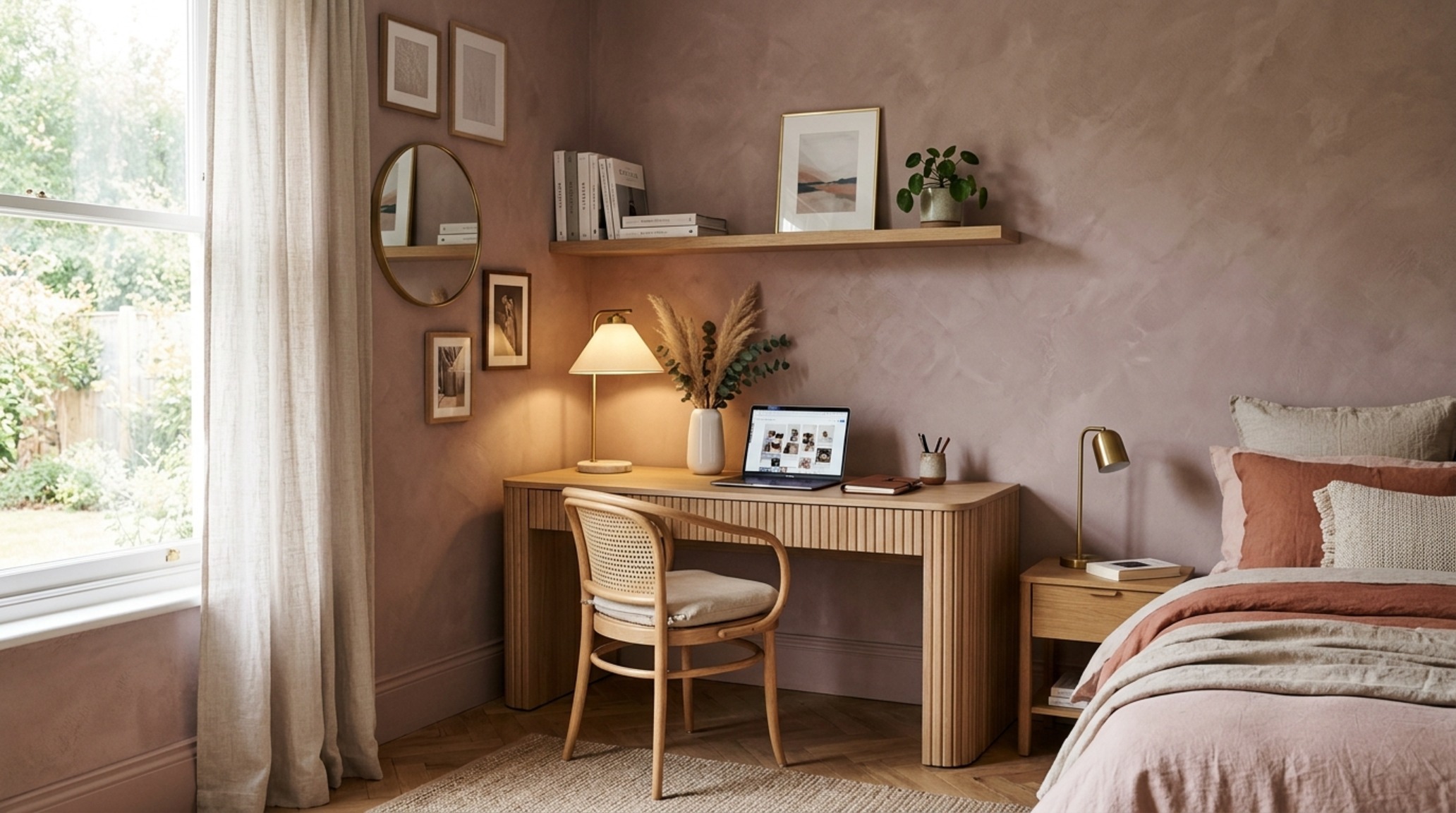
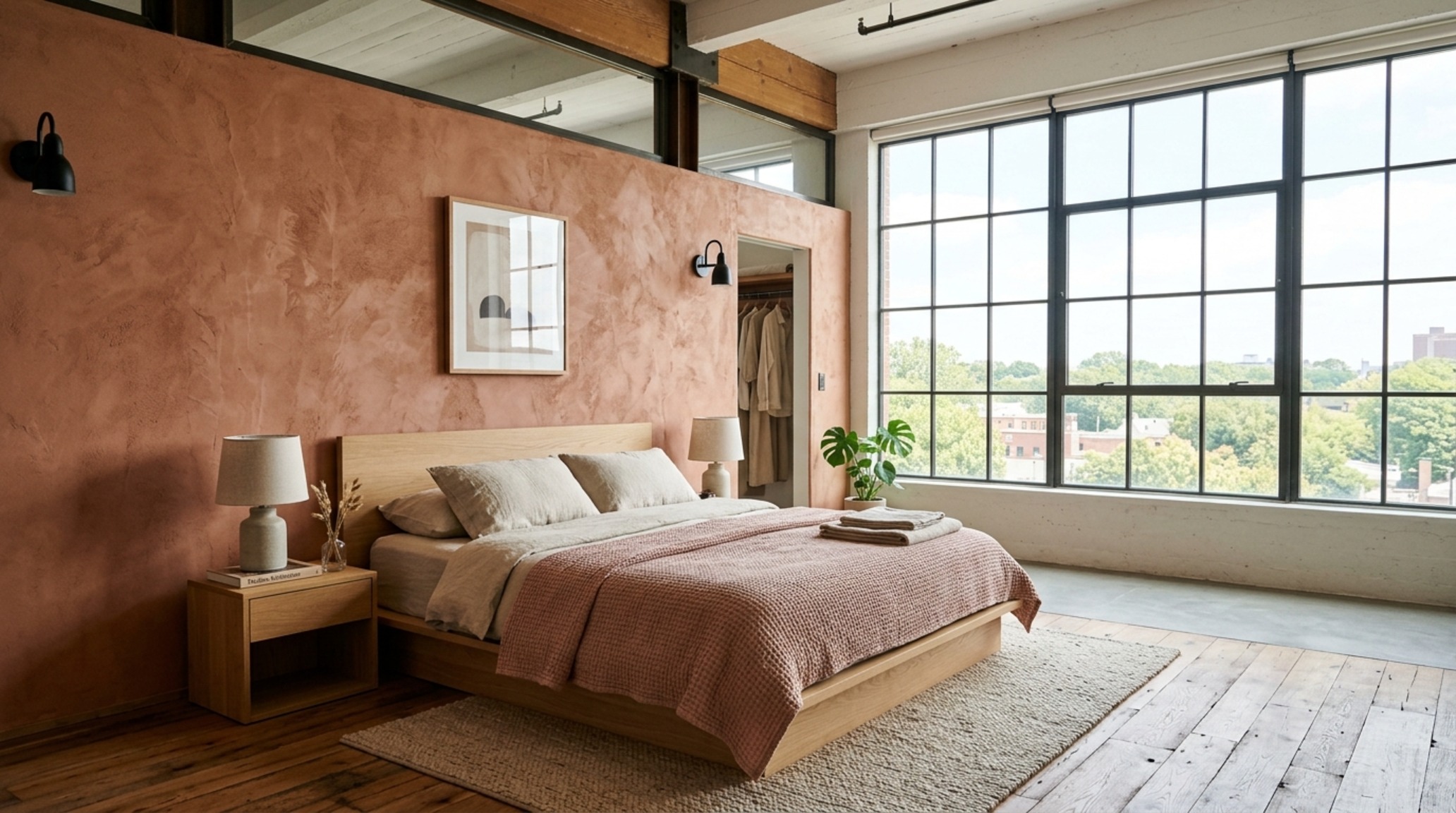
When a client requests pink, the modern designer looks toward the earth. We are moving away from neon bubblegums toward what I call ‘sculptural neutrals’—shades that possess a red or yellow undertone, giving them a dusty, lived-in quality. Think of Farrow & Ball’s Setting Plaster or Benjamin Moore’s First Light. These sophisticated pink paint alternatives provide a warm, luminous backdrop that behaves like a neutral, reflecting light without overwhelming the senses. The key to making these colors feel ‘high-design’ rather than ‘nursery’ lies in the finish and the pairing. A dead-flat matte finish on the walls paired with a high-gloss trim in the same color creates a subtle architectural shadow play that feels incredibly intentional.
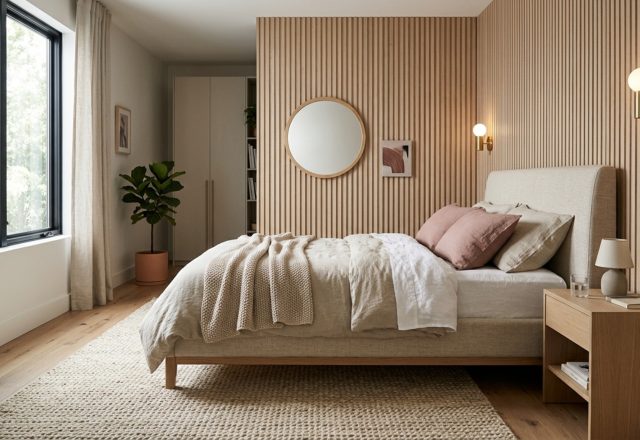
Integrating these hues requires an understanding of light temperature. In a north-facing room, where light is naturally cooler and bluer, these warm pinks prevent the space from feeling clinical. When developing teenage girl paint bedroom ideas, I often suggest layering these plaster-toned walls with organic materials like fluted white oak or unlacquered brass. The goal is to move the eye away from the ‘color’ and toward the ‘composition.’ The wall becomes a canvas for texture rather than a loud statement of gendered identity.
The Architecture of Tonal Color Blocking for Bedrooms
Design is most effective when it serves a functional purpose. Using tonal color blocking for bedrooms allows us to visually partition a room without the need for physical dividers. In a teenager’s room, which often acts as a micro-apartment, we might use a deep, saturated charcoal like Benjamin Moore Iron Ore behind the bed to create a ‘sleep cocoon,’ while transitioning to a softer, light-reflective Swiss Coffee in the study zone. This spatial cadence cues the brain: this is where I rest, and this is where I perform.
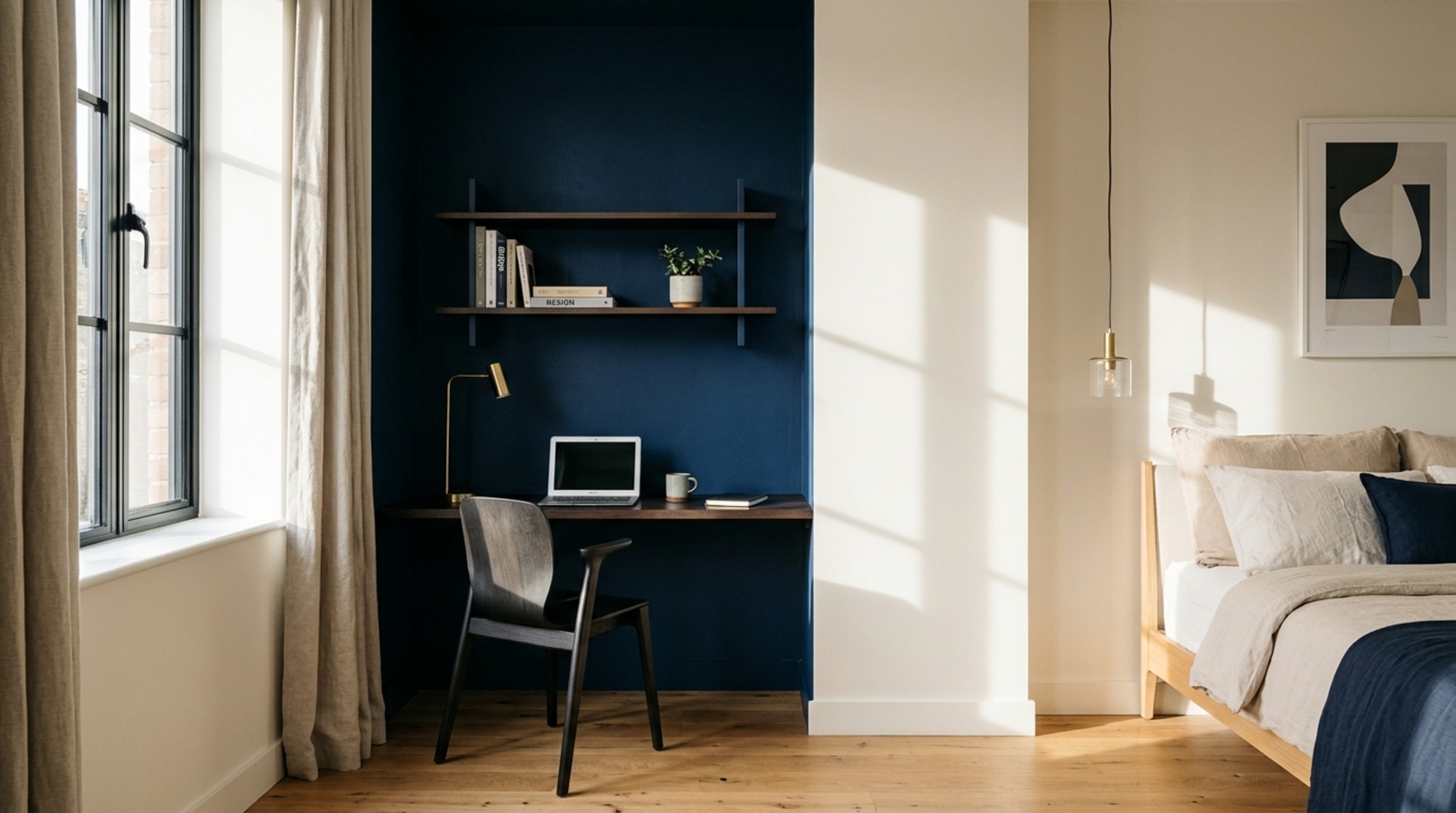
This approach to teenage girl paint bedroom ideas relies on the 60-30-10 rule but with a twist. Instead of three disparate colors, we use three variations of the same chroma. This creates depth through ‘negative space breathing room.’ For example, a mid-tone sage on the primary walls, a deep forest green in a reading nook, and a pale, ethereal mint on the ceiling. This creates a sense of enveloping calm that is far more sophisticated than a single-accent wall could ever achieve.
Washable Scuff-Resistant Paint Finishes: High-Performance Matte Textures
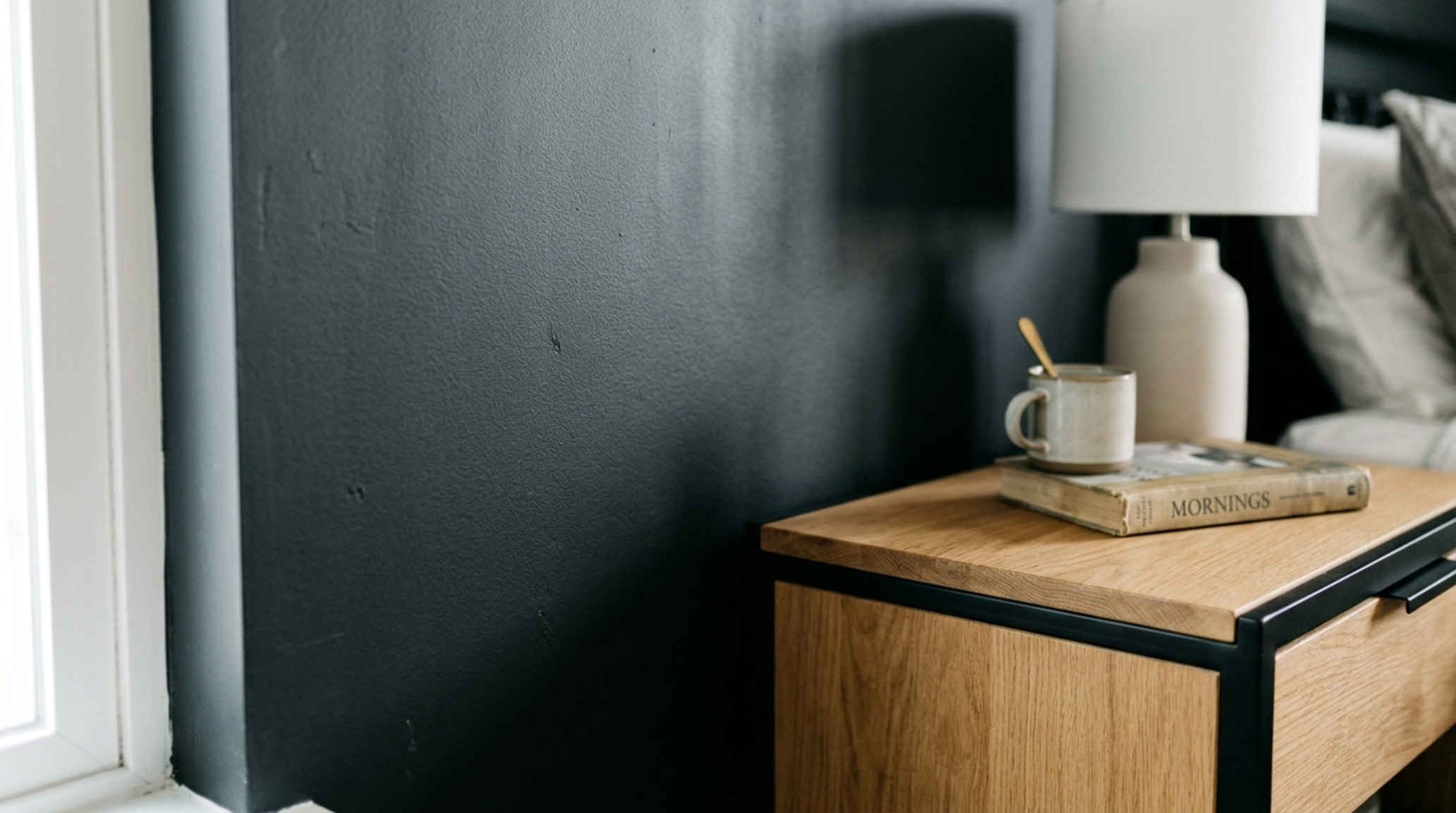
One of the greatest misconceptions in interior design is that a matte finish is synonymous with fragility. In a high-traffic adolescent space, durability is non-negotiable. Modern paint technology has given us washable scuff-resistant paint finishes, such as Benjamin Moore’s Scuff-X or Sherwin-Williams Emerald Rain Refresh. These products allow us to specify deep, moody pigments—which traditionally show every fingerprint and rub mark—in a velvet-matte finish that can withstand the rigors of daily life. When exploring teenage girl paint bedroom ideas, don’t sacrifice the aesthetic of a matte wall for the sake of cleanability; the new standard allows for both.
Tactile grounding is essential in an era dominated by digital screens. When we use these high-performance finishes, we are inviting the inhabitant to touch their walls, to feel the ‘softness’ of the pigment. I often recommend a 36-inch standard walkway clearance around the bed to ensure that as the teenager moves through the space, the walls remain pristine, yet accessible. The finish isn’t just a technical spec; it’s a sensory component of the room’s atmospheric materiality.
Small Bedroom Paint Tricks for Height: The Illusion of the Infinite Ceiling
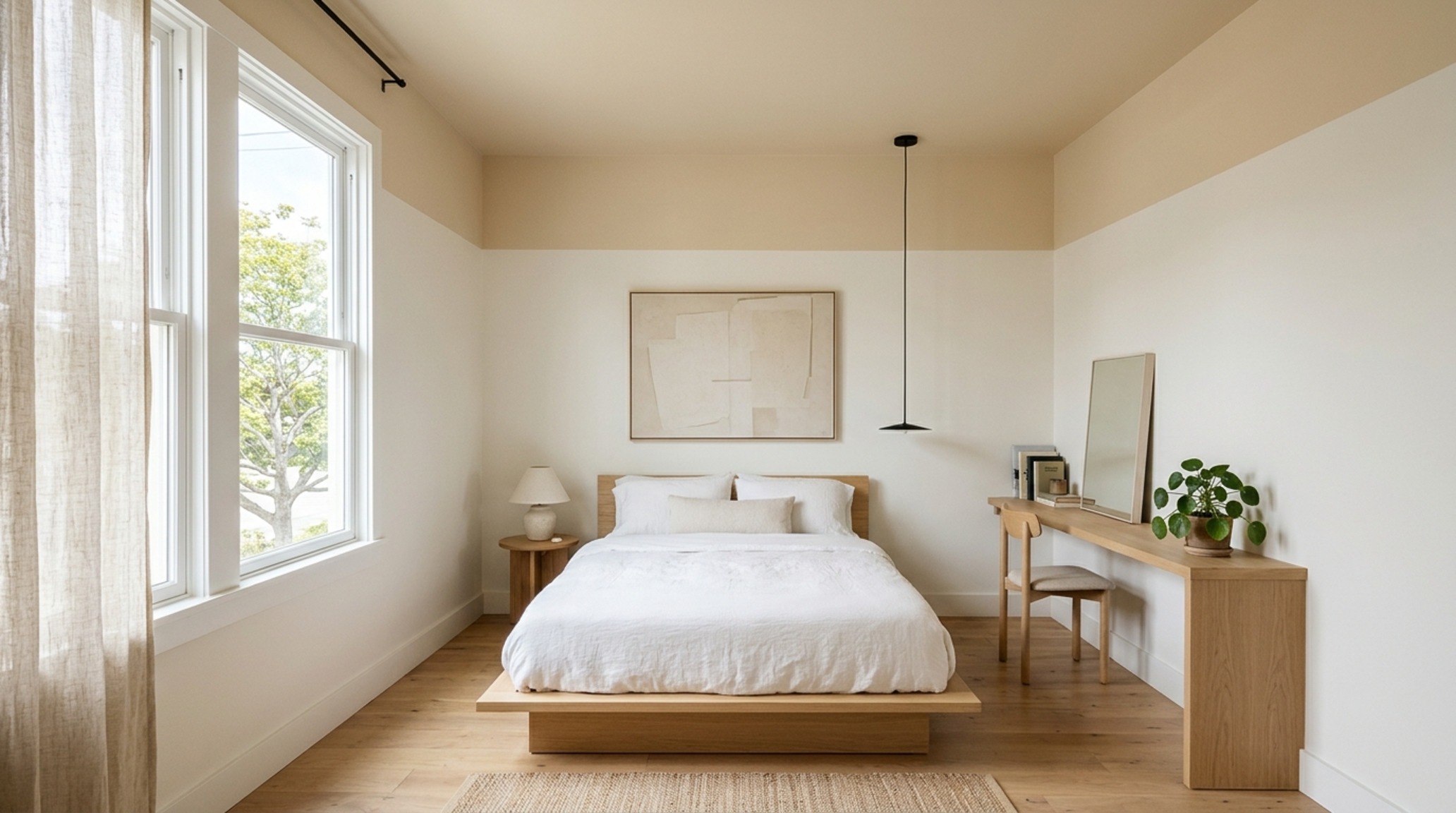
In urban environments or older homes where square footage is at a premium, we must employ small bedroom paint tricks for height. The most effective method is ‘painting out’ the crown molding and the ceiling in a color that is exactly one or two shades lighter than the walls. This eliminates the visual ‘break’ at the top of the wall, tricking the eye into seeing the room as a continuous, soaring volume. When brainstorming teenage girl paint bedroom ideas for smaller footprints, consider the ‘fifth wall’—the ceiling—as a primary design opportunity.
Another technique involves verticality through paint. By bringing the wall color up onto the ceiling by about 12 to 18 inches, you create a canopy effect. This adds a sense of architectural grandeur even in a standard 8-foot ceiling height. Pair this with 3000K task lighting aimed upward, and you create a wash of light that makes the ceiling feel like it’s floating. This level of detail transforms a basic bedroom into a curated architectural vignette.
Biophilic Teen Bedroom Palettes: Grounding the Digital Native
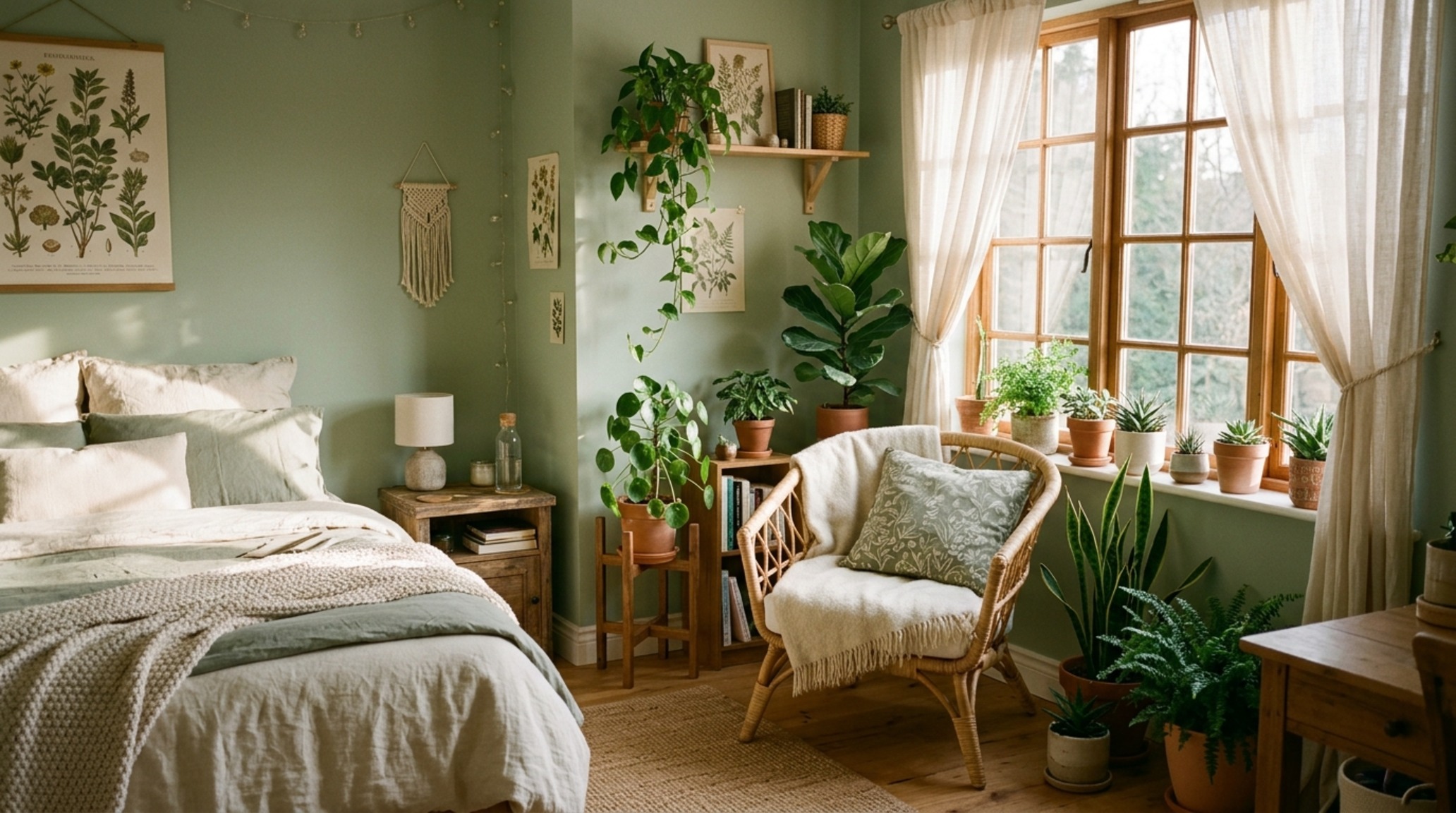
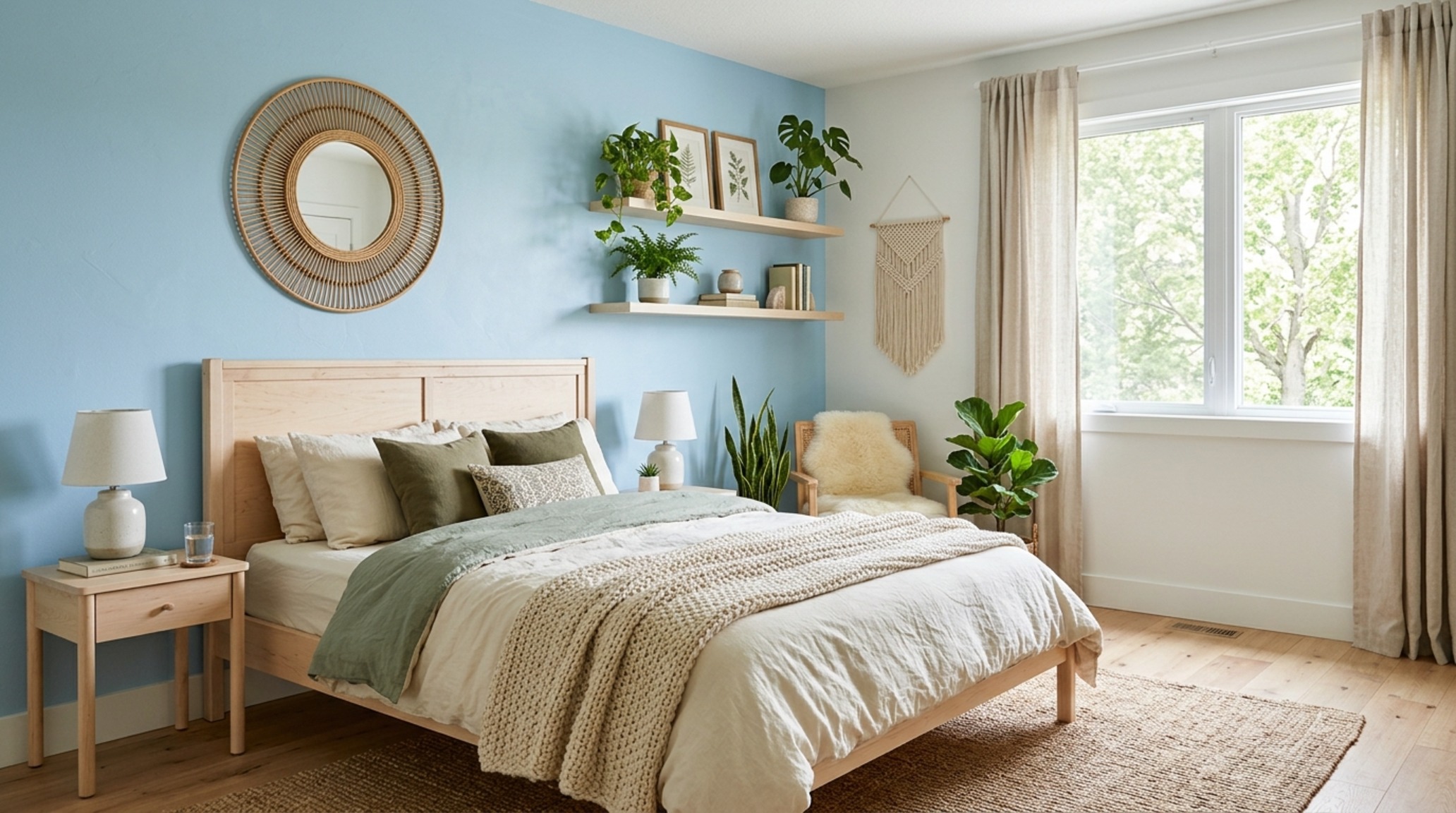
There is a documented psychological benefit to incorporating nature into our living spaces. Biophilic teen bedroom palettes utilize organic tones—moss greens, terracotta clays, and sky blues—to create a restorative environment that combats ‘digital fatigue.’ When selecting teenage girl paint bedroom ideas, look toward the colors of the high desert or a misty forest. These aren’t just ‘colors’; they are echoes of the natural world.
To truly lean into biophilia, the paint must be paired with real materials. A wall painted in a muted terracotta, such as Farrow & Ball Red Earth, looks its best when placed next to a linen headboard or a jute rug. The interaction between the pigment and the natural fiber creates a ‘tactile depth’ that feels mature and grounded. We are creating a sanctuary that feels timeless, rather than trendy.
Modern Teen Girl Room Colors 2025: The Rise of High-Pigment Depth
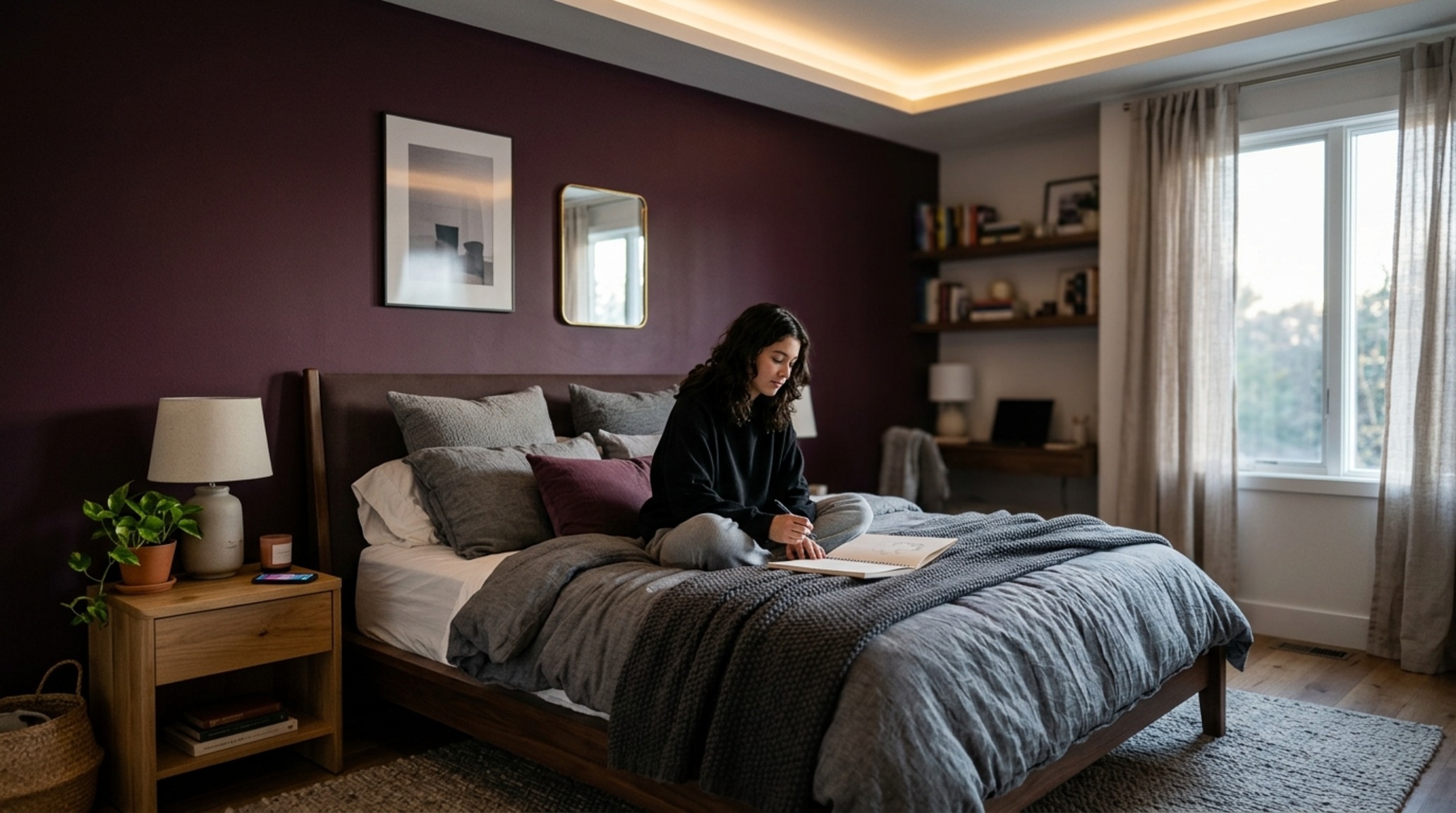
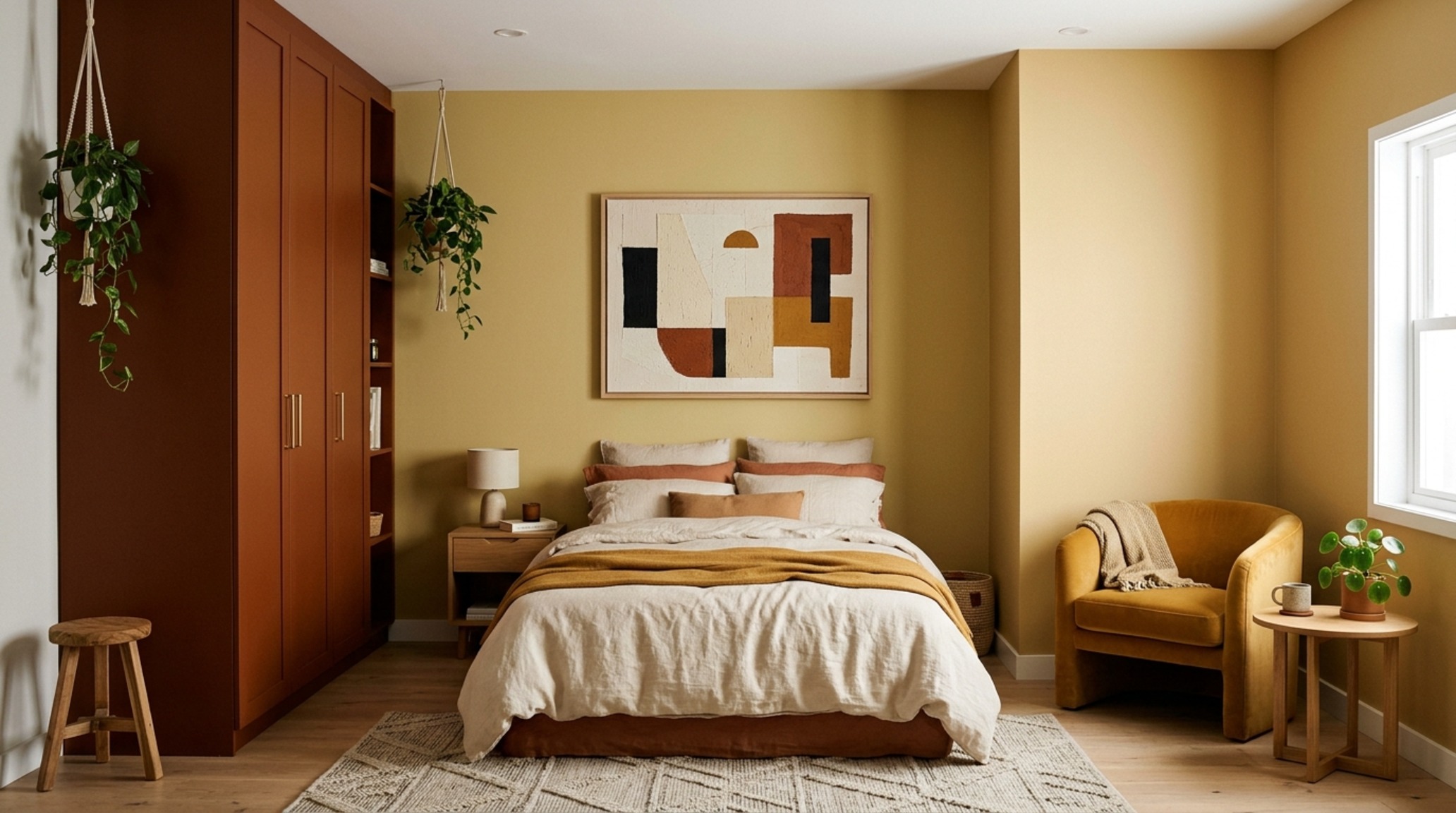
Looking toward the future, modern teen girl room colors 2025 are trending toward what I call ‘shadowed saturation.’ We are seeing a move away from the ‘Millennial Pink’ and ‘Gen Z Yellow’ toward deeper, more complex tones like Midnight Teal, Burnt Ochre, and Smoky Plum. These colors represent a desire for privacy and introspection. In the context of teenage girl paint bedroom ideas, these pigments are used to create ‘moody’ zones that feel bespoke and high-end.
These high-pigment palettes require careful lighting. I always specify lighting with a high CRI (Color Rendering Index) of 90 or above. A high CRI ensures that the deep teal you painstakingly selected doesn’t look like a muddy black under artificial light. We want the true vibration of the pigment to be visible at all hours. By layering 2700K warm ambient light with 3000K focused task lighting, we can highlight the architectural sightlines of the room, making these deep colors feel expansive rather than claustrophobic.
The 5-Zone Functional Theory: Zoning with Color
Treating the bedroom as a micro-apartment involves treating different areas with different ‘energy levels.’ Using Renohacks’ 5-zone theory, we identify zones for Sleep, Study, Lounge, Dressing, and Entry. In my practice, I use color to define these boundaries. A study zone might feature a crisp, high-contrast palette to promote alertness, while the sleep zone is swathed in a monochromatic, low-contrast scheme. This is the ultimate expression of teenage girl paint bedroom ideas: a space that works as hard as its inhabitant does.
Spatial Breakdown & Finish Specifications
Architectural summary of tactile material selections, lighting specifications, and spatial ergonomics.
The ultimate goal of any design intervention is to create a sense of belonging. As we move away from temporary, trend-led decoration toward a more permanent, architectural materiality, we allow the bedroom to evolve alongside its occupant. The most successful teenage girl paint bedroom ideas are those that don’t try too hard to be ‘young.’ Instead, they focus on the timeless interplay of pigment, light, and form, providing a sophisticated backdrop for the messy, beautiful, and complex process of growing up. By treating the teen room with the same respect as a gallery or a high-end residence, we validate the inhabitant’s identity, offering them a space that is not just a room, but a profound architectural reflection of who they are becoming.
Editorial Silo • Recommended Architecture Studies
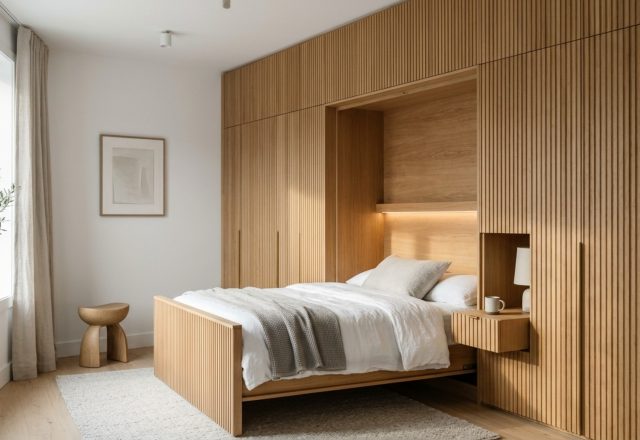
- The Architecture of Invisibility: Engineering the Seamless Modern Wall Bed System — Archival Design Case Study
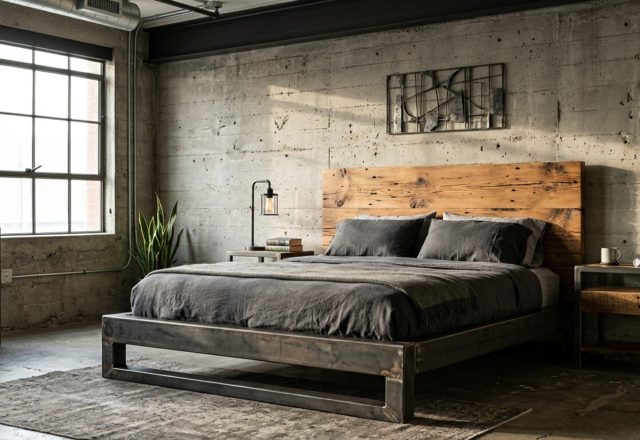
- The Structural Silhouette: Engineering Spatial Flow with Bachelor Bedroom Furniture — Archival Design Case Study
The Interior Perspective Vault
Visual studies exploring spatial ergonomics, material authenticity, and balanced natural light.
Curated Visual Lookbook
Design Gallery & Spatial Studies
A visual curation of architectural arrangements, lighting concepts, and material palettes featured in this space.