The Friction of Transition: Designing for the Emerging Adult
How do we reconcile the architectural rigidness of a standard bedroom with the fluid, often chaotic metamorphosis of a teenager’s identity? Sophisticated bedroom designs for teenagers serve as the definitive solution to this spatial tension, moving beyond the juvenile tropes of yesteryear to embrace a maturity rooted in tactile materiality and intentional light. We are no longer merely ‘decorating’ a room; we are curating a sanctuary that respects the sensory needs of a developing mind while maintaining the design integrity of the broader home. By shifting our focus from temporary trends to enduring textures—think raw linens, fluted timbers, and the precise warmth of 2700K illumination—we create a space that breathes.
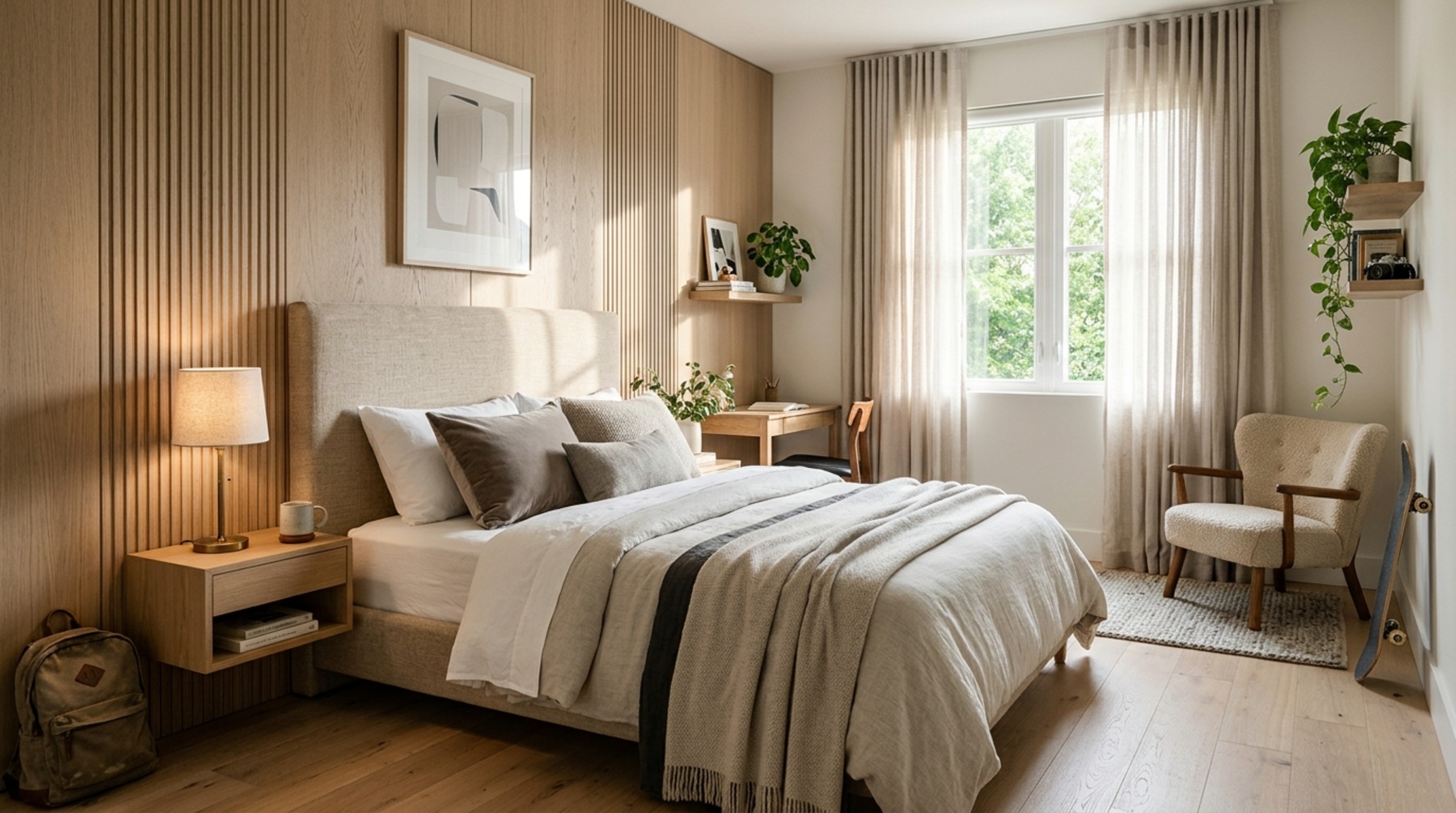
Luxury Bedroom Designs for Teenagers Textures: The Foundation of Sensory Comfort
In the realm of high-end residential design, the hierarchy of a room is established through its tactile weight. When approaching luxury bedroom designs for teenagers textures, I often look toward materials that offer a grounding presence. A headboard upholstered in a heavyweight Belgian linen or a nubby bouclé doesn’t just look expensive; it absorbs sound and softens the visual ‘noise’ of a tech-heavy room. Consider the juxtaposition of a cold, matte black steel desk frame against the organic warmth of a white oak floor. This contrast creates a spatial cadence that feels curated rather than accidental. Negative space breathing room around these textured elements allows each material to articulate its own story without overwhelming the occupant.
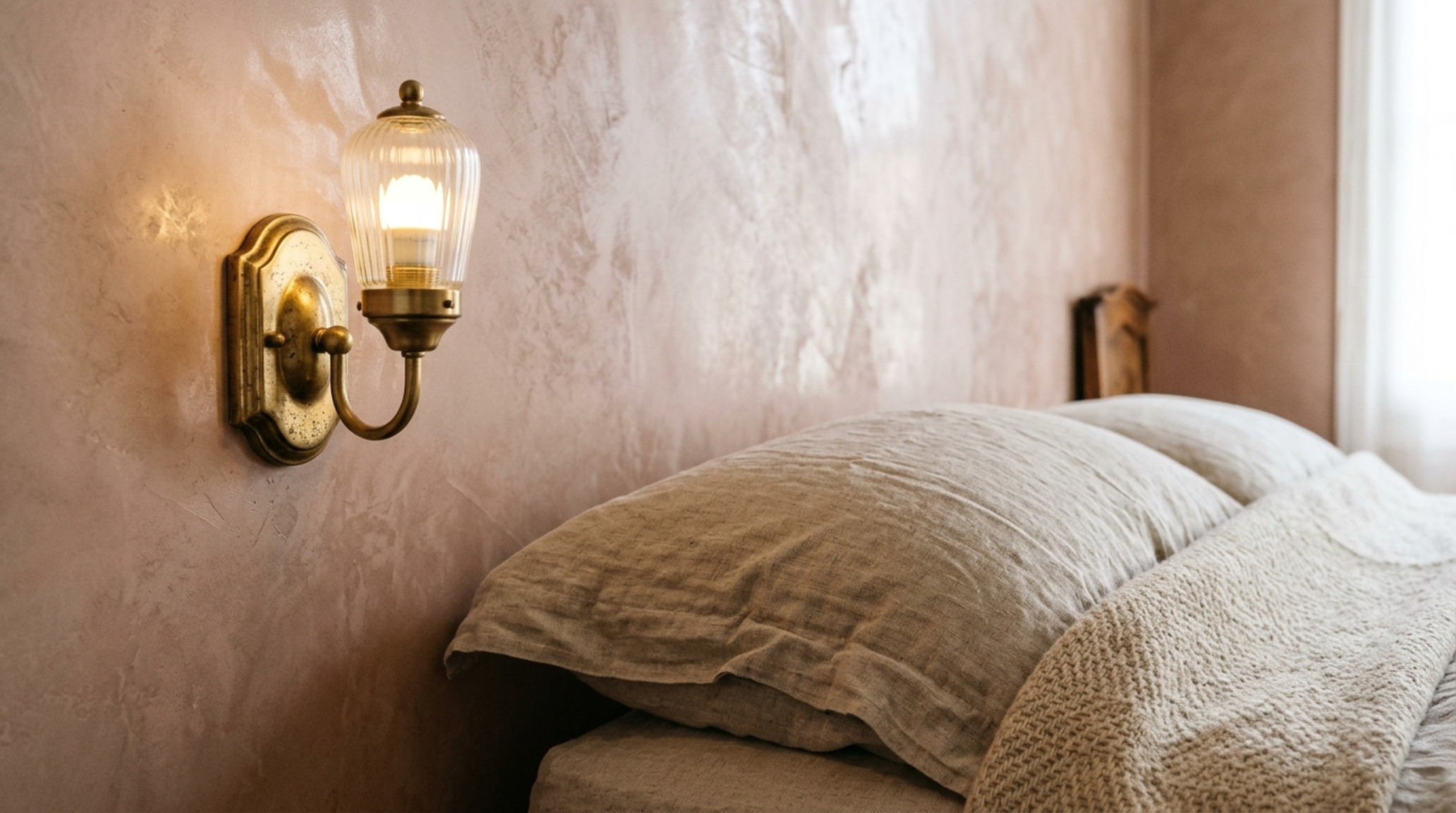
The tactile experience extends to the walls. Rather than flat, lifeless paint, consider the depth of a lime-wash finish or a subtle Venetian plaster in a shade like Farrow & Ball Setting Plaster. These finishes react to shifting daylight, creating a dynamic environment that evolves from the crisp clarity of morning to the amber-hued softness of dusk. This sensory layer is what separates a generic sleeping quarters from a bespoke retreat that fosters emotional regulation and focus.
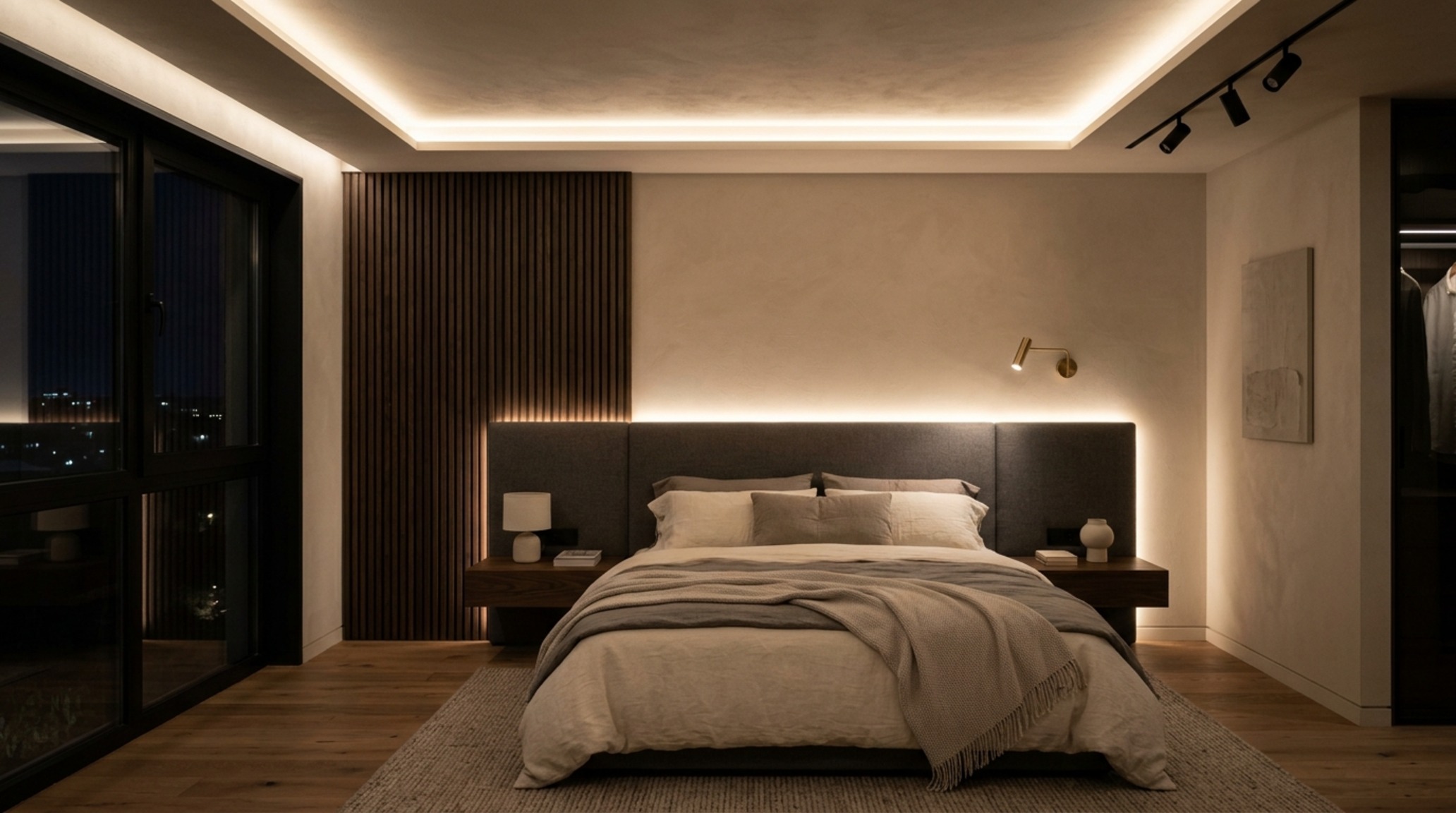
Bedroom Designs for Teenagers Lighting Guide: Mastering the Kelvin Scale
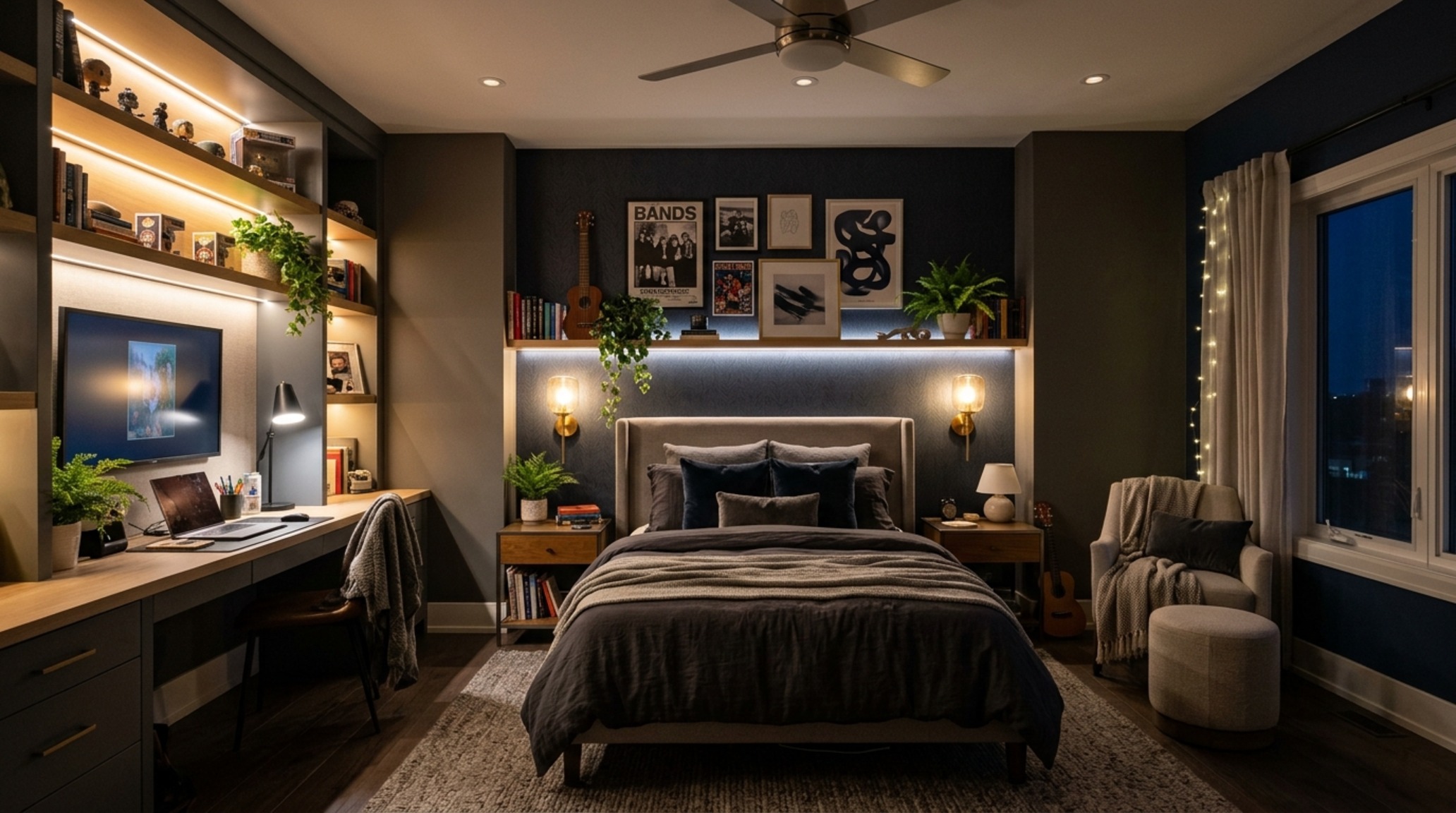
Lighting is the invisible architecture of any room, yet it is frequently the most overlooked element in youth-centric spaces. A successful bedroom designs for teenagers lighting guide must prioritize a layered approach that respects the circadian rhythm. The primary mistake is the reliance on high-Kelvin, blue-toned overhead lighting that mimics the harsh glare of a classroom. Instead, we aim for a base layer of 2700K (Warm White) for ambient lighting. This specific temperature encourages melatonin production and signals the brain that the day is winding down. For task-oriented zones—the desk or the reading nook—a slight shift to 3000K provides the necessary visual acuity without feeling clinical.
Beyond the bulb, consider the delivery. High CRI (Color Rendering Index) ratings of 90 or above are non-negotiable; they ensure that the rich textures and paint swatches we’ve selected appear vibrant and true to life. Integration is key. Linear LED strips tucked into architectural coves or behind a floating headboard provide a soft, diffused glow that eliminates harsh shadows. This ‘shadow play’ adds a cinematic quality to the room, allowing the teenager to adjust the mood from high-productivity study sessions to low-sensory relaxation with the flick of a dimmer.
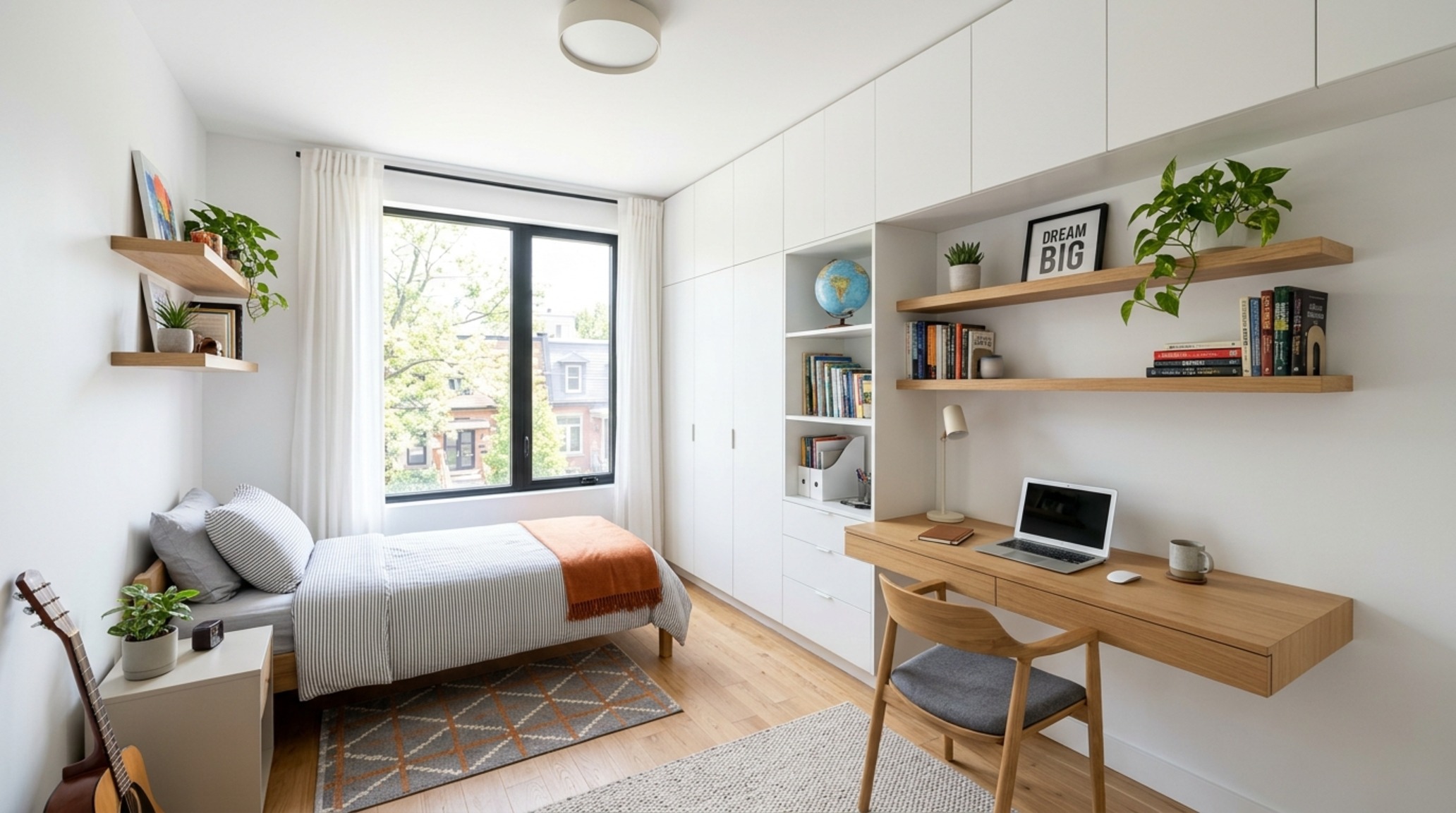
Small Space Bedroom Designs for Teenagers: Architectural Precision in Tight Quarters
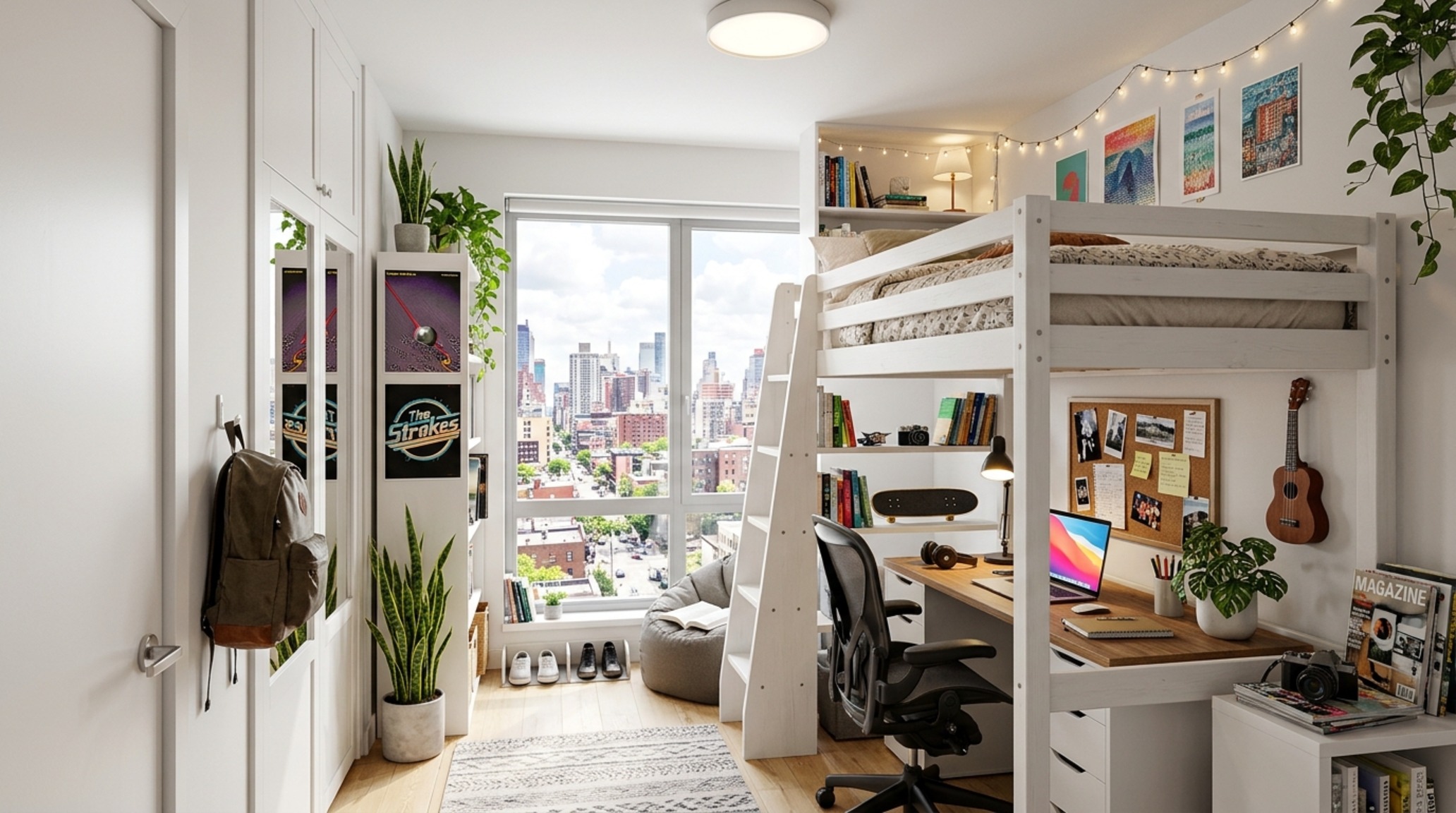
Working within a restricted footprint requires a commitment to sightline alignment and ergonomic clearances. In small space bedroom designs for teenagers, every inch must justify its existence. We adhere to the 36-inch standard walkway clearance wherever possible, but in compact layouts, we can occasionally compress secondary paths to 24 inches if it allows for superior storage integration. The secret to making a small room feel expansive is the elevation of the floor plane. Floating vanities, wall-mounted nightstands, and cantilevered desks keep the floor visible, tricking the eye into perceiving more square footage.
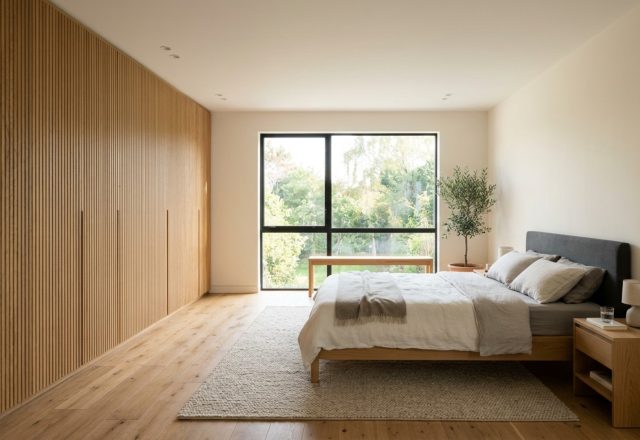
Verticality becomes our primary asset. Floor-to-ceiling cabinetry, perhaps finished in a soft neutral like Benjamin Moore Swiss Coffee, blends into the architecture rather than protruding into the living zone. By utilizing the ‘fifth wall’—the ceiling—with a subtle tonal shift or architectural molding, we draw the eye upward, breaking the boxy feel of standard suburban dimensions. It is about creating a sense of ‘spatial breathing room’ even when the physical limits are tight.
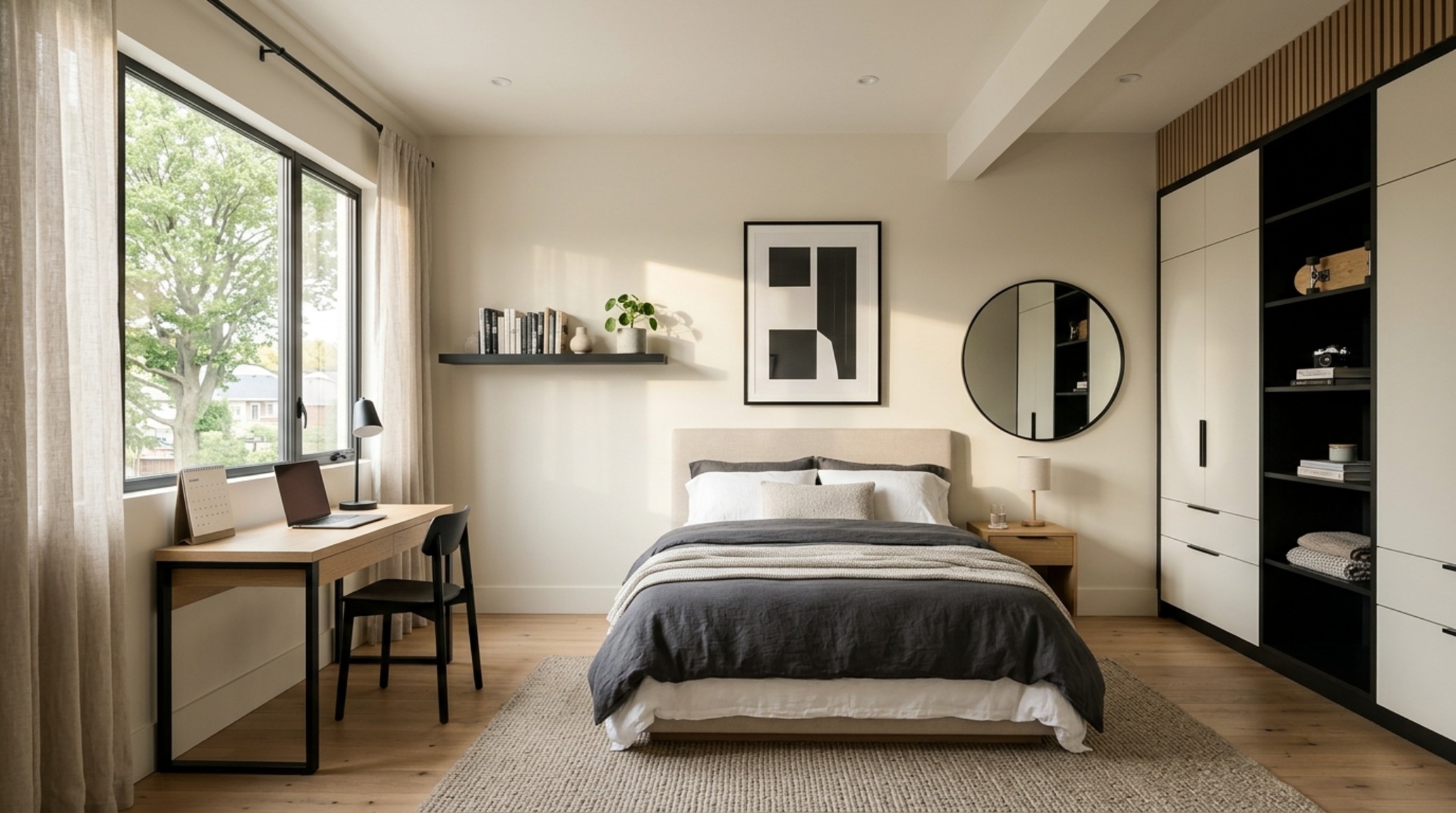
Modern Bedroom Designs for Teenagers Ideas: The Convergence of Form and Function
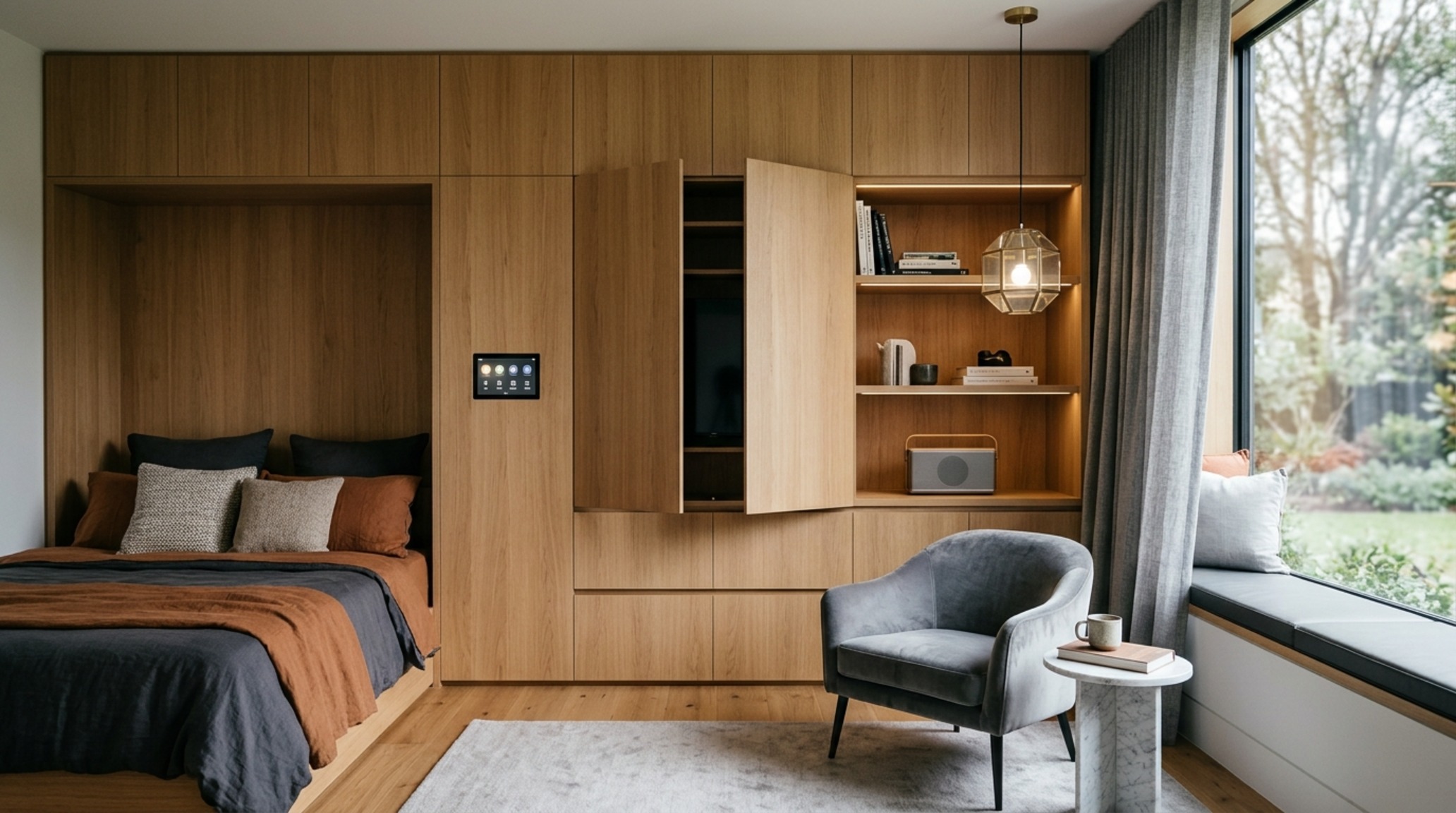
When we look at the most successful modern bedroom designs for teenagers ideas currently circulating in architectural circles, there is a clear move toward ‘quiet luxury.’ This isn’t about excess; it’s about the precision of the joinery and the intelligence of the layout. Integration of technology is seamless—hidden charging docks, motorized window treatments, and recessed smart-home hubs. The aesthetic is often minimalist, but it is never cold. We use wood grains to provide the necessary ‘organic soul’ that modernism often lacks.
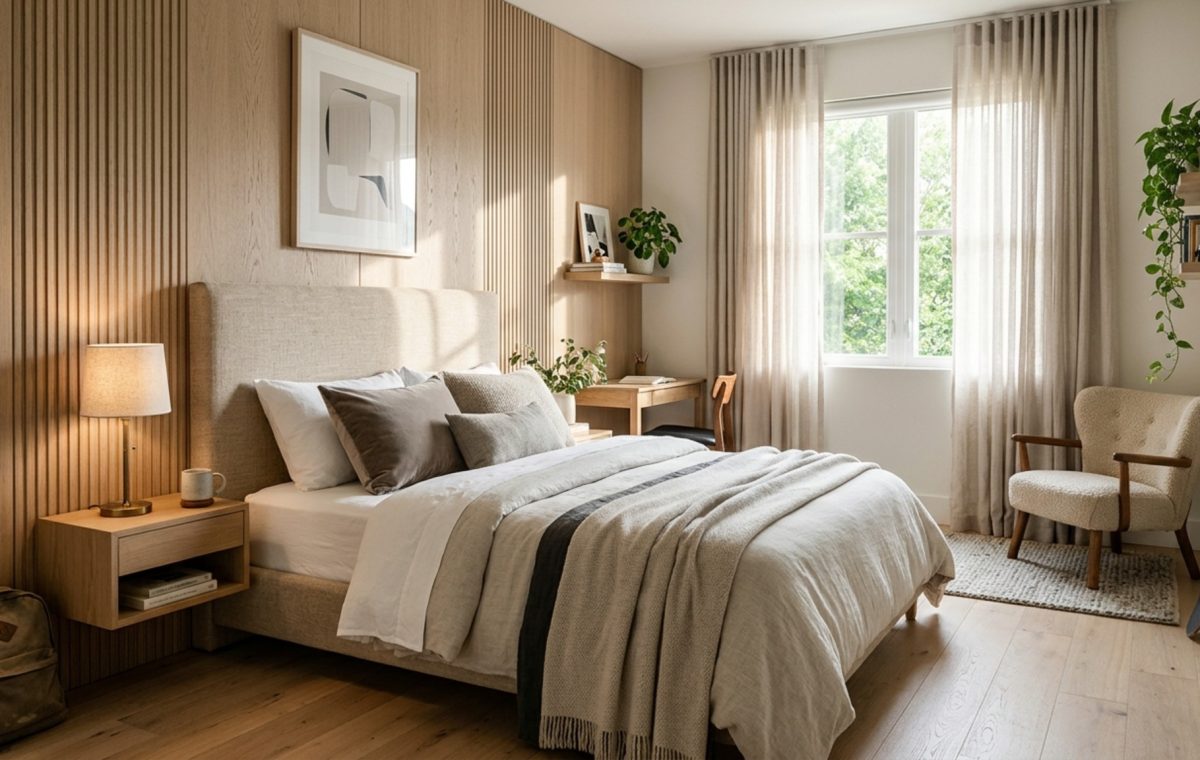
A common design vignette involves the ‘zone’ concept. Even in a teenager’s room, we attempt to define three distinct areas: Rest, Work, and Social. Even a small lounge chair or a custom-built window seat creates a secondary destination within the room, preventing the bed from becoming the sole focal point for every activity. This spatial diversity is essential for mental health, providing a physical boundary between the stresses of schoolwork and the sanctuary of sleep.
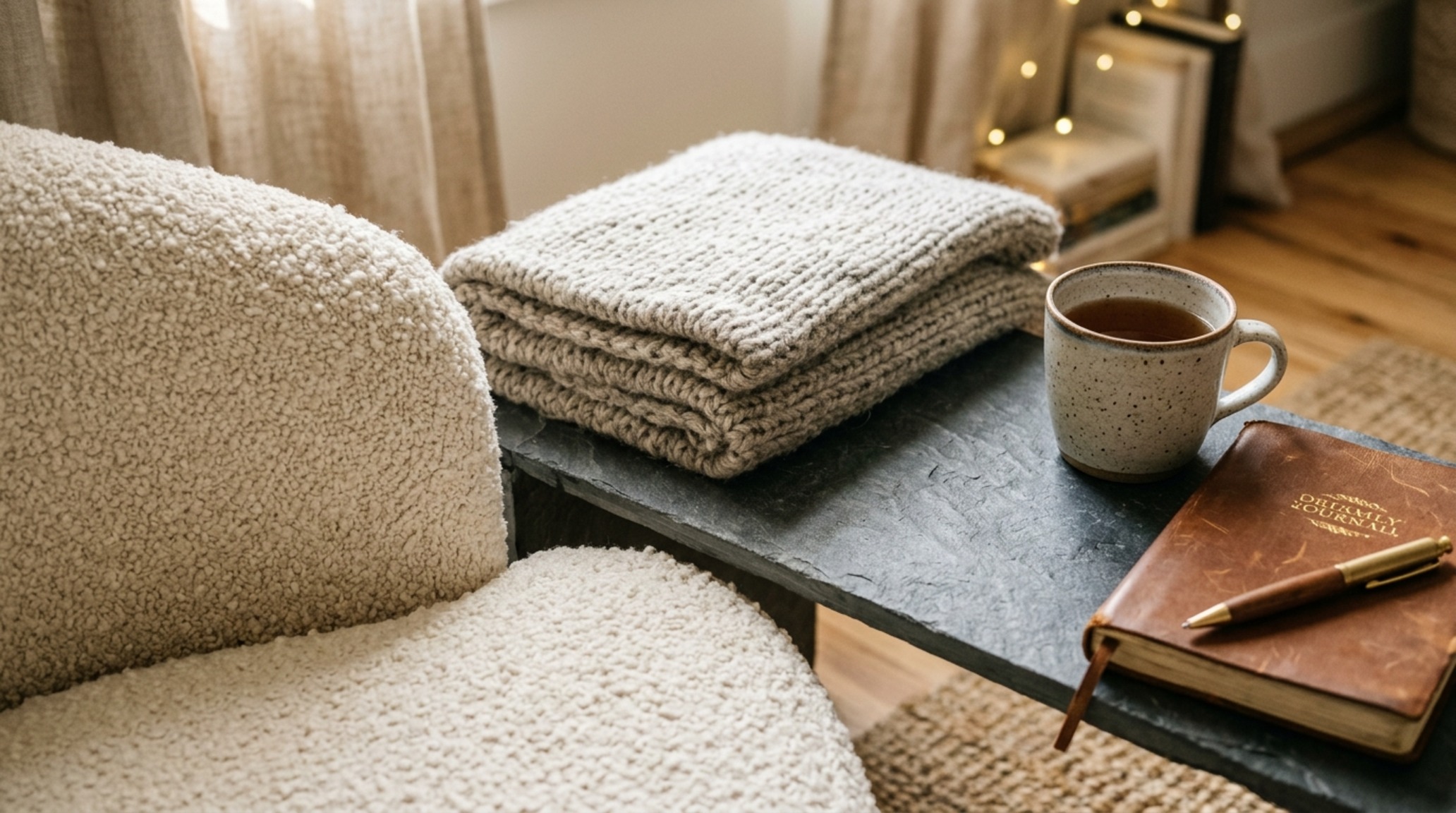
Materiality, Form & Light Vignettes
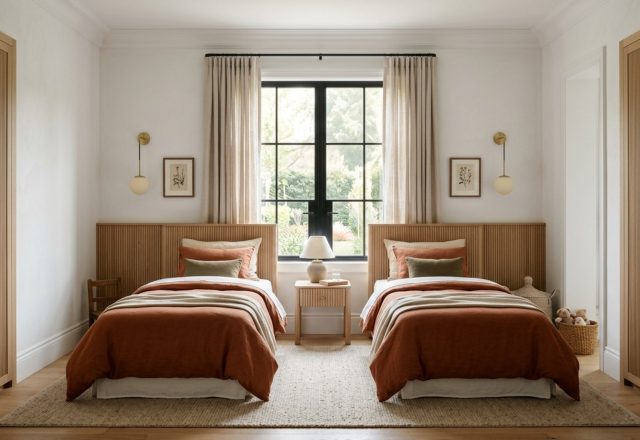
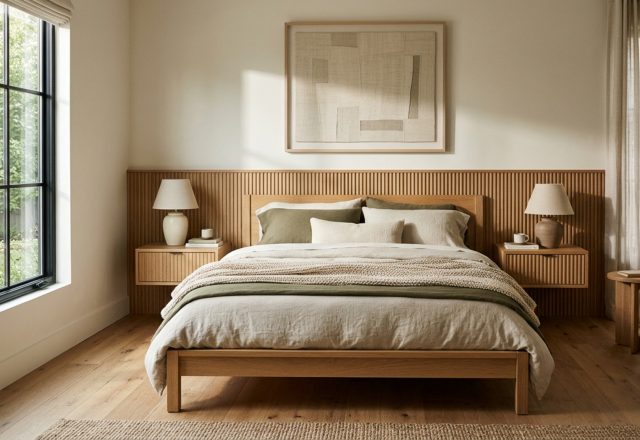
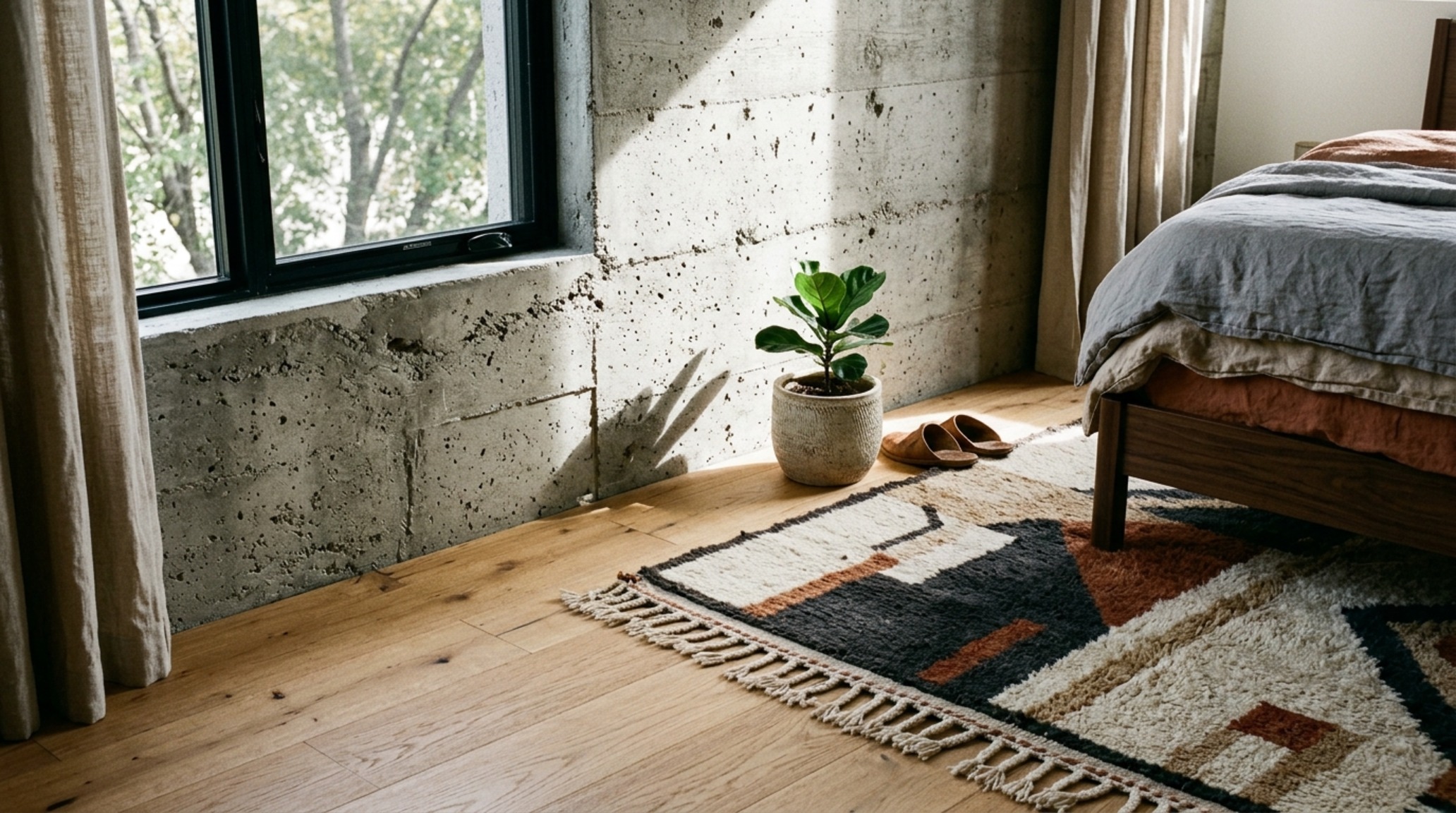
Observe the way a sheer linen curtain filters the afternoon sun, casting long, rhythmic shadows across a fluted timber wall. These moments of architectural beauty are what transform a bedroom from a utility into an experience. We choose materials that age gracefully—brass that patinas, leather that softens, and solid wood that bears the marks of a life lived. These choices reflect a respect for the teenager as a growing individual, offering them a space that is as sophisticated as the adults they are becoming.
Tactile Palette, Finish Guide & Clearances
Essential specification summary: tactile finishes, spatial proportions, and ambient lighting index.
Ultimately, the most successful bedroom designs for teenagers are those that remain quiet enough for the inhabitant’s personality to provide the volume. By prioritizing the architectural bones—the light, the flow, and the feel of the materials—we create more than just a room; we provide a curated backdrop for the complex, beautiful process of coming of age. The design shouldn’t shout; it should listen, adapt, and hold space for the person the teenager is destined to become.
Editorial Silo • Recommended Architecture Studies
- Sensory Sophistication: Elevating Kids Bedroom Ideas For Girls Through Materiality and Mood — Archival Design Case Study
- Spatial Intelligence: Good Bedroom Ideas & Modern Ergonomics and the Art of Integrated, Multi-Functional Bedroom Systems — Archival Design Case Study
Architectural Inspiration Lookbook
A visual anthology detailing craftsmanship, tailored millwork, and nuanced ambient illumination.
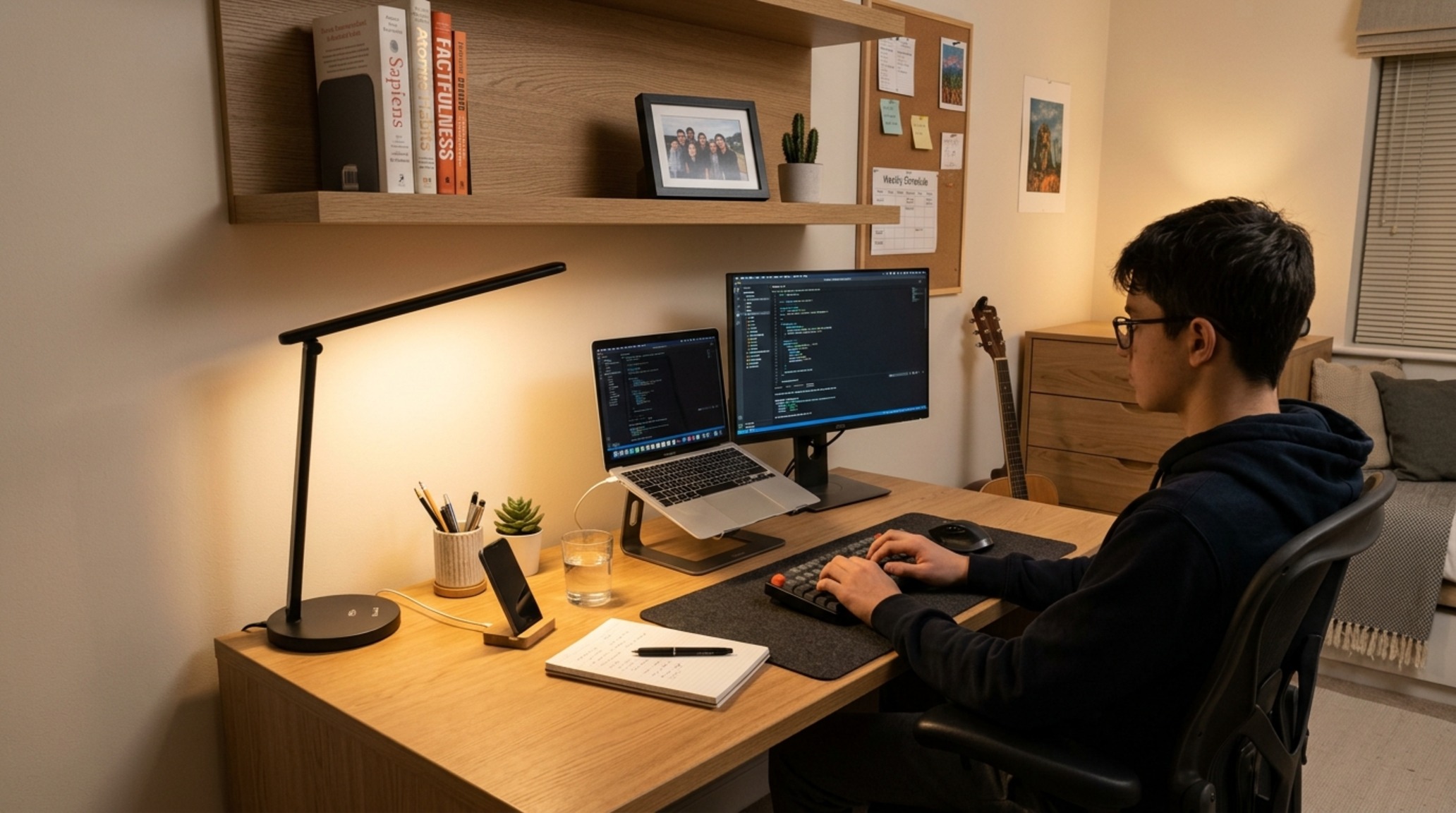
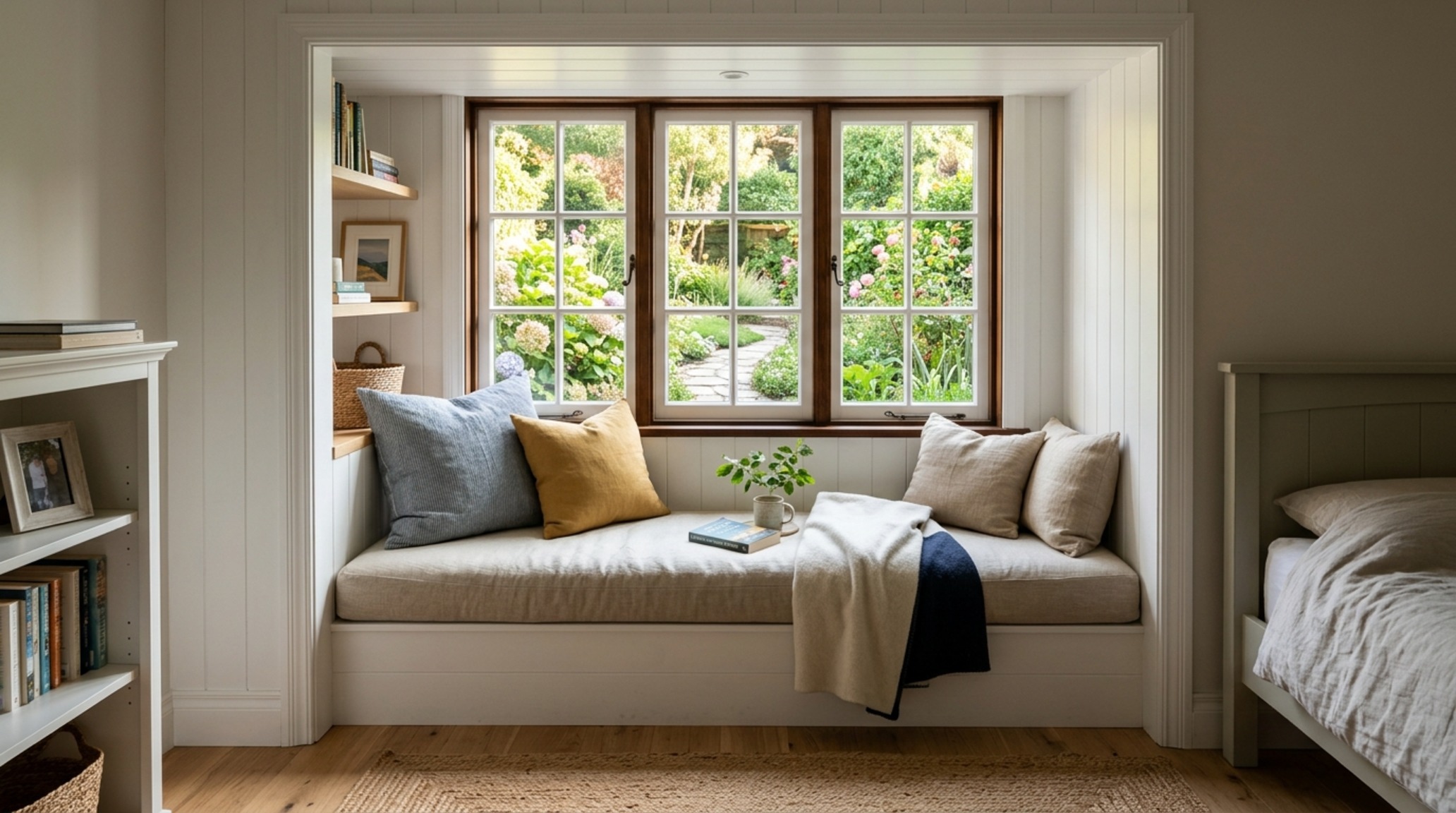
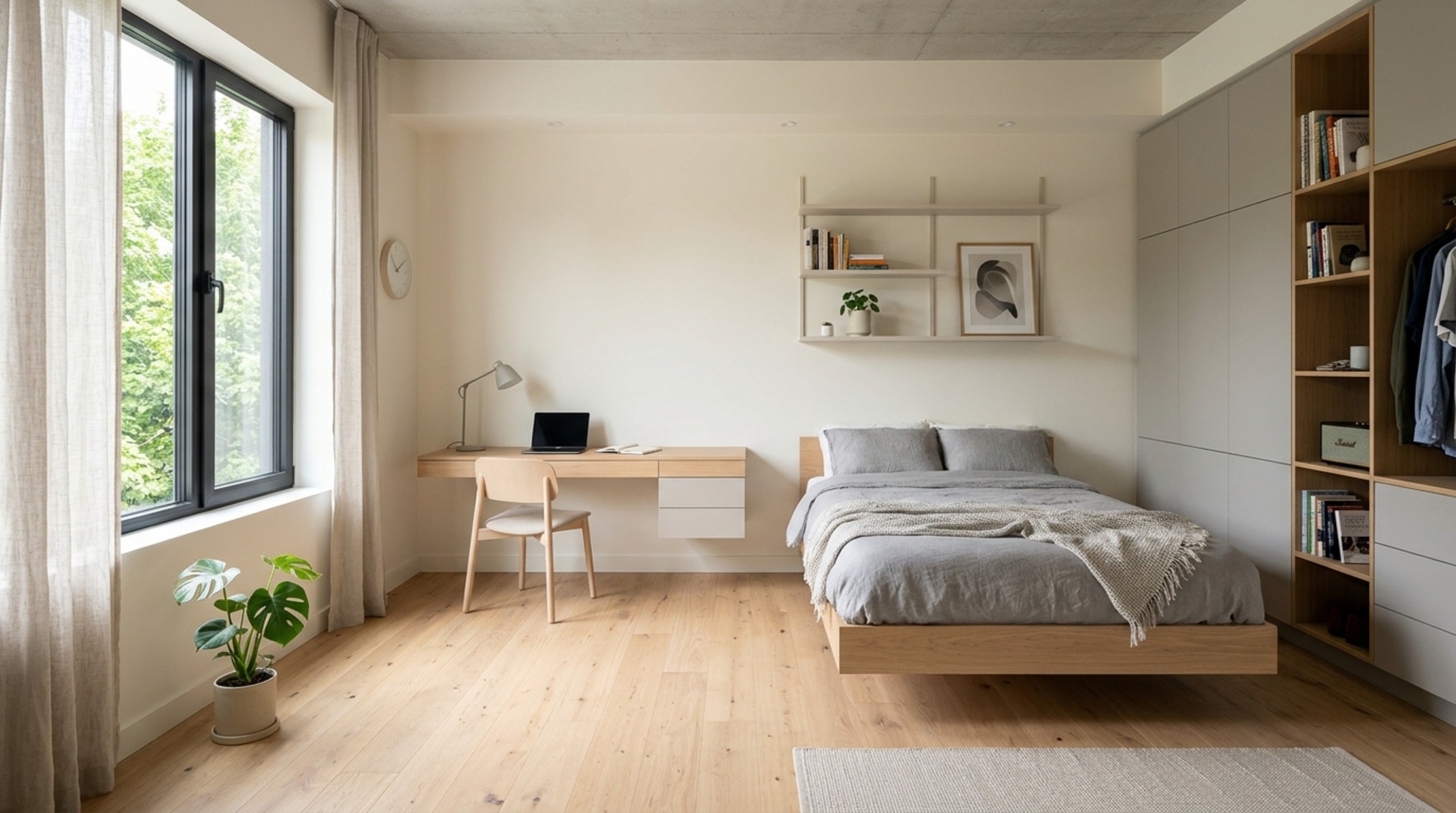
Curated Visual Lookbook
Design Gallery & Spatial Studies
A visual curation of architectural arrangements, lighting concepts, and material palettes featured in this space.