The Architectural Evolution of Rest
Cool comforter sets represent the most significant shift in domestic spatial planning since the open-concept revolution; they are no longer mere textiles but essential structural components of the high-performance sleep environment. In the contemporary home, where the bedroom often doubles as a sanctuary of cognitive recovery, the volume and thermal efficiency of bedding dictate the room’s entire atmospheric cadence. We are moving away from the era of the ‘overstuffed duvet’—that visually heavy, heat-trapping relic of the past—and entering a period defined by living ease and ergonomic fluidity. For the modern dweller, selecting a comforter is an exercise in architectural restraint, balancing the need for tactile grounding with the demand for advanced moisture-wicking efficiency.
Eucalyptus Fiber Comforter: The New Standard for Biophilic Performance
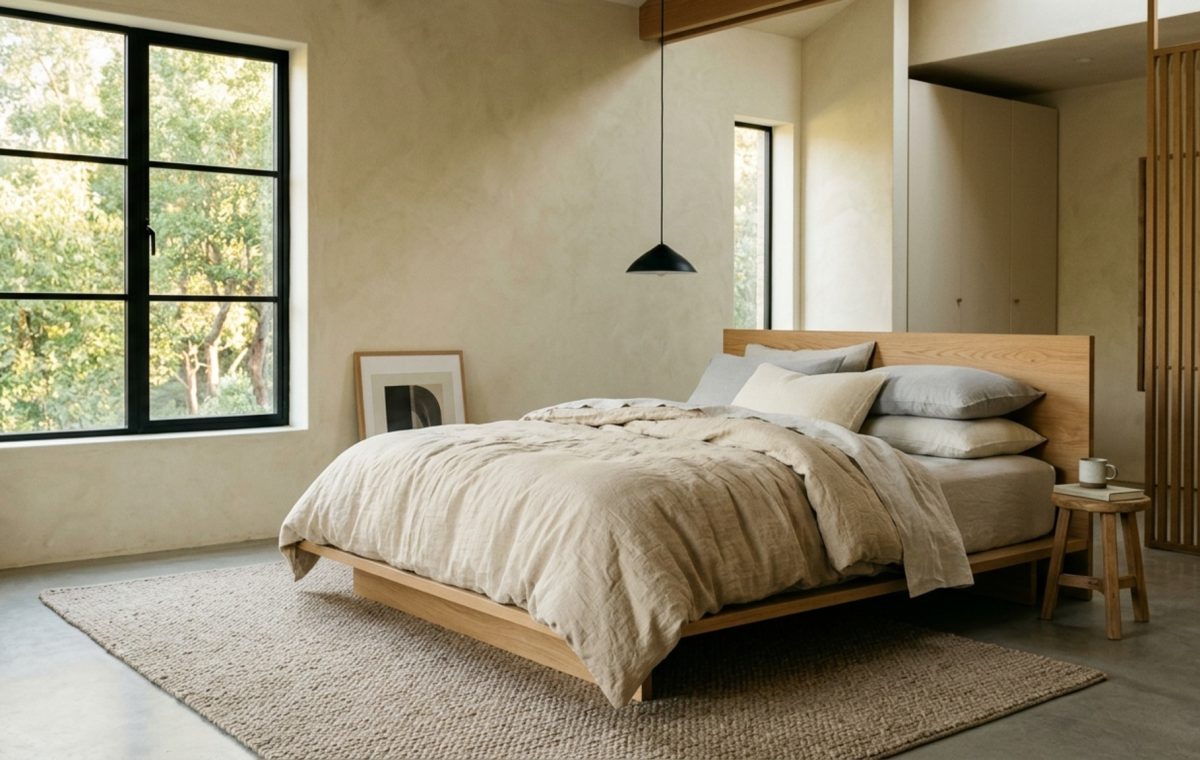
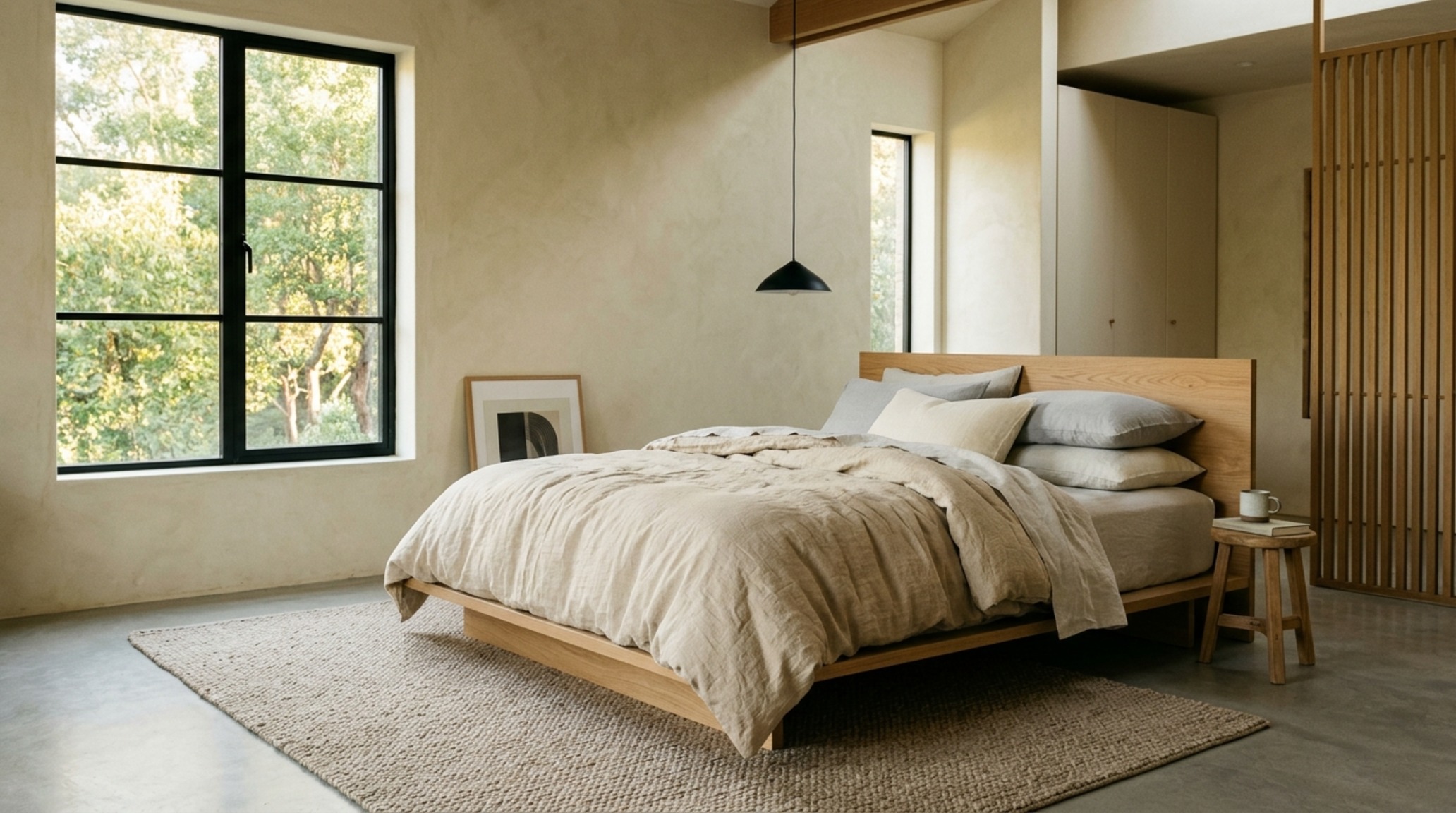
Integrating a eucalyptus fiber comforter into a master suite is an intentional choice for those prioritizing both environmental ethics and thermal regulation. These fibers are naturally hydrophilic, meaning they excel at drawing moisture away from the body—a critical factor when you consider that the human body can lose up to a liter of water during a night of deep REM sleep. From a design perspective, the drape of eucalyptus is unparalleled. It lacks the stiff, papery quality of lower-grade synthetics, instead offering a liquid-like fall that mirrors the organic lines of a well-crafted mid-century modern platform bed. When paired with a wall color like Farrow & Ball Setting Plaster, the subtle sheen of the eucalyptus weave creates a sophisticated interplay of light and shadow, softening the sharp edges of urban loft living.
Ergonomics in bedding isn’t just about softness; it’s about ‘micro-climatic management.’ A low-loft eucalyptus build reduces the visual mass of the bed, allowing the eye to travel across the room without interruption. This preservation of sightlines is vital in smaller floor plans where a bulky comforter can swallow the perceived square footage of a 12×14 bedroom. By maintaining a 36-inch standard walkway clearance around the bed, these slim-profile sets ensure that the room remains navigable and serene, rather than cluttered and claustrophobic.
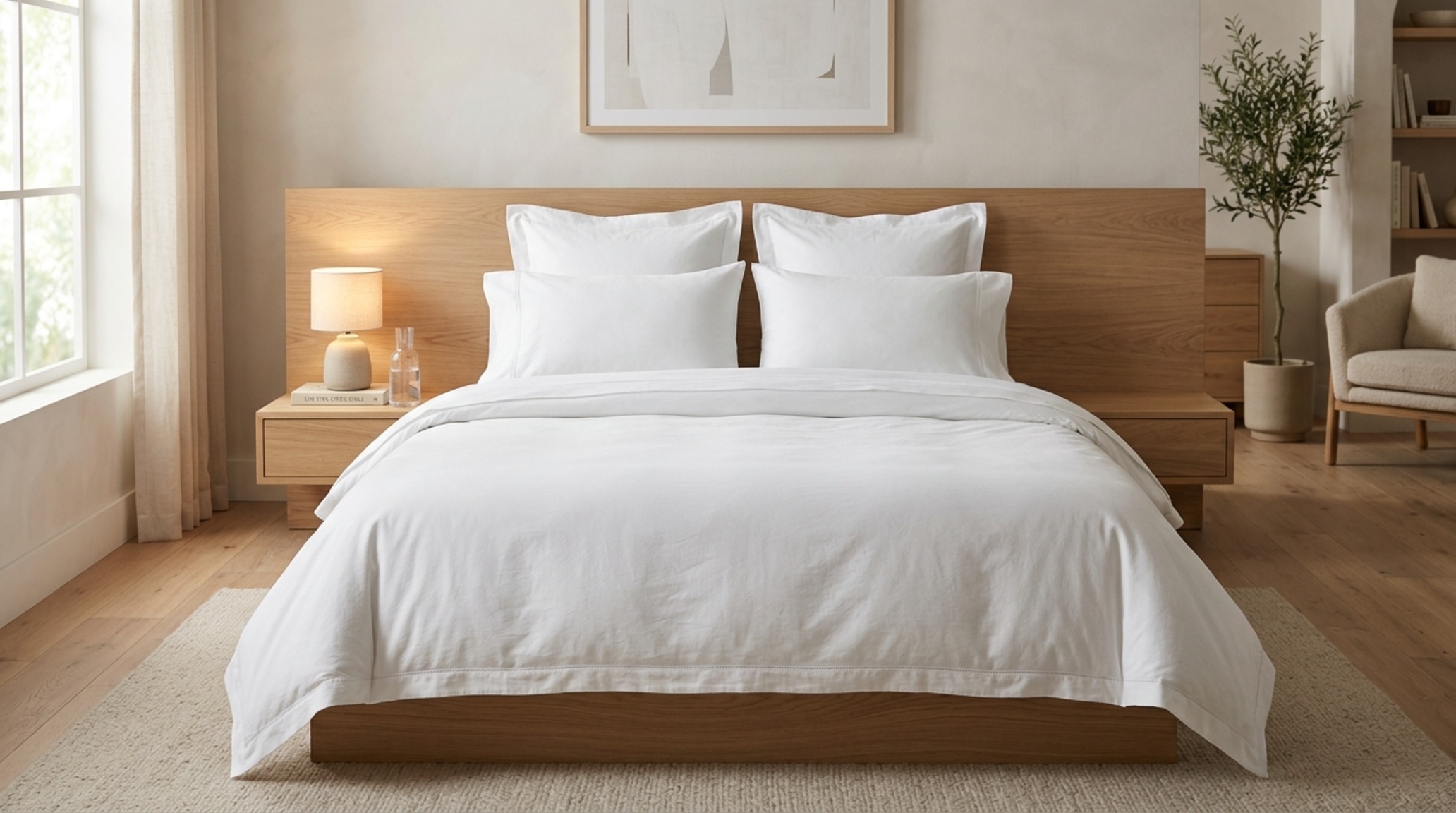
Best Comforters for Hot Sleepers: Thermal Science Meets Interior Curation
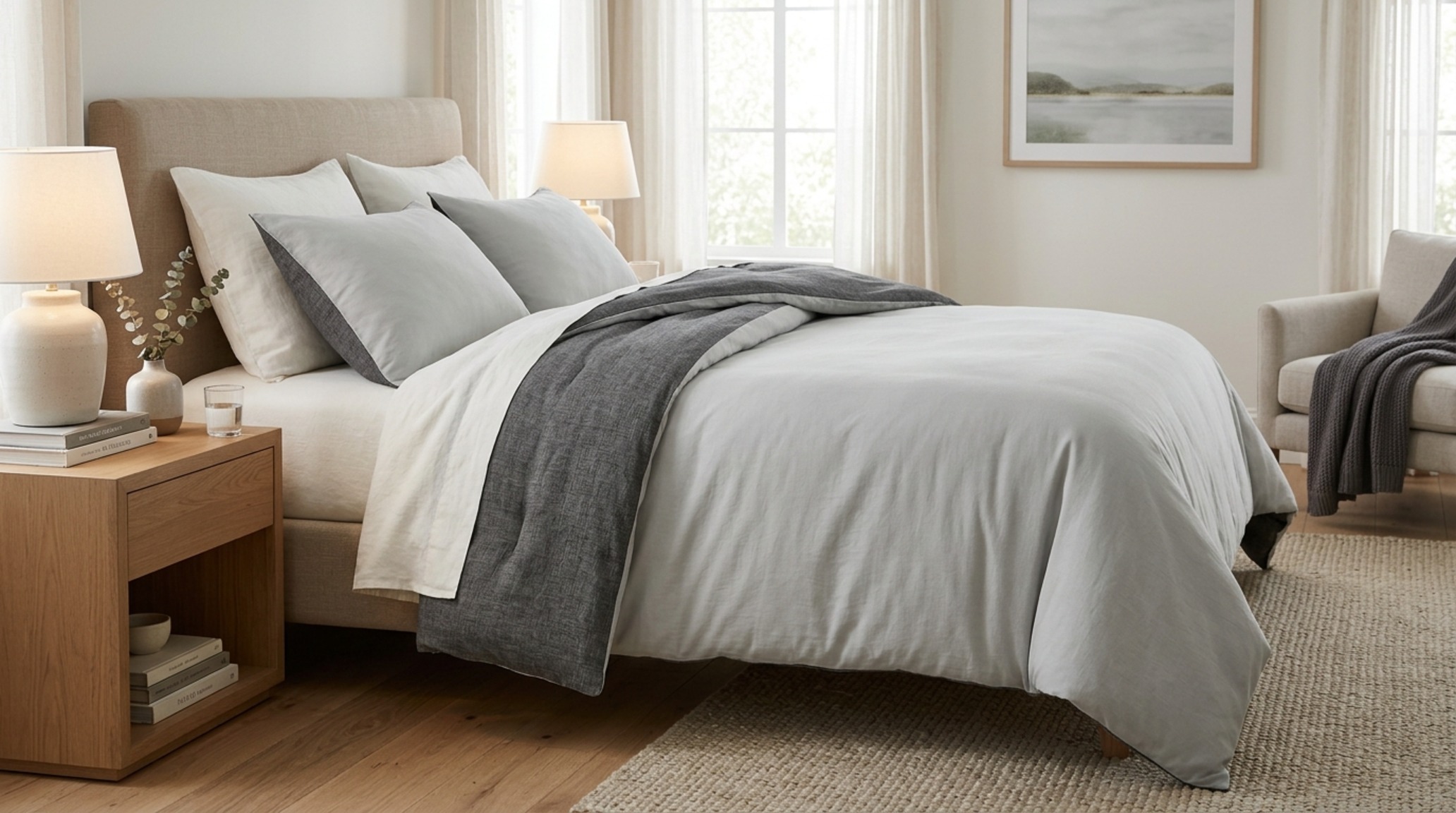
Identifying the best comforters for hot sleepers requires a departure from traditional ‘all-season’ marketing and a deep dive into the physics of air permeability. The most effective designs currently trending among the architectural elite utilize a dual-sided, reversible technology. This isn’t just about having two colors; it’s about disparate material densities. One side often features a crisp, high-thread-count cotton to facilitate maximum airflow, while the reverse might utilize a slightly denser, moisture-wicking blend for transitional spring nights. This adaptability reduces the need for multiple seasonal swaps, aligning with the minimalist ‘living ease’ philosophy that defines 2025 interior trends.
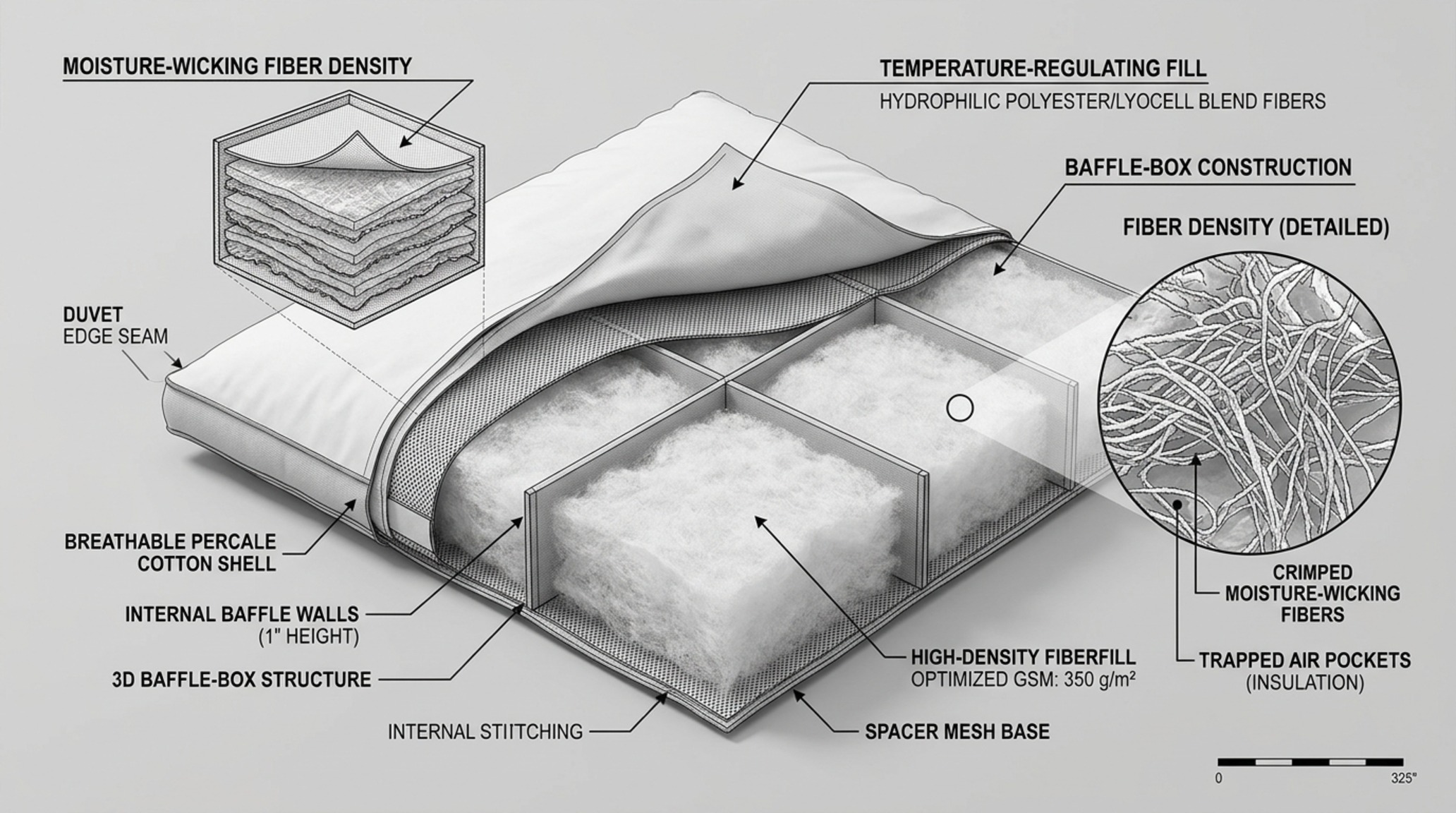
When we analyze these sets under 3000K task lighting—the gold standard for reading nooks—the quality of the stitching becomes the focal point. High-performance cool comforter sets often employ a box-stitch or baffle-box construction with a modern, oversized grid. This prevents the fill from migrating, ensuring that ‘cold spots’ never compromise the occupant’s comfort. It is this structural integrity that elevates a piece of bedding into a piece of functional furniture. Designers are increasingly looking for Oeko-Tex certified labels, ensuring that the moisture-wicking chemicals typically found in gym wear are absent, replaced by the inherent properties of the weave itself.
Moisture-Wicking Bedding and the Psychology of Color Drenching
The rise of moisture-wicking bedding has coincided with the ‘color drenching’ trend, where walls, trim, and textiles are matched to create an immersive, cocoon-like effect. Imagine a room painted entirely in Benjamin Moore Swiss Coffee—a warm, creamy white—where the comforter matches the exact tonal value. This elimination of high-contrast visual noise lowers the resting heart rate and prepares the brain for sleep. The moisture-wicking property ensures that even in a monochromatic, heavily textured space, the physical experience remains ‘cool’ to the touch.
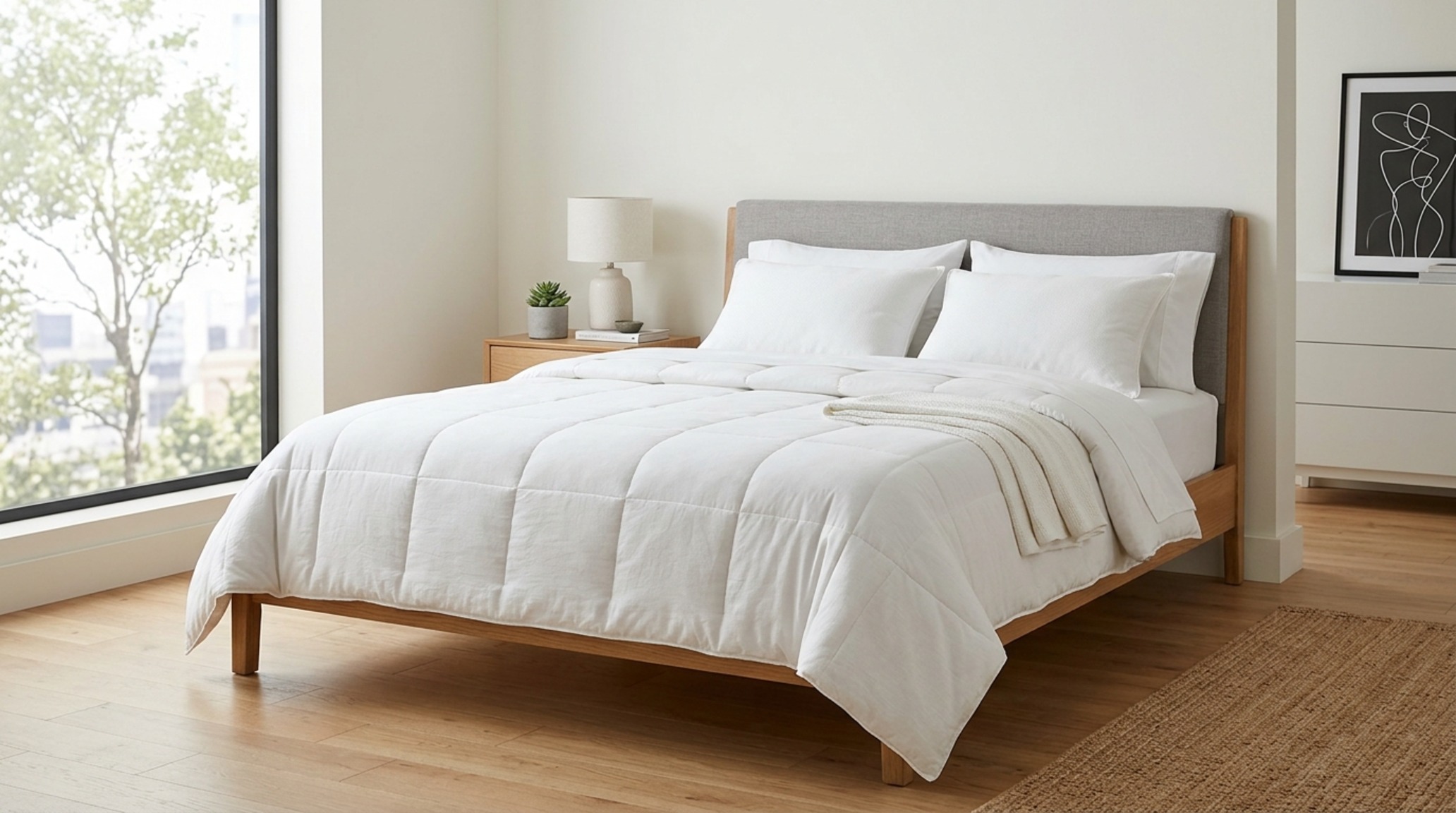
In terms of spatial layout, we often recommend an 18-inch reach from the bedside to a low-profile nightstand. When the bedding is streamlined and moisture-wicking, the edges of the bed are crisp and defined, making this reach effortless. There is no excess fabric to tangle with or pull at. This is the essence of ergonomic fluidity: every movement within the sleep zone is considered and frictionless.
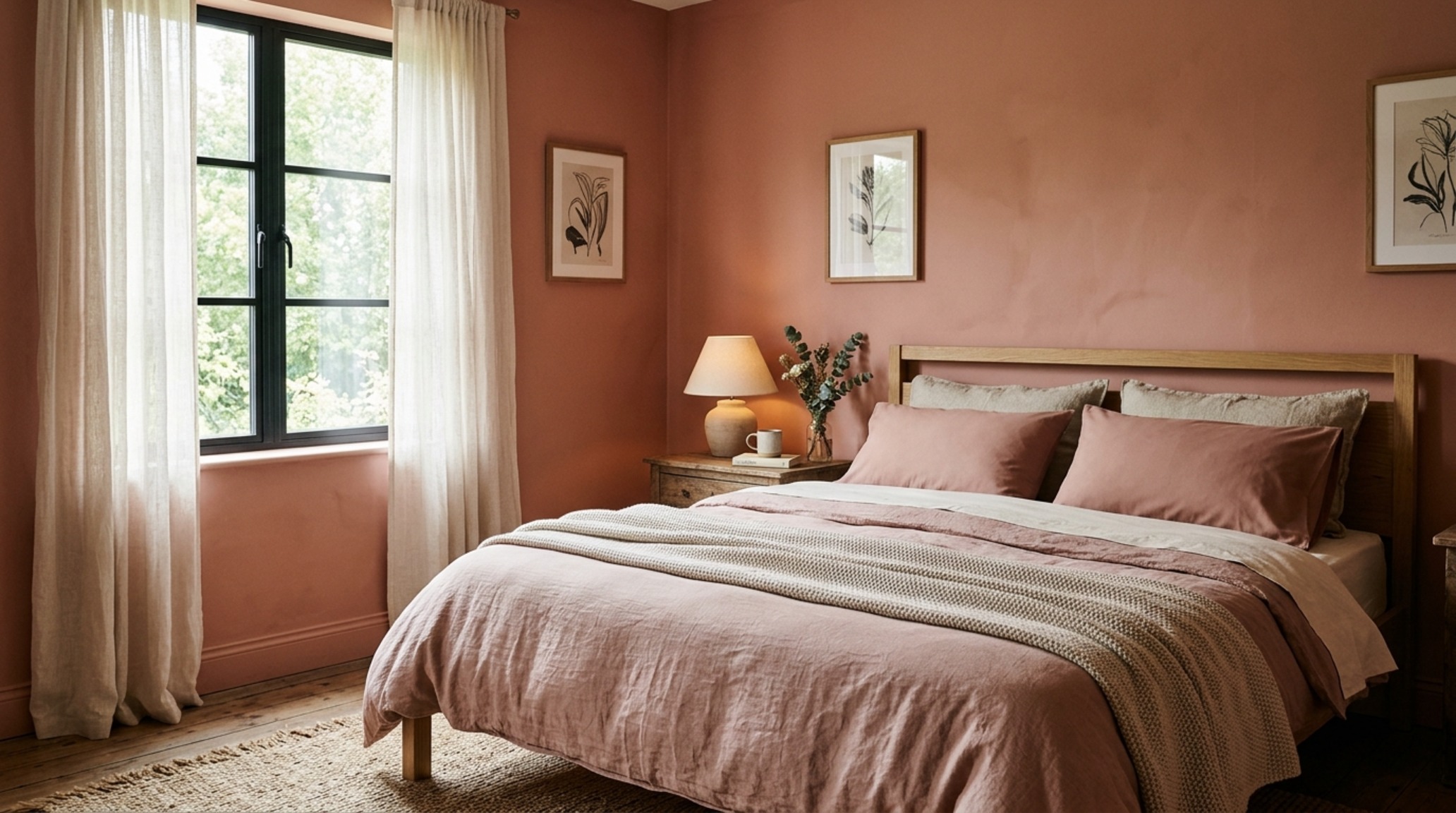
The Visual Narrative & Detail Studies of Modern Cool Comforter Sets
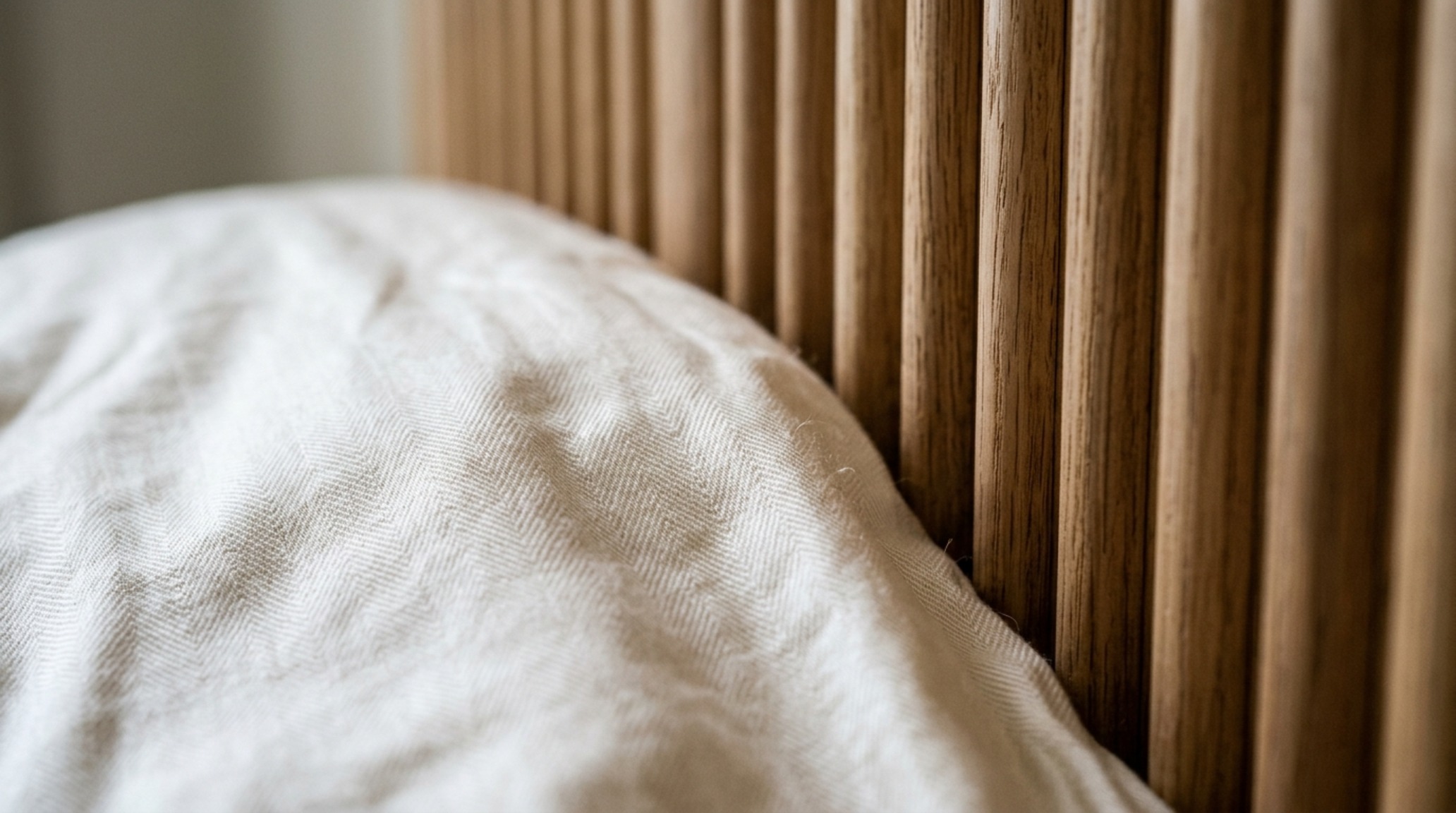
Our curated visual studies highlight how cool comforter sets function as the anchor of a room’s material palette. We are seeing a move toward ‘tactile grounding’—using materials that feel significant and authentic. Think of the juxtaposition between a rough-hewn fluted white oak headboard and the glass-smooth surface of a high-performance cool comforter. This contrast is what gives a modern room its soul. The visual narrative here is one of balance: the heat of the wood grain vs. the cooling technology of the textile.
Luxury Percale Bedding: The Crisp Architectural Finish
For those who prefer a traditional aesthetic but require modern cooling, luxury percale bedding is the definitive choice. Percale is a one-over, one-under weave that is intentionally matte and breathable. Unlike sateen, which can feel heavy and ‘sleep hot,’ percale has a signature ‘snap’ to it—reminiscent of the five-star hotel experience. In an architectural context, percale acts as a crisp, structural element. It holds its shape, providing clean, sharp lines that complement a minimalist aesthetic. It is the architectural equivalent of a well-poured concrete floor: cool, durable, and timeless.
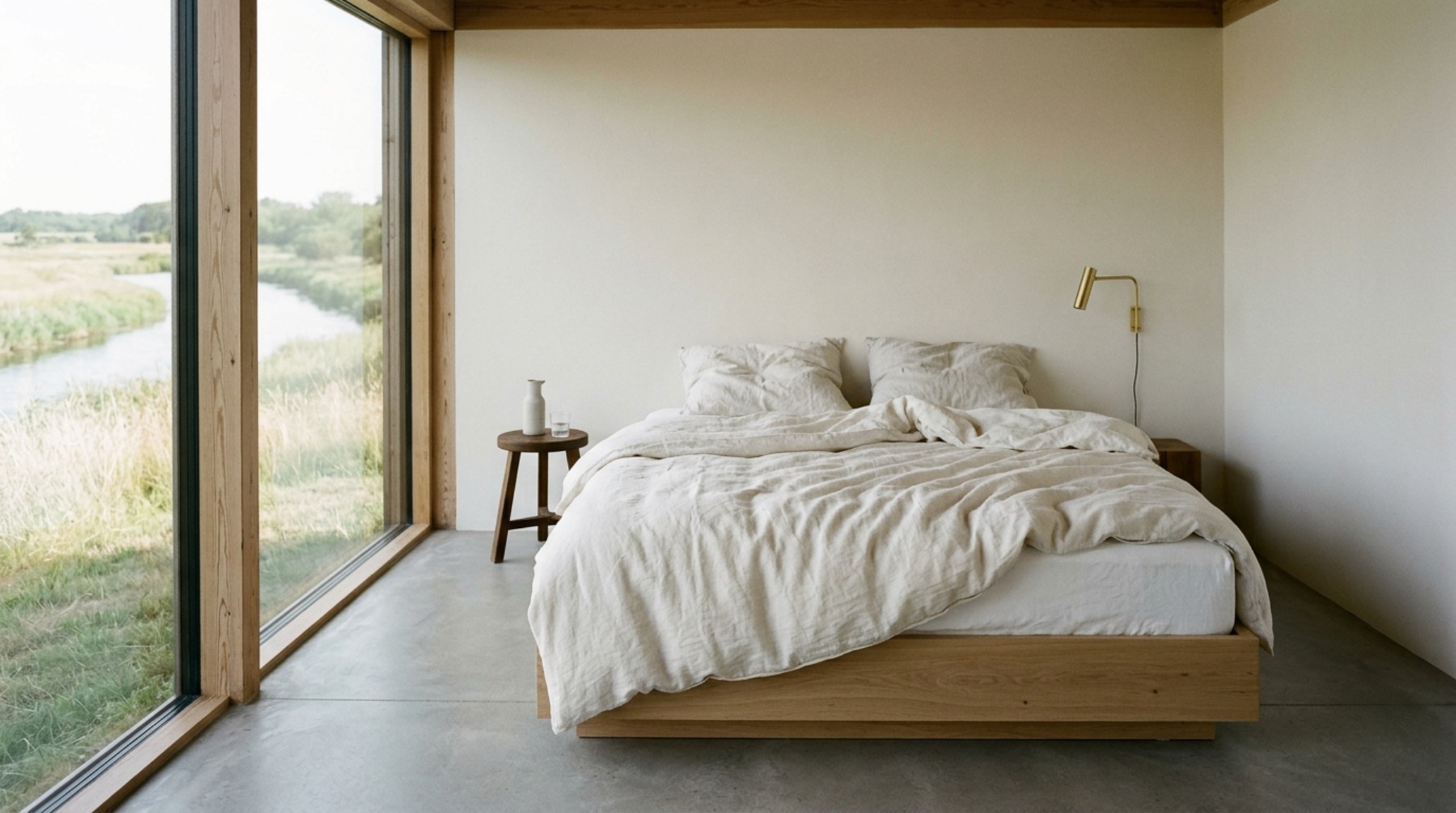
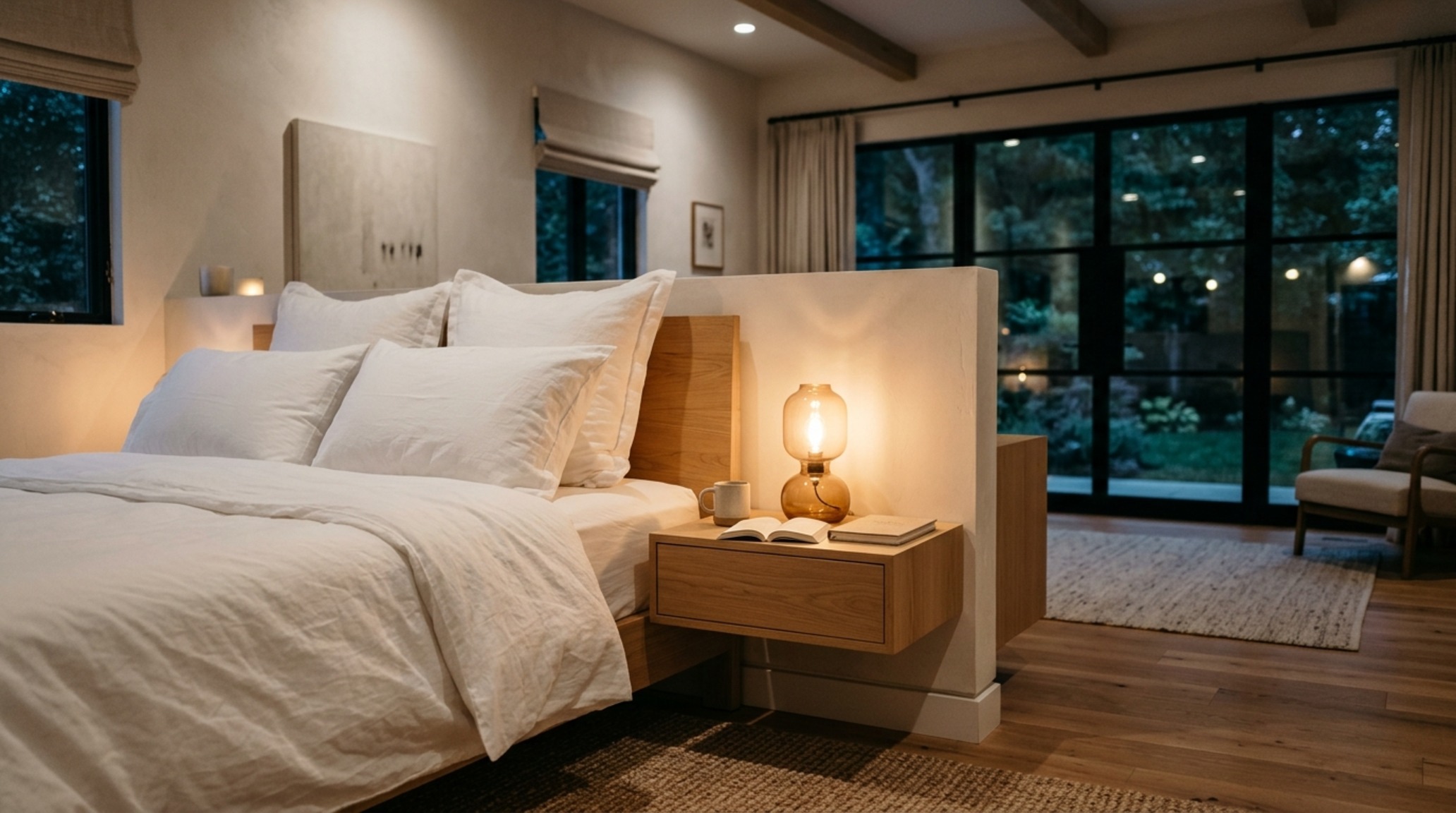
When styling luxury percale, lighting is everything. High CRI 90+ ratings in recessed ceiling fixtures will bring out the true depth of the fabric’s white or neutral tones. Under a 2700K warm ambient glow, these cool comforter sets don’t lose their crispness; instead, they take on a luminous quality that makes the bed feel like a floating island of tranquility in a busy city.
Temperature-Regulating Duvet Inserts: Engineering the Invisible
Often, the secret to a successful cool comforter set lies in the hidden layers. Temperature-regulating duvet inserts engineered with phase-change materials (PCM) are the high-tech heart of the modern bedroom. These inserts actively absorb, store, and release heat to maintain a consistent temperature. From a spatial perspective, these inserts allow for a incredibly low-loft appearance—giving you the ‘look’ of a light blanket with the ‘performance’ of a heavy duvet. This reduces the visual weight of the bed significantly, which is crucial when following the 30-inch dining chair clearance rule in a studio apartment where the living and sleeping areas bleed into one another.
Breathable Comforter for Summer: Transitioning Through the Seasons
Selecting a breathable comforter for summer that actually performs in high humidity is the final piece of the ergonomic puzzle. We look for materials that promote ‘negative space breathing room’ within the fibers themselves. A breathable comforter should feel as though it is hovering over the body rather than pressing down on it. This creates a spatial cadence of air that mimics the ventilation systems of sustainable, LEED-certified architecture. By choosing a set that resists humidity, you protect the structural integrity of your mattress and pillows, extending the life of your entire sleep system.
Spatial Anatomy & Material Specifications
A concise technical ledger of paint hex codes, architectural finishes, and dimensional standards.
The future of the domestic bedroom lies in this intersection of technical performance and spatial clarity. As we demand more from our homes, the objects we choose to live with must work harder to support our biological needs. Cool comforter sets are the quiet heroes of this evolution—pieces of high-performance engineering that allow the architecture of the room to breathe while the inhabitant recovers. In the end, the most luxurious spaces are those that prioritize the fluid, effortless movement of the human body and the deep, uninterrupted restoration of the human mind.
Editorial Silo • Recommended Architecture Studies
- The Geometry of Stillness: Architectural Directives for the Traditional Japanese Water Fountain — Archival Design Case Study
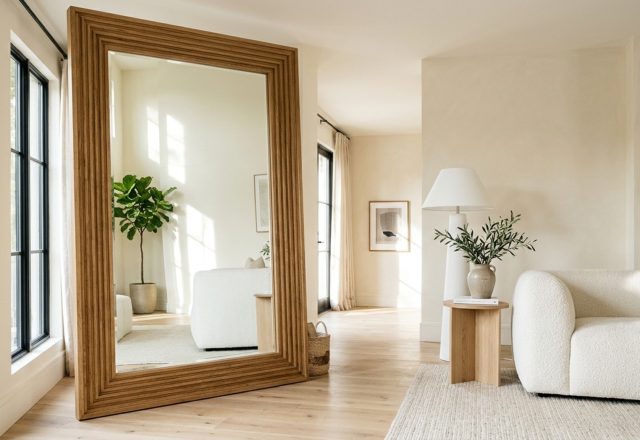
- The Luminous Gallery: Layering Materiality and Sensory Mood through Curated Mirror Decor Ideas — Archival Design Case Study
Atmospheric Interior Showcase
An evocative photographic exploration balancing structural discipline with inviting tactile softness.
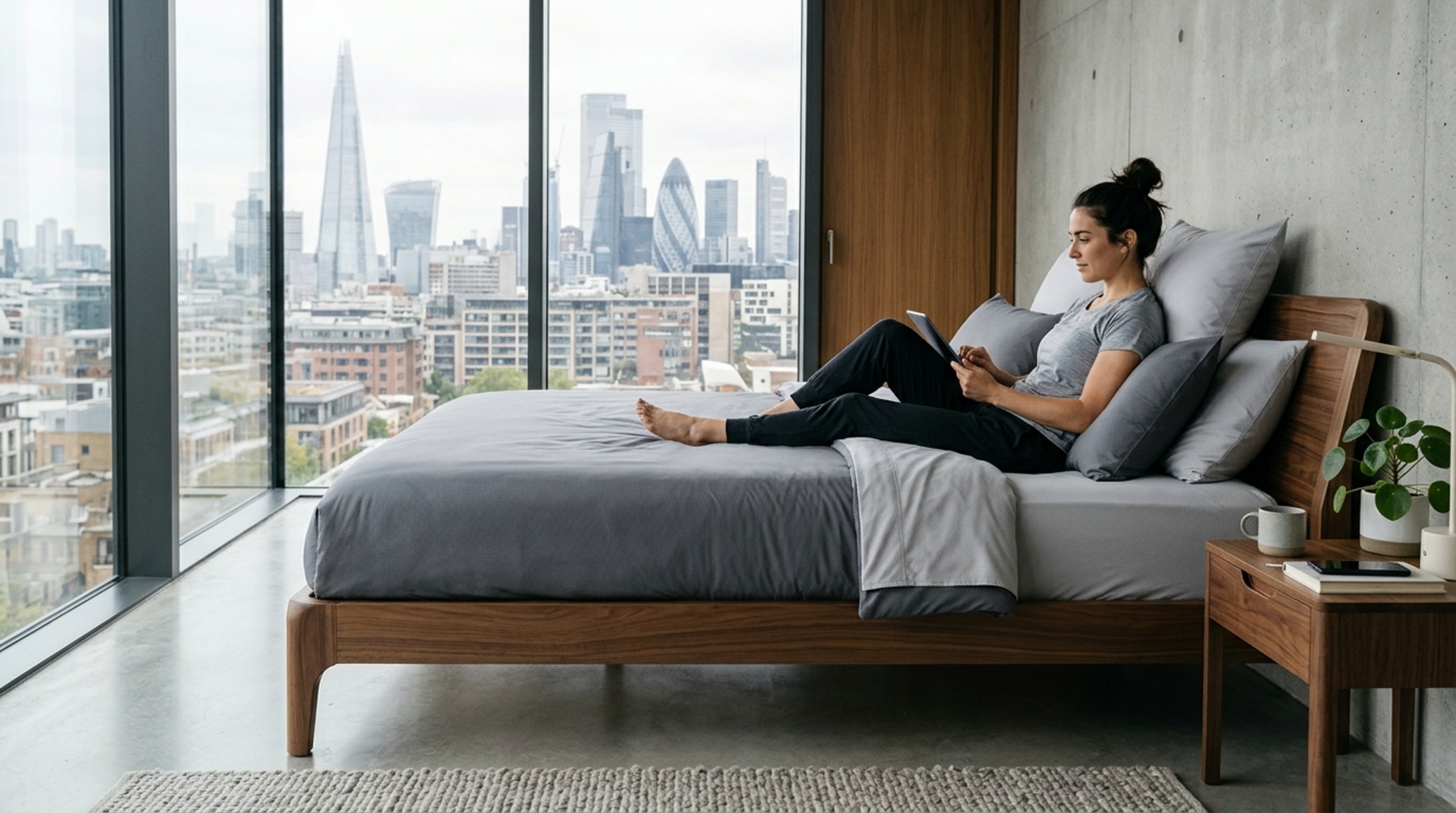
Curated Visual Lookbook
Design Gallery & Spatial Studies
A visual curation of architectural arrangements, lighting concepts, and material palettes featured in this space.