The Visceral Language of Space: Haptic Narratives in Modern Living
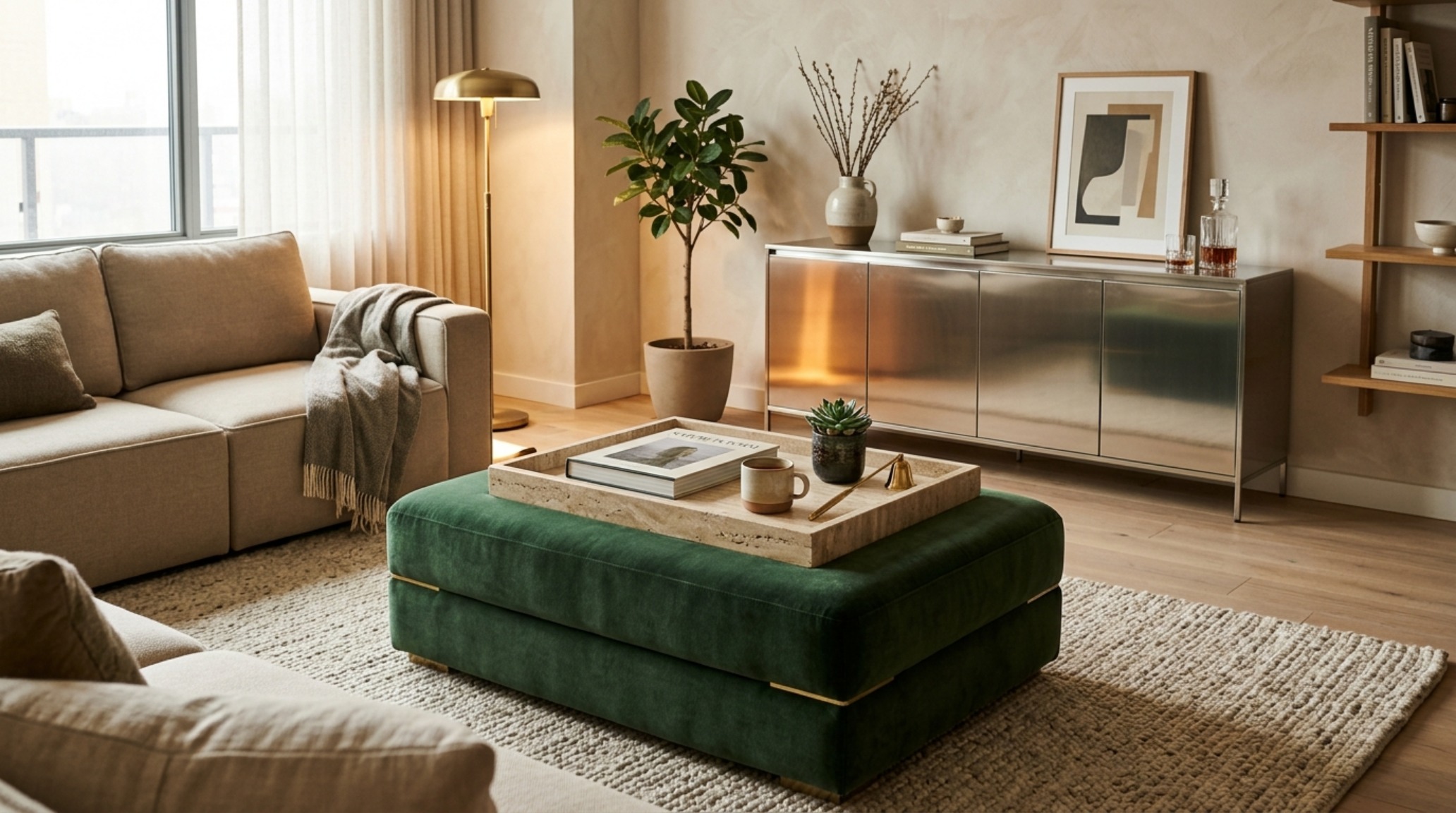
The friction of heavy, forest-green mohair against the cool, unyielding surface of a brushed brass credenza creates a visceral tension that defines the contemporary home. It is in this collision of textures—the soft versus the structural—that we find the true potential of home decor ideas for apartments. Far from the sterile, ‘white-box’ transience often associated with urban leasing, the sensory rental prioritizes the haptic experience. By layering high-contrast materials and mood-driven palettes, we transition from merely occupying a floor plan to curating a permanent-feeling residence that speaks to the soul, regardless of the lease duration.
The challenge of the modern rental is often its architectural anonymity. Standard-issue eggshell walls and generic laminate flooring provide a blank, albeit uninspiring, canvas. To counter this, we must look toward a palette that feels grounded in the earth yet elevated by artifice. Think of the deep, resonant tones of a mocha-stained oak or the sun-baked warmth of terracotta. When these are juxtaposed with the sharp refraction of light off a metallic finish, the space begins to vibrate with a bespoke energy. This is not about filling a room with objects; it is about orchestrating an atmosphere through home decor ideas for apartments that prioritize depth over decoration.
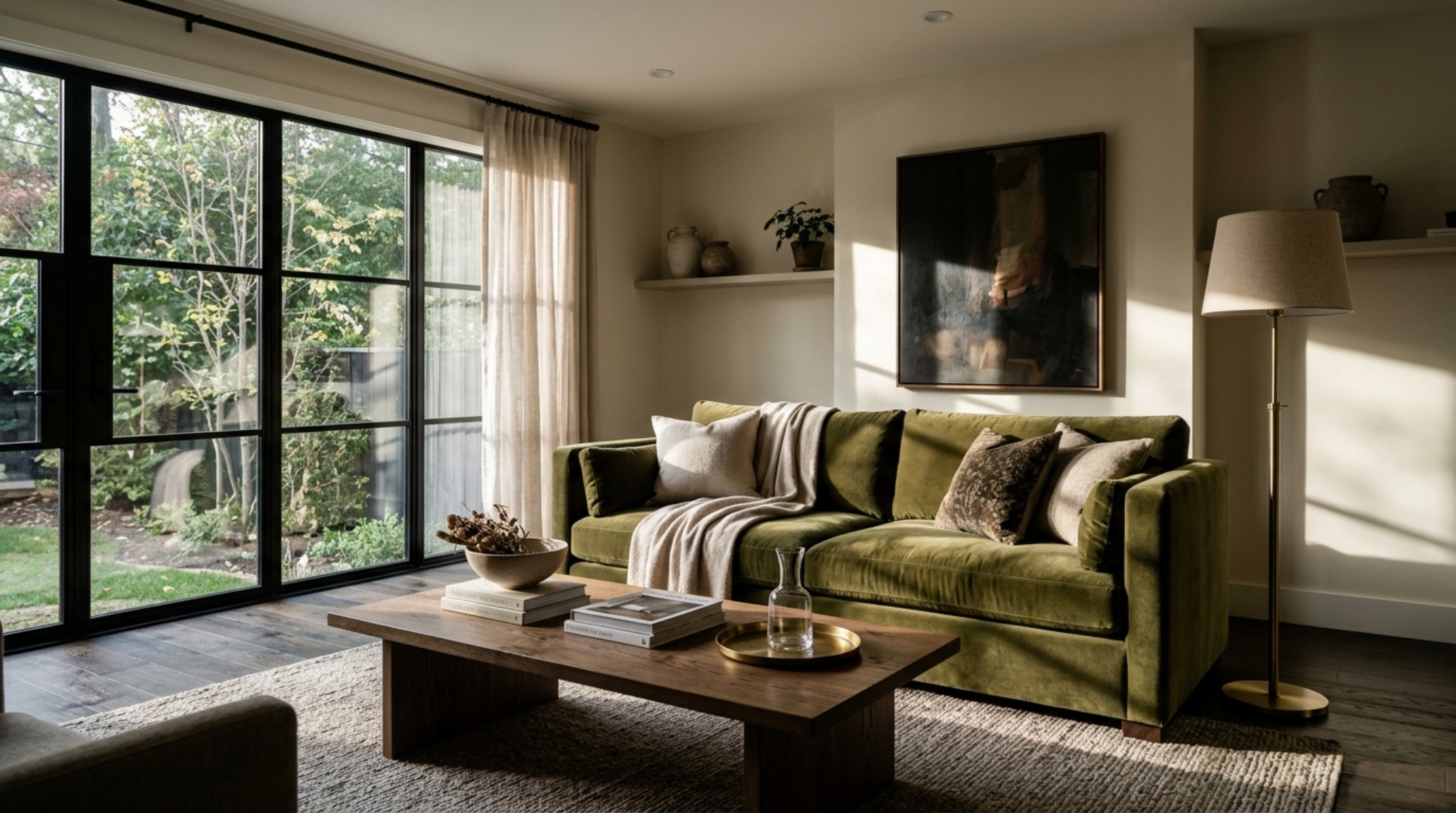
Architectural Vignettes & Spatial Flow: The Luxury Rental Perspective
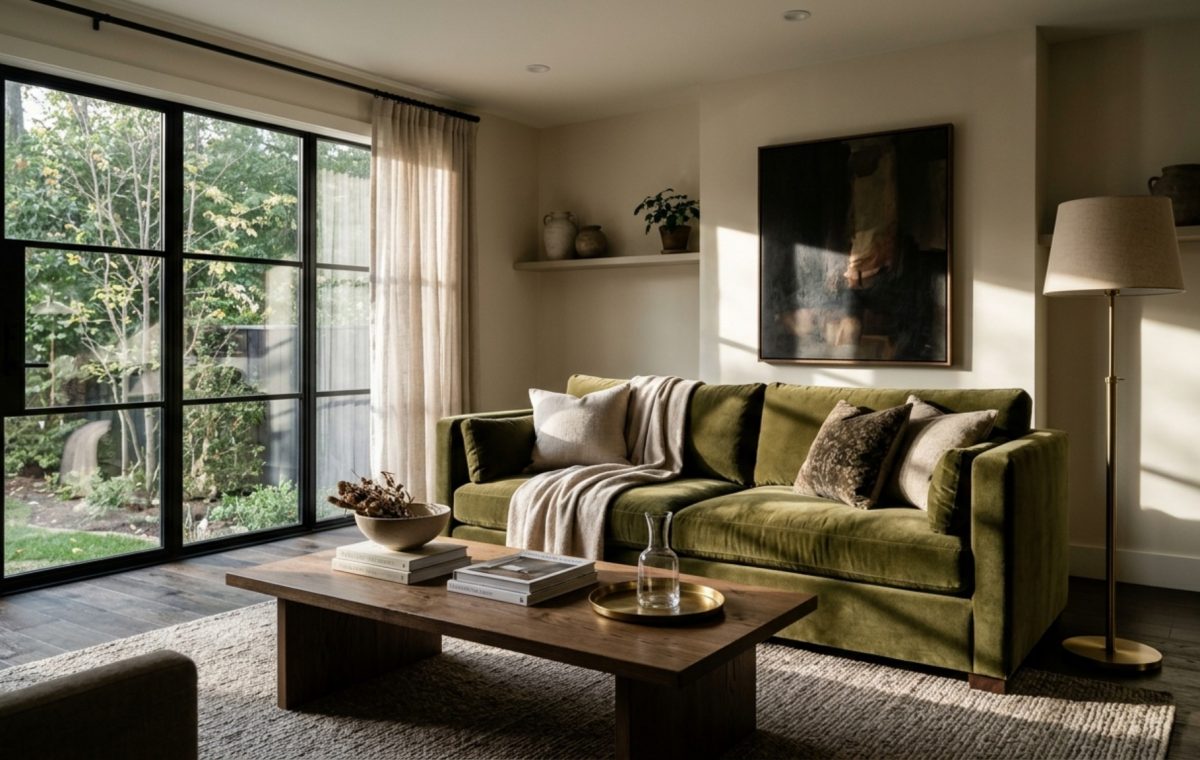
In the context of luxury rental interior design, the focus shifts toward materials that possess an inherent weight. We move away from the lightweight and the temporary toward pieces that offer a sense of ‘gravitas.’ A velvet-upholstered sofa in a deep olive—perhaps Farrow & Ball’s ‘Bancha’—becomes an anchor in the living room, grounding the visual field against the lighter ‘Swiss Coffee’ walls by Benjamin Moore. This high-contrast approach creates a sense of established luxury. To achieve this, consider the ‘negative space breathing room’ around your primary pieces. A standard 36-inch primary circulation path is not just a code requirement; it is a spatial necessity that allows the eye to rest and the materials to speak.
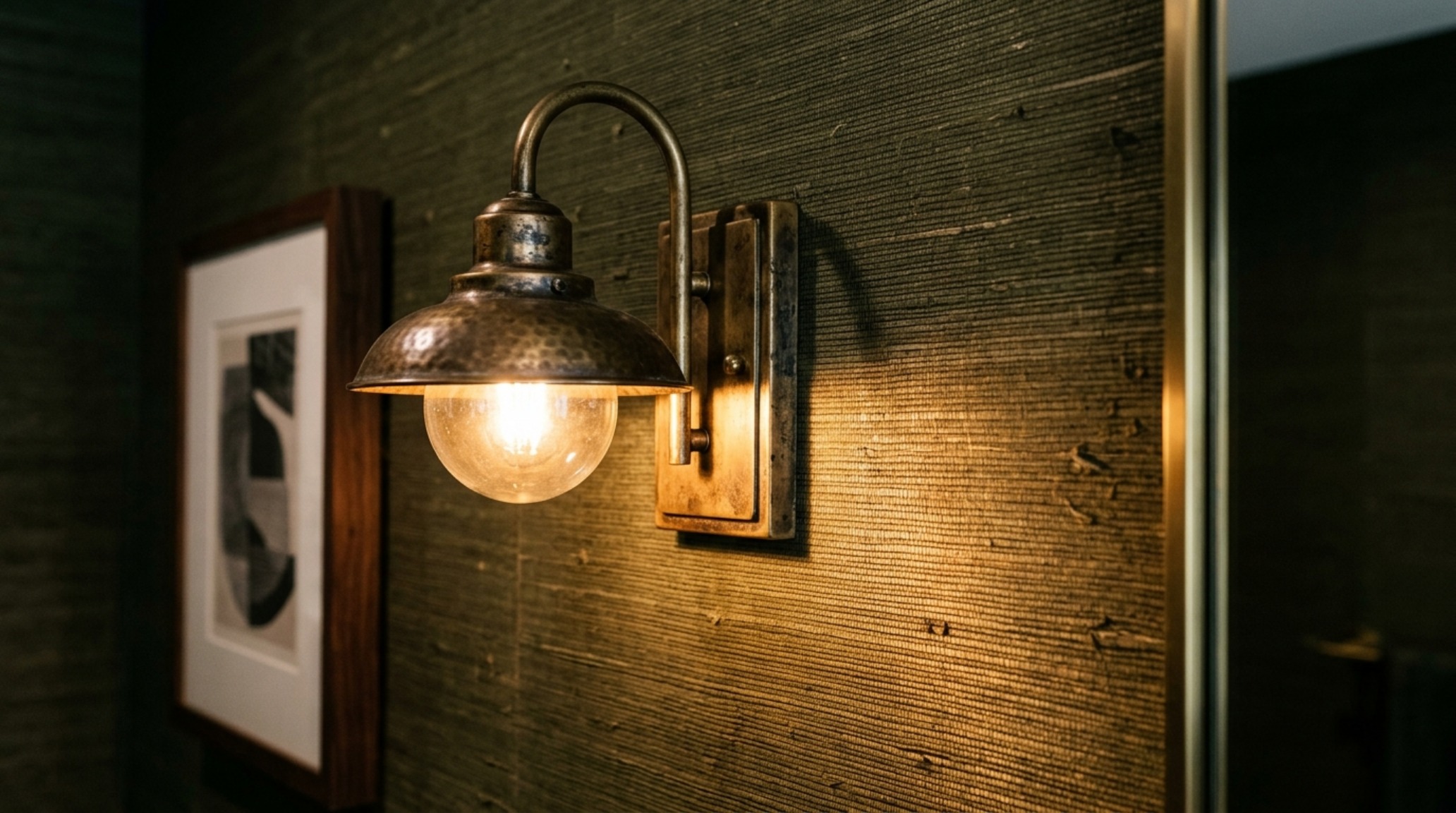
When we discuss the sensory rental, lighting is our most potent tool for transformation. Avoid the harsh, cool glare of overhead 5000K LEDs. Instead, look toward a layering of light sources at 2700K for ambient warmth and 3000K for focused task areas. High Color Rendering Index (CRI) bulbs of 90+ are non-negotiable here; they ensure that your terracotta textiles and mocha woods retain their true, rich chromaticity after sunset. This attention to spectral quality is what separates a generic space from a bespoke sanctuary.
Biophilic Apartment Decor: Incorporating Earth-Toned Vitality
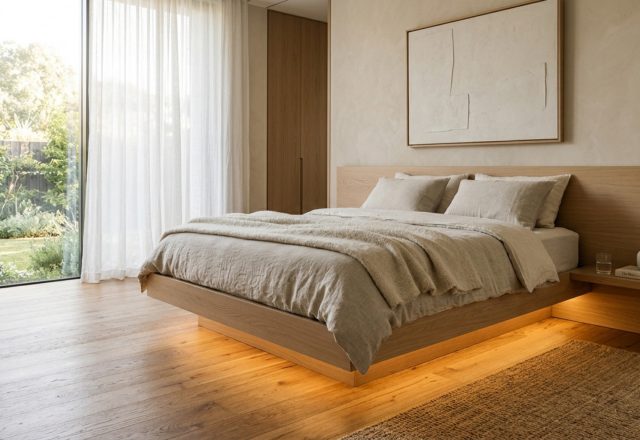
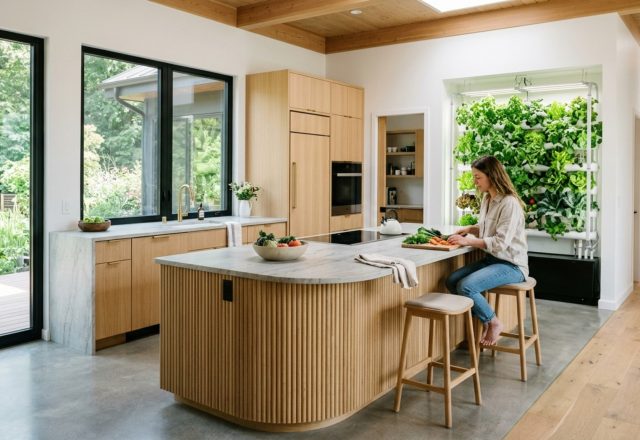
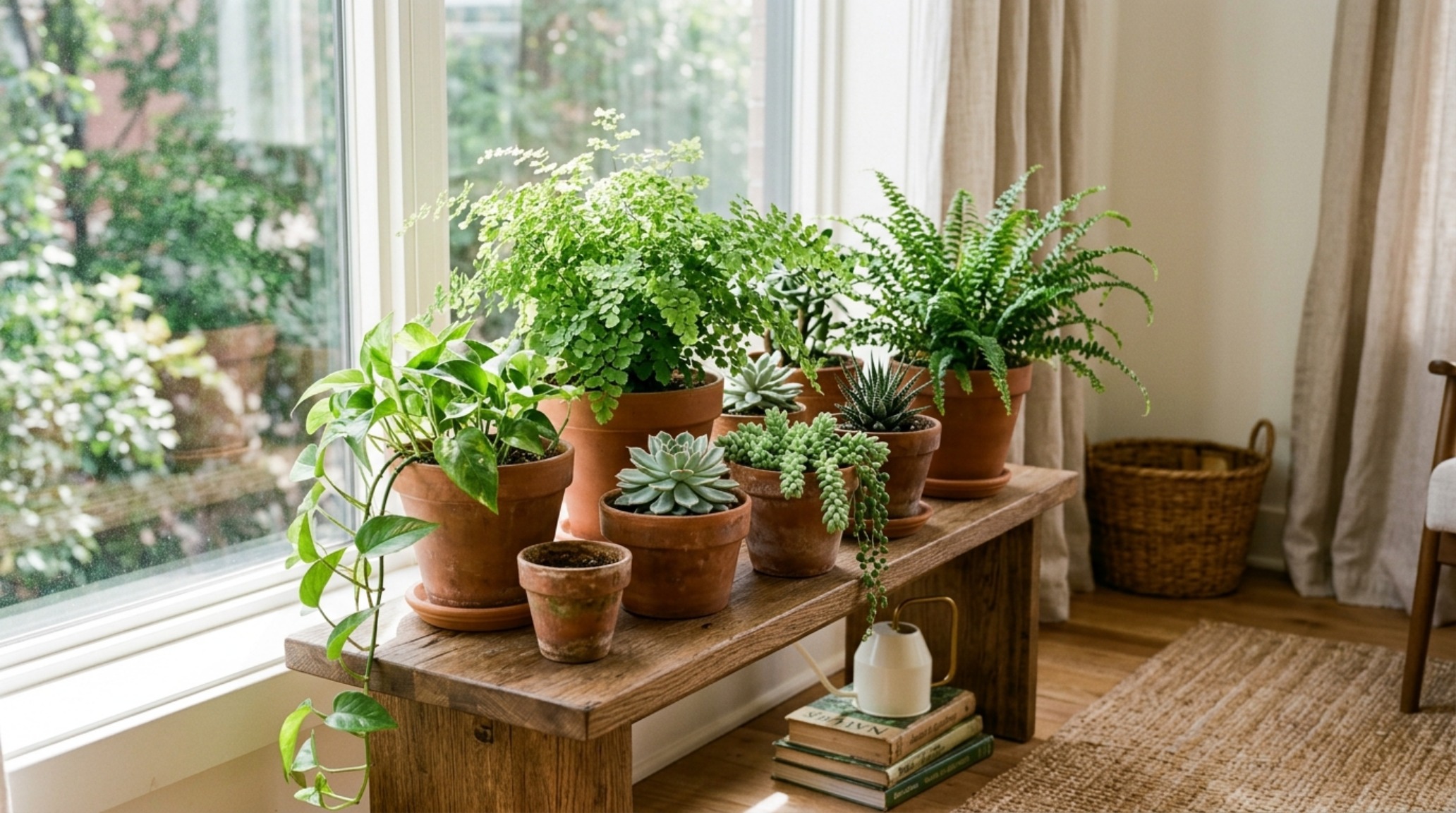
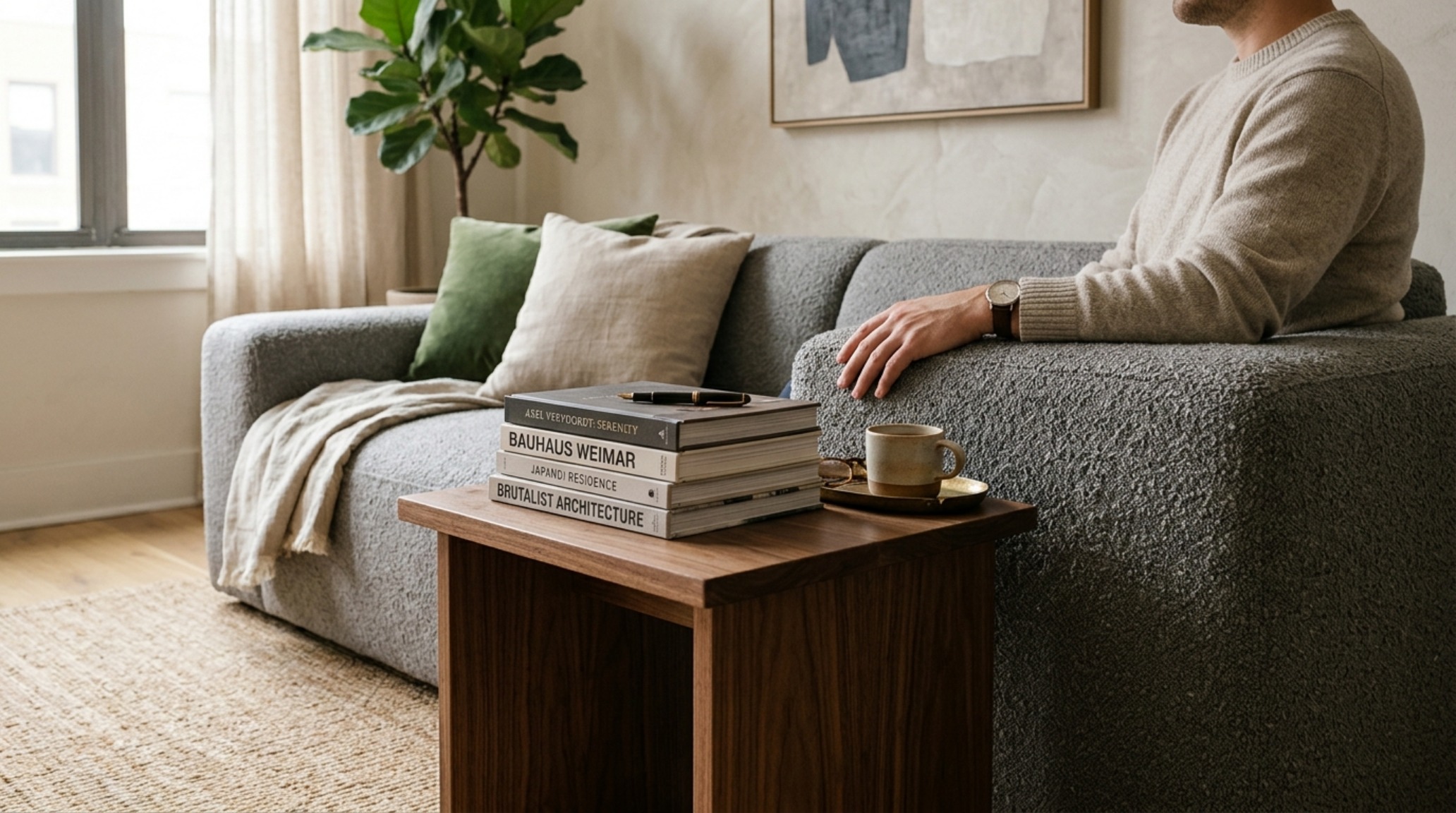
Integrating biophilic apartment decor is less about placing a single fern in a corner and more about creating a symbiotic relationship with natural textures. Imagine a floor-to-ceiling sheer linen drape in a soft sand tone, catching the afternoon light and casting soft shadows across a hand-woven jute rug. The contrast between the sheer transparency of the fabric and the coarse, tactile grounding of the jute rug creates a layered sensory experience. By bringing in organic elements like honed travertine side tables or fluted oak cabinetry, you introduce a rhythmic cadence that mimics the complexity of the natural world.
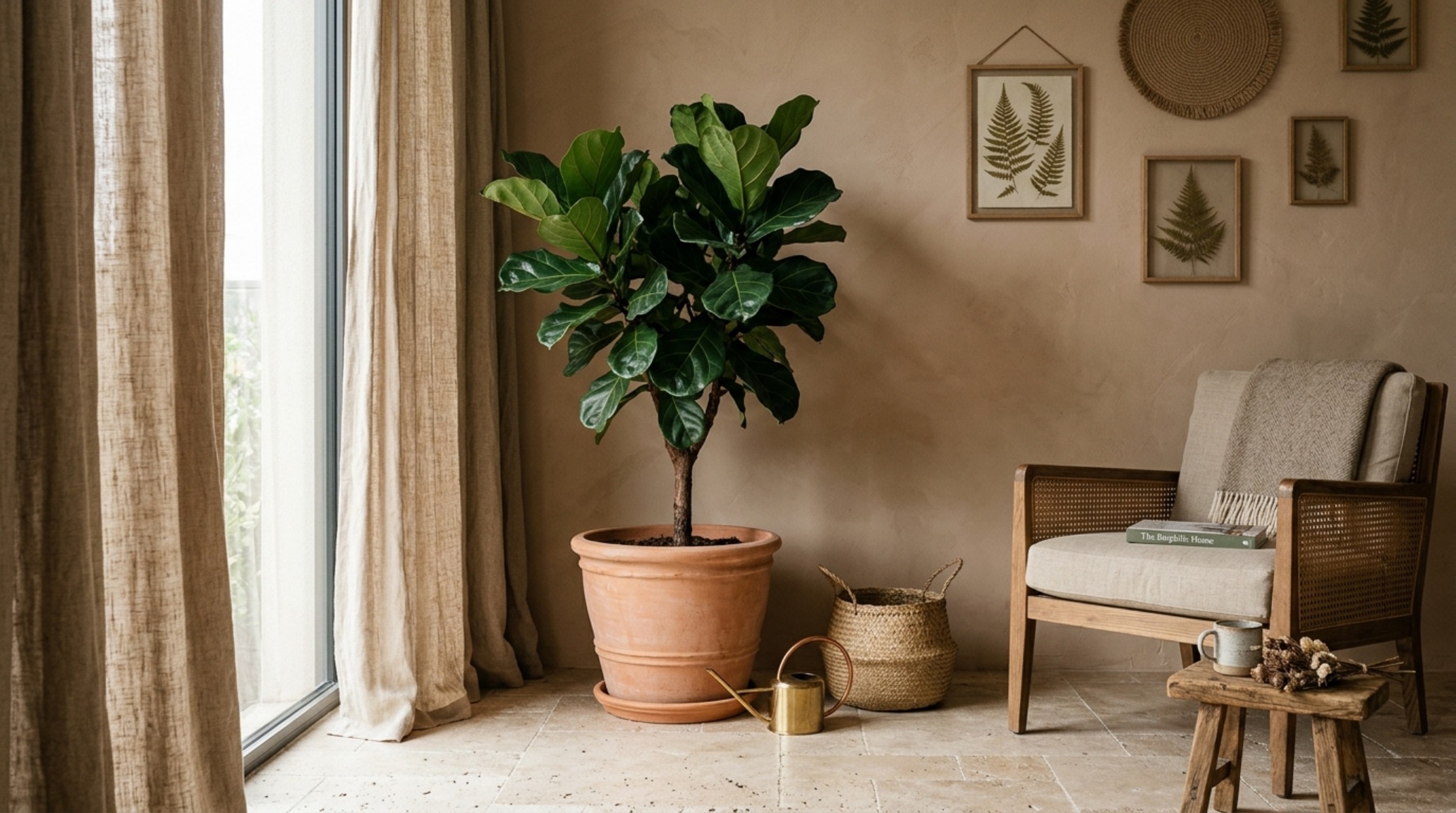
The use of ‘Setting Plaster’ by Farrow & Ball on a focal wall can introduce a soft, clay-like warmth that feels more architectural than paint. This matte, breathable finish absorbs light rather than reflecting it, providing a velvet-like backdrop for your greenery. When selecting plants, focus on architectural forms—the broad, leathery leaves of a Ficus Lyrata or the delicate, lace-like texture of a Maidenhair Fern—to contrast against the geometric lines of your furniture. This intersection of the living and the constructed is the hallmark of a sophisticated sensory rental.
Ergonomic Apartment Living Room: The Science of Comfort and Reach
Design is a failure if it does not accommodate the human body. In an ergonomic apartment living room, every measurement is a gesture of hospitality. The relationship between a sofa and a coffee table should be an 18-inch reach—close enough for a glass of water, distant enough for easy passage. When choosing home decor ideas for apartments, consider the tactile response of every touchpoint. A leather lounge chair with a 15-degree recline offers a different psychological state than a formal, upright armchair. The choice of cognac-toned leather provides a warm, buttery contrast to a cold marble coffee table, reinforcing the sensory narrative through physical contact.
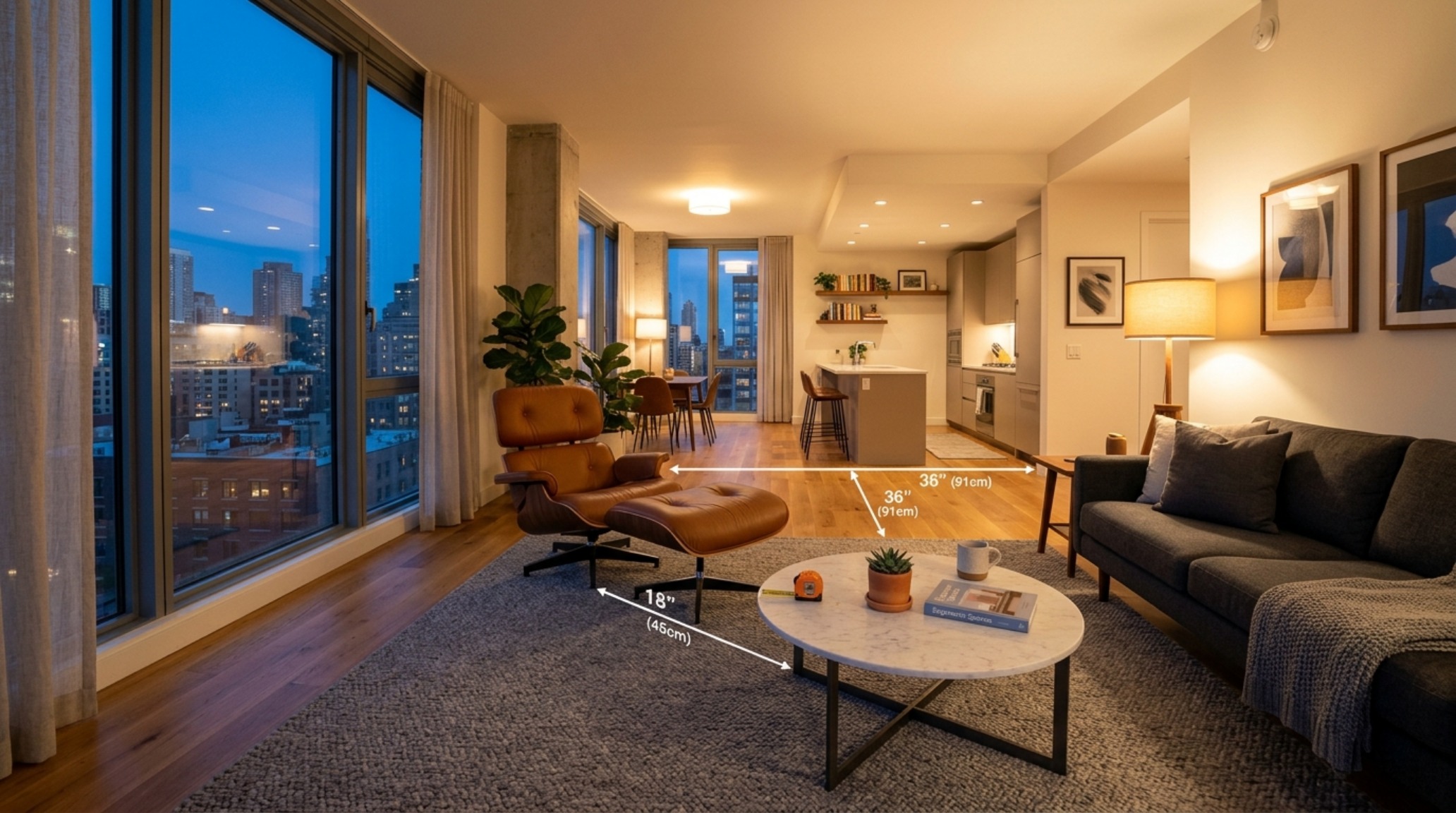
Spatial cadence is also defined by the heights of your furniture. A low-slung, modular sofa keeps sightlines open, making a smaller urban living room feel expansive. Conversely, a tall, slender floor lamp with a matte black finish provides a vertical counterpoint, drawing the eye upward and emphasizing the volume of the room. This balance of horizontal and vertical elements is essential for a curated spatial flow that feels intentional rather than cluttered.
High-Ceiling Apartment Styling: Navigating Vertical Volume
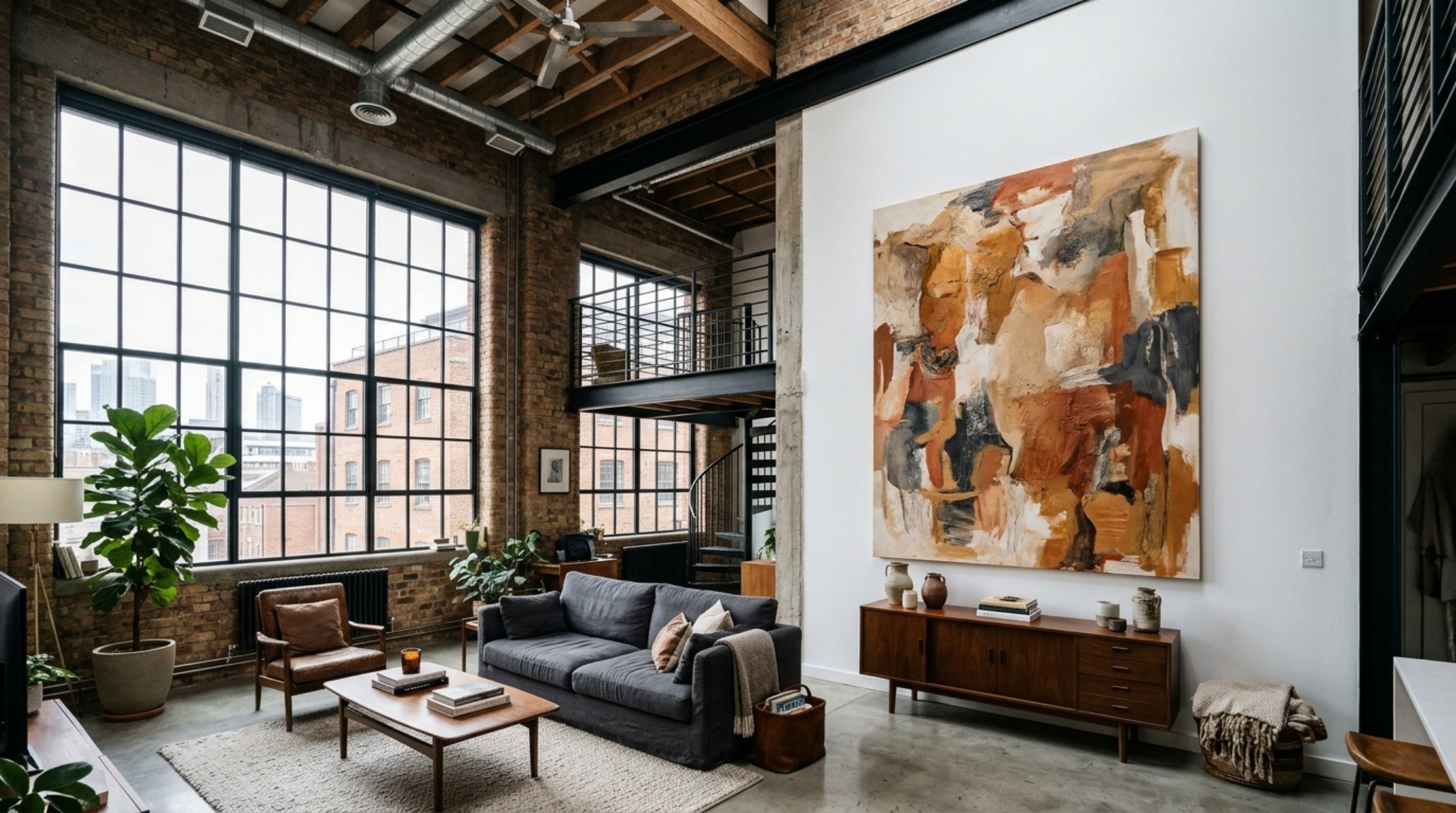
For those fortunate enough to occupy lofts or pre-war builds, high-ceiling apartment styling requires a mastery of scale. The danger of a high ceiling is the potential for the room to feel cavernous and disconnected. To solve this, use verticality to your advantage. Extra-long drapes, hung several inches above the window frame, create a sense of ‘architectural embrace.’ By choosing a heavy, textured fabric like a deep mocha velvet, you add acoustic dampening and thermal insulation, turning a vast space into a cocoon.
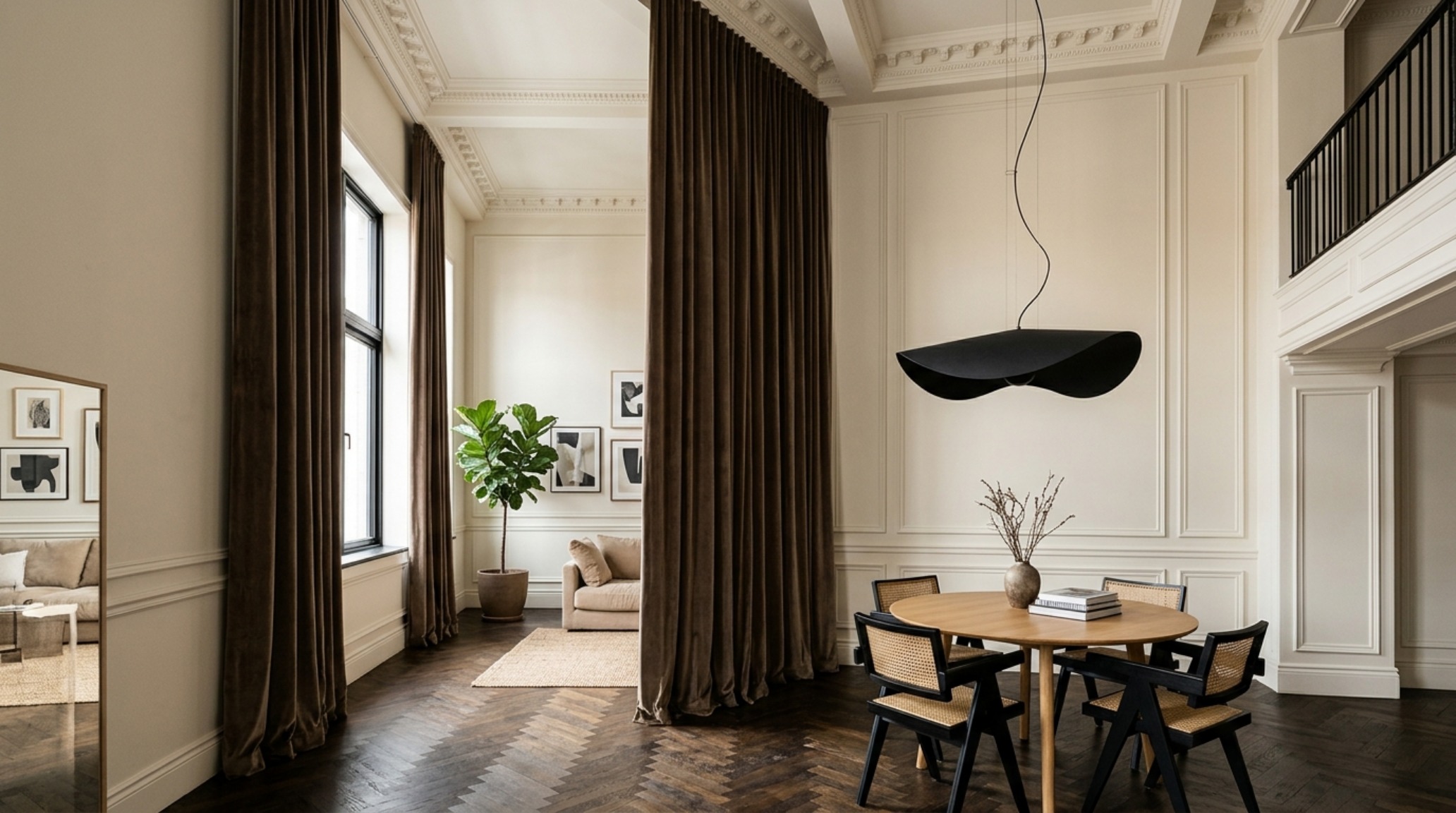
Oversized lighting fixtures are also a strategic choice. A large-scale pendant in a matte finish—perhaps a mid-century inspired saucer or a contemporary mobile—acts as a ‘ceiling anchor,’ bringing the visual focus down to the living plane. This creates a more intimate atmosphere within the grand volume. Remember, home decor ideas for apartments with significant height should focus on drawing the eye through a series of visual heights, from the floor-level rug to the mid-level art, and finally to the high-level lighting, creating a complete 360-degree sensory environment.
Modular Apartment Furniture: Flexibility Without Compromise
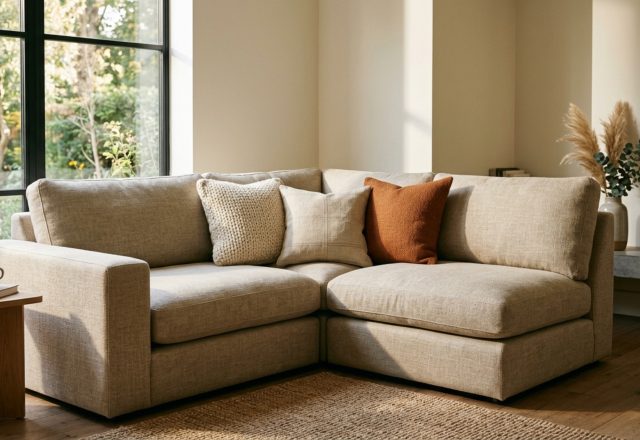
In the fluid landscape of modern living, modular apartment furniture represents the ultimate in adaptable luxury. The ability to reconfigure a space based on mood or function—from a social pit for entertaining to a deep lounge for cinema—is a hallmark of bespoke design. Look for modular systems that don’t sacrifice materiality for utility. A tobacco-colored velvet modular sofa with brushed metal connectors offers both the tactile richness we crave and the structural precision required for urban living. This versatility ensures that your home decor ideas for apartments can evolve with you, moving from one residence to the next without losing their curated feel.
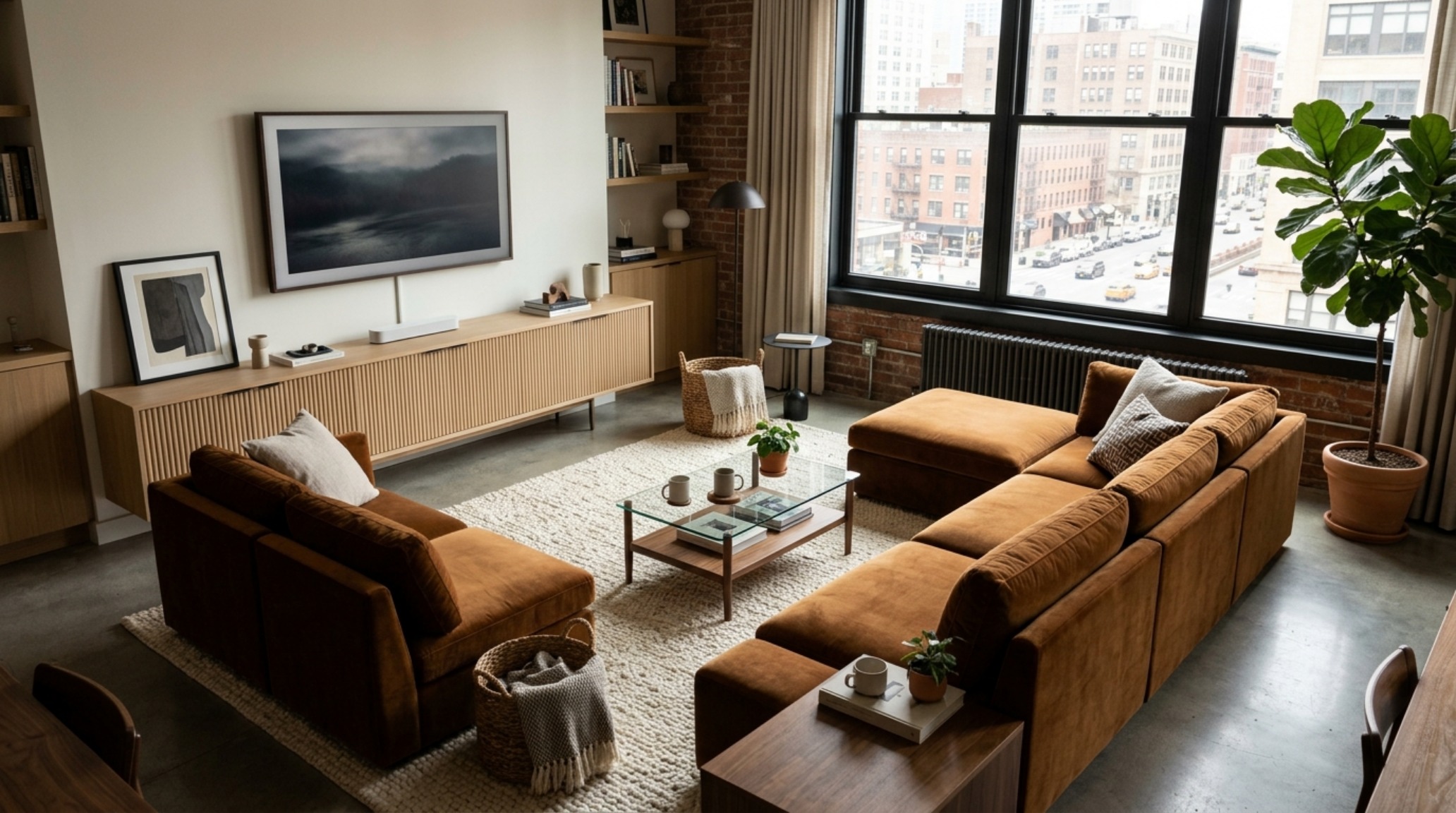
When arranging modular pieces, pay attention to the floor plane. A large, high-pile wool rug can act as a unifying ‘island,’ grouping various modular components into a cohesive zone. This technique is particularly effective in open-concept layouts, where visual boundaries are needed to define function without the use of walls. The contrast between the plush wool underfoot and the sleek lines of the modular units creates a sophisticated, multi-layered aesthetic.
Studio Apartment Decorating Ideas: Texture as a Zoning Tool
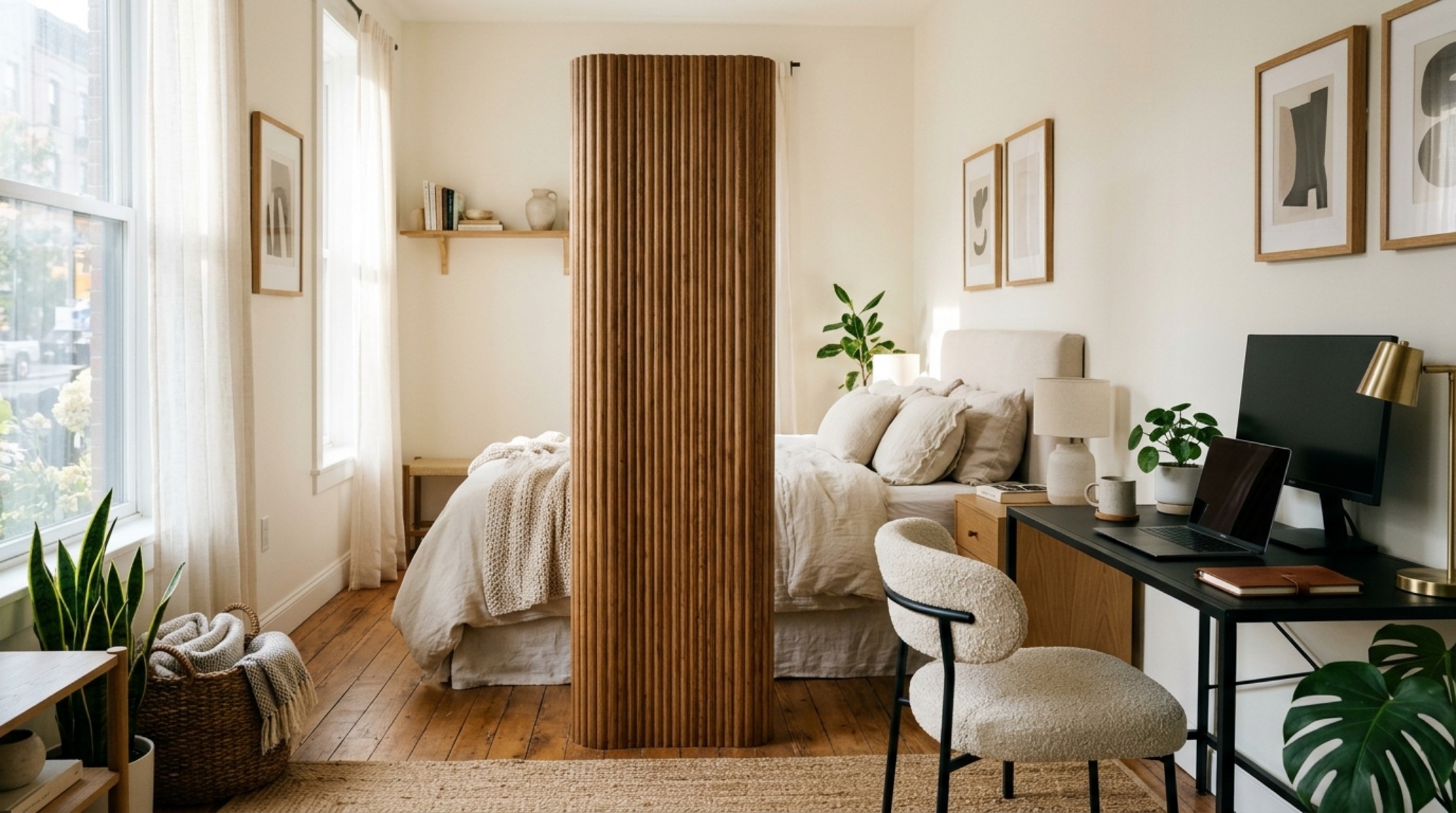
For the compact footprint, studio apartment decorating ideas must prioritize multi-functional textures. Instead of using physical dividers that block light and air, use material shifts to define zones. A sleeping nook can be demarcated by a wall of warm, textured wallpaper or a change in rug texture—from a flat-weave sisal in the ‘living area’ to a soft sheepskin by the bed. This tactile transition signals a change in purpose to the brain, effectively ‘walling off’ the space without losing an inch of floor area.
Integrate home decor ideas for apartments that serve double duty: a fluted wood storage bench that provides seating and hides clutter, or a mirrored screen that reflects light while providing a backdrop for a desk. The goal is to keep the eye moving, using high-contrast details—like a black steel desk lamp against a pale oak desk—to create points of interest that distract from the limited square footage. By focusing on quality over quantity, a studio can feel just as bespoke and sensory-rich as a multi-room penthouse.
Tactile Material Index & Dimensional Blueprint
Architectural summary of tactile material selections, lighting specifications, and spatial ergonomics.
Ultimately, the transition from a rental to a home occurs when we stop waiting for a mortgage to invest in our sensory well-being. By utilizing home decor ideas for apartments that embrace high-contrast textures—the rough against the smooth, the matte against the polished—we create a residence that feels permanent in its intention, if not its location. The modern urban renter is no longer a guest in their own space; they are the curator of a nuanced, atmospheric environment where every shadow and every surface tells a story of architectural deliberate living.
Editorial Silo • Recommended Architecture Studies
- Beds That Save Space: The Architectural Blueprint & Spatial Flow Guide — Archival Design Case Study
- The Closed-Loop Life: Mastering the Functional Ergonomics of Self Sustaining Homes — Archival Design Case Study
Form, Light & Space Chronicle
A high-resolution study in spatial proportions, tactile materiality, and light choreography curated for enduring modern living.
Curated Visual Lookbook
Design Gallery & Spatial Studies
A visual curation of architectural arrangements, lighting concepts, and material palettes featured in this space.