The Tactile Dialogue of Holiday Ergonomics
The cool, unyielding weight of honed travertine meeting the soft, linear grain of rift-sawn oak creates a quiet architectural tension—a dialogue that often gets lost in the chaotic excess of seasonal decorating. As we reconsider the sensory boundaries of our homes, understanding how to decorate christmas wreaths becomes less about the ornament itself and more about the spatial cadence of the room. In the modern urban dwelling, where every square inch is curated for multi-functional living, the traditional, oversized wreath can often act as a visual or physical obstruction rather than an invitation. We are shifting toward a more disciplined approach: the ergonomic holiday interior.
Ergonomics in decor isn’t simply about lumbar support; it is about the fluidity of movement. It is the 36-inch clearance required for a primary circulation path and the 30-inch breathing room behind a dining chair. When we scale wreath decor, we are looking at how to maintain these essential architectural clearances while still introducing the organic texture that defines the season. This involves moving away from the singular, heavy-handed statement on the front door and instead distributing the festive narrative across internal sightlines—kitchen cabinets, internal window panes, and the backs of slender dining chairs.
Decorating Kitchen Cabinet Wreaths: Scaling for Vertical Functionality
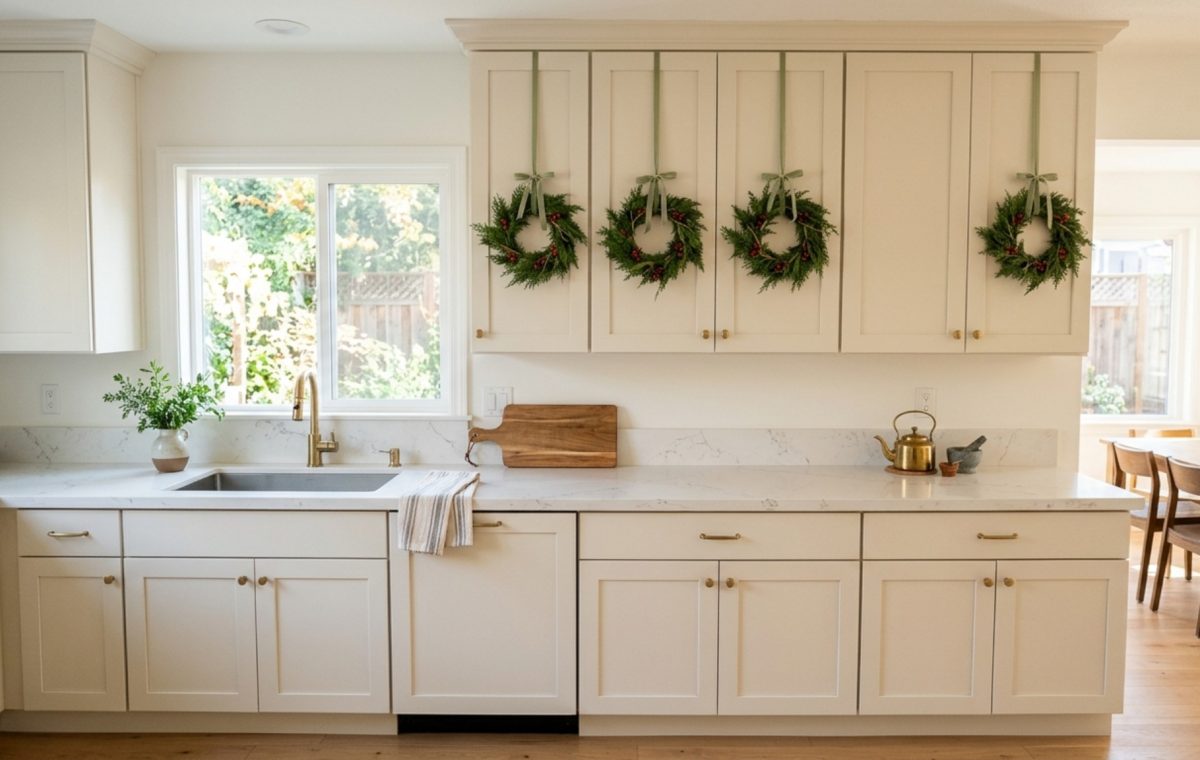
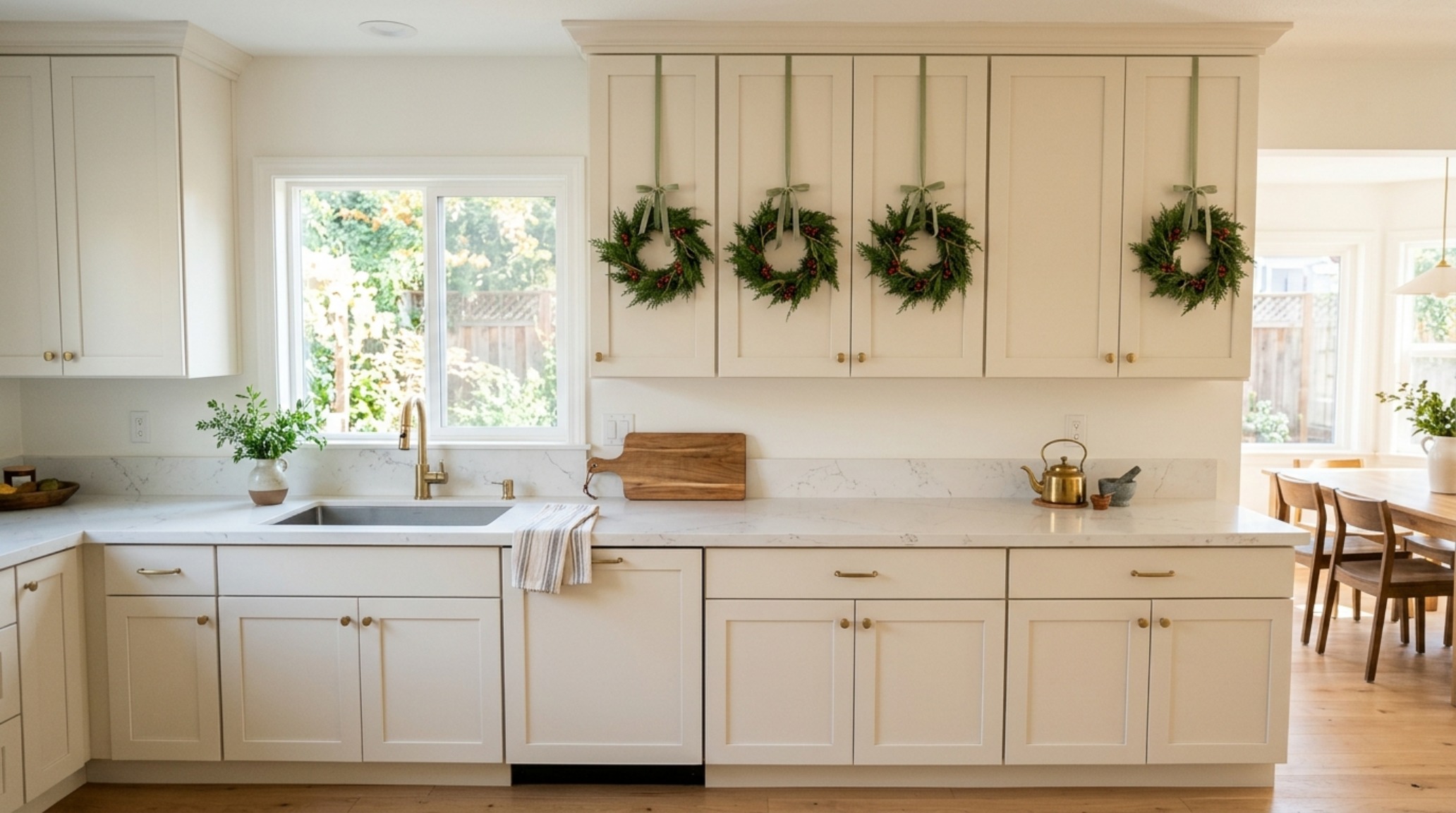
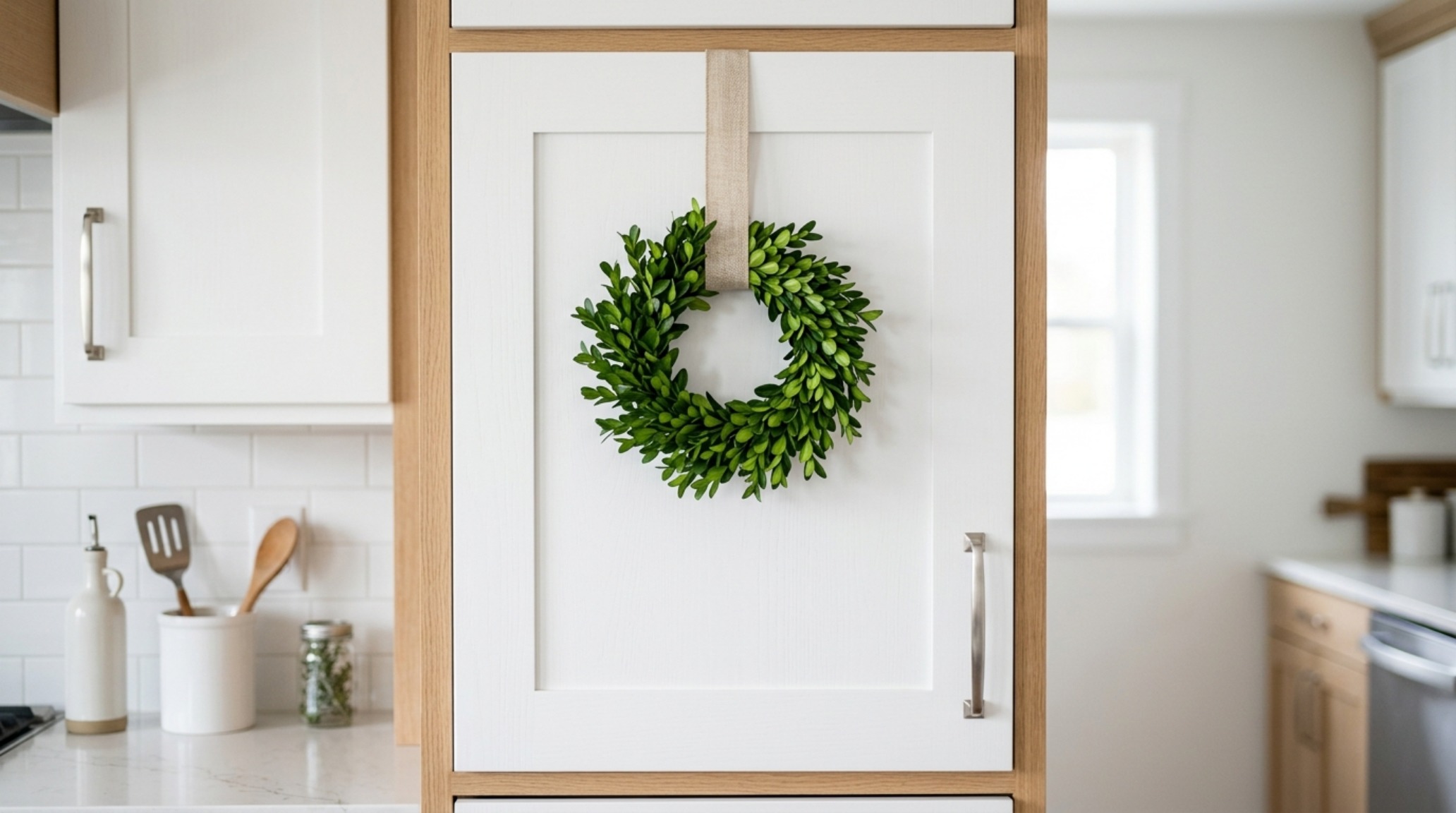
The kitchen is the high-traffic engine of the home, governed by the 18-inch standard height of the backsplash and the precise reach of cabinetry doors. When decorating kitchen cabinet wreaths, the goal is to introduce texture without compromising the utility of the hardware. For a seamless look, I often specify 8-inch to 10-inch mini-wreaths—ideally preserved boxwood or delicate cedar—hung with a 1-inch grosgrain ribbon. The ribbon should be secured over the top of the cabinet door using a low-profile command hook mounted upside down on the interior of the door. This ‘hidden hardware’ approach ensures that the wreath remains stable during frequent opening and closing, preventing the annoying rattle of poorly secured decor.
From a material perspective, these kitchen vignettes should lean into the existing palette. If your kitchen features a neutral backdrop like Benjamin Moore Swiss Coffee, opt for a deeper, more saturated evergreen to provide a crisp contrast. This is where the physics of the hang matters. By keeping the wreath in the upper third of the cabinet face, you preserve the visual ‘negative space’ above the countertop, ensuring the workspace doesn’t feel encroached upon during meal preparation. It’s about maintaining that 18-inch clearance between the counter and the cabinet bottom, allowing the eye to travel across the kitchen without hitting a wall of festive clutter.
DIY Minimalist Wreath Ribbon Techniques: The Art of the Tension Hang
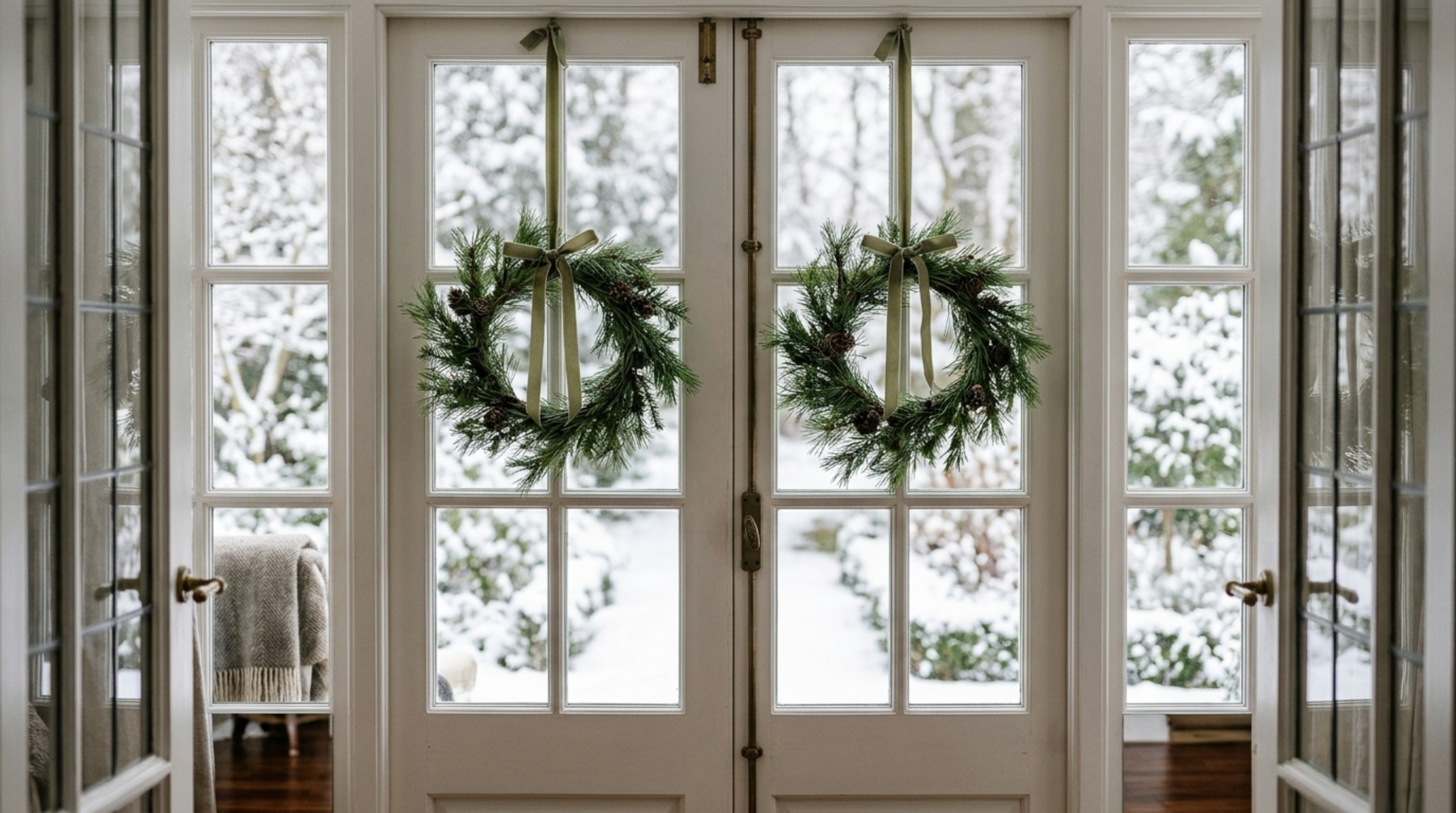
The transition from a ‘decorated’ house to a ‘designed’ home often lies in the quality of the textile. When exploring DIY minimalist wreath ribbon techniques, I recommend moving away from the stiff, wired bows of the past. Instead, embrace the organic drape of double-faced velvet or raw-edged silk. A 1.5-inch velvet ribbon in a muted tone like Farrow & Ball Setting Plaster or a deep moss green can transform a simple brass hoop into a sophisticated architectural element.

To achieve the perfect ergonomic hang, consider the ‘offset drop.’ Instead of centering the wreath perfectly within a window pane, try hanging it at a three-quarter height, allowing the ribbon to become a long, vertical line that draws the eye upward. This technique is particularly effective in spaces with high ceilings but limited floor area. It uses the vertical plane to communicate the holiday spirit, leaving the floor clear for walking paths and furniture. The ribbon acts as a tether, a soft architectural detail that connects the ceiling line to the organic form of the wreath, creating a sense of height and lightness.
Spatial Perspectives & Material Curation
In the quest for a more refined festive atmosphere, the question of how to decorate christmas wreaths often brings us back to the source material. We are seeing a move away from the hyper-saturated, artificial greens toward a more muted, desaturated palette—think silver-dollar eucalyptus, dried banksia, and long-leaf pine. These materials offer a more sophisticated tonal range that complements modern finishes like matte black hardware or brushed nickel.
Best Wreath Lighting for Indoor Use: The Luminal Balance
Lighting is the most powerful tool in an interior designer’s kit, and it becomes even more critical during the shorter days of winter. When selecting the best wreath lighting for indoor use, the standard should always be a warm 2700K color temperature. Anything higher risks looking clinical or ‘icy,’ which clashes with the warm woods and soft textiles of a curated living room. I always look for high CRI (Color Rendering Index) ratings of 90 or above. This ensures that the deep greens of the fir and the rich reds of the berries are rendered accurately, rather than looking muddy under low-quality LEDs.

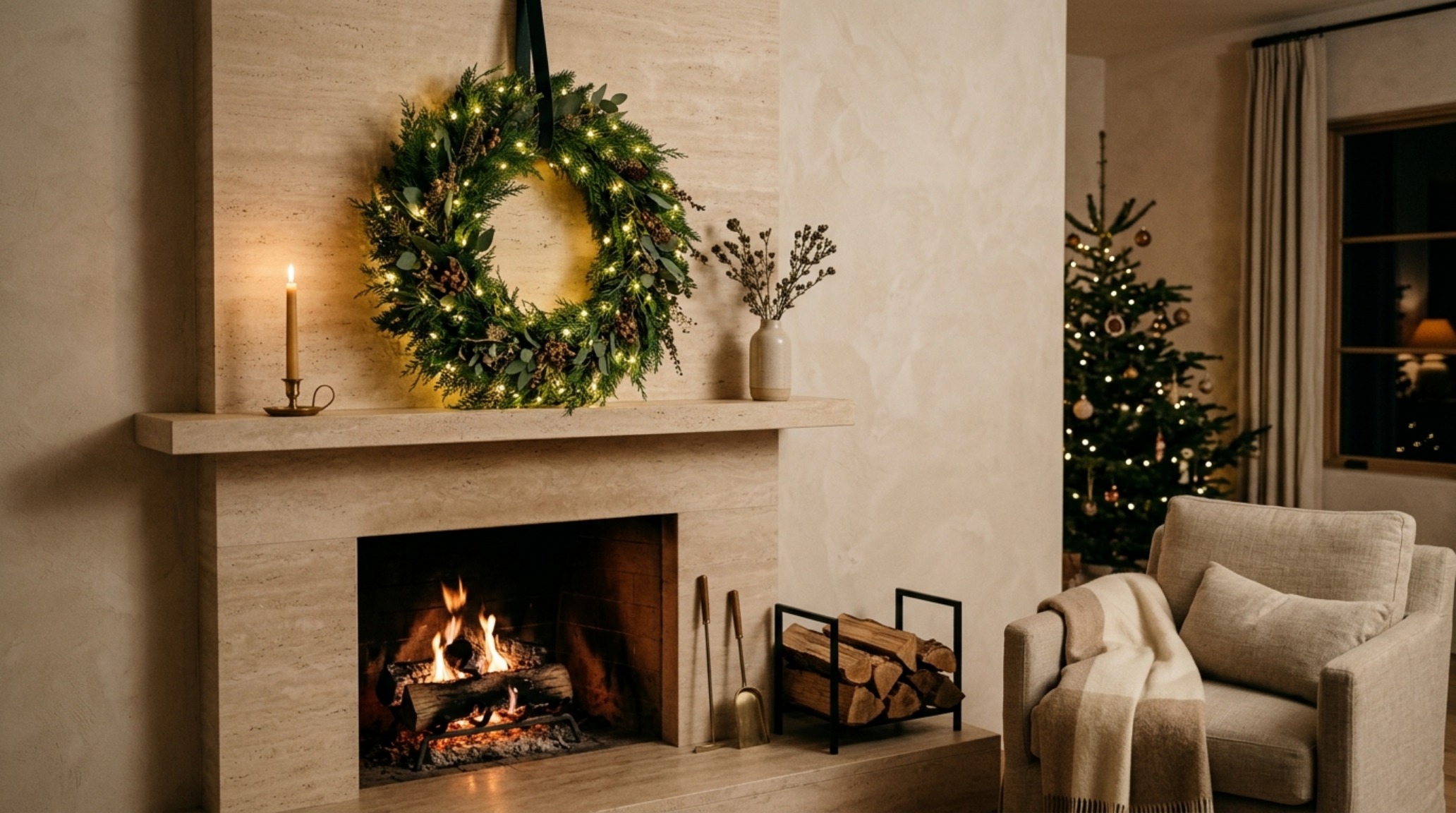
For internal wreaths, battery-operated micro-LEDs (often called fairy lights) are the gold standard. They are virtually weightless, which is crucial for lightweight cabinet wreaths, and their copper or silver wires can be easily camouflaged within the foliage. When how to decorate christmas wreaths with light, remember that the goal is a ‘glow,’ not a ‘glare.’ Instead of wrapping the lights around the outer edge, weave them deep into the core of the wreath. This creates a diffused, internal illumination that highlights the three-dimensional form of the greenery, casting soft shadows against the wall or cabinet behind it. It’s this play of light and shadow—the spatial cadence—that gives a room its soul.
How to Decorate a Plain Artificial Wreath for Organic Realism
Not everyone has access to fresh, hand-foraged greens every season, but the secret of the professional stylist is knowing how to decorate a plain artificial wreath so it defies detection. The key is ‘textural layering.’ Start with a high-quality polyethylene (PE) wreath rather than the cheaper PVC options; PE tips are molded from real branches and offer a far more realistic silhouette. Once you have your base, integrate ‘live’ elements: dried orange slices, cinnamon sticks tied with twine, or even a few sprigs of real rosemary or cedar tucked into the artificial boughs.
This hybrid approach satisfies the ergonomic need for durability and low maintenance while providing the olfactory and tactile benefits of real nature. Position these wreaths in areas where guests are likely to come into close contact—such as on the back of dining chairs or in a small powder room. Because these are ‘no-drill’ zones, use soft felt pads on the back of the wreath frame to prevent any scratching on delicate wood finishes or painted surfaces. It’s this level of detail—protecting the architectural integrity of the home—that separates a professional installation from a casual one.

Architectural Details & Spatial Cadence
The placement of a wreath should never feel accidental. It should align with the sightlines of the room. When you stand at the entrance of your living space, where does your eye land? If it’s the fireplace, the wreath should be scaled to the mantel. If it’s a large window overlooking a city skyline, the wreath should be minimal enough not to obstruct the view, yet present enough to frame it. This is the essence of understanding how to decorate christmas wreaths in a modern context.
Asymmetrical Wreath Floral Design Tips: Balancing the Visual Weight
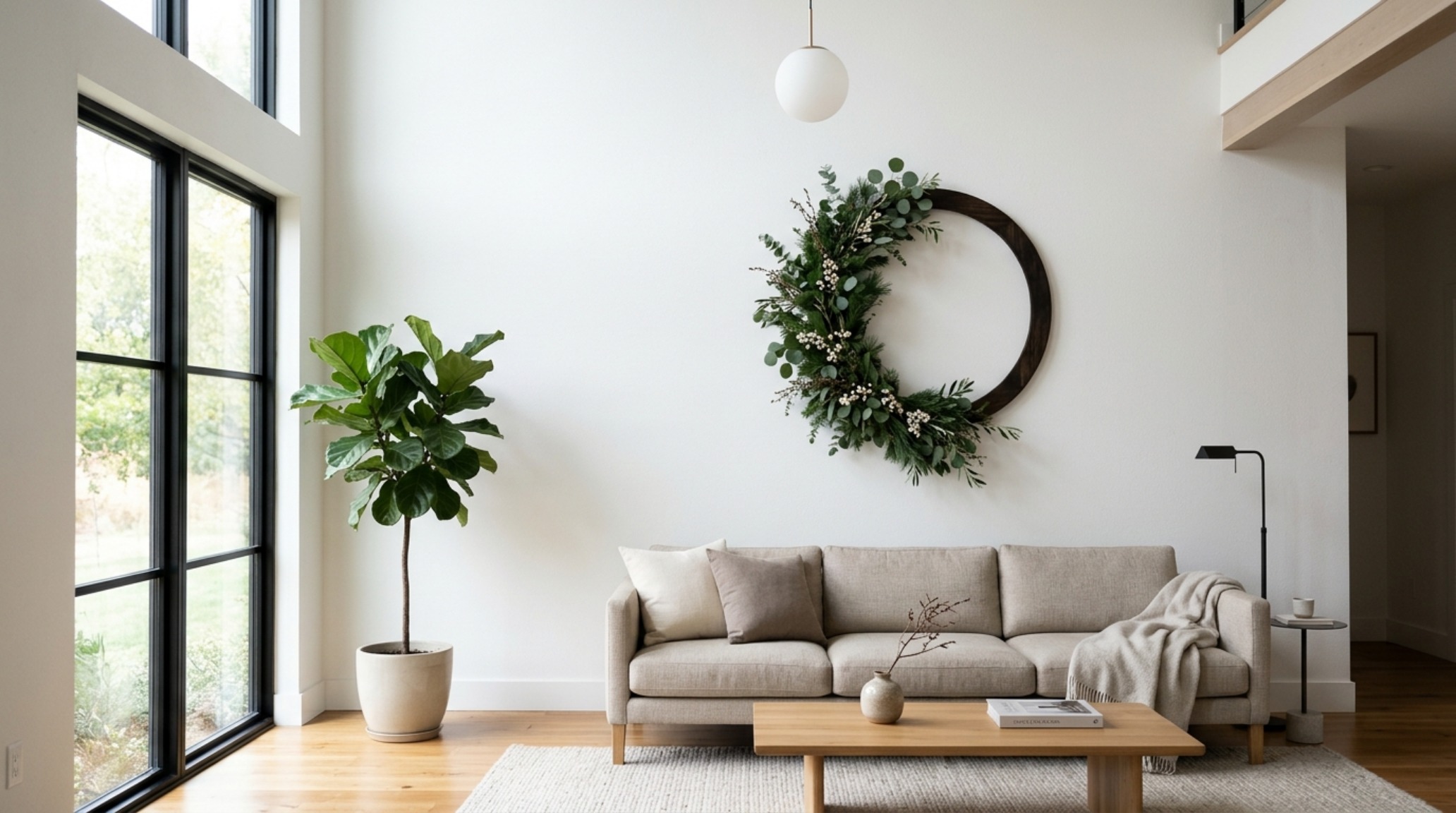
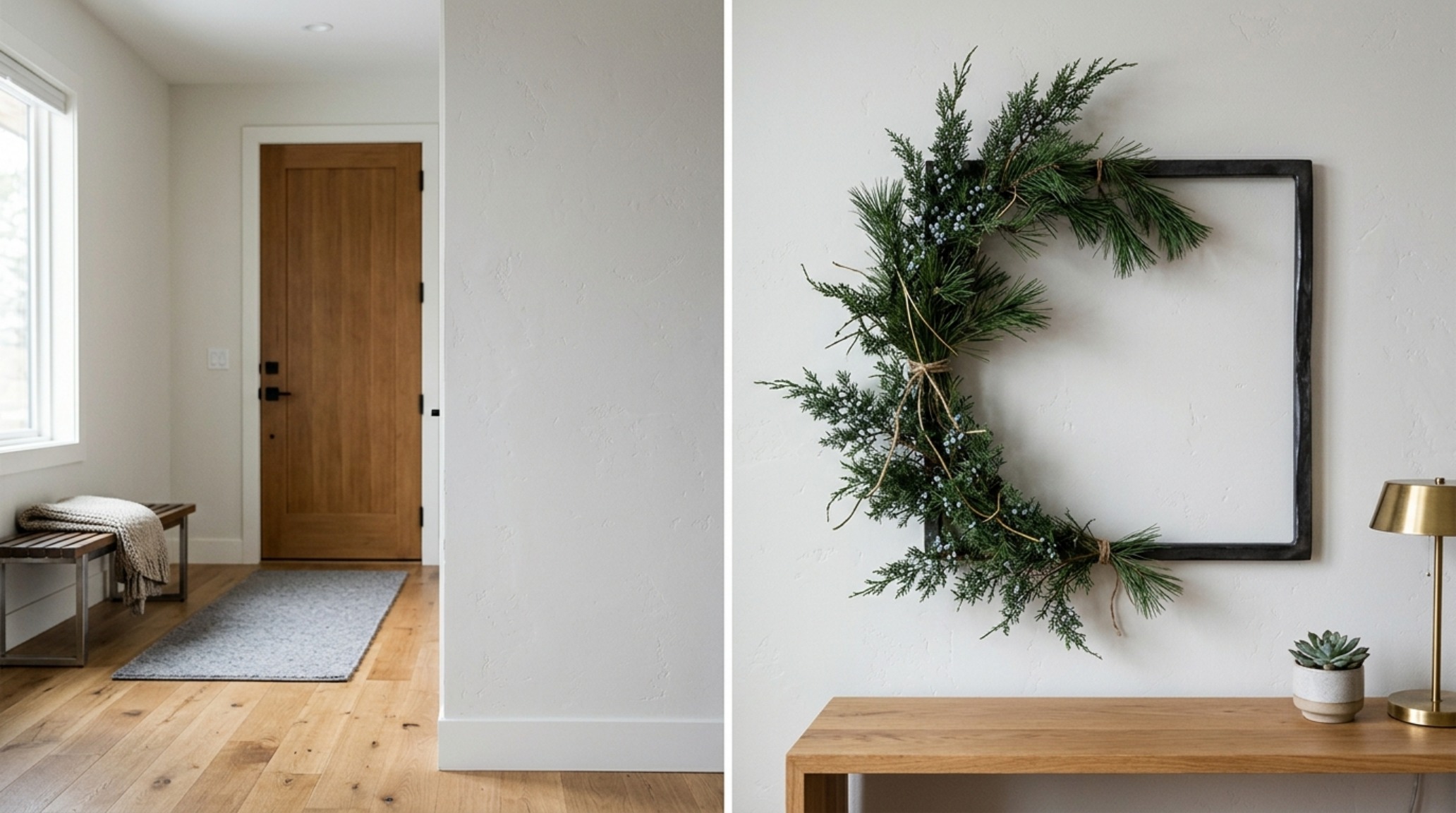
Asymmetry is a powerful tool in modern design because it feels intentional and contemporary. When applying asymmetrical wreath floral design tips, the focus is on visual balance rather than mathematical symmetry. Instead of covering the entire hoop, concentrate your florals and greenery on the bottom-left or bottom-right quadrant. This leaves the rest of the frame—whether it’s a brass ring or a grapevined circle—exposed, creating a ‘breathing room’ of negative space.
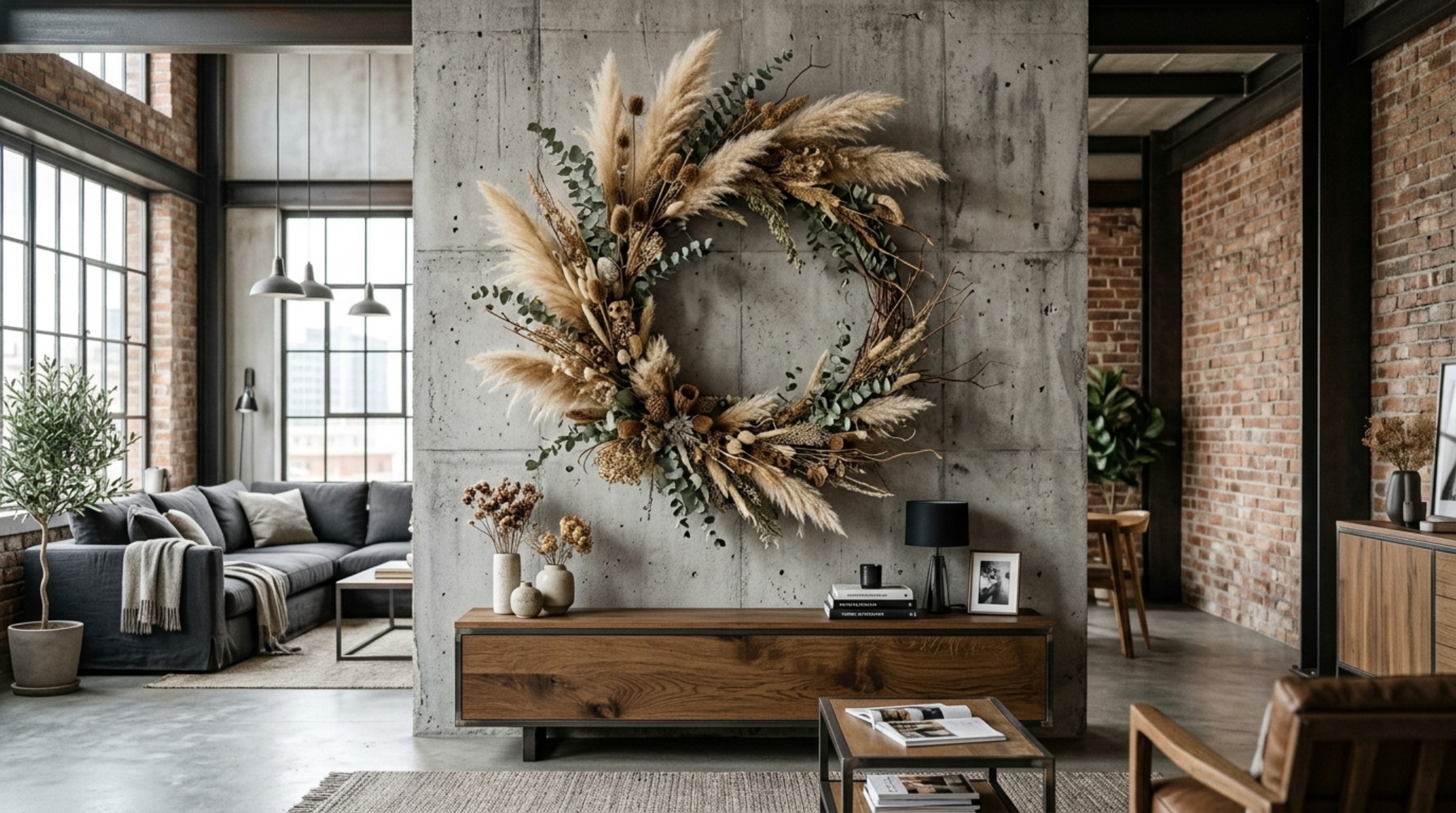
This style is particularly effective for small apartments because it feels lighter and less ‘dense.’ From a physics perspective, an asymmetrical wreath is also easier to hang securely on a single point without it tilting, provided you balance the physical weight of the florals. Use lightweight dried elements like pampas grass or bunny tails to add volume without adding mass. This creates a sense of movement, as if the wreath is a living, breathing part of the architecture, rather than a heavy static object. When you consider how to decorate christmas wreaths with an eye for asymmetry, you are essentially creating a piece of wall art that just happens to be festive.
Modern Christmas Wreath Ideas for Front Door Clearances
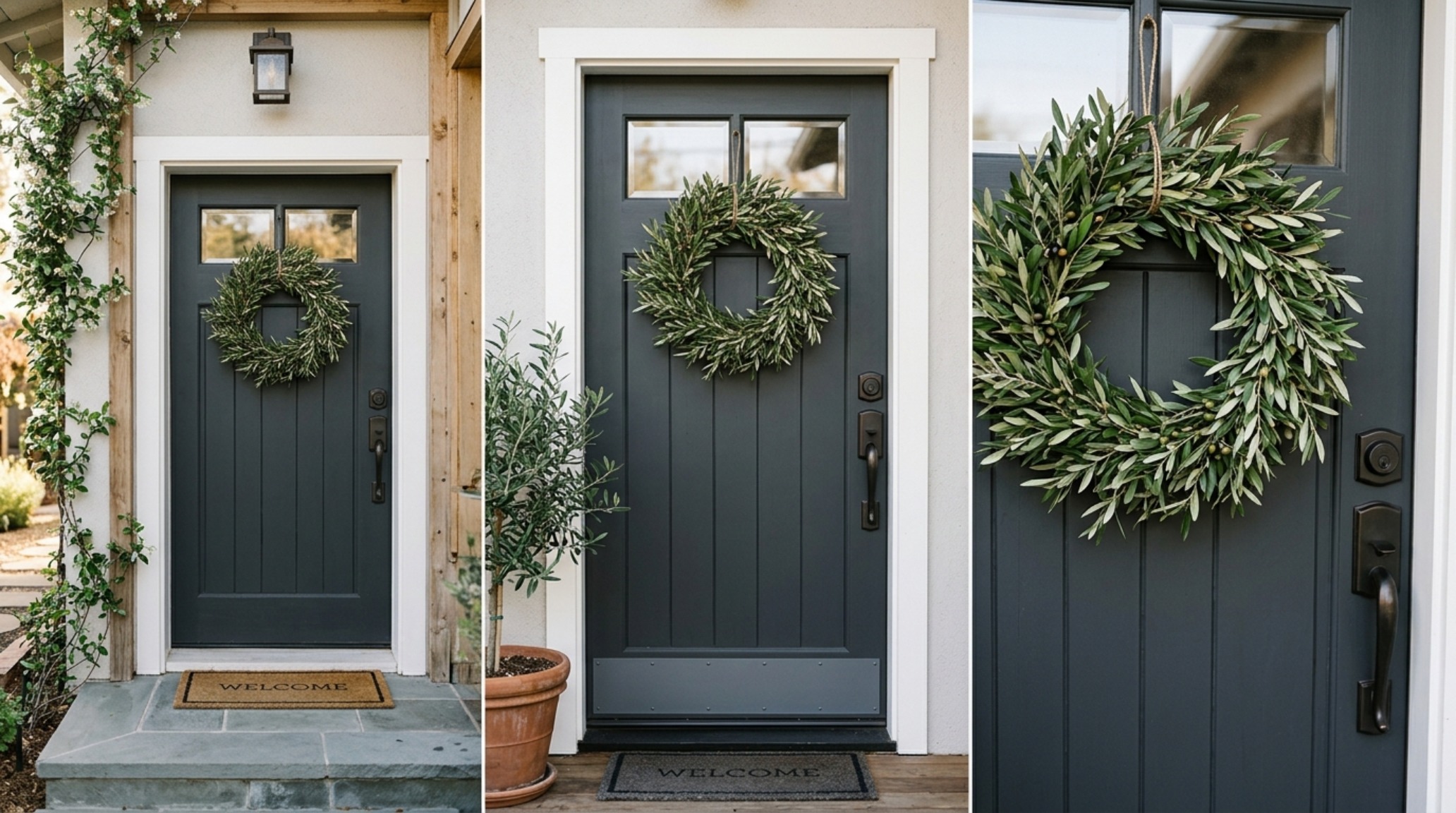
Even when we return to the traditional front door, ergonomics play a role. A standard entry door is 36 inches wide. A massive, 30-inch wreath leaves only 3 inches of clearance on either side, which can feel claustrophobic and often gets caught in the door frame. Instead, look for modern christmas wreath ideas for front door applications that favor a ‘slim’ profile. A 22-inch to 24-inch wreath is the ‘sweet spot’ for a standard door; it provides enough presence to be seen from the street while maintaining the proper architectural proportions of the entryway.
Consider the hardware as well. Over-the-door hangers are functional but often ruin the weather stripping and the door’s seal. A better ergonomic solution is a heavy-duty magnetic hook (for steel doors) or a small, discreet screw-in hook that stays year-round, perhaps hidden behind a knocker. This ensures the door remains easy to operate, maintaining the 36-inch clear opening required for moving groceries or furniture through the primary portal of the home. The design should never impede the function.
Spatial Finish Schedule & Lighting Matrix
Detailed finish schedule outlining authentic architectural surfaces, color values, and clearances.
Ultimately, the ergonomic interior is a celebration of restraint. By mastering how to decorate christmas wreaths with an eye for spatial flow and material integrity, we create homes that feel festive without feeling cluttered. It is the subtle hum of a well-designed space—where the greenery complements the grain of the wood, and the light warms the stone—that truly captures the spirit of the season. As we look forward to the coming year, let us carry this principle of intentionality into every corner of our architecture, allowing the transitions between our holiday traditions and our daily lives to remain as fluid and harmonious as possible.
Editorial Silo • Recommended Architecture Studies
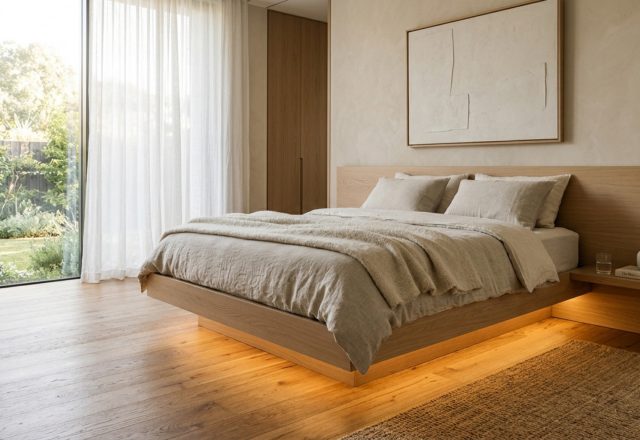
- Beds That Save Space: The Architectural Blueprint & Spatial Flow Guide — Archival Design Case Study
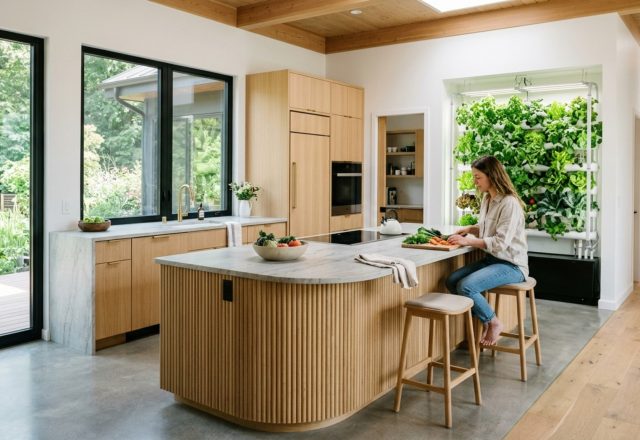
- The Closed-Loop Life: Mastering the Functional Ergonomics of Self Sustaining Homes — Archival Design Case Study
Architectural Vignettes Showcase
A refined visual analysis highlighting artisanal millwork, balanced geometry, and organic color palettes.

Curated Visual Lookbook
Design Gallery & Spatial Studies
A visual curation of architectural arrangements, lighting concepts, and material palettes featured in this space.