There is a persistent architectural myth that small spaces must be treated like sterile white boxes to feel breathable. As a designer, I have spent years debunking this. The secret to a high-end, expansive feel isn’t just the absence of color; it is the manipulation of Light Reflectance Value (LRV) and the layering of sensory finishes. When we look for paint small rooms 0408 decor ideas, we aren’t just looking for a swatch; we are looking for a way to dissolve the physical boundaries of a room. By understanding how light interacts with tactile surfaces, we can transform a cramped footprint into a sanctuary of ‘Quiet Luxury’ that feels both intimate and infinite.
The Science of LRV: Why Light Reflectance Changes Everything
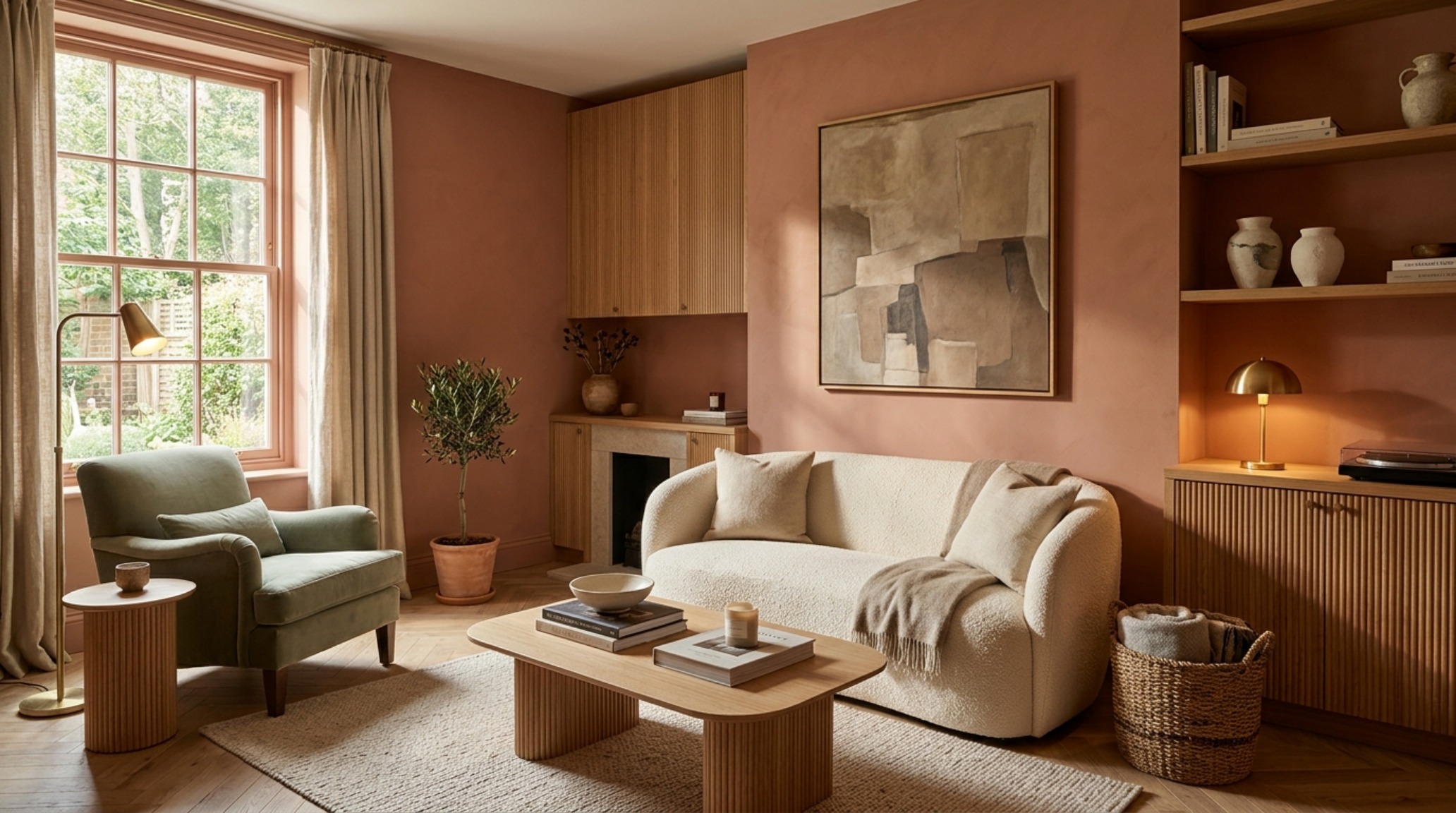
Light Reflectance Value (LRV) is a scale from 0 to 100 that measures the percentage of light a paint color reflects. In small-scale architecture, the LRV is your most potent tool for spatial manipulation. While a pure white might have an LRV of 85 or higher, it can often feel cold and ‘flat’ in rooms with limited natural light. Instead, the current movement in interior paint trends 2024 favors the ‘Infinite Envelope’—using colors with an LRV between 60 and 75. This range provides enough reflection to brighten the space while maintaining enough pigment to provide depth.
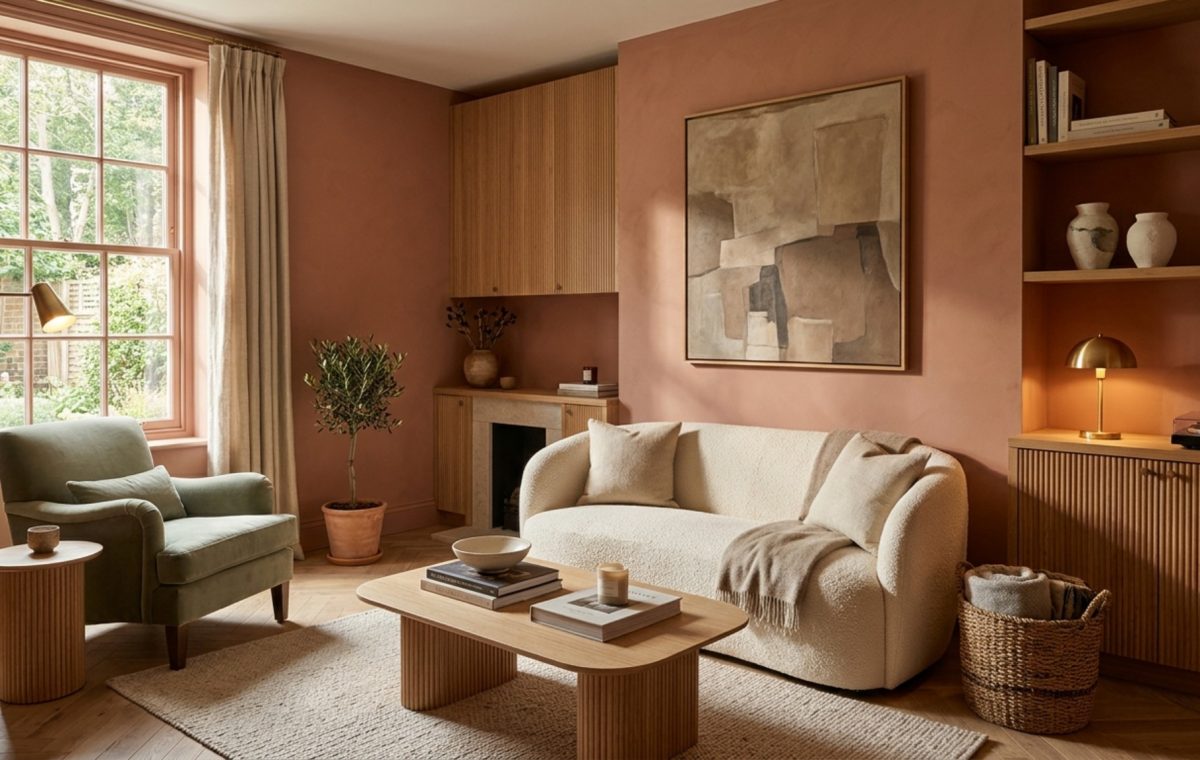
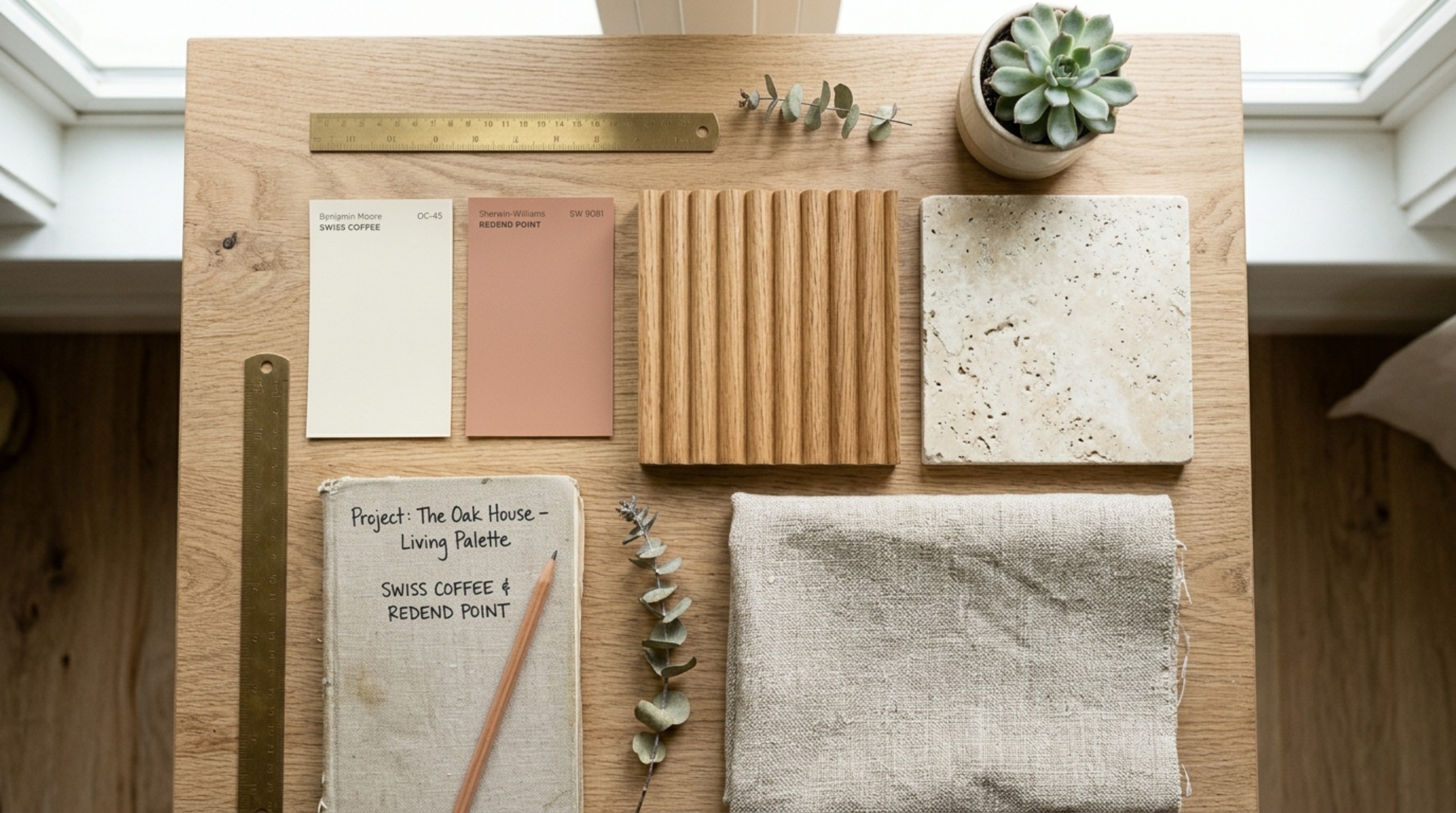
Take, for instance, the cult-favorite Benjamin Moore Swiss Coffee. With an LRV of 83.9, it offers a creamy, sophisticated warmth that prevents a small room from feeling like a hospital corridor. When paired with 2700K warm lighting, the yellow undertones are activated, creating a soft glow that makes walls appear to recede. Conversely, if you are working with a north-facing room where light is naturally cool and blue, a shade like Sherwin-Williams Redend Point—a soulful, terracotta-meets-beige—provides a grounding presence that embraces the shadows rather than fighting them.
Tactile Grounding: Moving Beyond Flat Finishes
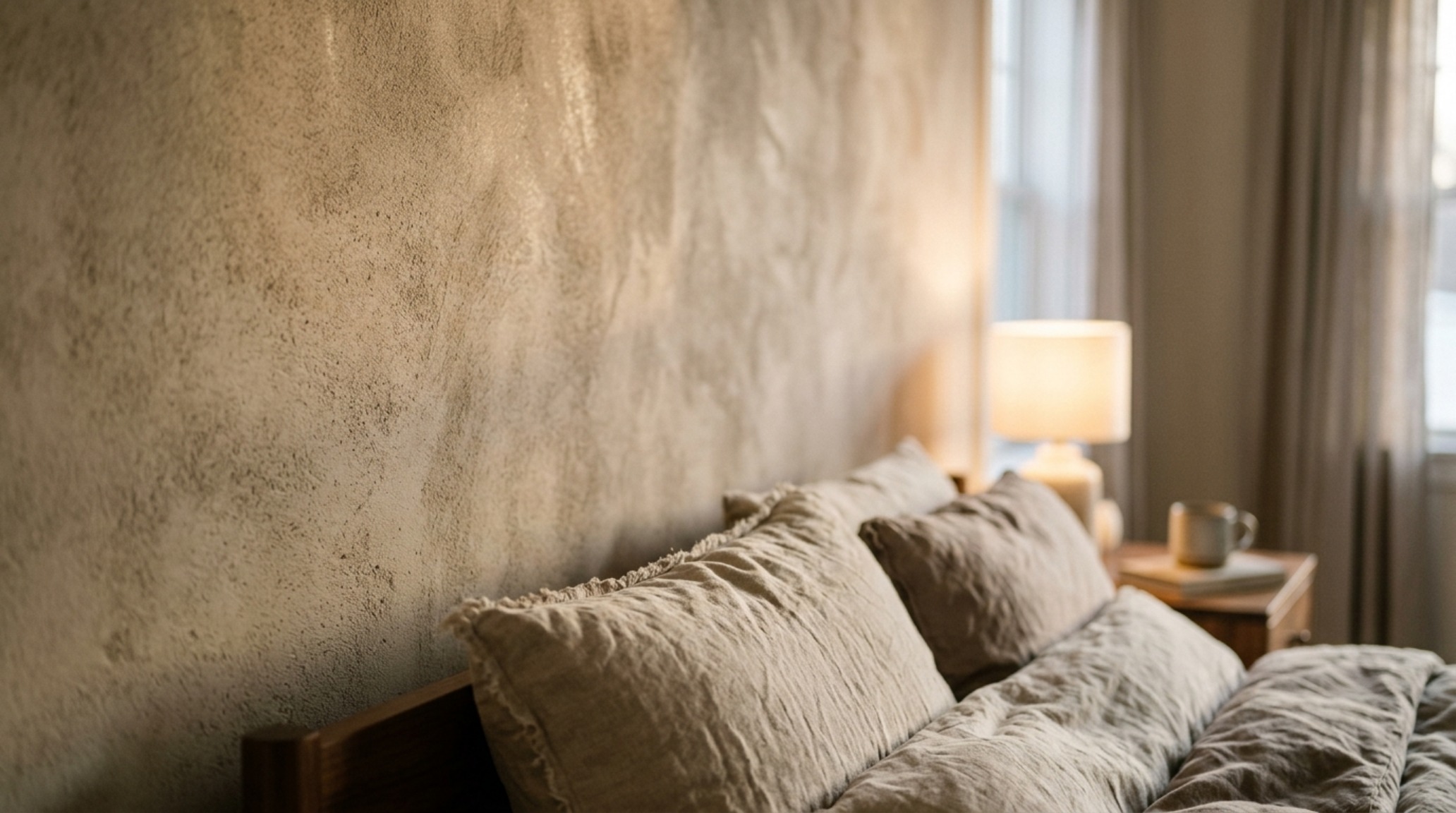
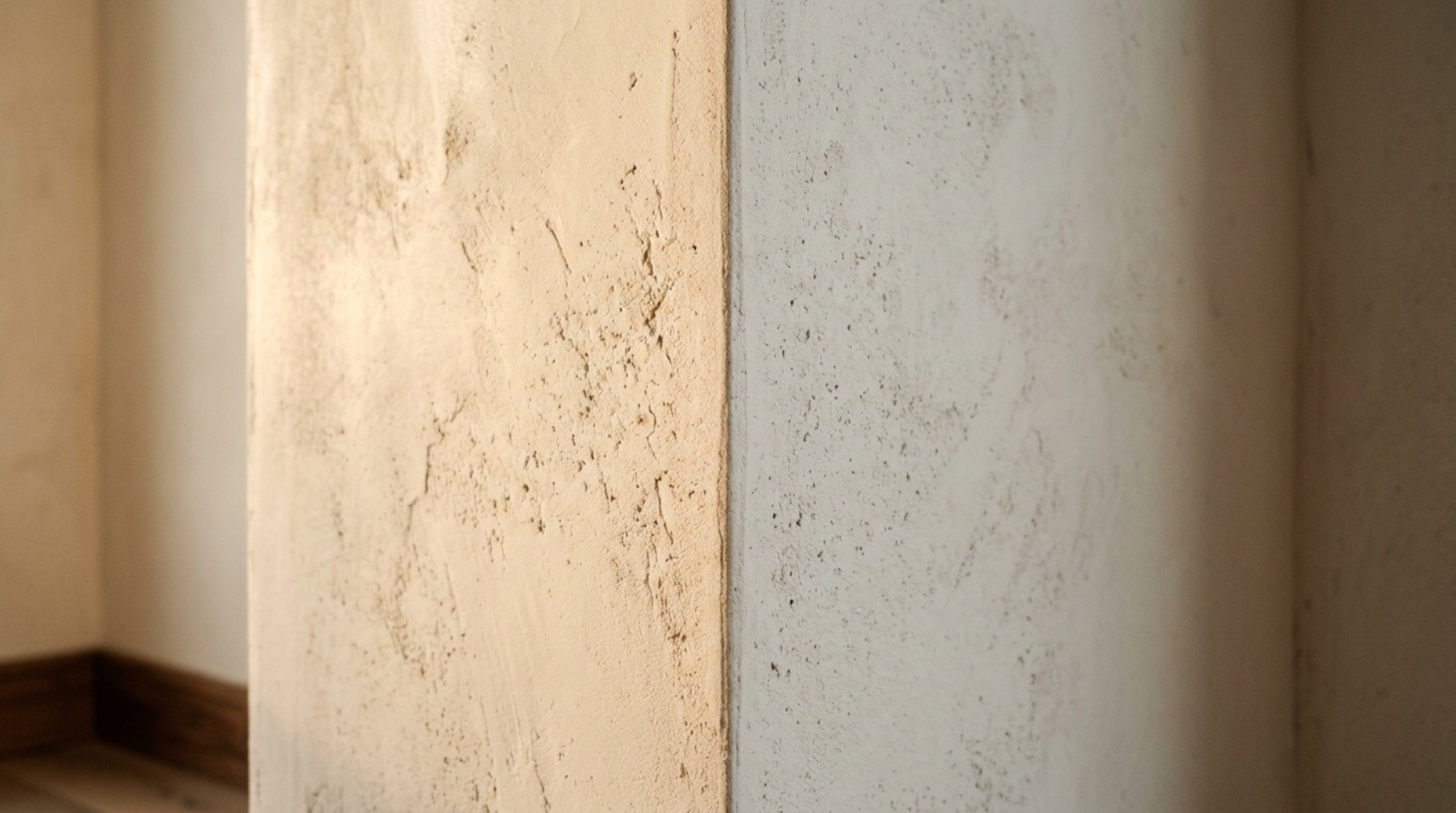
Visual expansion isn’t just about color; it is about how the eye perceives the plane of the wall. A flat, matte finish can sometimes make a wall feel like a hard stop for the eyes. To create aesthetic paint small rooms 0408 interior environments that feel expensive, we must introduce texture. Limewash and Roman Clay are no longer just for Mediterranean villas; they are essential for small-scale urban dwellings. These finishes create ‘micro-shadows’—subtle variations in color and light that give the wall a sense of three-dimensional movement.
When you apply a lime-wash in a tonal palette, the light doesn’t just bounce off the surface; it gets caught in the soft, chalky grit. This creates a soft-focus effect that blurs the corners of the room. I often recommend pairing these organic textures with fluted white oak millwork or honed travertine accents. The contrast between the matte, porous wall and the smooth, architectural lines of the furniture provides a ‘spatial cadence’ that keeps the eye moving, making the room feel larger than its square footage suggests.
The Mastery of Architectural Color Drenching
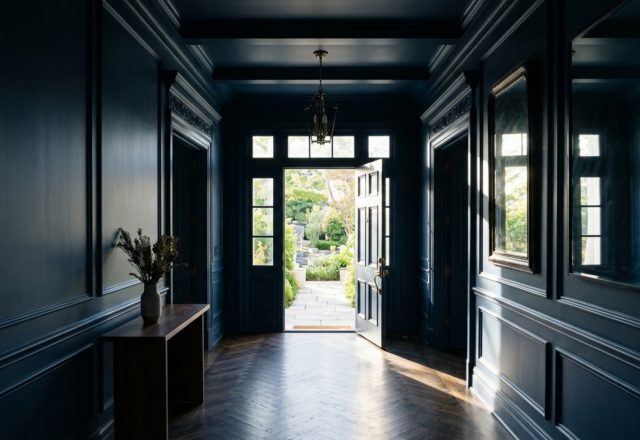
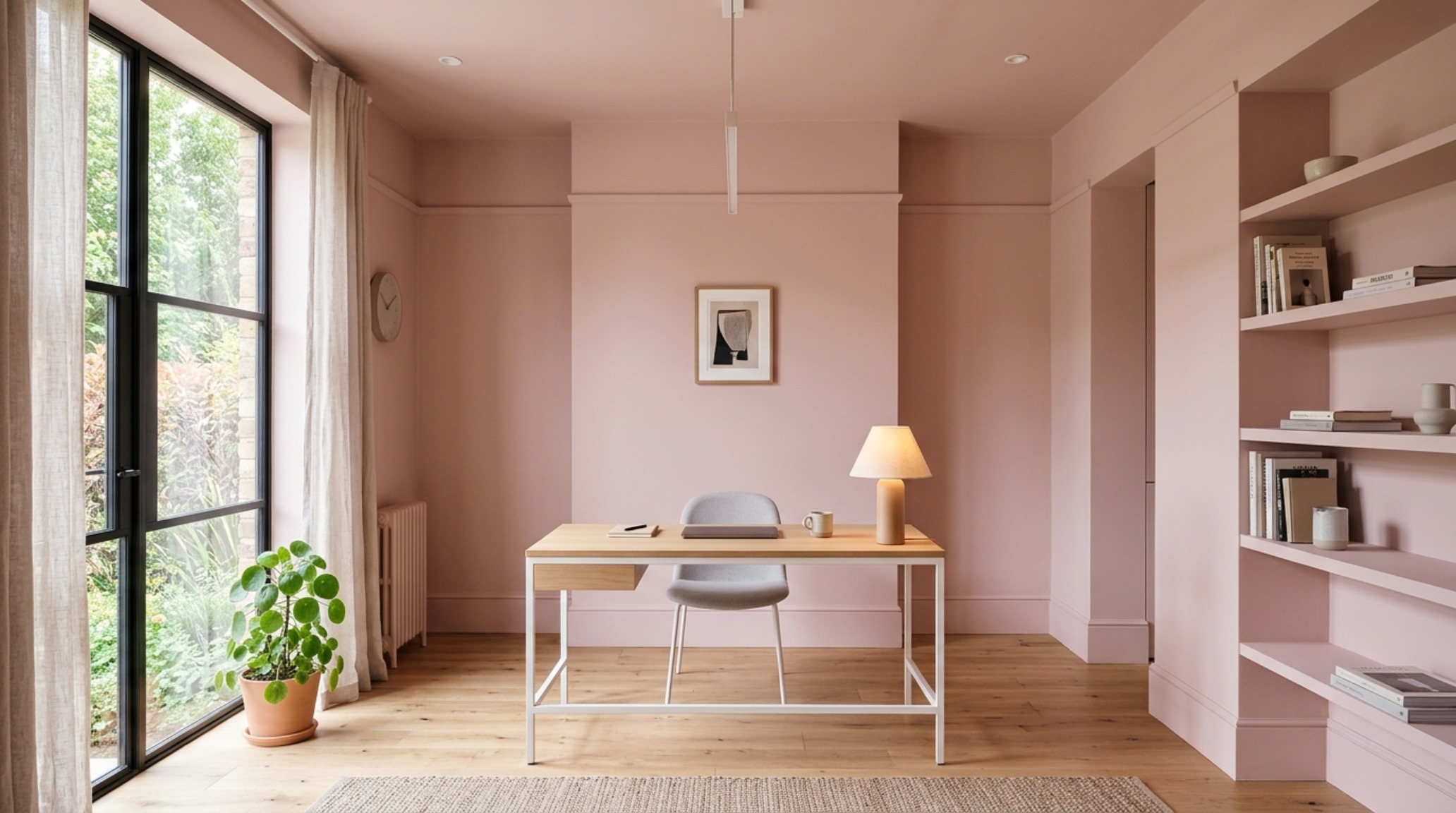
One of the most effective small room color drenching trends involves painting the walls, trim, baseboards, and even the ceiling in the same hue. This technique eliminates the high-contrast visual breaks that occur when you have white trim against a colored wall. These breaks act as ‘visual speed bumps,’ signaling to the brain exactly where the floor ends and the wall begins. By removing these boundaries, you create a seamless flow that tricks the eye into perceiving a continuous, expansive volume.
The Role of the ‘Fifth Wall’
Don’t ignore the ceiling. In a small space, a bright white ceiling against a darker wall can create a ‘lid’ effect, making the room feel shorter. By continuing your wall color onto the ceiling—perhaps in a slightly lower sheen to handle light reflection—you draw the eye upward without interruption. This is particularly effective when using farrow and ball small space inspiration colors like Setting Plaster or Dead Salmon, which have a muddy, complex quality that changes beautifully throughout the day as the sun shifts.
Atmospheric Lighting: The 2700K Golden Hour
Lighting is the silent partner of paint. You can choose the perfect hue, but if your bulbs are the wrong temperature, the design will collapse. For an aesthetic paint small rooms 0408 interior, I strictly specify 2700K warm ambient lighting with a high Color Rendering Index (CRI) of 90+. The high CRI ensures that the colors you’ve painstakingly selected are represented accurately, showing the full spectrum of the pigment rather than a washed-out version.
Layering is key here. Avoid the ‘interrogation room’ look of a single overhead fixture. Instead, use diffused directional lighting—wall sconces that wash light up and down the textured walls, and low-level lamps that provide pockets of warmth. This creates ‘shadow play,’ which adds mystery and depth to the room. When the corners are softly shadowed, the brain can’t quite pinpoint where the room ends, once again contributing to that sense of infinite space.
Precision and Proportions: The Designer’s Rulebook
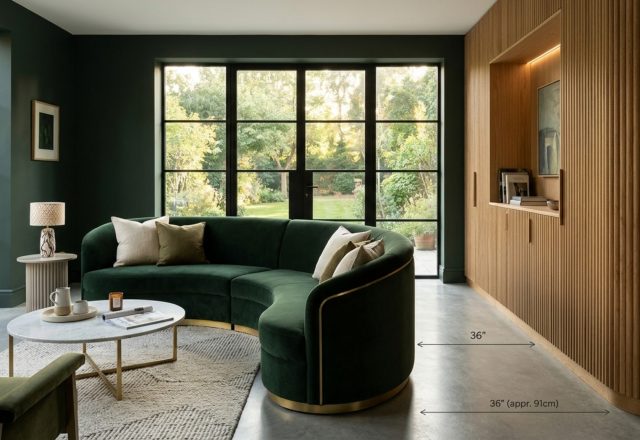
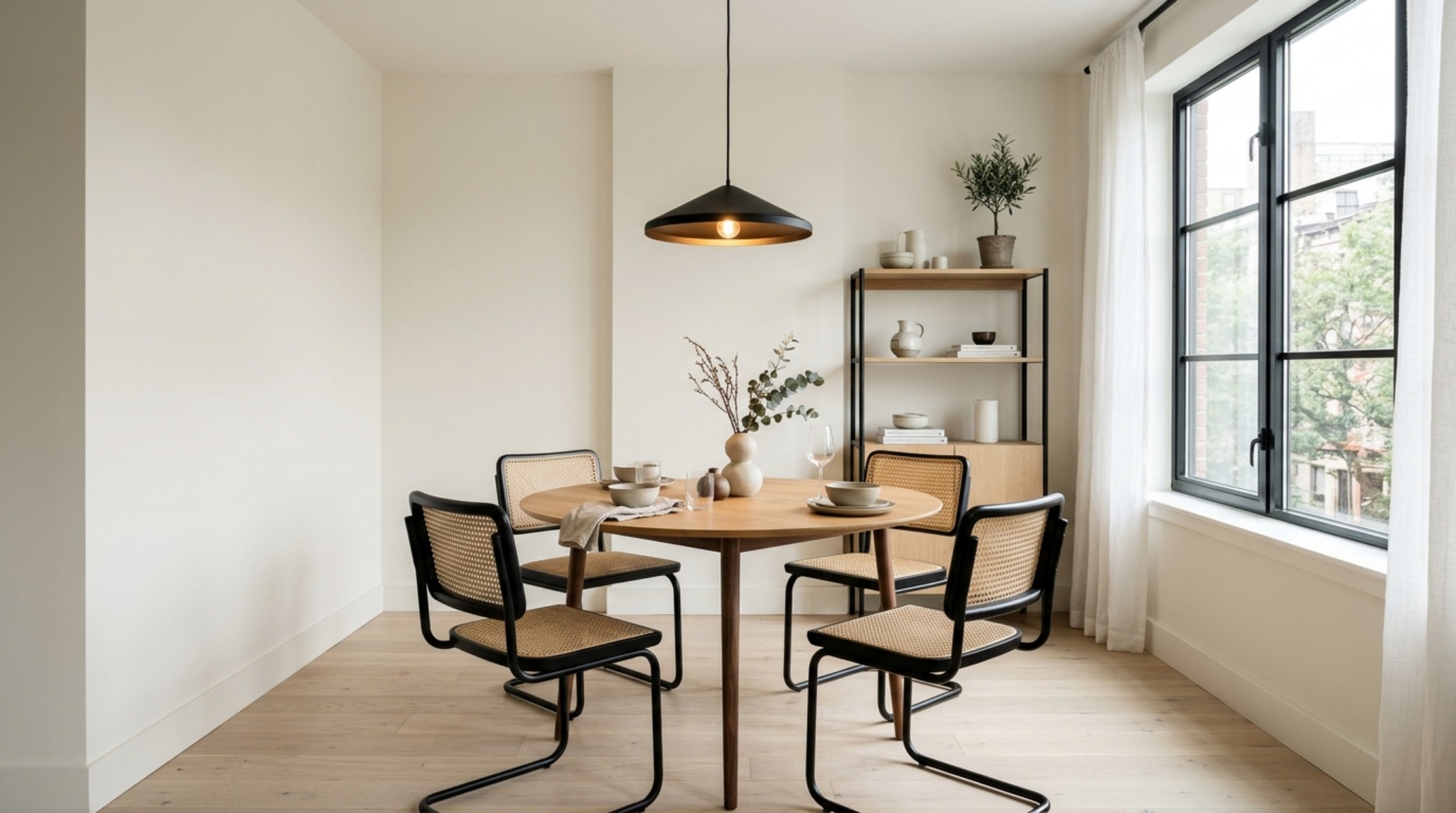
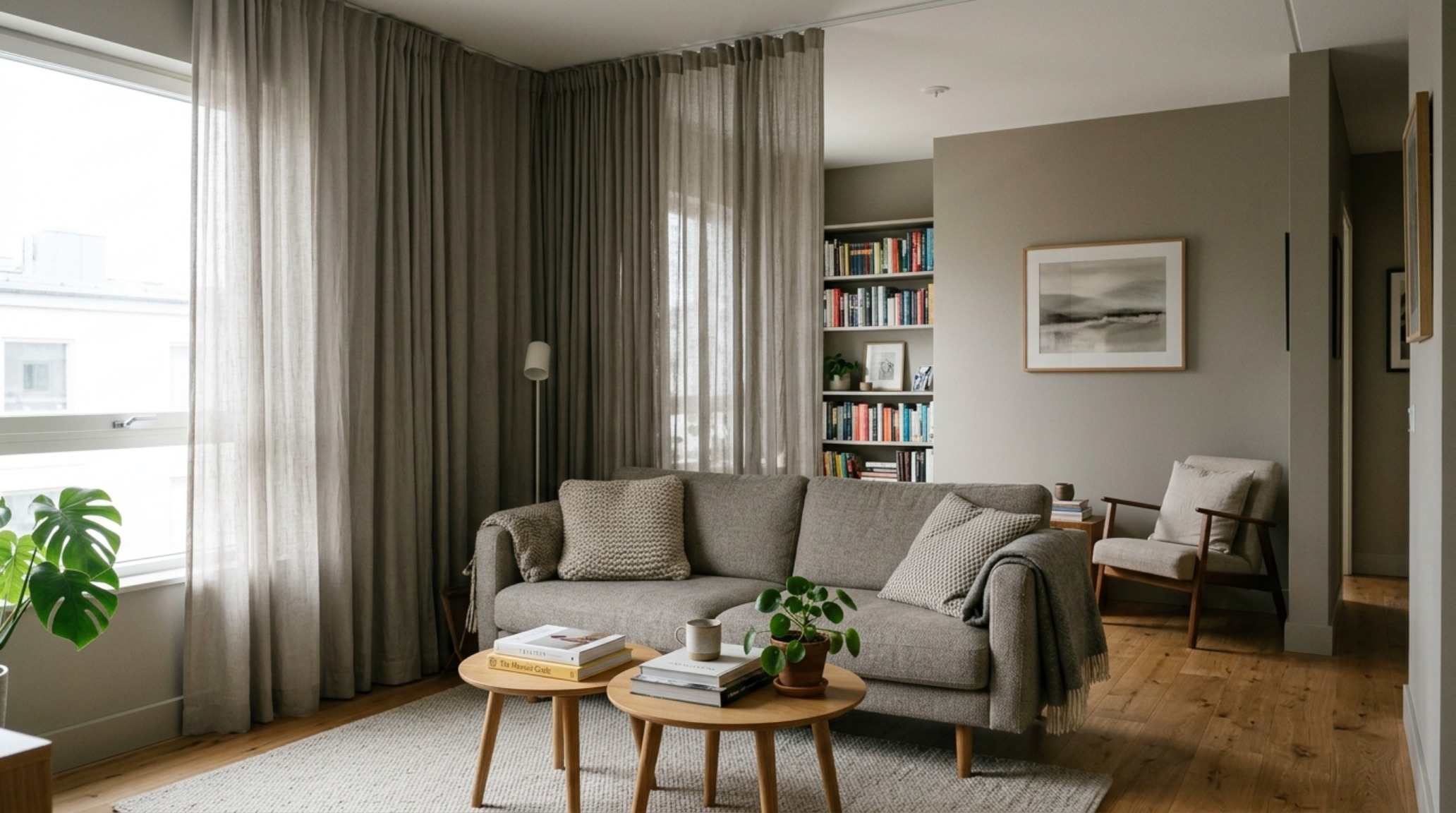
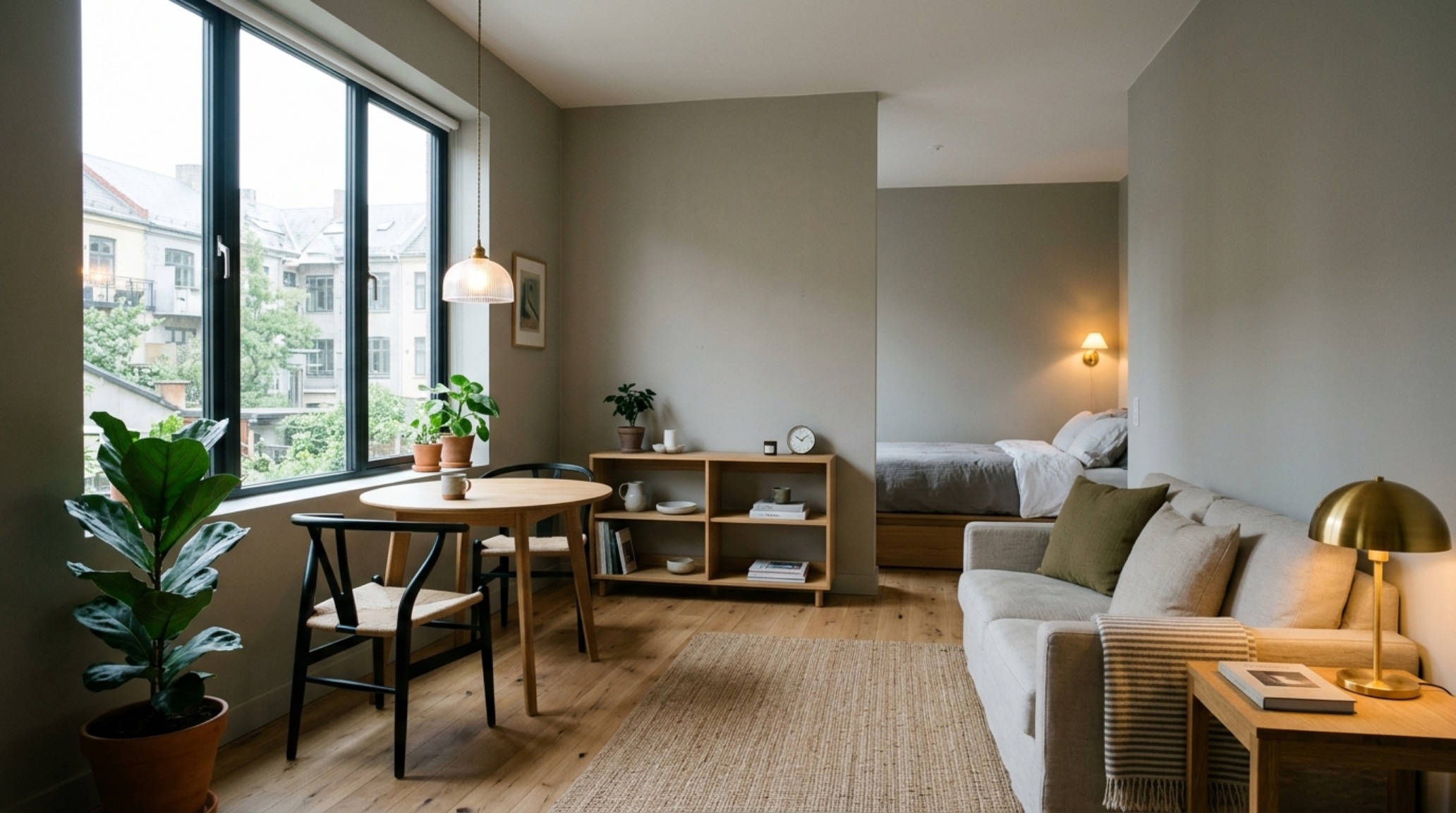
Style must never come at the expense of function. In small rooms, every inch is a negotiation. To maintain a sense of ‘breathability,’ you must respect architectural clearances. Even the most beautiful modern paint small rooms 0408 ideas will fail if the room feels cluttered. Aim for a 36-inch standard walkway clearance to ensure the ‘circulation path’ is clear. This physical ease of movement translates into a psychological sense of space.
- Coffee Table Reach: Keep a 18-inch gap between the sofa and the coffee table. This is the sweet spot for functionality without crowding.
- Dining Clearance: If your small room includes a dining nook, ensure 30 inches of space behind each chair to allow guests to rise and move comfortably.
- Negative Space: Allow for ‘breathing room’ on the walls. Not every surface needs a piece of art. A textured, lime-washed wall is a work of art in itself.
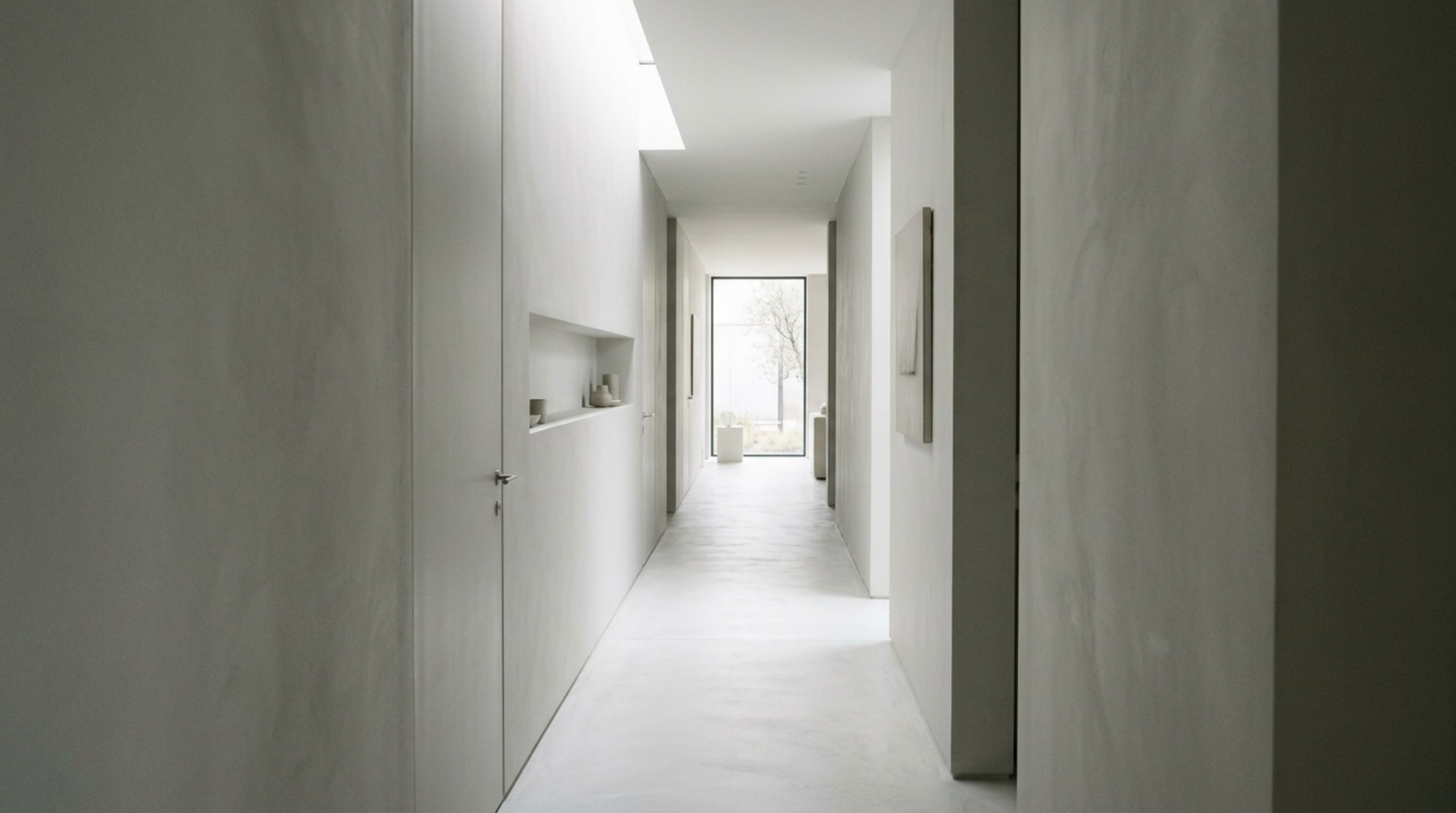
Modern Paint Small Rooms 0408 Ideas: A Tonal Layering Strategy
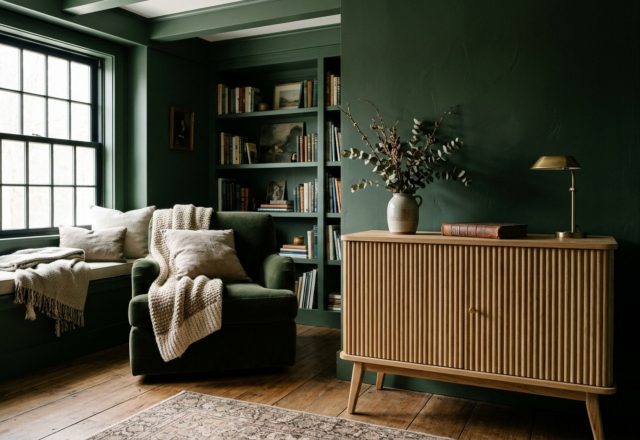
When selecting your palette, think in layers rather than individual colors. Start with a foundational wall color—perhaps a soft, desaturated sage or a warm mushroom—and then layer in textiles and furniture that are within two shades of that base. This monochromatic approach is the cornerstone of visual space expansion. It creates a calm, cohesive environment where the furniture feels like it belongs to the room rather than fighting for attention.
For those seeking best low-light paint colors for small apartments, look toward colors with a slight grey or ‘dirty’ undertone. These colors are more stable in low light and won’t turn neon or muddy when the sun goes down. Shades like Sherwin-Williams Agreeable Gray or Farrow & Ball’s Ammonite are masters of this, shifting subtly from morning to night while maintaining their sophisticated composure.
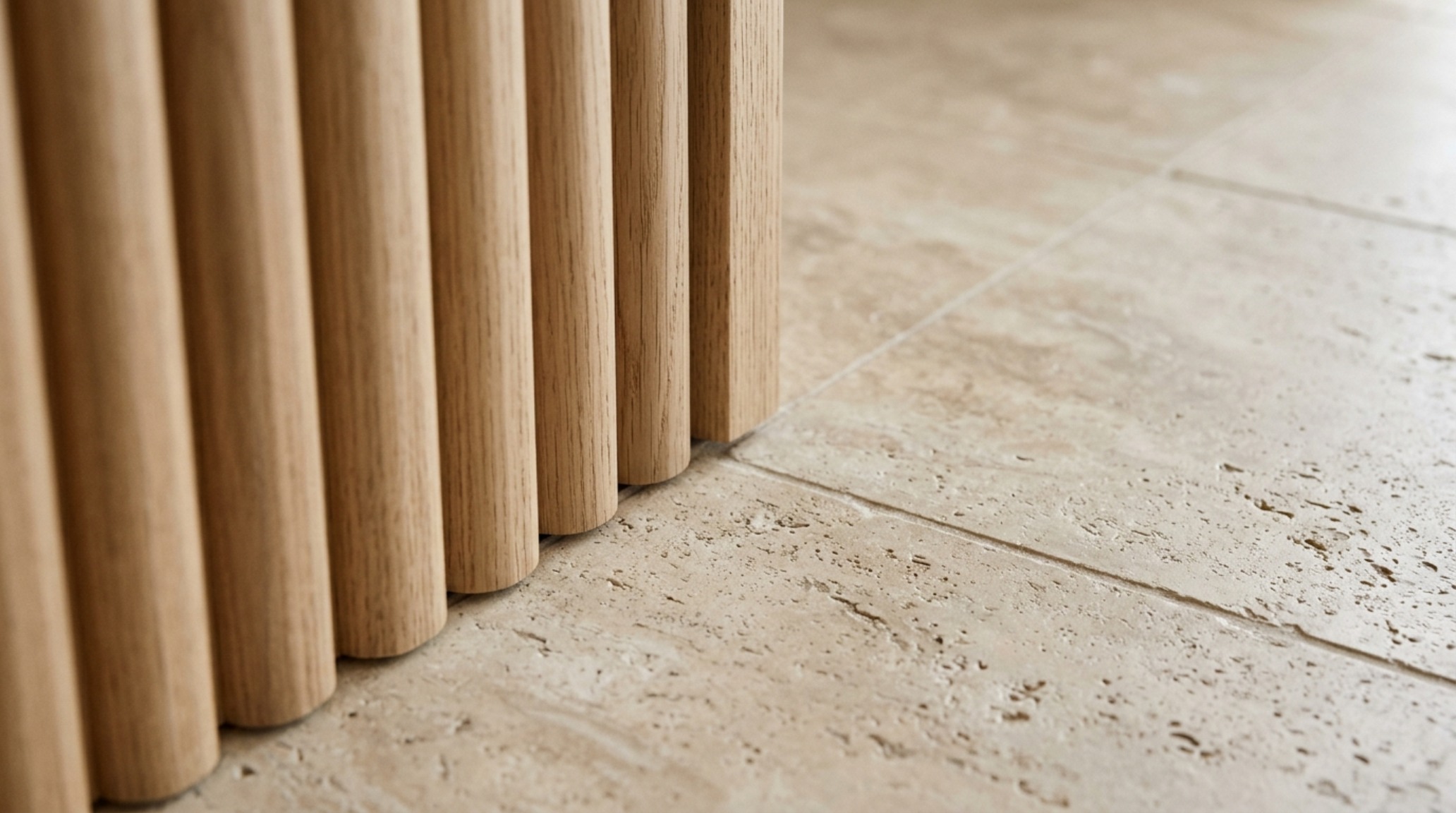
Architectural Specification & Material Matrix
Curated tactile palette, spatial dimensions, and atmospheric lighting index for this design scheme.
Ultimately, the journey to creating a masterpiece in a compact footprint comes down to a shift in perspective. When we approach paint small rooms 0408 decor ideas with an eye for Luminous Depth, we stop seeing limitations and start seeing opportunities for intimacy and architectural detail. By embracing the nuances of LRV, the warmth of 2700K light, and the raw beauty of organic textures, we create spaces that aren’t just lived in—they are felt. The walls no longer close in; they breathe, reflecting a quiet luxury that transcends mere square footage.
Editorial Silo • Recommended Architecture Studies
- Architectural Indigo: Engineering Spatial Depth Through Color Drenching and Structural Geometry — Archival Design Case Study
- The Small-Space Paradox: Why Deep Hues and Receding Walls Outperform Neutral Minimalism — Archival Design Case Study
Architectural Inspiration Lookbook
A high-resolution study in spatial proportions, tactile materiality, and light choreography curated for enduring modern living.
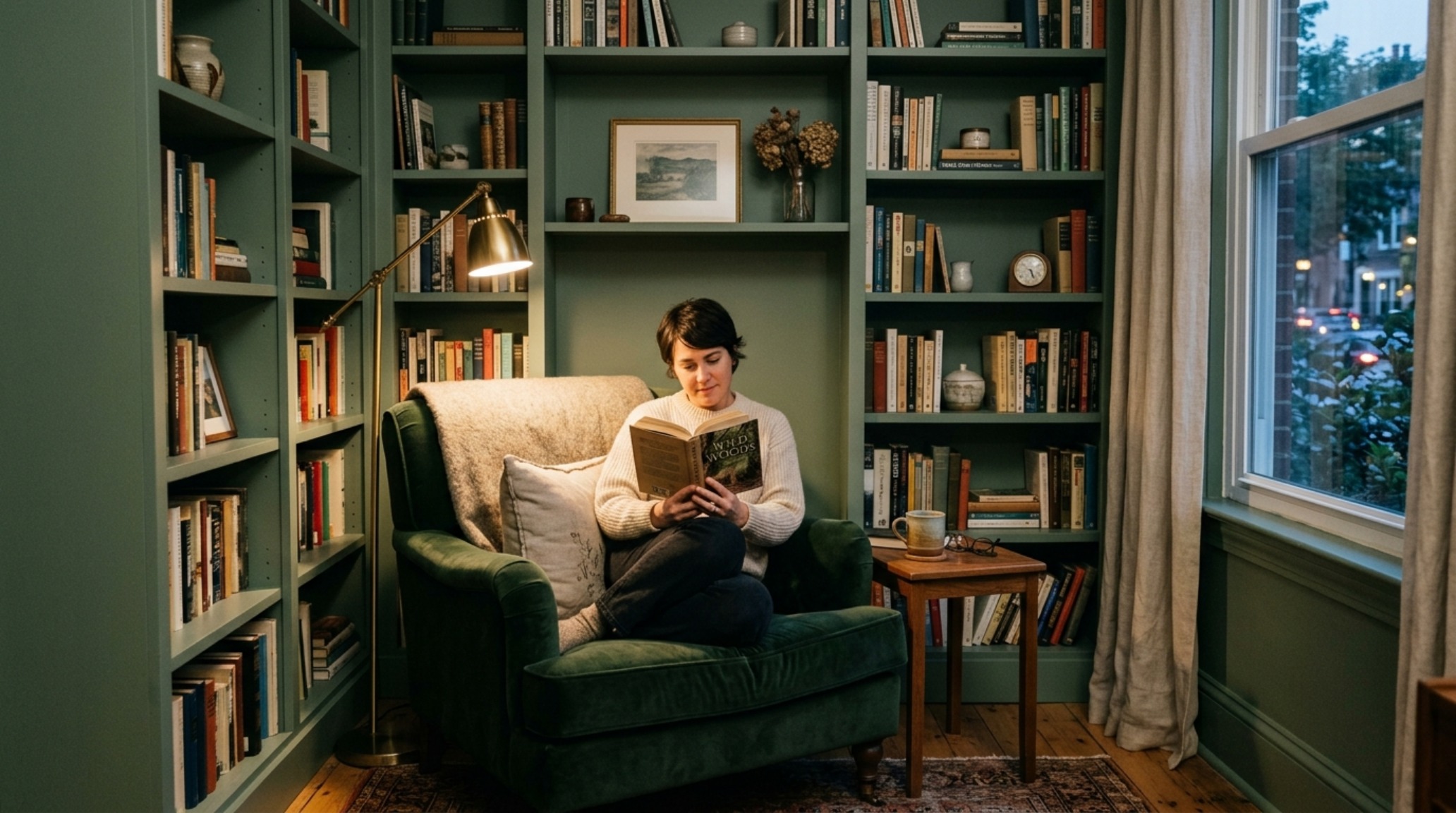
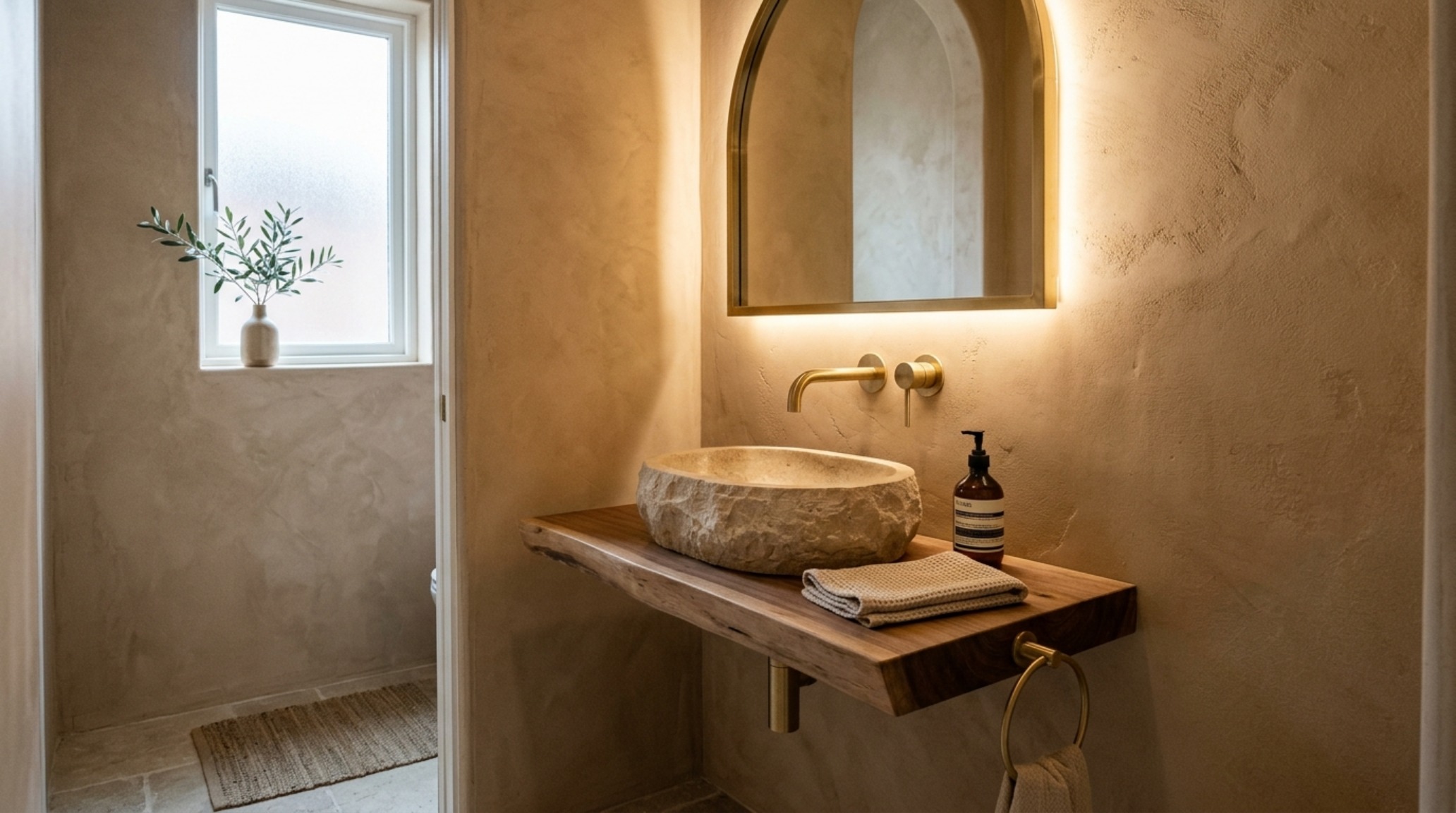
Curated Visual Lookbook
Design Gallery & Spatial Studies
A visual curation of architectural arrangements, lighting concepts, and material palettes featured in this space.