Clutter collects by the front door with quiet efficiency.
Keys scatter, stray receipts multiply, and shoes pile up before you even take your coat…
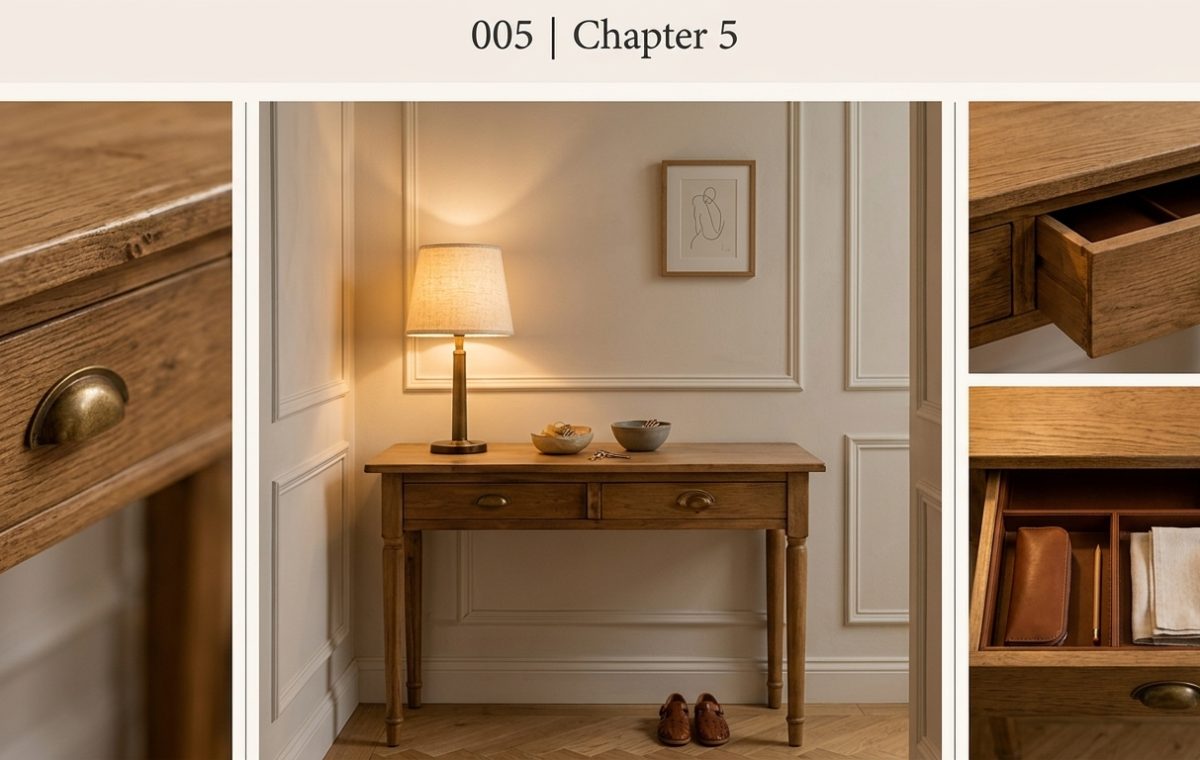
Clutter collects by the front door with quiet efficiency. Keys scatter, stray receipts multiply, and shoes pile up before you even take your coat off. Fixing this isn’t about buying more storage bins. It requires a singular piece of furniture that demands order simply by existing. A solid wooden console table sitting against an otherwise blank hallway wall completely alters how a home receives you at the end of a long workday.
Most entryways fail because surfaces are too shallow or too deep, resulting in a dumping ground instead of a drop zone. Look closely at the warm oak grain and classic turned legs of a thoughtfully crafted console. It offers stability without dominating narrow circulation paths. The real magic happens inside the cabinetry. Built-in compartment dividers turn a messy catch-all drawer into an orderly station for everyday carry items, pens, and linen napkins. You stop hunting for necessities because everything has a dedicated slot.
Balancing Form and Function in Hallway Furniture
Lighting changes the entire personality of a transitional space. Placing a modest fabric-shaded lamp on top of the surface casts a soft, warm glow that bounces off pale wall moldings. It replaces harsh overhead glare with a welcoming ambiance. Below, a simple pair of leather sandals or house shoes waits neatly on the herringbone wood floor. This setup works because it strips away unnecessary decorative noise.
Choose solid oak or walnut for long-lasting durability against daily impact.
Prioritize shallow drawers featuring internal compartmentalization for small items.
Pair the surface with a single accent lamp rather than multiple small trinkets.
Keep the floor underneath clean to maintain an open, breathable footprint.
Wood requires maintenance that plastic or laminate simply does not. Oils from hands darken brass cup pulls over time, and dry winter heat can cause solid timber to shift slightly at the joints. That patina is not a defect. It proves the furniture is actively used rather than staged for a magazine shoot. Wipe the surface down with a damp cloth occasionally, and feed the grain with a quality beeswax balm once a year to keep the moisture sealed in.
How do you currently manage the daily accumulation of pocket clutter right as you walk through your front door?
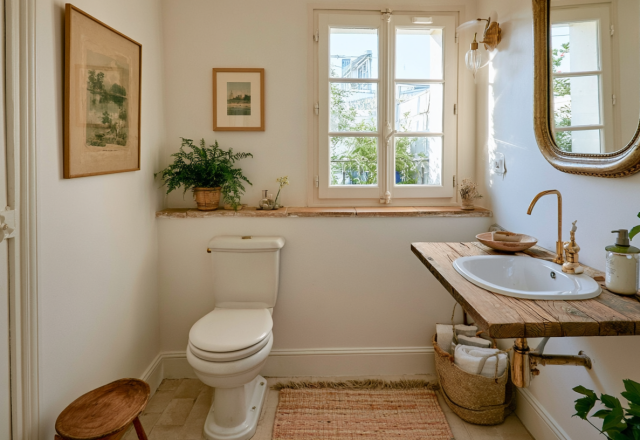
Designing Around Tight Corners Most small bathroom designs default to sterile white porcelain and oversized mirrors in a frantic attempt to trick the eye.…
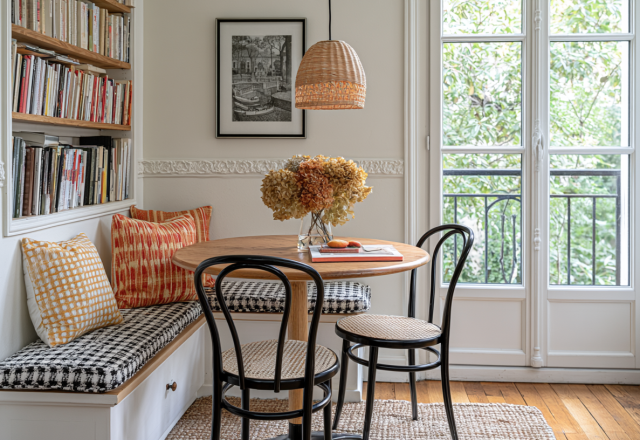
Reclaiming Dead Space with Built-In Banquettes Most apartments have that one awkward corner where nothing quite fits. Instead of shoving a houseplant into the…