The Power of Paneled Walls Most hallways are treated as glorified tunnels.
They get painted a safe, forgettable beige, hung with a couple of…
The Power of Paneled Walls
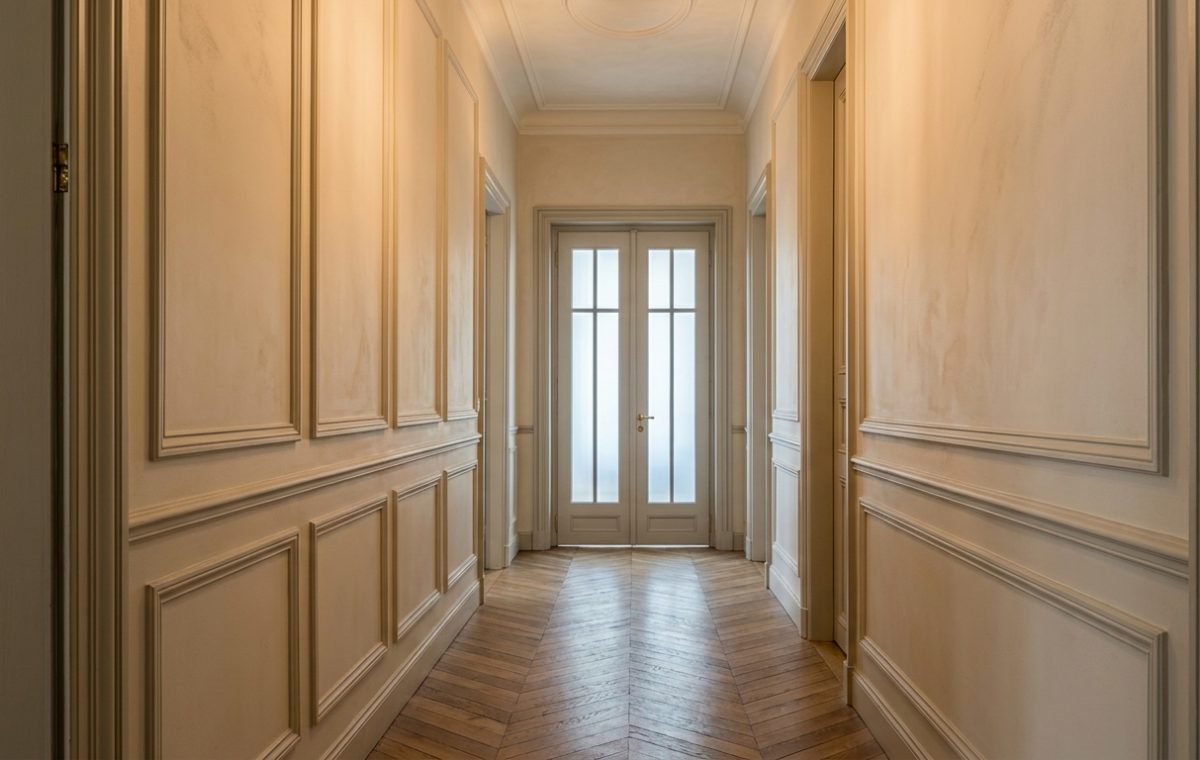
Most hallways are treated as glorified tunnels. They get painted a safe, forgettable beige, hung with a couple of generic prints, and left to function purely as a corridor between actual destinations. That is a massive waste of architectural real estate. When you install traditional molding, the entire corridor shifts from a boring walkway into a grounded architectural experience. Walls start to breathe. Proportions lock into place.
Take a look at how heavy paneling behaves in a narrow footprint. It stops the eye from racing straight to the back door. Instead, shadow lines catch the daylight differently throughout the day. You notice the craftsmanship. You feel the weight of the structure. Neutral paint keeps the space calm rather than cluttered, proving that traditional techniques still hold massive weight in contemporary floor plans.
Flooring Beneath the Panels
Panels demand a proper floor to anchor them. Standard straight planks often fall flat against aggressive wall molding. Chevron or herringbone patterns bring that vital diagonal movement underneath your feet. They force the eye to track forward while widening the perceived footprint of the corridor. It is geometry at work.
Maintenance is the hidden trade-off here. Real wood floors in high-traffic transition zones take a beating from grit, shoes, and moisture. Polyurethane finishes help, but expect to refinish sooner than you would in a low-traffic guest bedroom. Likewise, raised molding catches dust on every single horizontal ledge. If you hate dusting small ledges, deep profile panels will test your patience every single weekend.
Balancing Light and Doorways
Multiple interior doors chopping up a corridor create immediate visual noise. Matching the wall treatment across the doors helps them recede into the architecture rather than shouting for attention. Frosted glass panes on double doors at the far end bounce light right back down the passage, preventing the heavy woodwork from turning the hall into a cave. Do you prefer stark modern minimalism, or does this layered woodwork feel closer to home?
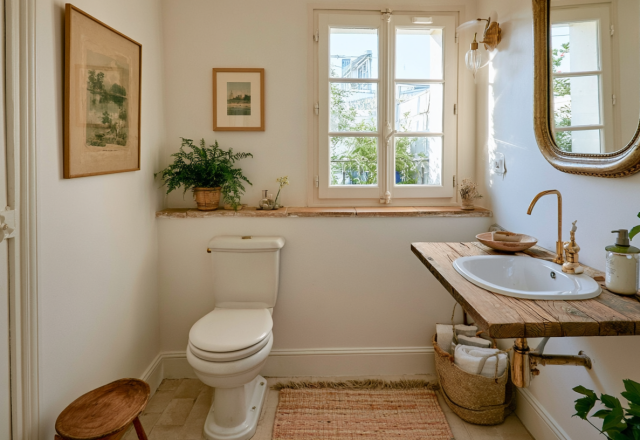
Designing Around Tight Corners Most small bathroom designs default to sterile white porcelain and oversized mirrors in a frantic attempt to trick the eye.…
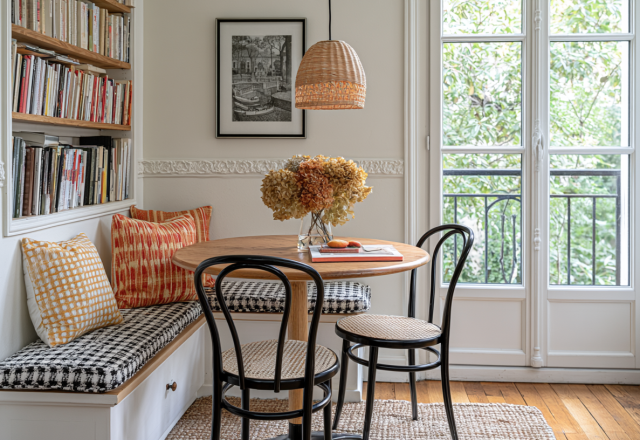
Reclaiming Dead Space with Built-In Banquettes Most apartments have that one awkward corner where nothing quite fits. Instead of shoving a houseplant into the…