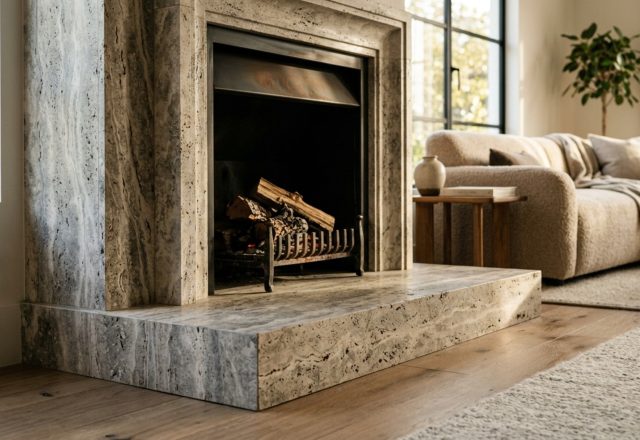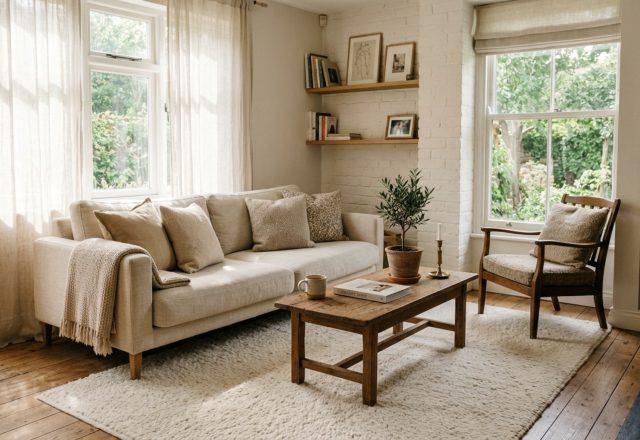
The late afternoon sun spills across the herringbone white oak, highlighting the delicate dance of dust motes in a room that finally feels perfectly still. Integrating strategic money saving tips at home isn’t merely a matter of fiscal restraint; it is about refining the structural soul of your dwelling to achieve a high-performance thermal shell. When we view the home through the lens of a ‘thermal envelope,’ we move beyond simple thermostat adjustments and into the realm of architectural optimization. This is where the science of air exchange meets the art of curation, transforming your living space into a self-regulating sanctuary that defies external fluctuations.
Low Cost Energy Efficient Upgrades: The Attic and the Stack Effect
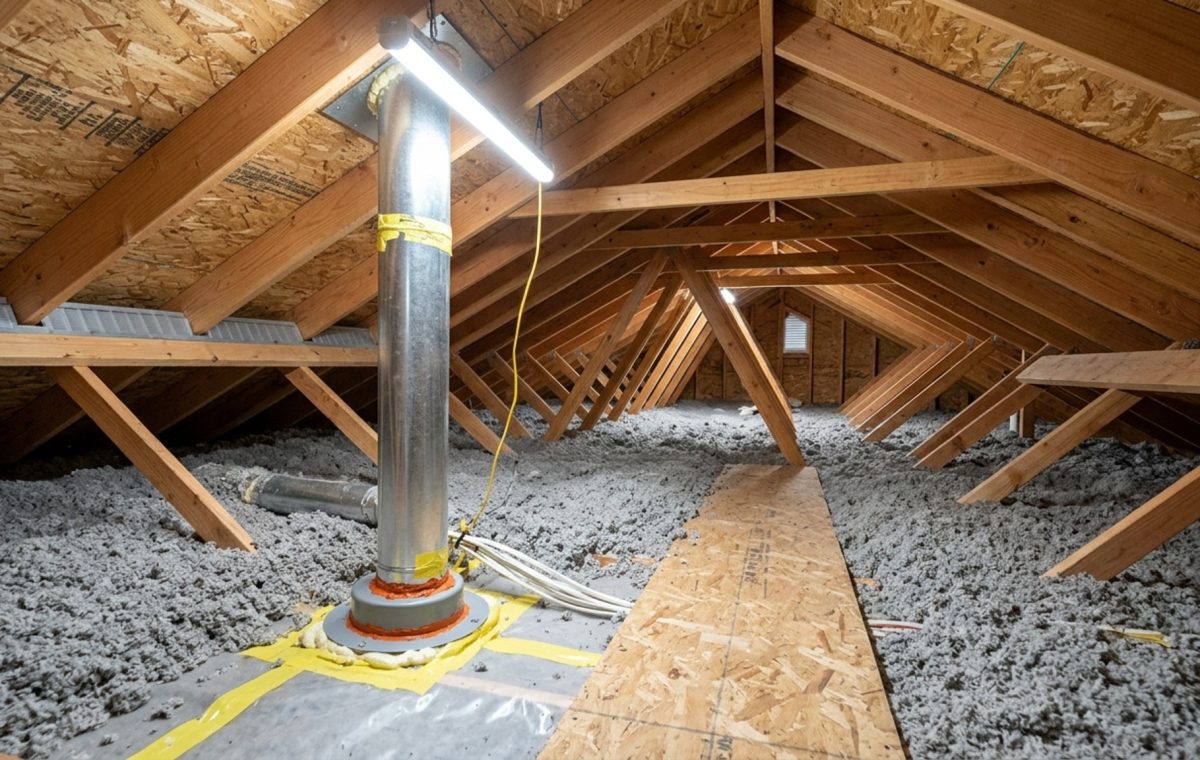
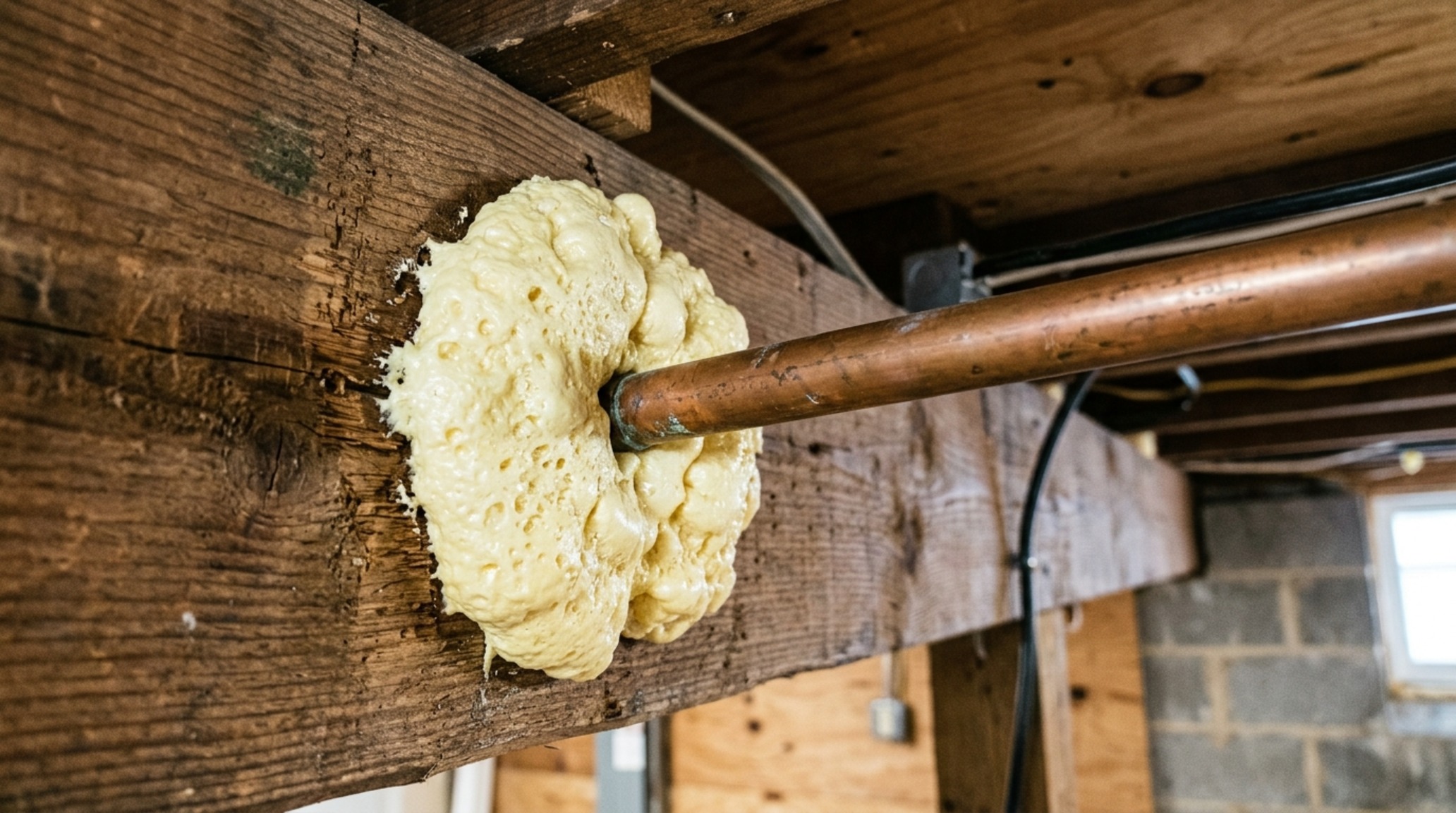
In the hierarchy of architectural efficiency, the attic is the primary frontier. Because heat naturally rises—a phenomenon known as the stack effect—the ceiling of your uppermost floor acts as a sieve if not properly addressed. We often focus on the windows, yet the most significant money saving tips at home usually begin with air sealing the ‘top of the house.’ This involves identifying the invisible punctures where recessed lighting, plumbing stacks, and chimney flues penetrate the ceiling plane. By utilizing expanding spray foam or fire-rated caulk to bridge these gaps, you effectively create a lid on your thermal envelope.
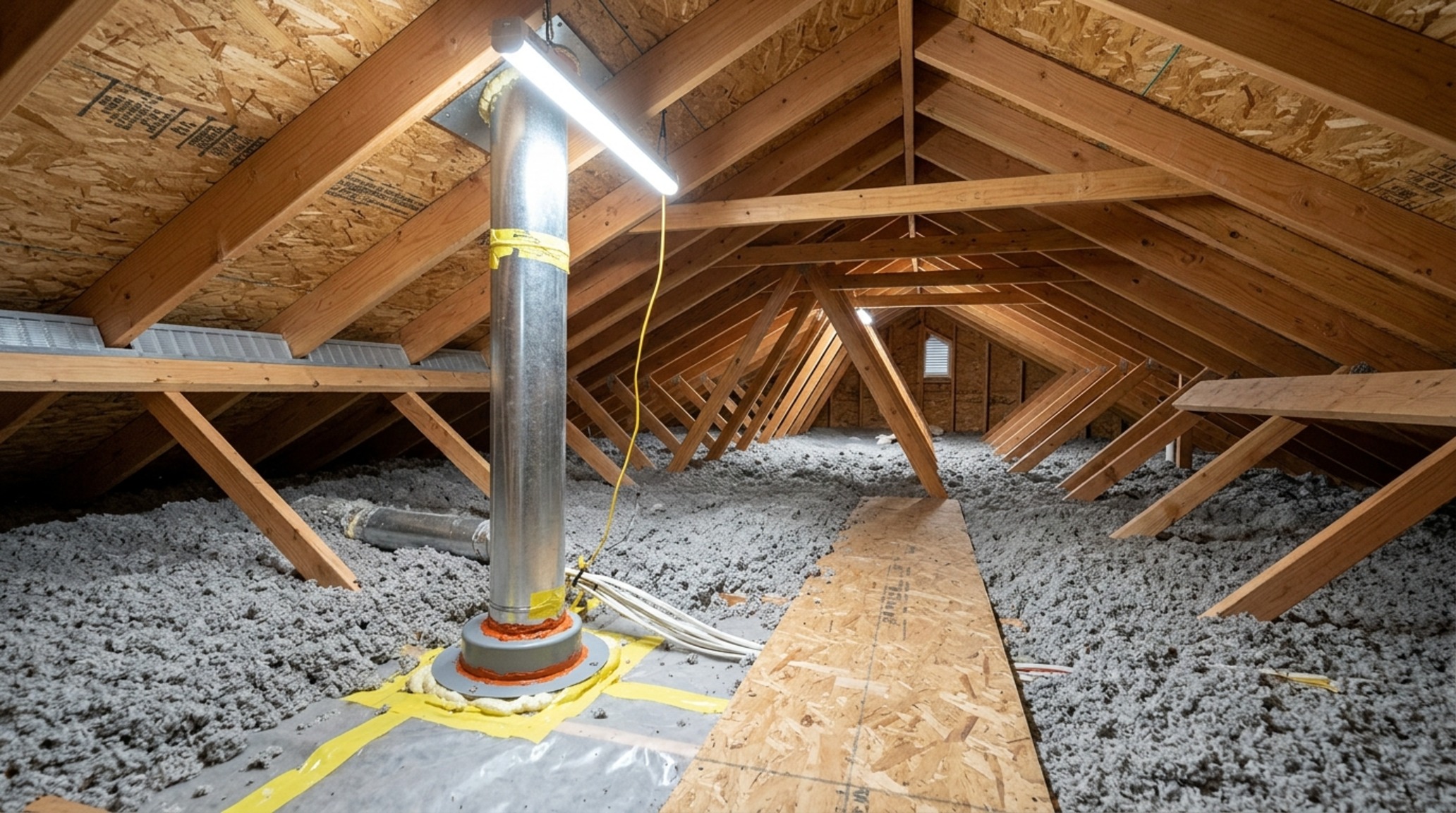
Once the air sealing is secured, the materiality of insulation becomes paramount. Blown-in cellulose, often composed of recycled paper treated for fire resistance, offers a dense, high-R-value barrier that outperforms traditional fiberglass batts by filling every erratic nook of the attic floor. Maintaining a depth of approximately 15 to 20 inches—aiming for an R-49 to R-60 rating depending on your climate zone—is a definitive standard for utility overhead reduction. Notice how the silence of the room deepens once this acoustic and thermal barrier is in place; it is a tactile manifestation of structural integrity.
Best DIY Home Cost Savings: Weatherstripping and the Threshold
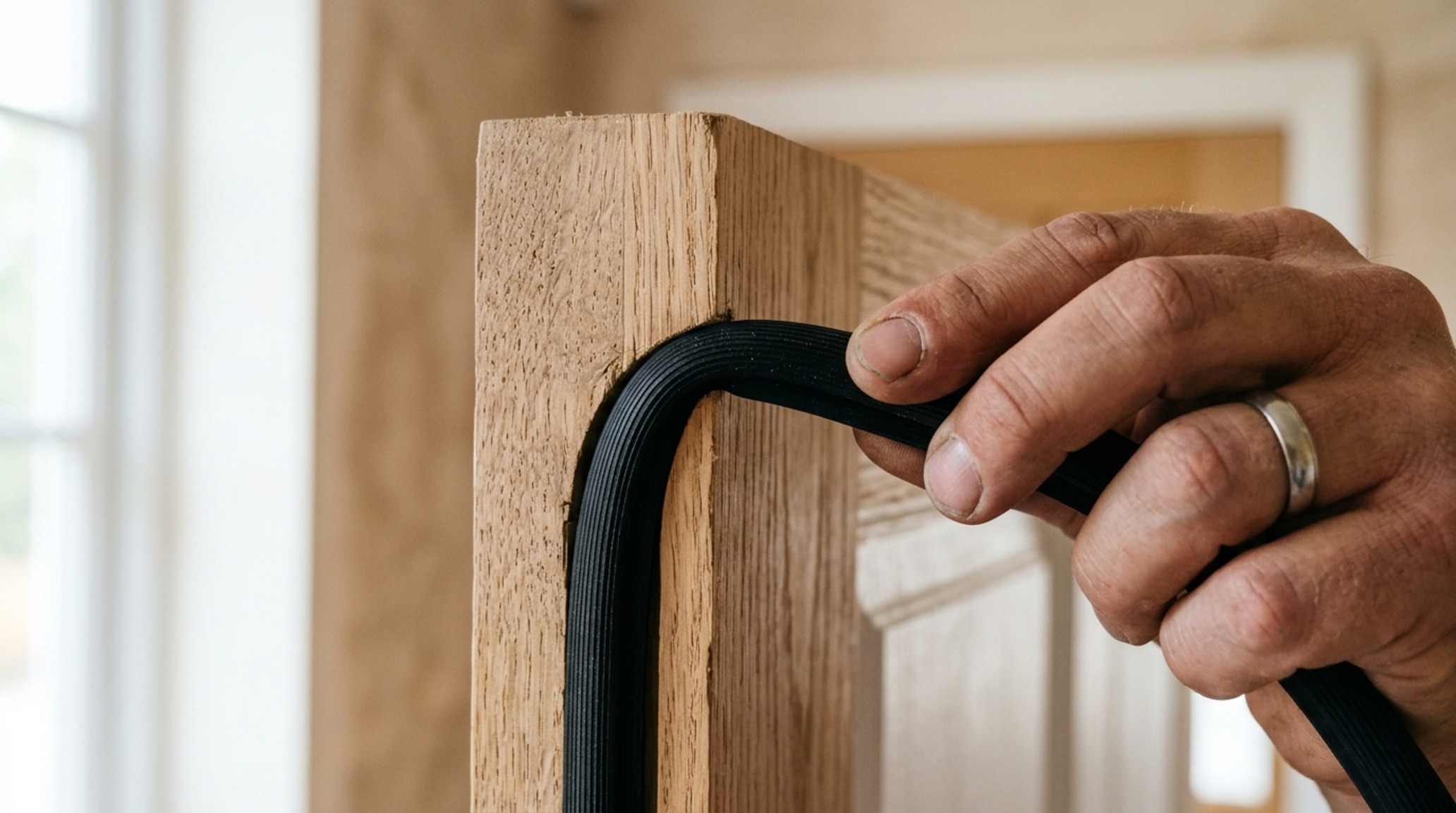
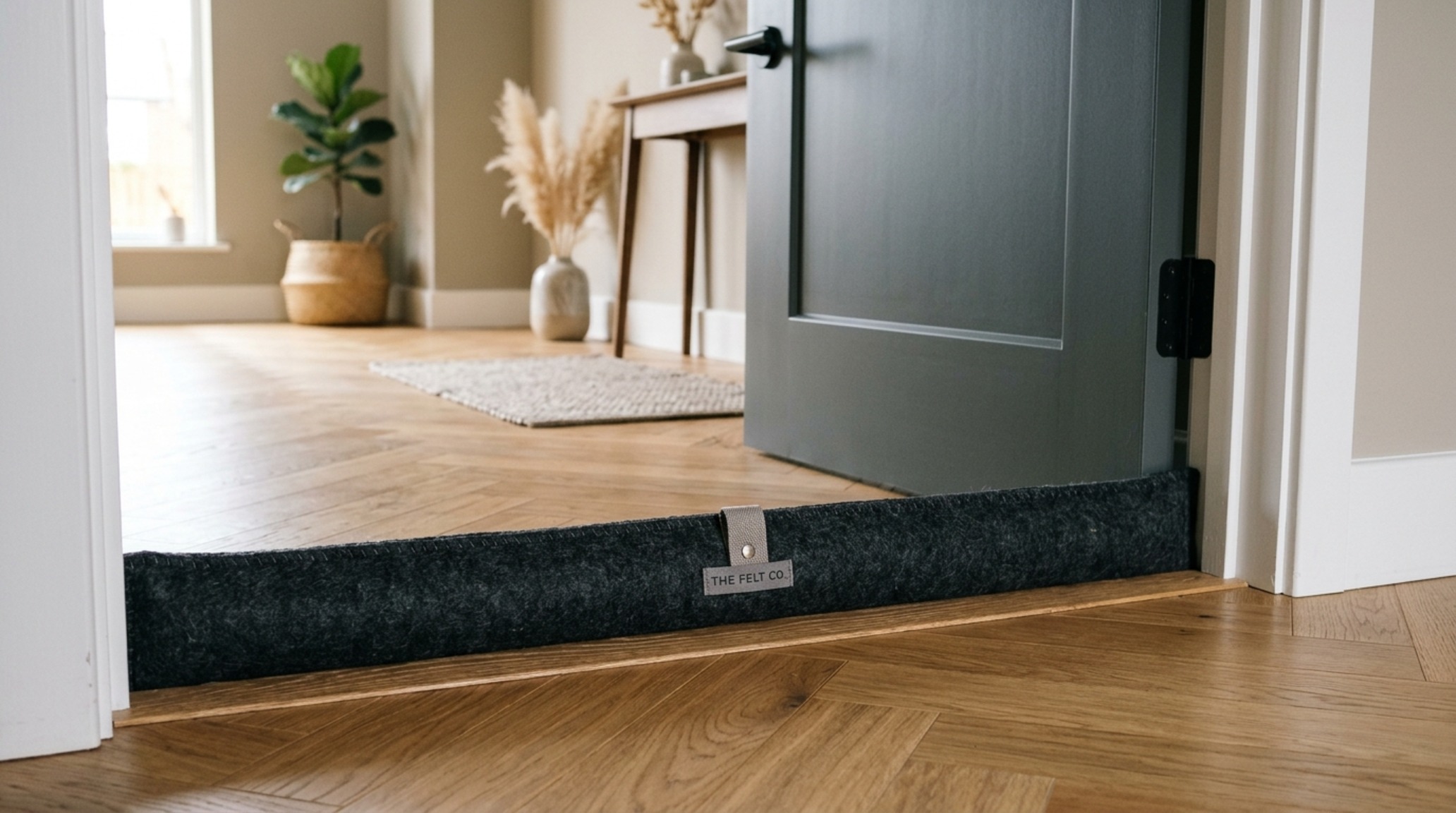
The transition points of a home—its doors and windows—are the most frequent culprits of energy hemorrhaging. Implementing the best diy home cost savings involves a meticulous audit of every threshold. When you stand near a closed door, can you feel the subtle movement of air against your ankles? This is the signature of a failed weatherstrip. Replacing brittle, cracked seals with high-durability EPDM rubber or silicone gaskets is a weekend ritual that pays dividends. For the bottom of exterior doors, a heavy-duty brush sweep or a weighted draft stopper in a luxurious wool felt can bridge the 1/4-inch gap that otherwise invites the elements inside.
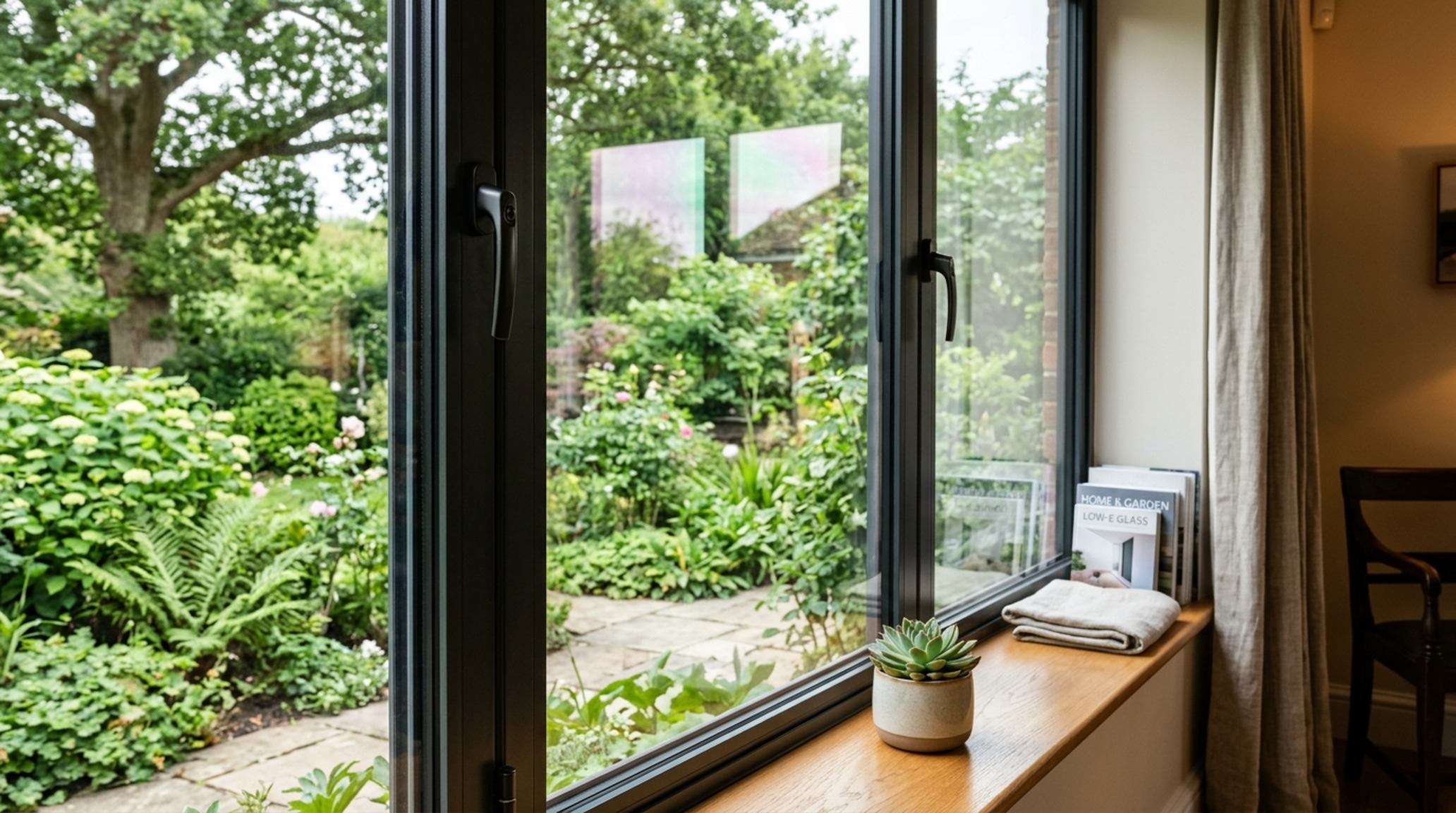
Consider the visual and functional impact of your glazing. While replacing windows is a massive capital expenditure, restoring the performance of existing ones is a profound money saving tips at home strategy. Applying a clear, low-E window film can reject up to 70% of solar heat gain in the summer without compromising the clarity of your view. It preserves the integrity of your interior palette, preventing the sun from bleaching your Benjamin Moore Swiss Coffee walls or your cherished antique textiles, all while stabilizing the microclimate of the room.
Affordable Sustainable Interior Design: The Art of Thermal Layering
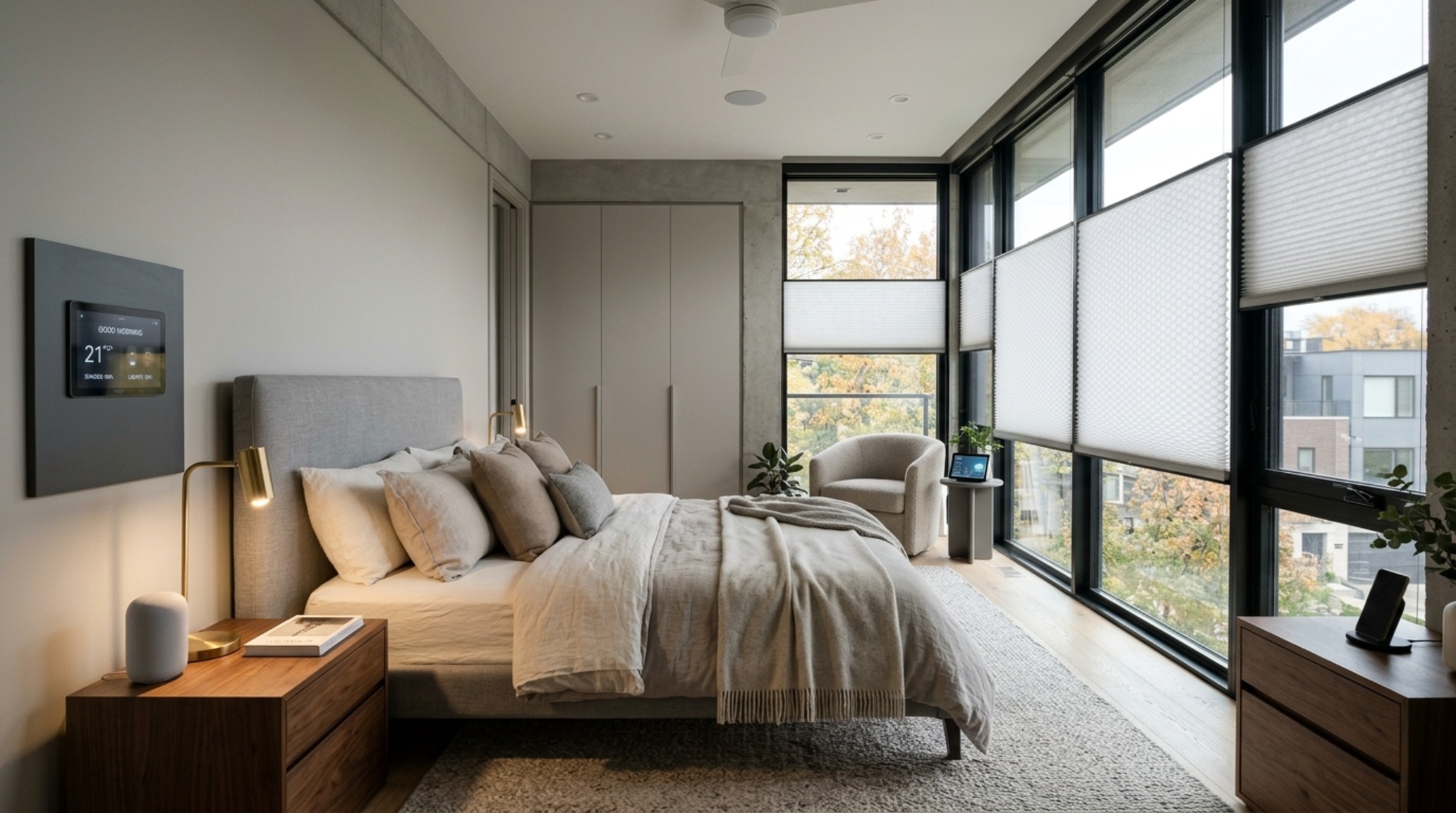
Design and efficiency should never exist in silos. True affordable sustainable interior design leverages soft goods to serve as secondary insulation. Think of window treatments not just as aesthetic flourishes, but as adjustable thermal valves. Floor-to-ceiling drapes in a heavy linen or velvet, backed with a thermal blackout lining, create a pocket of stagnant air between the glass and the room. When these drapes are closed at dusk, they significantly reduce the radiant heat loss of the space. To maintain architectural lightness, hang the rod 4 to 6 inches above the window frame and extend it 8 to 12 inches beyond the sides—this ‘stack back’ allows for maximum light during the day while ensuring a tight seal at night.
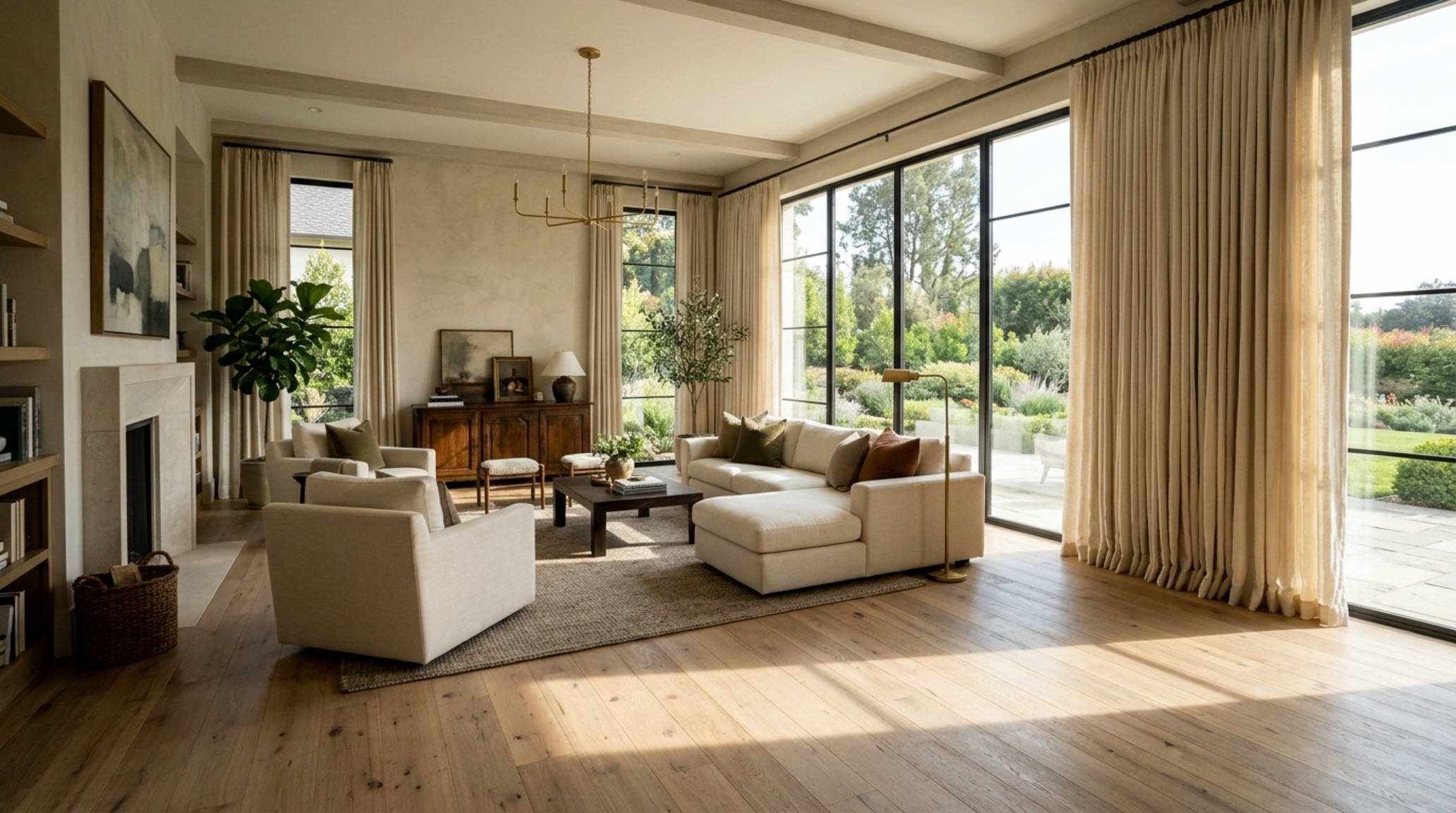
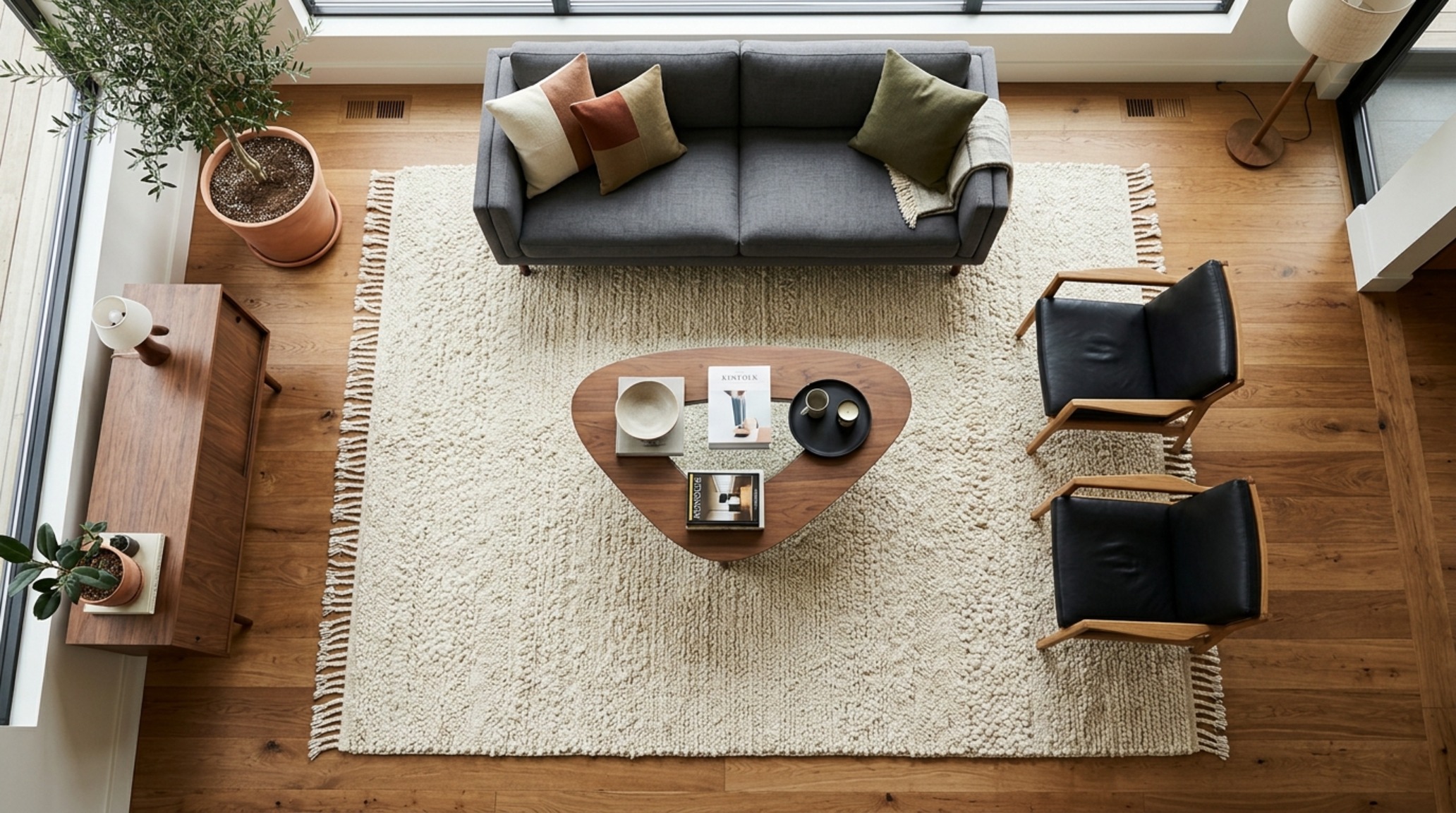
The floor plane also plays a critical role in money saving tips at home. Hardwood and stone are beautiful but thermally conductive. Introducing high-pile wool rugs with a thick felt pad underneath adds a layer of R-value to your flooring, especially over crawl spaces or slabs. In terms of spatial cadence, a 9×12 rug in a 12×15 room provides the necessary 18-inch border of ‘breathing room’ for the wood floor while effectively insulating the primary seating area. This is the intersection of cozy materiality and rigorous energy management.
Utility Bill Reduction Strategies: Precision HVAC and Smart Zoning
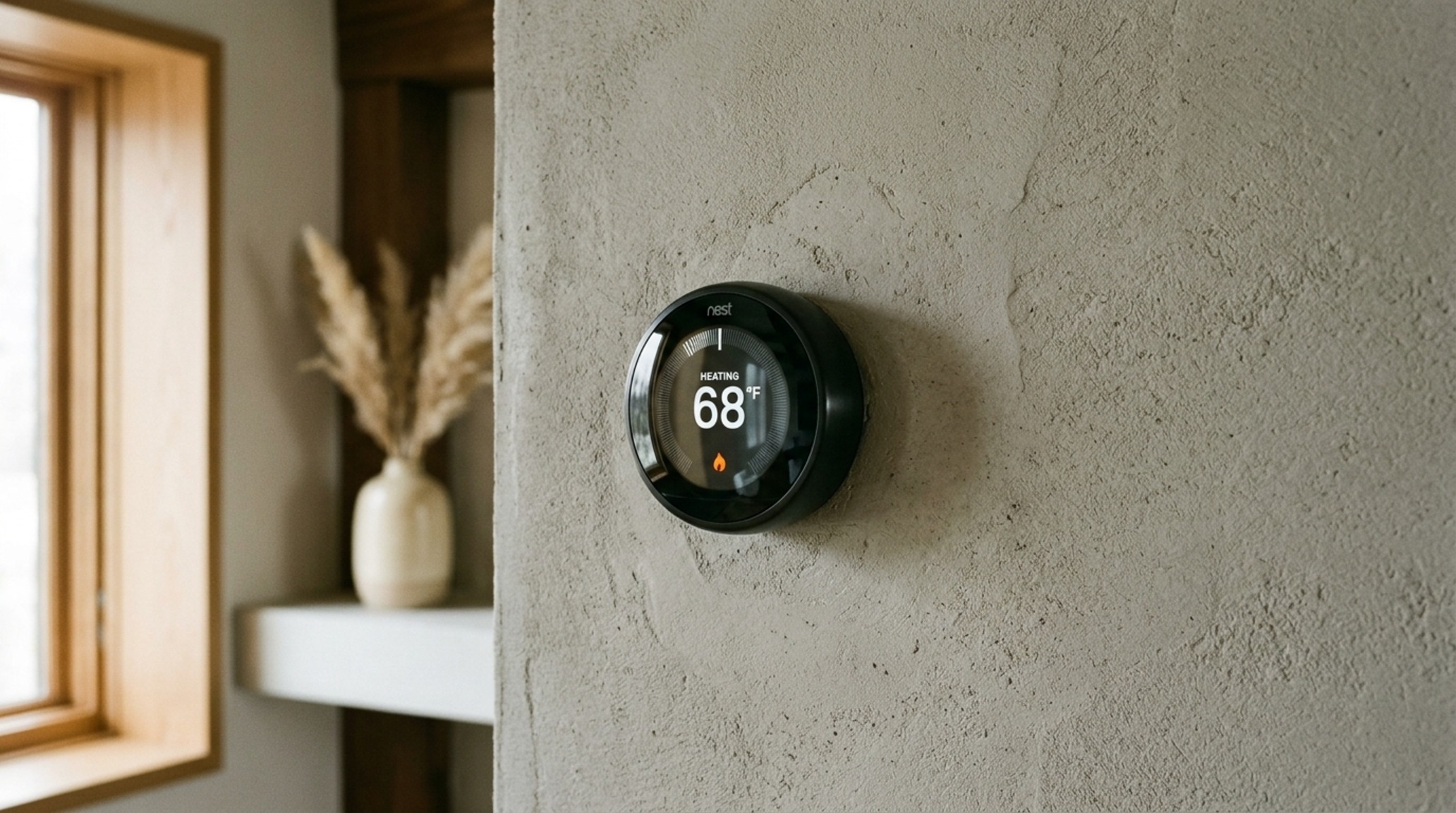
Mastering your microclimate requires moving from passive management to active precision. Among the most effective utility bill reduction strategies is the calibration of your HVAC delivery. It is a common misconception that closing vents in unused rooms saves money; in reality, it can increase pressure in the ductwork and cause leaks. Instead, focus on the ‘smart’ automation of the system. A smart thermostat, such as an Ecobee or Nest, uses occupancy sensors to understand the rhythm of your life, dialing back the demand when the house is empty and pre-conditioning the space before you return.
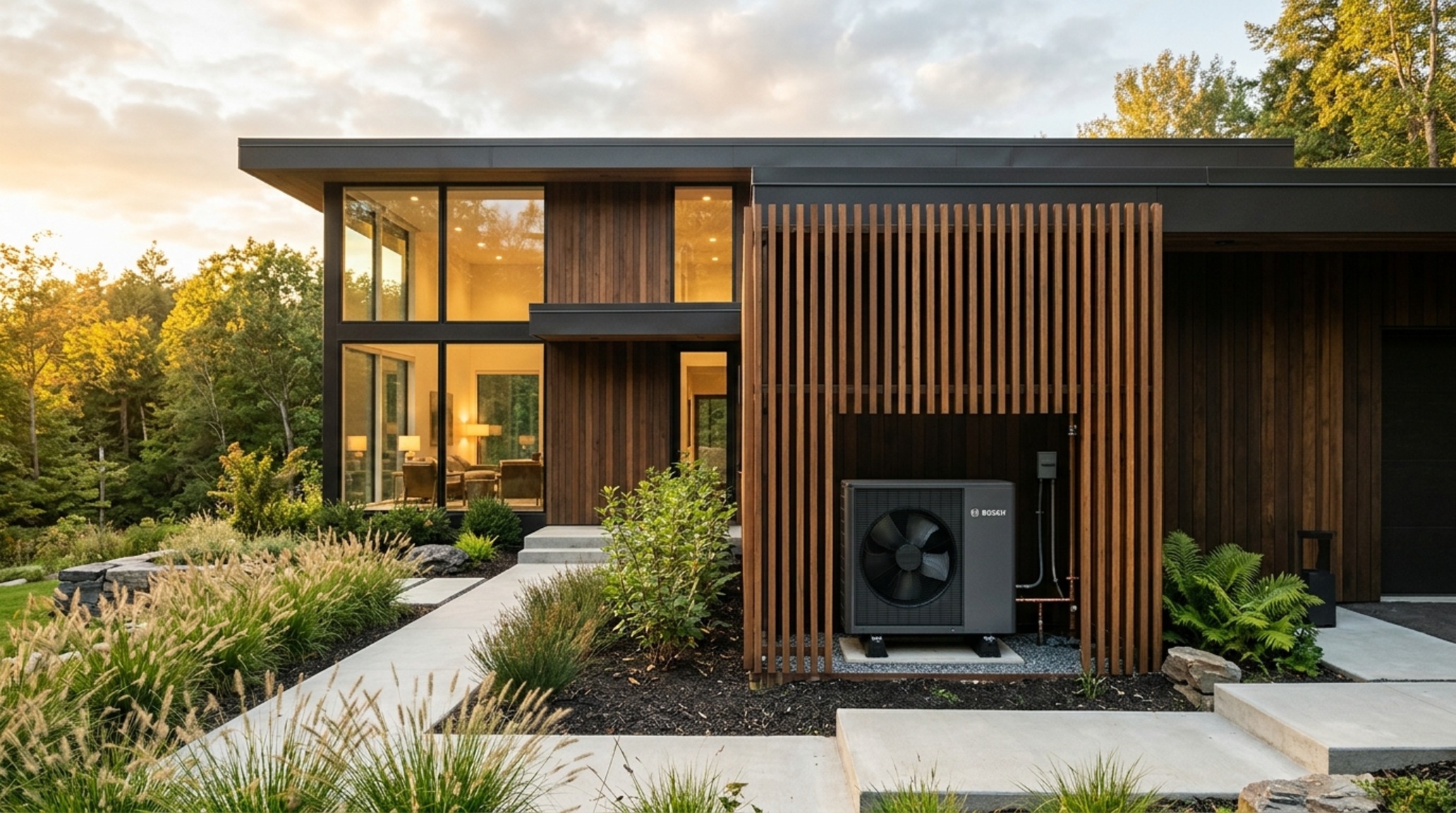
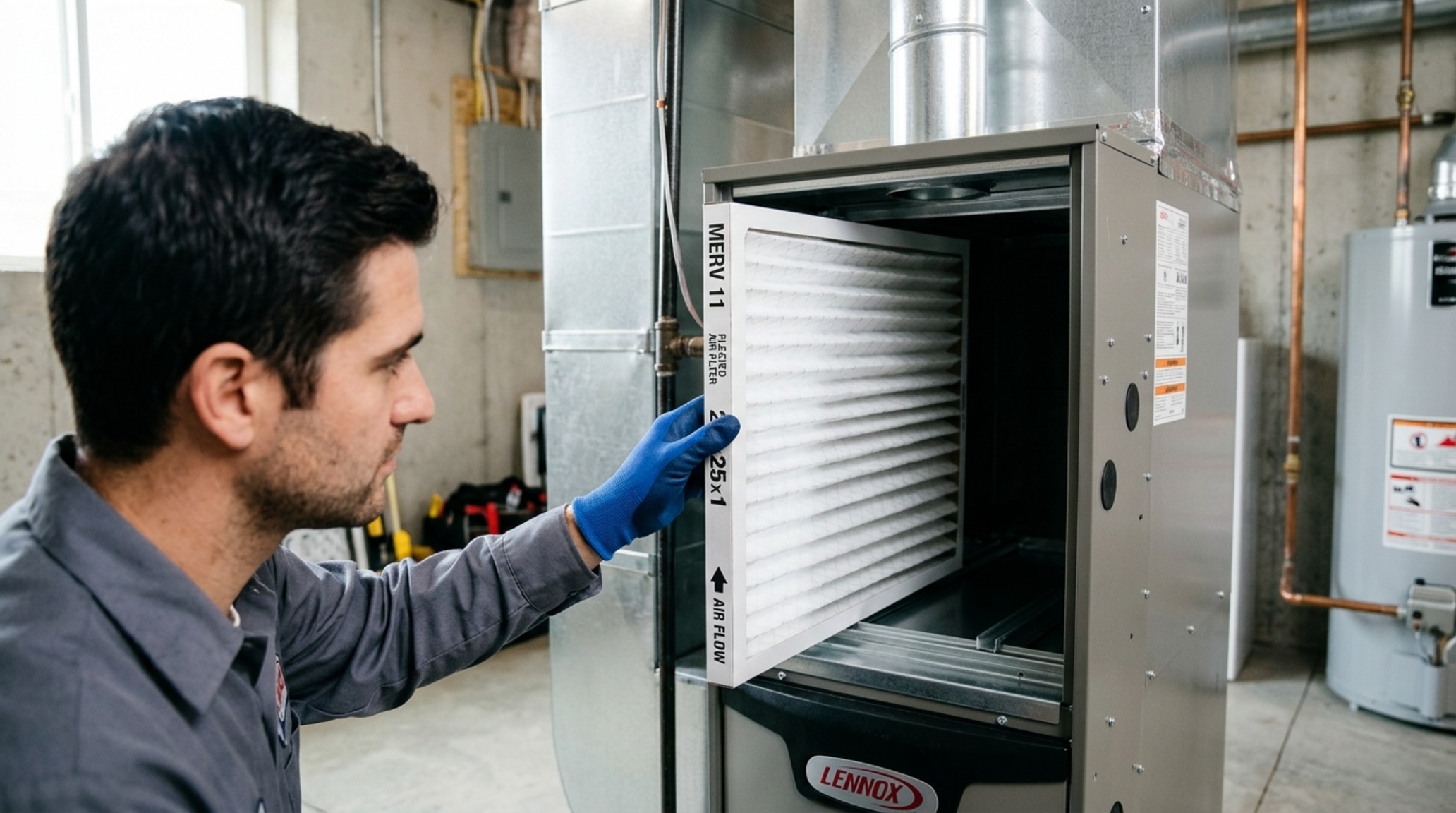
Beyond the digital, look to the mechanical. Changing your MERV 8 or 11 filters every 90 days is a non-negotiable money saving tips at home habit. A clogged filter forces the blower motor to work 15% harder, shortening the lifespan of the unit and inflating your monthly bill. For those with older systems, adding a variable speed air handler can modulate the flow of air more gently, avoiding the harsh ‘on-off’ cycles that consume peak energy. It creates a more consistent, velvet-like air quality throughout the home, devoid of the cold spots often found in poorly balanced structures.
Eco Friendly Home Maintenance: The Foundation and Crawl Space
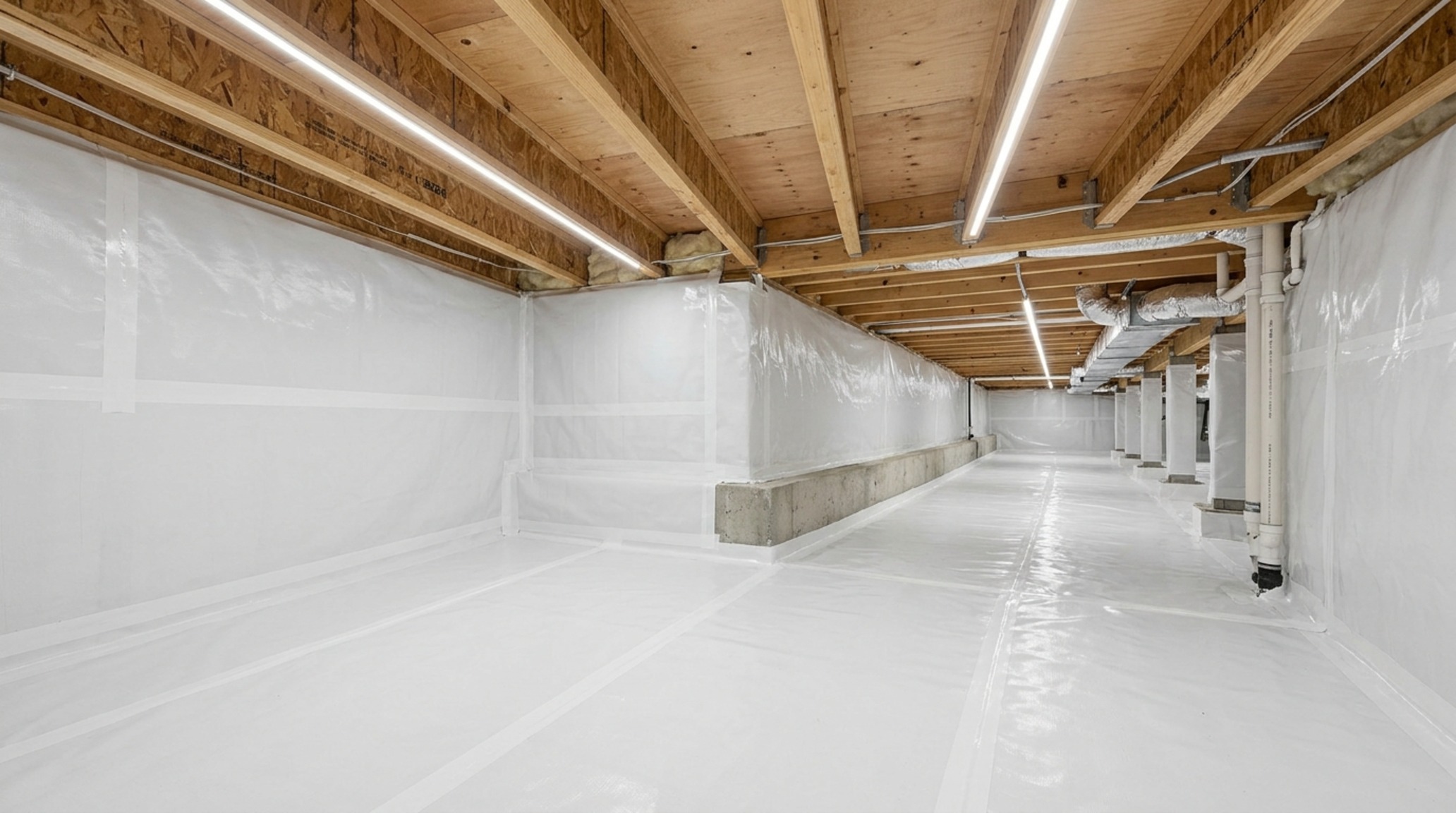
We rarely think about the soil beneath our feet as an energy sink, but the foundation is a vital component of the thermal envelope. Engaging in eco friendly home maintenance means inspecting the crawl space for moisture and air bypasses. An unconditioned crawl space can be a source of humid, cold air that migrates upward through floor penetrations. Encapsulating the crawl space with a heavy 20-mil vapor barrier and sealing the rim joists with closed-cell spray foam transforms a damp subterranean void into a clean, dry, and thermally stable buffer zone.
This structural money saving tips at home approach also addresses the health of the building. By preventing the migration of ground moisture, you protect the structural timber from rot and improve the indoor air quality of the living levels above. It is a ‘set and forget’ upgrade that yields permanent reductions in heating and cooling demand, proving that the most luxurious aspects of a home are often the ones you never see, but always feel.
Smart Home Energy Optimization: The Digital Guard
The final layer of a high-performance home is the integration of smart home energy optimization. This involves more than just lights that turn off when you leave; it’s about a holistic ecosystem. Smart plugs can eliminate ‘vampire loads’ from electronics that draw power even when turned off. Automated shading systems can be programmed to follow the sun’s path, closing during the peak heat of a summer afternoon and opening during a winter morning to harvest free solar warmth. This digital orchestration ensures that your money saving tips at home are working 24/7 without requiring constant manual intervention.
When we align our tech with our architecture, the house begins to breathe with its inhabitants. We move away from the frustration of rising costs and toward a sense of empowerment. Your home becomes a fine-tuned instrument, capable of maintaining comfort with minimal input, allowing you to focus on the moments that happen within its walls rather than the mechanics of the walls themselves.
Architectural Details & Spatial Cadence
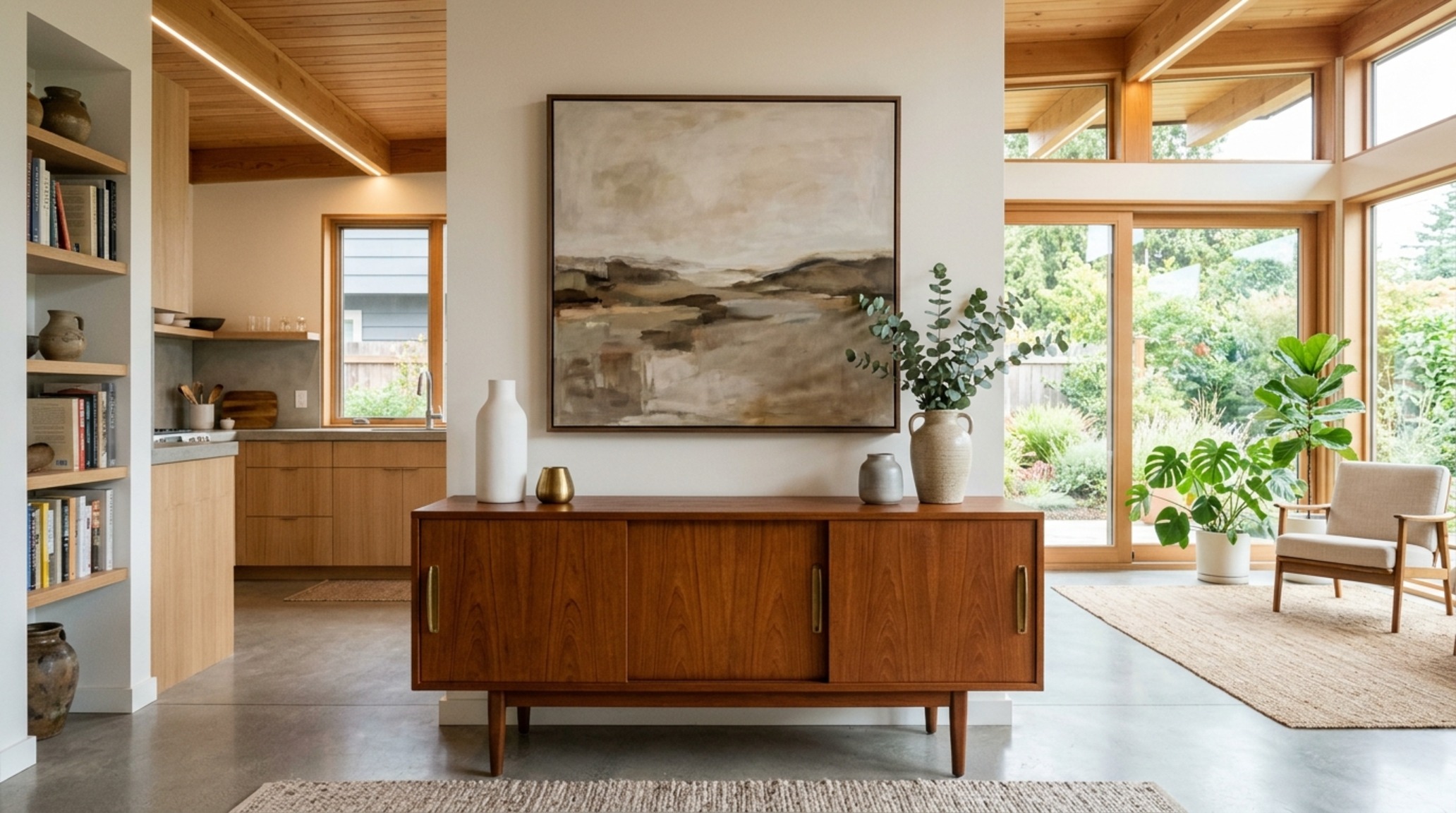
In this curated visual narrative, we examine how these structural principles manifest in the modern interior. Notice the precision of the window seals, the depth of the textile layers, and the subtle integration of technology. Each element is a deliberate choice in the pursuit of a sustainable, high-performance lifestyle where every detail serves a dual purpose of beauty and efficiency.
Interior Finishes, Colors & Dimension Matrix
Detailed finish schedule outlining authentic architectural surfaces, color values, and clearances.
Ultimately, a home that masters its microclimate is a home that respects both its inhabitants and its environment. By shifting our perspective from cosmetic fixes to structural integrity, we realize that the most profound money saving tips at home are those that anchor the building in its landscape. As the seasons change outside, your interior remains a testament to the power of thoughtful, high-performance design—a quiet, efficient vessel for the life lived within.
Editorial Silo • Recommended Architecture Studies
- The Sensory Architect: Becoming an Interior Designer Through Materiality and Atmospheric Mastery — Archival Design Case Study
- Principles And Elements Of Interior Design: The Architectural Blueprint & Spatial Flow Guide — Archival Design Case Study
Spatial Harmony & Textures
A photographic study celebrating natural textures, refined joinery, and balanced spatial volume.
Curated Visual Lookbook
Design Gallery & Spatial Studies
A visual curation of architectural arrangements, lighting concepts, and material palettes featured in this space.