The Evolution of the Interior Anchor
For decades, the architectural landscape was dominated by heavy, imposing mahogany wardrobes and bulky built-ins that swallowed square footage and light alike. These historical conventions, while grounded in craftsmanship, often felt like static obstacles rather than integrated elements of a living environment. In the contemporary era, we have witnessed a profound shift toward the ethereal and the intentional. The rise of unique cabinets as a primary design driver represents a departure from these clunky predecessors, favoring instead a philosophy where storage is no longer a necessity to be hidden, but a curated focal point that dictates the spatial cadence of a home. By prioritizing tactile materiality and lean silhouettes, designers are now treating cabinetry as functional sculpture that breathes alongside its inhabitants.
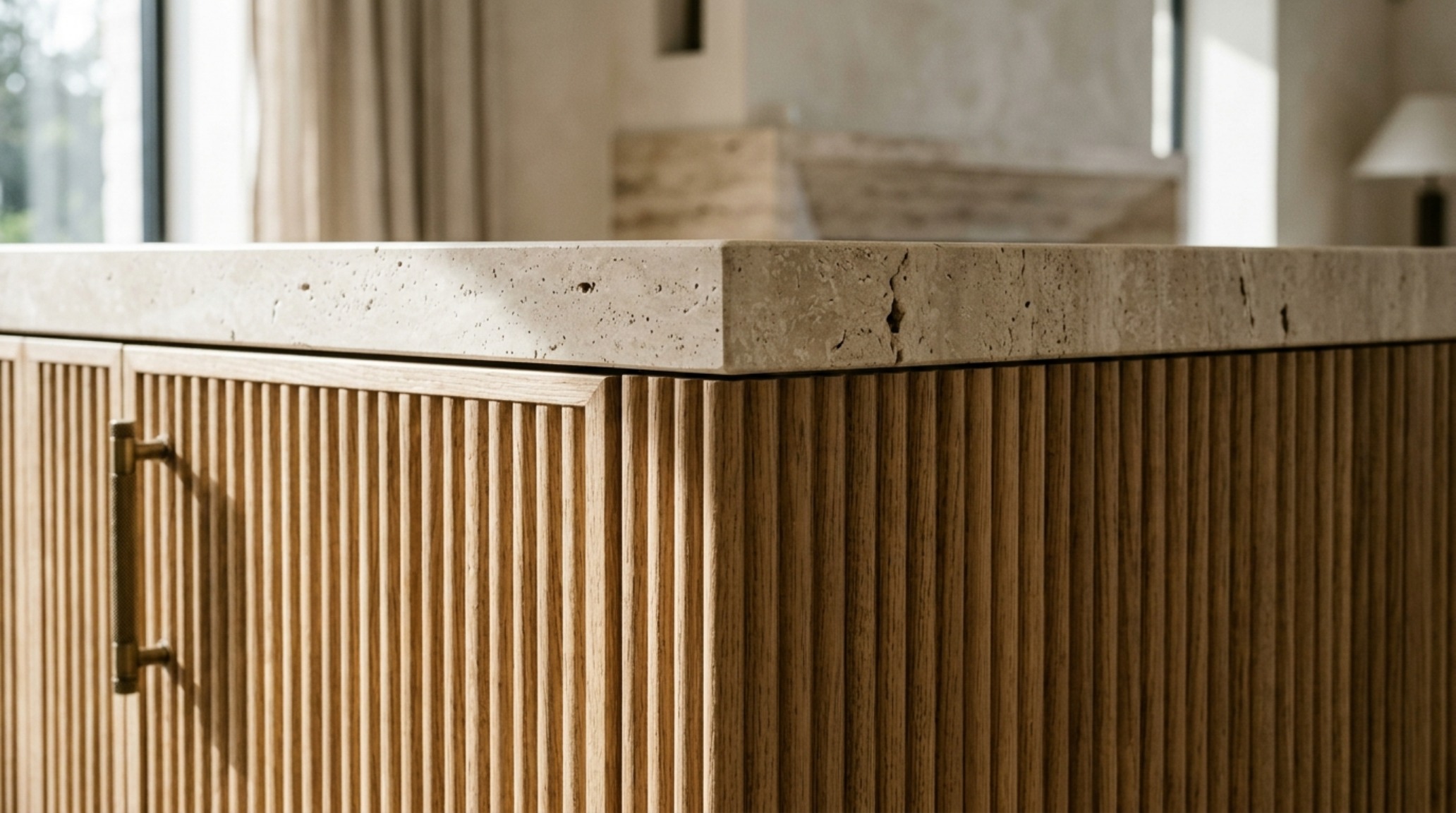
Luxury Unique Cabinets Textures: A Study in Materiality and Touch
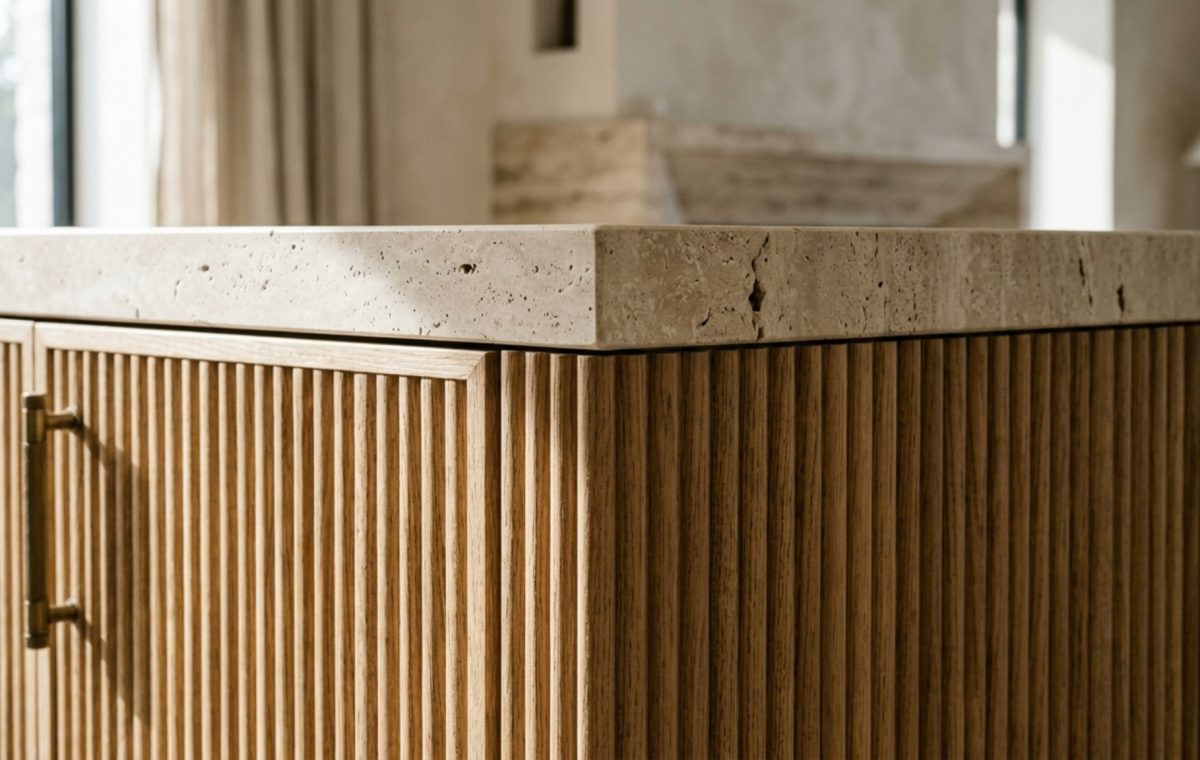
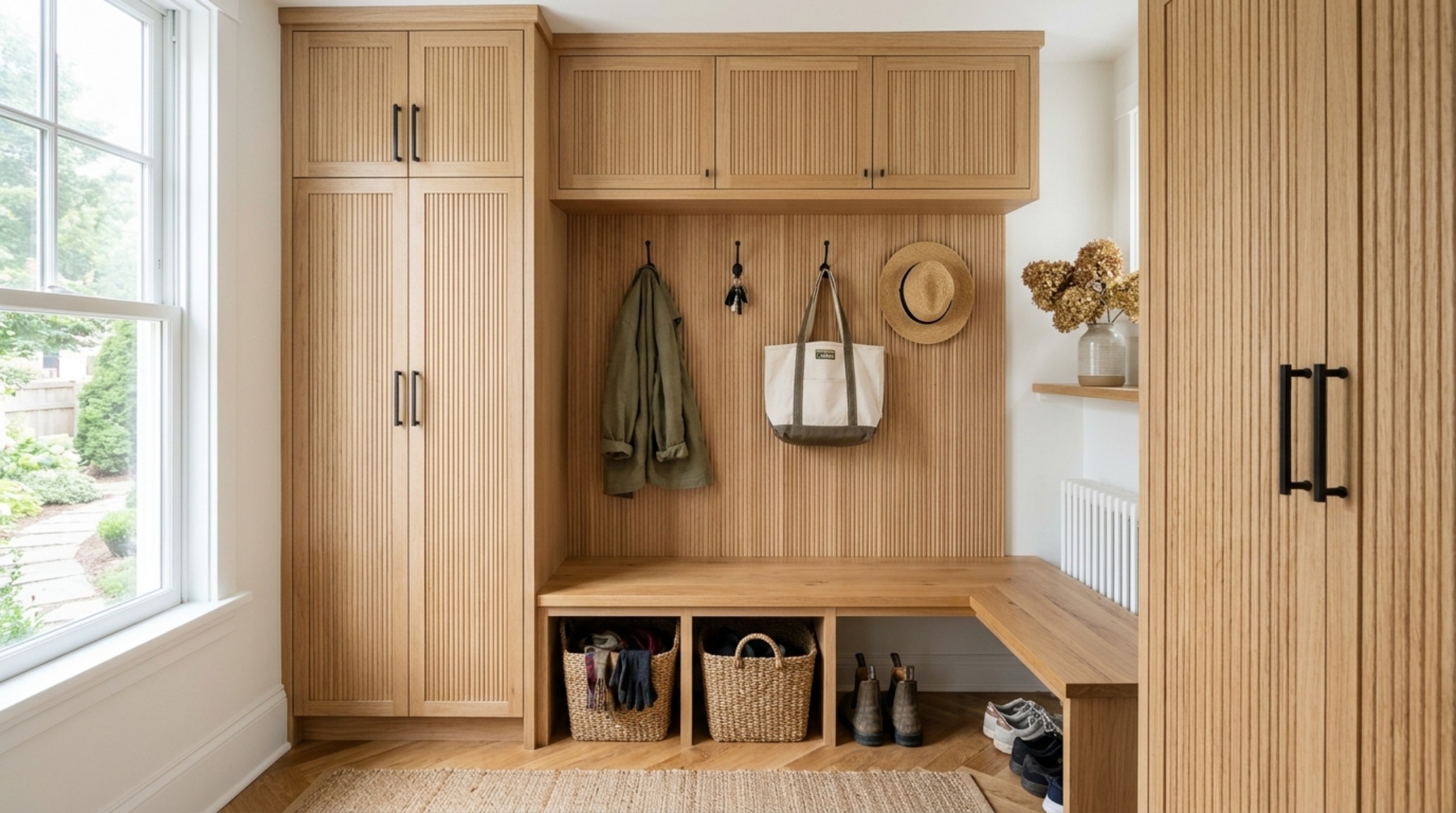
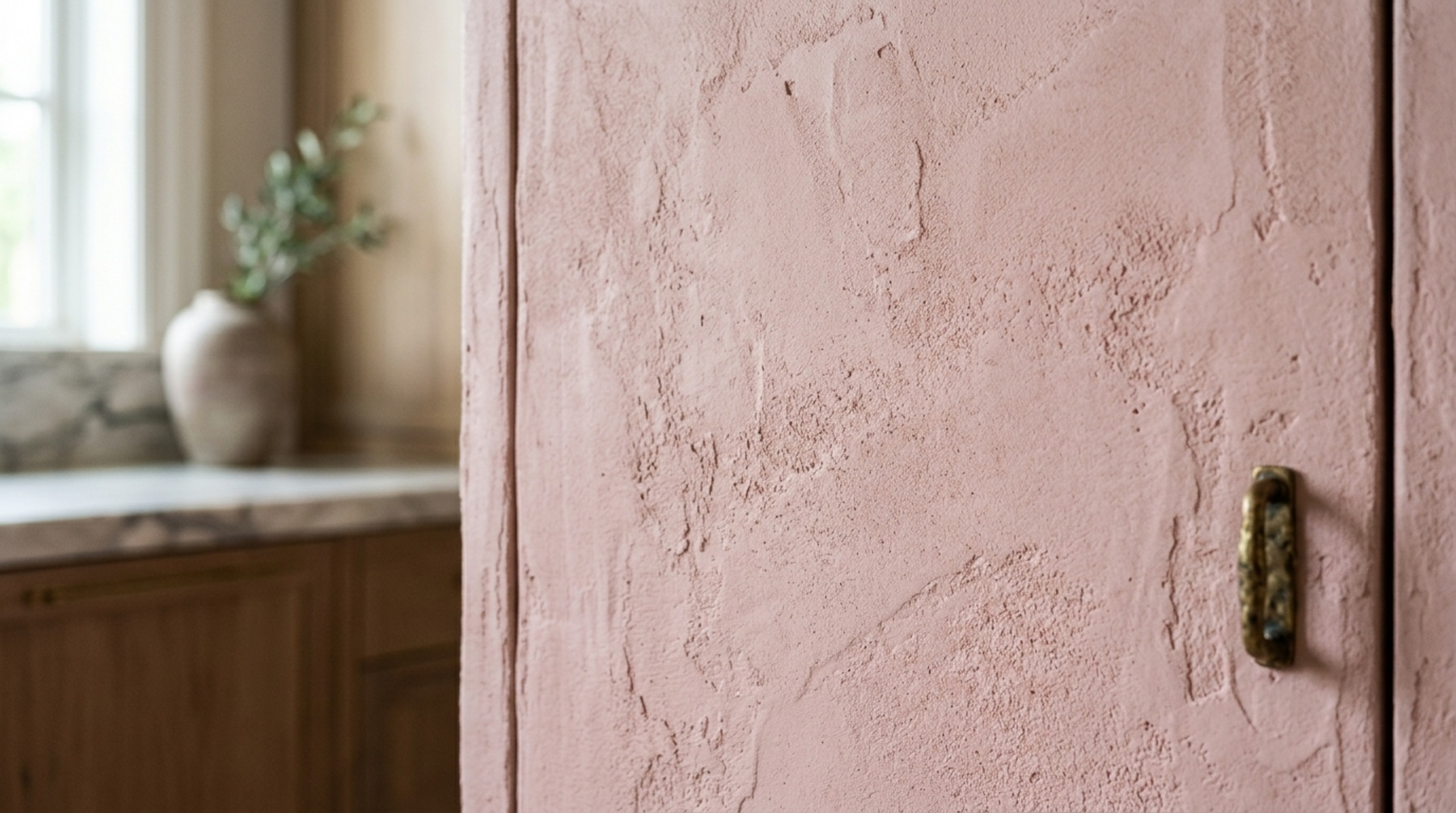
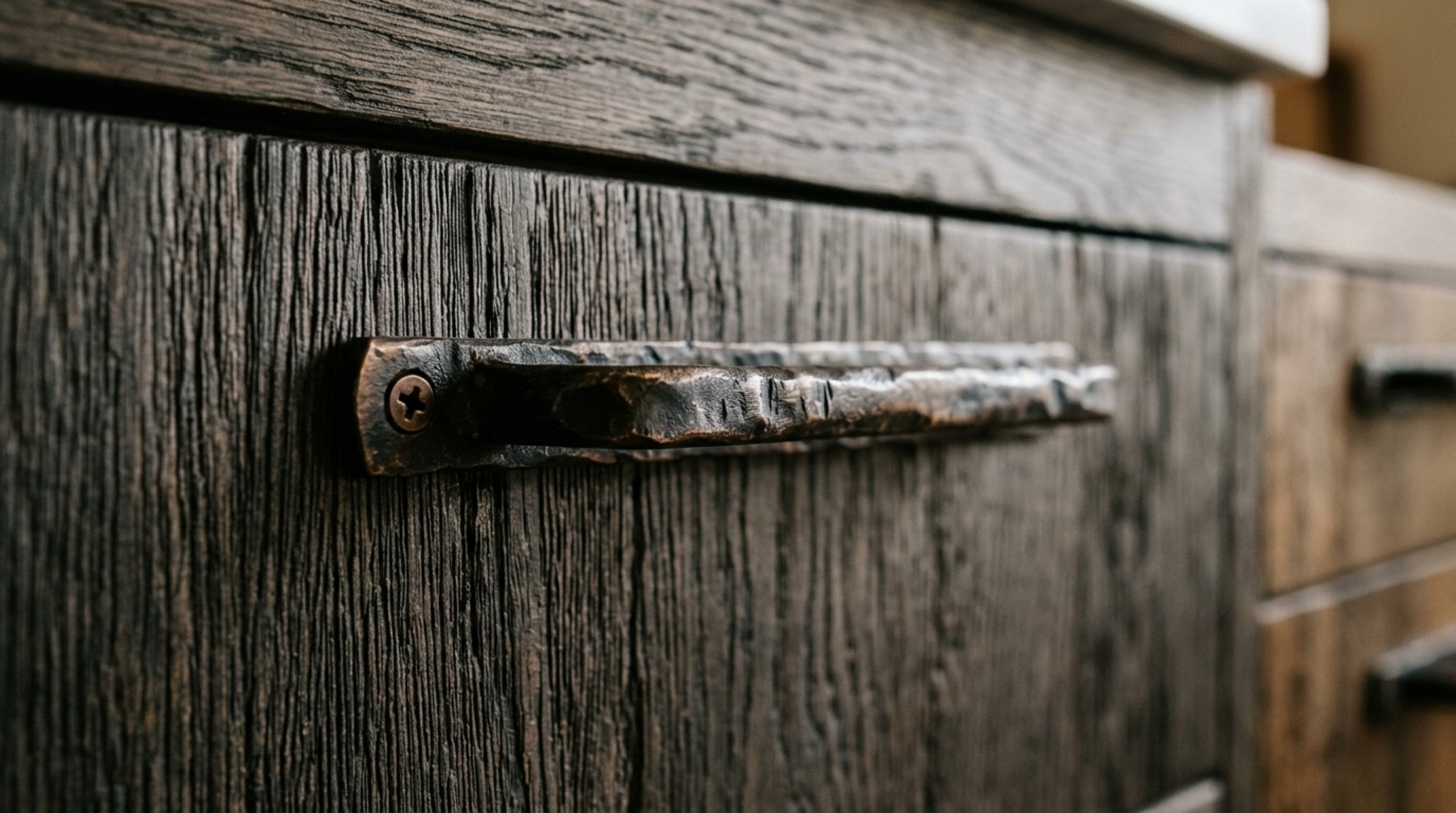
When we discuss the tactile aesthetic, we are moving beyond visual appeal into the realm of sensory experience. The most successful contemporary projects lean heavily into contrasting surfaces—the tension between a cool, honed stone and the warmth of a wire-brushed timber. Luxury unique cabinets textures often involve sophisticated techniques like fluting, reeding, or hand-applied plaster finishes. Consider the depth of a White Oak unit finished with a light lye wash; it maintains a raw, organic feel while offering a sophisticated matte appearance that resists the yellowing common in traditional oils.
Integrating materials like Farrow & Ball’s ‘Setting Plaster’ on door faces creates a soft, chalky texture that catches directional light in a way that standard lacquers cannot. We are seeing a massive resurgence in tactile grounding, where the ‘touch point’—the handle or the edge of a drawer—is crafted from a contrasting material like sand-cast bronze or wrapped leather. This physical interaction reinforces a sense of quality every time a cabinet is opened, bridging the gap between utilitarian storage and high-art furniture.
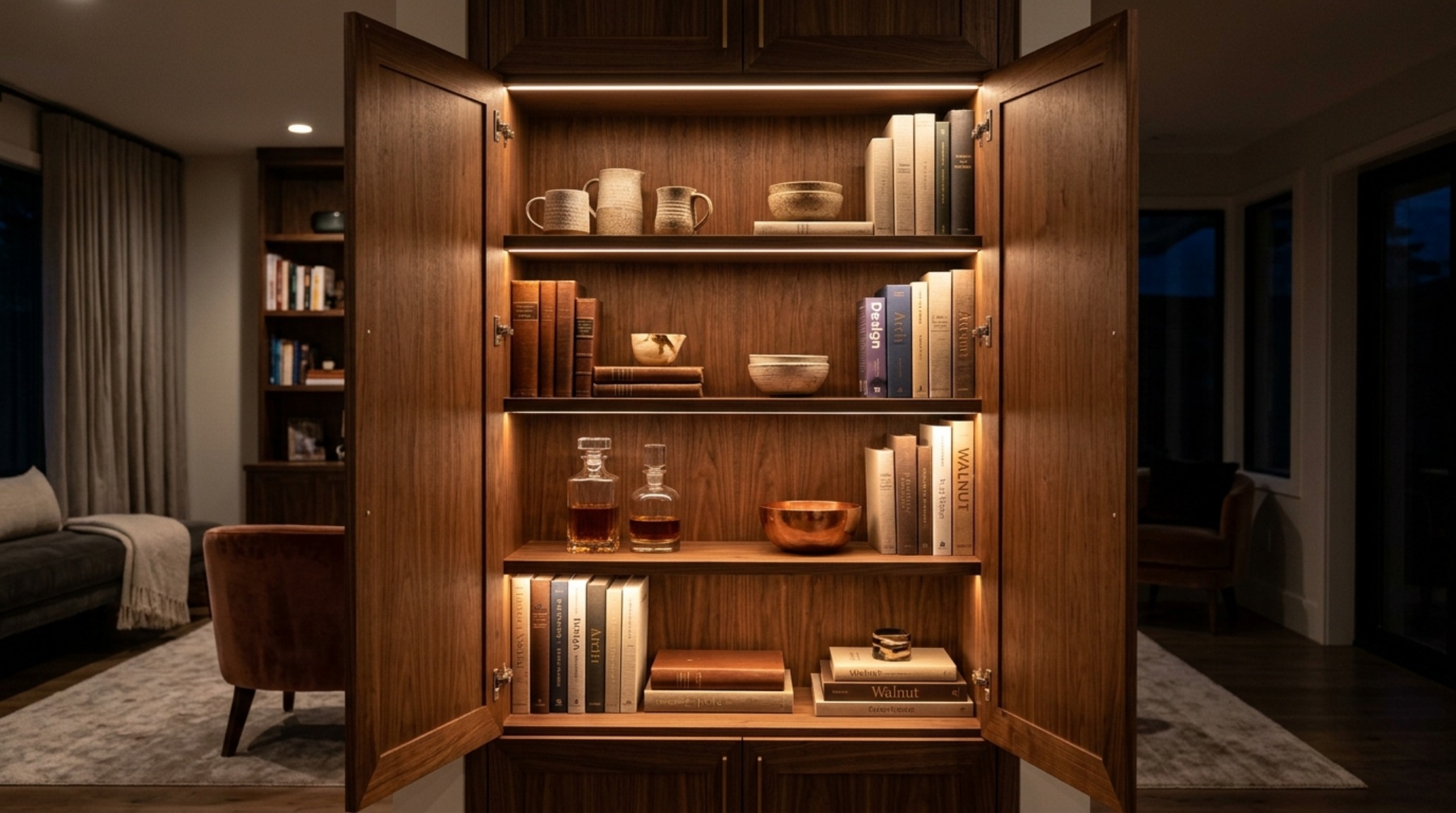
The Unique Cabinets Lighting Guide: Mastering Kelvin and Chromaticity
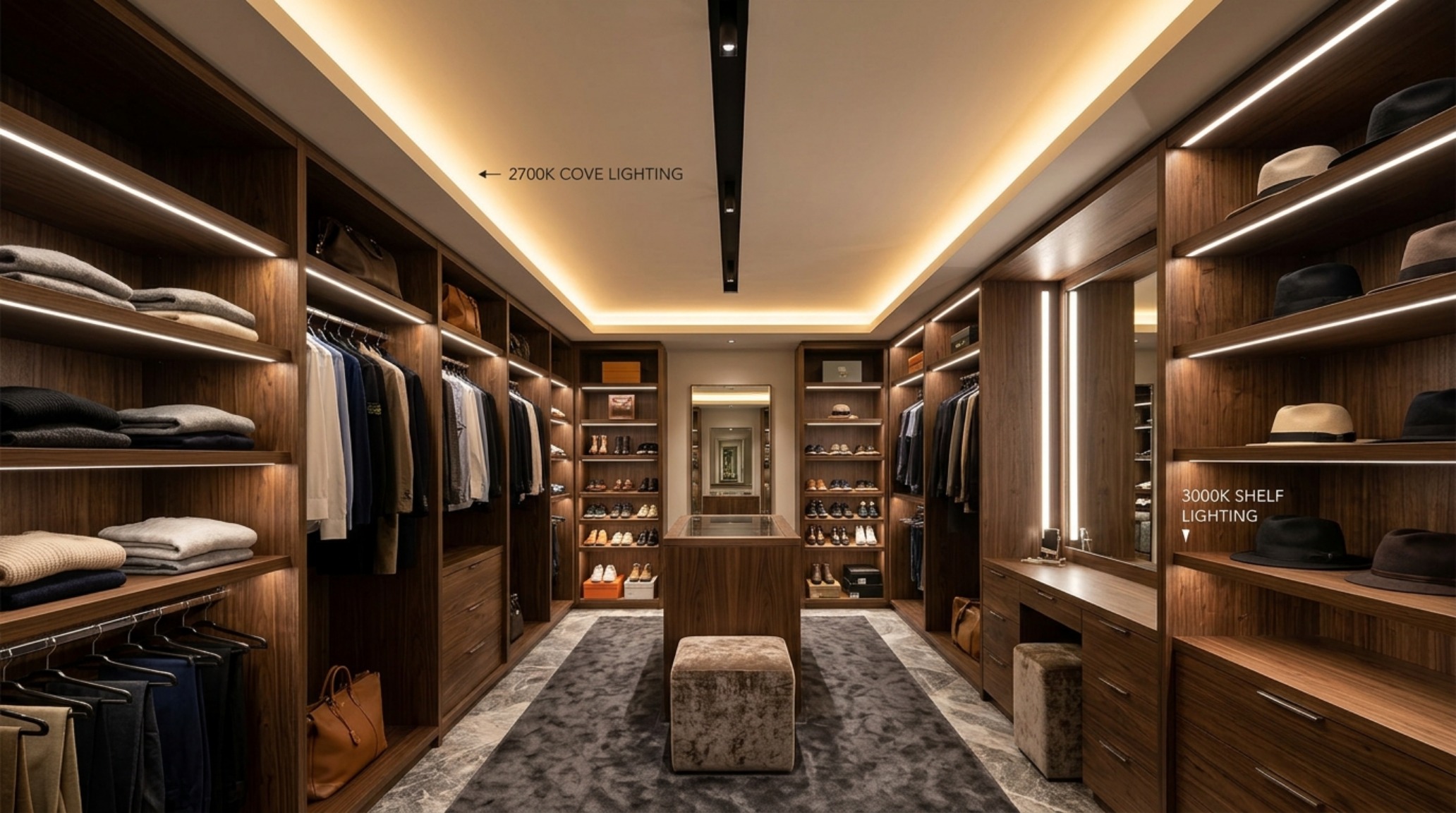
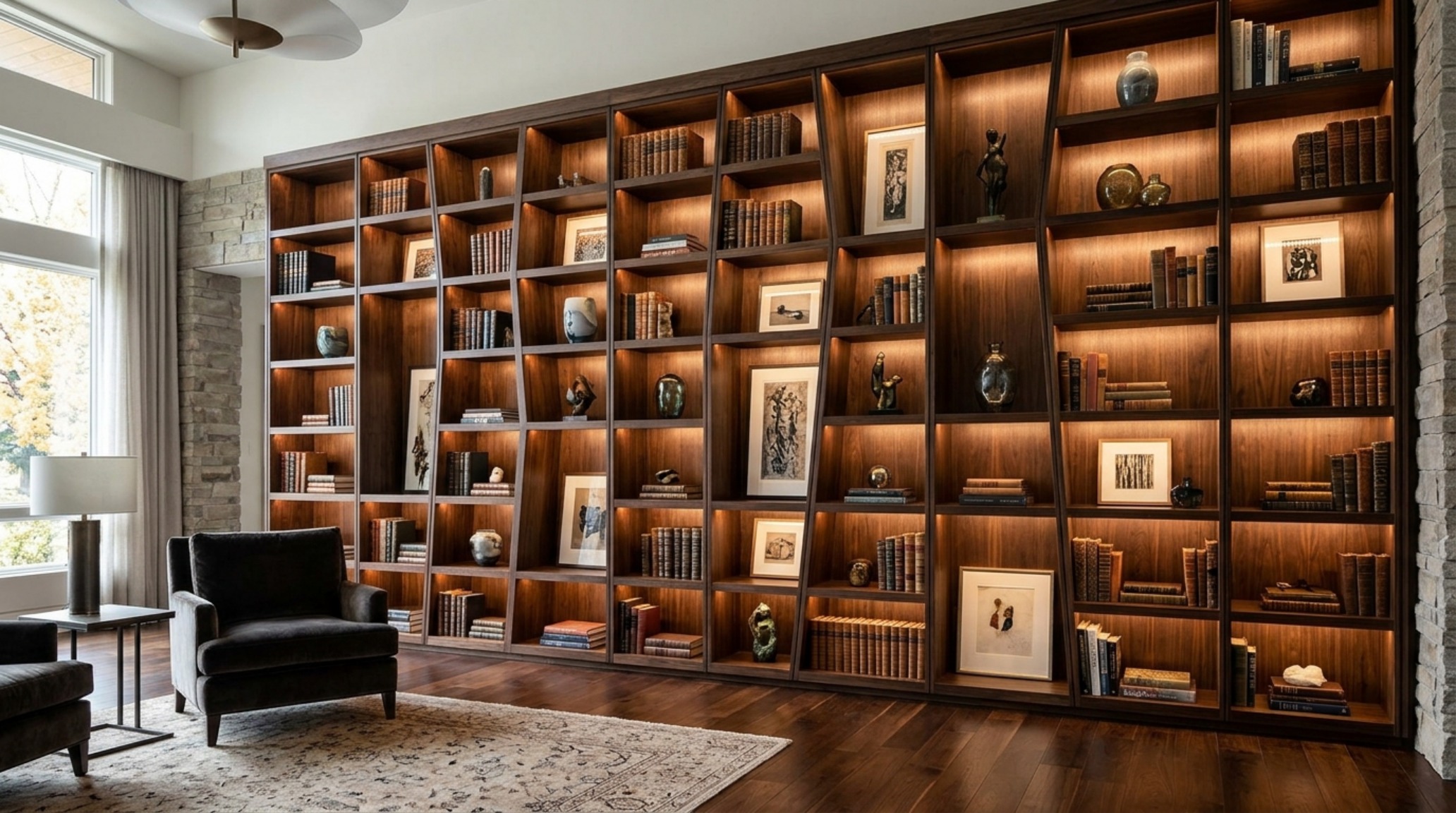
Lighting is the invisible architect that determines whether a cabinet feels like a retail display or a serene sanctuary. To achieve an atmosphere of quiet luxury, a comprehensive unique cabinets lighting guide must prioritize color temperature and the Color Rendering Index (CRI). For ambient, mood-focused spaces, we exclusively recommend 2700K warm LEDs. This specific Kelvin value mimics the soft glow of golden hour, smoothing out textures and creating a welcoming, domestic hum. When task-oriented clarity is required—such as inside a bar cabinet or a dressing room—3000K offers a crisper, more neutral white without veering into the clinical blue territory of higher temperatures.
Furthermore, the placement of light is just as critical as the bulb itself. Integrated linear COB (Chip on Board) LED strips provide a seamless ‘dot-less’ glow that is essential when illuminating glass shelving or mirrored backsplashes. By hiding these sources within a 45-degree mitered channel, the light washes down the face of the cabinet, highlighting those fluted or reeded textures mentioned earlier. High CRI ratings (92+) ensure that the rich walnuts and soft greys of your cabinetry are represented accurately, preventing the muddying of tones that occurs with lower-quality diodes.
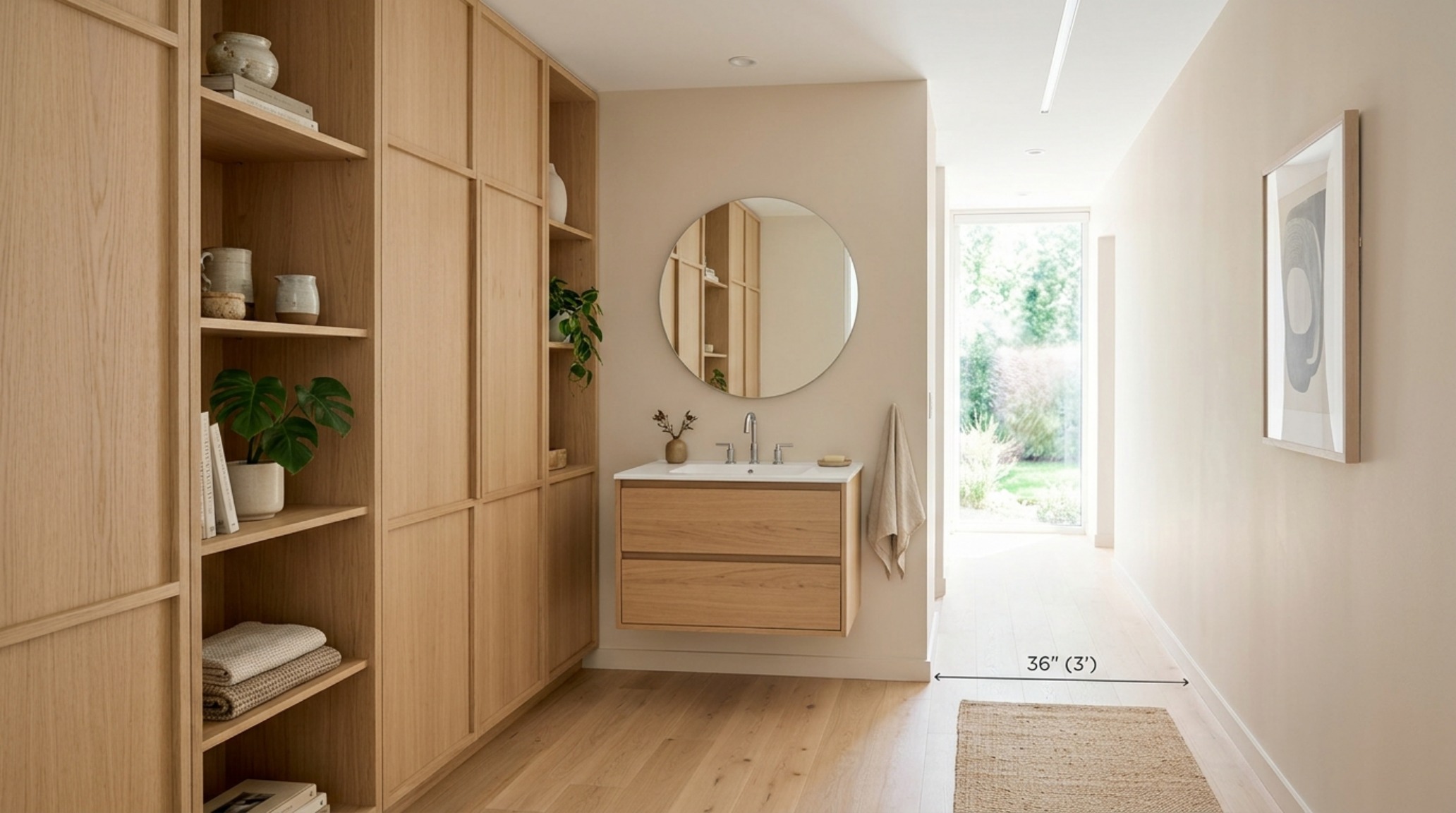
Modern Unique Cabinets Ideas: Floating Planes and Negative Space
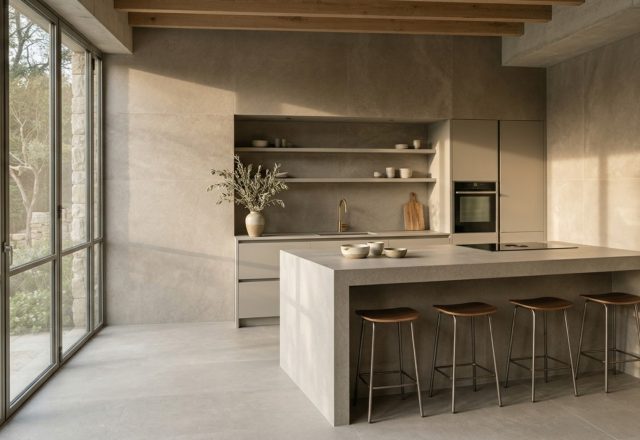
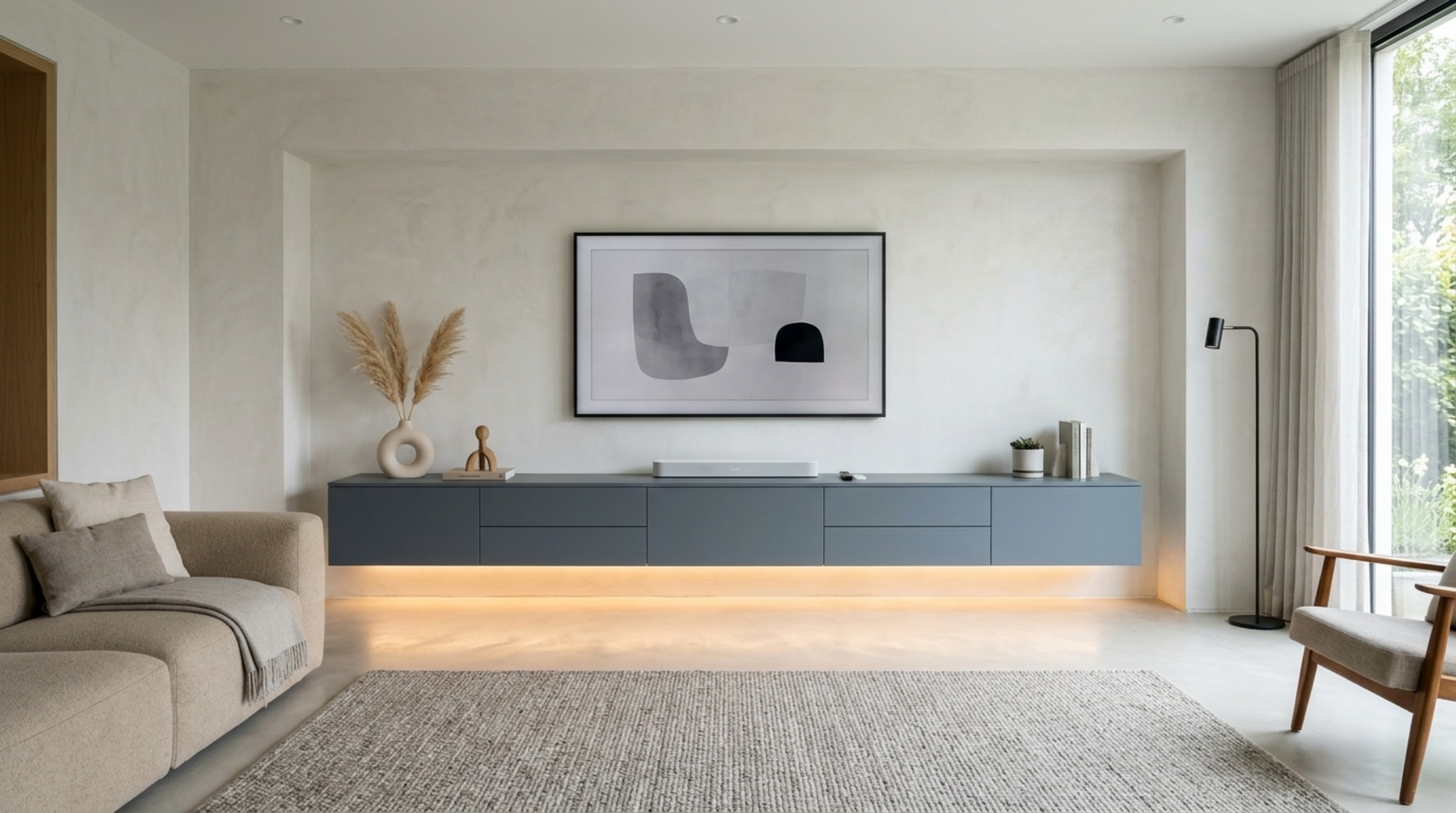
The modern aesthetic is defined as much by what is absent as what is present. Incorporating modern unique cabinets ideas often means embracing the concept of ‘negative space breathing room.’ Instead of floor-to-ceiling mass, designers are opting for floating vanities and suspended consoles that expose the floor plane. This architectural trick extends the sightlines of a room, making even modest footprints feel expansive. A floating unit in a hallway, perhaps finished in a deep Benjamin Moore ‘Slate Charcoal’, creates a dramatic shadow gap underneath that serves as a visual anchor without the weight of a traditional plinth.
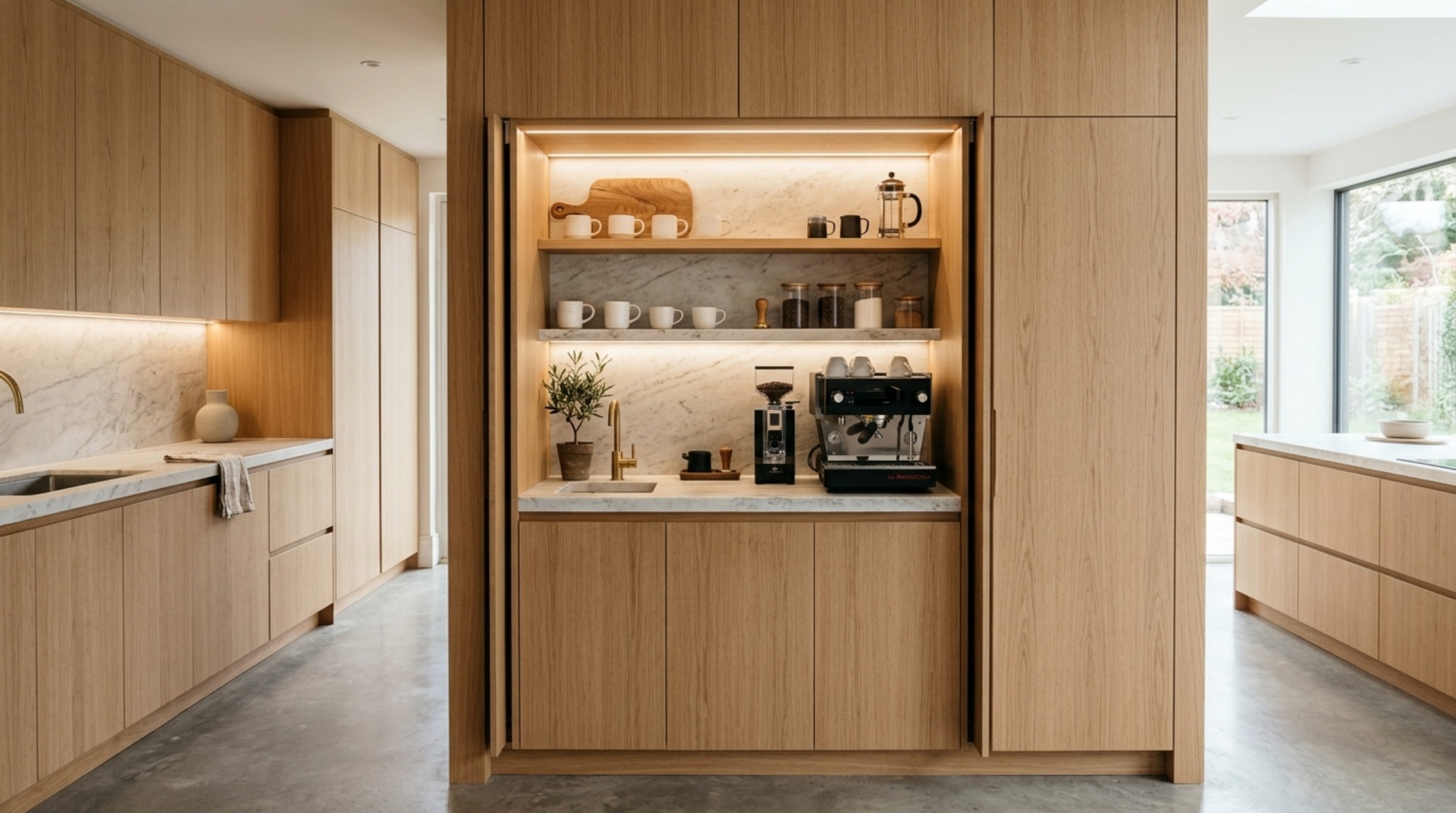
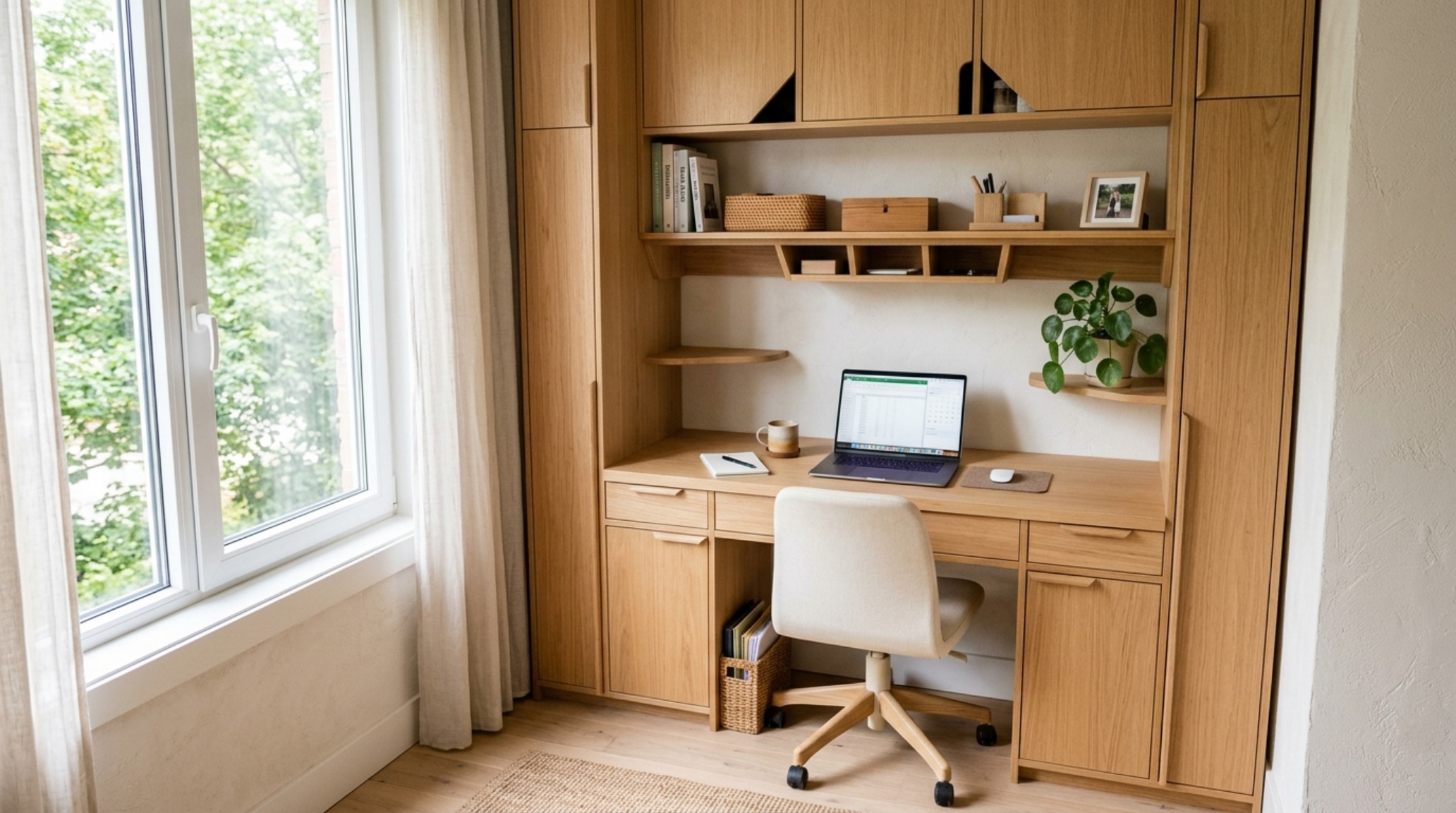
We are also seeing a move toward ‘pocket’ or ‘pivot-slide’ doors that vanish into the cabinet carcass. This allows a coffee station or a home office to remain hidden during social hours, maintaining the purity of the room’s silhouette. The precision required for these clearances—often as tight as 1/8th of an inch—demands a marriage of high-level cabinetry and architectural blueprinting. The goal is a seamless integration where the cabinet feels like an extension of the wall itself.
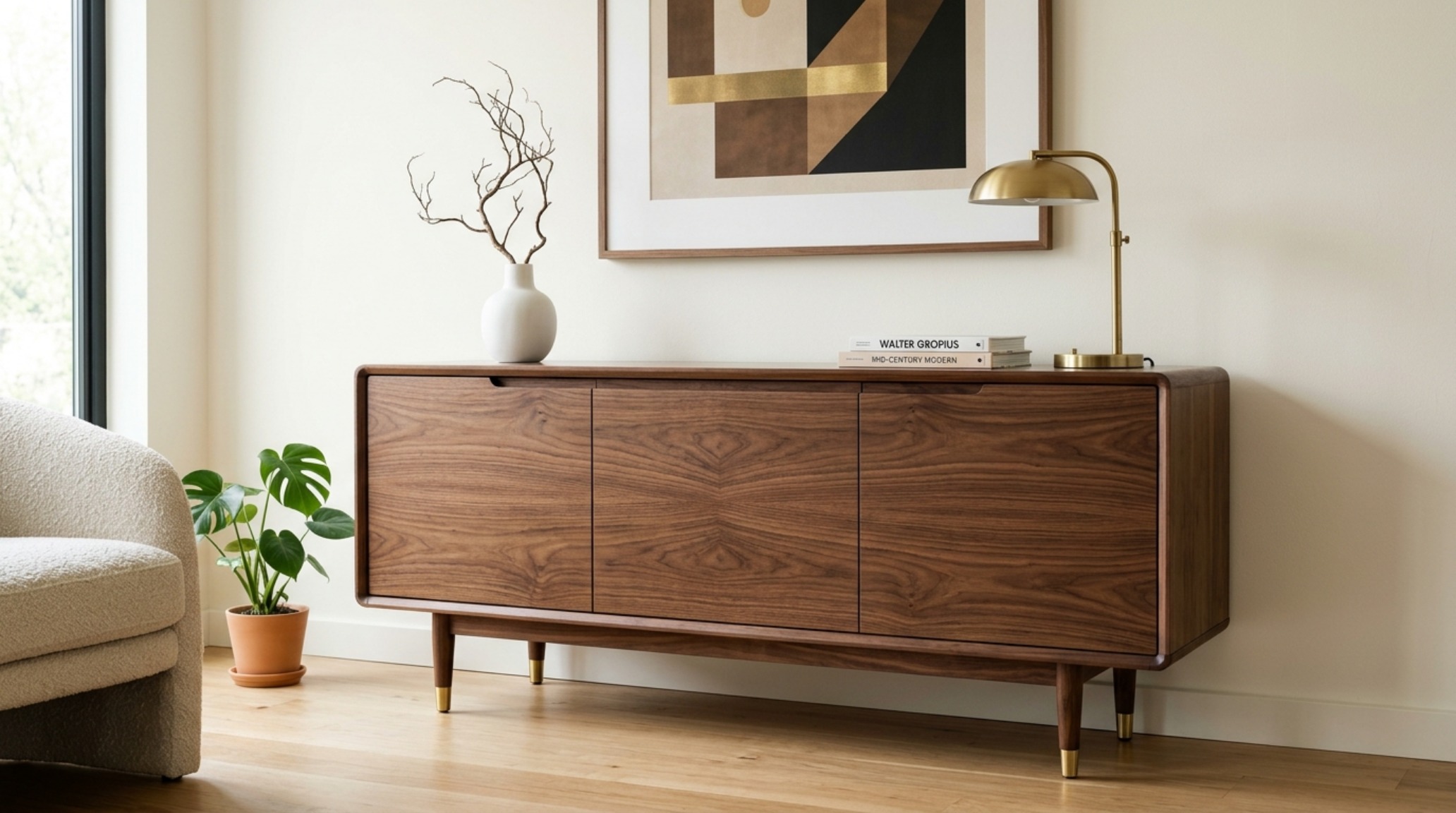
Small Space Unique Cabinets: Maximizing Utility and Flow
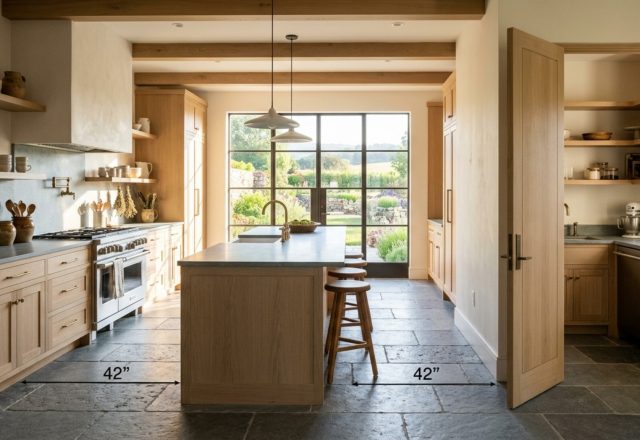
Designing for compact environments requires a ruthless adherence to ergonomic standards. When implementing small space unique cabinets, one must respect the 36-inch standard walkway clearance to ensure the home doesn’t feel congested. In these scenarios, the ‘unique’ aspect often comes from multi-functionalism. A shallow-depth cabinet (12 to 15 inches) can provide significant storage for glassware or media without encroaching on the primary circulation paths. Utilizing verticality is a classic designer move, but the modern twist involves using mirrored toe-kicks or recessed bases to make the unit appear to hover, further reducing its perceived mass.
Material choice in small spaces should lean toward reflective or light-scattering surfaces. A high-gloss Tadelakt finish or a pale ‘Swiss Coffee’ lacquer can help bounce natural light from windows deeper into the floor plan. Even in a narrow entry or a compact bath, the addition of a singular, well-crafted cabinet with a unique grain pattern—like a book-matched burl walnut—acts as a ‘jewel box’ feature that distracts from the room’s limited dimensions.
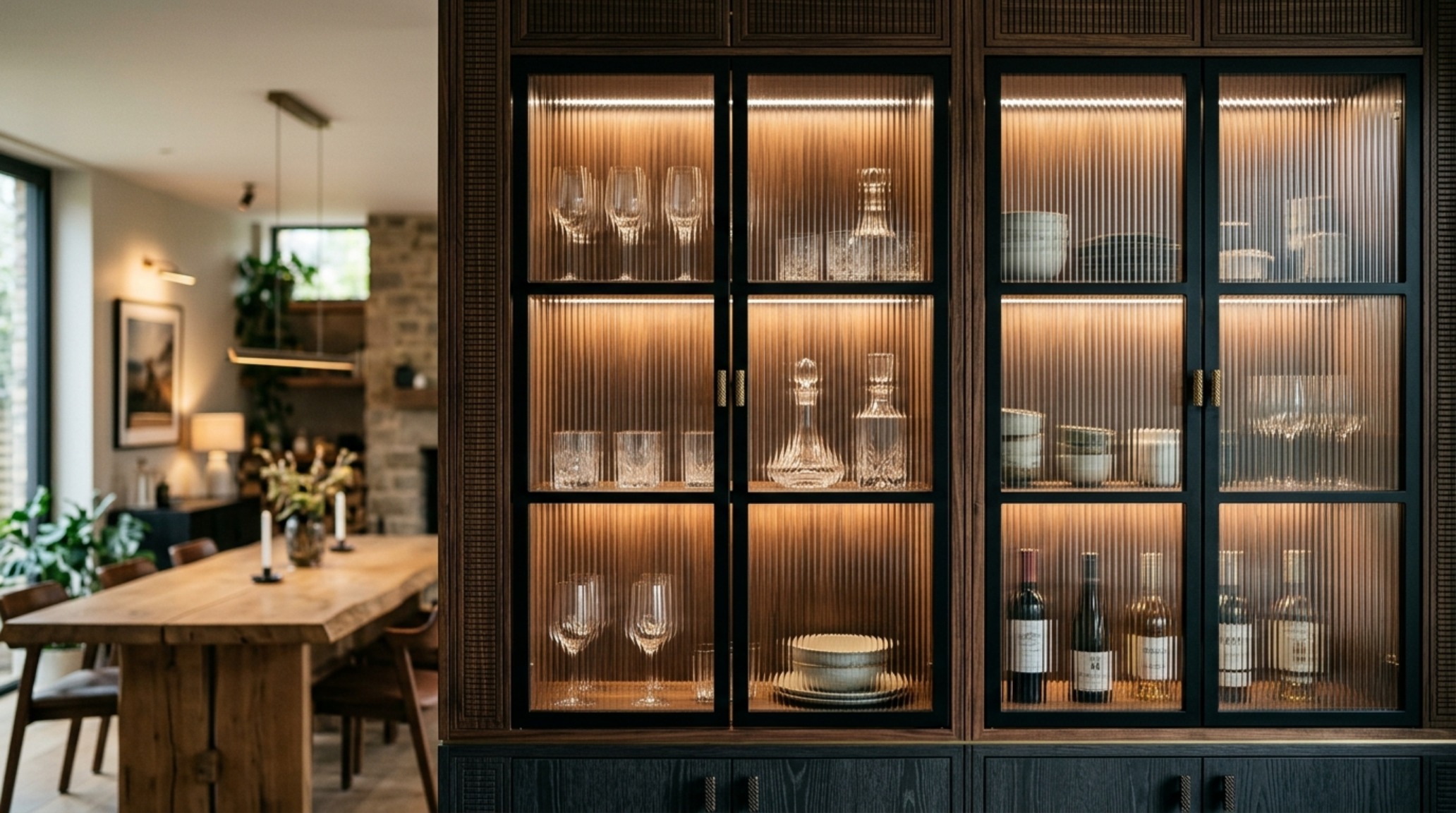
Architectural Vignettes and Spatial Flow
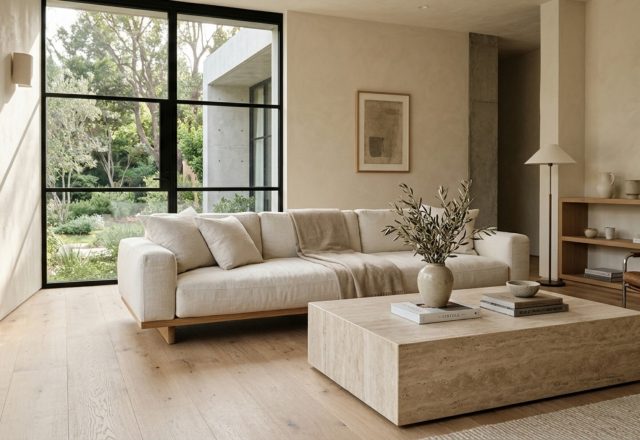
The transition between different zones of a home is where cabinetry truly shines as a spatial mediator. By aligning the height of a cabinet with a window sill or a door frame, you create a sense of ‘sightline alignment’ that is inherently calming to the eye. This spatial cadence allows the brain to process the room as a singular, cohesive thought rather than a collection of disparate objects. It is the difference between a house that feels ‘decorated’ and a home that feels ‘designed.’
Shadow play also plays a vital role here. By varying the depths of cabinet faces or introducing open niches within a larger built-in, you create pockets of darkness and light that add rhythmic interest to a long wall. These niches are the perfect opportunity to introduce a third material—perhaps a dark Verde Alpi marble or a patinated copper leaf—providing a moment of visual pause within the larger composition.
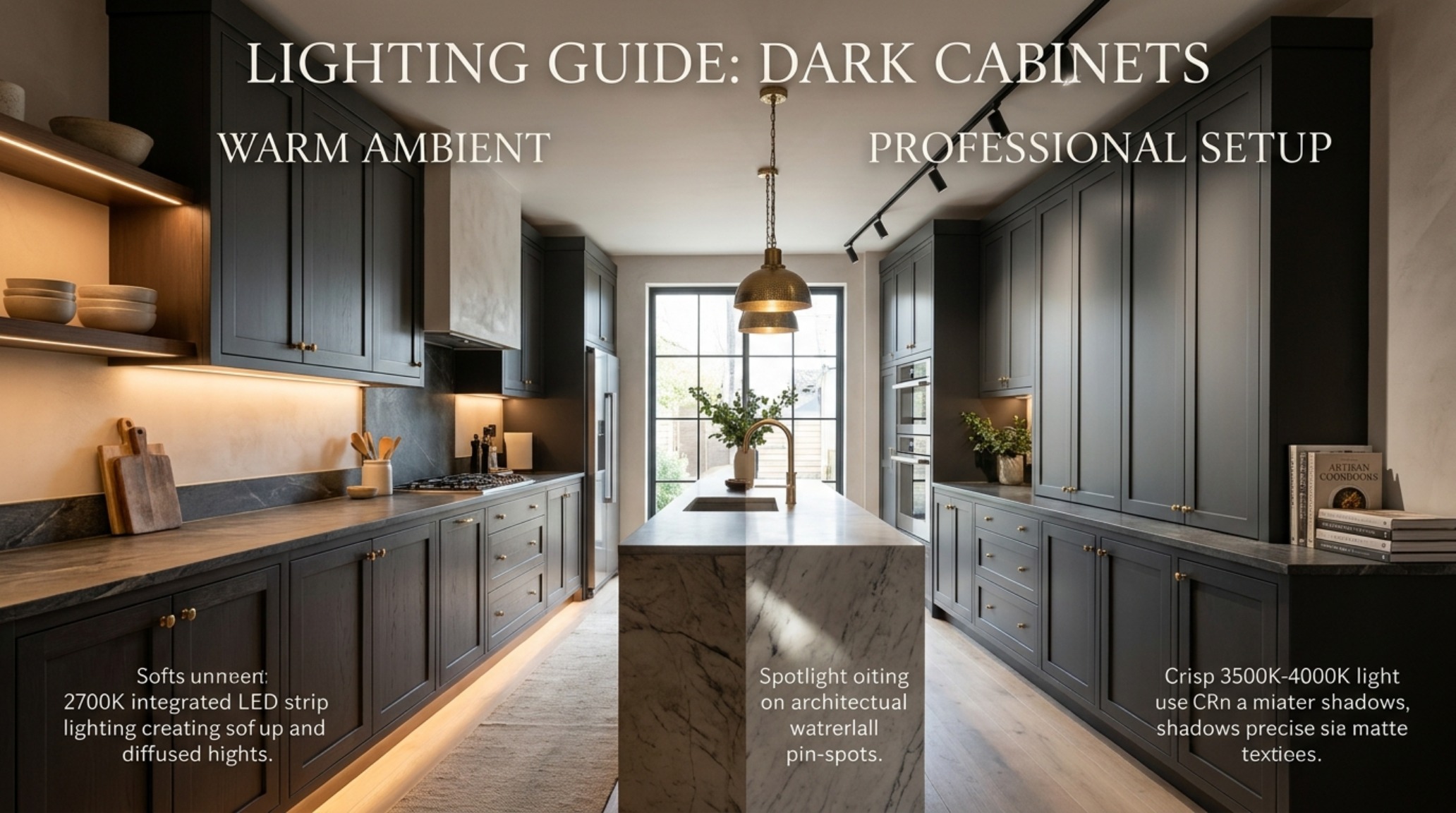
Technical Specification & Material Matrix
Detailed finish schedule outlining authentic architectural surfaces, color values, and clearances.
True design longevity is found in the intersection of form and feeling. As we look toward the future of residential architecture, the focus remains on creating spaces that offer sanctuary through material honesty. Whether it is the soft click of a perfectly balanced drawer or the way 2700K light catches the grain of a reeded door, unique cabinets serve as the tactile anchors of our lives. They are the quiet witnesses to our daily rituals, evolving from simple storage into the very soul of the modern home, grounding our high-speed digital lives in the enduring, physical reality of wood, stone, and light.
Editorial Silo • Recommended Architecture Studies
- The Materiality Manifesto: Curation, Color Theory, and Sensory Depth in Modern House Design Blogs — Archival Design Case Study
- The Architectural Blueprint: Mastering Spatial Flow with Monolithic Kitchen Tile Options — Archival Design Case Study
Interior Form & Detail Lookbook
Visual studies exploring spatial ergonomics, material authenticity, and balanced natural light.
Curated Visual Lookbook
Design Gallery & Spatial Studies
A visual curation of architectural arrangements, lighting concepts, and material palettes featured in this space.