The Atmosphere of Softened Thresholds
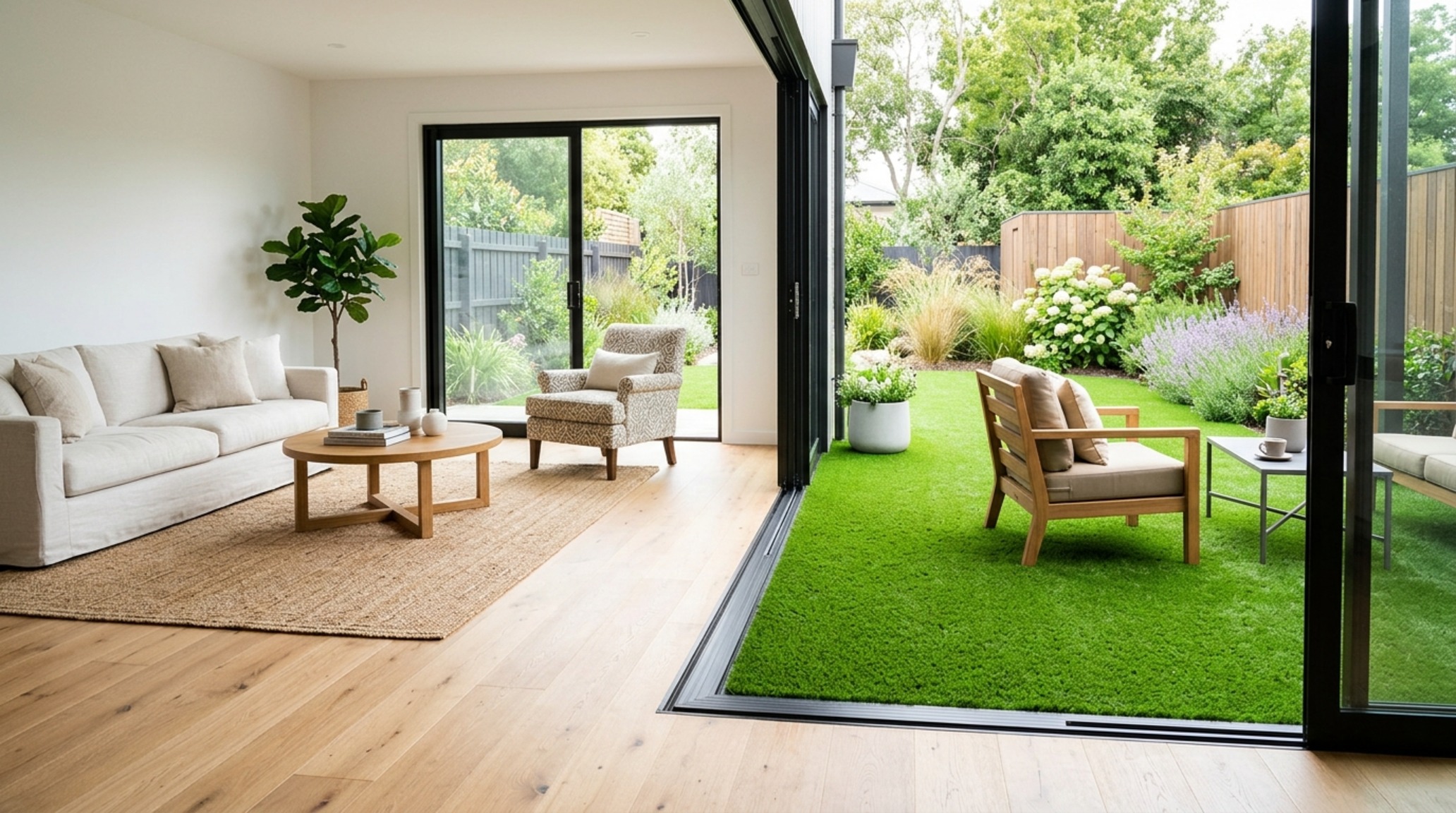
The way morning light spills across a floor plane defines the emotional temperature of a room before a single piece of furniture is even considered. In the contemporary design landscape, we are seeing a profound shift toward materials that bridge the clinical precision of modernism with the raw, restorative power of the outdoors. Integrating green astroturf into high-end residential interiors and transitional patios is no longer about mimicking nature, but about curated tactile grounding. It is a deliberate architectural choice that challenges the traditional hierarchy of floor finishes, offering a monolithic field of color and a softness that demands a barefoot connection.
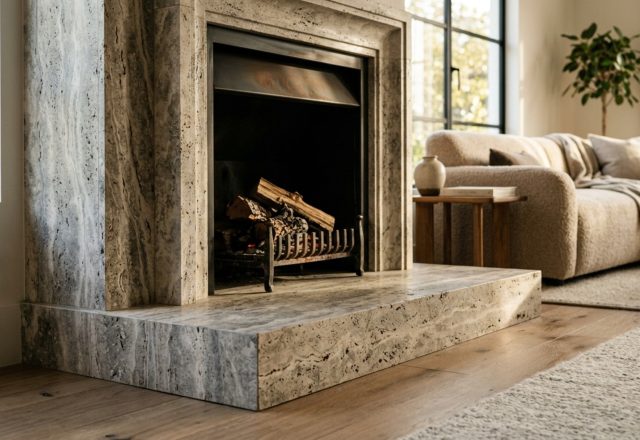
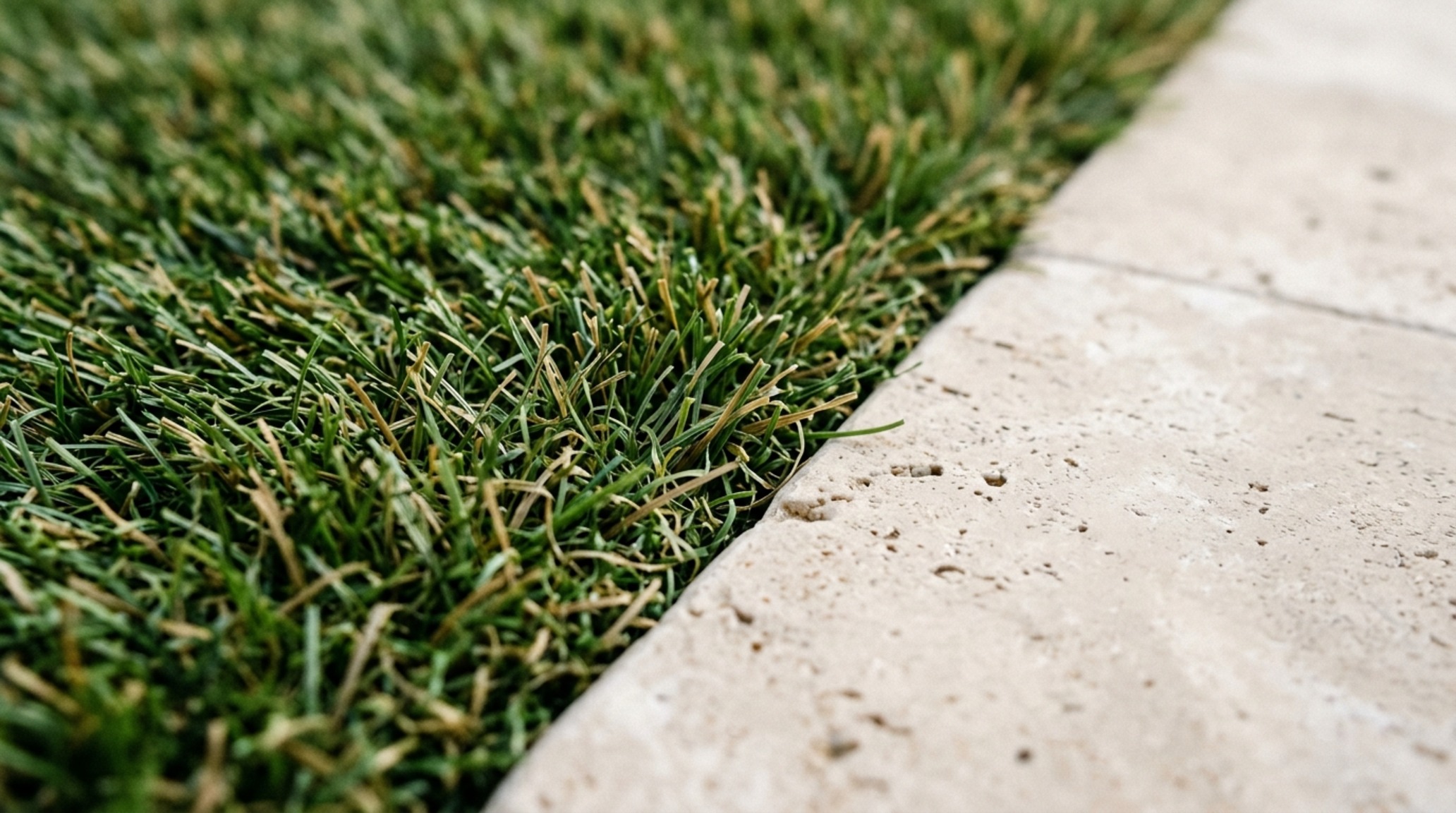
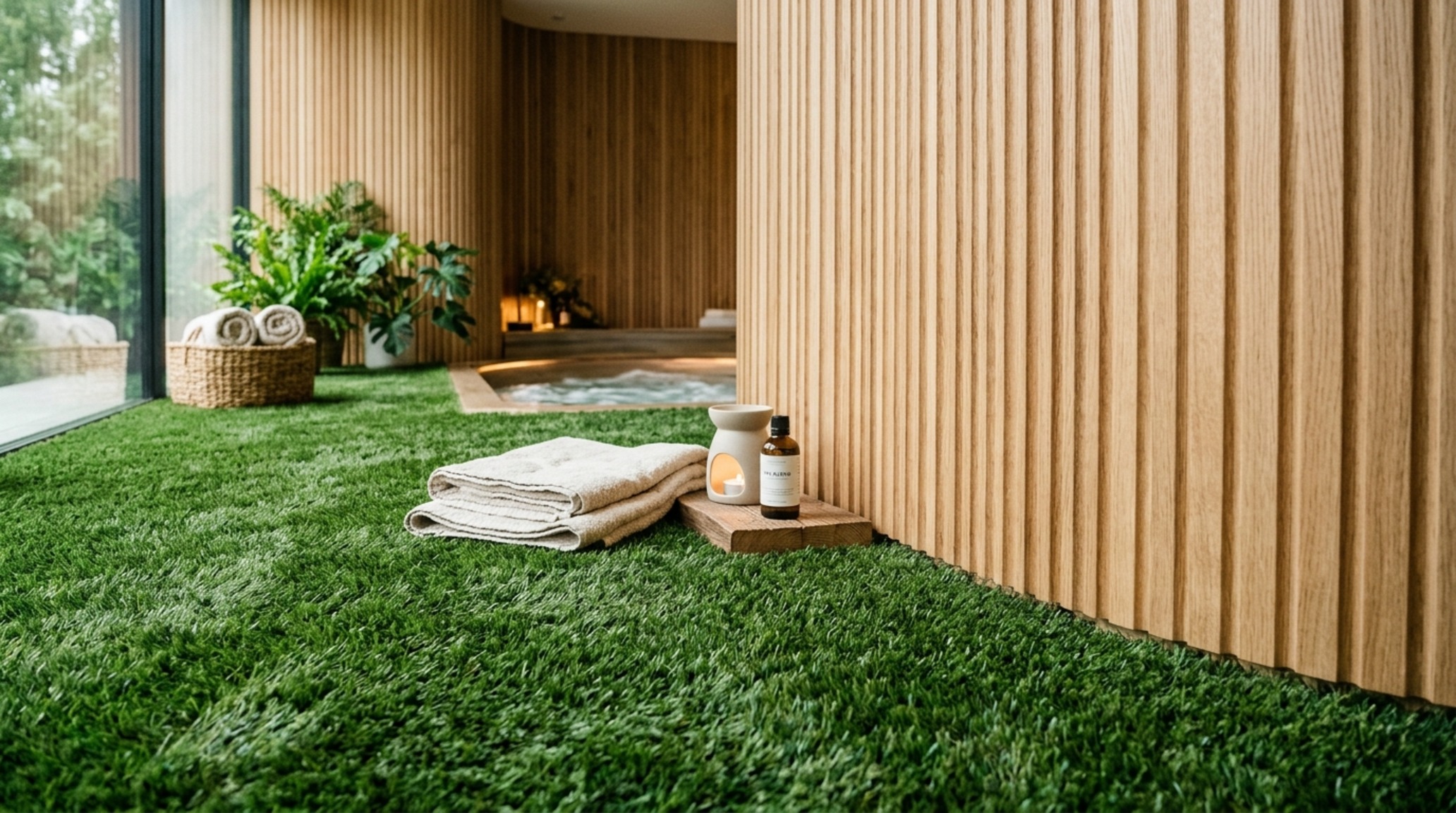
When we examine the spatial cadence of a well-designed terrace or a sun-drenched atrium, the floor serves as the visual anchor. By specifying a high-density, multi-tonal green astroturf, designers can create a seamless horizontal plane that visually extends the interior sightlines. The secret lies in the juxtaposition; pairing the uniform, vibrant blades of the turf against the irregular, porous grain of a Honed Travertine or the warm, architectural rhythm of Fluted White Oak creates a sensory dialogue that feels both intentional and avant-garde.
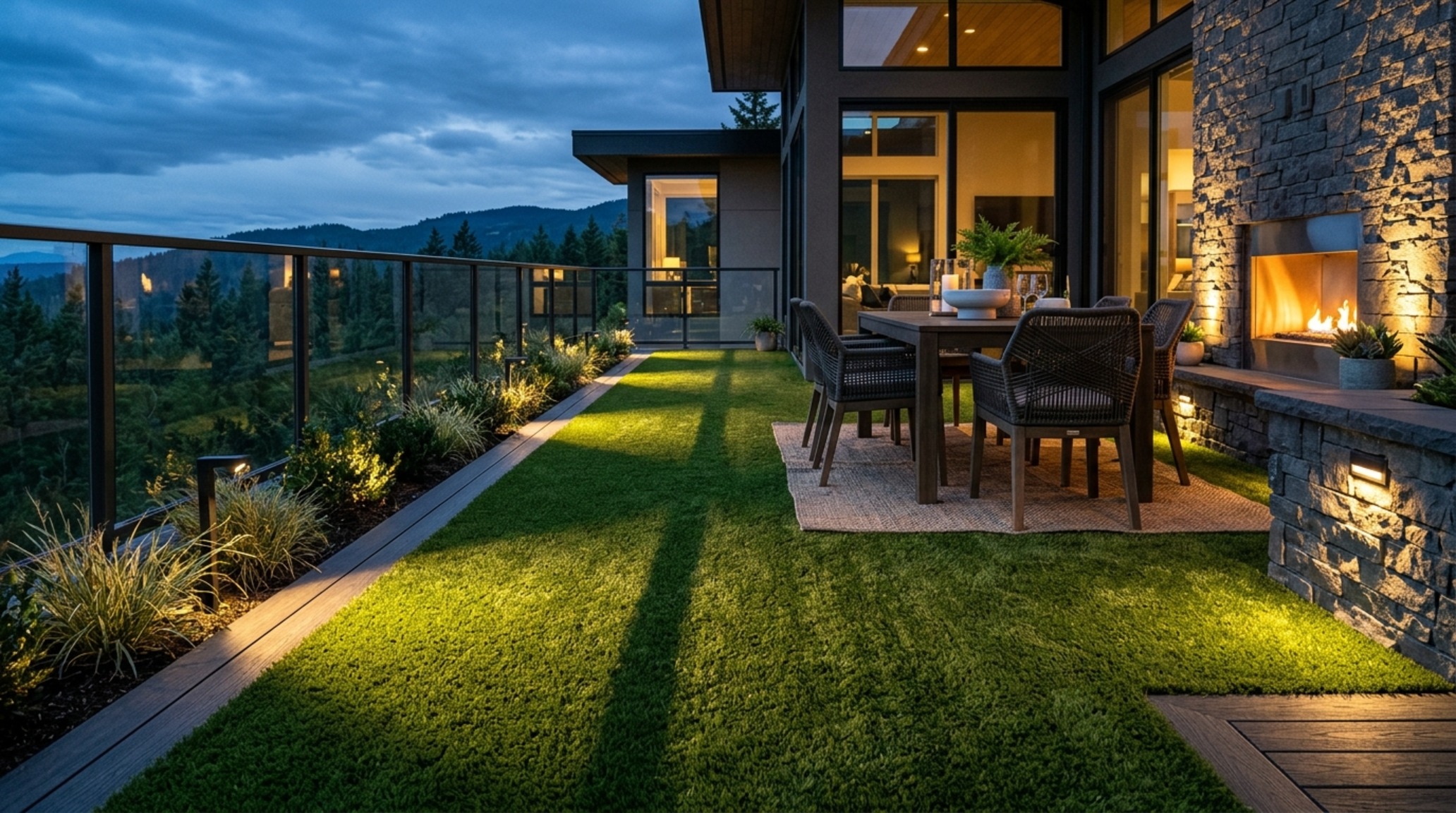
Green Astroturf Lighting Guide: Mastering the Chromatic Spill
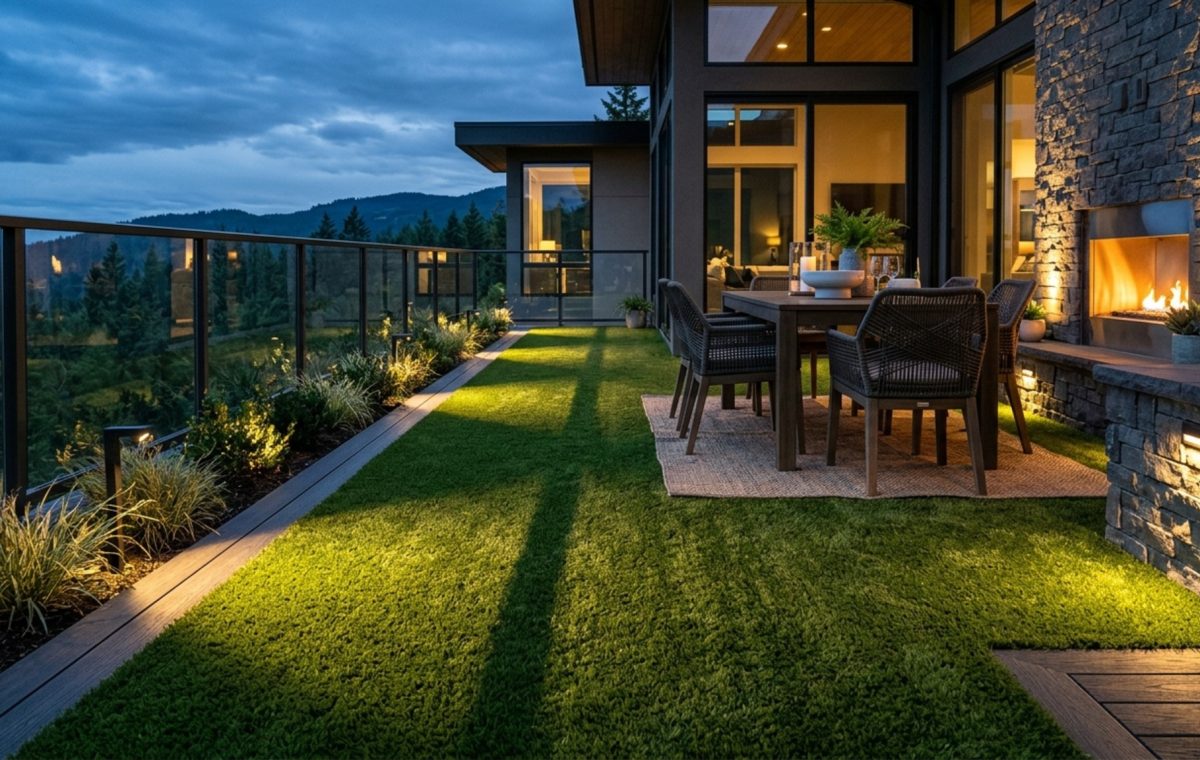
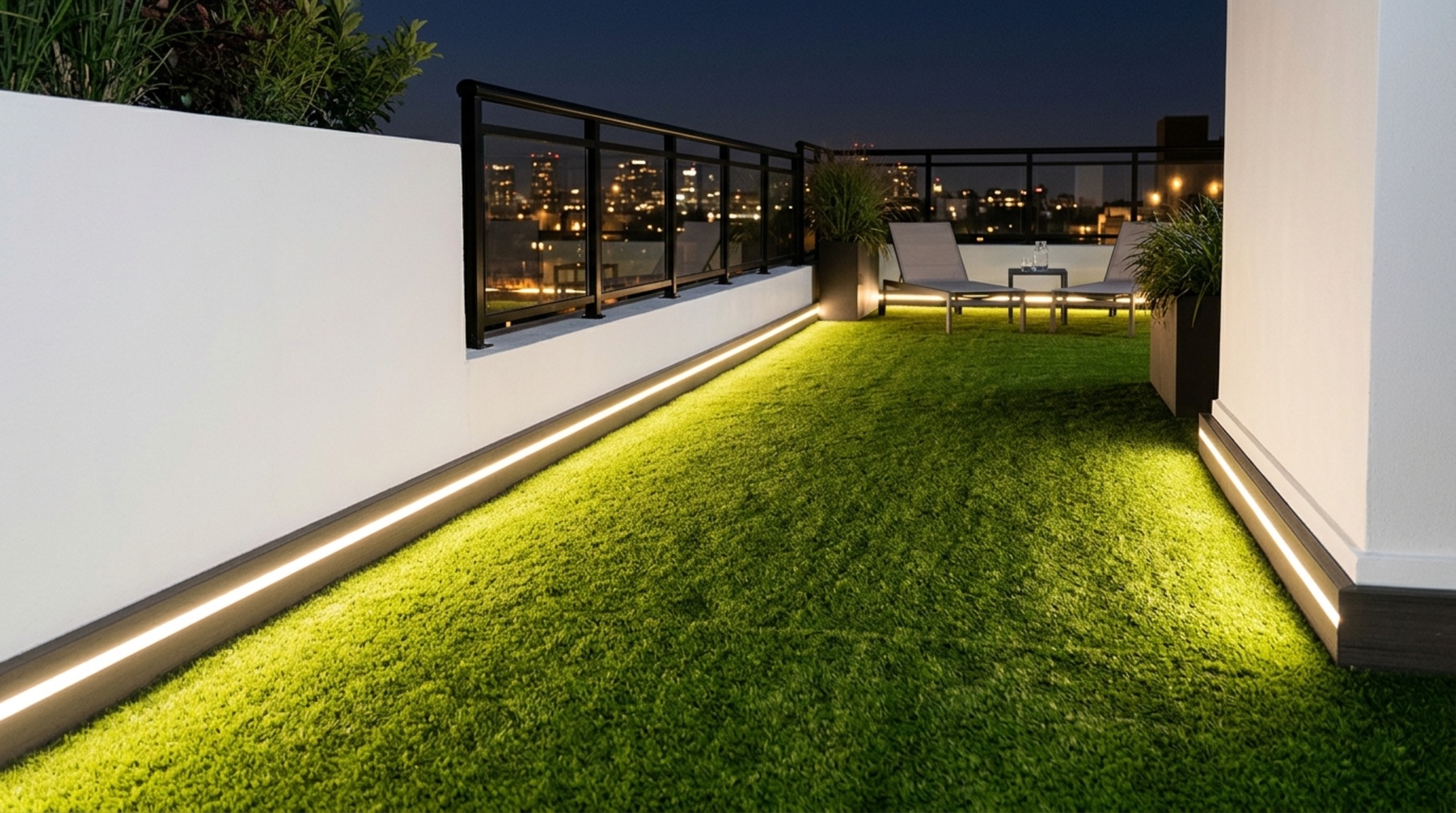
One of the most overlooked elements in specifying synthetic greenery is the interaction between the material and the light source. Lighting is the silent architect of mood. For a space utilizing green astroturf, the color temperature of your fixtures is non-negotiable. A green astroturf lighting guide must prioritize Color Rendering Index (CRI). To avoid the turf looking like a flat, neon plastic in the evening, I always recommend high CRI 90+ LED sources. When the sun sets, a 2700K warm ambient glow creates a sophisticated contrast with the cool emerald tones of the turf, whereas a 3000K task light provides a crispness that mimics midday sun without the harshness.
Consider the ‘green spill’—the way light bounces off the turf and casts a subtle hue onto adjacent vertical surfaces. To counteract this, I often specify warm neutrals for walls, such as Benjamin Moore Swiss Coffee. The slight yellow undertone in the paint absorbs the reflected green light, maintaining a creamy, sophisticated atmosphere. Directional grazing lights, positioned low to the ground, can also highlight the individual blades’ texture, adding a layer of depth that transforms a flat surface into a topographical landscape of shadow and light.
Curated Visual Narrative & Detail Studies
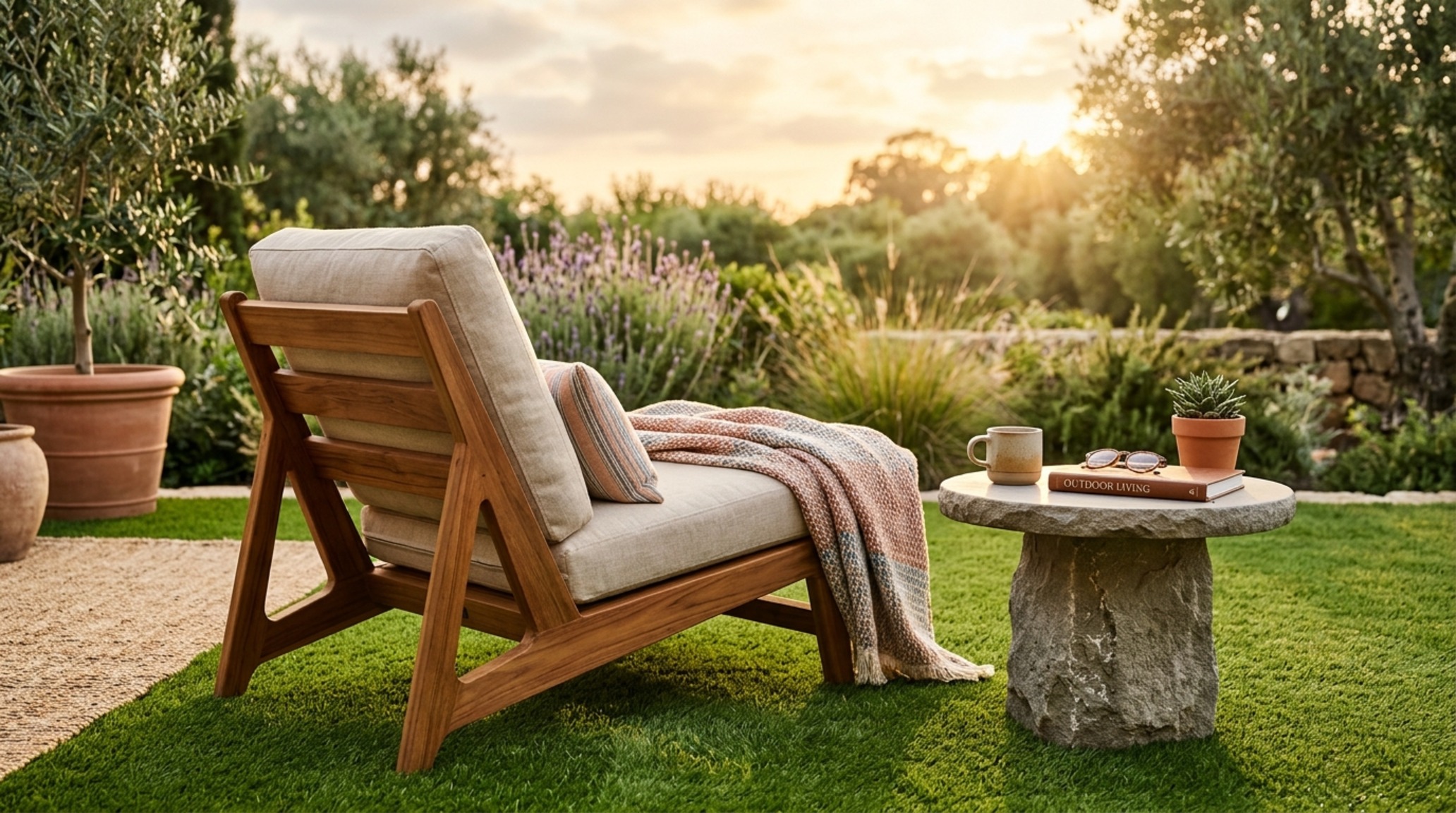
Spatial flow is a game of clearances and breathability. In a modern sanctuary, every transition must feel effortless. For primary circulation paths that intersect with a turf installation, maintaining a 36-inch standard walkway clearance is essential for an unencumbered architectural experience. When placing a low-slung lounge chair on a field of green astroturf, an 18-inch coffee table reach ensures ergonomic comfort, allowing the furniture to ‘float’ within the green expanse without feeling tethered or cramped.
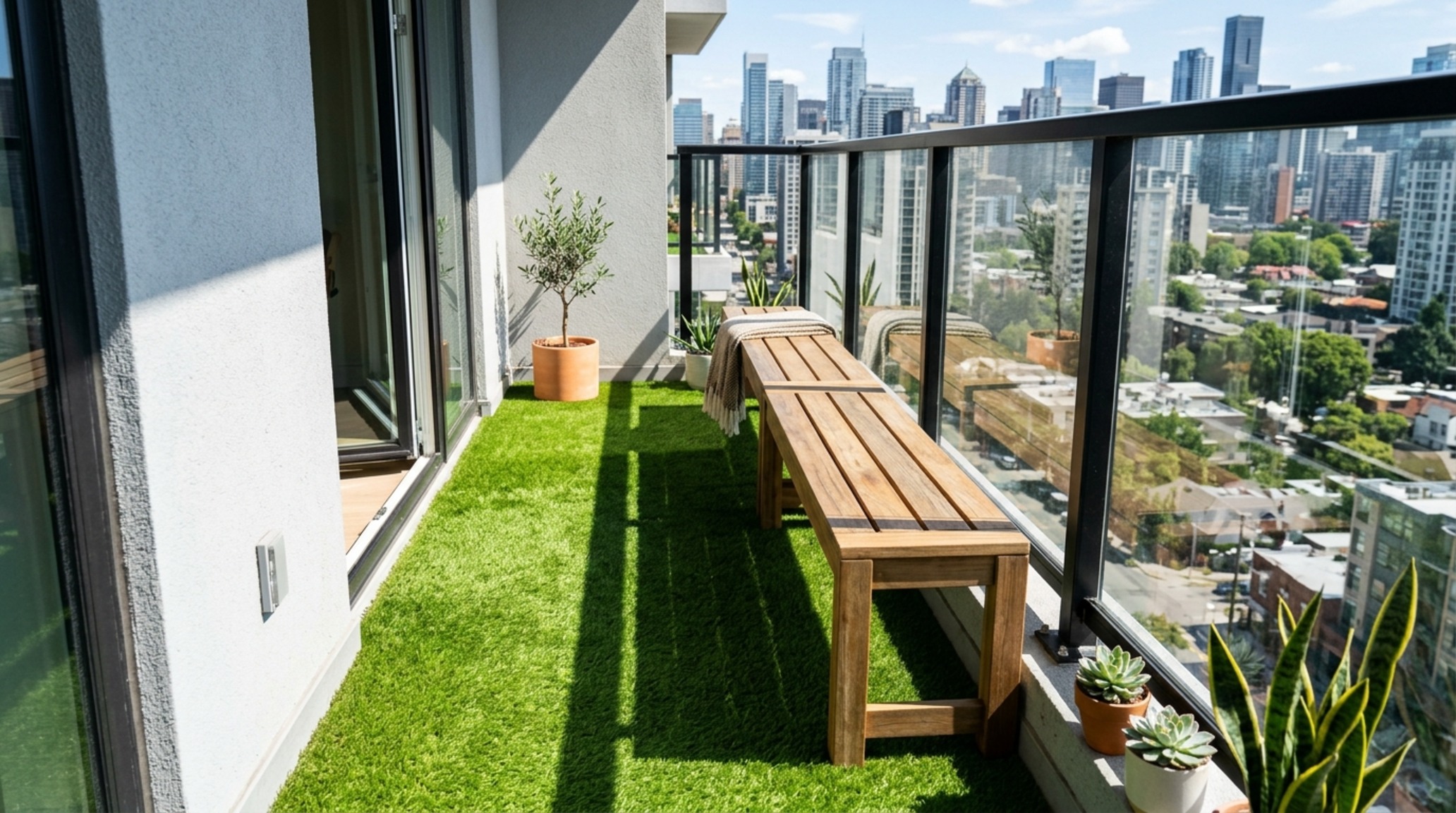
Small Space Green Astroturf: Maximizing Verticality and Vision
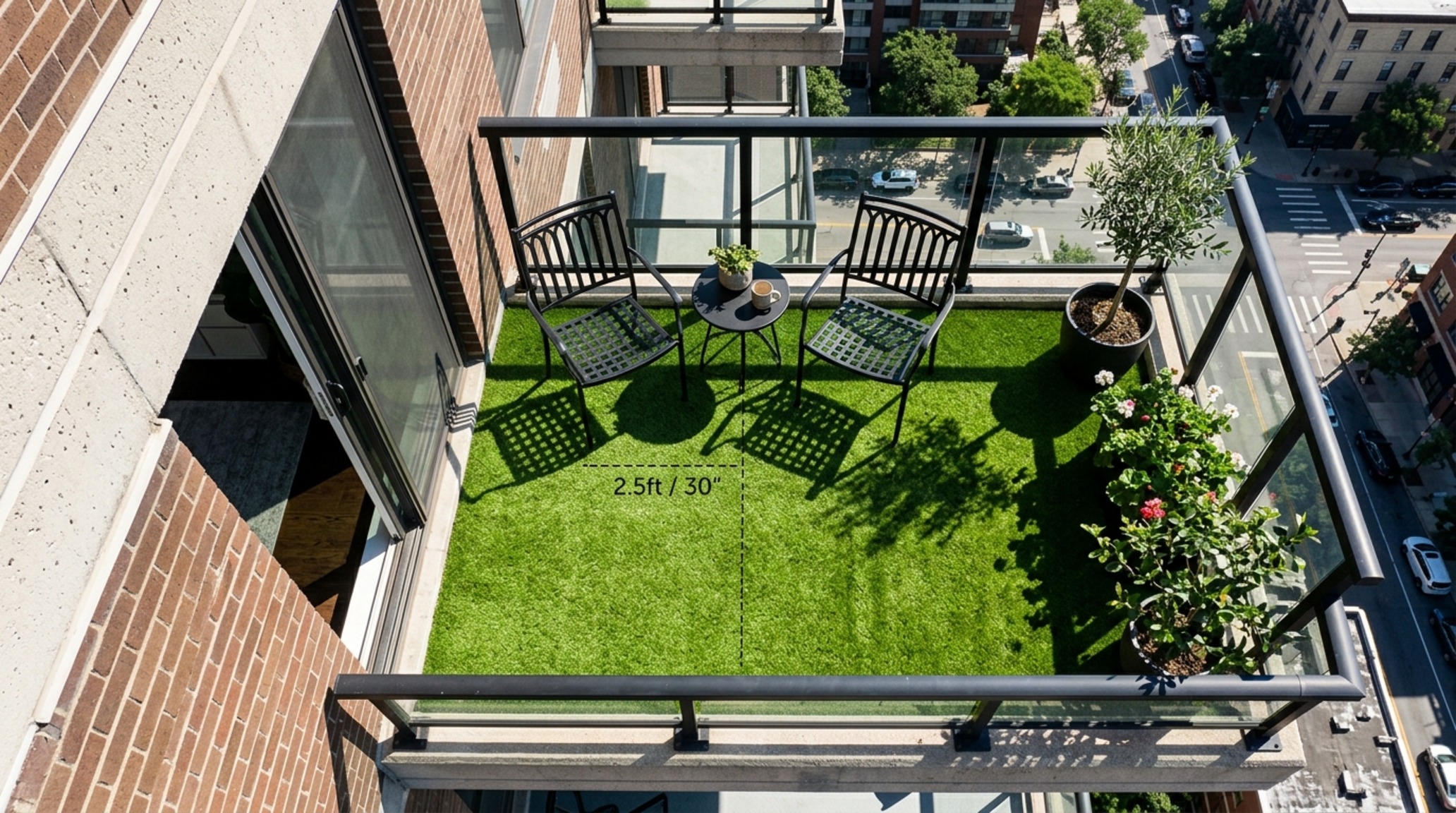
In urban environments where square footage is the ultimate luxury, small space green astroturf acts as a psychological expander. By wrapping the turf from the floor up onto a low-profile bench or a feature plinth, you blur the boundaries of the room’s envelope. This technique, often seen in minimalist Japanese-inspired balconies, draws the eye outward and upward, creating the illusion of a much larger footprint. It is about the economy of materials—using one bold texture to define the entire spatial character.
“The most successful interiors are those that acknowledge the human need for organic textures, even when those textures are masterfully engineered.”
When working within these tighter constraints, the choice of secondary materials becomes critical. I gravitate toward matte black hardware and slender steel frames for furniture. The thin profiles don’t obstruct the visual continuity of the turf, allowing the green astroturf to remain the dominant narrative. Integrating a few well-placed oversized planters in a clay or terracotta finish—perhaps in Farrow & Ball Setting Plaster—introduces a dusty, earthen contrast that grounds the vibrancy of the synthetic pile.
Spatial Perspectives & Material Curation
The luxury is in the layers. To elevate a project from a simple installation to a curated sanctuary, one must look at luxury green astroturf textures. Look for products that feature a ‘thatch’ layer—a mix of tan and forest green fibers at the base that mimic the organic imperfections of a living lawn. This depth of pile provides a superior underfoot feel, which is essential when the turf is used in lounge areas or wellness ‘flex’ spaces where tactile feedback is part of the user experience.
We must also consider the architectural ‘shadow play’. By placing a slatted pergola or a laser-cut privacy screen above a turf-covered area, the moving shadows throughout the day break up the uniformity of the floor. This dynamic element brings the space to life, making the green astroturf feel like a living, breathing part of the home’s ecosystem. The interplay of light and shadow on a high-density turf creates a velvet-like appearance that rivals the most expensive silk rugs, yet offers the durability required for an indoor-outdoor lifestyle.
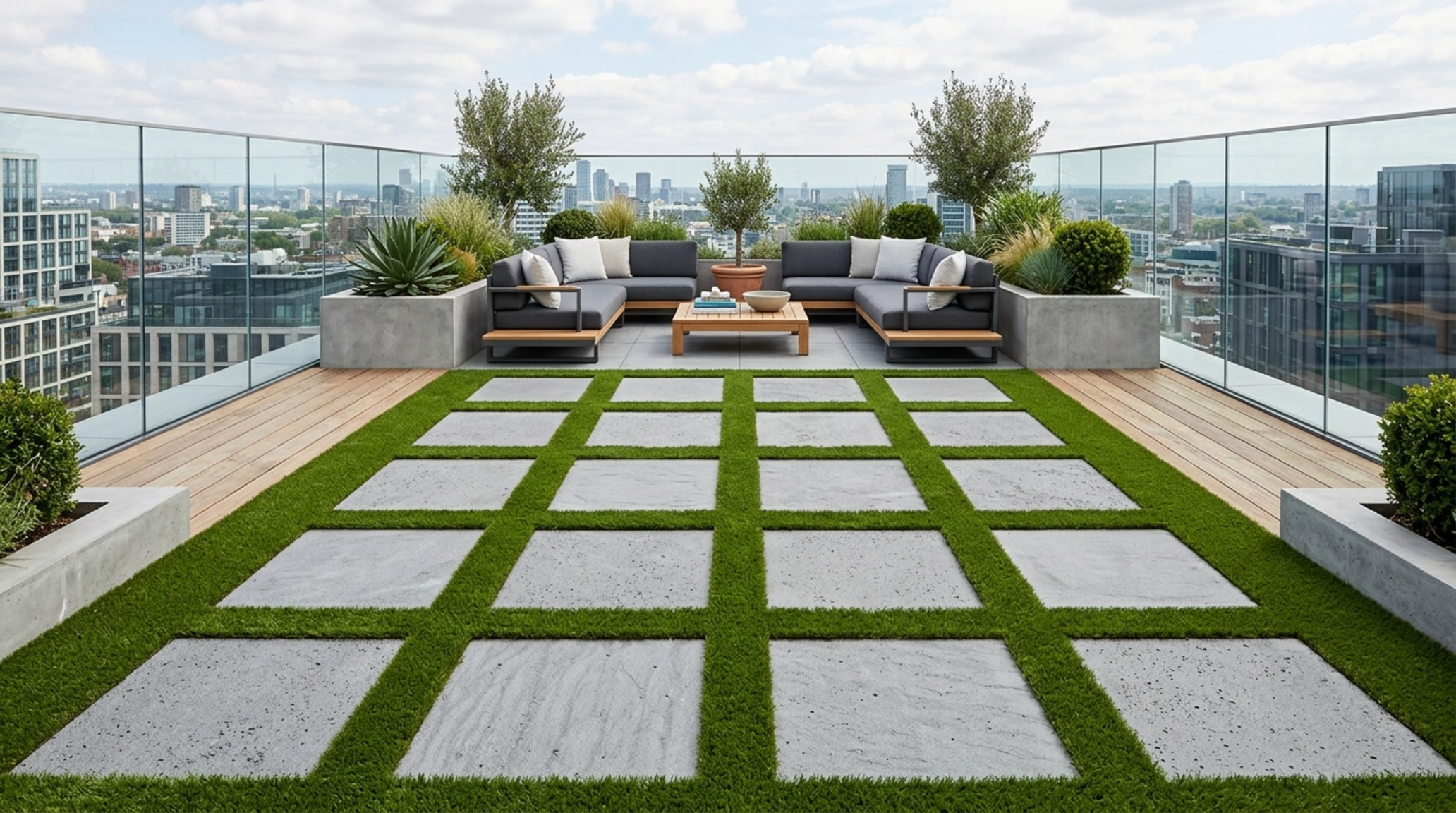
Modern Green Astroturf Ideas: Beyond the Traditional Lawn
Innovation in this sector is currently exploding. We are seeing modern green astroturf ideas that involve geometric inlays—cutting the turf into oversized chevrons or hexagons and alternating them with smooth poured concrete or large-format porcelain pavers. This creates a rhythmic, patterned floor that feels incredibly high-end. It’s a way of utilizing a utilitarian material to achieve a bespoke, designer result. This ‘stepping stone’ effect is not only visually striking but also serves to direct movement through a space, leading the eye toward a specific focal point like a fire feature or a piece of sculpture.
Pairing these geometric turf layouts with mid-century modern furniture silhouettes—think low-slung teak frames and white outdoor performance fabrics—results in a look that is both nostalgic and firmly rooted in the present. It’s about creating a destination within the home, a place where the air feels lighter and the pace of life slows down. The tactile resistance of the turf underfoot provides a subtle sensory cue that you have entered a zone of relaxation and repose.
Tactile Finishes, Color Codes & Spatial Ledger
Detailed finish schedule outlining authentic architectural surfaces, color values, and clearances.
The evolution of our living spaces is increasingly defined by how well we integrate the artificial with the organic. As we move toward more flexible, sensory-driven environments, materials like green astroturf offer a unique opportunity to redefine the concept of a sanctuary. It isn’t merely about the visual of a lawn; it is about the structural courage to introduce a new tactile language into our homes. By mastering the lighting, respecting the clearances, and embracing the textural contrasts, we create spaces that don’t just look serene—they feel foundational.
Editorial Silo • Recommended Architecture Studies
- Principles And Elements Of Interior Design: The Architectural Blueprint & Spatial Flow Guide — Archival Design Case Study
- The High-Performance Hub: Ergonomic Mastery for Small Family Room Decorating Ideas Pictures — Archival Design Case Study
Spatial Photography & Textures
A curated lens on enduring residential architecture, tactile finishes, and serene volume.
Curated Visual Lookbook
Design Gallery & Spatial Studies
A visual curation of architectural arrangements, lighting concepts, and material palettes featured in this space.