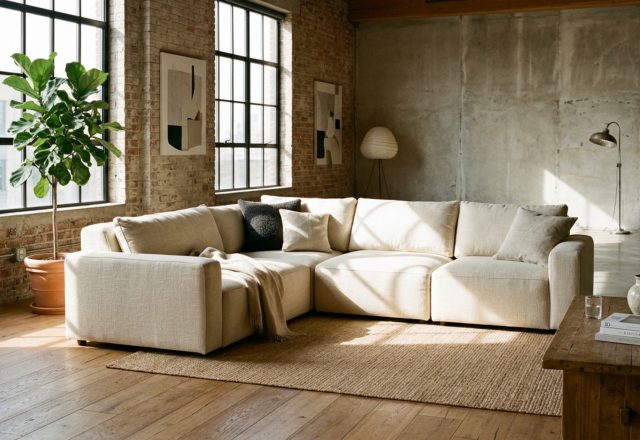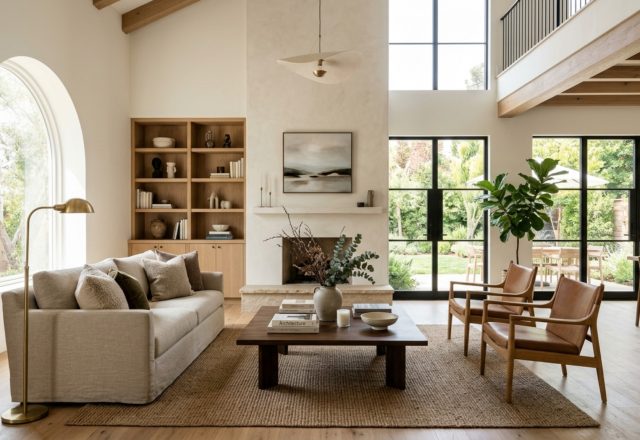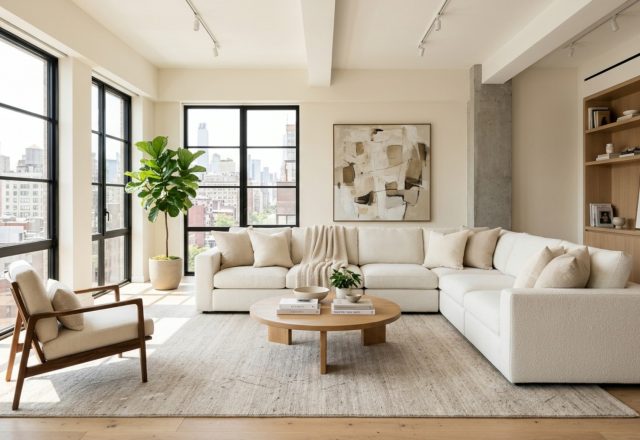
The modern urban dwelling is a masterclass in friction. We demand that our homes serve as private sanctuaries, high-functioning offices, and social hubs, often within a footprint that challenges the very laws of physics. For the design-conscious realist, the centerpiece of this struggle is the sofa. It is the architectural anchor of the living space, yet it is frequently the first victim of daily life—the spilled Cabernet, the frantic paws of a Golden Retriever, or the structural sagging of a piece built for aesthetics over integrity. Finding the best couches decor ideas requires a departure from the purely visual and a deep dive into what I call the ‘Modular Pivot’—a design philosophy that bridges the gap between viral Instagram aesthetics and the uncompromising structural standards of legacy furniture.
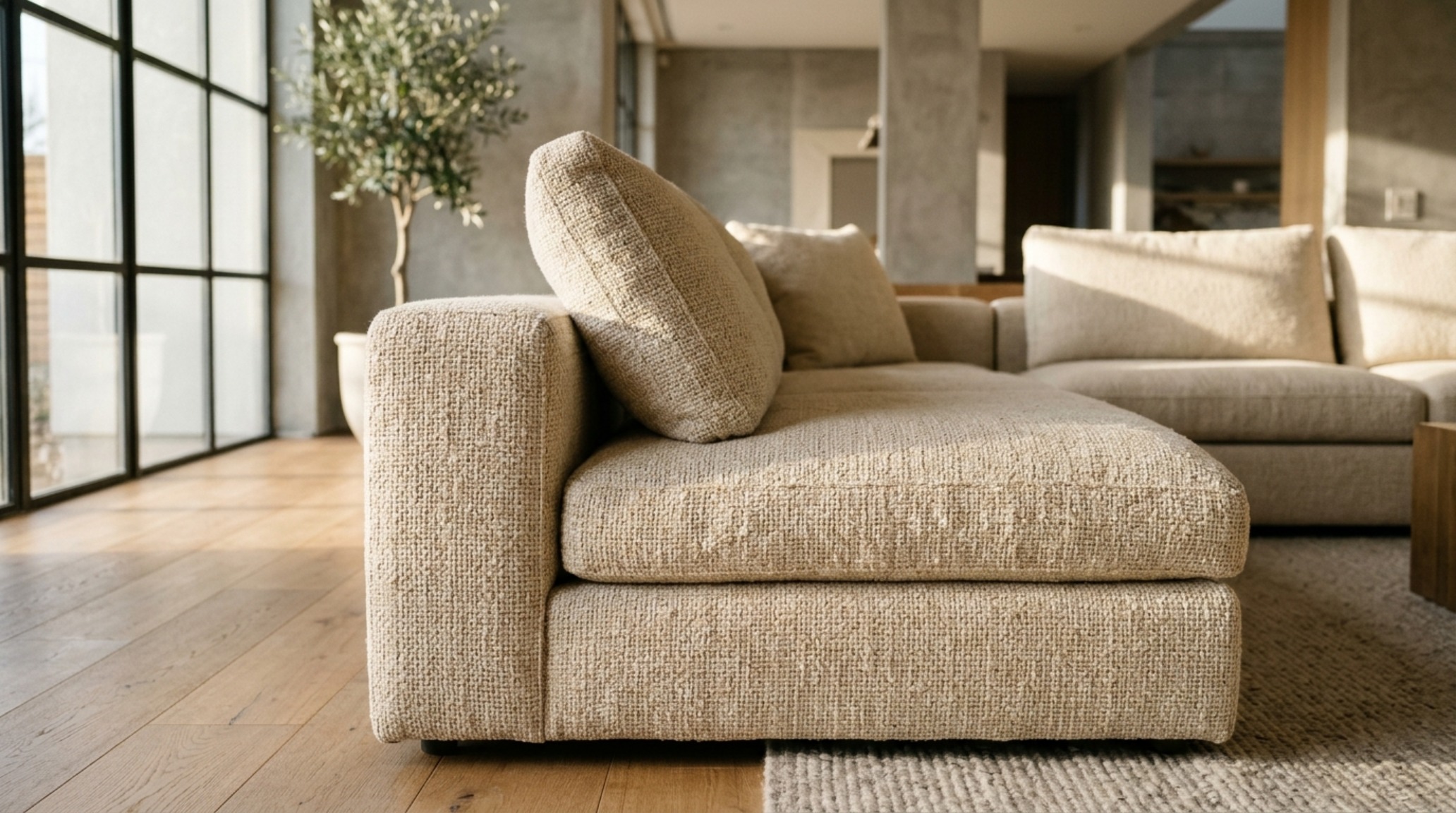
When we look at the curation of high-traffic luxury, we aren’t just talking about price points; we are talking about the ergonomics of resilience. A truly successful modular sofa doesn’t just sit in a room; it breathes with it. By integrating the spatial philosophy found in Architectural Digest with the practical product curation of House Beautiful, we can transform a compact, multi-functional room into a curated experience. This isn’t about compromise; it’s about the strategic selection of modern modular sofas that prioritize lumbar health and tactile longevity without sacrificing that ‘Cloud-like’ silhouette we all crave.
The Ergonomics of Depth: Beyond the Aesthetic Sinking
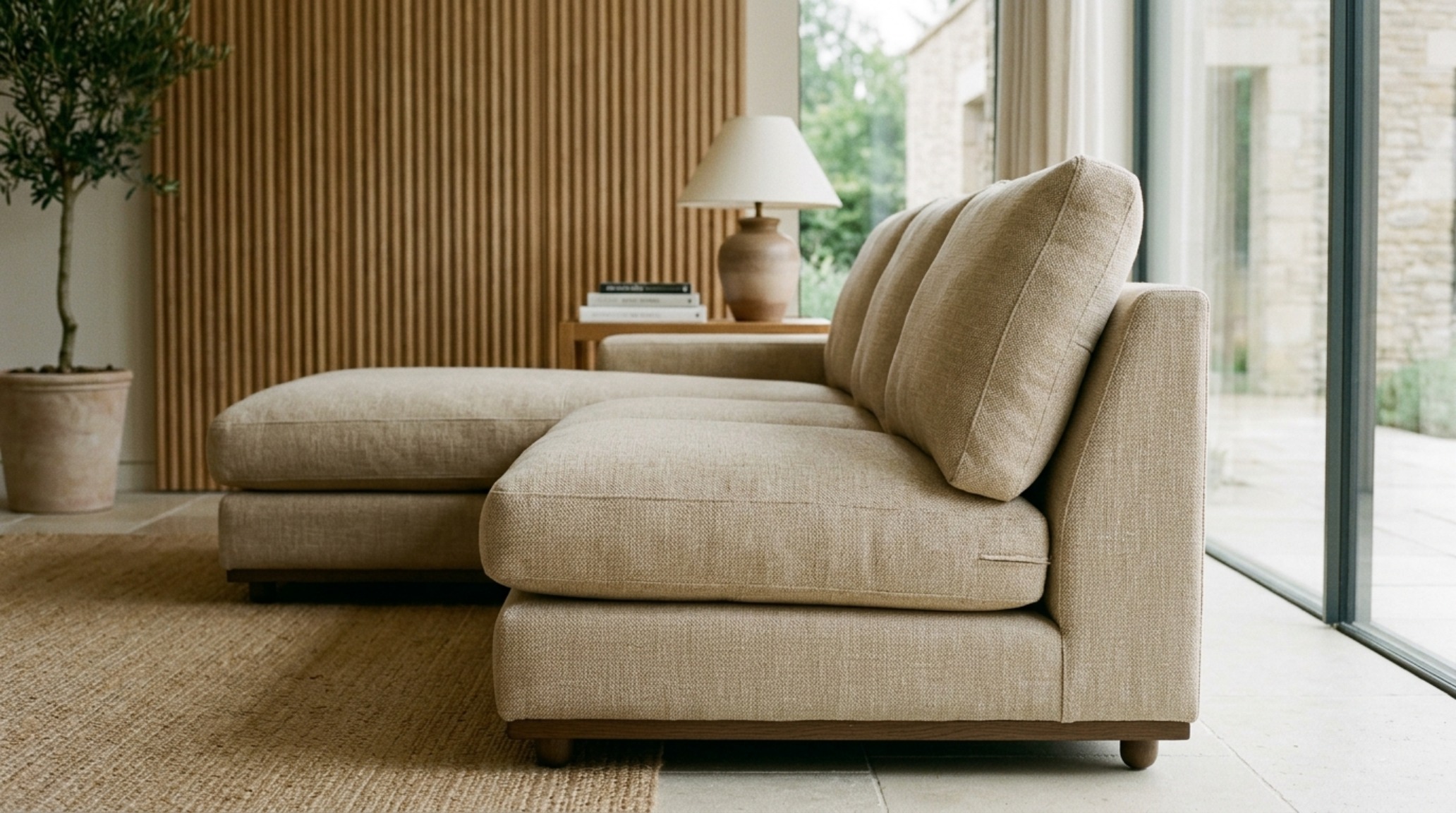
There is a pervasive myth in contemporary design that deep seating equals comfort. In reality, depth without support is a recipe for chronic lumbar fatigue. The deep seat sectional ergonomics we should strive for involve a sophisticated balance. A seat depth of 24 to 26 inches is the ‘goldilocks’ zone for most—it allows for a relaxed posture while still permitting the feet to touch the ground. However, for those looking for cloud sofa alternatives that actually offer longevity, look for high-resilience foam cores wrapped in a thin layer of down or a down-alternative. This provides that initial ‘sink-in’ feeling while the core ensures the frame doesn’t bottom out after six months of Netflix marathons.
The Lumbar Pivot and Seat Height
Standard seat heights range from 17 to 19 inches. In smaller rooms, low profile japandi couches often drop to 15 or 16 inches. While this creates an incredible sense of vertical volume—making 8-foot ceilings feel like 10—it requires a firmer cushion to assist in the physical transition of standing up. If you opt for a low-slung modular unit, ensure the back cushions have a weighted lumbar roll or enough structural density to support the lower spine during long periods of repose.
Curating Longevity: The Best Couches Decor Ideas for Urban Living
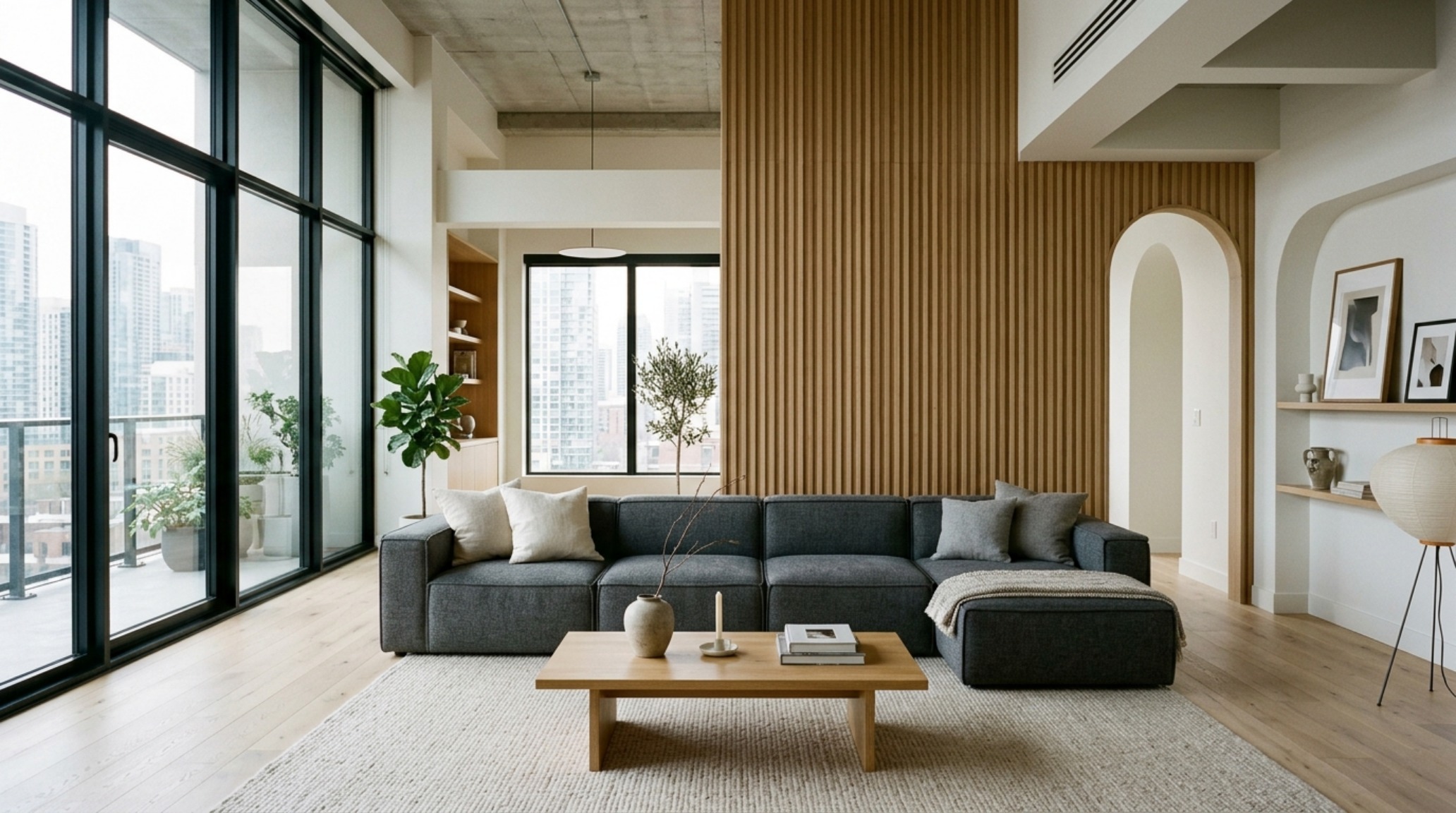
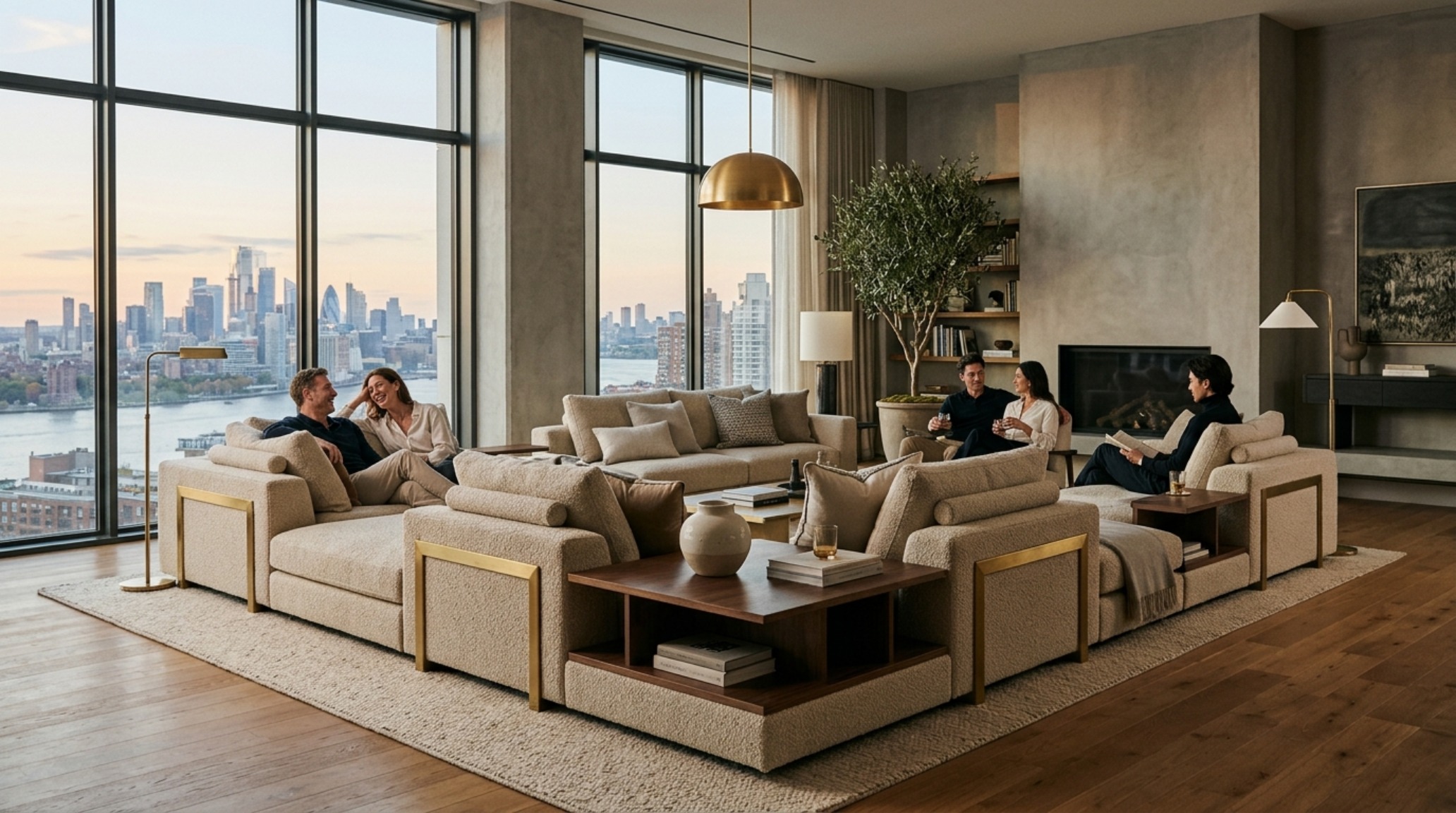
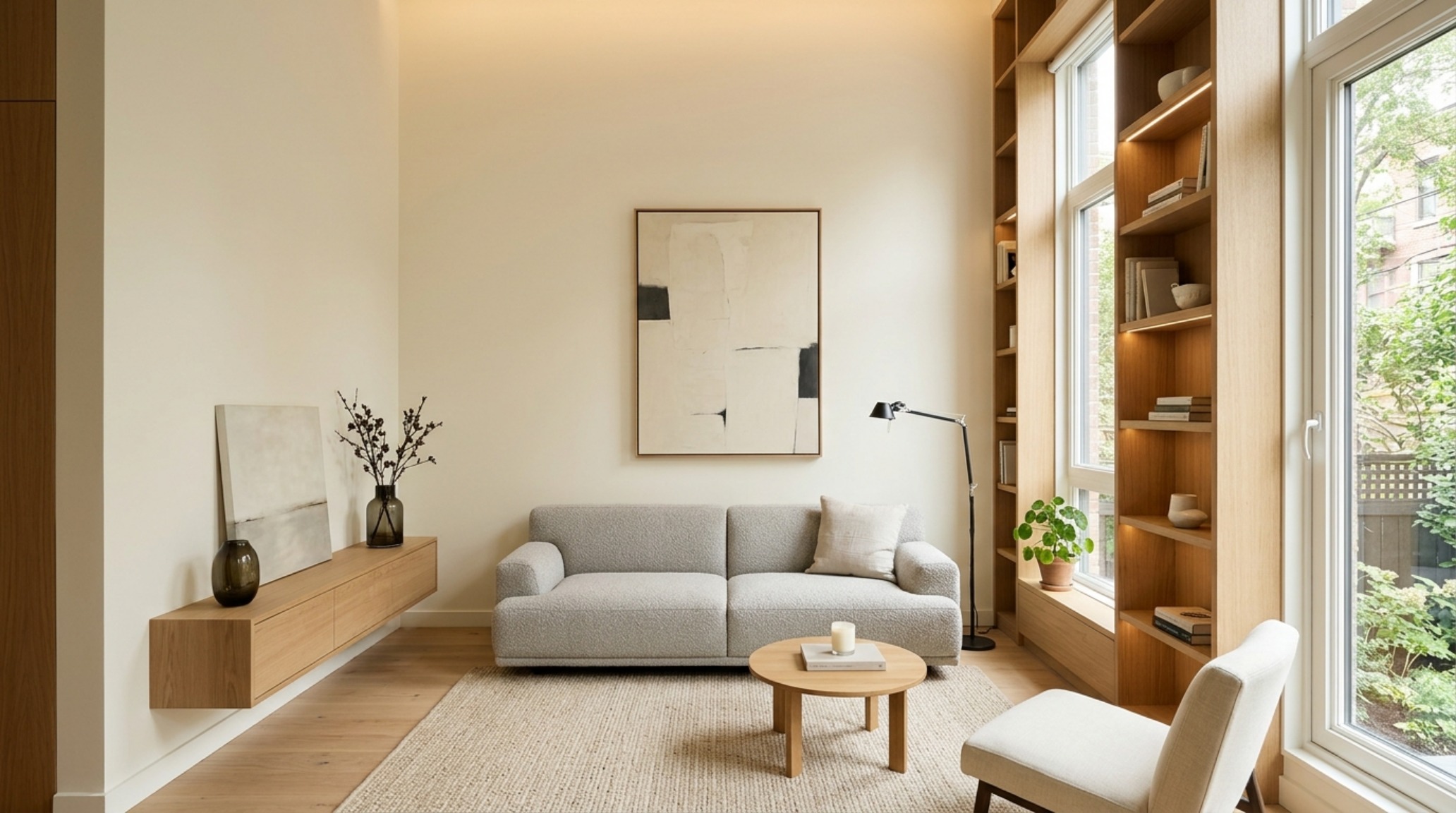
The visual success of a living room hinges on the dialogue between the sofa and its surroundings. Often, we see beautiful pieces of furniture that feel ‘choked’ by the room. To avoid this, we must respect the negative space breathing room. Architectural standards dictate a minimum of 36 inches for primary walkways. If your modular sectional is so large that it forces guests to shuffle sideways, the luxury is lost. Instead, consider ‘broken’ modularity—using two-piece sections with a low-slung travertine plinth or a wooden side table in between. This creates a spatial cadence that feels intentional rather than cramped.
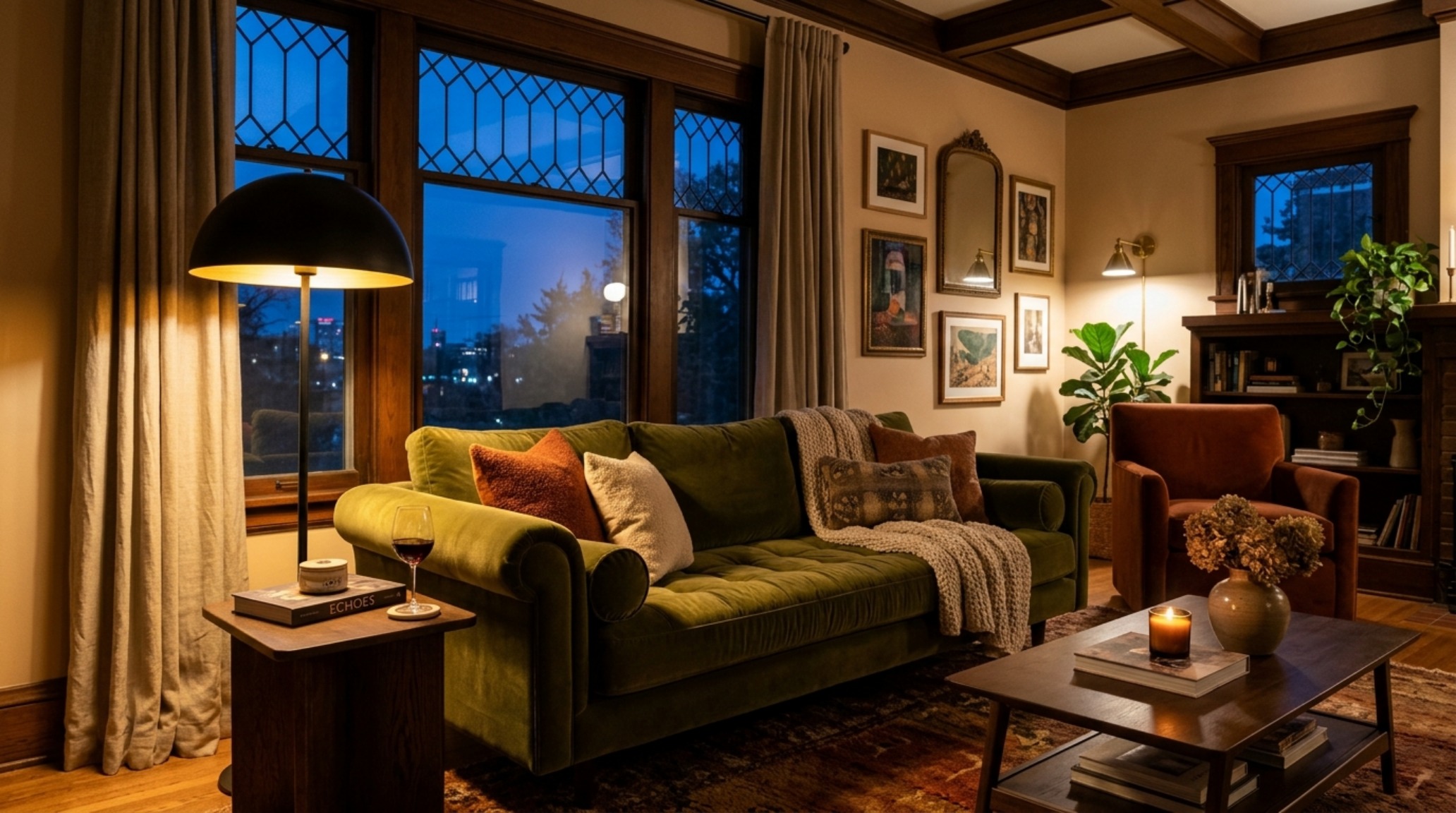
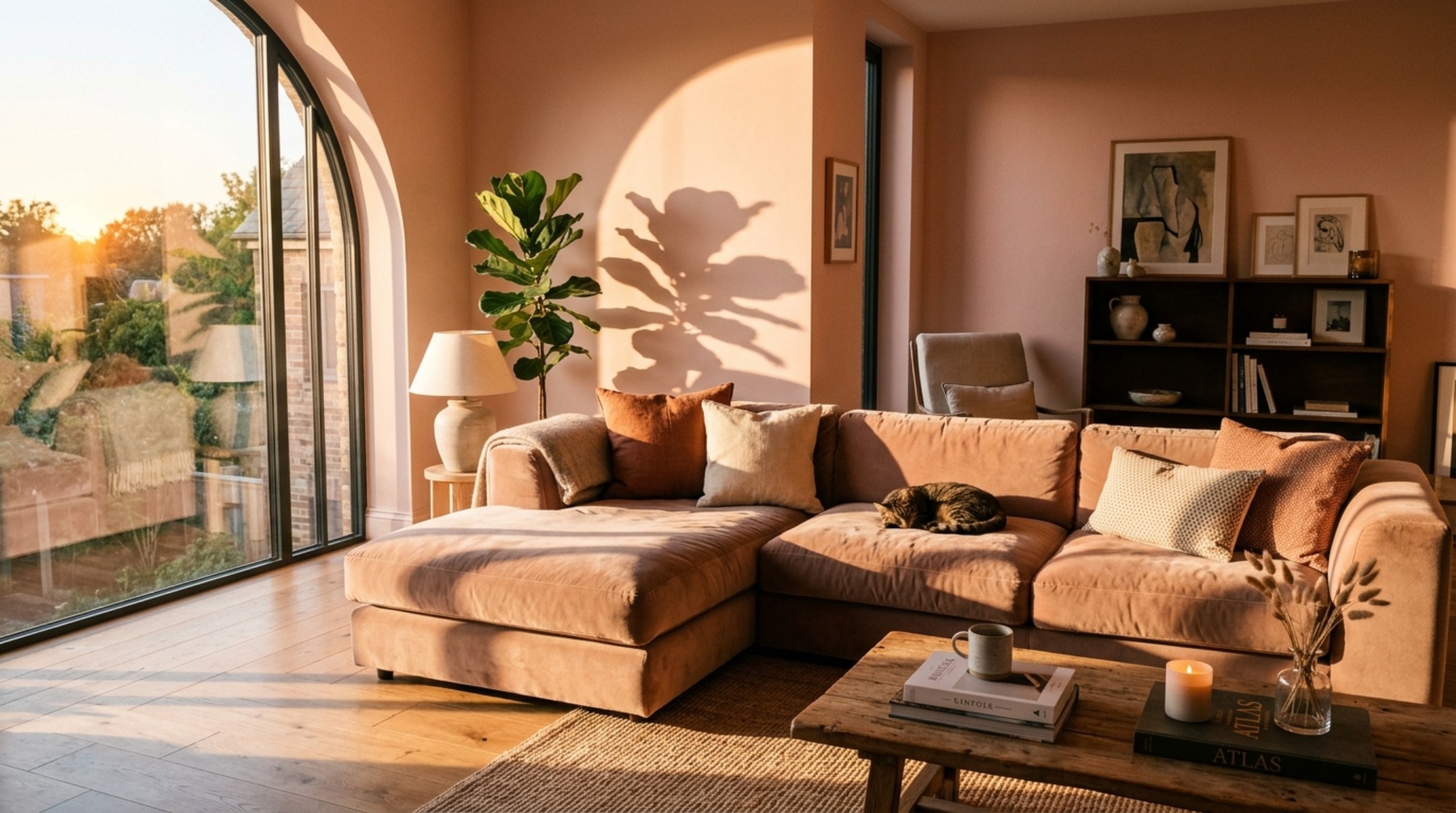
When exploring the best couches decor ideas, consider the silhouette’s interaction with light. A sofa upholstered in a flat, matte fabric can look like a heavy block in a small room. Conversely, performance velvet seating offers a subtle sheen that catches directional sunlight, creating shadow play that lightens the visual load of the piece. Pair this with a high-CRI (90+) lighting scheme at 2700K to ensure the richness of the fabric’s undertones—like the subtle pink of Farrow & Ball’s Setting Plaster—isn’t lost to a muddy, yellow cast.
The Performance-Weave Revolution
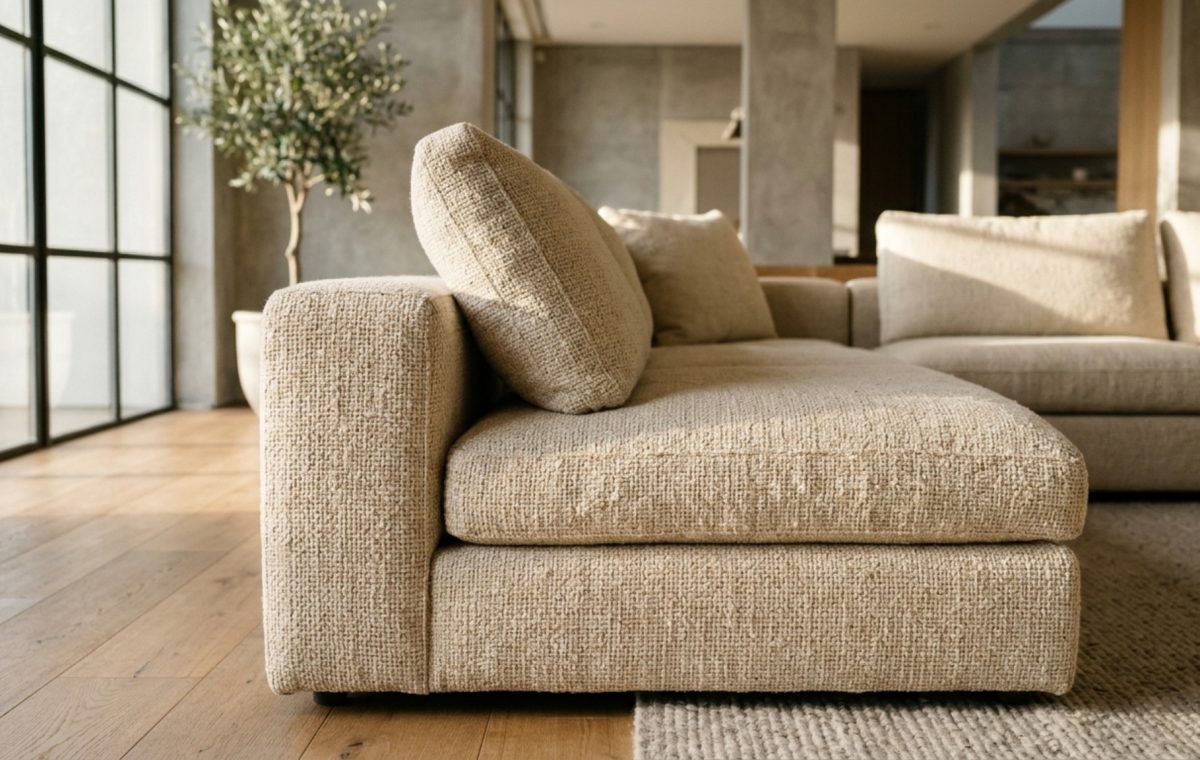
We are no longer forced to choose between a ‘plastic’ feel and ‘stain-prone’ linen. The current generation of pet friendly performance fabric couches utilizes solution-dyed acrylics and Crypton technology. These fabrics are woven at the fiber level to be hydrophobic, yet they retain the tactile hand of a heavy Belgian linen or a soft bouclé. For high-traffic luxury, I recommend a tight basketweave or a micro-chenille. These textures hide the ‘micro-shadows’ of daily wear and tear while providing the tactile grounding necessary for a cozy, earth-tone living room.
Spatial Geometry and the 18-Inch Rule
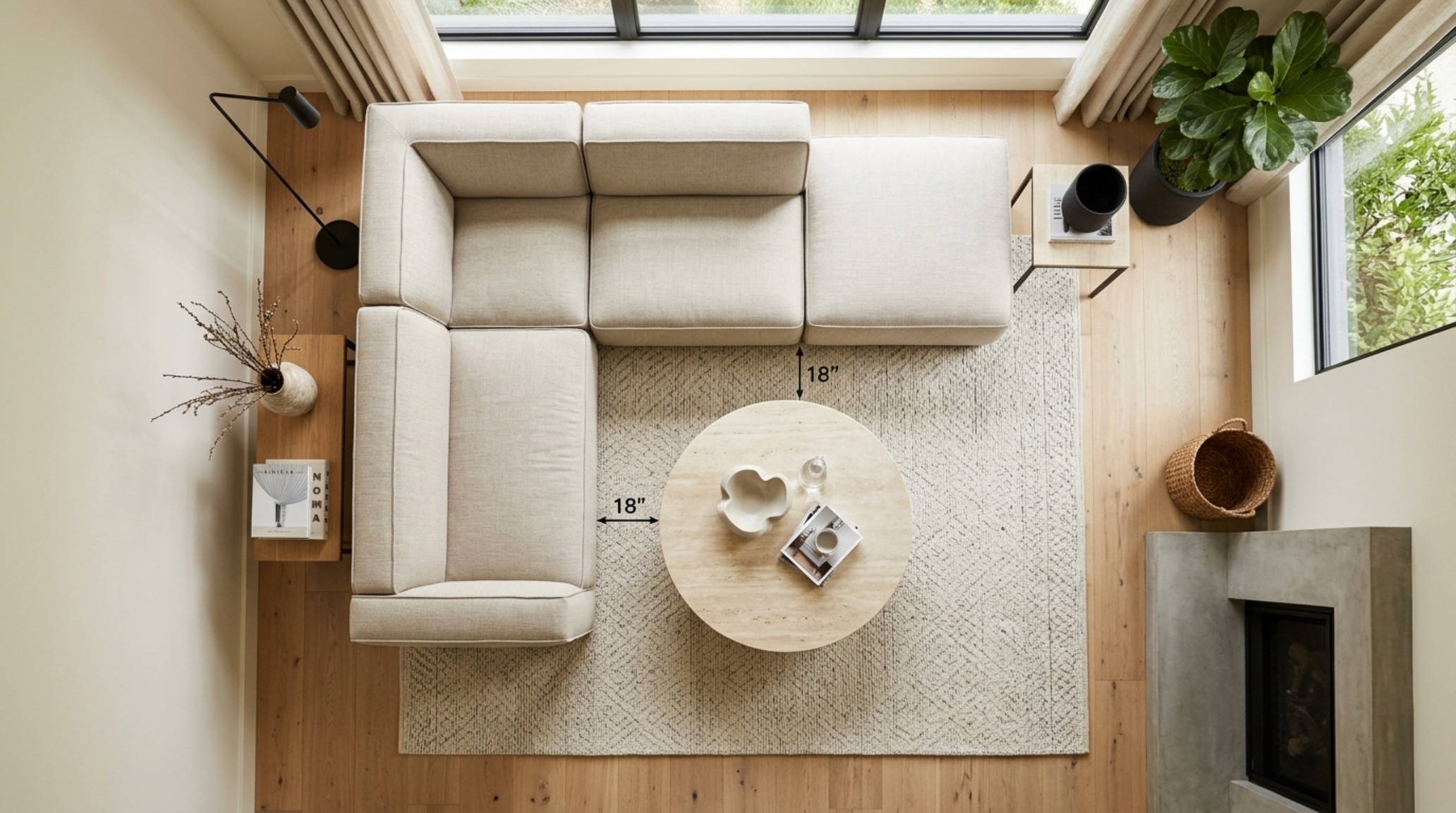
One of the most common mistakes in small living room couch placement hacks is the ‘perimeter push’—shoving all furniture against the walls. This actually makes a room feel smaller and more sterile. By pulling a modular sofa just 6 inches away from the wall, you create a shadow line that suggests more space than actually exists. Furthermore, your coffee table should sit exactly 18 inches from the edge of the sofa. This is the anatomical sweet spot: close enough to set down a glass of wine, but far enough to allow for easy leg movement.
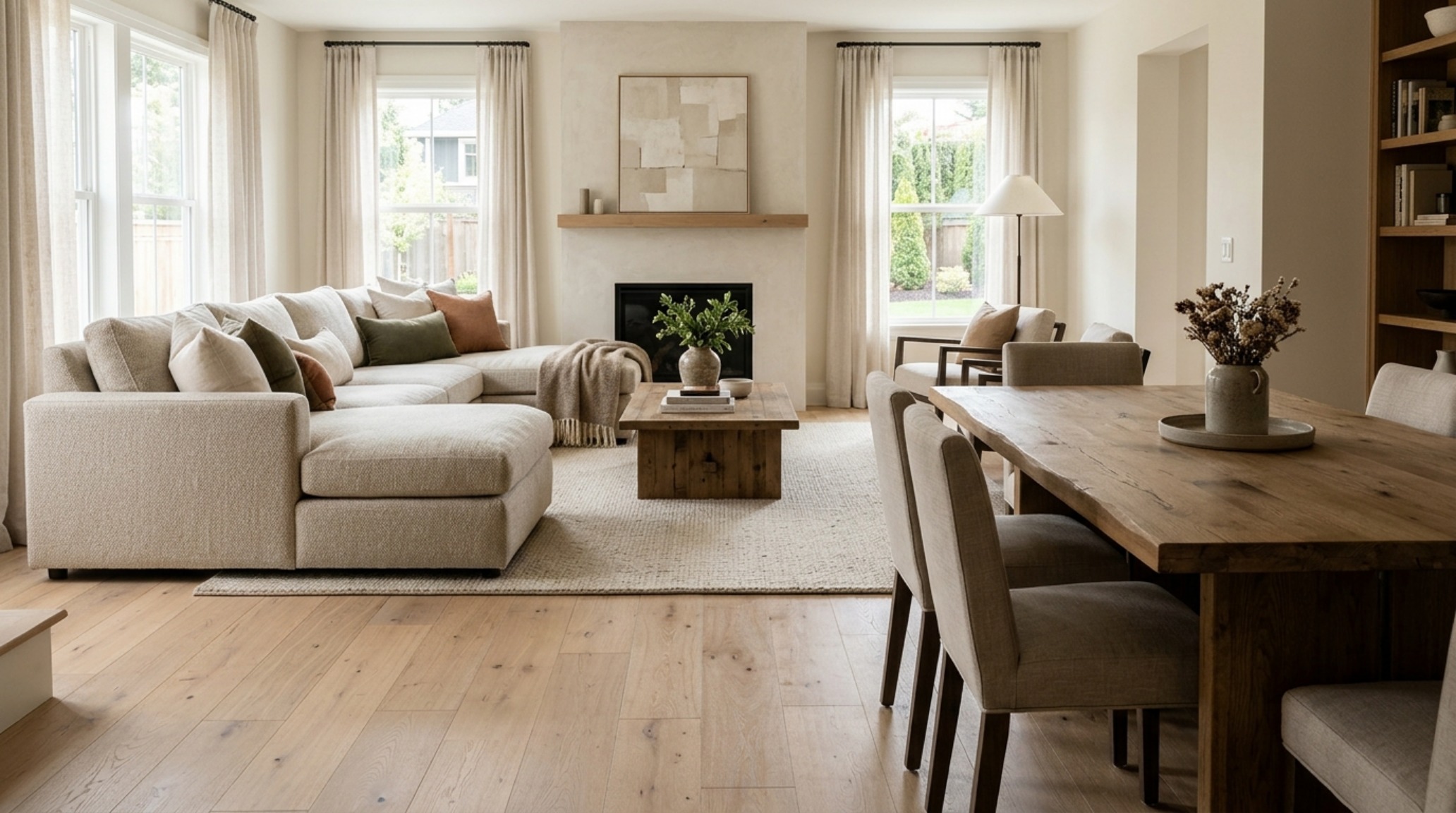
In luxury sectional layouts, we often see the ‘L-shape’ used to define zones. In a multi-functional urban loft, use the back of a low-profile sofa as a ‘soft wall’ to separate the lounge from the dining area. Ensure you have at least 30 inches of clearance behind any dining chairs to allow for a comfortable transition from sitting to standing without colliding with the sofa’s upholstery.
Organic Modern Sofa Styling Tips
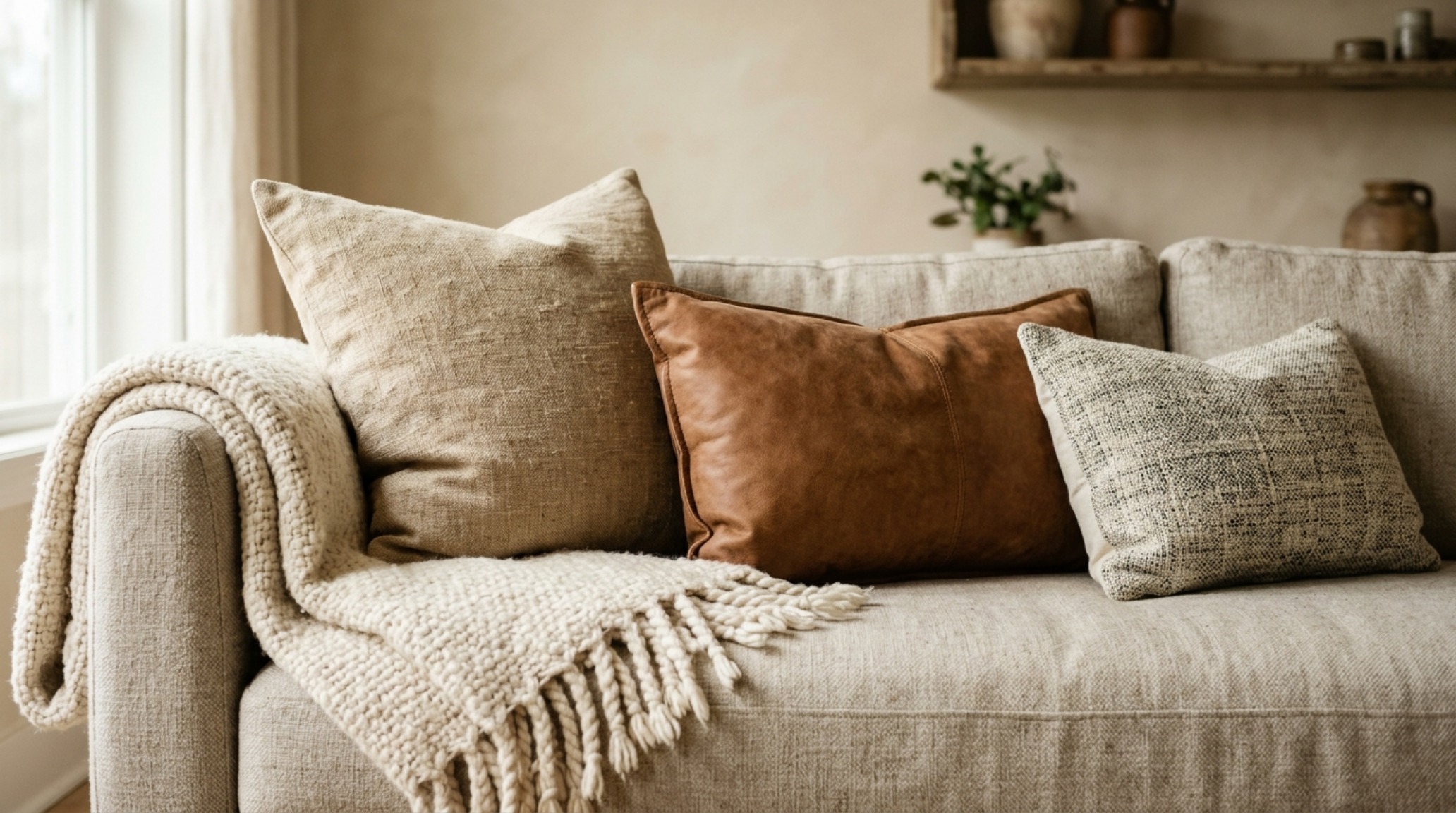
Styling a modular sofa is an exercise in restraint. Avoid the ‘pillow mountain.’ For a three-piece modular set, I prefer an asymmetrical arrangement: two oversized 24-inch linen pillows on one end, and a single lumbar pillow in a contrasting texture—perhaps a heavy-gauge wool or a buttery leather—on the other. This creates a sightline alignment that draws the eye across the horizontal plane of the room, emphasizing width.
The Role of Tonal Layering
To achieve that cozy earth tone living room inspiration seen in high-end editorials, layer shades that exist in the same ‘color family’ but vary in saturation. If your sofa is upholstered in a warm oatmeal (think Benjamin Moore Swiss Coffee), anchor it with a rug in a deeper tobacco or a desaturated sage. This prevents the room from feeling ‘flat’ and adds a sense of architectural depth through color alone.
The Materiality of the Frame
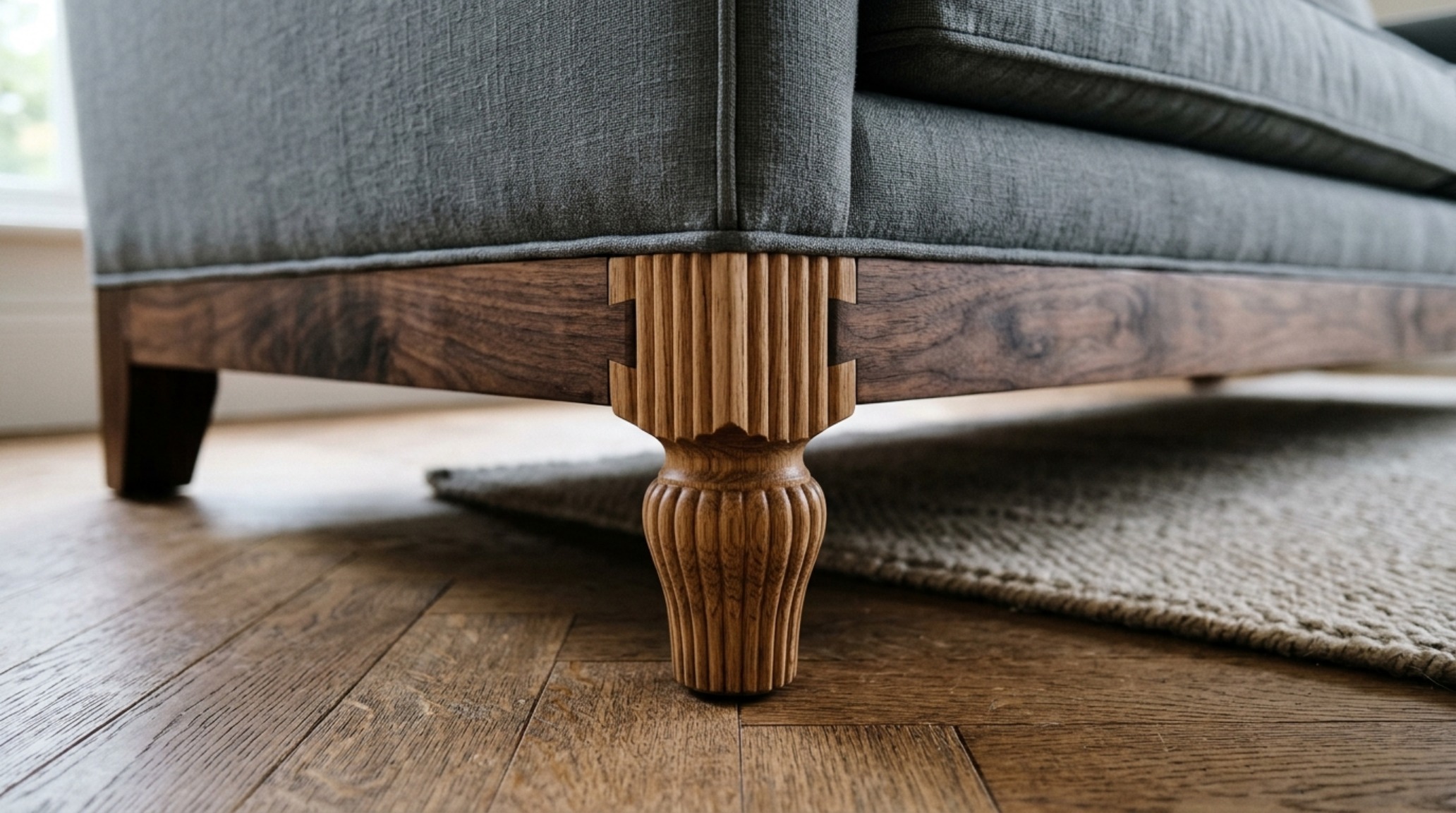
The soul of a sofa is its frame. While mass-market pieces often rely on stapled plywood, a ‘legacy’ piece—the kind that survives three moves and a decade of use—is constructed from kiln-dried hardwood with corner-blocked joinery. This prevents the ‘creaking’ that often plagues cheaper modular units. When shopping, look for ‘eight-way hand-tied springs.’ It is an old-world technique that provides independent suspension for every person on the couch, ensuring that when your partner moves, you don’t feel the vibration through the seat.
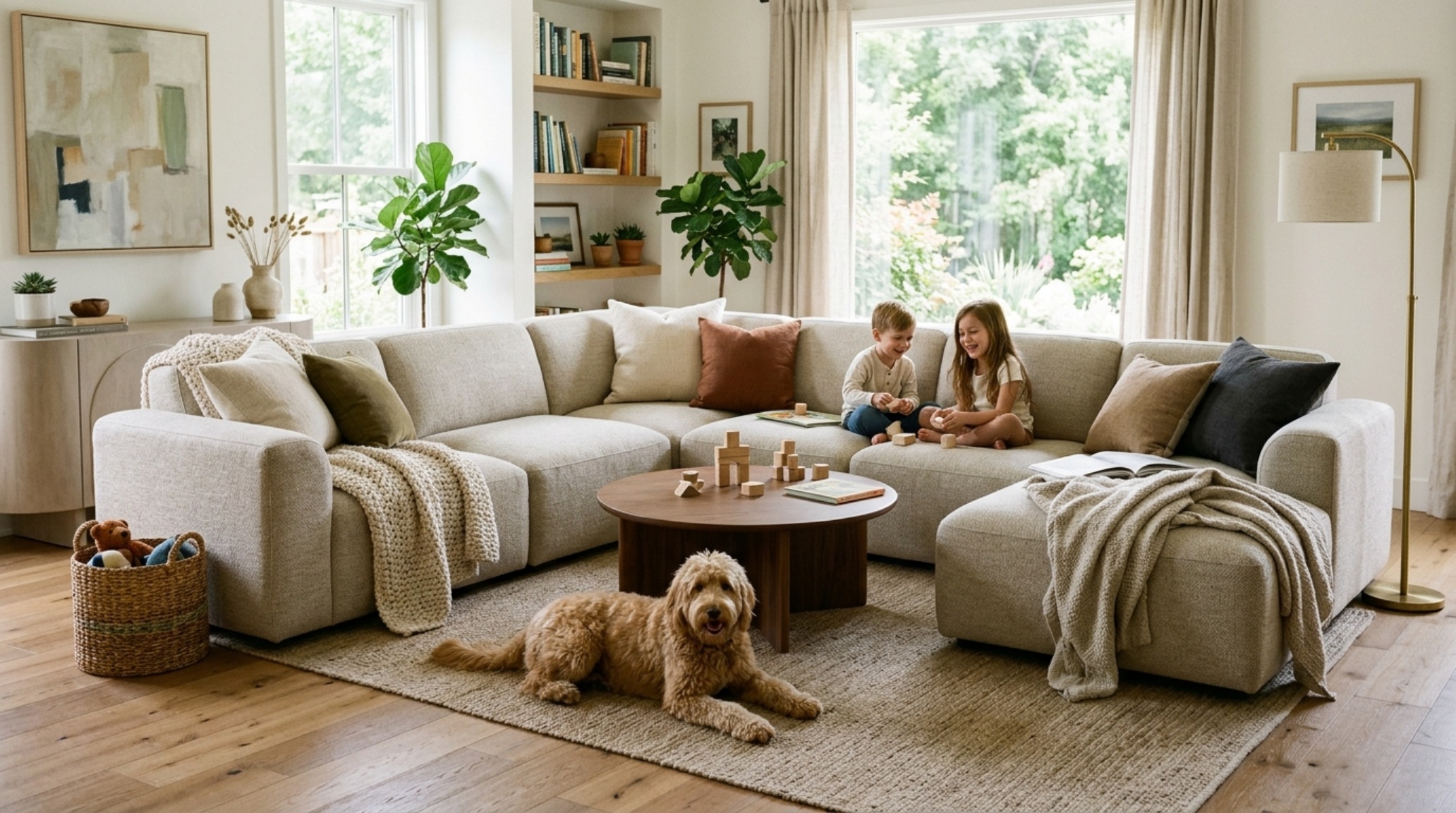
As we transition toward more conscious consumption, the move away from ‘disposable’ furniture becomes a design imperative. The modular sofa is the ultimate expression of this shift—it can be reconfigured as your life grows, from a solo apartment to a family home. By focusing on the structural integrity of the frame and the chemical resilience of the upholstery, we aren’t just buying furniture; we are investing in the backdrop of our lives.
Architectural Specification & Material Matrix
Curated tactile palette, spatial dimensions, and atmospheric lighting index for this design scheme.
The evolution of the living room is no longer about filling a space with objects, but about curating an environment that supports the human form and the chaos of modern life. When we implement the best couches decor ideas with an eye for both ergonomic health and material performance, we transform our square footage into a legacy of comfort. True luxury isn’t found in the fragility of a showroom floor, but in the enduring resilience of a home that is as beautiful as it is livable.
Editorial Silo • Recommended Architecture Studies
- Small Space Alchemy: Ergonomic Modular Sofa Hacks from the Best 2025 Cyber Monday Sales — Archival Design Case Study
- Tactile Resilience: Curating a Spill-Proof, Quiet Luxury Interior with Black Friday’s Best Performance Textures — Archival Design Case Study
Architectural Inspiration Lookbook
A high-resolution study in spatial proportions, tactile materiality, and light choreography curated for enduring modern living.
Curated Visual Lookbook
Design Gallery & Spatial Studies
A visual curation of architectural arrangements, lighting concepts, and material palettes featured in this space.