CURATORIAL CRITIQUE & DESIGN ANTHOLOGY: The Evolution of the Residential Sanctuary
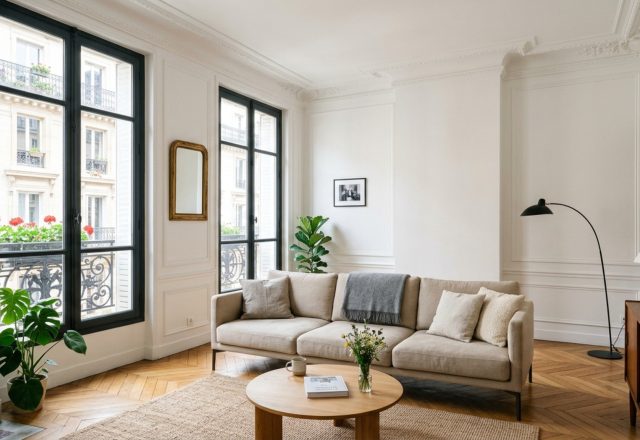
When we examine the evolution of the residential sanctuary over the last decade, we see a distinct departure from the clinical, often personality-starved white-on-white aesthetic. Today’s architectural zeitgeist favors depth over surface-level brightness. In curating small contemporary living room design ideas, the objective has shifted: we are no longer just trying to make a room look ‘bigger’ through erasure, but rather ‘richer’ through intent. This era of tactile sophistication is about the curation of shadows as much as light. It is an acknowledgment that a limited footprint is not a design deficit, but a canvas for high-density materiality.
The move away from sterile minimalism toward what we now call ‘Warm Minimalism’ or ‘Tactile Sophistication’ marks a turning point in urban living. We are seeing a rejection of the ‘disposable’ aesthetic—those thin-legged, flat-pack solutions that once defined small-scale living—in favor of sculptural integrity. Modern designers are leaning into the friction between rough-hewn stone and soft, bouclé textiles. They are using color not just as a decorative layer, but as a structural tool to manipulate the perception of volume. By embracing heavy textures and deep, earthy tones, we create a sense of ‘grounding’ that thin, airy designs often lack.
Contemporary Color Drenching for Apartments: Defining Volume through Saturation
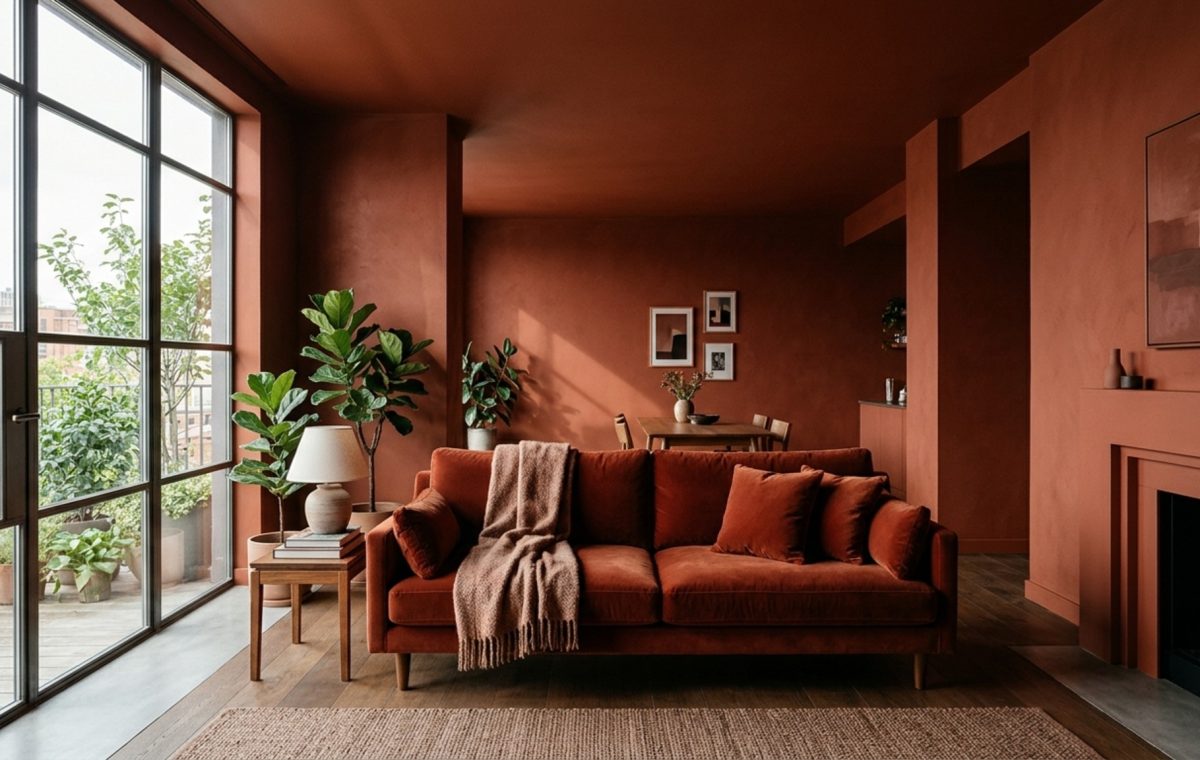
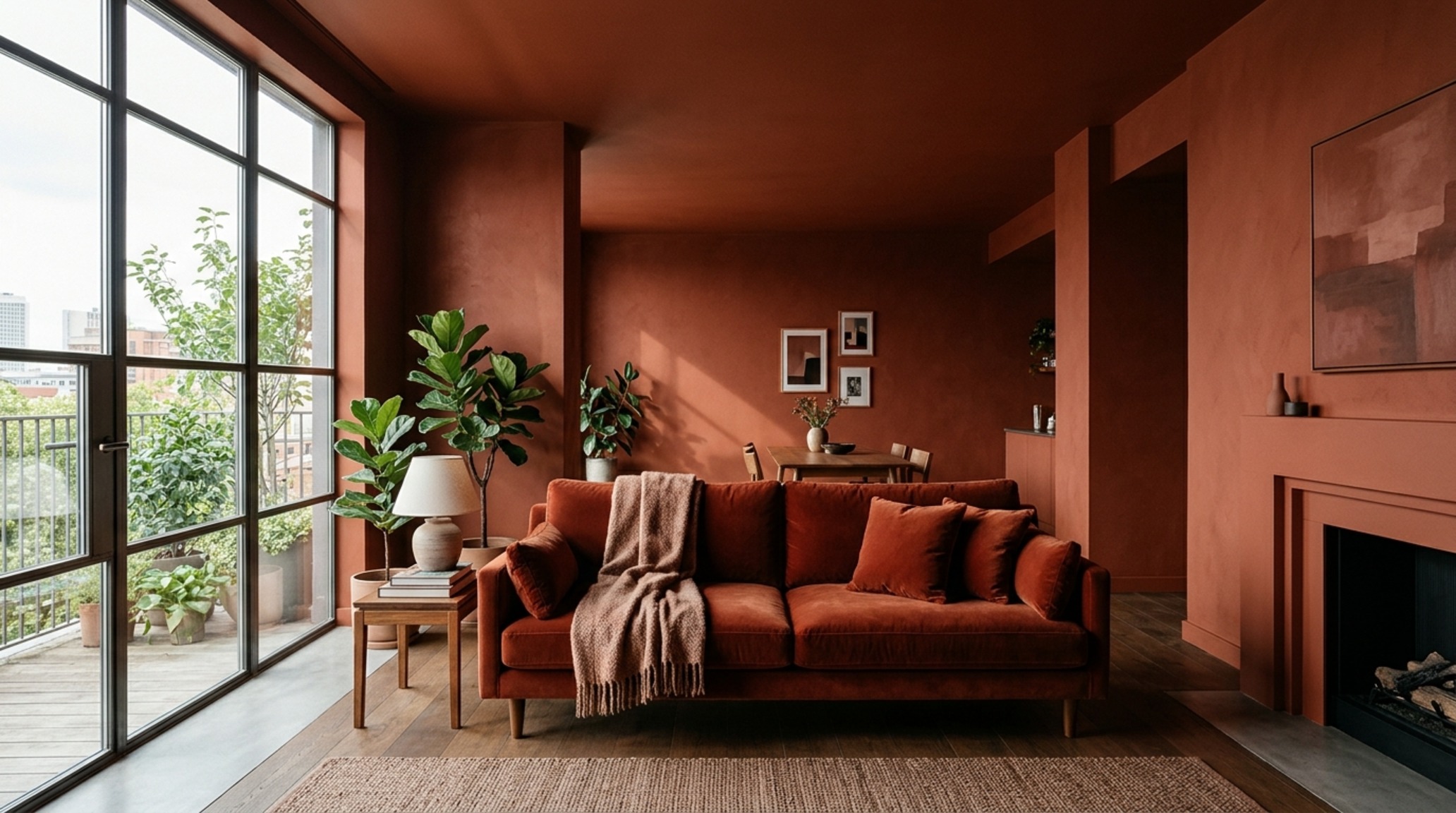
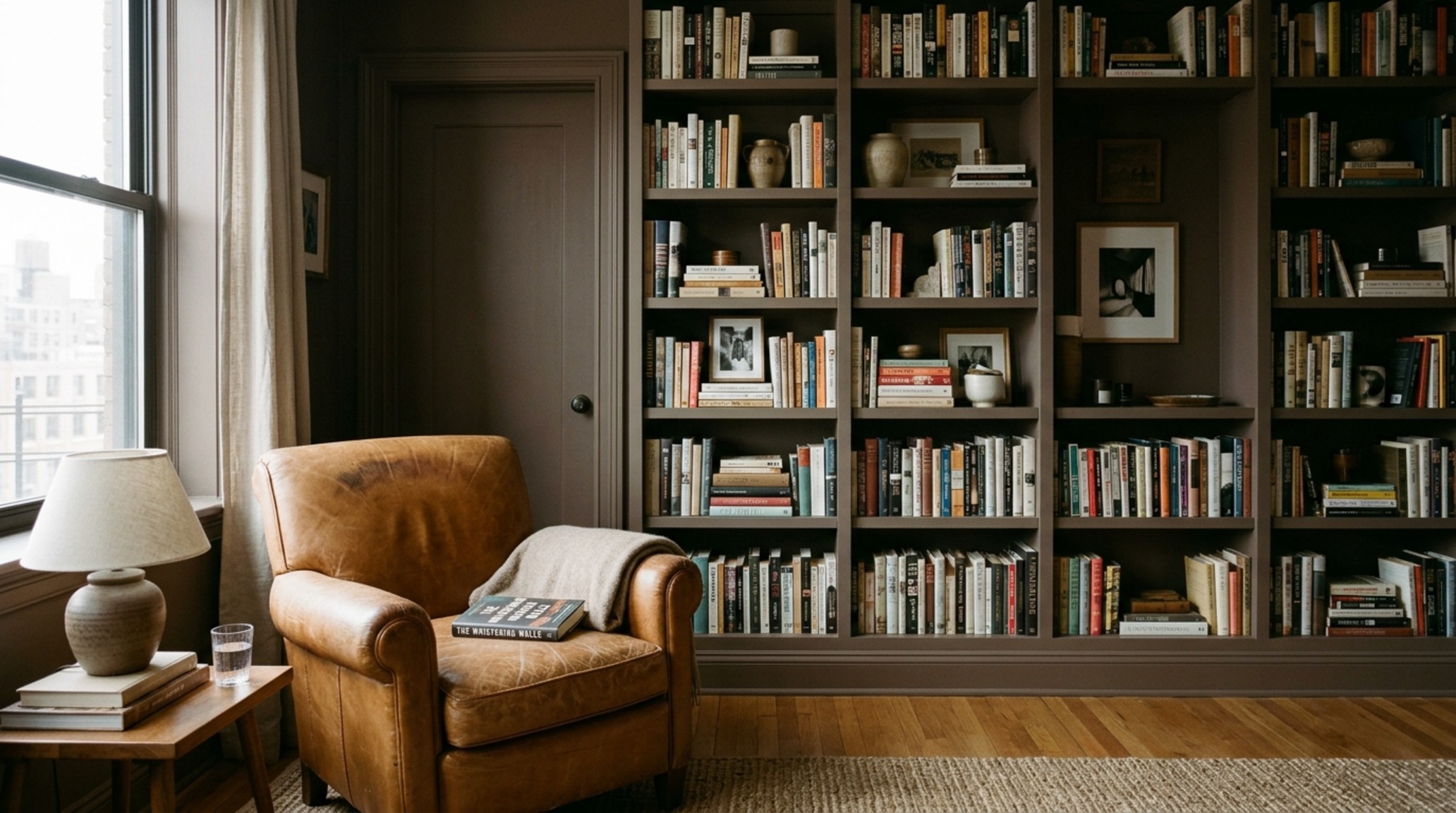
The traditional logic for small spaces suggested that light colors were the only way to prevent claustrophobia. However, contemporary color drenching for apartments has dismantled this myth. Color drenching—the practice of painting walls, trim, ceilings, and even radiators in a single, cohesive hue—blurs the boundaries of the room. When the eye can no longer find the ‘break’ between the wall and the ceiling, the ceiling appears to lift, and the walls feel as though they are receding into an atmospheric mist.
For 2026, we are seeing a pivot toward mid-to-deep tones: Farrow & Ball’s ‘Setting Plaster’ or ‘Dead Salmon’ for a dusty, architectural rose, or Benjamin Moore’s ‘Mocha Cream’ for a grounded, chocolate-adjacent neutral. These shades provide a sophisticated backdrop that makes furniture feel like curated art pieces. When applying this in an apartment, the key is the finish. A dead-flat matte on the walls paired with a subtle eggshell on the trim creates a soft diffusion of light that eliminates harsh glares. This approach turns a 300-square-foot living area into a jewel box of intentionality, where the atmosphere is thick with mood rather than just being a brightly lit passage.
Sculptural Lighting for Small Spaces: Engineering Vertical Interest
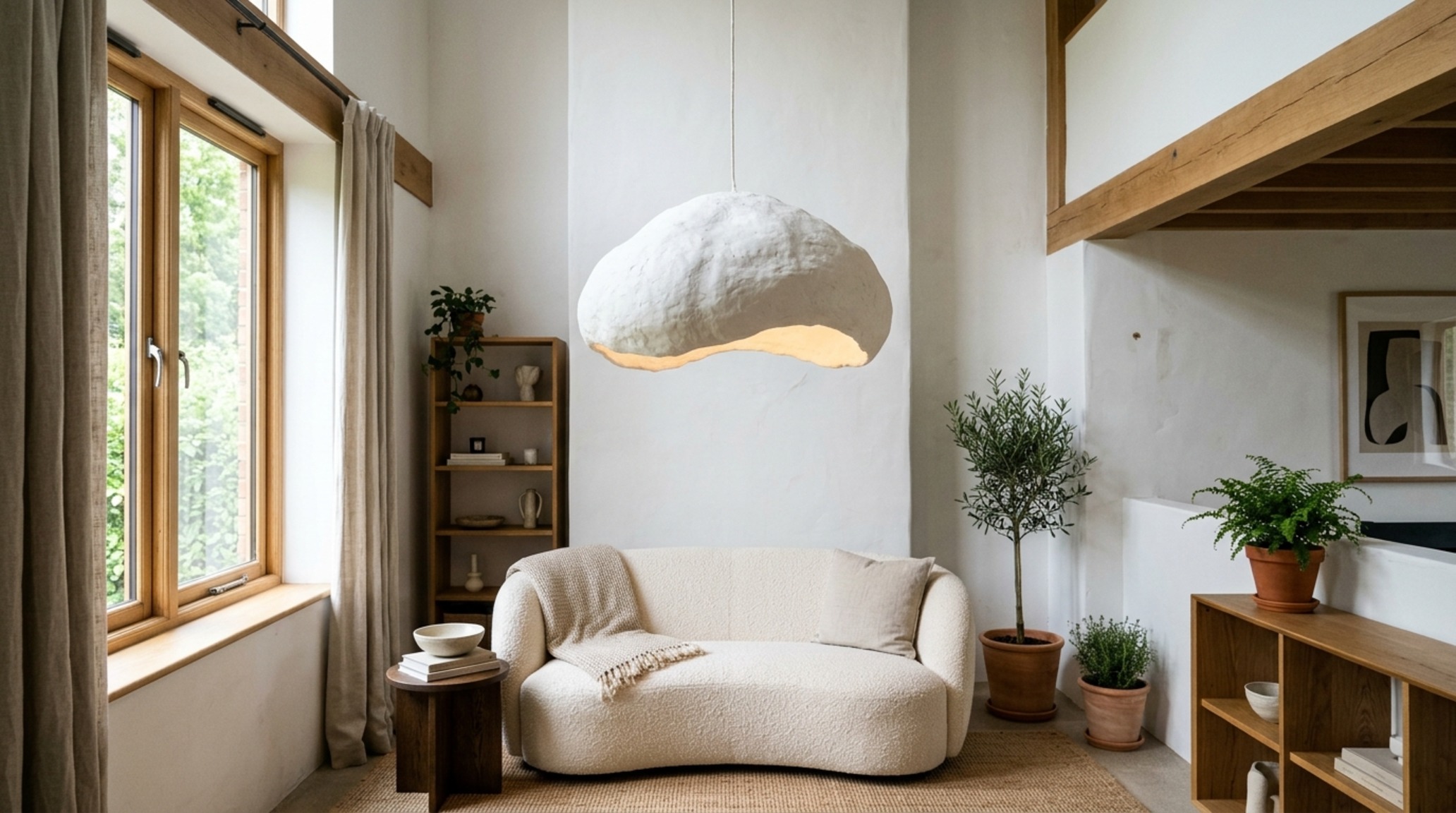
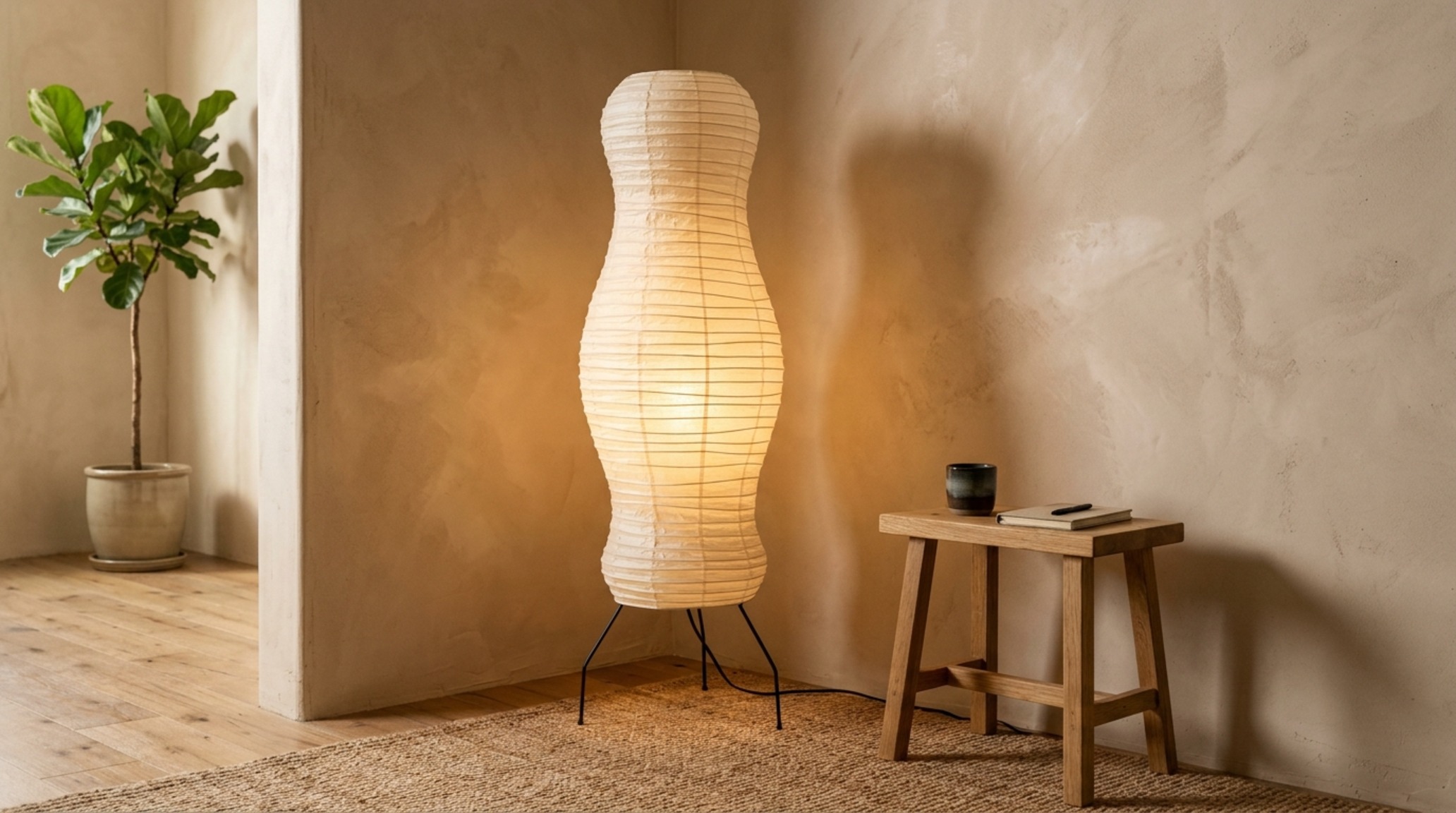
In a compact layout, every object must justify its footprint. This is why sculptural lighting for small spaces has become the secret weapon of the interior architect. Rather than relying on recessed cans—which can flatten a room—we look to oversized, organic forms that draw the eye upward. A singular, bold pendant like a Noguchi Akari or a plaster-white sculptural chandelier creates a ‘visual anchor’ in the center of the room. It acts as the sun in a small solar system of furniture, providing a sense of scale that smaller, daintier fixtures simply cannot achieve.
Lighting is also about the quality of the ‘glow.’ We specify 2700K warm ambient bulbs with a high Color Rendering Index (CRI 90+) to ensure that the rich olives and mochas of the new palette don’t turn muddy at night. Layering is essential: a floor lamp with a soft linen shade for reading, a dimmable pendant for atmosphere, and perhaps a small cordless LED atop a marble plinth to highlight a specific texture. This creates ‘spatial cadence’—a rhythm of light and shadow that makes the room feel dynamic and alive throughout the day.
Warm Minimalism Living Room Trends 2026: The Rise of Earthy Textures
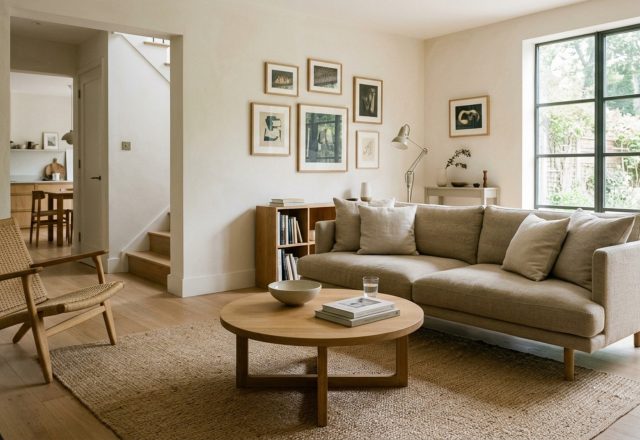
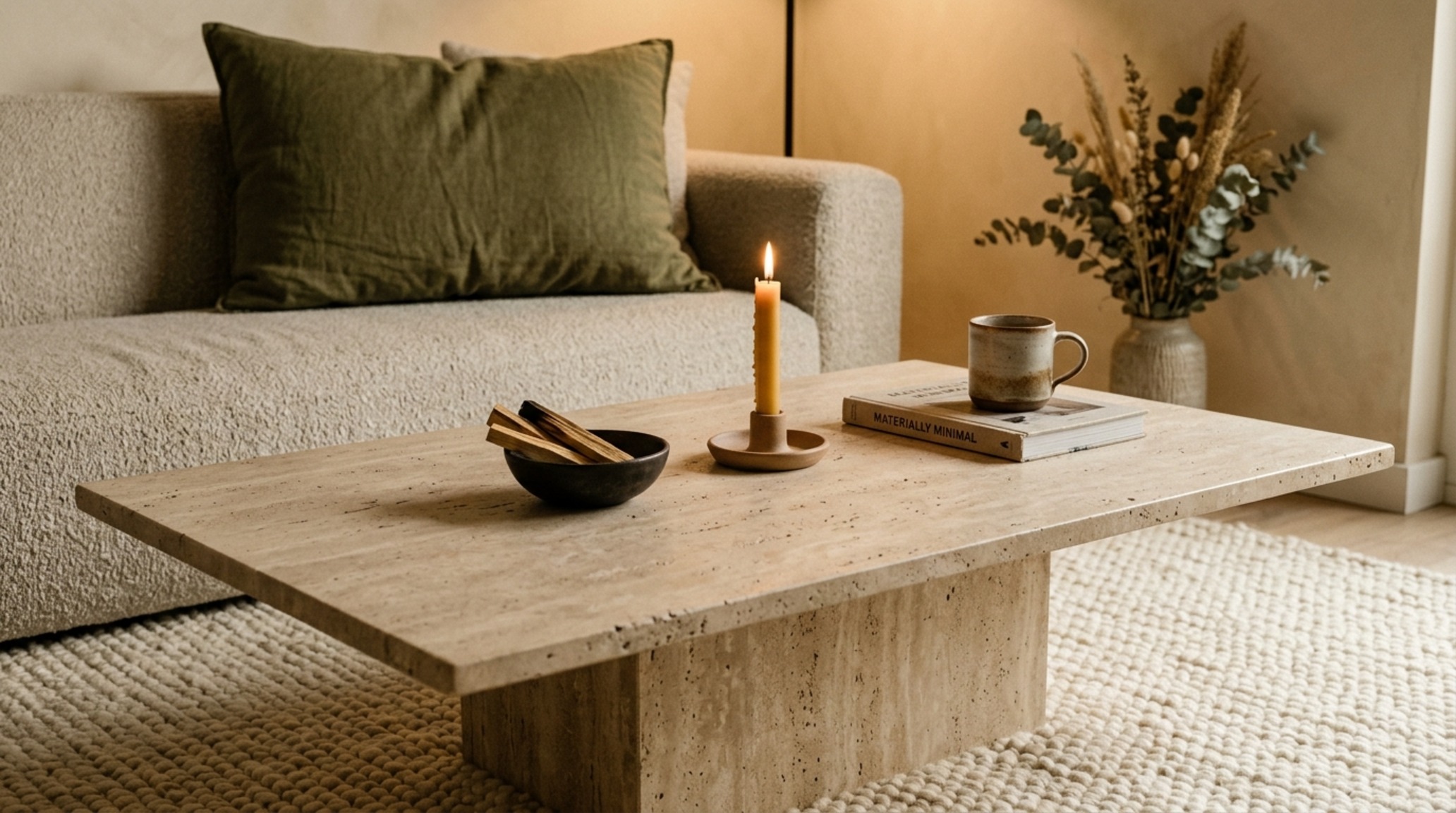
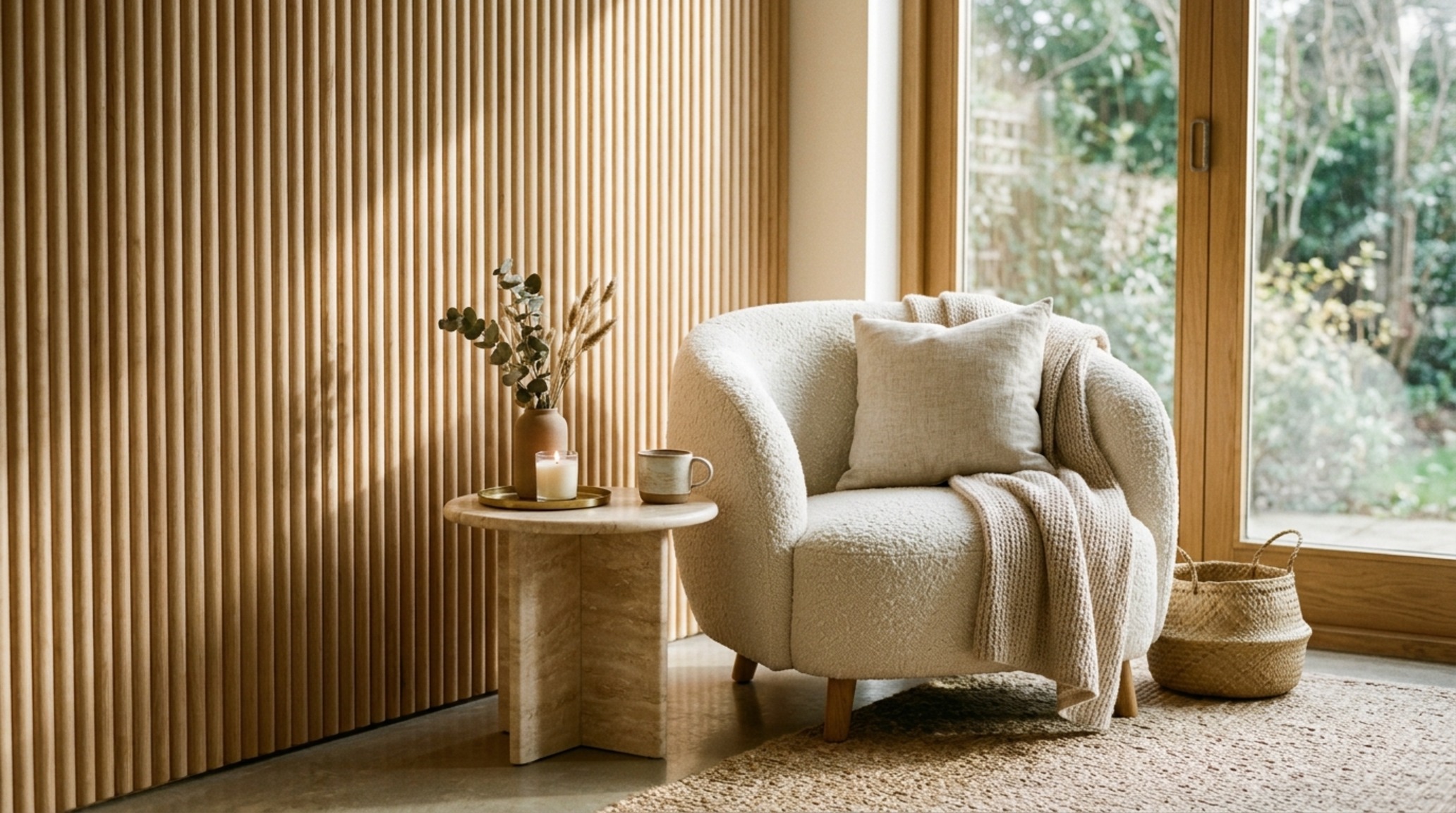
The sterile, cold minimalism of the early 2010s has been replaced by a more human-centric approach. Warm minimalism living room trends 2026 emphasize the ‘hand-feel’ of a space. We are seeing a surge in the use of lime wash and clay plasters (like those from Roman Clay) which add a subtle, velvet-like movement to the walls. These finishes react beautifully to light, changing throughout the day from a soft morning glow to a deep, cavernous evening shadow.
Materiality is the driver here. Imagine a sofa upholstered in a heavy-weight Belgian linen, paired with a coffee table made of honed travertine. The contrast between the soft, yielding fabric and the cold, ancient stone creates a tactile tension that is inherently sophisticated. We avoid high-gloss finishes which feel synthetic and instead opt for ‘living finishes’ like unlacquered brass or oiled white oak. These materials age with the space, developing a patina that tells a story of use and care. This is the hallmark of small contemporary living room design ideas: a shift from the ‘look’ of design to the ‘feeling’ of home.
“Design is not just what it looks like and feels like. Design is how it works, especially when every square inch must be fought for and won.” — A sentiment often echoed in the halls of modern architectural firms, focusing on the synthesis of form and utility.
Multi-functional Contemporary Furniture Layouts: The Ergonomics of Flow
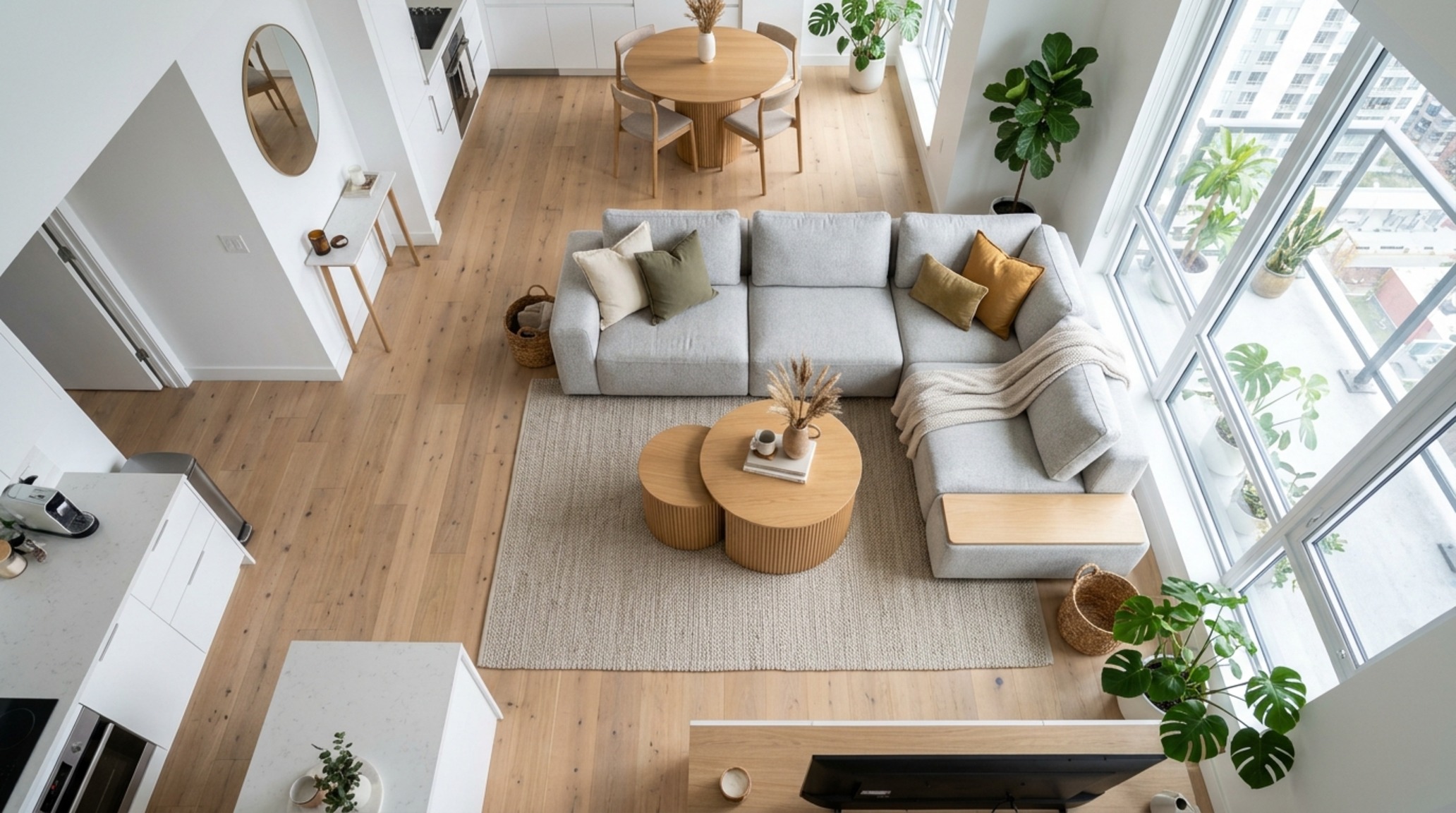
Designing for a small footprint requires a rigorous commitment to architectural clearances. One of the most common mistakes in small spaces is overcrowding the ‘floor plane,’ which blocks sightlines and creates a sense of clutter. Professional multi-functional contemporary furniture layouts prioritize movement. We maintain a standard 36-inch primary circulation path and ensuring at least 18 inches between the edge of the sofa and the coffee table. This ‘breathing room’ is essential for a space to feel luxurious rather than cramped.
The furniture itself must be high-performance. We look for ‘chameleon’ pieces: a low-slung modular sofa that can be reconfigured for guests, or a set of nesting tables in fluted wood that provide extra surface area without a permanent footprint. The goal is to keep the center of the room open. By pushing the primary seating toward the edges—but not necessarily flush against the wall—we create a conversation pit that feels intimate. Using a large-scale rug that extends under all furniture legs is a classic designer trick to ‘stitch’ the room together, making the floor area appear as one expansive, unified plane.
Floating Furniture for Modern Living Rooms: Creating Visual Weightlessness
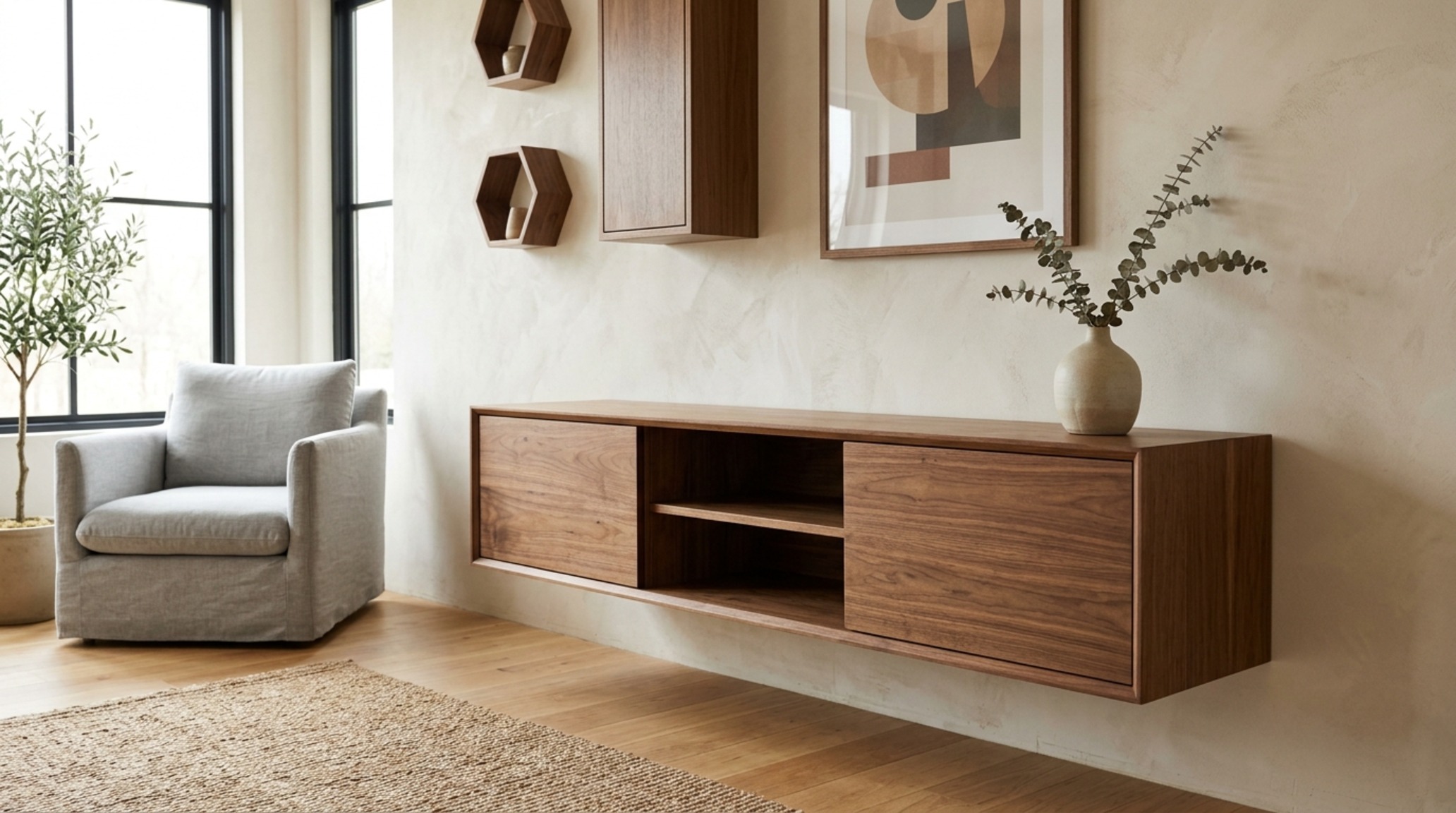
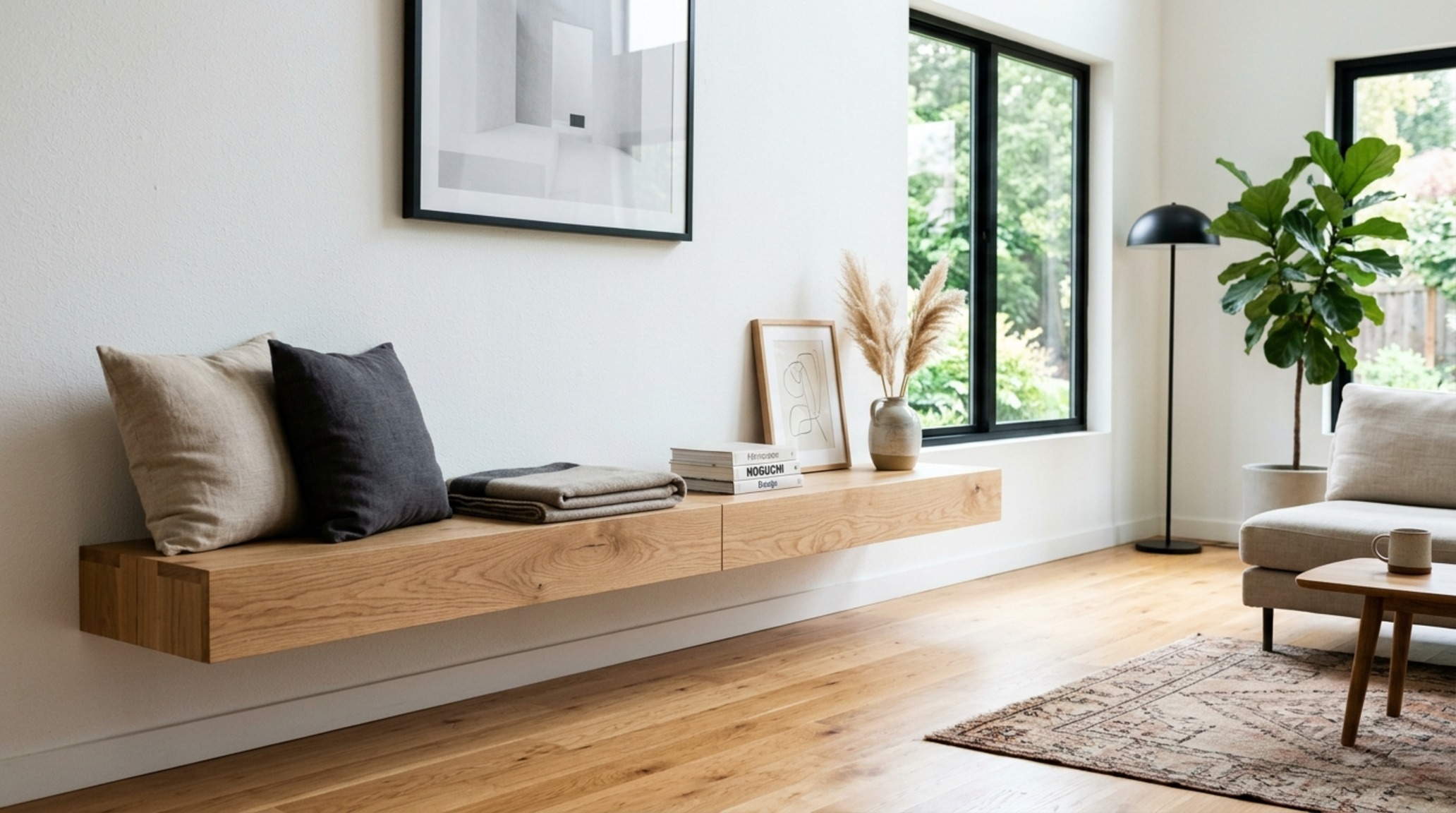
To maximize the perception of floor space, we often turn to the wall. Floating furniture for modern living rooms—such as wall-mounted credenzas or cantilevered shelving—leaves the floor plane visible all the way to the baseboards. This trick of the eye makes the room feel significantly larger because the ‘boundary’ of the floor isn’t interrupted by heavy furniture legs. A floating media console in a dark oak finish, for instance, provides essential storage while maintaining a light, airy feel beneath it.
This concept extends to ‘leggy’ furniture. A sofa on slender, tapered steel legs or a glass-topped coffee table allows light to pass through and around the objects. In a small living room, visual weight is just as important as physical weight. An upholstered armchair with an open back or a chair made of woven cane offers seating without ‘closing off’ the room. By strategically placing these ‘translucent’ pieces, we maintain a clear sightline from the entrance to the furthest window, which is the most effective way to communicate a sense of openness.
Small Open Plan Contemporary Design: Zoning without Barriers
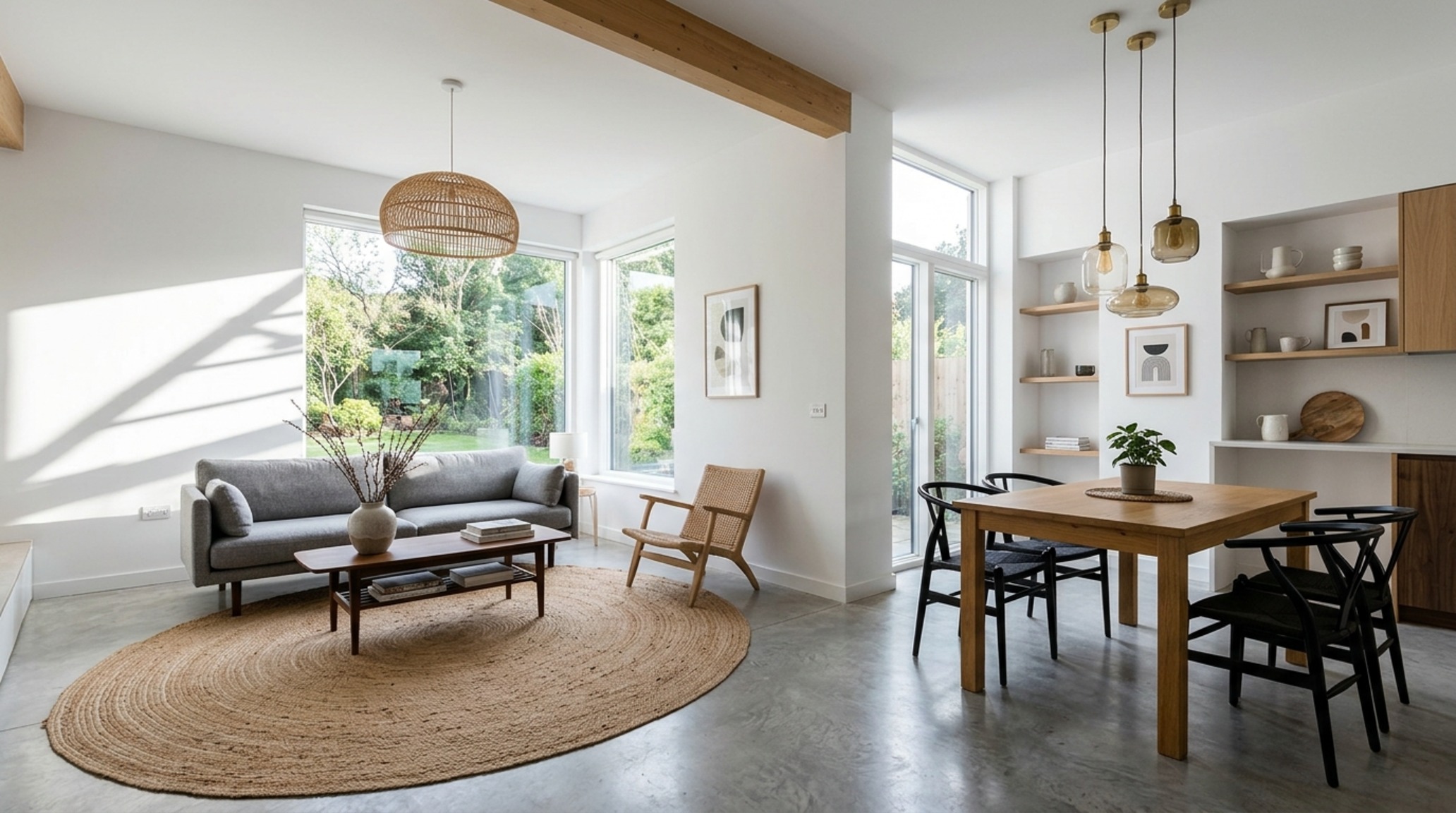
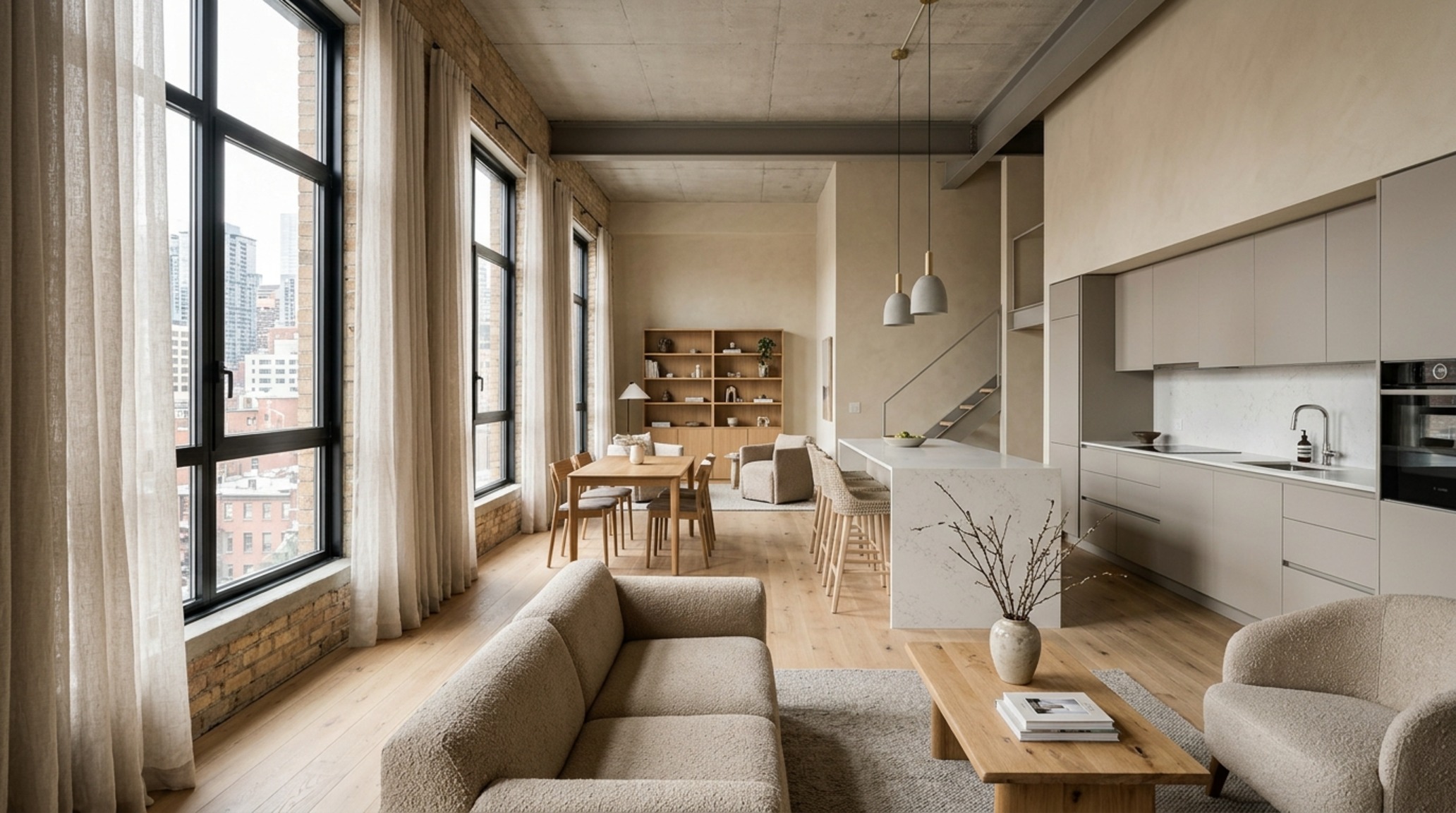
In modern urban dwellings, the living room often bleeds into the kitchen or dining area. Mastering small open plan contemporary design is about creating distinct ‘zones’ without the use of walls. We achieve this through material shifts and lighting. A change in flooring—perhaps from a light oak plank to a large-format porcelain tile—can signal a transition from the ‘soft’ living area to the ‘hard’ kitchen zone. More subtly, a shift in the ceiling height or the introduction of an architectural beam can create a psychological boundary.
Furniture placement also acts as a spatial divider. A sofa with a finished back can be used to ‘wall off’ the living area from a home office nook. Rugs are perhaps the most powerful tool in the open-plan arsenal. A high-pile, textured rug in the living zone creates a sensory ‘island’ that defines the relaxation area. When we pair this with a localized lighting plan—a pendant over the dining table and floor lamps in the living area—we create two distinct atmospheres within a single room. This multi-layered approach ensures that the space feels organized and intentional, preventing the ‘cluttered studio’ effect that often plagues open-plan apartments.
Design Ledger: Materials, Palette & Clearances
Comprehensive architectural blueprint detailing finishes, paint hex codes, and structural balance.
As we look toward the future of residential design, the focus remains steadfastly on the intersection of sensory experience and spatial efficiency. The most successful small contemporary living room design ideas are those that treat every texture as a narrative and every light source as a sculptor of space. By moving away from the purely functional and embracing the atmospheric, we create homes that do more than just accommodate our lives—they elevate them. The modern living room is no longer just a place to exist; it is a curated environment designed for the profound comfort of the human spirit.
Editorial Silo • Recommended Architecture Studies
- The Architectural Blueprint: Mastering Spatial Flow and Focal Points in Interior Decorating Living Room Ideas — Archival Design Case Study
- The High-Performance Layout: Engineered Comfort for Contemporary Living Room Design Ideas Inspiration — Archival Design Case Study
Architectural Detail Showcase
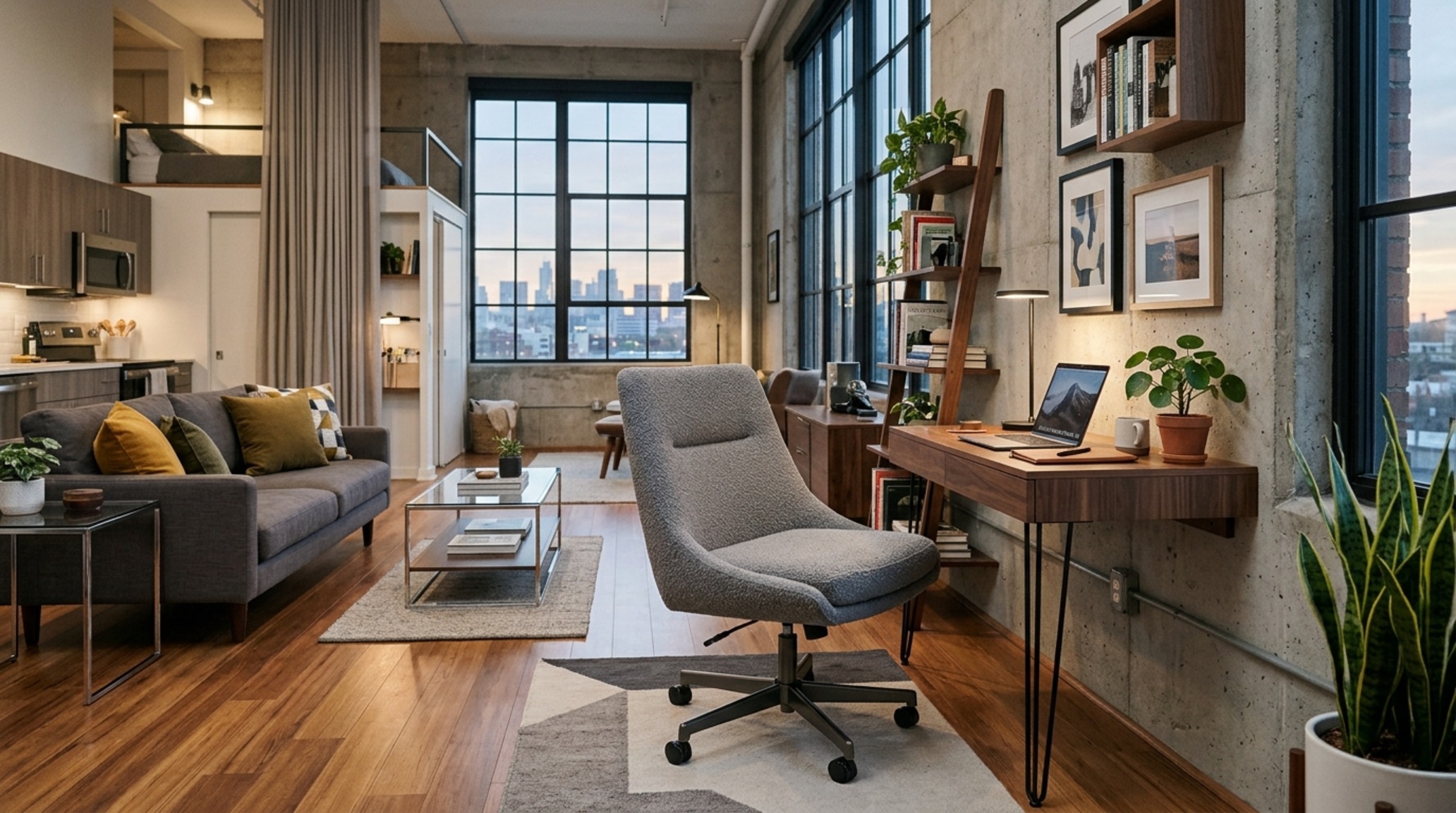
Visual perspectives honoring architectural weight, understated craftsmanship, and layered atmospheric warmth.
Curated Visual Lookbook
Design Gallery & Spatial Studies
A visual curation of architectural arrangements, lighting concepts, and material palettes featured in this space.