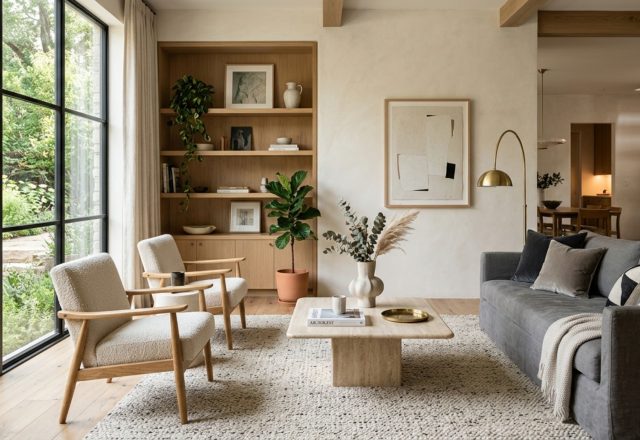
There is a profound shift happening in the way we inhabit our primary living spaces. For decades, the media wall was treated as a utilitarian altar to technology—a glossy, hard-edged shrine where the television reigned supreme. But as our collective design consciousness moves toward the ‘Quiet Luxury’ movement, we are seeing a rejection of the sterile ‘tech-first’ aesthetic. Instead, we are embracing a sensory-driven approach that prioritizes tactile grounding and spatial harmony. When looking for modern media cabinets decor ideas, the goal is no longer just to house a screen, but to integrate it into a composition of fluted timbers, honed stones, and atmospheric light that feels as if it were whispered into existence by the architecture itself.
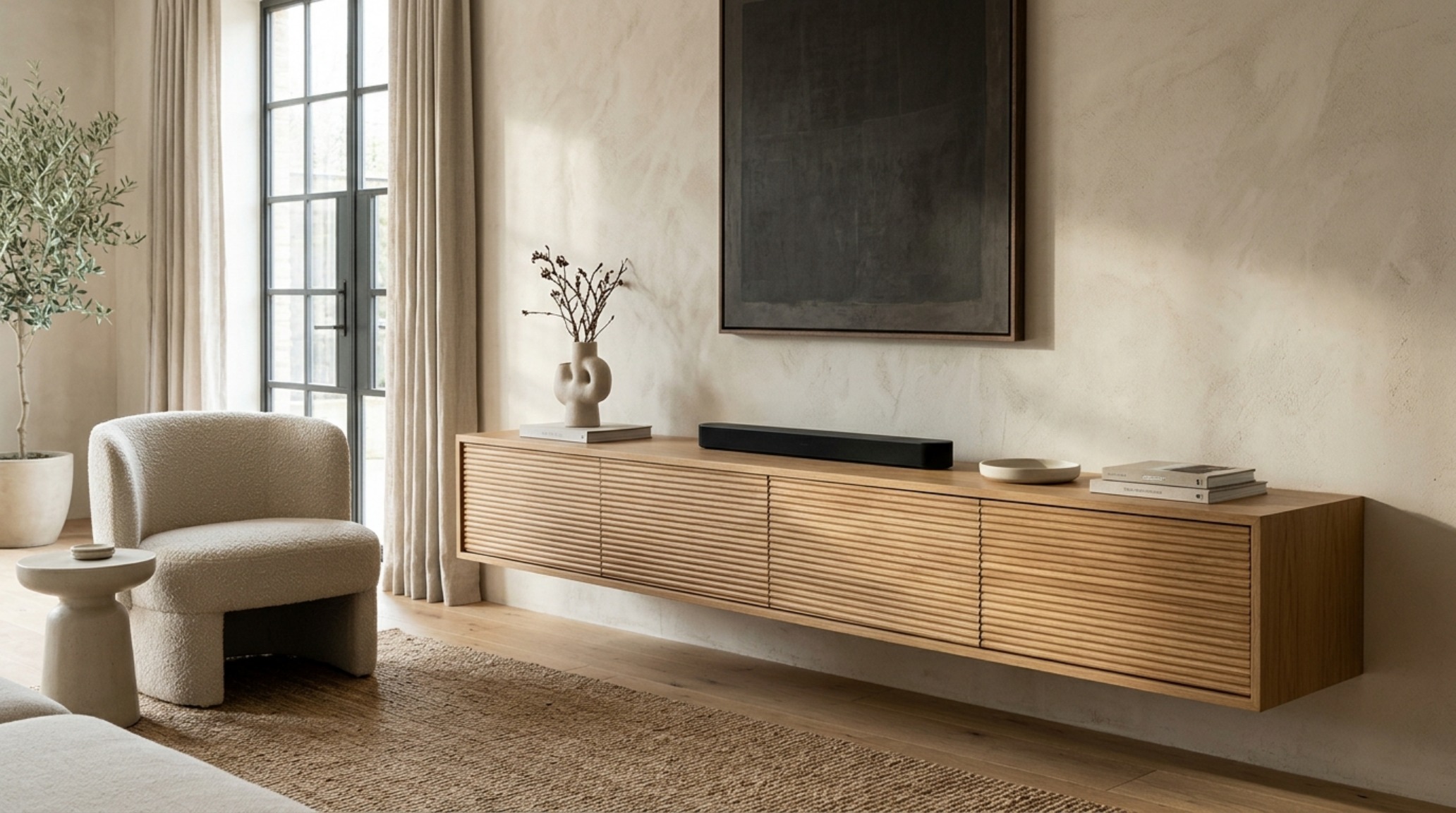
The Architecture of the ‘Quiet’ Media Wall
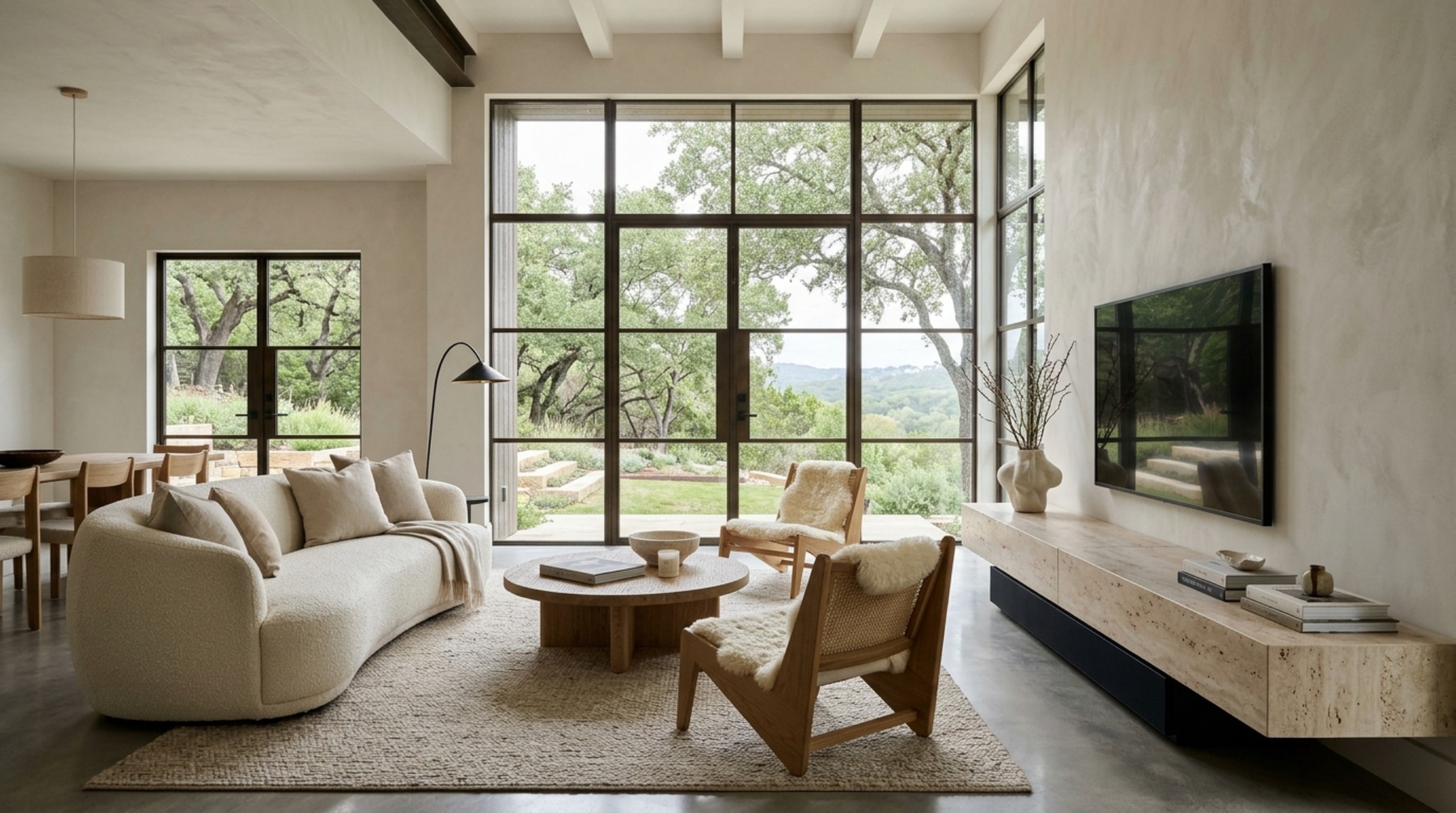
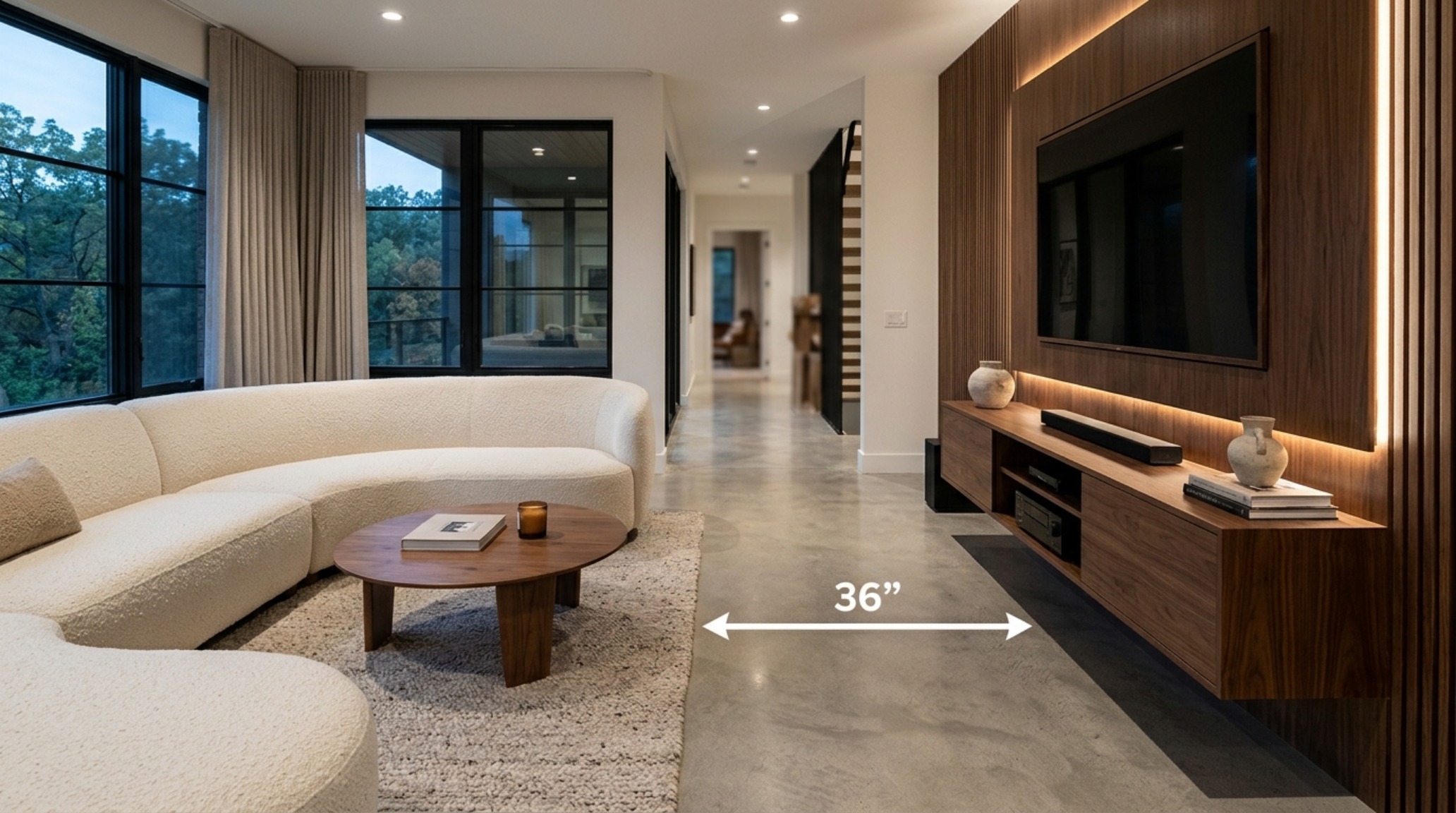
Designing a sophisticated media center requires more than just selecting a beautiful piece of furniture; it necessitates an understanding of spatial cadence. In an organic modern home, the media unit acts as a horizontal anchor that balances the verticality of high ceilings or large window expanses. This is where floating media units become transformative. By lifting the cabinetry off the floor, you expose the continuous flooring beneath, creating an illusion of expanded square footage and allowing the room to breathe. It is about the ‘negative space breathing room’—that intentional void that prevents a heavy television from weighing down the visual flow of the room.
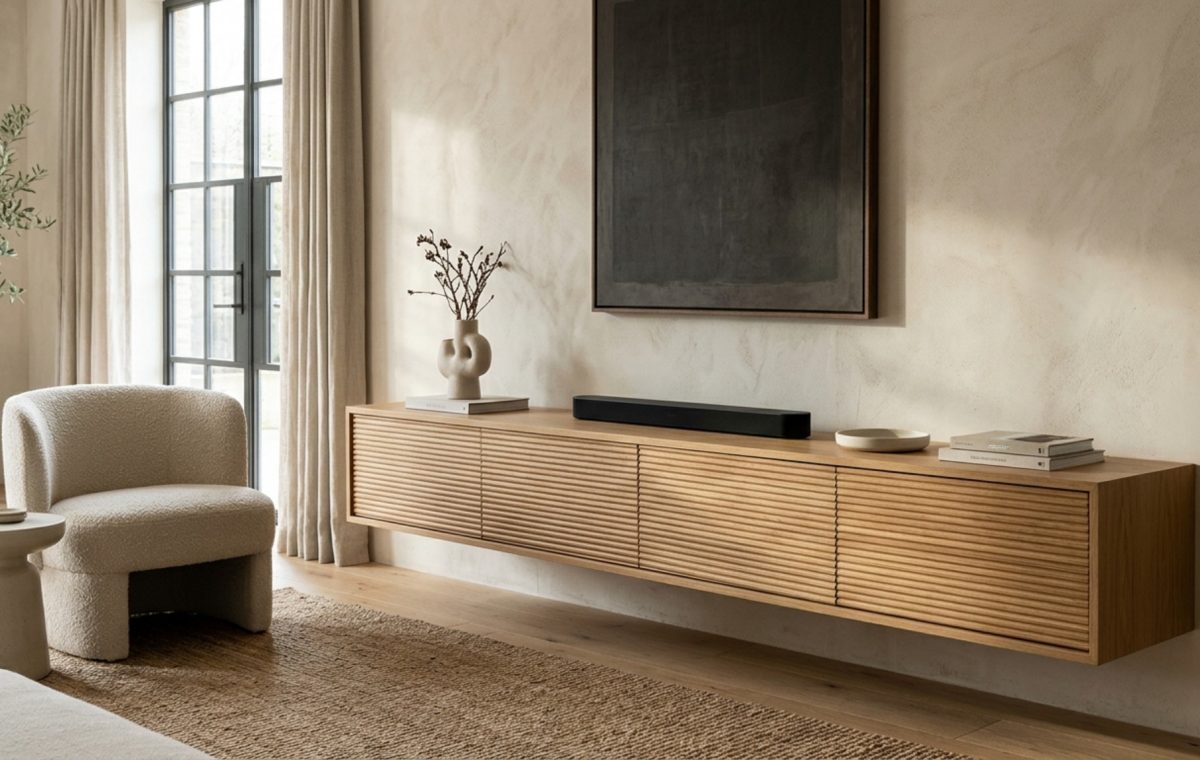
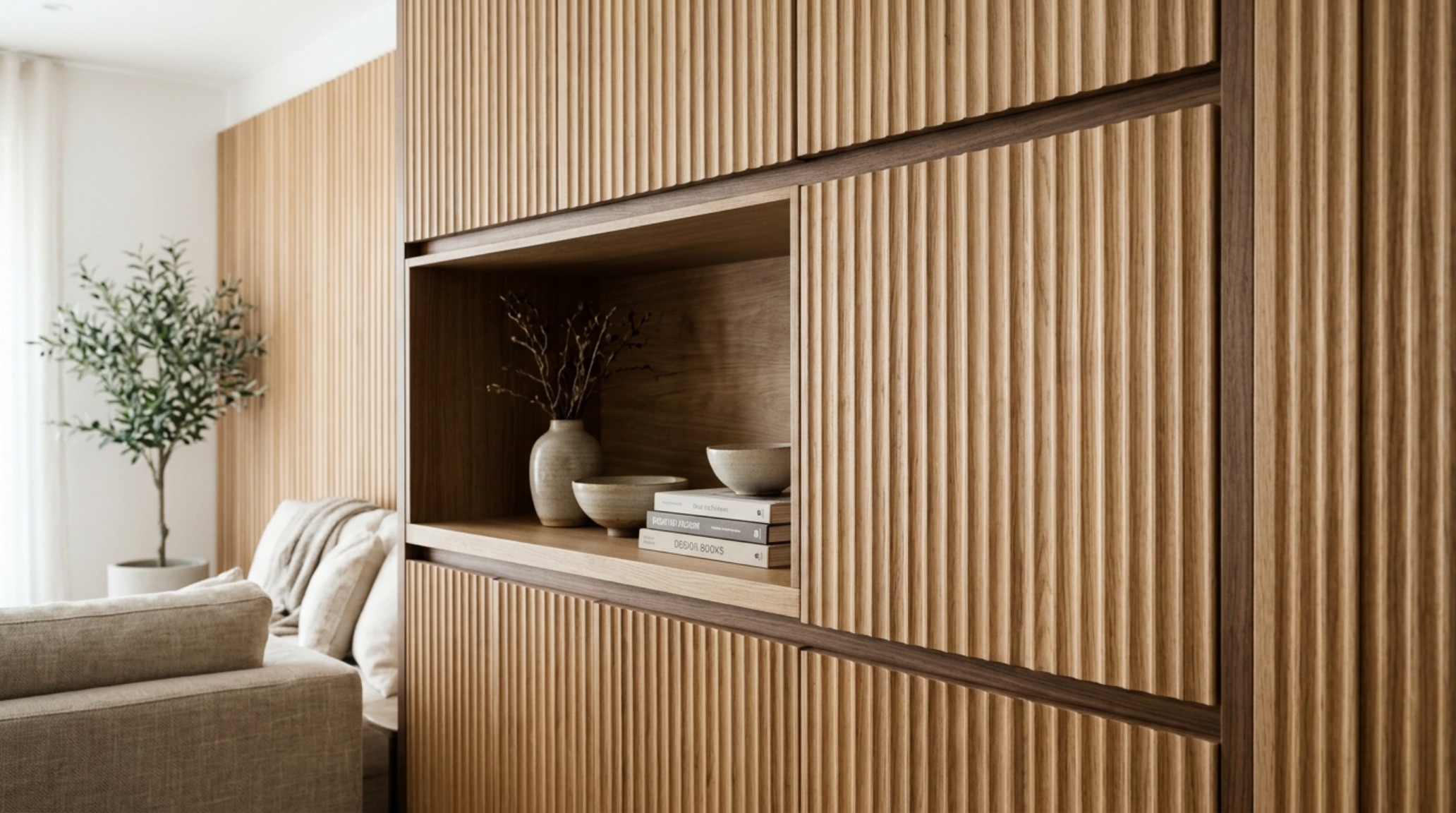
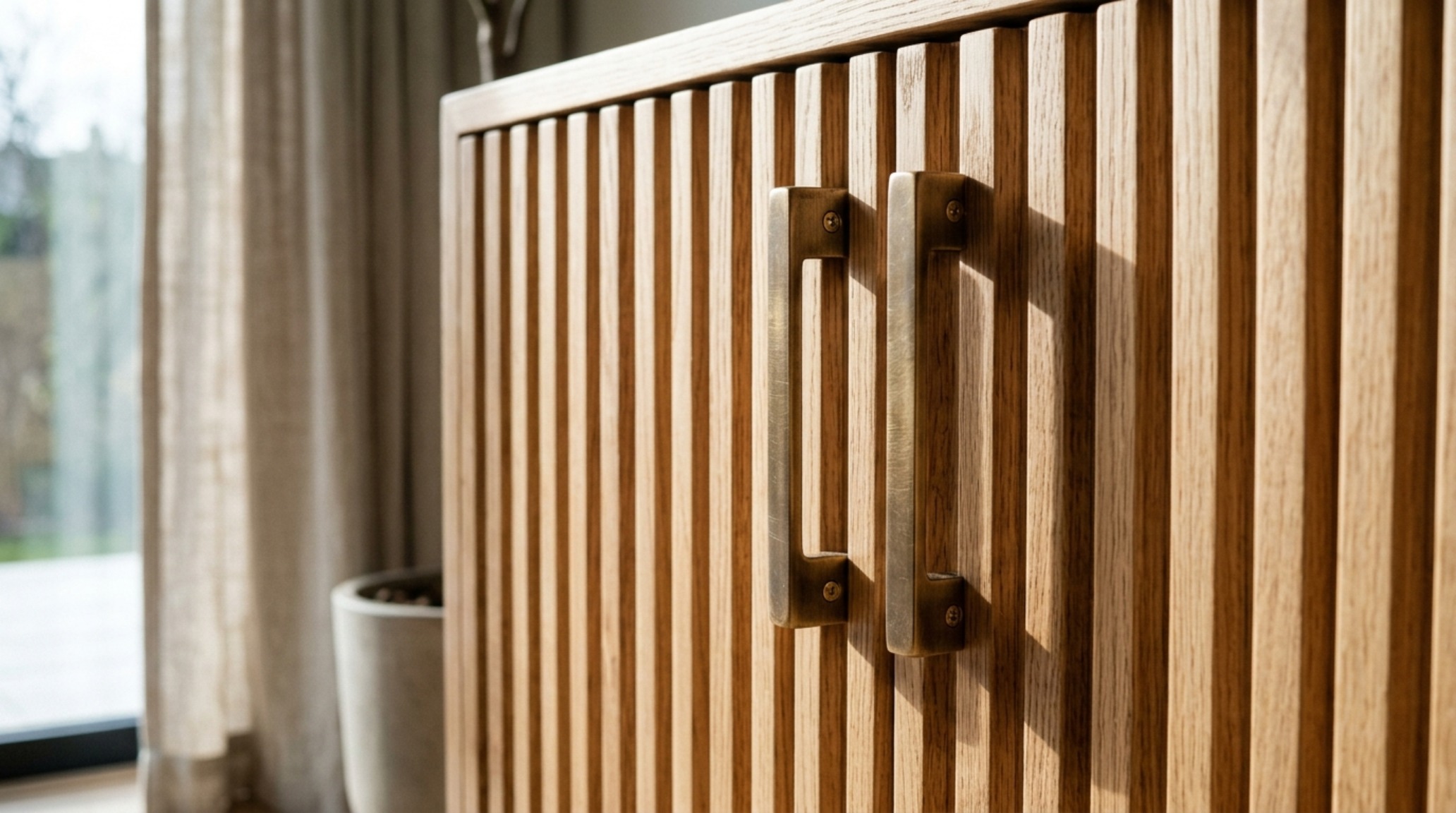
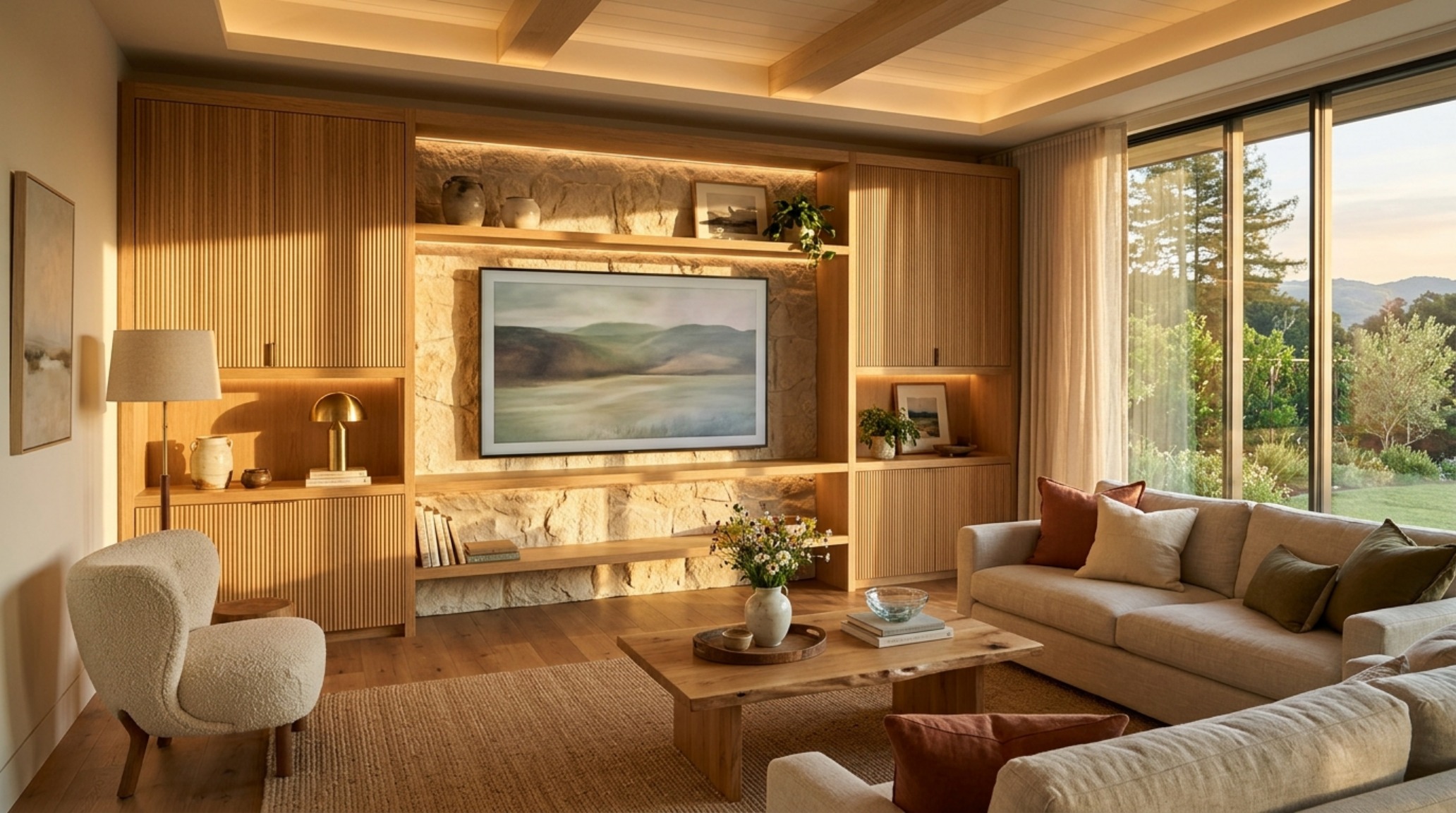
Consider the materiality. We are moving away from the high-gloss lacquers of the mid-2000s and toward materials that invite the hand. A custom-built unit featuring fluted white oak introduces a rhythmic texture that catches shadows beautifully, especially when bathed in low-raking light. This tactile quality softens the ‘black box’ effect of a large TV, turning the wall into a sculptural installation rather than a mere electronics station. When you integrate modern entertainment centers into a wall finished in a soft, chalky limewash like Portola Paints’ ‘Half Moon Bay’, the tech seems to recede into a soft, organic backdrop.
The Interplay of Stone and Timber
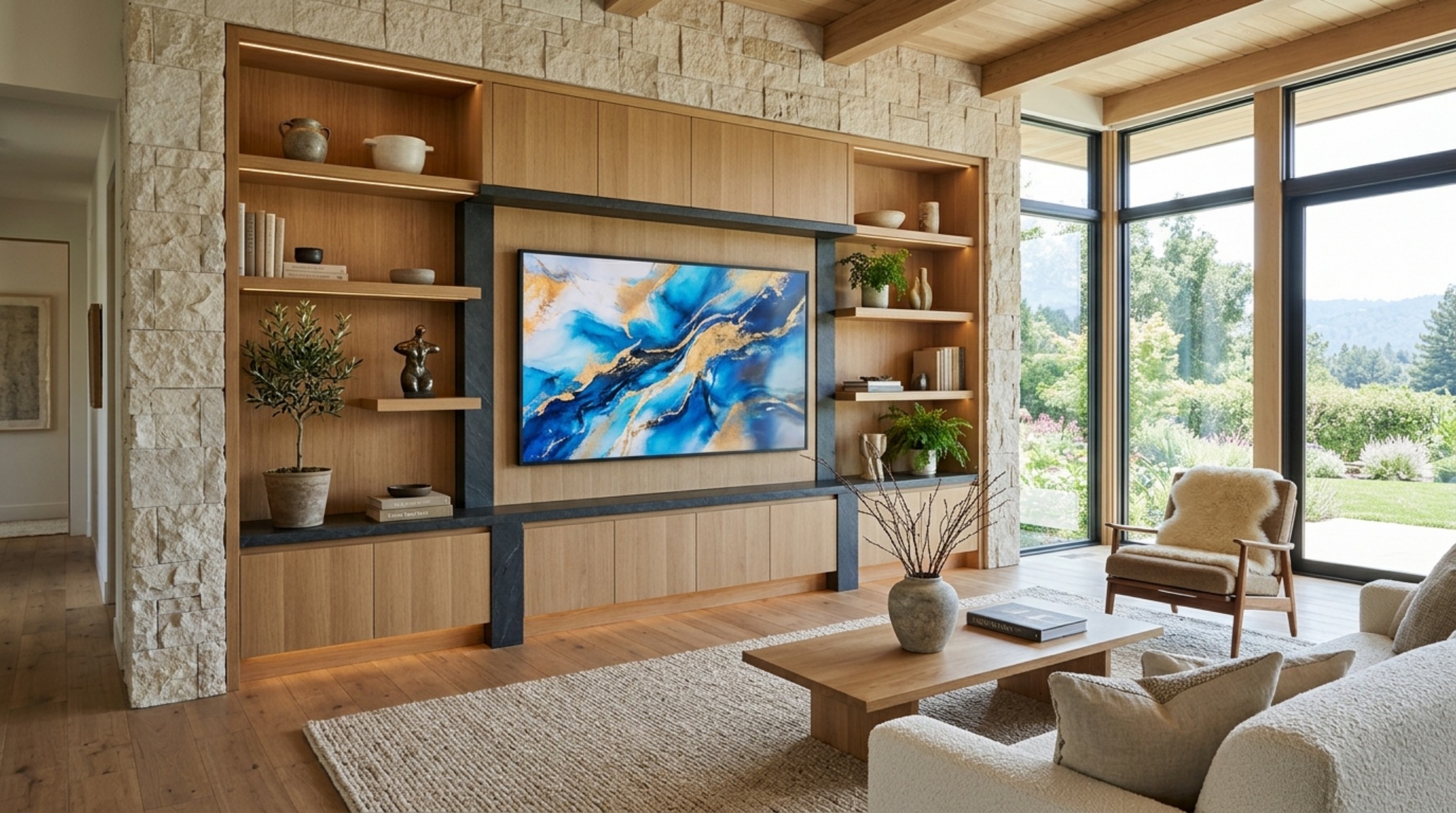
One of the most successful ways to ground a media center is through the juxtaposition of warm wood and cool, matte stone. A honed travertine plinth or a thick slab of Arabescato marble used as a countertop for contemporary media consoles provides a weighted permanence. Travertine, with its porous, ancient feel, offers an incredible contrast to the precision of modern electronics. This is the heart of organic modernism: the tension between the raw and the refined.
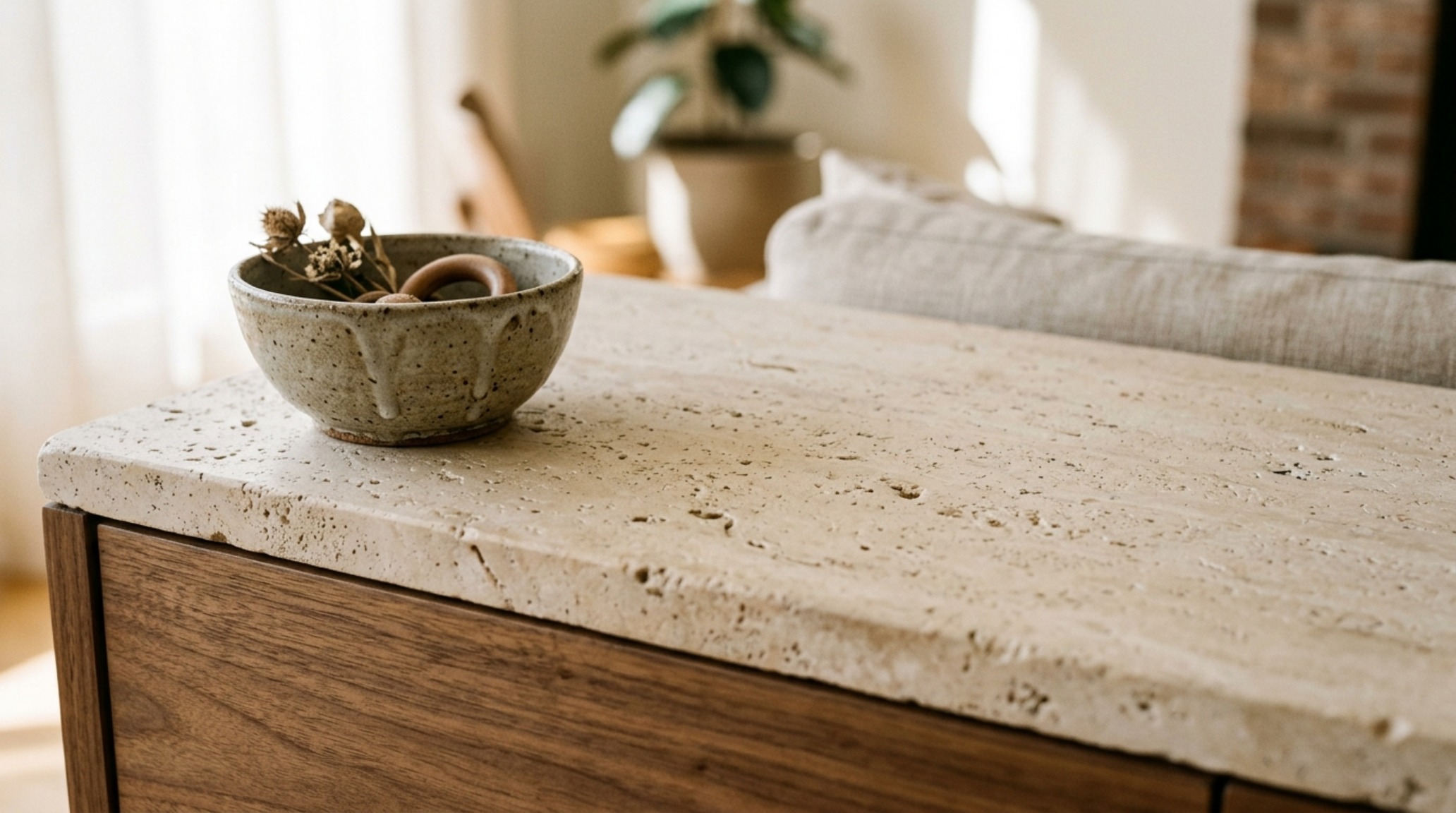
When executing this, pay close attention to the joinery. The transition from a walnut cabinet to a stone top should feel seamless. Architectural designers often utilize a ‘shadow gap’—a small 1/2 inch recess between the cabinet and the stone—to create a crisp, professional finish that highlights the distinct beauty of each material. This level of detail is what separates a standard living room from a curated, high-end sanctuary.
Modern Media Cabinets Decor Ideas: Styling for Atmosphere
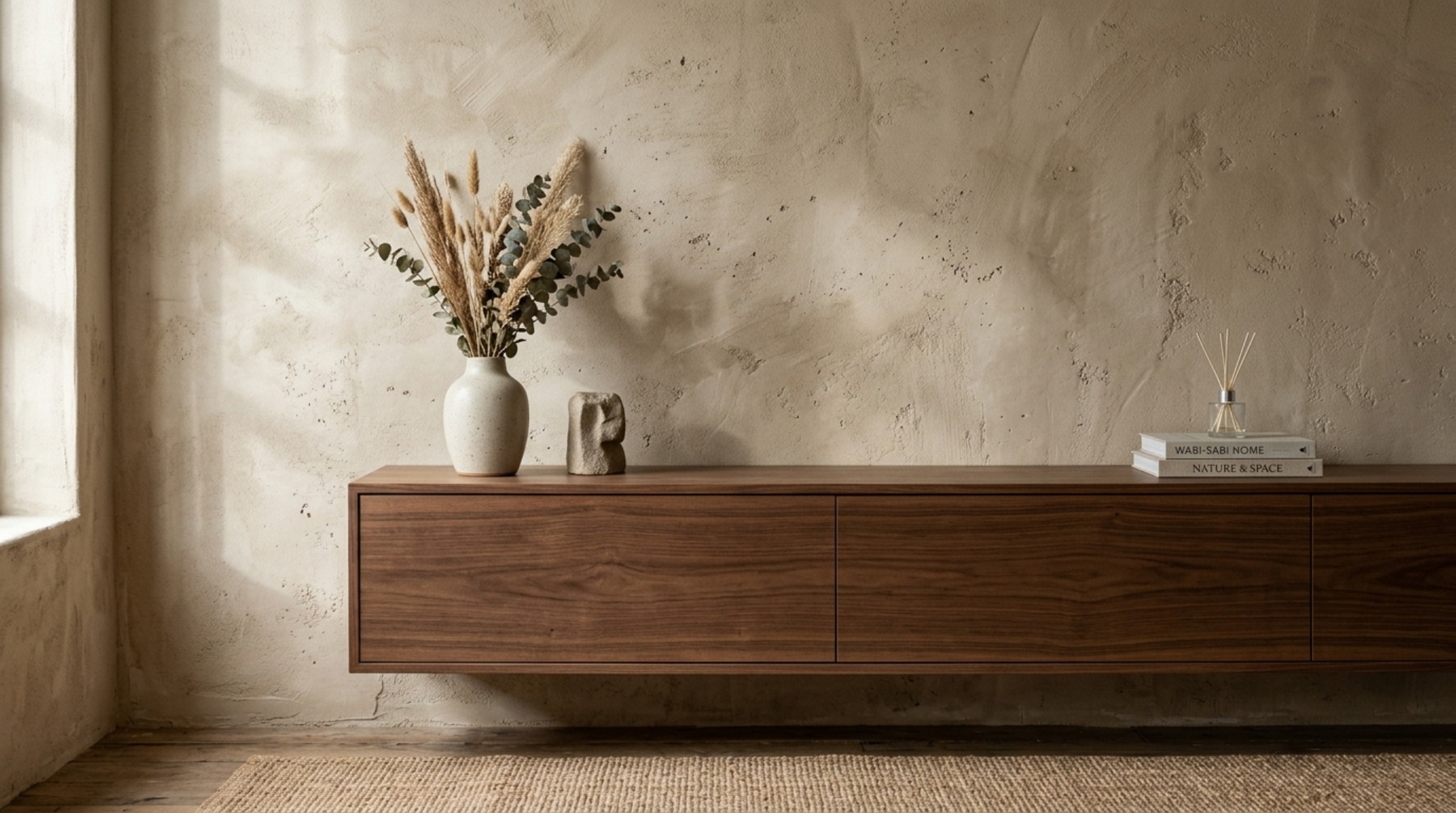
The secret to high-end media styling lies in the curation of objects that bridge the gap between technology and nature. When considering modern media cabinets decor ideas, avoid the temptation to fill every square inch. The most luxurious spaces are those that respect the void. Use a singular, oversized sculptural vessel—perhaps a vintage ceramic jar with an irregular glaze—to sit adjacent to the screen. This provides a visual counterweight to the rectangular geometry of the TV.
Stacking tonal coffee table books, such as those from Kinfolk or Cereal, creates varied heights that lead the eye across the console. Introduce organic shapes through driftwood, tumbled stones, or a singular branch of dried eucalyptus in a smoked glass vase. These elements provide ‘tactile grounding’, grounding the ethereal light of the screen with the physical reality of the earth. If you are working with integrated living room storage, ensure that your decorative items share a similar color story to your wall color—think Benjamin Moore Swiss Coffee or Farrow & Ball Setting Plaster—to maintain a monochromatic, serene environment.
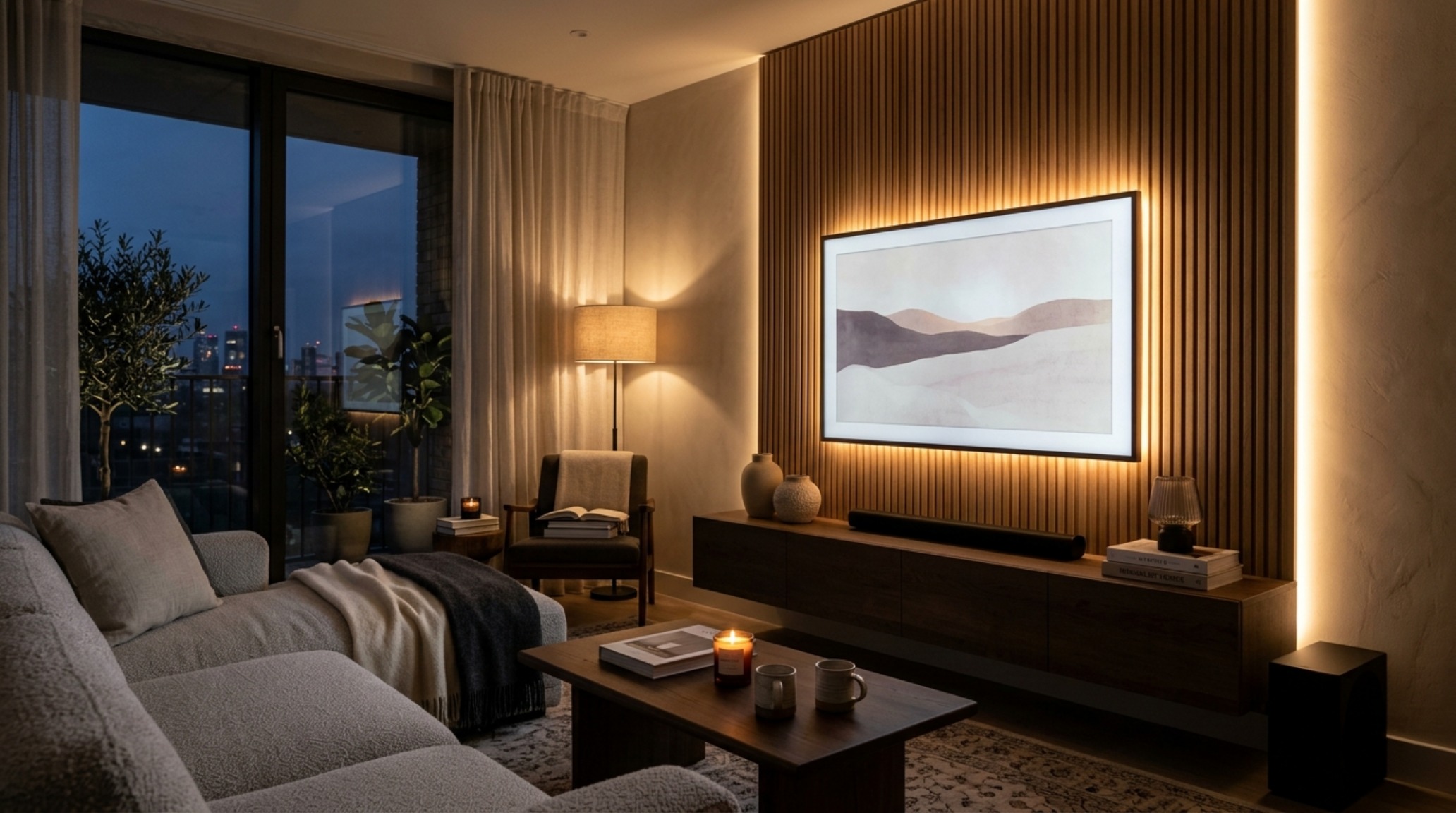
“The most successful media environments are those where the technology is the least interesting thing in the room. We use light and texture to reclaim the living space from the screen.” — Editorial Observation
Illumination and the 2700K Golden Hour
Lighting is the invisible architecture of a media room. To achieve that ‘viral Pinterest’ glow, you must move away from standard overhead recessed lighting and embrace layered, atmospheric illumination. The gold standard for organic modern spaces is 2700K warm ambient lighting. This specific temperature mimics the soft, amber hue of late afternoon sun or candlelight, which is essential for counteracting the blue light emitted by screens.
For modern built-in media wall organization, integrate hidden LED channels (with a high CRI of 90+ to ensure color accuracy) behind the cabinetry or within the fluted panels. This creates a halo effect that makes the entire unit appear to hover. It also provides ‘shadow play’, emphasizing the texture of the wood grain and the depth of the stone. Avoid 3000K or 4000K lighting in these areas; it is too clinical for a space intended for relaxation and sensory immersion.
Ergonomics and Spatial Realities
Design beauty must never compromise the functional reality of a home. When planning your organic modern living room cabinetry, adhere to strict architectural clearances. Ensure a 36-inch primary circulation path around the media area to allow for natural movement through the house. If you have a coffee table situated in front of the console, maintain an 18-inch reach between the sofa and the table for ergonomic comfort. These measurements are the silent backbone of a well-designed room; they ensure the space feels effortless rather than cramped.
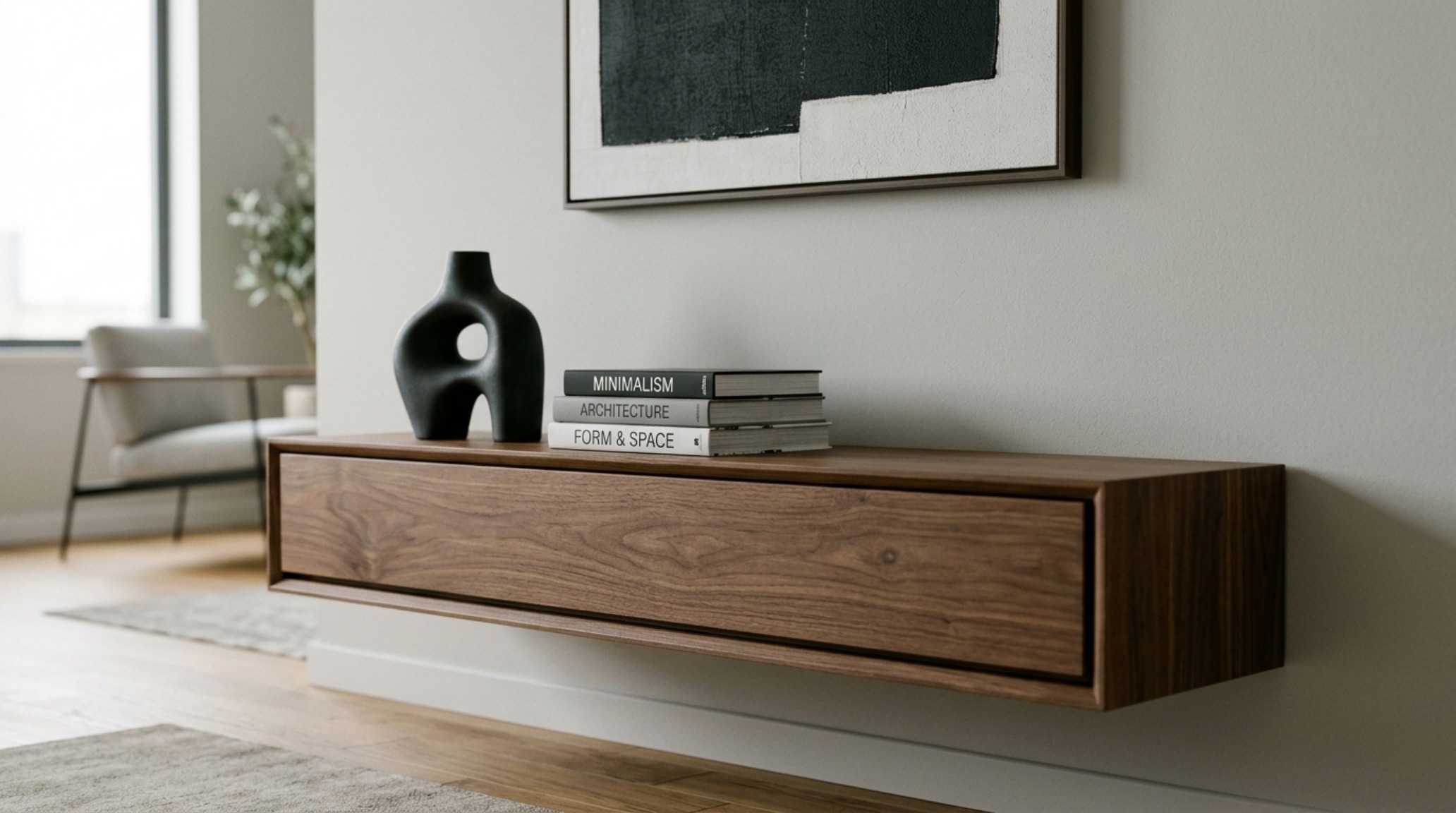
The Evolution of Hidden Wire TV Unit Design
The presence of tangled cables is the quickest way to shatter the ‘Quiet Luxury’ illusion. Hidden wire tv unit design is now a fundamental requirement for high-end interiors. This involves more than just a hole in the back of a cabinet; it requires a dedicated ‘chase’ or internal conduit within the wall or the cabinetry itself. When designing quiet luxury media storage solutions, ensure that all peripheral devices—game consoles, sound processors, and cable boxes—are tucked away in ventilated cabinets with IR-friendly mesh or slat doors. This allows the hardware to breathe while remaining completely invisible to the eye.
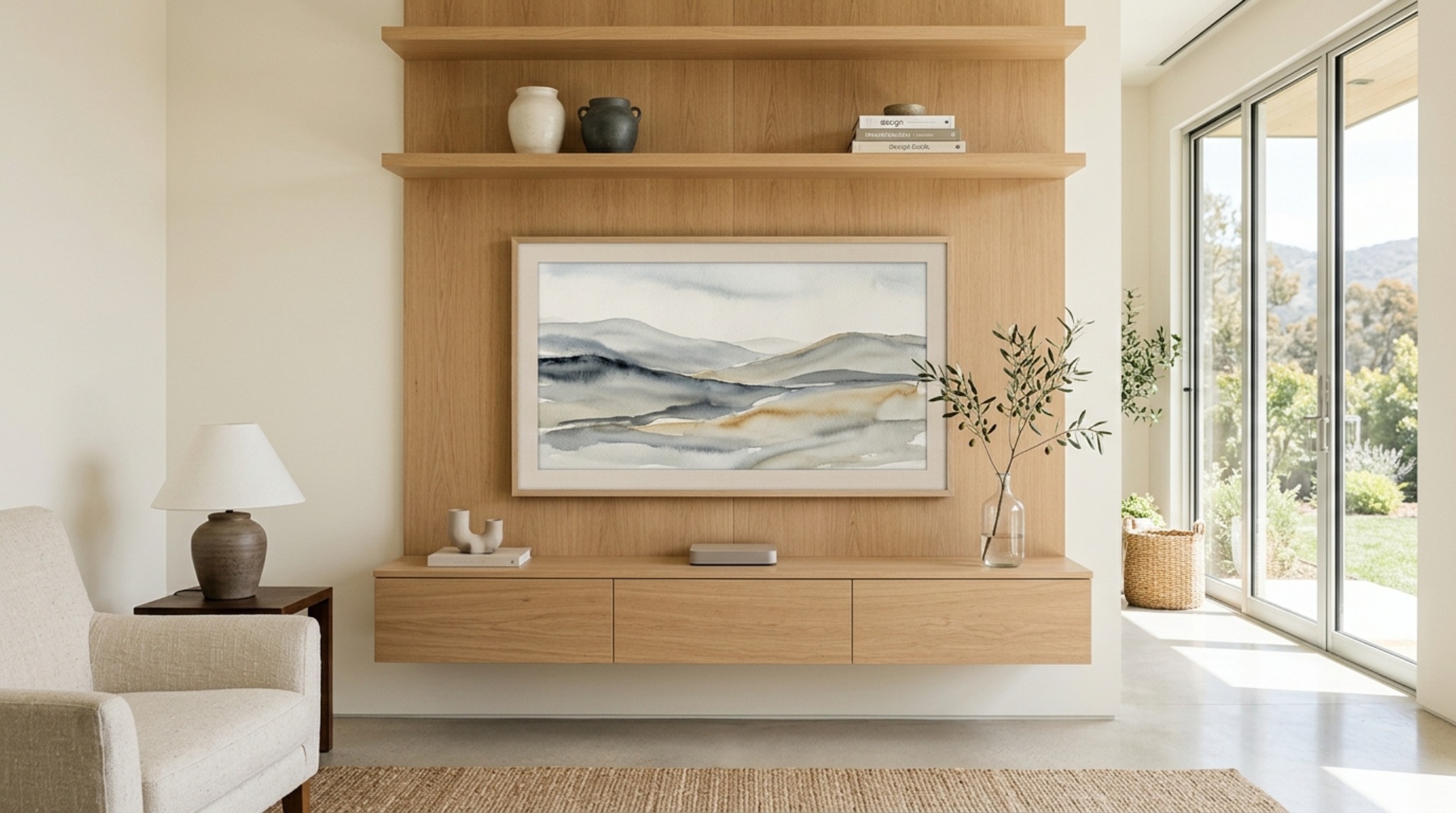
The rise of ‘The Frame’ style televisions has also revolutionized how we view the media wall. When the TV is not in use, it becomes a piece of digital art, further blurring the line between technology and decor. However, even with art-mode screens, the surrounding textures are what provide the context. A frame TV on a plain white wall looks like a TV; a frame TV centered over a fluted oak console on a limewash wall looks like a curated gallery moment.
Biophilic Integration in Media Spaces
Biophilia—our innate connection to nature—should be a guiding principle in your media center design. Beyond just adding a plant, think about how you can incorporate natural materials in their most raw state. A minimalist floating media console styling might include a piece of petrified wood or a hand-knotted wool runner nearby to add softness underfoot. These natural fibers absorb sound, improving the acoustics of the room while adding a necessary layer of visual softness against the hard surfaces of the technology.
Natural light also plays a vital role. Position your media unit to take advantage of ‘directional natural sunlight’ throughout the day, but ensure you have automated linen sheers to manage glare. The movement of sunlight across a fluted wood surface creates a living, changing artwork that is far more captivating than any digital content.
Architectural Specification & Material Matrix
Curated tactile palette, spatial dimensions, and atmospheric lighting index for this design scheme.
Ultimately, the art of the organic modern living room lies in the balance between our digital lives and our physical needs. By moving toward the thoughtful application of modern media cabinets decor ideas, we create environments that don’t just look beautiful in a photograph, but feel deeply restorative in person. The screen eventually turns off, but the texture of the wood, the weight of the stone, and the warmth of the light remain—anchoring the home in a state of perpetual, tactile serenity. This is the new luxury: a home that speaks to the senses, where technology is a guest, and the architecture is the host.
Editorial Silo • Recommended Architecture Studies
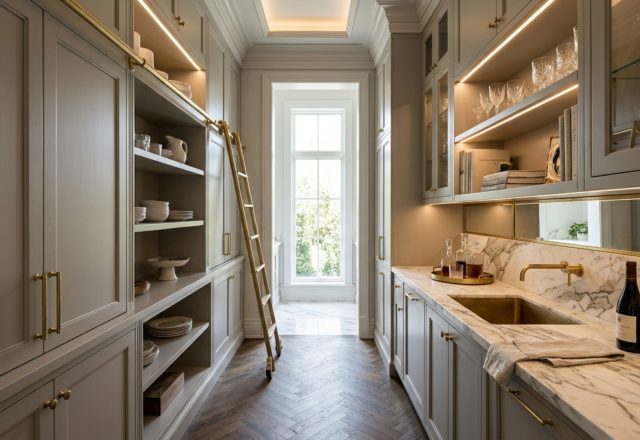
- What Is A Butlers Pantry: The Architectural Blueprint & Spatial Flow Guide — Archival Design Case Study
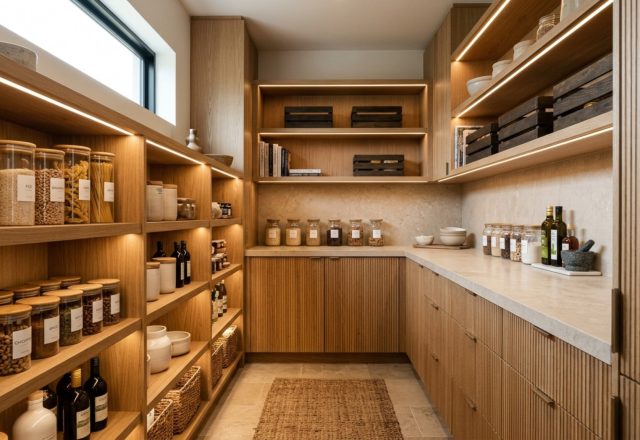
- The High-Performance Pantry: Masterful Small Pantry Organization Ideas for the Bespoke Wet Bar — Archival Design Case Study
Architectural Inspiration Lookbook
A high-resolution study in spatial proportions, tactile materiality, and light choreography curated for enduring modern living.
Curated Visual Lookbook
Design Gallery & Spatial Studies
A visual curation of architectural arrangements, lighting concepts, and material palettes featured in this space.