Smart Small Entryway Ideas to Maximize Tight Spaces
Key Points
Transforming a Two-Meter Hallway Most compact foyers trigger immediate frustration.
You walk through the front door, drop your keys on the floor, trip over…
Transforming a Two-Meter Hallway
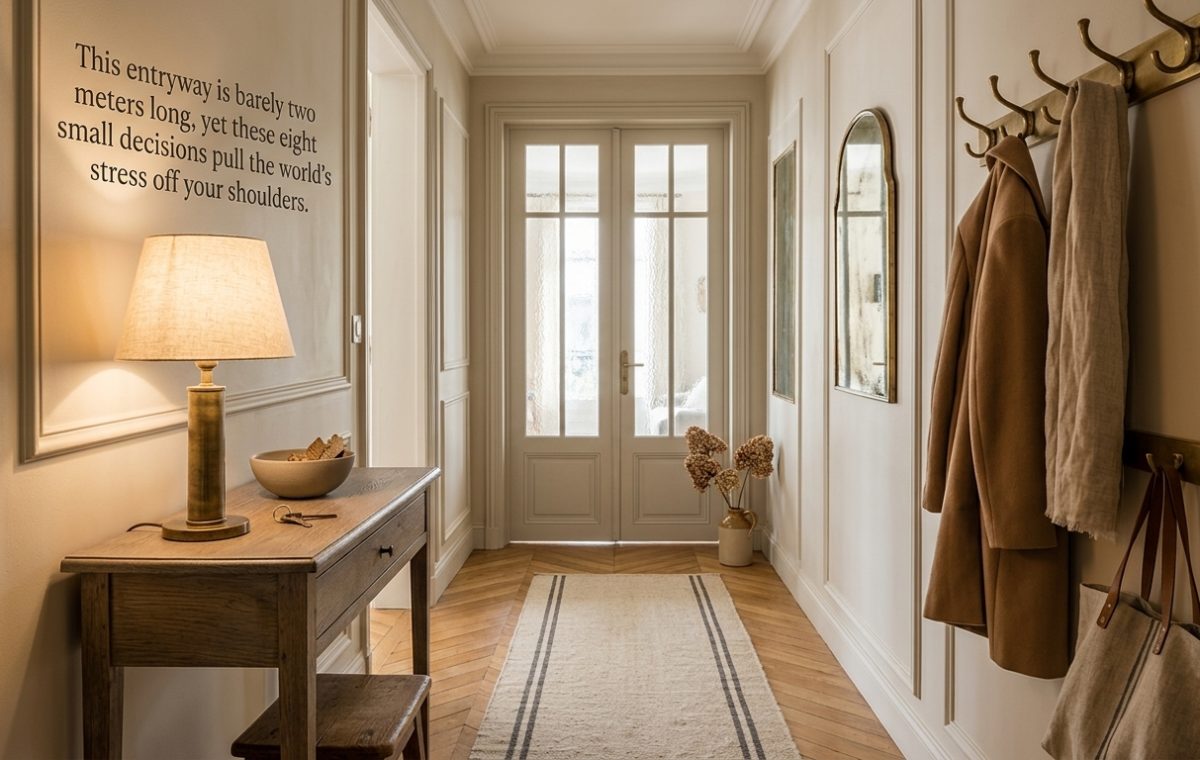
Most compact foyers trigger immediate frustration. You walk through the front door, drop your keys on the floor, trip over shoes, and instantly feel the accumulated weight of the outside world pressing against your ribs. But severe spatial limits force radical clarity. A tiny hallway does not need to feel like a claustrophobic tunnel. It can operate as a deliberate decompression chamber between the chaos of the city and the peace of your living room.
Consider the architecture of a genuinely narrow passage. When floor area is strictly limited, vertical surfaces become your absolute best friend. Traditional bulky storage furniture will swallow the walking path and choke off movement. Instead, mounting a brass peg rail directly into the drywall elevates coats, scarves, and daily canvas bags away from foot traffic. It keeps things instantly accessible without eating precious inches of floor space.
Lighting and Atmosphere in Compact Spaces
Bad lighting kills small interiors faster than bad color choices. Overhead fixtures in tight corridors often create harsh glare and deep, moody shadows that exaggerate cramped proportions. A low-profile wooden console table topped with a warm brass lamp shifts the entire optical weight downward. That golden glow softens the wall paneling, highlights a simple ceramic bowl for keys, and tricks the eye into registering the hallway as cozy rather than cramped.
Textiles also do heavy lifting beneath your shoes. A flat-weave runner stretching down a chevron hardwood floor visually lengthens the passage, guiding the eye straight toward the light pouring through the double doors at the far end. It adds tactile warmth and protects high-traffic zones from daily wear and tear.
The Reality of Daily Upkeep
Let us be entirely honest about maintaining a minimalist aesthetic in a high-traffic zone. Clutter accumulates here faster than anywhere else in the home. Muddy boots, stray mail, and forgotten umbrellas will happily sabotage your styling efforts within forty-eight hours unless your system has zero friction. If hanging a coat on a brass hook takes more effort than tossing it over a chair, the design fails. Keep drop zones simple, shallow, and brutally edited.
How many daily items are currently piling up right inside your own front door, and what single object could you remove today to reclaim your breathing room?
Editorial Lookbook & Photo Collection
Photo Archive: Smart Small Entryway Ideas to Maximize Tight Spaces
36 Photos
Written by
JayhawkRent Editorial Team
Culinary Critic exploring visual stories and modern design based in Paris, France.
Editorial review fields are available through custom fields: jayhawk_reviewer_name and jayhawk_reviewer_note.
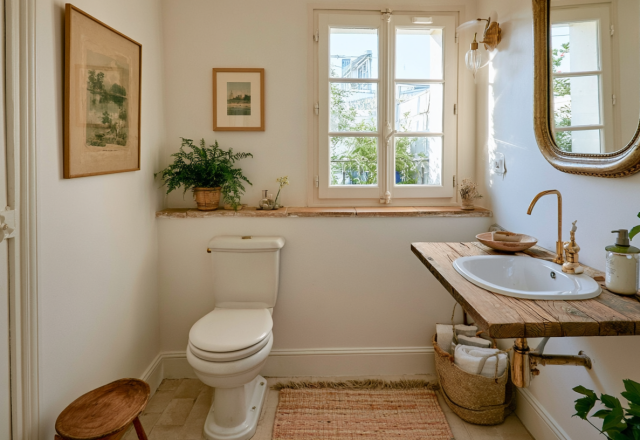
Designing Around Tight Corners Most small bathroom designs default to sterile white porcelain and oversized mirrors in a frantic attempt to trick the eye.…
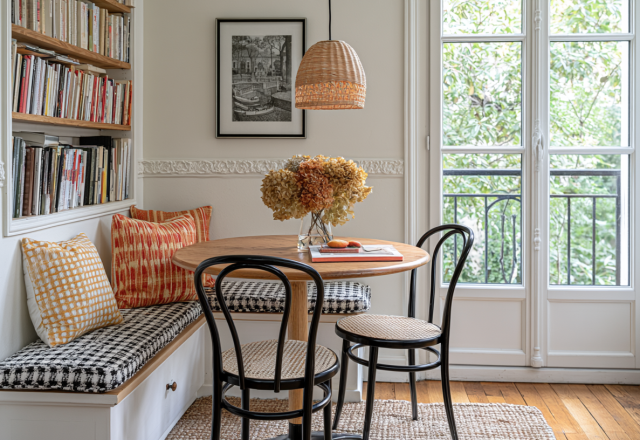
Reclaiming Dead Space with Built-In Banquettes Most apartments have that one awkward corner where nothing quite fits. Instead of shoving a houseplant into the…