The Reality of Natural Wood Floors
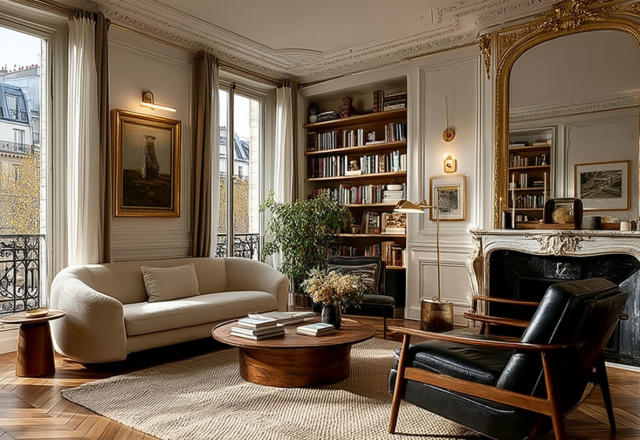
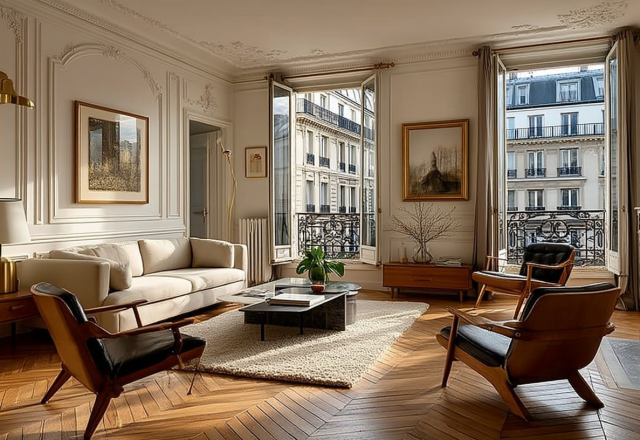
Natural wood tells a story. Every scuff, sunbeam, and seasonal shift leaves its mark on hardwood planks. Perfection is a myth when it comes to living spaces that actually get used. Sunlight streams across classic parquet patterns, highlighting dust motes and micro-scratches that sterile showroom floors hide. Yet, maintaining that organic warmth requires more than blind luck. It demands an honest assessment of how sunlight and furniture interact with your finishes.
Sunlight and UV Degradation
That golden afternoon glow looks stunning cutting across a room. However, UV rays are relentless. Over months and years, unfiltered sunlight alters wood pigmentation. Areas under rugs stay pale while exposed zones darken or bleach depending on the species. Rotating your rugs every few seasons stops harsh demarcation lines from forming. It is a minor chore that prevents permanent discoloration without needing an immediate sand-and-refinish job.
Furniture Feet and Surface Stress
Heavy wooden stools and antique chairs exert immense pressure on tiny points of contact. Dragging them across unshielded planks carves deep gouges into the polyurethane or oil seal. Felt pads help, but they compress over time. Check your hardware quarterly. Replace worn pads before metal or abrasive wood bases grind directly into the grain. Little preventive habits save weekends of tedious hand-sanding later.
Daily Upkeep Without Harsh Chemicals
Most commercial cleaning aisles push overly complicated chemical regimens. Skip them. A dry microfiber mop handles ninety percent of everyday grit. Grit acts like sandpaper under shoes and chair legs, wearing down protective topcoats prematurely. When you do mop, use dampness rather than soaking wet cloths. Standing water sneaks between joints, causing boards to warp or cup along the seams. How do you protect your favorite rooms from seasonal wear?
Editorial Lookbook & Photo Collection