Parquet Floor Restoration: Revive Your Historic Wood
Key Points
The Reality of Worn Wood Walk across any historic room and you will likely feel the subtle dips, creaks, and character of aged timber…
The Reality of Worn Wood
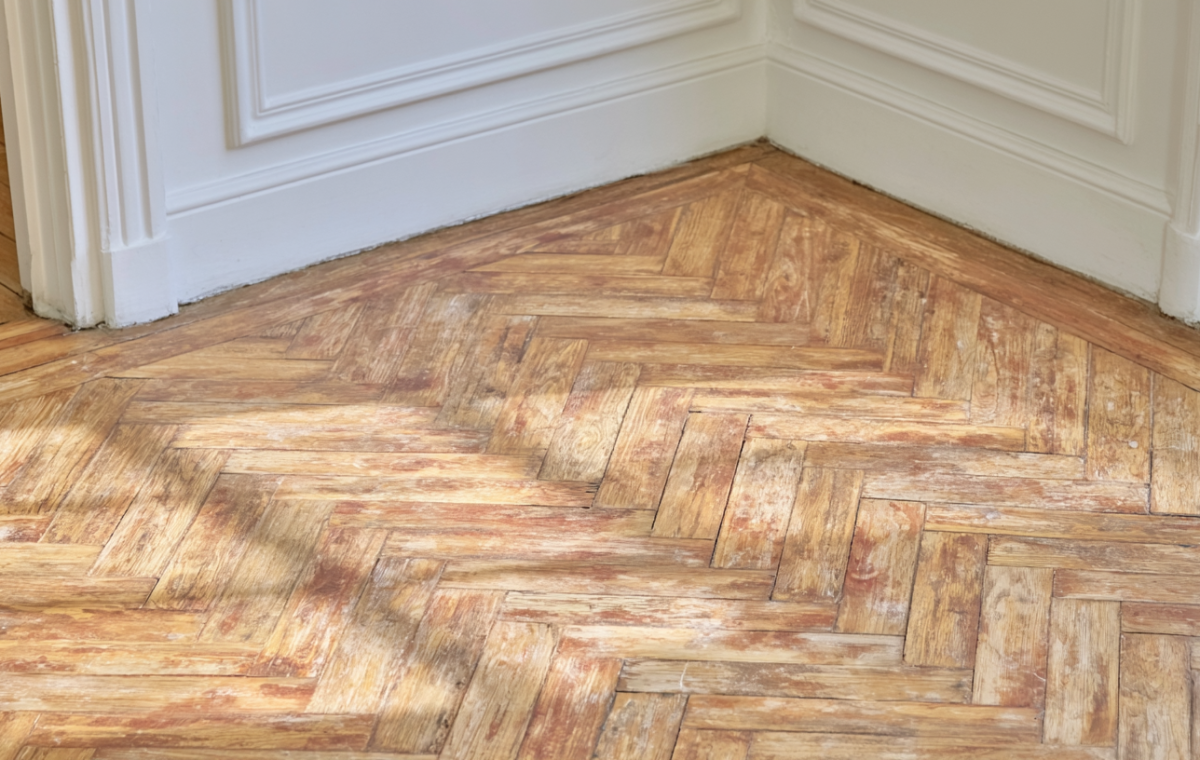
Walk across any historic room and you will likely feel the subtle dips, creaks, and character of aged timber underfoot. Time does not treat protective finishes kindly. Foot traffic wears down polyurethane, sunlight yellows natural oils, and furniture legs leave permanent gouges. Looking closely at worn herringbone blocks reveals the raw, stripped grain beneath decades of old varnish. It is tempting to cover everything with a heavy rug. Resist that urge. The timber underneath holds genuine architectural value.
Assessing the Damage
Before renting a massive drum sander, take a magnifying glass to the actual joints. Are individual oak slats loose? Do you hear hollow echoes when tapping certain sections? Parquet flooring differs fundamentally from standard wide planks. The tight chevron pattern means wood expansion and contraction happen in multiple directions. Slats often pop loose due to humidity swings or failing bitumen adhesive. Glue failure needs immediate reinforcement with specialized modern adhesives before any abrasive tool touches the surface.
Choosing Your Abrasive Path
Aggressive sanding ruins vintage woodwork faster than anything else. Historic oak blocks possess a finite wear layer above the tongue-and-groove or base substrate. Going too deep once means you cannot refinish the surface ever again. Professionals rely on multi-disc orbital sanders for this exact reason. They hug uneven contours instead of carving deep trenches into softer early-growth rings. Start with a medium-grit paper to strip oxidized layers, then step down progressively until the grain looks clean and pale.
Never rush the edging work. The perimeter where herringbone meets the baseboard requires hand scraping and careful detailing to avoid ugly swirl marks.
Sealing and Daily Upkeep
Raw wood breathes, absorbs moisture, and stains instantly. Selecting a finish dictates your maintenance routine for the next decade. Hardwax oils penetrate deep into the pores, offering a low-sheen matte look that hides minor scratches remarkably well. Traditional polyurethane creates a tough plastic shield, though repairing a localized scratch means sanding down an entire section. What is your current strategy for keeping historic hardwood looking sharp against daily wear?
Editorial Lookbook & Photo Collection
Photo Archive: Parquet Floor Restoration: Revive Your Historic Wood
36 Photos
Written by
JayhawkRent Editorial Team
Culinary Critic exploring visual stories and modern design based in Paris, France.
Editorial review fields are available through custom fields: jayhawk_reviewer_name and jayhawk_reviewer_note.
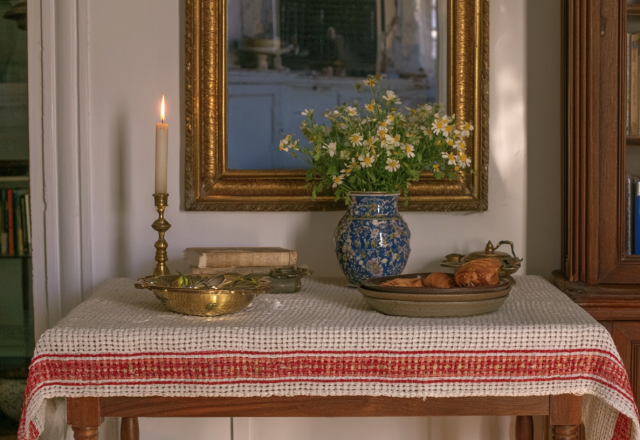
The Allure of Layered History Modern interiors often chase sterile perfection. Real homes tell stories. When you place an antique gold-gilded mirror above a…