The Power of Raw Wood Silhouettes
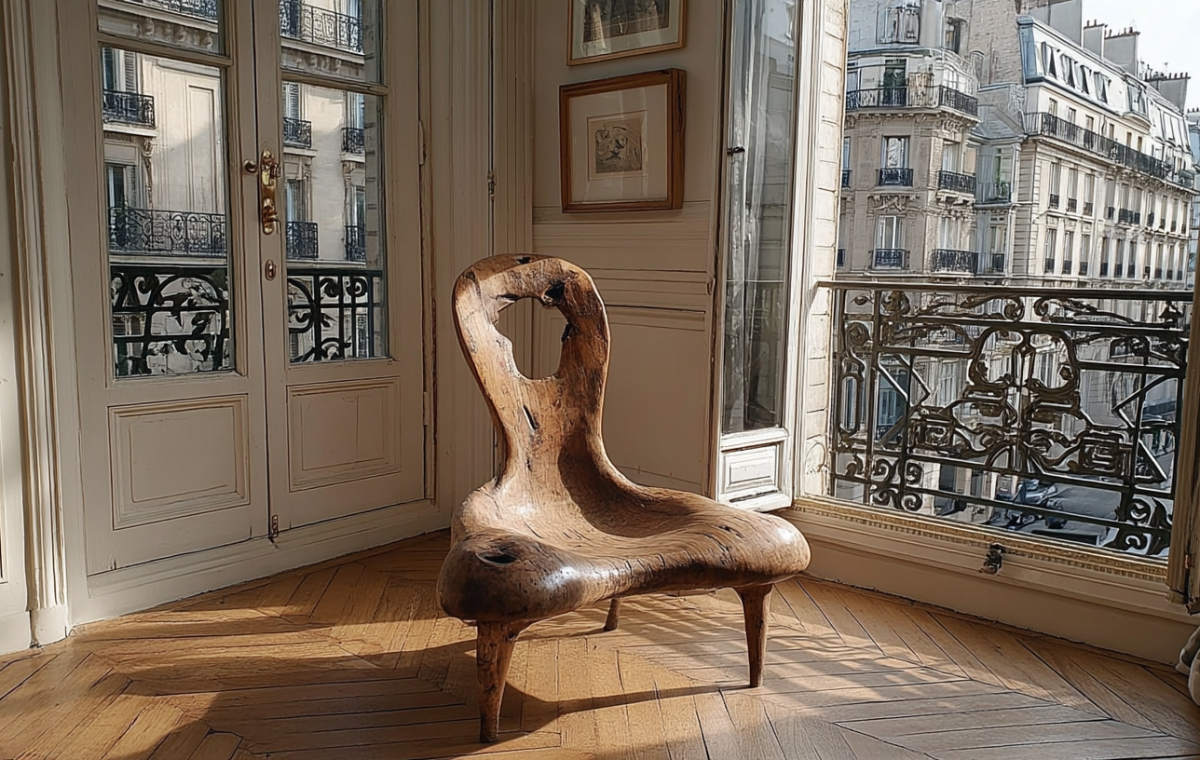
Standard furniture fills a room. Sculptural pieces alter its entire architecture. When you place a hand-carved organic modern chair against tall french windows, the entire space shifts away from showroom sterility into genuine artistry. It breaks the grid of walls, molding, and repetitive windowpanes. Wood grain tells a story that synthetic materials simply cannot replicate.
Yet, buying a statement seat requires restraint. A heavily textured timber throne demands breathing room. If you crowd it with end tables and overflowing bookshelves, the visual impact vanishes. Let the floor beneath it show. Let natural sunlight sweep across the raw contours every afternoon.
Balancing Function and Raw Form
Let us address the obvious elephant in the room. Is a knobby, anthropomorphic wooden seat actually comfortable for reading a novel? Honestly, sometimes function takes a backseat to pure sculptural presence. These pieces act as functional art. They anchor empty corners that standard armchairs leave feeling awkward.
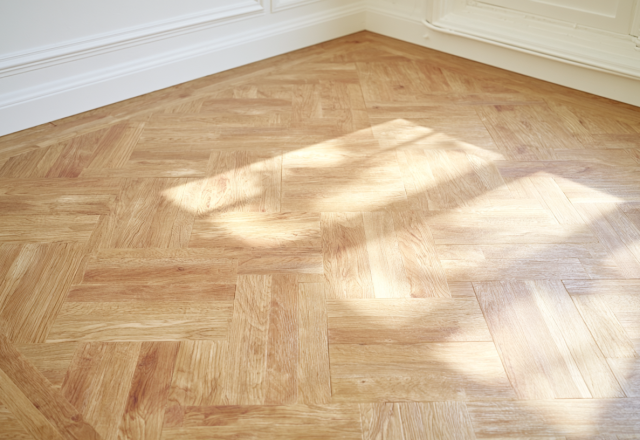
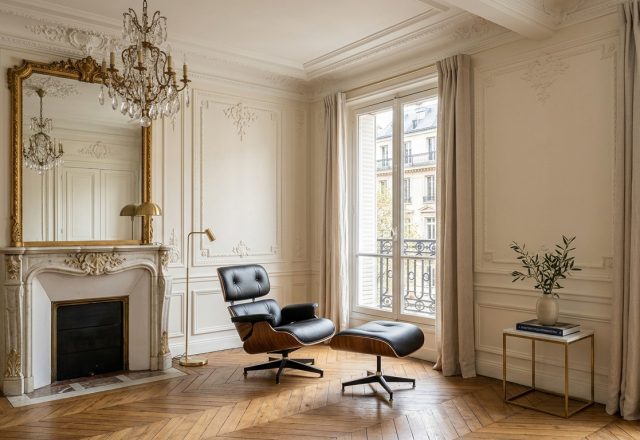
Pairing raw timber seating with classic Parisian parquet flooring creates an interesting tension. Old meets rugged. Traditional architectural bones balance out eccentric, avant-garde silhouettes.
- Keep surrounding walls clean and muted to let the grain stand out.
- Skip heavy floor rugs that compete with complex wood grains.
- Position near natural light sources to emphasize organic curves.
Where to Place Statement Seating
Avoid shoving unique chairs into tight hallways. They deserve visibility. A wide landing, an airy corner of a sitting room, or a sunlit bay window offers the right stage. Natural morning light raking across carved walnut or oak reveals every imperfection, knot, and tool mark left behind by the maker.
How are you balancing raw artisan pieces with your home’s existing architectural style?
Editorial Lookbook & Photo Collection