
I am a teenager. I really want to have a comfortable and wide study table for my bedroom. A table design with many bookshelves that can hold all of my book collection is all that I need for my desk. People say, I have a lot of talents. Yes, I have some hobbies like playing baseball, football, bike and skateboard. With a flurry of activity, I do not have much time to clean my room. As a result, my room was a mess. Baseball ball, baseball bat, baseball glove, football ball, skateboard, globe, books and all my stuff are everywhere.
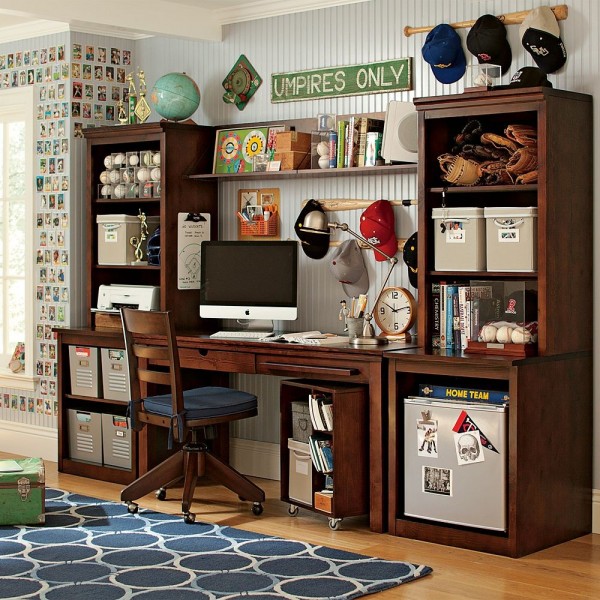
I want to organize my room. The first thing I want to do is designing my table design. So when I go bedroom, I can take a rest in peace and comfort with my neat and clean bedroom.
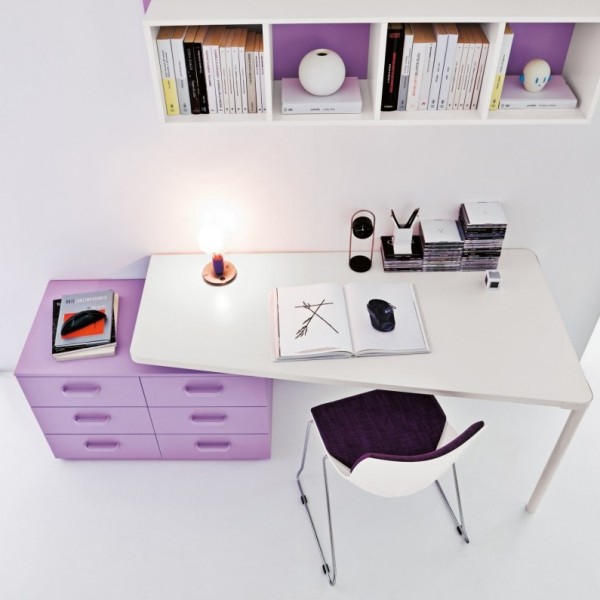
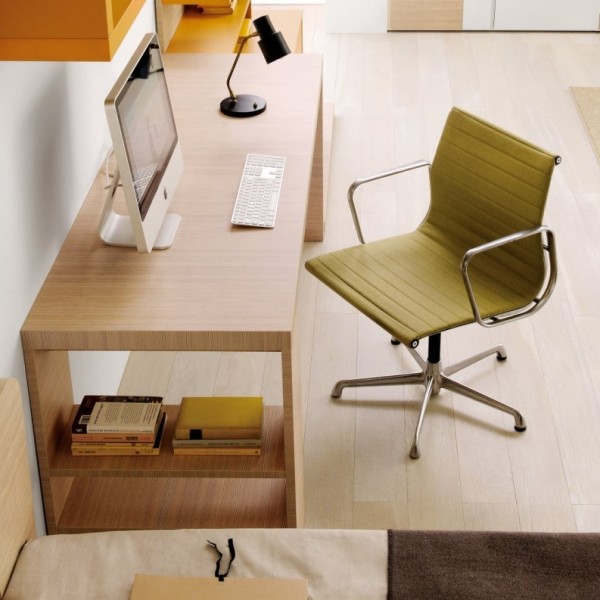
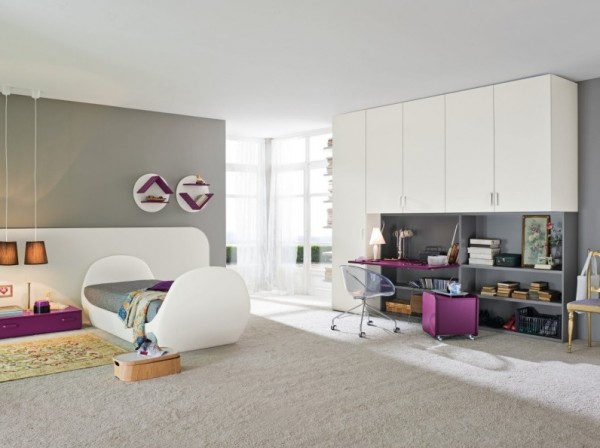
A table design that I want is a unique and modern table design with plenty of space to store my sports gear, bookcases for my school books, a special place to put my championship trophy, my favorite balls, computer and printer. Moreover, I want a teenage table design with bright and stylish color. All my ideas are summarized in the pictures that exist on the gallery of modern and amazing table design for teenagers below.
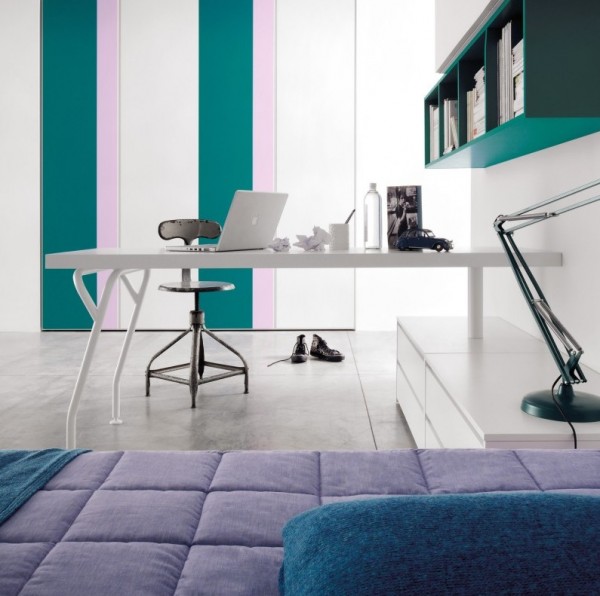
Look the table design for teenager images and design your own table for your bedroom.
70 / 100 by 946 users

Additional Editorial Notes
Furniture selection notes
Furniture should match the scale of the room before it matches the style. Measure the walkway, door swing, and distance between main pieces before choosing a table, chair, or storage unit. A beautiful item can still feel wrong if it blocks movement or makes the room difficult to clean.
Material and proportion tips
Use durable materials for pieces that receive daily contact, then add softer texture through cushions, rugs, or small decor. Repeating one material, such as wood, metal, or glass, helps different furniture pieces feel connected even when they are not from the same set.
Final Review Checklist
Before applying this idea, review the room in daylight and at night. Natural light can change the way colors, textures, and finishes appear, while evening lighting shows whether the room feels warm enough for daily use. If the room looks flat, add one layer of light, one natural texture, or one repeated accent color rather than adding many unrelated decorations.
Also consider maintenance. A design that is difficult to clean or blocks everyday movement will quickly become frustrating. Leave enough space around furniture, choose surfaces that match the activity of the room, and keep small items grouped in baskets, trays, shelves, or drawers. These simple checks make the inspiration easier to live with after the room is finished.
Use the gallery images as visual references, then adapt the idea to the actual home. Room size, ceiling height, existing furniture, budget, and family routines should guide the final choice. The most successful version is usually the one that feels comfortable, practical, and personal rather than a direct copy of a photo.
Reader-Friendly Summary
This idea is most useful when it is treated as a starting point rather than a fixed rule. Look at the main image, identify the strongest element, and decide whether that element fits the room you actually have. It may be the color palette, furniture shape, lighting mood, storage approach, or the way the room is arranged.
If the original idea feels too bold, simplify it. Use one main feature, repeat one supporting color, and keep the rest of the room calm. This approach makes the design easier to adapt, easier to clean, and more realistic for everyday homes.
Before You Finish the Room
Step back and look at the room as a whole before considering the design complete. Check whether the main feature is easy to notice, whether the furniture placement feels natural, and whether the room still has enough open space. Removing one unnecessary item often improves the final result more than adding another decoration.
Image Gallery


