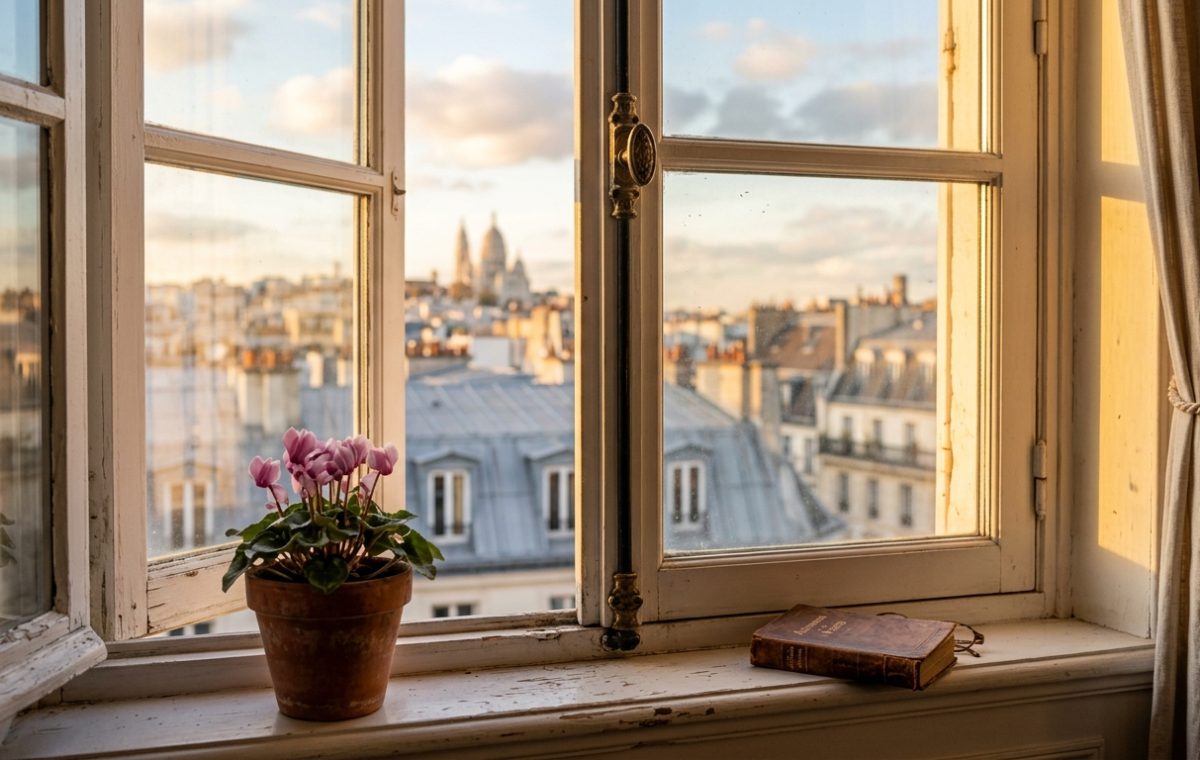
Morning light hits old window frames differently. It exposes every layer of worn paint, highlights the dust motes dancing in the air, and turns a simple sill into a stage for daily life. When you look out past a classic brass latch toward zinc rooftops and distant stone spires, interior styling ceases to be about filling empty space. It becomes a dialogue with the architecture itself.
Embracing Raw Patina and Vintage Textures
Most modern construction hides its bones behind drywall and seamless vinyl. Older properties, however, demand respect for their flaws. The chipped white paint on wooden mullions and the subtle warping of historic glass panes add an honest character that no manufactured replica can fake. Instead of covering these imperfections, build around them. Place an old leather-bound book directly onto the weathered wood. Let its spine crack a little more with each passing season. The goal is not pristine perfection. The goal is a lived-in authenticity that feels entirely earned.
Balancing Soft Greenery with Hard Masonry
Hard cityscapes outside need a touch of organic softness inside. A humble terracotta pot holding a cluster of blooming pink cyclamen introduces life right where the interior meets the elements. Terracotta breathes. It stains, it weathers, and it develops a chalky patina over time. Keep plant selection low-key. Avoid fussy arrangements that require daily clipping. Let the stems lean naturally toward the sun. Notice how the rough clay texture contrasts against smooth window glass and the distant slate roofs.
Windows are not merely glass barriers to keep the weather out. They are frames designed to connect our private interior rituals with the greater rhythm of the city.
Practical Realities of Sill Styling
Styling a high-traffic window sill comes with daily friction. Condensation forms on cold mornings, potentially ruining unprotected paper book covers. Direct sunlight fades fabric bindings and stresses indoor plants if they dry out too fast. Place a small felt pad or a discreet slate coaster under potted plants to protect vintage wood from water rings. Rotate reading material regularly so the sun bleaches the covers evenly rather than scorching one side.
How do you approach styling the architectural transitional spaces in your own home, and do you lean toward minimalism or curated clutter?
Editorial Silo • Recommended Architecture Studies
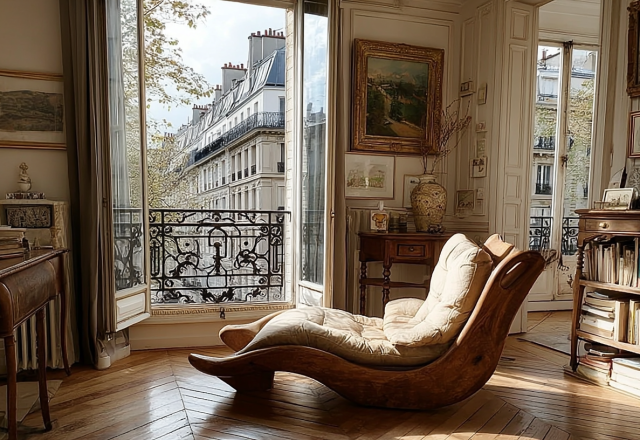
- Designing a Classic French Apartment Living Room Layout — Archival Design Case Study
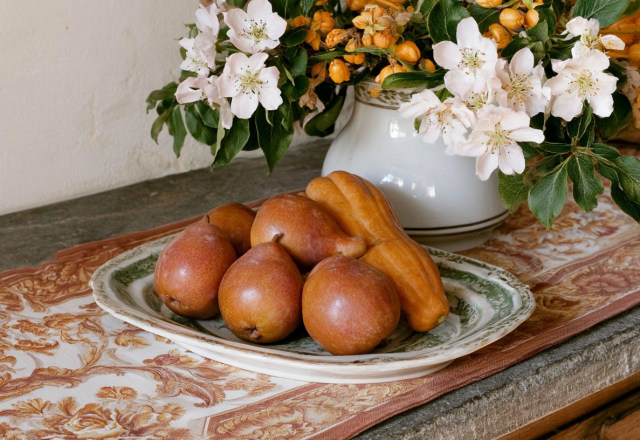
- How to Style a Rustic Kitchen Table Centerpiece With Fruit — Archival Design Case Study
Curated Lookbooks & Architectural Studies
- Rustic Dining Room Decor Ideas for Timeless Charm
- Low Wooden Coffee Table Styling Ideas for Warm Interiors
- Creating a Functional Small Bedroom Workspace That Works
- Attic Dining Room Ideas for Sloped Ceilings & Small Spaces
- How to Create a Cozy Reading Nook with Bookshelves
- Practical Daybed Styling Ideas for Small Living Spaces
Curated Visual Lookbook
Design Gallery & Spatial Studies
A visual curation of architectural arrangements, lighting concepts, and material palettes featured in this space.