Framed Botanical Art Ideas: Elevating Your Home Walls
Key Points
The Quiet Power of Framed Botanical Art Blank walls carry a strange kind of pressure.
We stare at them for months, paralyzed by options,…
The Quiet Power of Framed Botanical Art
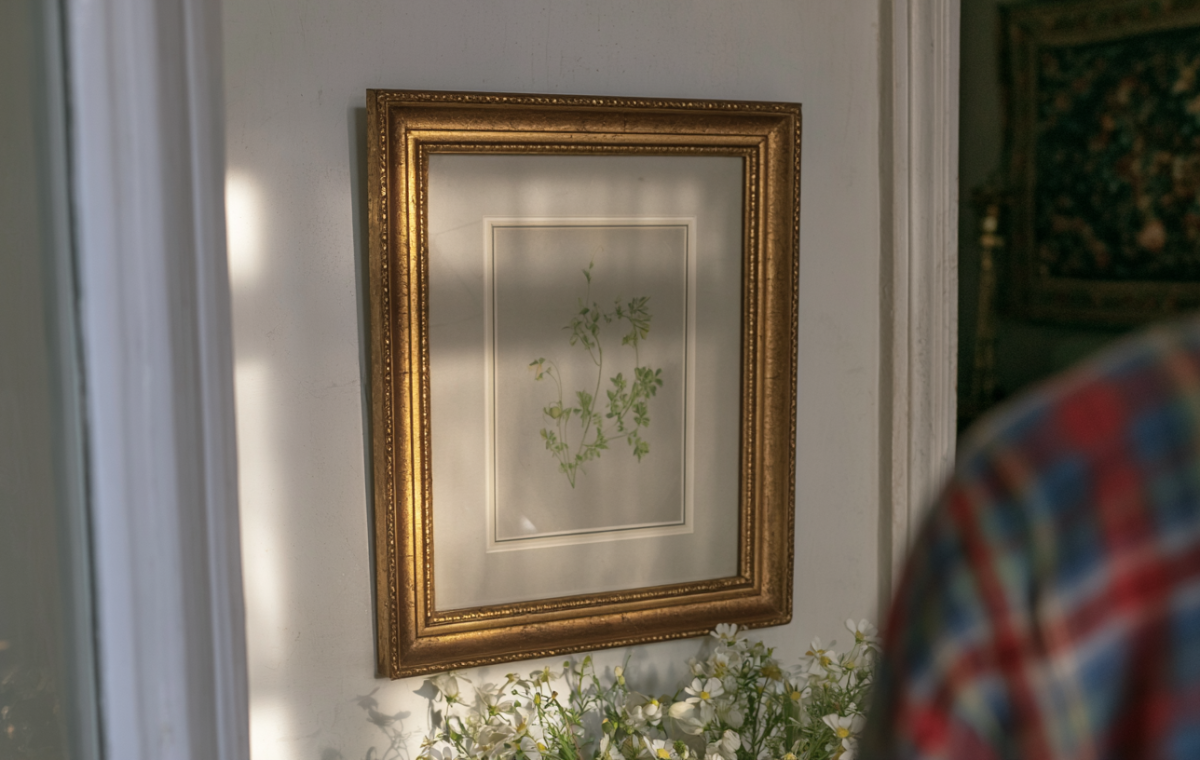
Blank walls carry a strange kind of pressure. We stare at them for months, paralyzed by options, terrified of hammering a misplaced hole. Yet, the fix is often far simpler than a massive abstract canvas. Sometimes, all a transitional hallway or quiet corner needs is a modest, carefully matted print that whispers rather than shouts. Consider the way soft light catches the gilded edges of vintage frames. They anchor a space without demanding total attention.
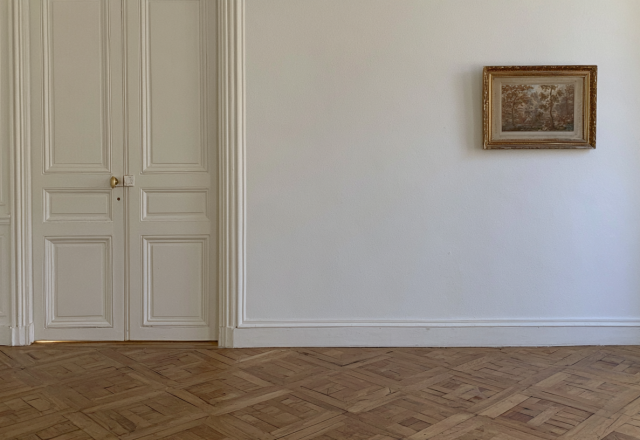
Choosing the right piece involves looking closely at scale. A tiny frame on a massive expanse of drywall looks lost. But mount that same piece just above a low console or cluster of fresh stems, and the dynamic shifts completely. It becomes part of a layered vignette. Notice how the muted green tones of the illustration pull the eye inward, establishing a natural rhythm that sterile modern prints simply cannot replicate.
Why Traditional Framing Works Everywhere
Metal and sleek black frames have dominated design blogs for years. They look sharp, sure. But they can also feel clinical. Gold-leaf or antique wood moldings introduce warmth. They add an organic patina that softens harsh architectural lines. When paired with neutral wall paint, a warm-toned frame acts like jewelry for the room. It feels lived-in. It feels intentional.
Select double-matted prints to give delicate line drawings breathing room.
Mix frame widths cautiously if you are building a larger gallery wall arrangement.
Position art at eye level rather than architectural ceiling height.
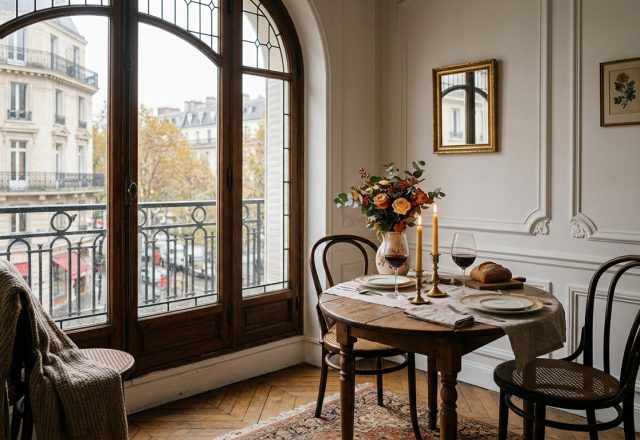
Keep fresh flowers or seasonal foliage nearby to echo the organic themes on paper.
There is also the matter of glass glare. Standard glass can wash out subtle watercolors and delicate pencil strokes. Upgrading to museum-grade non-reflective glass changes the experience entirely. The art looks almost as though it was drawn directly onto the plaster. It is a small detail, but professionals notice it immediately.
How do you usually decide where to hang a new piece of art in your home? Do you measure meticulously, or do you simply eye it and hope for the best?
Editorial Lookbook & Photo Collection
Photo Archive: Framed Botanical Art Ideas: Elevating Your Home Walls
36 Photos
Written by
JayhawkRent Editorial Team
Culinary Critic exploring visual stories and modern design based in Paris, France.
Editorial review fields are available through custom fields: jayhawk_reviewer_name and jayhawk_reviewer_note.
Most living rooms suffer from a severe case of sameness. Mass-market sofas and predictable layouts leave spaces feeling sterile. Yet, adding a single vintage…
The Anatomy of Historic Rooms Old houses demand patience. You cannot simply rush in with modern drywall and expect heritage proportions to forgive you.…