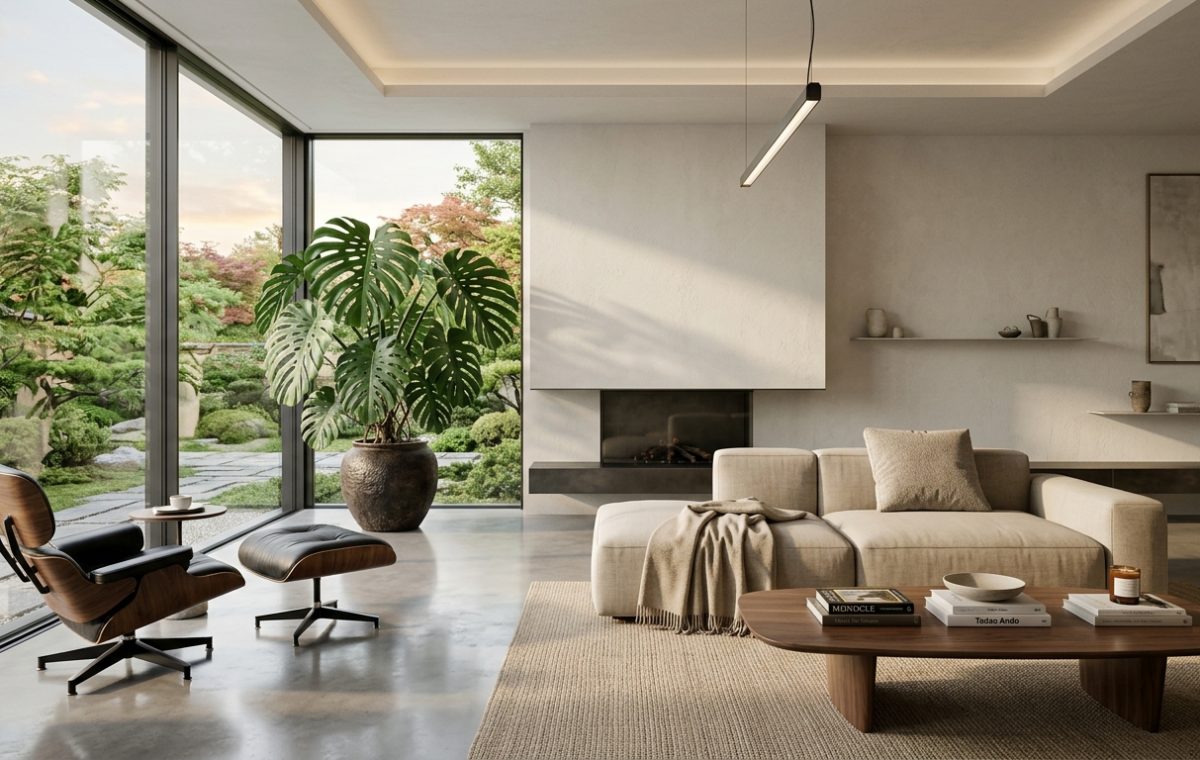
In the high-speed velocity of the twenty-first century, our homes have increasingly become the final frontier for our mental well-being. While interior design has historically been viewed through the lens of aesthetic preference or status, a profound shift is occurring. We are beginning to understand that the architecture of our living spaces directly mirrors the architecture of our minds. Modern minimalist interior design is no longer just a trend characterized by white walls and sparse furniture; it is a psychological intervention. It is an intentional rejection of the ‘visual tax’ that clutter and excess impose on our cognitive bandwidth.
The Neurobiology of Clutter: Why Our Brains Crave Order
To understand the efficacy of minimalism, one must first understand the biological impact of its opposite: clutter. Human brains are hardwired for pattern recognition, but they are also easily overwhelmed. Every object in our peripheral vision represents an ‘unresolved task’ or a piece of data that the brain must process. Research from the Princeton University Neuroscience Institute has demonstrated that multiple stimuli present in the visual field at once compete for neural representation.
When we surround ourselves with excess—stacks of books we haven’t read, ornaments that carry no personal meaning, or furniture that restricts flow—our amygdala remains in a state of low-level hyper-vigilance. This constant processing of visual noise spikes cortisol levels, the body’s primary stress hormone. Modern minimalist interior design acts as a cooling balm for this neurological friction. By reducing the number of focal points, we allow the prefrontal cortex to transition from a state of ‘scanning’ to a state of ‘being.’
Beyond Storage: The Philosophy of Intentional Display
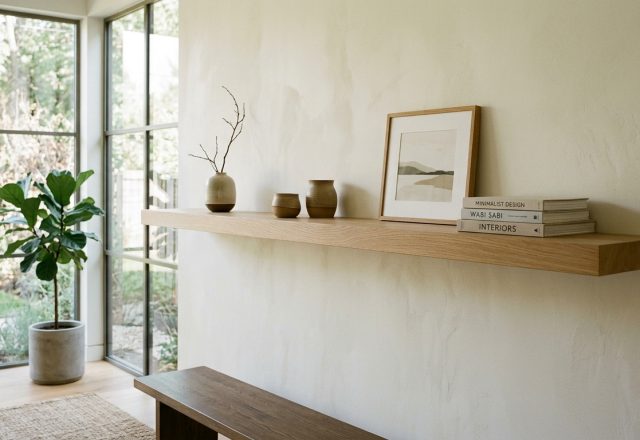
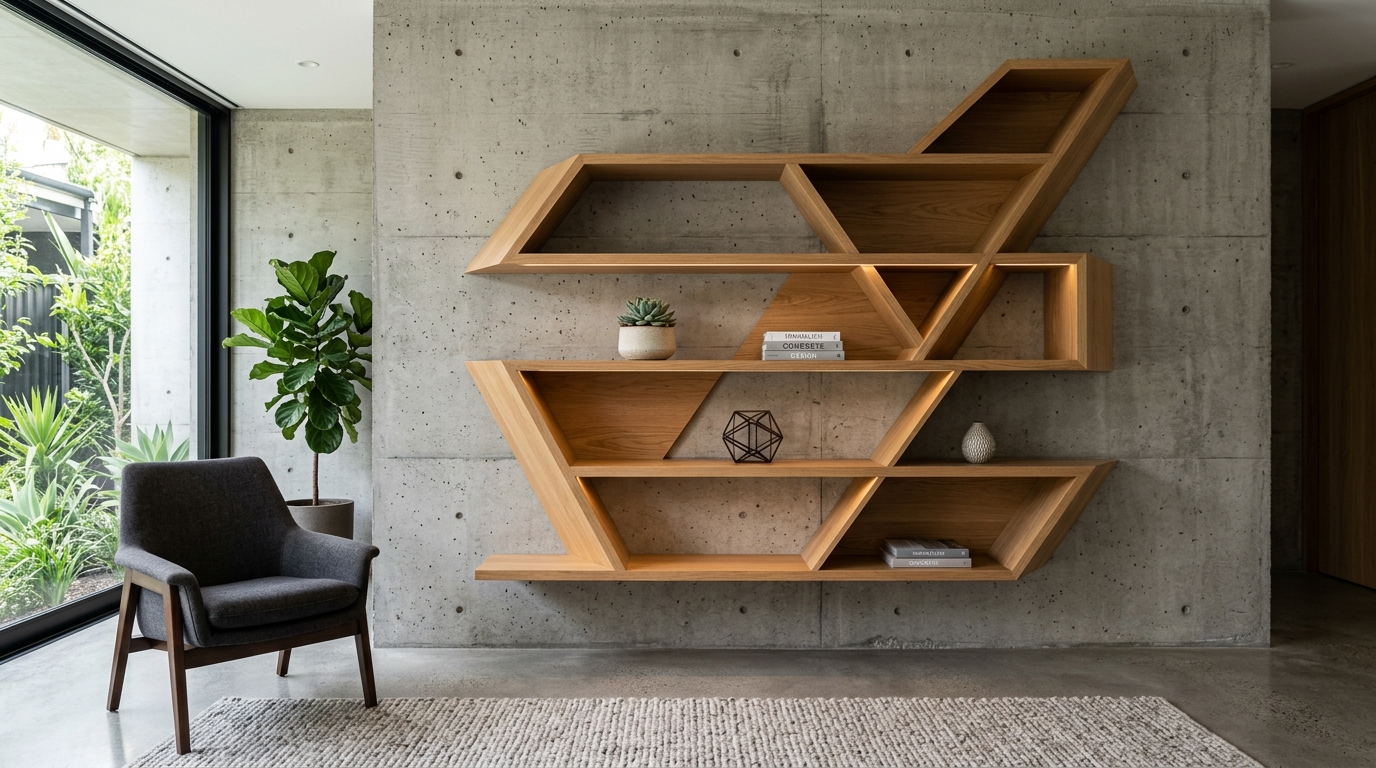
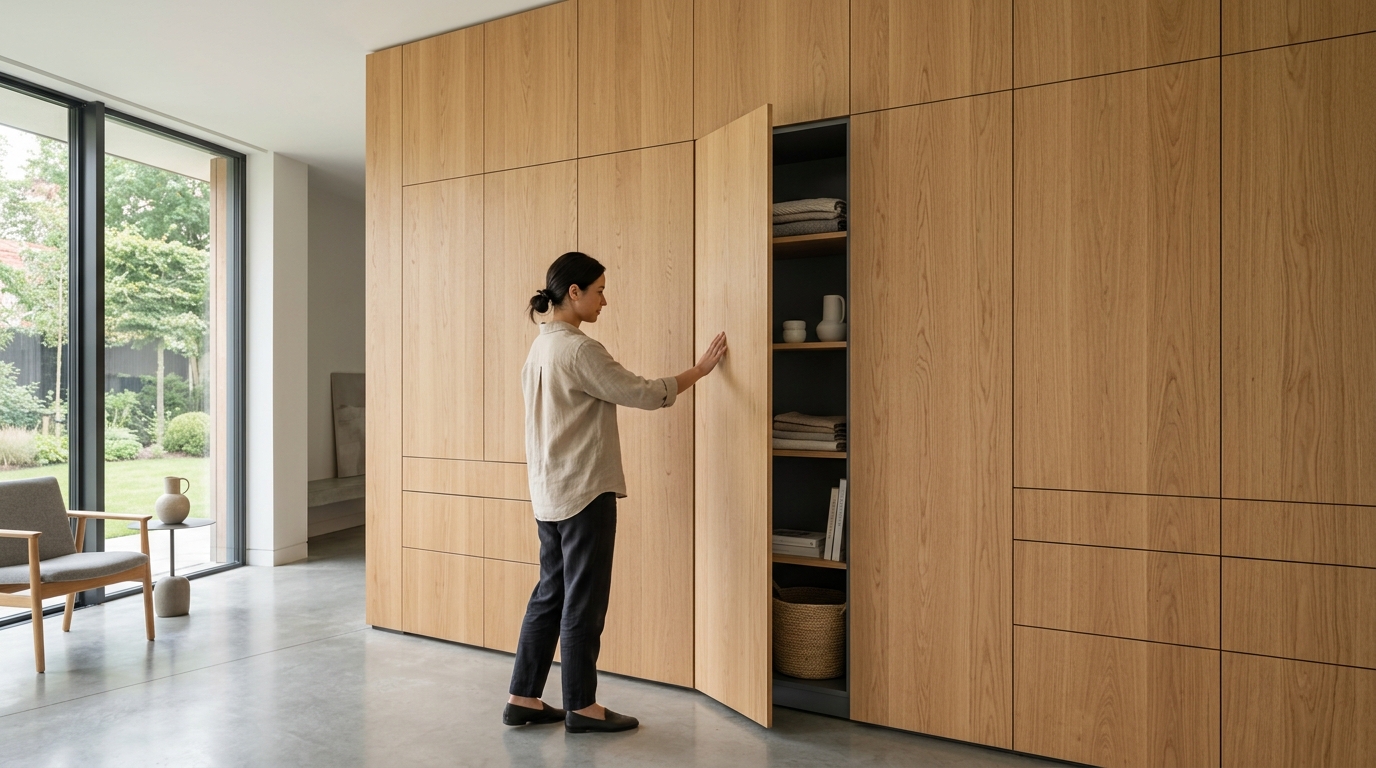
Often, design articles focus on ‘clever storage solutions’ as the primary way to manage a home. While unique modern wall shelves and beautiful storage units are essential, the minimalist philosophy suggests a deeper inquiry: why are we storing what we don’t need? The source article from Home-Designing showcases stunning shelving, but from a psychological standpoint, these structures should not be vessels for hoarding. Instead, they should be treated as curated stages for the few items that genuinely nourish the soul.
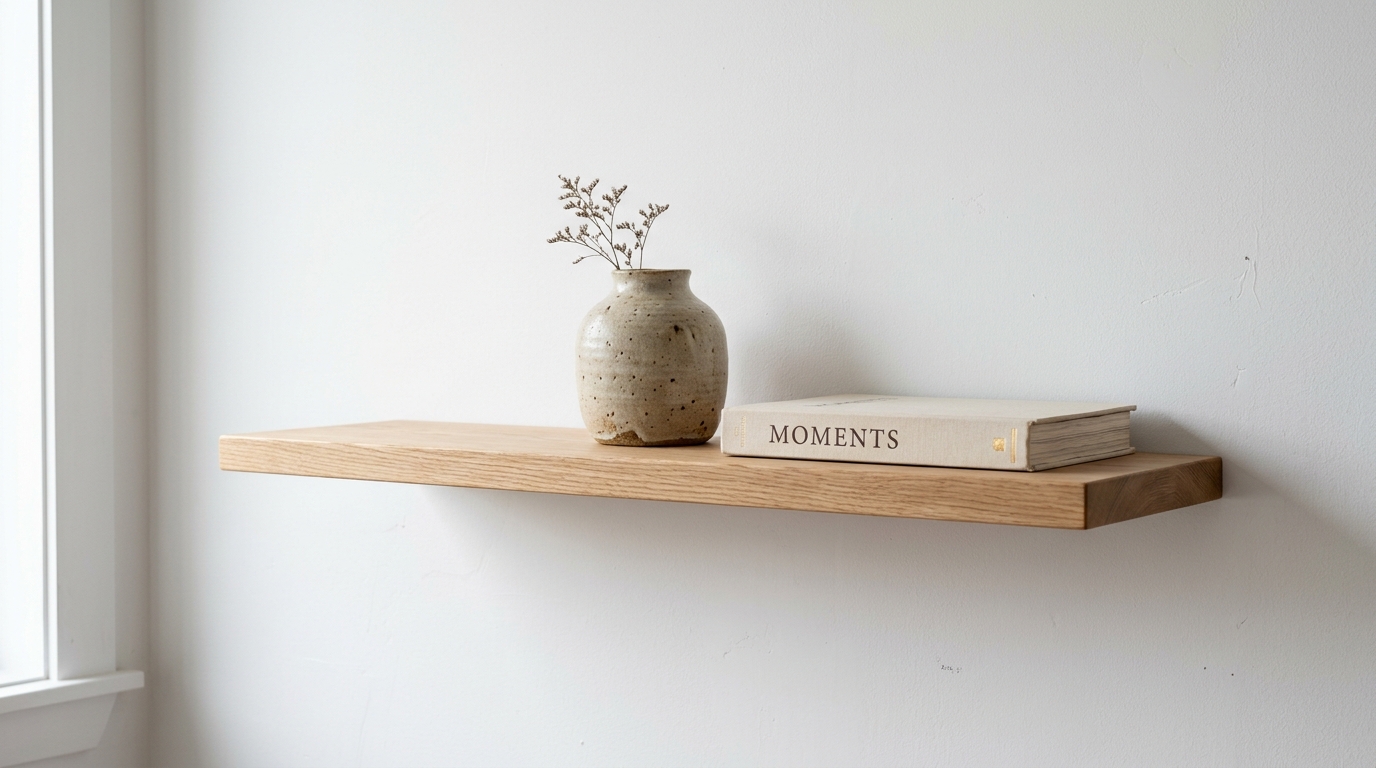
When we choose to display a single, handcrafted ceramic vase or a solitary, meaningful book on a high-end minimalist shelf, we are practicing intentionality. This curation creates ‘active space.’ It teaches the mind to value quality over quantity, a habit that eventually bleeds into our professional and emotional lives. The shelf becomes a metaphor for our mental capacity: limited, precious, and deserving of only the finest inputs.
The Concept of ‘Ma’ and the Power of Negative Space
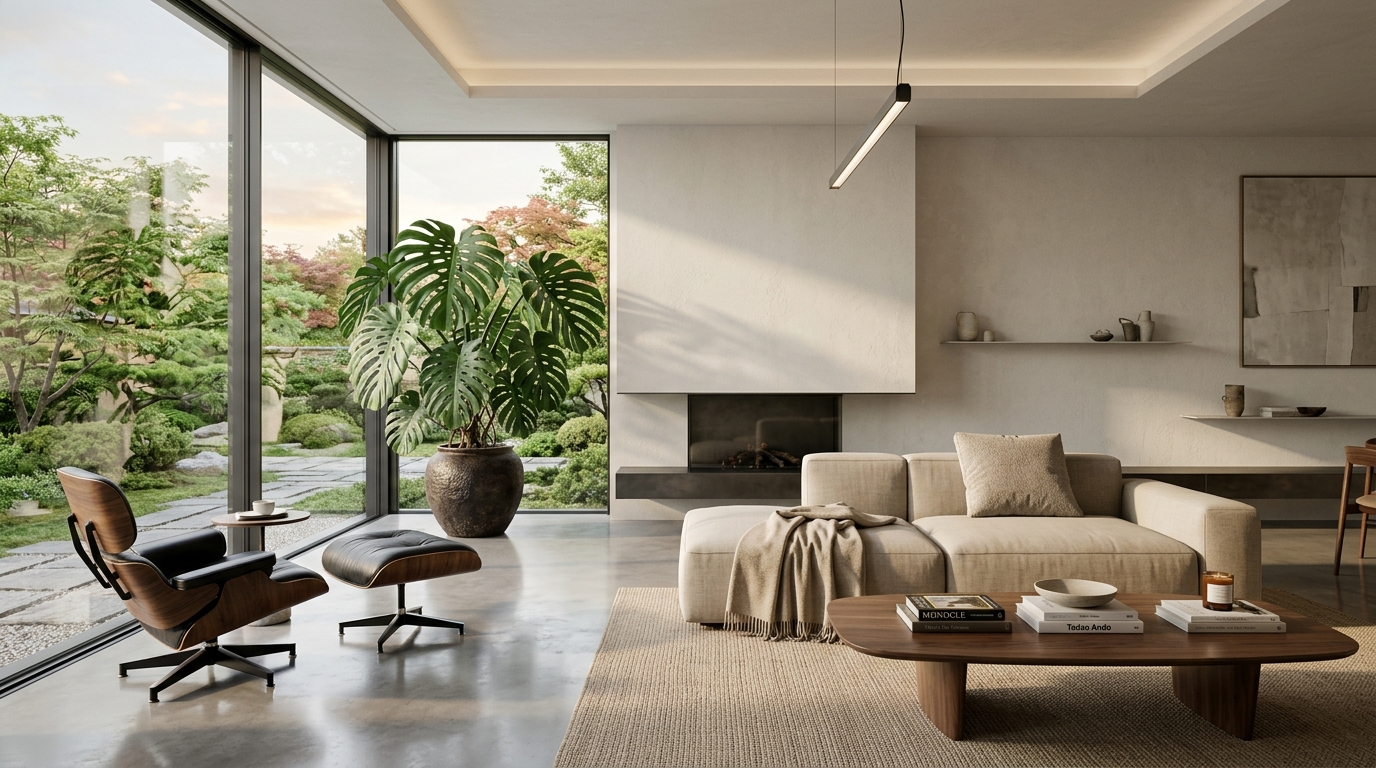
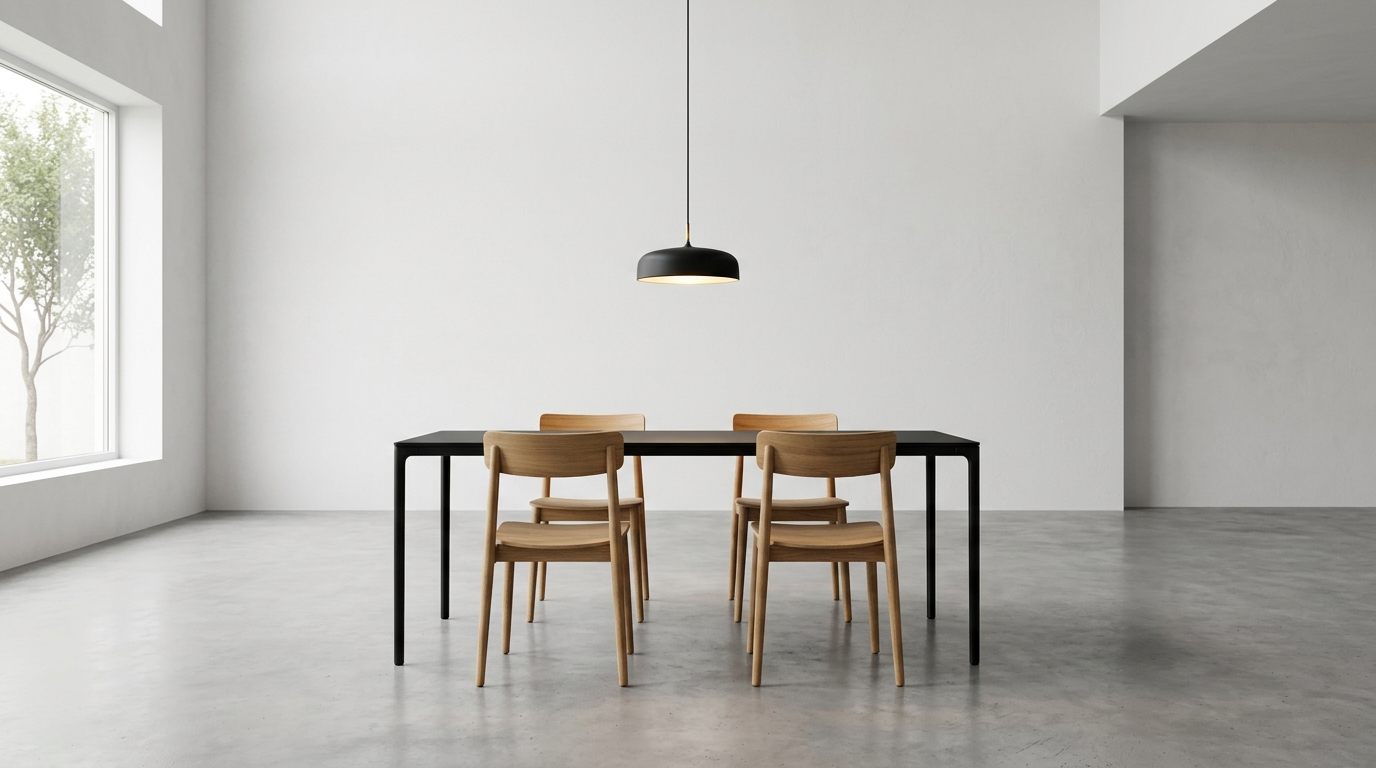
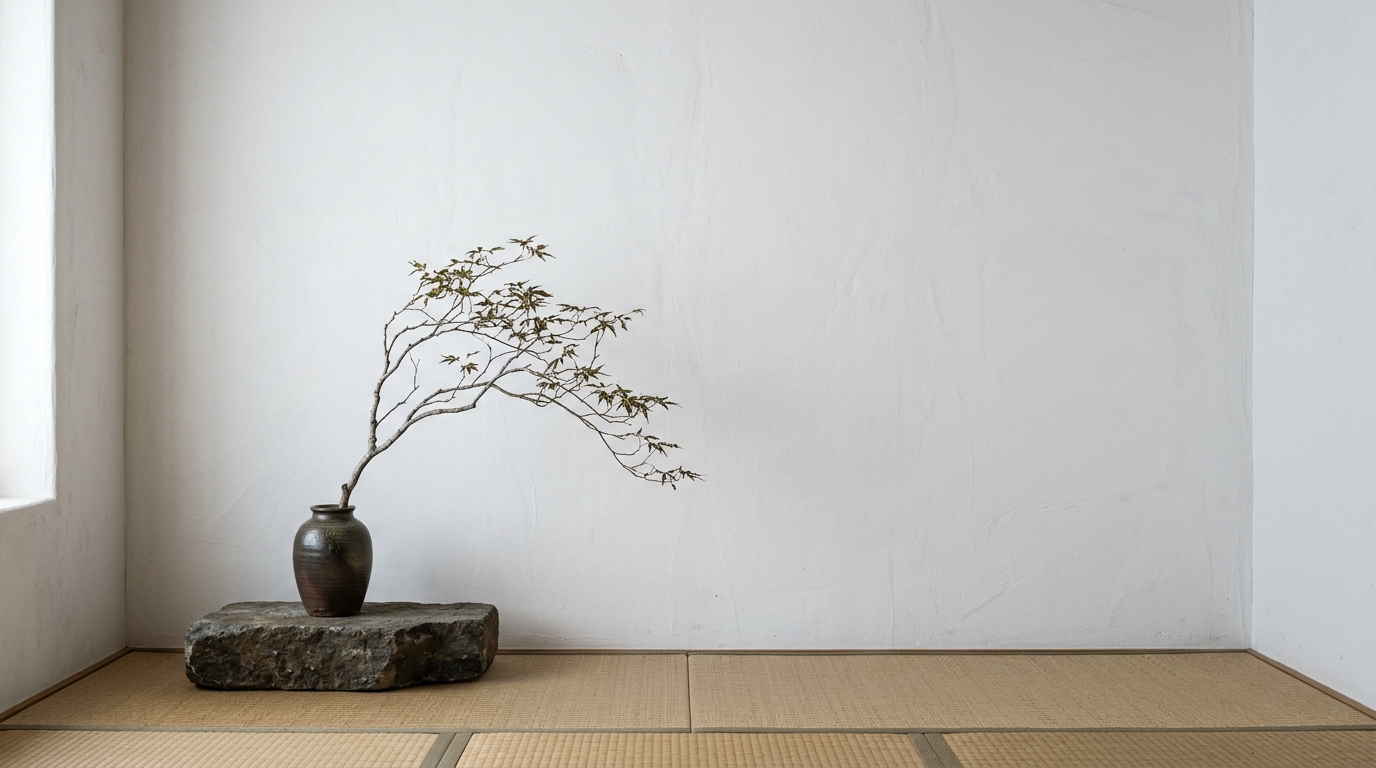
In Japanese aesthetics, there is a concept known as Ma. It is often translated as ‘the space between,’ but more accurately, it refers to a meaningful void. In a modern minimalist interior, negative space is not ’empty’ space; it is a vital structural element. It provides the breathing room necessary for the eye to rest and the mind to expand.
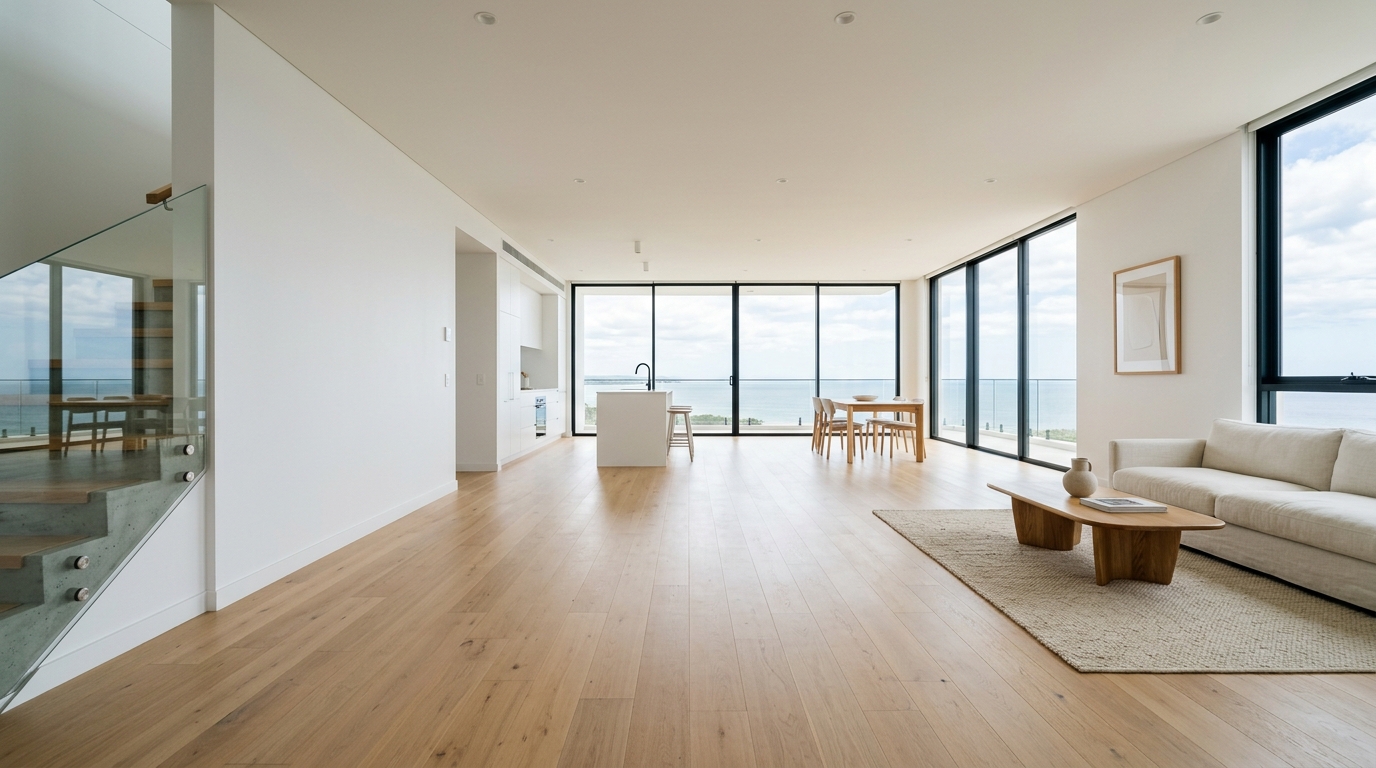
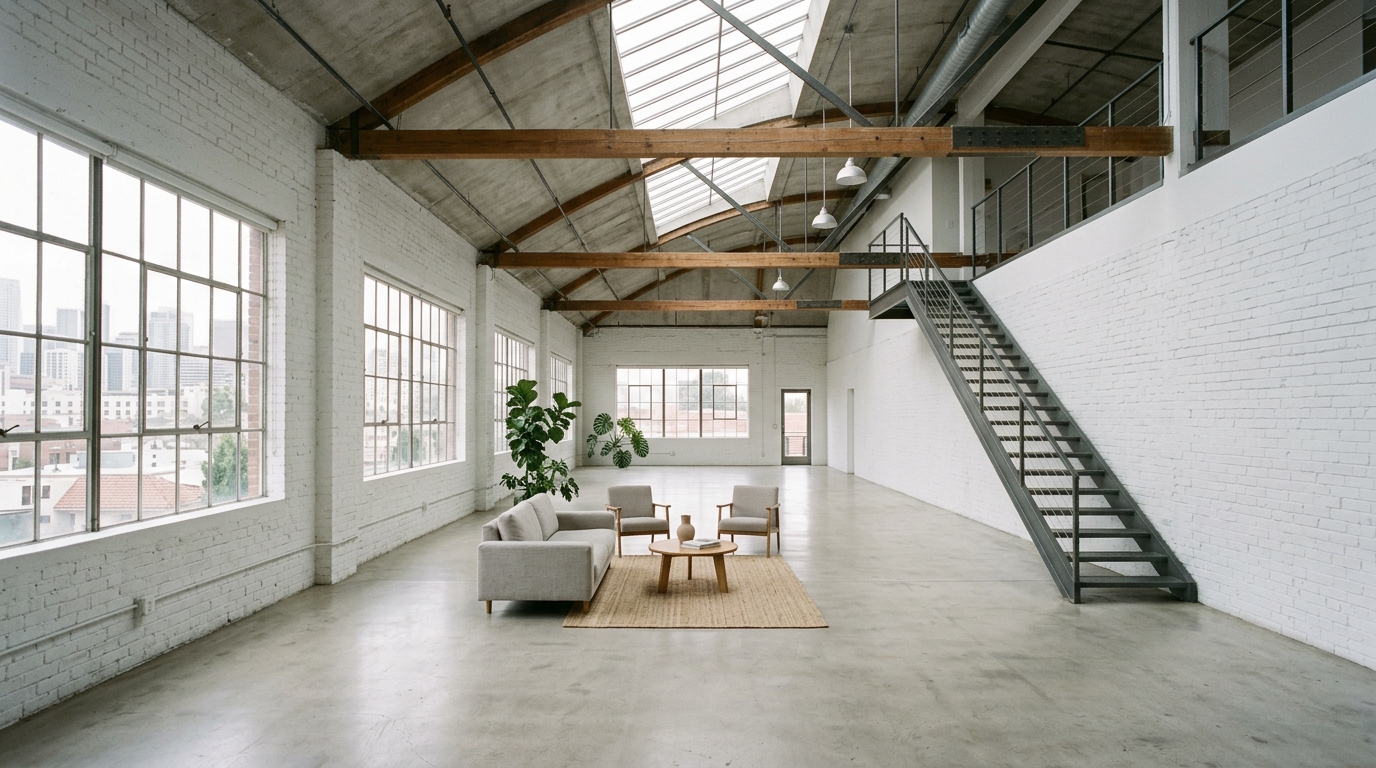
Psychologically, negative space correlates with a sense of freedom. When a room is crowded, we feel physically and mentally hemmed in. By contrast, a room with wide thoroughfares, uncluttered surfaces, and an abundance of floor space promotes a feeling of agency. We feel we have the room to move, both literally and figuratively. This spatial openness is particularly critical for those who suffer from anxiety, as it provides a sense of environmental control that counteracts the chaotic nature of the external world.
The Interaction of Natural Light and Minimalist Surfaces
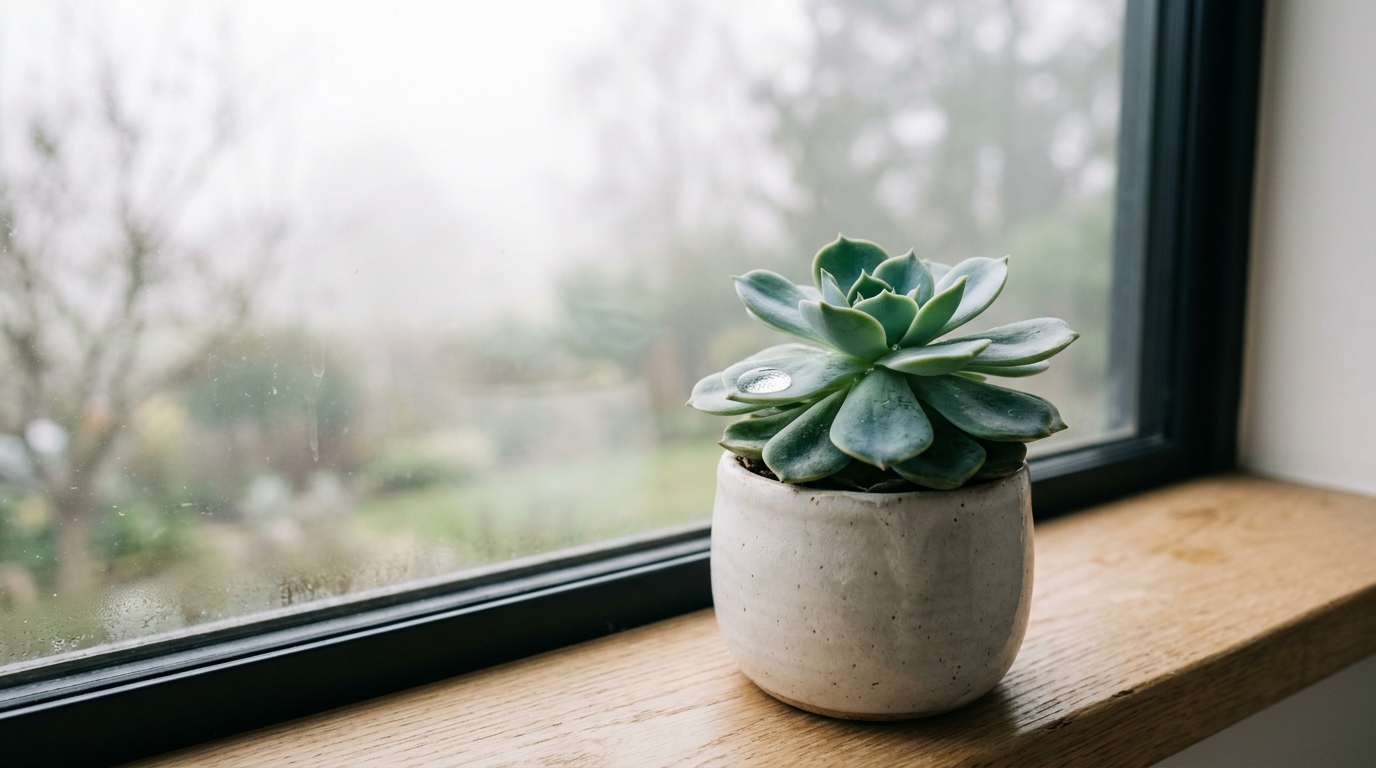
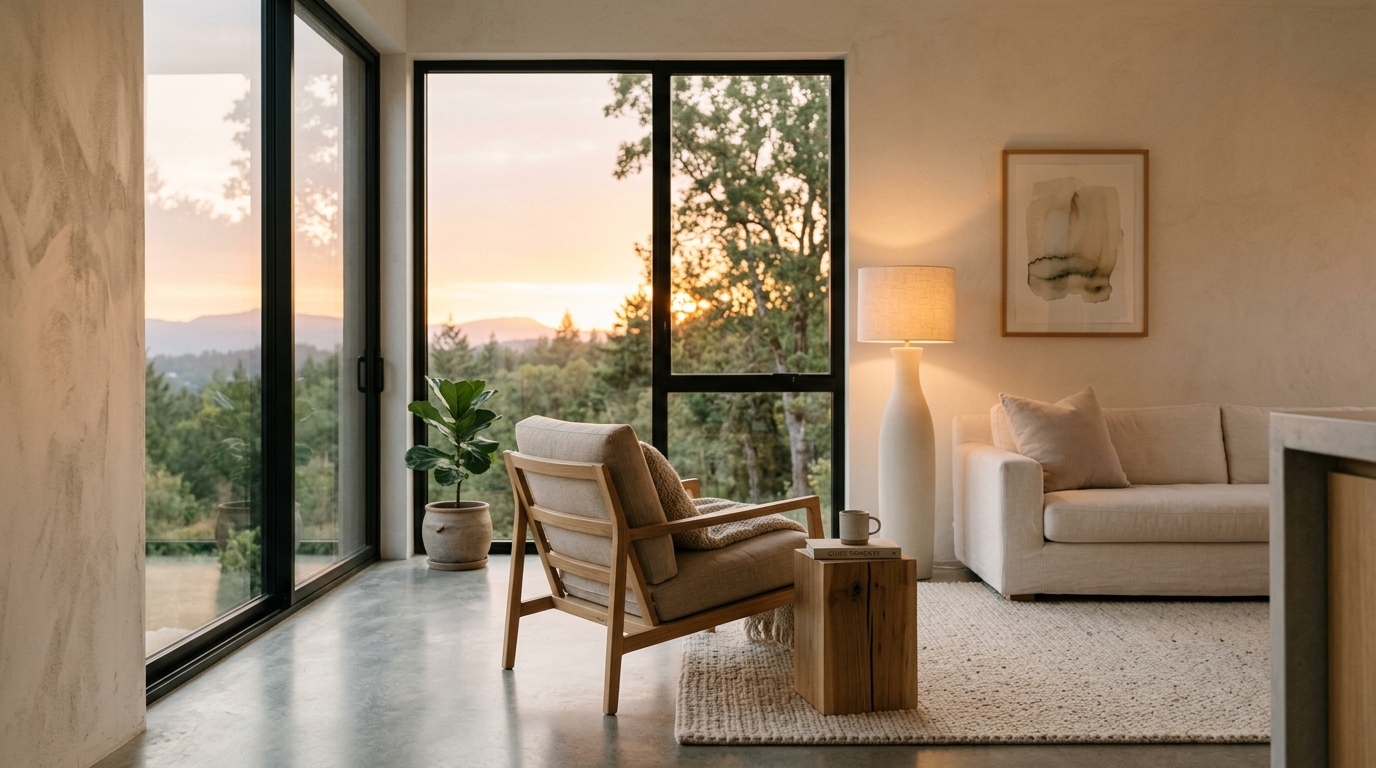
Minimalism and natural light are inseparable partners. In a minimalist setting, light becomes a material in its own right. Without the interference of heavy drapes or cluttered windowsills, sunlight can penetrate deep into the home. From a psychological perspective, this is transformative. Exposure to natural light regulates our circadian rhythms, improving sleep quality and mood through the production of serotonin.
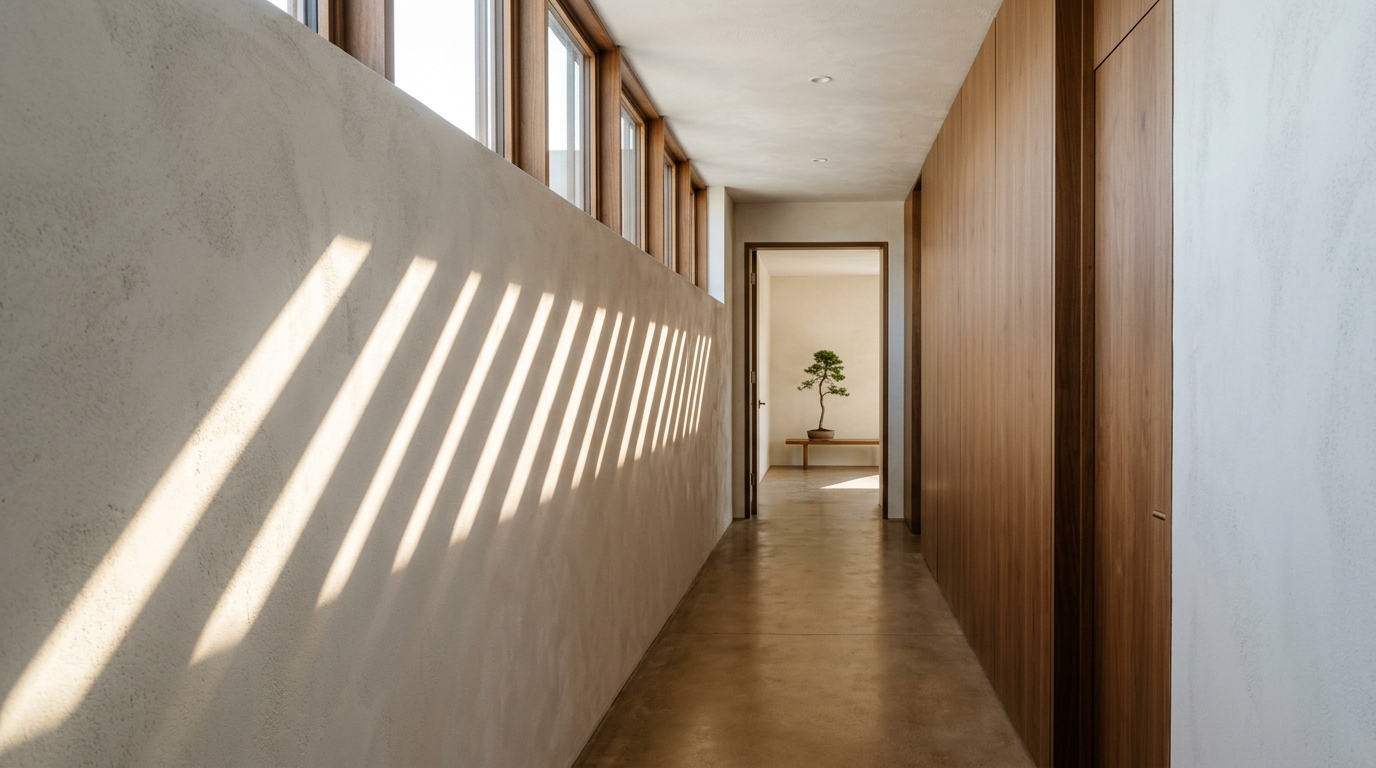
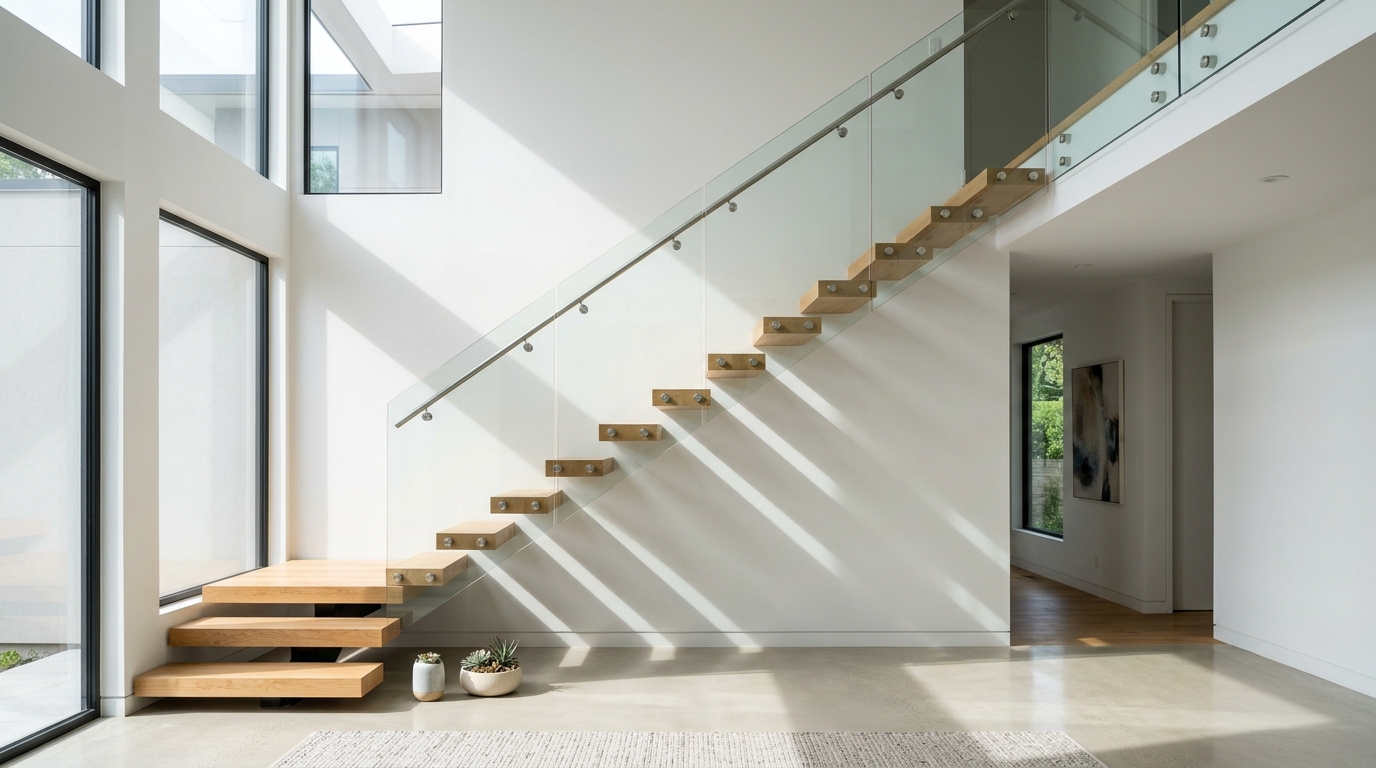
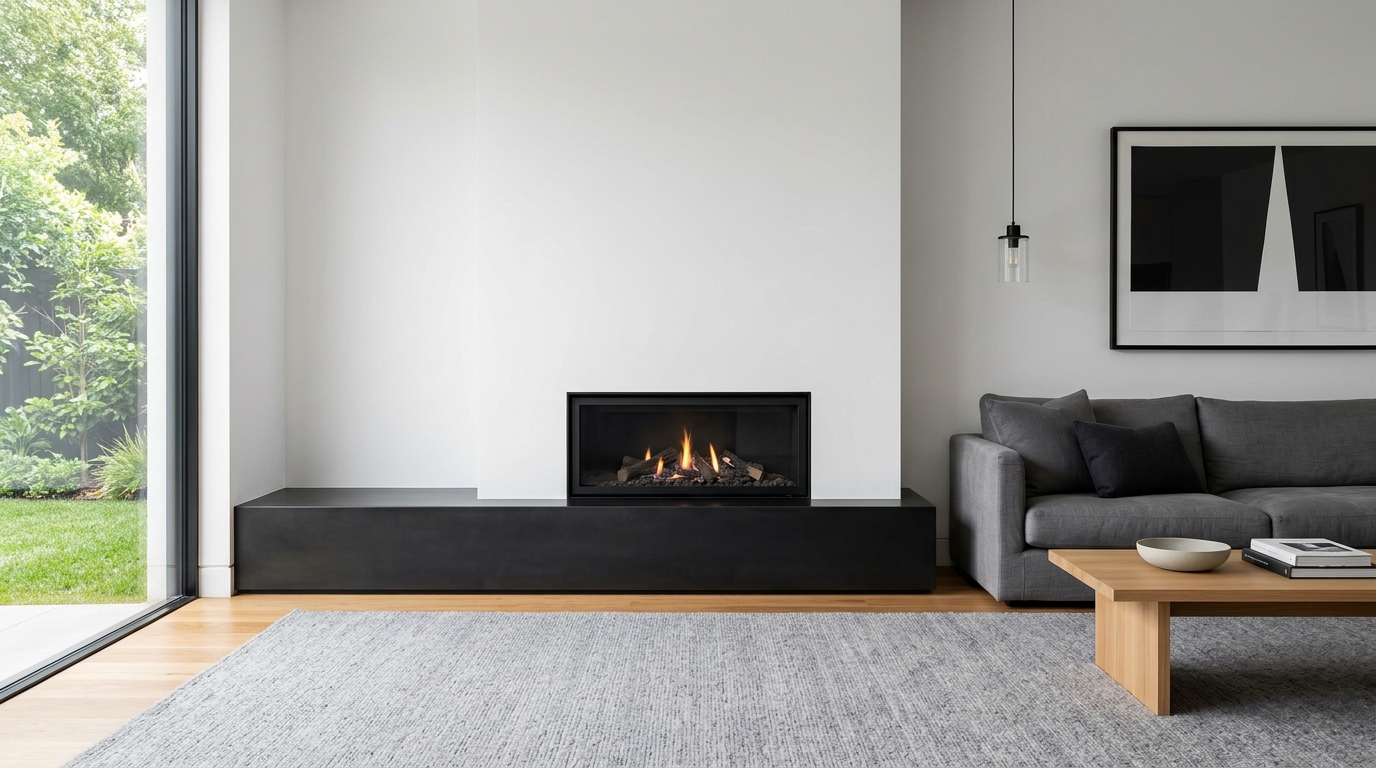
Furthermore, the way light plays across clean, minimalist surfaces—the soft shadow on a matte plaster wall or the reflection on a polished stone floor—creates a sense of calm. This ‘light play’ provides a subtle form of environmental stimulation that is soothing rather than distracting. It anchors us in the present moment, much like the practice of mindfulness.
Tactile Grounding: Using Minimalism to Connect with the Senses
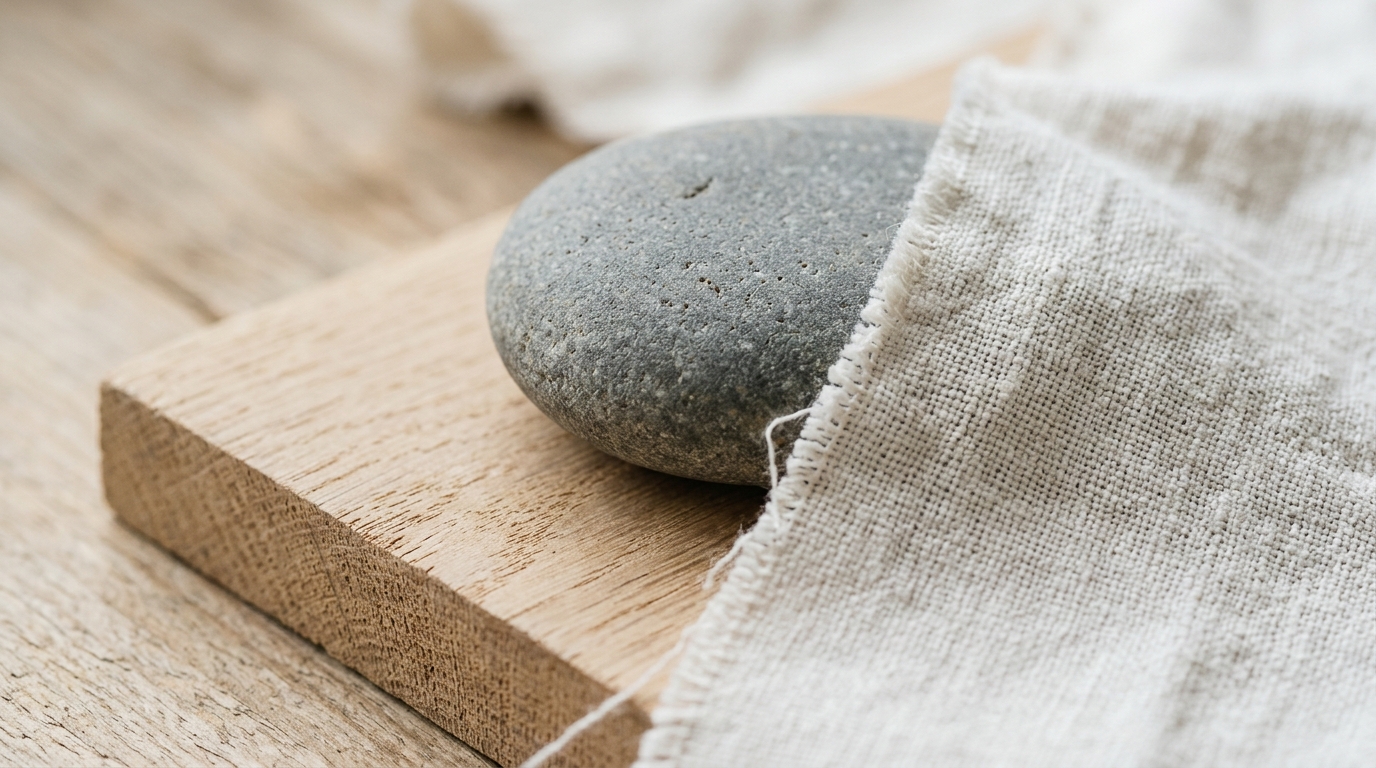
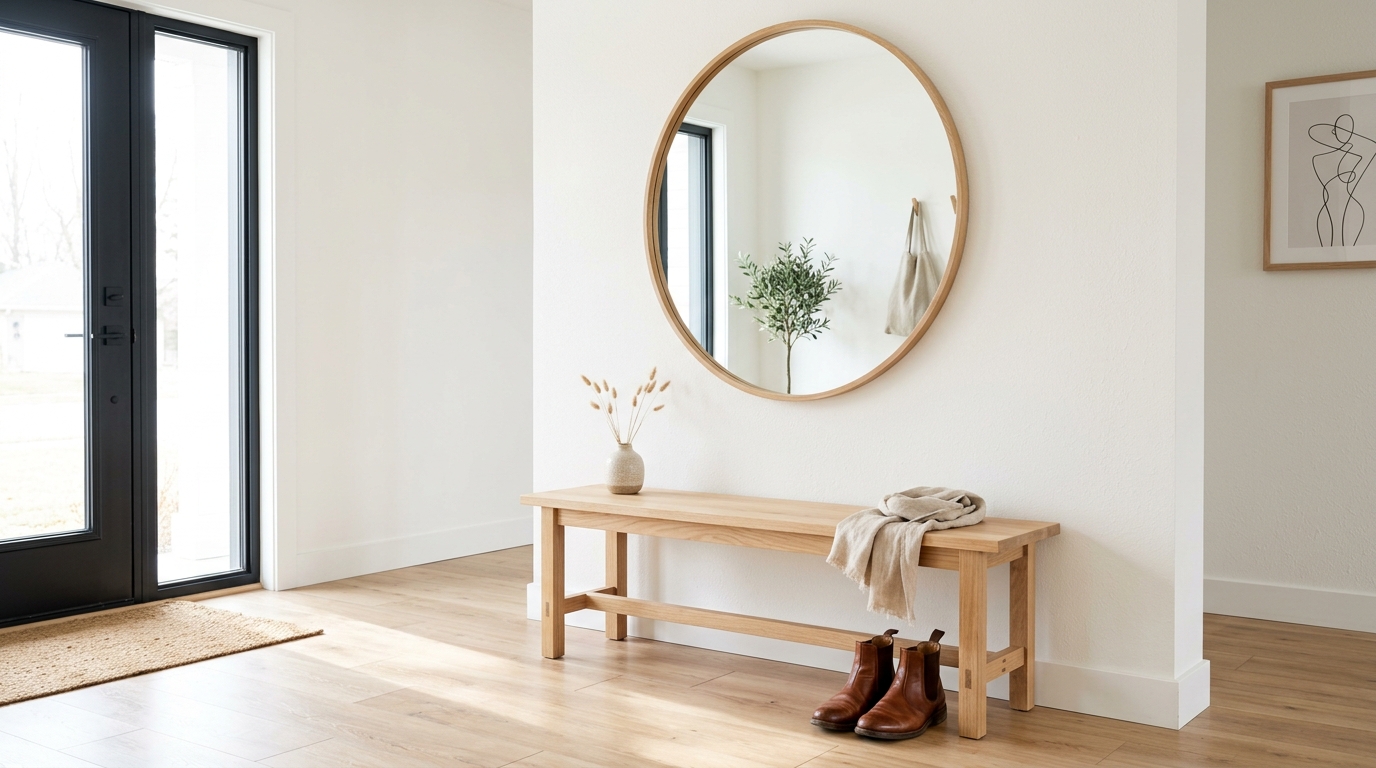
A common critique of modern minimalist interior design is that it can feel ‘cold’ or ‘sterile.’ However, high-end minimalism avoids this by leaning into materiality. When there are fewer objects in a room, the quality of the materials that remain becomes paramount. This is where the psychological benefit of ‘sensory grounding’ comes into play.
- Natural Wood: The warmth of grain and the smell of cedar or oak provide a primal connection to nature (biophilia).
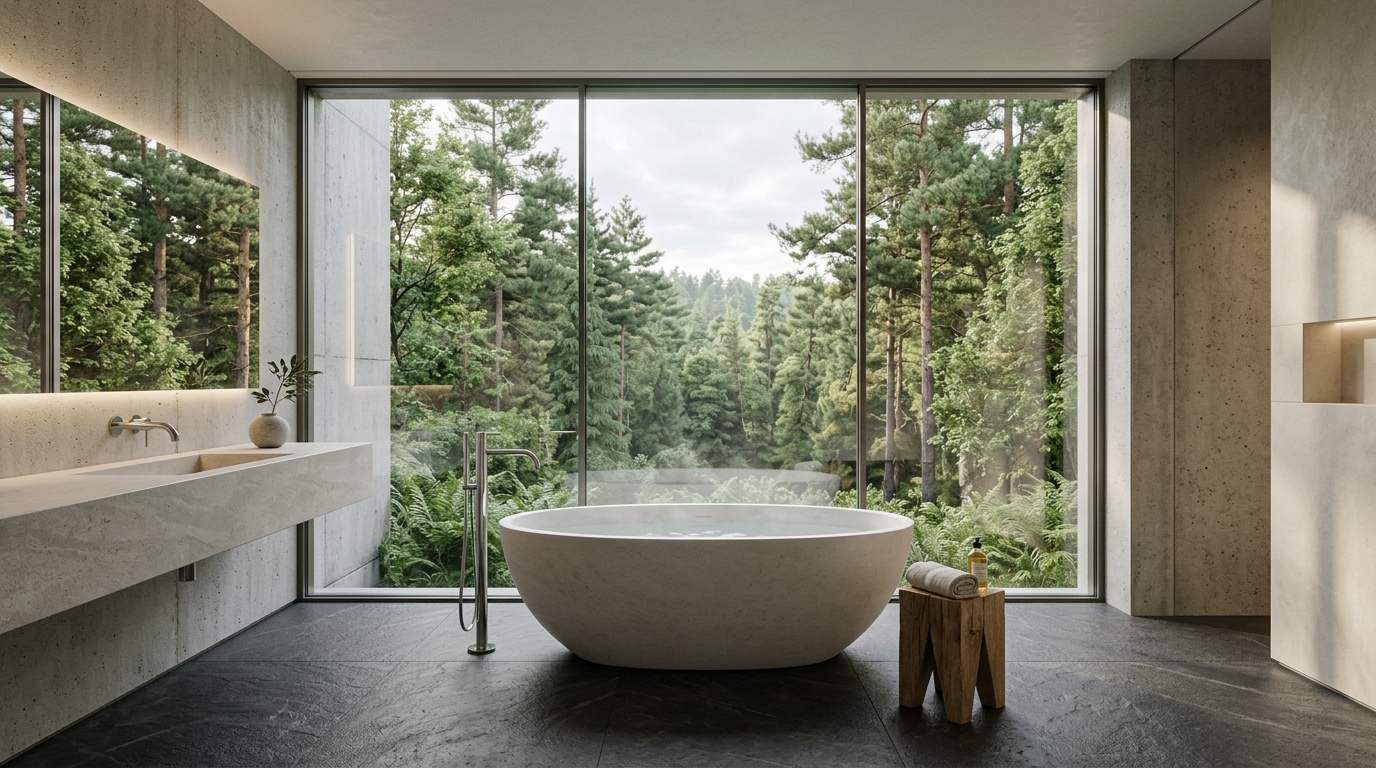
- Stone and Marble: These materials offer a sense of permanence and solidity, grounding the dweller in an increasingly ephemeral digital world.
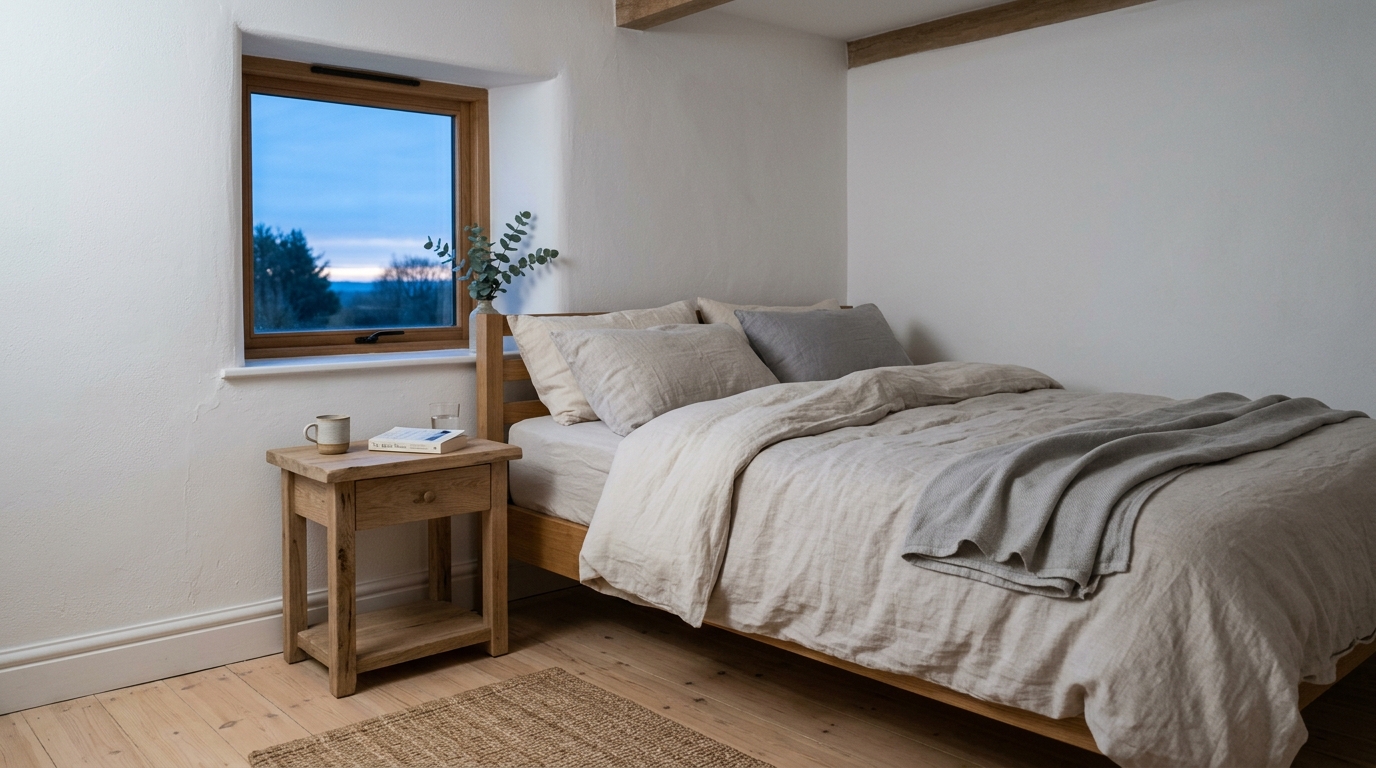
- Linen and Wool: High-quality textiles provide the necessary soft contrast to clean lines, inviting touch and promoting a sense of safety.
By engaging the senses through a few, high-quality textures rather than a chaotic mix of cheap synthetics, we ground ourselves in our physical environment. This reduction in sensory complexity allows us to appreciate the subtle nuances of our surroundings, leading to a more contemplative and peaceful state of mind.
Designing for Deep Work: The Productivity of the Minimalist Office
In the era of remote work, our homes are no longer just places of rest; they are engines of productivity. The psychological impact of minimalism in a home office cannot be overstated. Cal Newport, author of Deep Work, argues that the ability to focus without distraction is becoming increasingly rare and valuable. A minimalist office, free from piles of paper and unnecessary gadgets, creates a ‘frictionless’ environment for the mind.
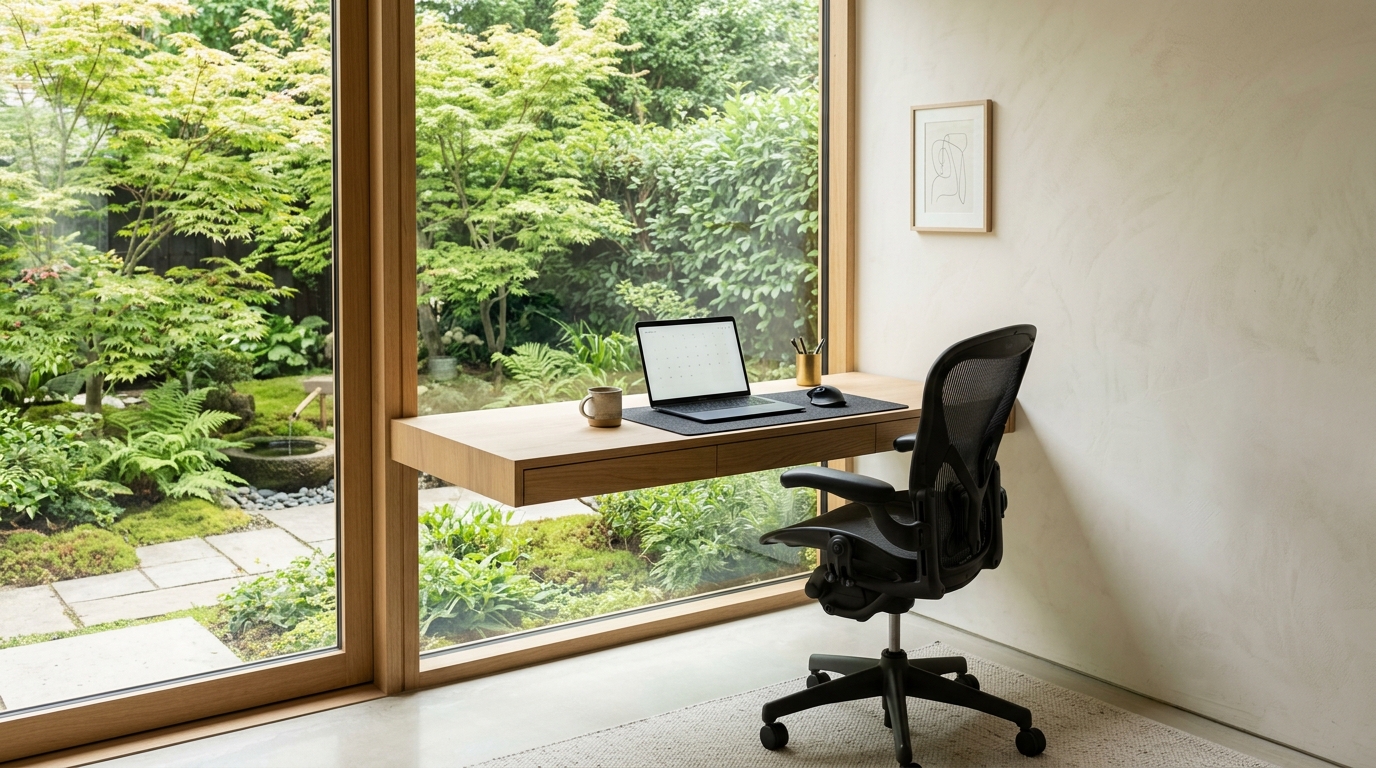
When you sit down at a clean desk in a minimalist room, your brain receives a clear signal: it is time to produce, not to process distractions. This environmental priming is one of the most effective ways to enter a ‘flow state,’ that psychological peak where time seems to disappear and creativity flourishes. The lack of visual competition allows for a singular focus that is impossible to achieve in a cluttered space.
The Emotional Weight of Belongings: Letting Go as Therapy
The act of creating a minimalist interior is often more therapeutic than the finished result itself. Choosing what to keep and what to discard is a rigorous exercise in self-knowledge. Many of the objects we cling to are manifestations of ‘past selves’ or ‘fantasy selves’—the person we used to be or the person we wish we were. By shedding these items, we free ourselves from the guilt and expectations they represent.
This process of ‘editing’ our environment allows us to live more authentically in the present. Modern minimalist interior design is, at its heart, an act of self-respect. It is the decision that your peace of mind is more valuable than the acquisition of more things. It is the realization that we are not the sum of our possessions, but rather the sum of our experiences and the quality of our thoughts.
Practical Steps Toward a Psychologically Supportive Home
Transitioning to a minimalist lifestyle doesn’t require an immediate overhaul. It begins with a shift in perspective. Start by identifying the ‘hot spots’ of stress in your home—the kitchen counter that collects mail, the chair that holds a week’s worth of laundry, or the shelf that feels heavy with dusty trinkets. Clear these areas first and observe how your mood shifts when you enter those spaces.
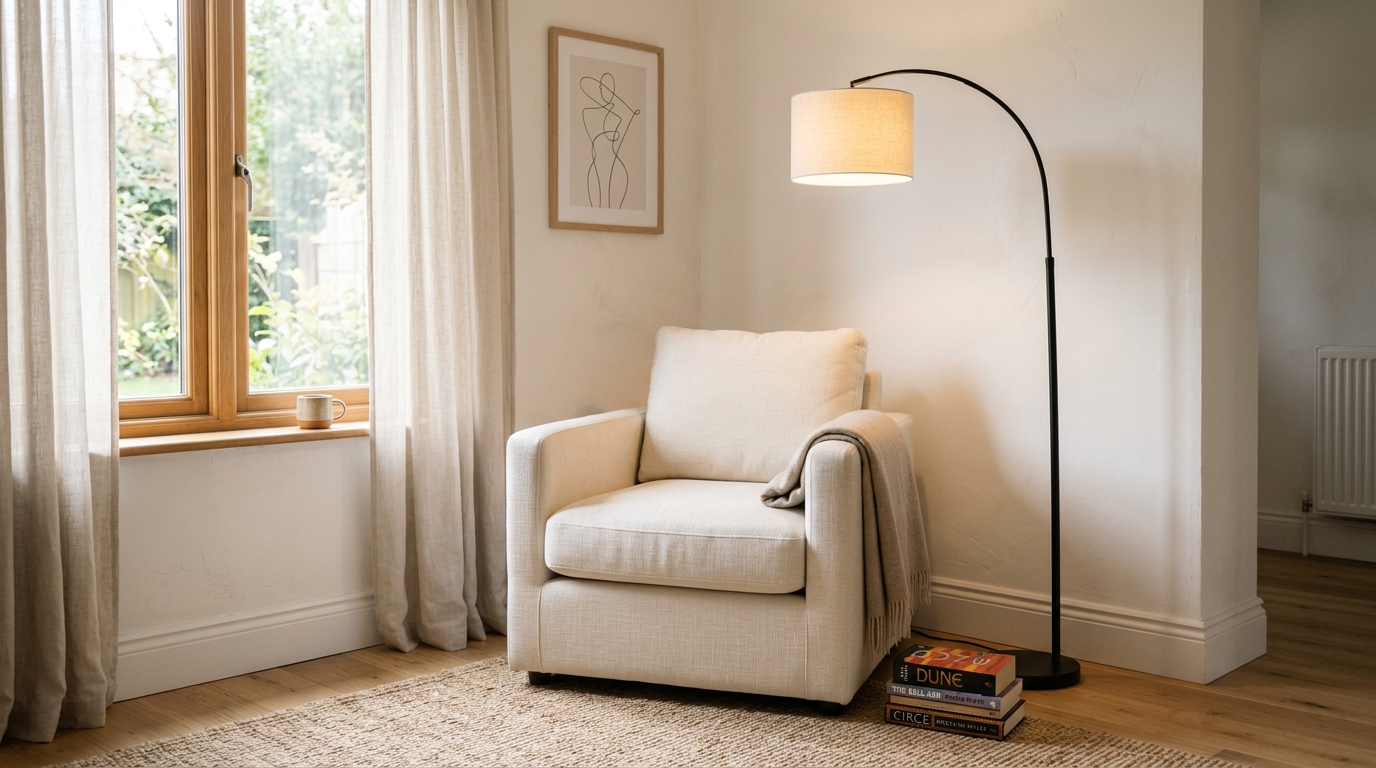
Invest in quality over quantity. Instead of five cheap lamps, buy one beautifully designed piece that offers perfect illumination. Choose furniture with clean silhouettes and hidden storage to tuck away the necessary but unbeautiful aspects of life. Remember that the goal is not to live in an empty box, but to create a sanctuary where every object has a purpose and every space has a meaning.
The Future of Living: Minimalism as a Necessity
As our digital lives become more cluttered with notifications, data, and virtual noise, the physical home must act as the ultimate counterbalance. Modern minimalist interior design is shifting from a stylistic choice to a psychological necessity. It is the intentional design of a life that values stillness, clarity, and focus. By stripping away the superfluous, we don’t lose anything; rather, we gain the space to finally see ourselves clearly. The home of the future is not one filled with gadgets, but one defined by the quiet, restorative power of less.
Sources & References
- Princeton University Neuroscience Institute: “Interactions of Top-Down and Bottom-Up Mechanisms in Human Visual Cortex.”
- Newport, Cal. Deep Work: Rules for Focused Success in a Distracted World. Grand Central Publishing.
- Kaplan, S. “The Restorative Benefits of Nature: Toward an Integrative Framework.” Journal of Environmental Psychology.
- Tanizaki, Jun’ichirō. In Praise of Shadows. Leete’s Island Books.
Inspiration Gallery
Editorial Silo • Recommended Architecture Studies
- The High-Performance Wall: Mastering Ghost Storage and Living Room Wall Shelf Ideas — Archival Design Case Study
Curated Visual Lookbook
Design Gallery & Spatial Studies
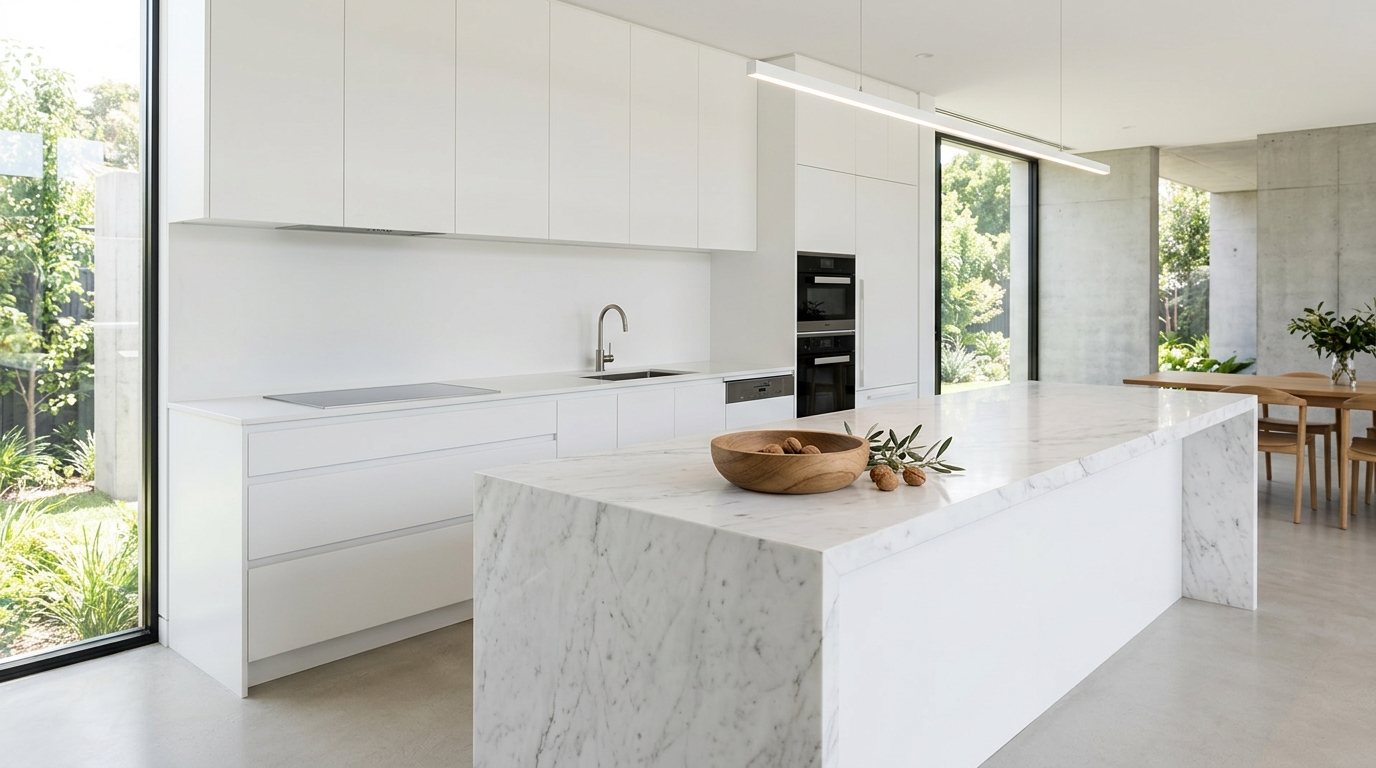
A visual curation of architectural arrangements, lighting concepts, and material palettes featured in this space.