The Anatomy of a Compact Creative Nook
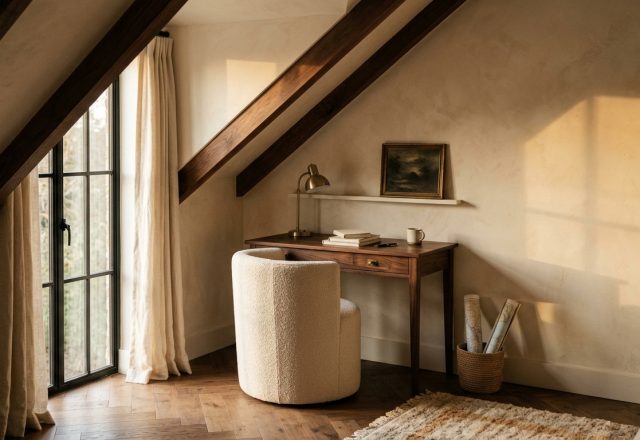
Most people waste awkward corners. They shove house plants in them or leave them empty, complaining about a lack of square footage. Yet, a truly effective small home office rarely needs an entire room. It requires a patch of natural light, a sturdy wooden writing desk, and enough vertical shelving to keep clutter off your primary surface. Look closely at how a simple window alcove transforms when treated with intention.
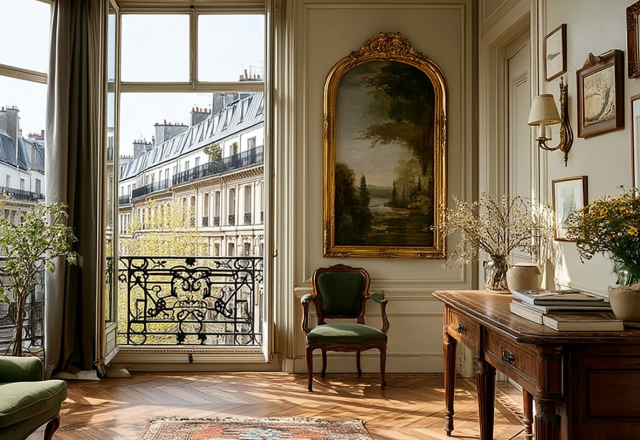
Instead of burying a desk in a dark hallway, positioning a workspace parallel to a large window changes your entire workday rhythm. You get natural ventilation, a changing view of the street below, and daylight that reduces eye strain. But there is a catch. Glare can be brutal if your monitor faces the glass incorrectly, and winter drafts require weather-stripping you will eventually put off fixing.
Layering Texture Over Square Footage
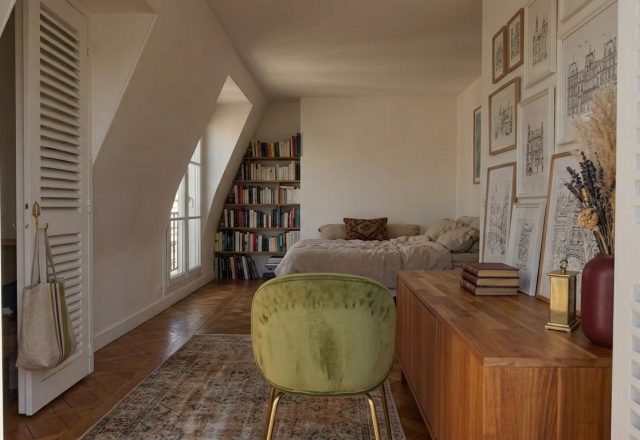
Minimalist white boxes look clean on Pinterest, but they rarely inspire deep focus. Real workspaces need grit and warmth. Floating wooden shelves stacked unevenly with paperbacks, framed sketches, and a brass desk lamp create an enveloping atmosphere. It feels lived-in. A classic wooden armchair with a shearling throw adds tactile comfort, proving you do not need an ergonomic mesh monster to get things done. That said, lumbar support matters. If you plan on grinding out eight-hour coding sprints in a vintage bentwood chair, your lower back will stage a protest by Thursday afternoon.
Lighting Beyond the Overhead Fixture
Never trust overhead lighting to set a mood. A flexible brass swing-arm lamp mounted directly beside your notebooks casts a localized pool of warm light that makes evening writing sessions feel cinematic. Keep a ceramic mug and a potted succulent nearby to anchor the space. These tiny elements act as psychological buffers against digital burnout.
How do you plan to reclaim that neglected corner in your apartment before the next season starts?
Editorial Lookbook & Photo Collection