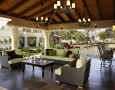
An outdoor living room can turn an unused patio, terrace, or garden corner into a comfortable place for family time and relaxed entertaining. Fresh air, natural light, and open views make the space feel different from an indoor lounge, but the layout still needs to be practical.
Plan the Outdoor Living Area
Start by deciding how the space will be used most often. A family seating area needs shade, easy-clean surfaces, and enough room to move around the chairs. A guest-focused space may need a larger table, layered lighting, and a clear path from the house.
Choose furniture that can handle sun, rain, and dust. Stone, metal, treated wood, synthetic rattan, and outdoor fabrics usually perform better than delicate indoor materials. In rainy climates, a permanent roof, half-open wall, or roller blind can help reduce splash and make the room usable more often.
Add Comfort and Warmth
A fireplace, lanterns, cushions, plants, and textured rugs can make an outdoor room feel more inviting. Keep the main furniture simple, then use smaller accents to add color and personality. The best outdoor living room feels elegant, but it also remains easy to clean and comfortable in daily use.
Editorial design notes
Contemporary and elegant outdoor living room design ideas works best when the room is planned around real daily habits, not only around the first impression of the photo. Start by deciding what the space needs to do most often: relaxing, hosting guests, storing everyday items, helping children move safely, or making a compact area feel more open. That simple priority keeps the design from becoming a collection of unrelated pieces.
For this home idea, the most useful starting point is balanced proportions, practical circulation, lighting layers, and details that make the space easier to live with. Keep the main furniture pieces visually steady, then add character through smaller details such as lamps, pillows, art, plants, trays, or a textured rug. The room will feel more intentional when every accent repeats at least one color, material, or shape already present in the larger pieces.
How to apply the look at home
Measure the largest wall, the walkway, and the distance between main furniture before buying anything new. A beautiful item can still feel wrong when it blocks movement or makes cleaning difficult. Leave breathing room around doors, drawers, and seating, then use vertical space for storage or display if the floor area is limited.
Materials matter as much as the layout. Consider natural textures, durable finishes, washable fabrics, warm bulbs, and accent pieces that can be changed seasonally. These choices help the room stay polished after everyday use, which is important for a design that should look good beyond the moment it is photographed. If the room already has a strong color, repeat it in smaller accents instead of adding many competing shades.
Finishing details to review
Lighting is usually the detail that changes the mood fastest. Combine one general light with a lower lamp, wall light, or task light so the room can shift between bright practical use and a softer evening atmosphere. If the photo inspiration feels warm and welcoming, the effect often comes from layered light rather than decoration alone.
For maintenance, clean high-touch surfaces, refresh textiles, and review the room every few months so the design keeps working. This keeps the space comfortable after the initial styling is finished. A good design should be easy to reset, easy to clean, and flexible enough to accept small seasonal changes without needing a complete makeover.
Use the gallery images as a reference for proportion, color balance, and placement rather than as a strict shopping list. The strongest results usually come from adapting the idea to the actual room size, natural light, and existing furniture already available at home.
Additional Editorial Notes
Layout notes for real homes
A good home design idea should fit the way the room is actually used. Start by deciding whether the space is mainly for relaxing, hosting guests, storing daily items, or creating a better view. That priority makes the rest of the design choices easier.
Finishing details to review
Lighting, texture, and repeated materials help the room feel complete. Use a limited color palette, leave enough space to walk, and choose decor that can be cleaned or moved easily. These practical details make the design more comfortable beyond the first photo.


