CURATORIAL CRITIQUE & DESIGN ANTHOLOGY:
When we observe the evolution of the residential sanctuary, specifically the adolescent retreat, we see a shift from the performative to the profound. In these spaces, the dialogue between shadow and pigment becomes the defining architectural narrative. Moving beyond the saccharine palettes of childhood, modern teenage girl paint bedroom ideas now embrace a curation of depth and atmosphere. We are no longer designing for a ‘phase’ but for a developing identity. This requires a sophisticated lens that values how a 4:00 PM sunset hits a matte-finished wall of Farrow & Ball’s Setting Plaster, turning a mere sleeping quarters into a light-responsive gallery of self-expression. The following analysis examines how chromatic alchemy can fundamentally alter the spatial cadence of a room, fostering both emotional well-being and architectural longevity.
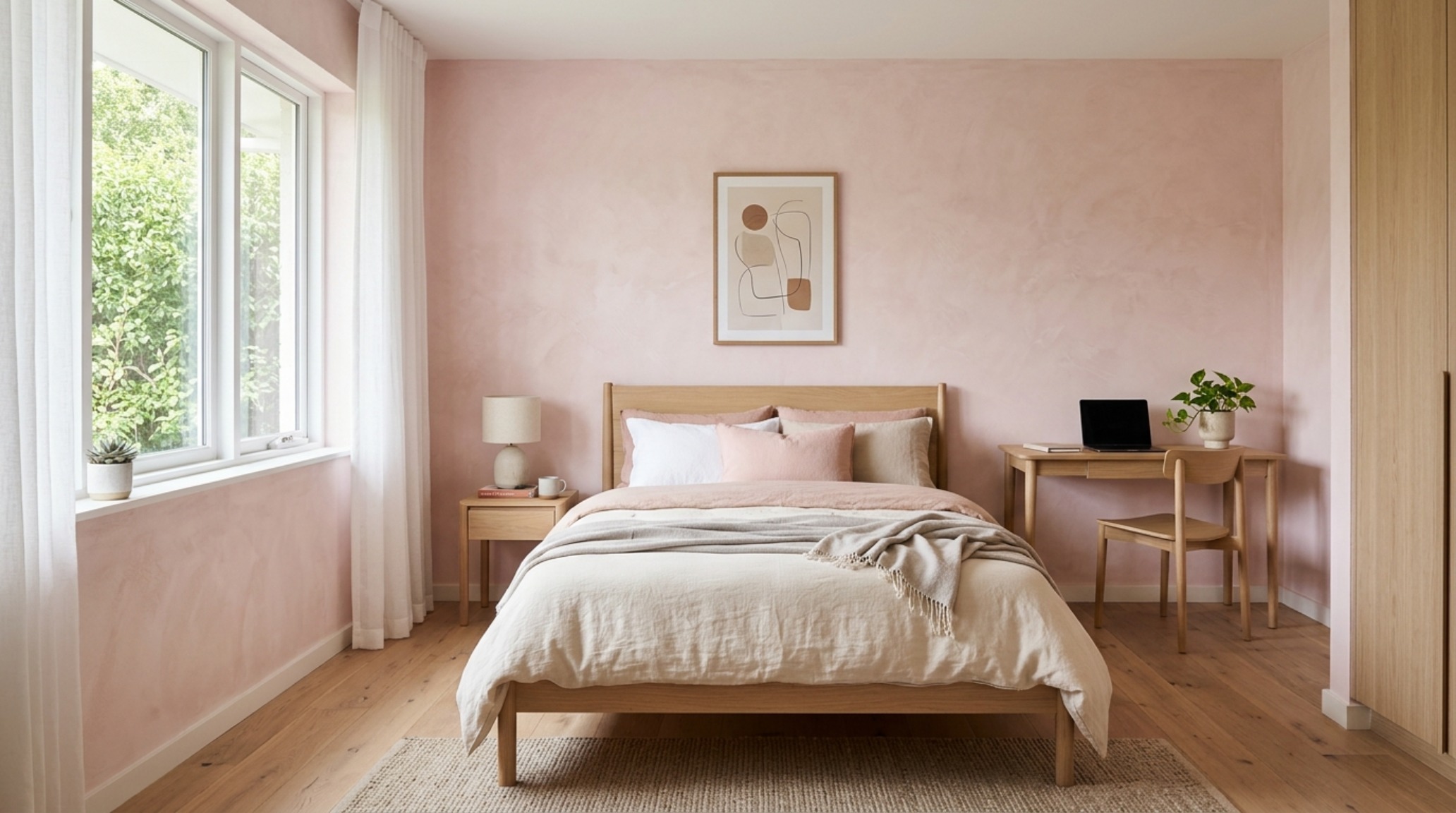
Sophisticated Bedroom Colors for Teens: Beyond the Pink Paradigm
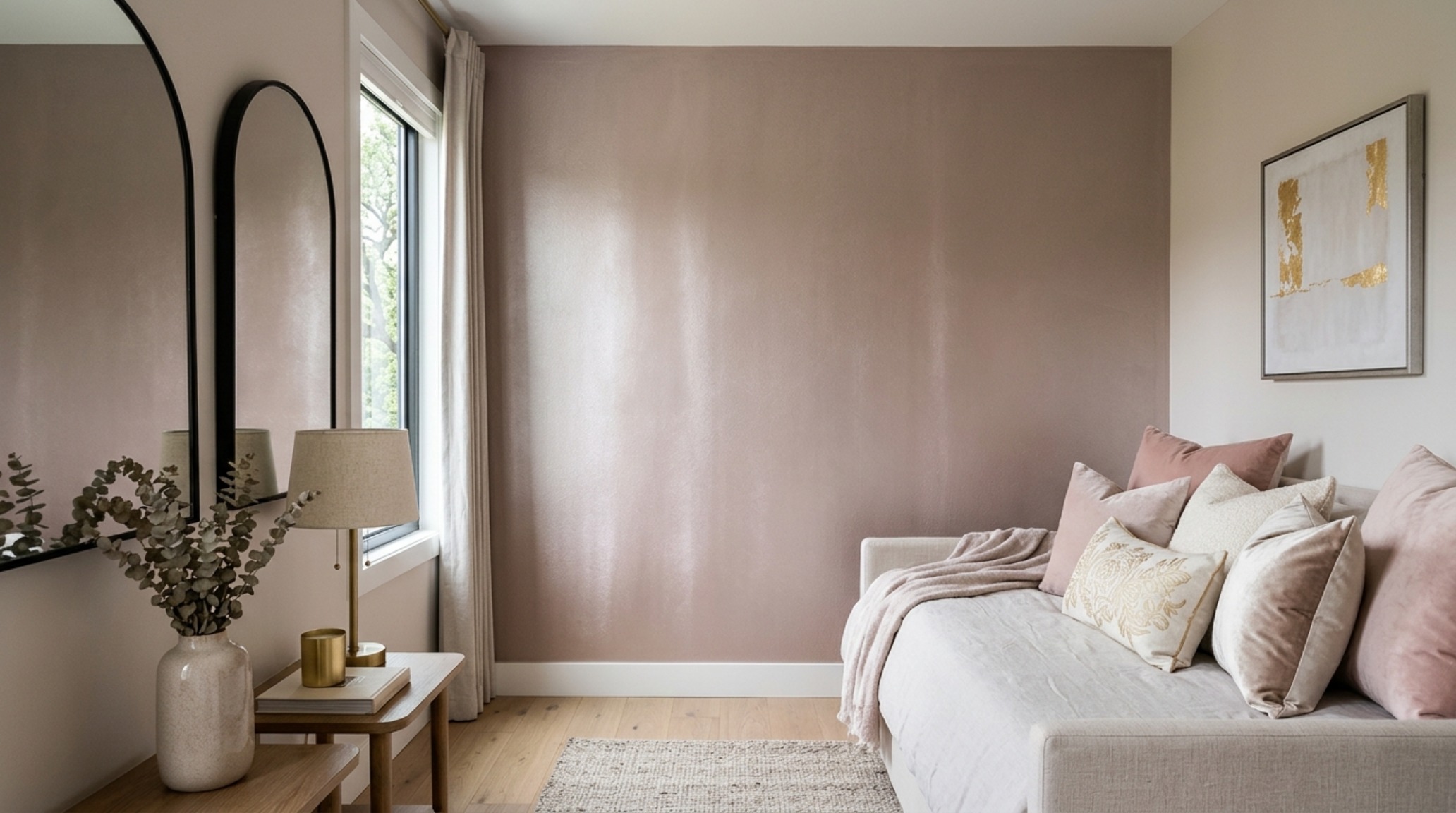
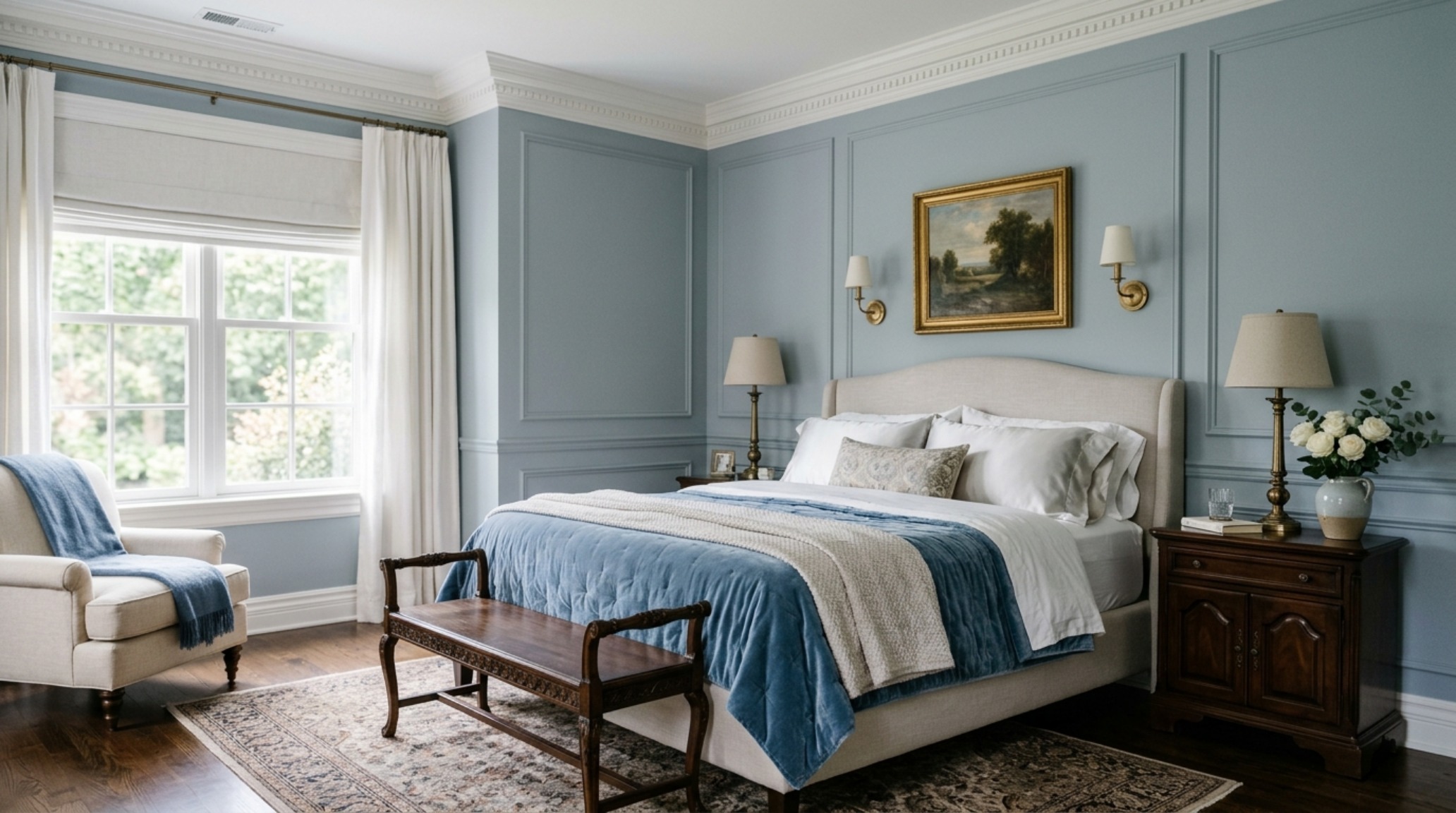
The transition into young adulthood necessitates a palette that reflects intellectual and emotional maturation. We are seeing a move toward what I call ‘complex neutrals’—colors that possess a hidden undertone that reveals itself only under specific lighting conditions. Instead of a flat, candy-colored pink, we look toward sophisticated bedroom colors for teens like Benjamin Moore’s First Light or the earthier Dead Salmon by Farrow & Ball. These hues act as a neutral backdrop but offer a warmth that standard grays lack.
When selecting these shades, the Light Reflectance Value (LRV) is paramount. A color with an LRV of 50 will behave very differently in a north-facing room than in a south-facing one. In a space with limited natural light, these complex hues can feel muddy if not paired with high CRI (90+) artificial lighting. We recommend a layered approach: 2700K for ambient warmth and 3000K for task-oriented zones, ensuring the paint’s pigment remains true to its intended depth throughout the day.
Modern Paint Palettes for Girls Rooms: The Science of Chromatic Balance
Achieving balance requires an understanding of the 60-30-10 rule, but with a refined architectural twist. We might apply a 60% base of a muted, chalky white like Swiss Coffee, but the real magic happens in the 30%—the secondary color. Modern paint palettes for girls rooms are increasingly utilizing moody jewel tones like slate teal or a dusty, desaturated lavender. These aren’t just colors; they are spatial tools. A slate teal (think Benjamin Moore’s Mount Saint Anne) provides a psychological grounding effect, perfect for a study nook or a headboard wall.
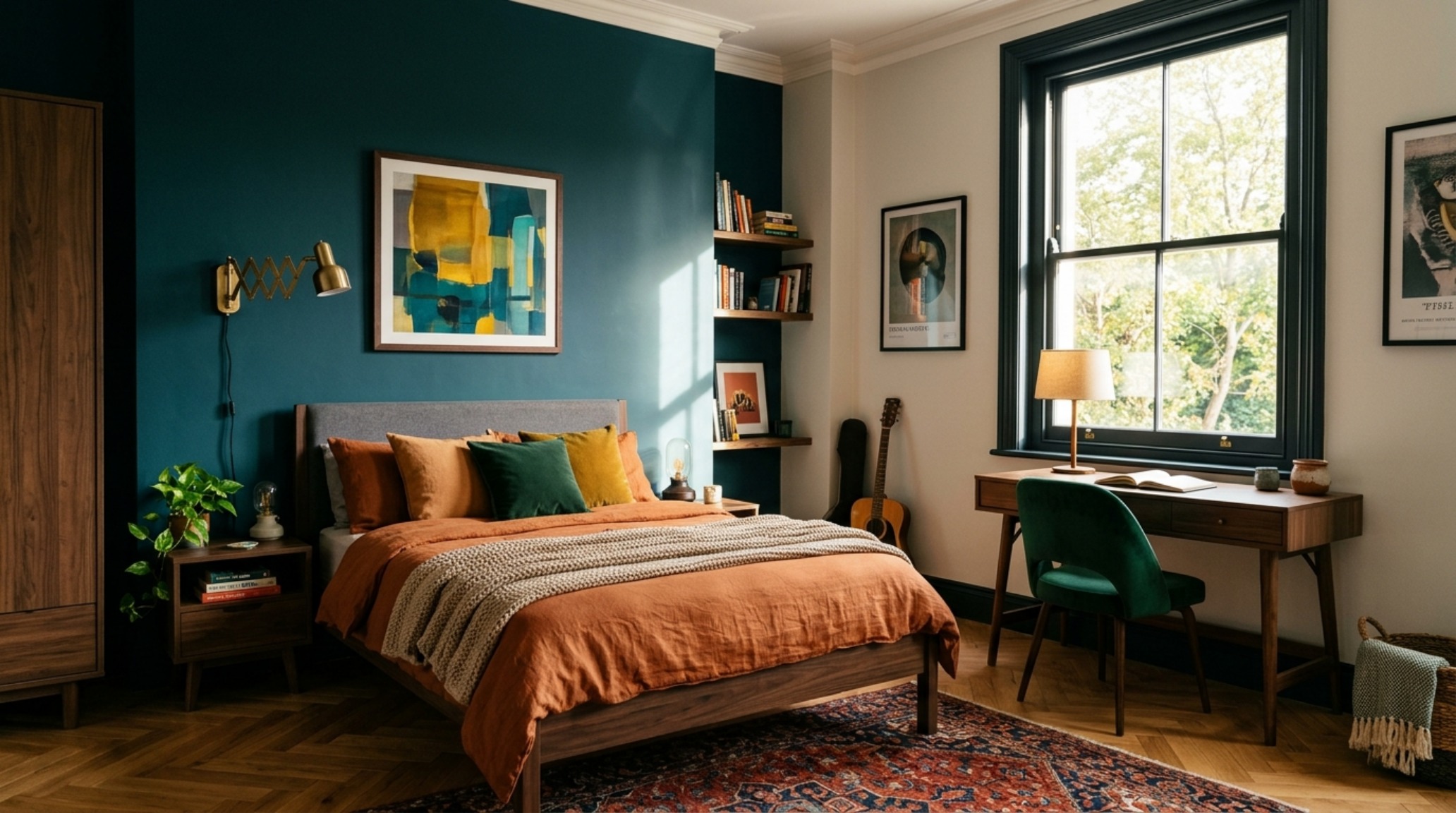
Architectural Vignettes & Spatial Flow
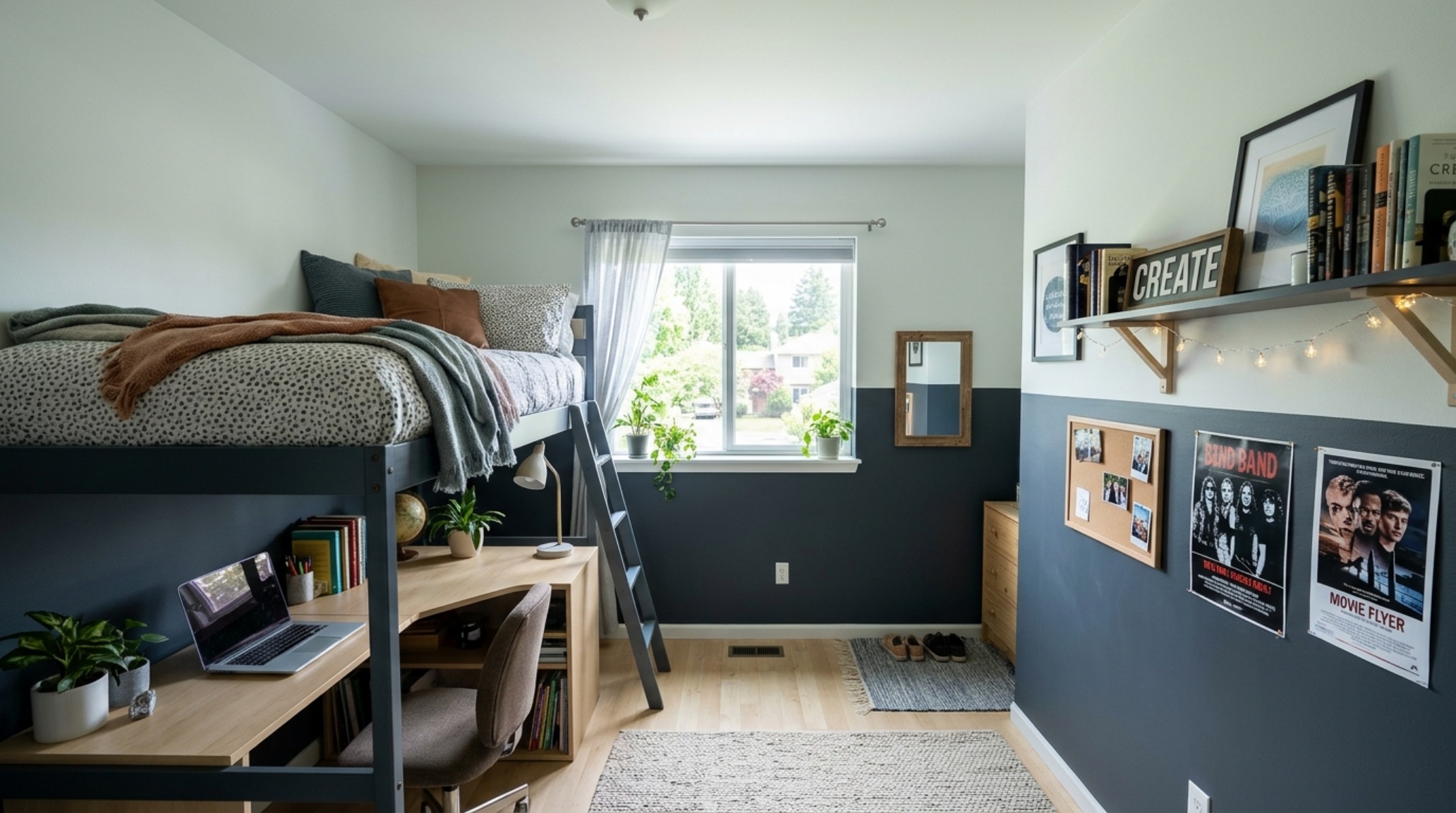
The physical layout of the room dictates how color should be applied. We must respect the 36-inch primary circulation paths and the 30-inch clearance required for a functional desk chair. When paint is applied in a way that respects these architectural clearances, the room feels intentional. For instance, using a darker hue behind a desk area helps define that ‘zone’ without the need for physical partitions, maintaining the negative space breathing room that is so essential in smaller residential footprints.
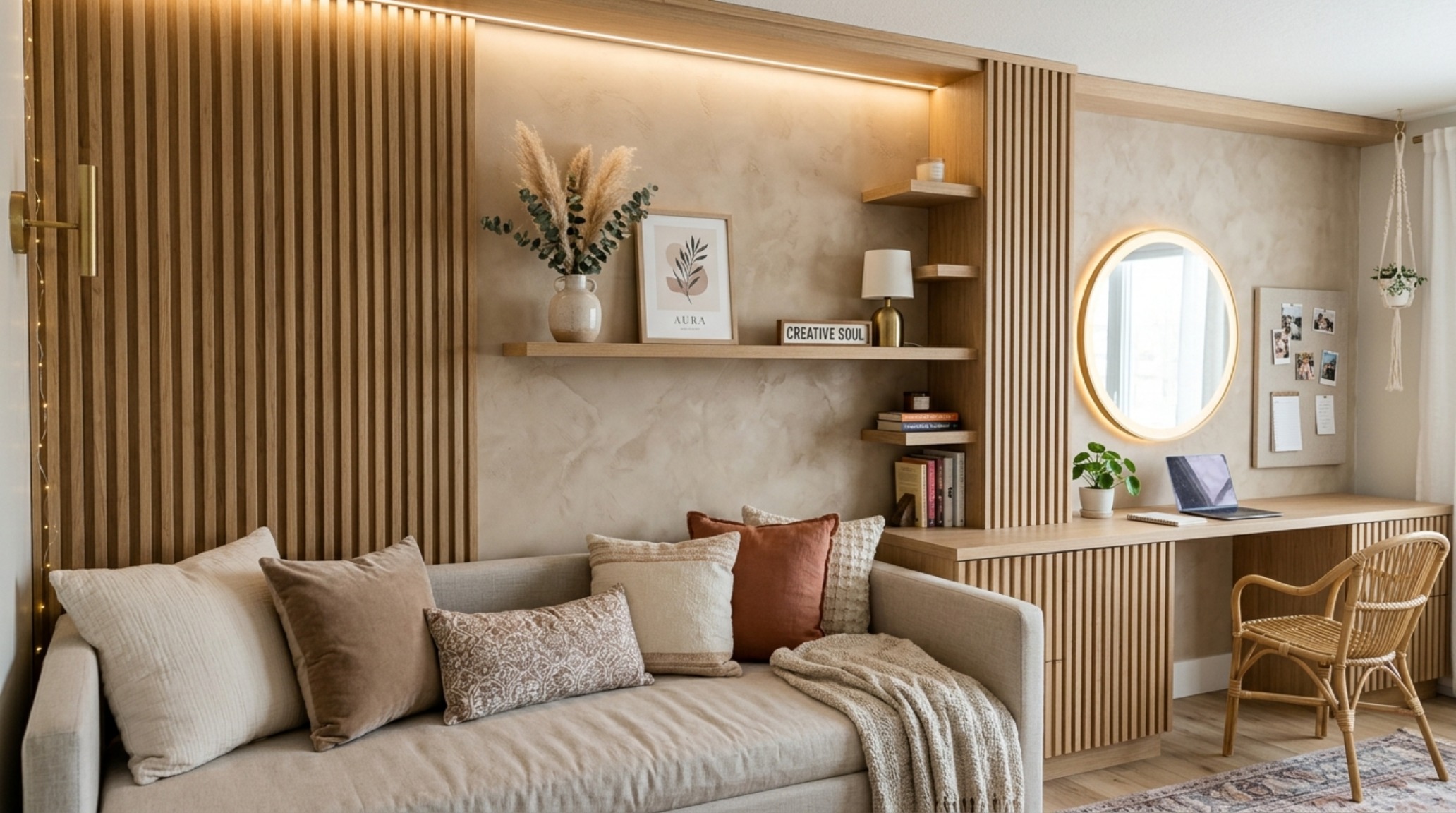
Teen Girl Accent Wall Designs: Tactile Depth and Shadow Play
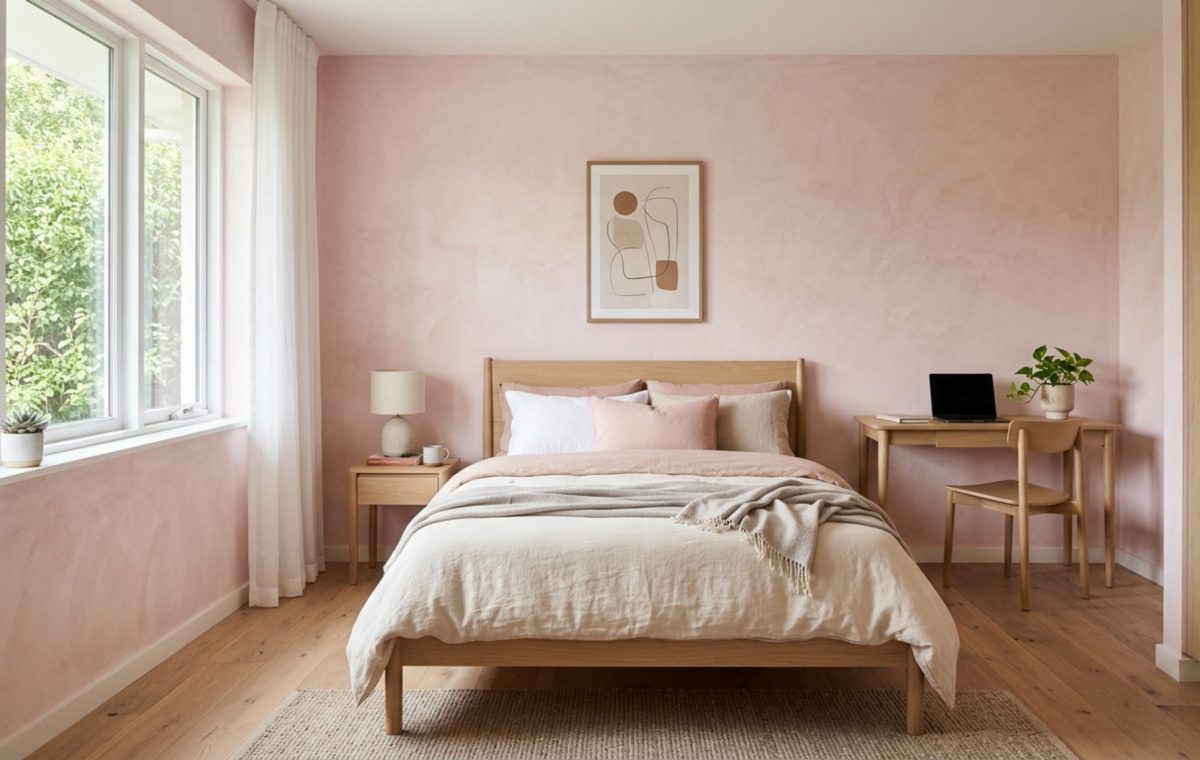
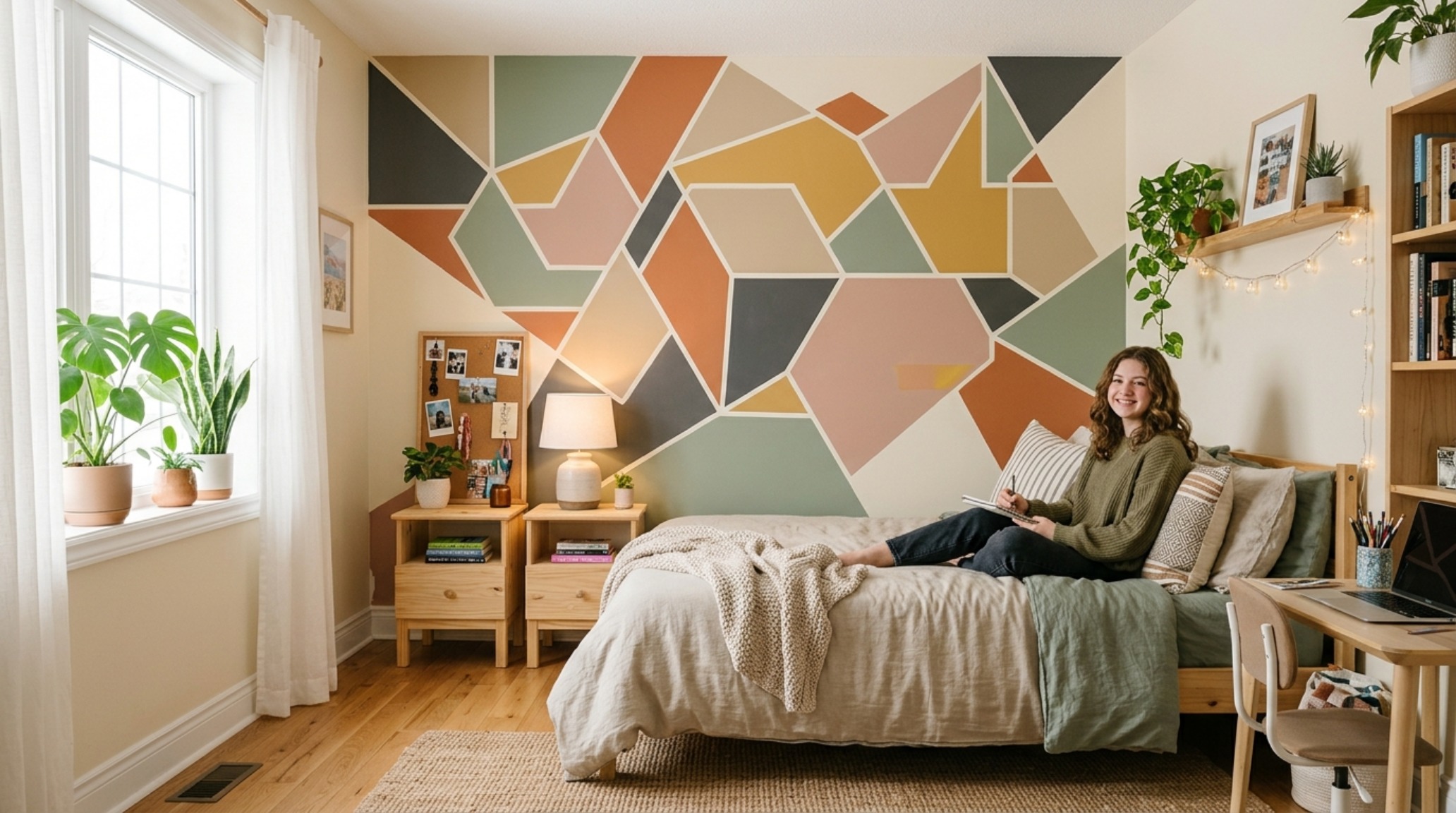
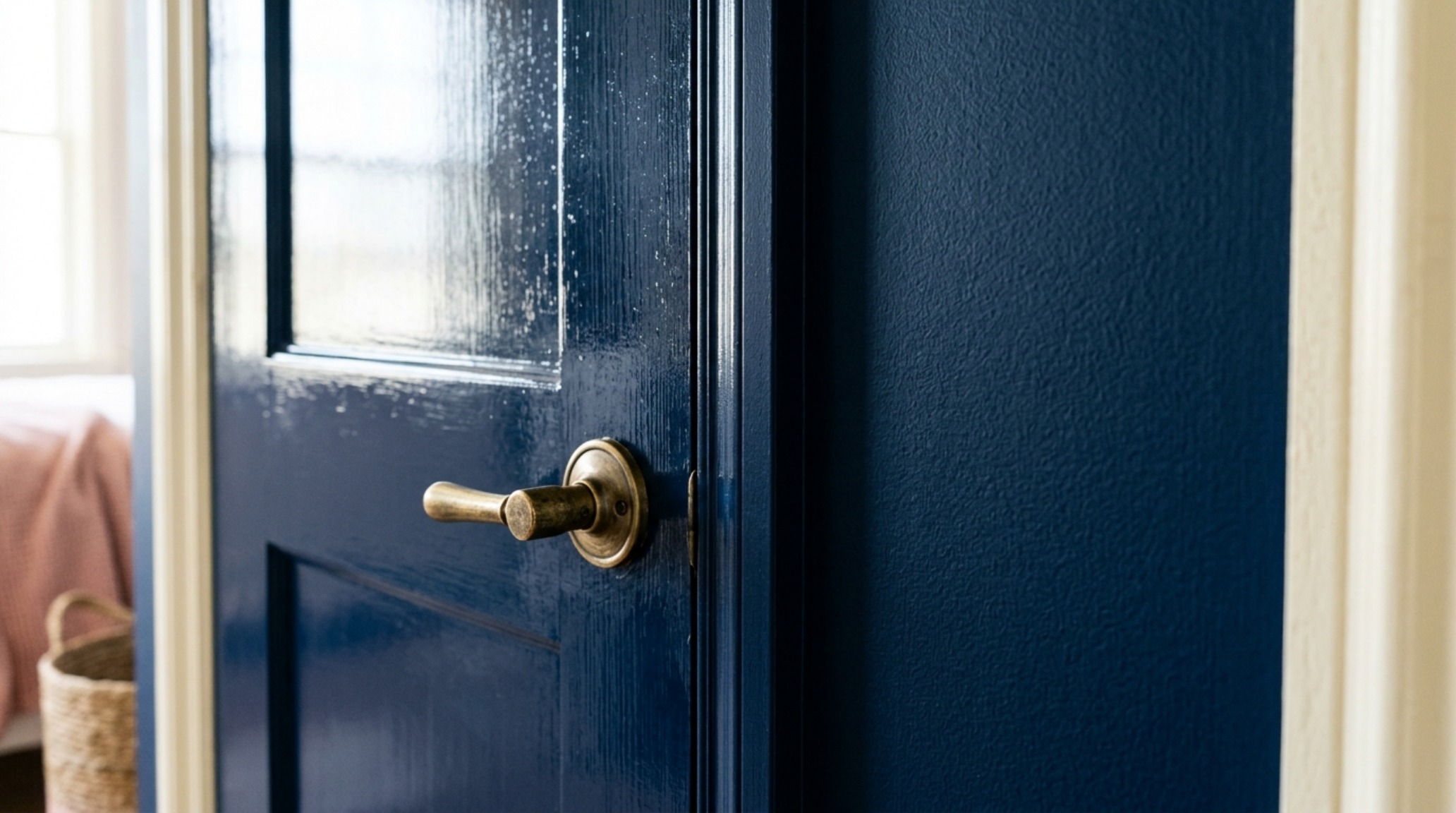
The traditional ‘accent wall’ is being reimagined. Rather than a singular flat color, we are seeing teen girl accent wall designs that incorporate texture and sheen variation. Imagine a wall treated with a Roman Clay finish or a lime wash. The irregular, tactile nature of these materials creates a soft, suede-like appearance that catches light in a way that flat latex paint never could. Alternatively, applying a high-gloss lacquer in the same color as the surrounding matte walls creates a ‘ghost’ architectural detail—a sophisticated play on light and shadow that feels incredibly high-end.
“Design is not just what it looks like and feels like. Design is how it works emotionally within the confines of a four-walled sanctuary.”
Small Bedroom Paint Tricks for Teens: Expanding the Architectural Envelope
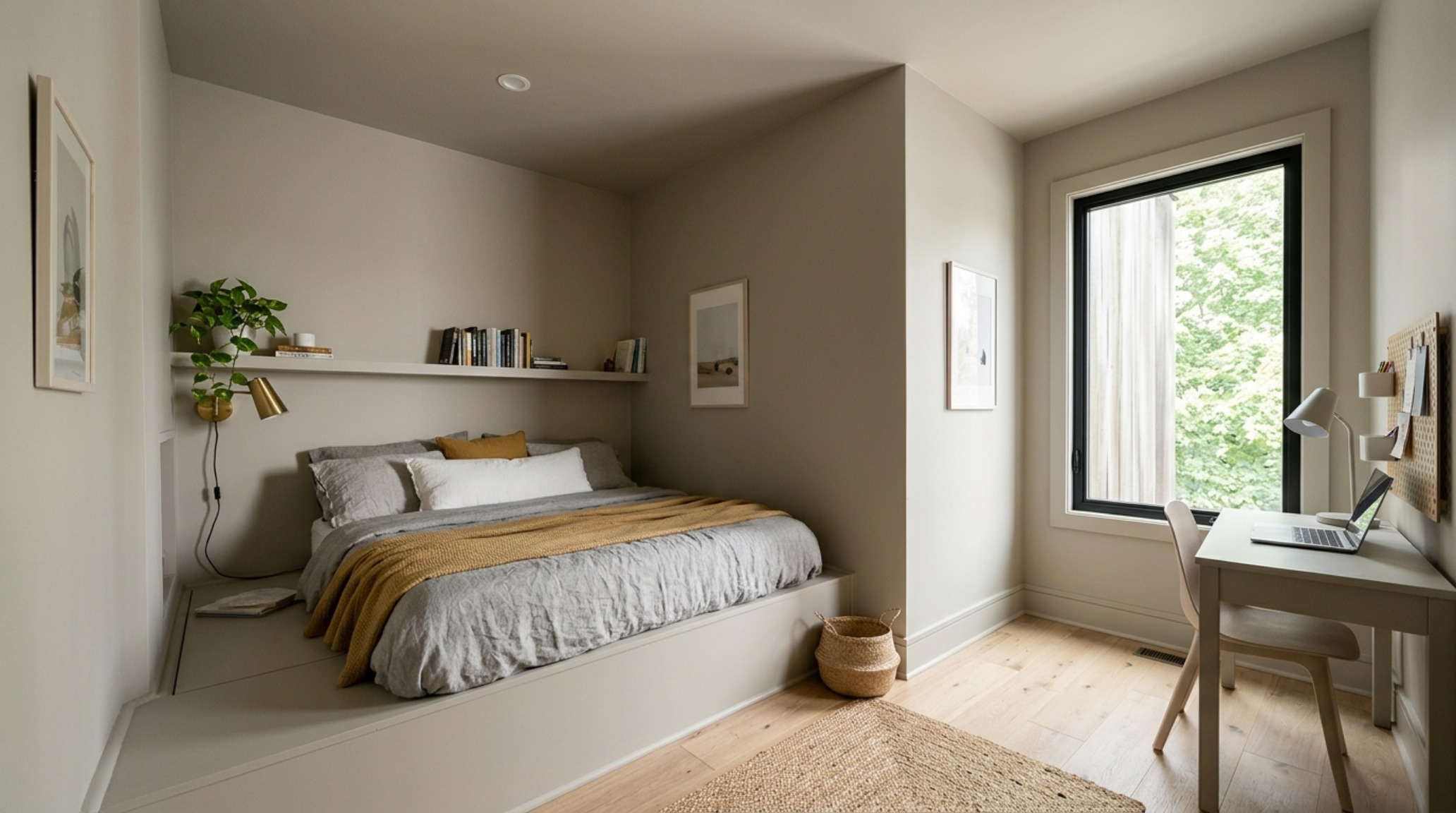
In urban environments where square footage is at a premium, color becomes our primary tool for spatial expansion. Small bedroom paint tricks for teens often involve ‘color drenching’—painting the walls, trim, and even the ceiling in the exact same hue. This eliminates the visual breaks that usually stop the eye at the baseboard or crown molding, effectively pushing the walls back. If the ceiling is lower than the standard 9 feet, using a slightly higher sheen on the ceiling (like an eggshell vs. a matte wall) can reflect just enough light to create an illusion of height.
Another technique involves the use of horizontal ‘datum lines.’ By painting the lower 30 inches of a wall (aligned with desk or window sill height) in a darker shade and the upper portion in a lighter tint, you ground the furniture while drawing the eye upward. This simple geometric trick provides a sense of order and architectural stability in a compact environment.
Moody Teen Girl Room Decor: The High-Contrast Sanctuary
There is a growing desire for ‘cocooning’—creating a space that feels safe and introspective. This is where moody teen girl room decor excels. Deep, saturated colors like charcoal, navy, or even a muted eggplant can be incredibly soothing when executed correctly. The key is contrast. In a moody room, the furniture should provide ‘visual air.’ Light oak finishes, white linens, and metallic accents like unlacquered brass prevent the dark paint from feeling oppressive. The shadow play created by a deep-toned wall is the ultimate luxury; it provides a backdrop that makes every piece of art or textile pop with renewed intensity.
Transitional Bedroom Paint Colors: Future-Proofing Through Pigment
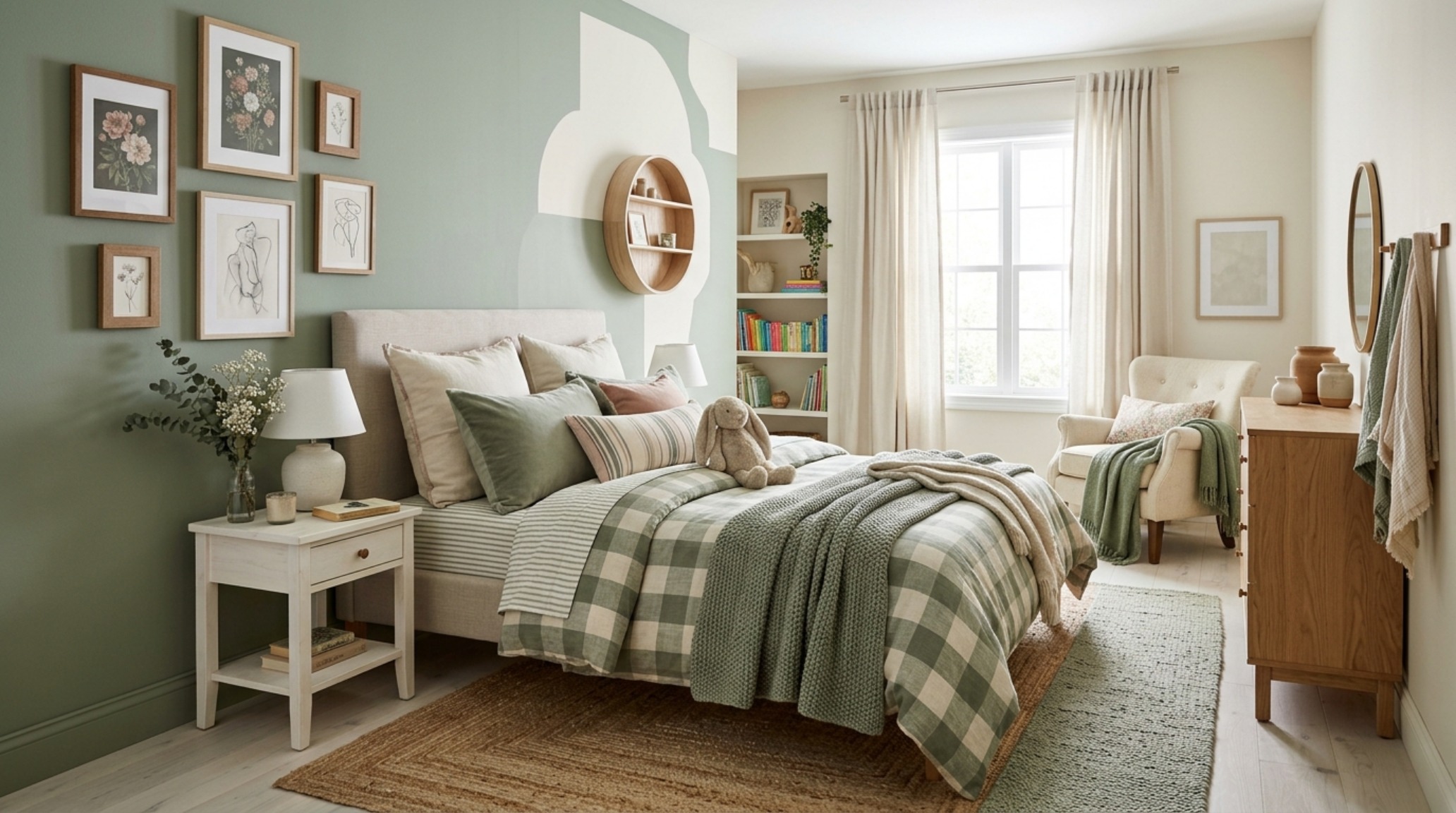
As designers, we must think about the room’s lifespan. Transitional bedroom paint colors are those that bridge the gap between adolescence and the early twenties. Muted sage greens (like Farrow & Ball’s Saylor’s Blue) or warm greiges (like Revere Pewter) are timeless. They allow the occupant to change their decor—from posters to fine art, from cotton to velvet—without ever needing to repaint. This sustainability in design is both economically wise and aesthetically mature.
Finishes, Material Specs & Palette Details
Bespoke specification schedule outlining tactile textures, lighting ambiance, and ergonomic proportions.
Ultimately, curating the perfect environment for a teenager is an exercise in architectural empathy. By integrating these teenage girl paint bedroom ideas with a focus on finish, light, and ergonomic flow, we create more than a room; we create a vessel for growth. As the light shifts across a matte-painted wall at dusk, the space transforms, mirroring the constant evolution of the young woman who inhabits it. It is this living, breathing quality of design that turns a house into a home and a bedroom into a lasting legacy of personal style.
Editorial Silo • Recommended Architecture Studies
- The Architectural Playbook: Cute Bedroom Ideas For Girls & Optimizing Structural Flow and Custom Joinery in Girls’ Bedrooms — Archival Design Case Study
- The Tactile Aesthetic of Cool Bedrooms For Teenagers: Materials, Moods & Lighting Kelvin — Archival Design Case Study
The Interior Design Visualizer
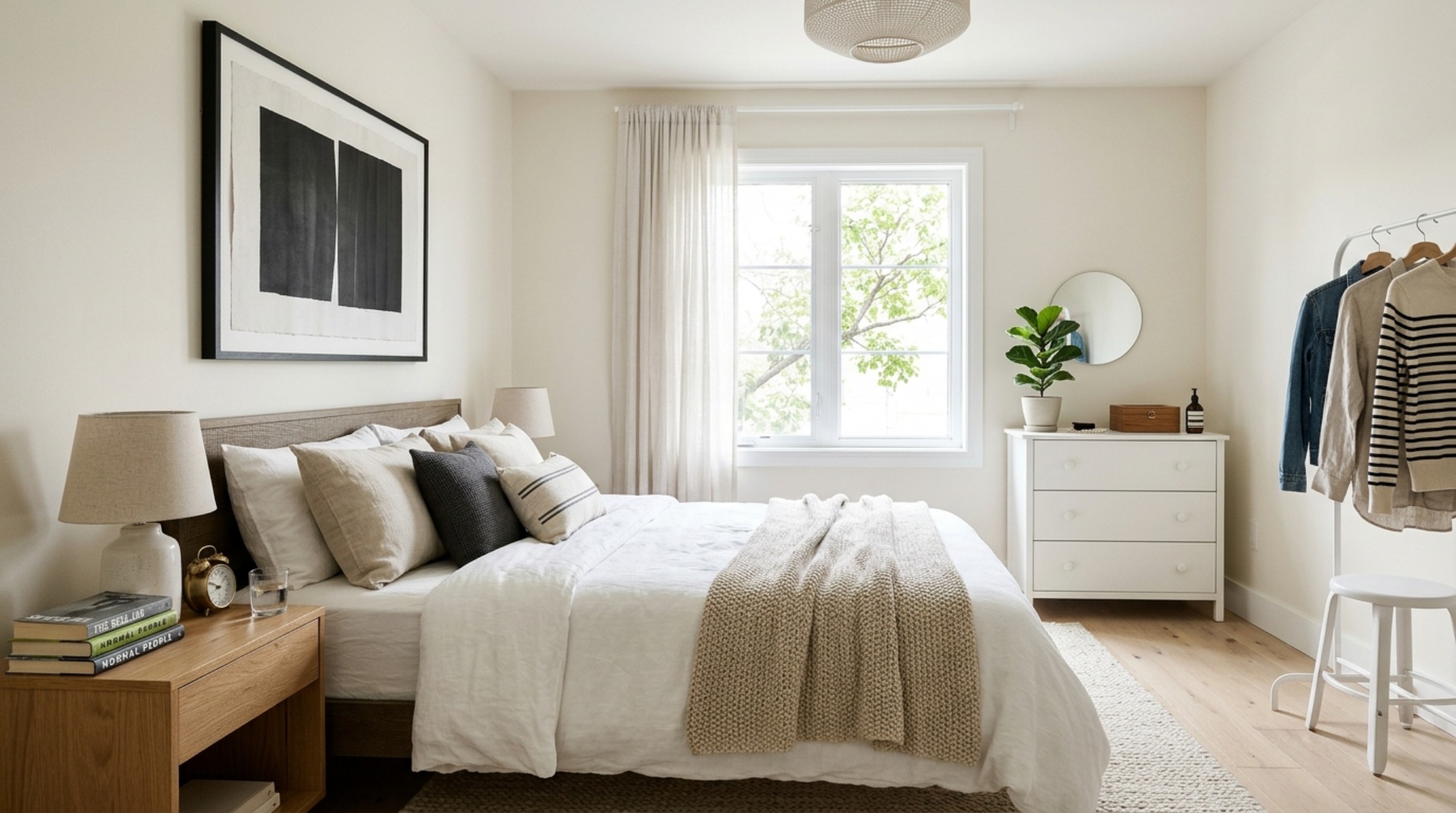
A curated visual breakdown of structural layout, layered lighting, and material compositions.
Curated Visual Lookbook
Design Gallery & Spatial Studies
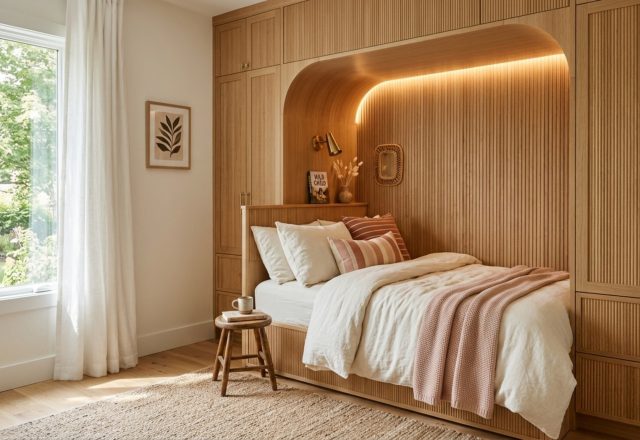
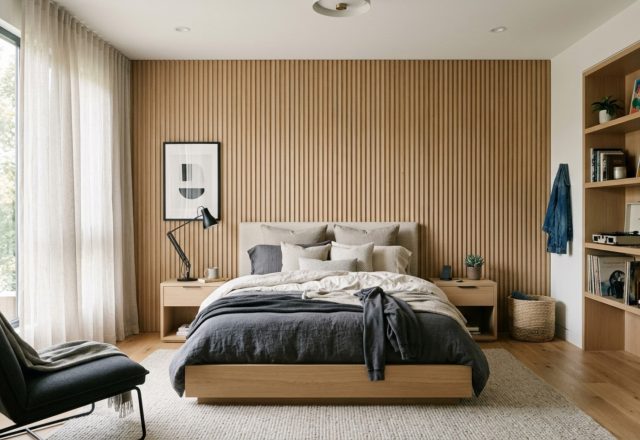
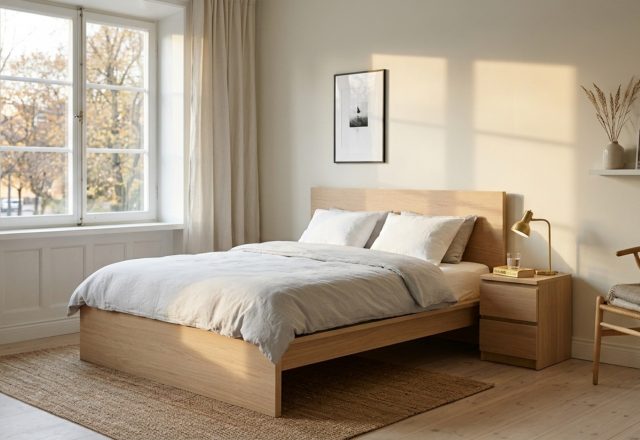
A visual curation of architectural arrangements, lighting concepts, and material palettes featured in this space.