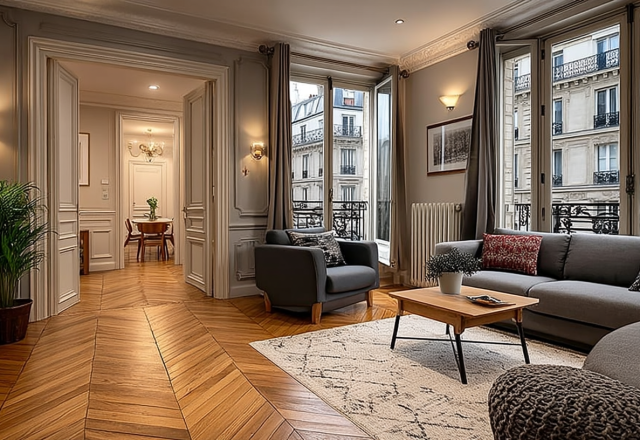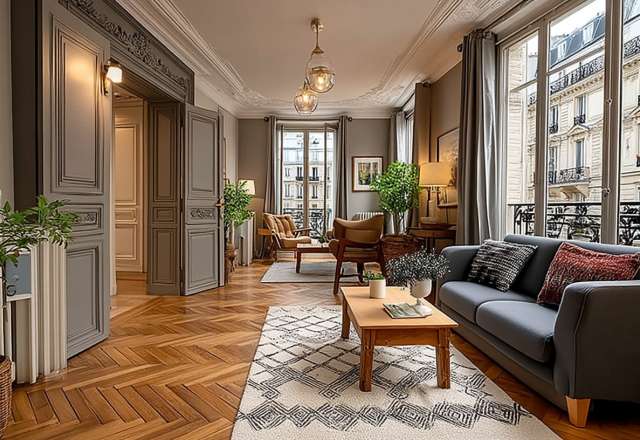
Standard white plastic light switches can instantly ruin the atmosphere of a carefully restored historic home. When you spend months matching wall moldings, sourcing vintage door frames, and dialing in wall paint finishes, modern hardware sticks out like a glaring mistake. Details matter. Small tactile elements create the overall impression of a room.
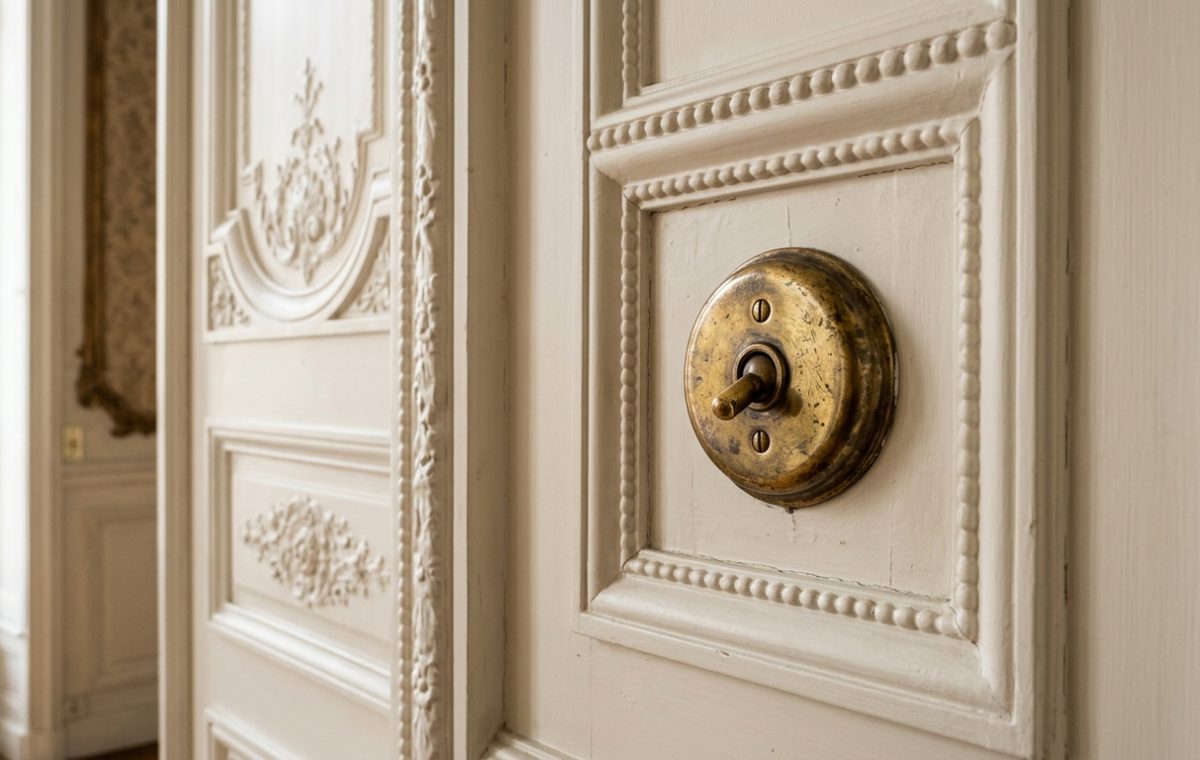
Take a close look at how heavy brass hardware interacts with ornate paneling. A patinated brass toggle light switch does not just turn lights on and off. It adds weight, historical authenticity, and tactile pleasure to an everyday mechanical action. You notice the click. You feel the cool metal. That minor sensory engagement grounds the entire space in craftsmanship rather than mass-produced convenience.
The Problem with Modern Switches in Historic Spaces
Modern toggle plates are flat, glossy, and designed to disappear. But in rooms featuring heavy wainscoting, intricate carved door panels, and layered moldings, a disappearing switch often looks cheap. Instead of hiding utility hardware, lean into it. Highlighting hardware as a decorative element transforms a functional necessity into an intentional design feature.
When selecting historical hardware, matching the finish to your door hinges and cabinet pulls creates visual cohesion. Unlacquered brass ages gracefully, developing dark tones in high-touch areas. This natural patina tells a story. It proves that the home is lived-in, loved, and maintained with genuine materials.
Installation Realities and Mounting Considerations
Before swapping out every switch plate in your house, consider the underlying electrical boxes. Older homes often feature shallow junction boxes or uneven plaster walls that make flush mounting a challenge. You might need custom spacer rings or custom faceplate sizing to prevent gaps between the ornate molding and the metal plate.
- Inspect the box depth before ordering heavy brass plates.
- Choose solid brass over plated alternatives for longevity and authentic aging.
- Account for thick layers of historic wall paint that might prevent flush seating.
Wiring older switches also demands patience. Always shut off the main breaker before touching any vintage hardware. Many antique-style reproduction switches feature heavier internal springs, requiring a firm, satisfying click that feels completely different from flimsy contemporary toggles.
How do you balance modern electrical safety requirements with the desire for authentic period hardware in your own restoration projects?
Editorial Lookbook & Photo Collection