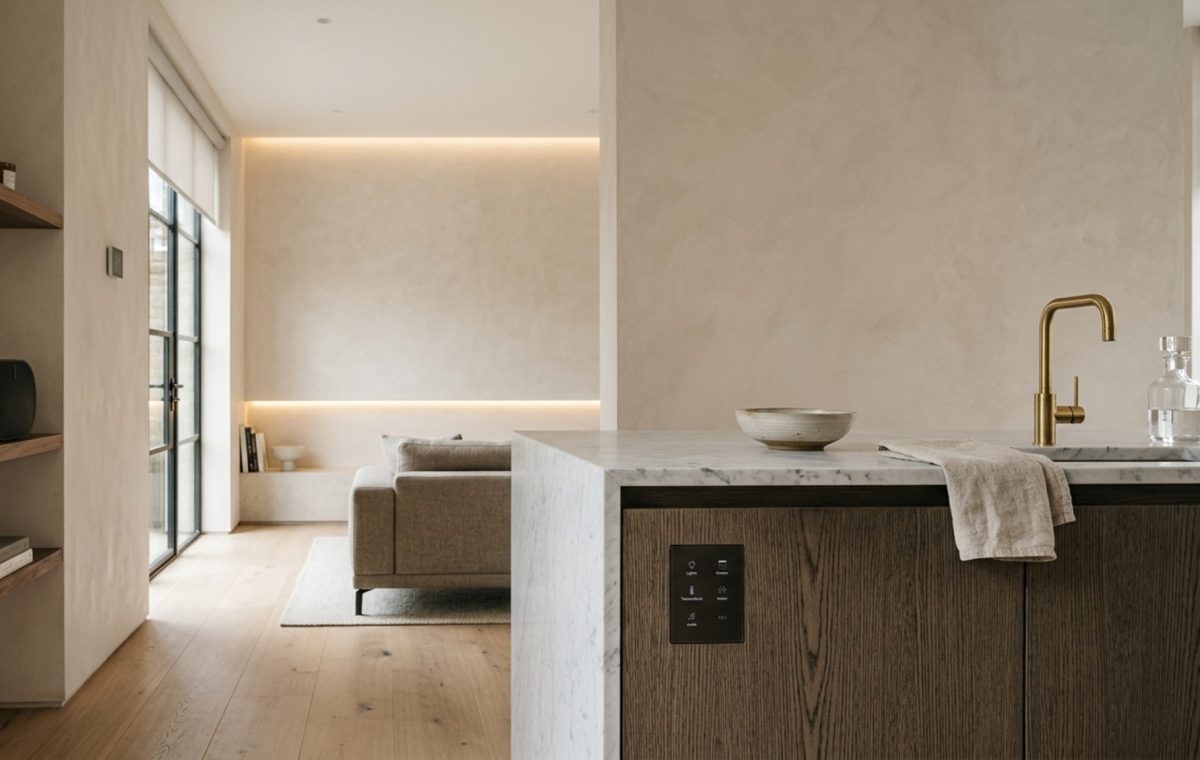
CURATORIAL CRITIQUE & DESIGN ANTHOLOGY: The most profound evolution in contemporary residential architecture isn’t found in the silhouette of a cantilevered roof or the texture of a hand-applied lime wash; it is found in the silence of the walls. To effectively automate your house is to move beyond the gimmick of the glowing screen and the plastic dongle. Truly intelligent architecture is about the synthesis of form and function where the smart element is woven into the very studs and millwork of the building, preserving architectural purity while enhancing the human experience. As an observer of high-end sanctuaries, I have seen that the most sophisticated homes are those where the technology is felt but never seen, prioritizing a tactile honesty over digital clutter.
Do: Prioritize a Hardwired Foundation for Wireless Home Networking
The cardinal rule of high-performance design is that wireless starts with a wire. To successfully automate your house, you must first establish a robust backbone of CAT6a or CAT7 cabling. This infrastructure should terminate in a centralized, ventilated media closet rather than being scattered across bookshelves. When we discuss wireless home networking in a professional context, we are referring to the placement of enterprise-grade access points, like those from Ubiquiti or Eero, that are flush-mounted or hidden within custom millwork shadow gaps. This ensures a seamless spatial cadence where connectivity is as reliable as the plumbing.
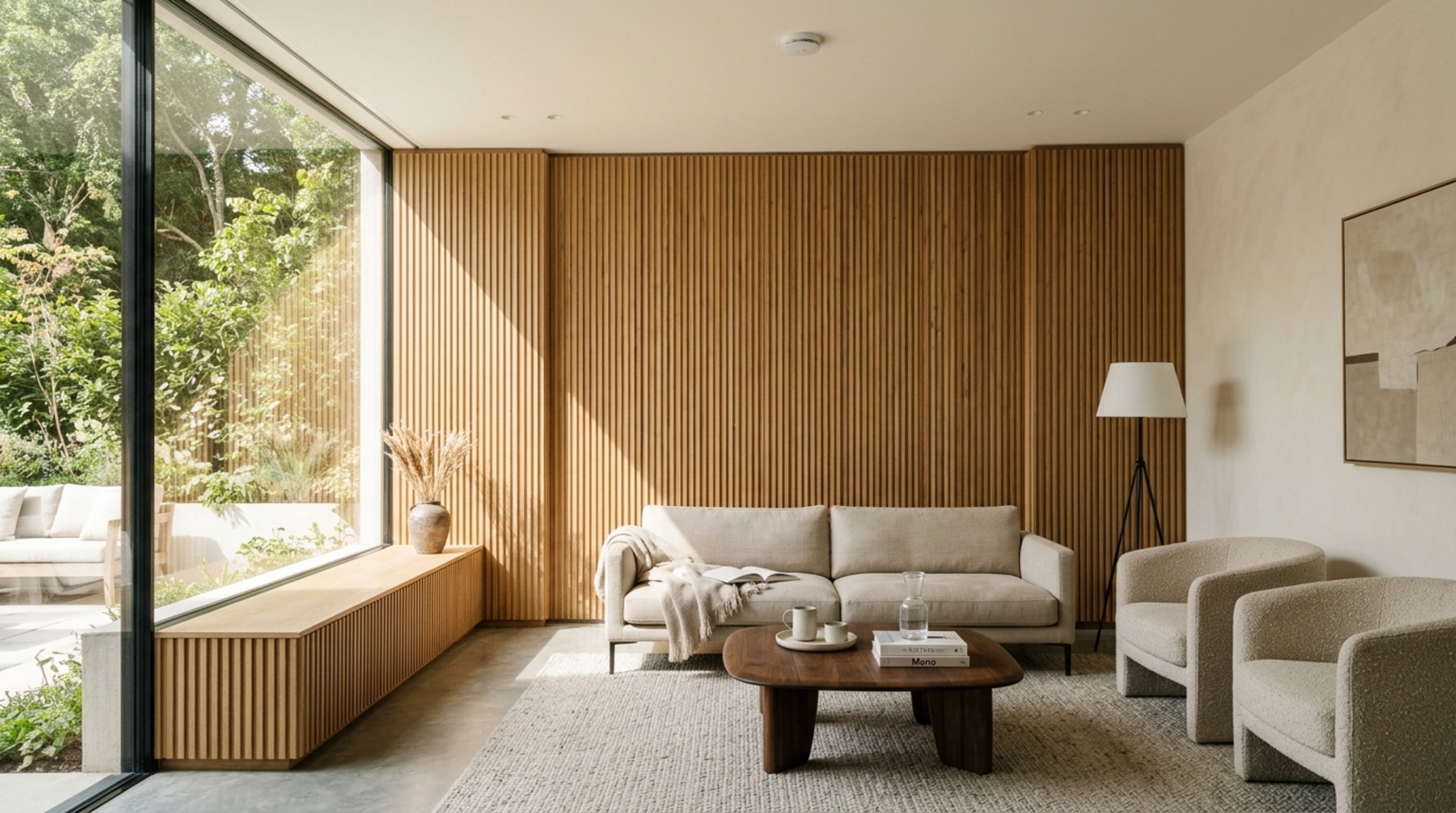
Pro Tip: Install redundant conduit runs in primary walls. It is far cheaper to run an empty pipe during a renovation than it is to open a finished wall of Farrow & Ball Setting Plaster three years later when fiber optic standards evolve.
Don’t: Allow Tech Clutter to Disrupt Your Sightline Alignment
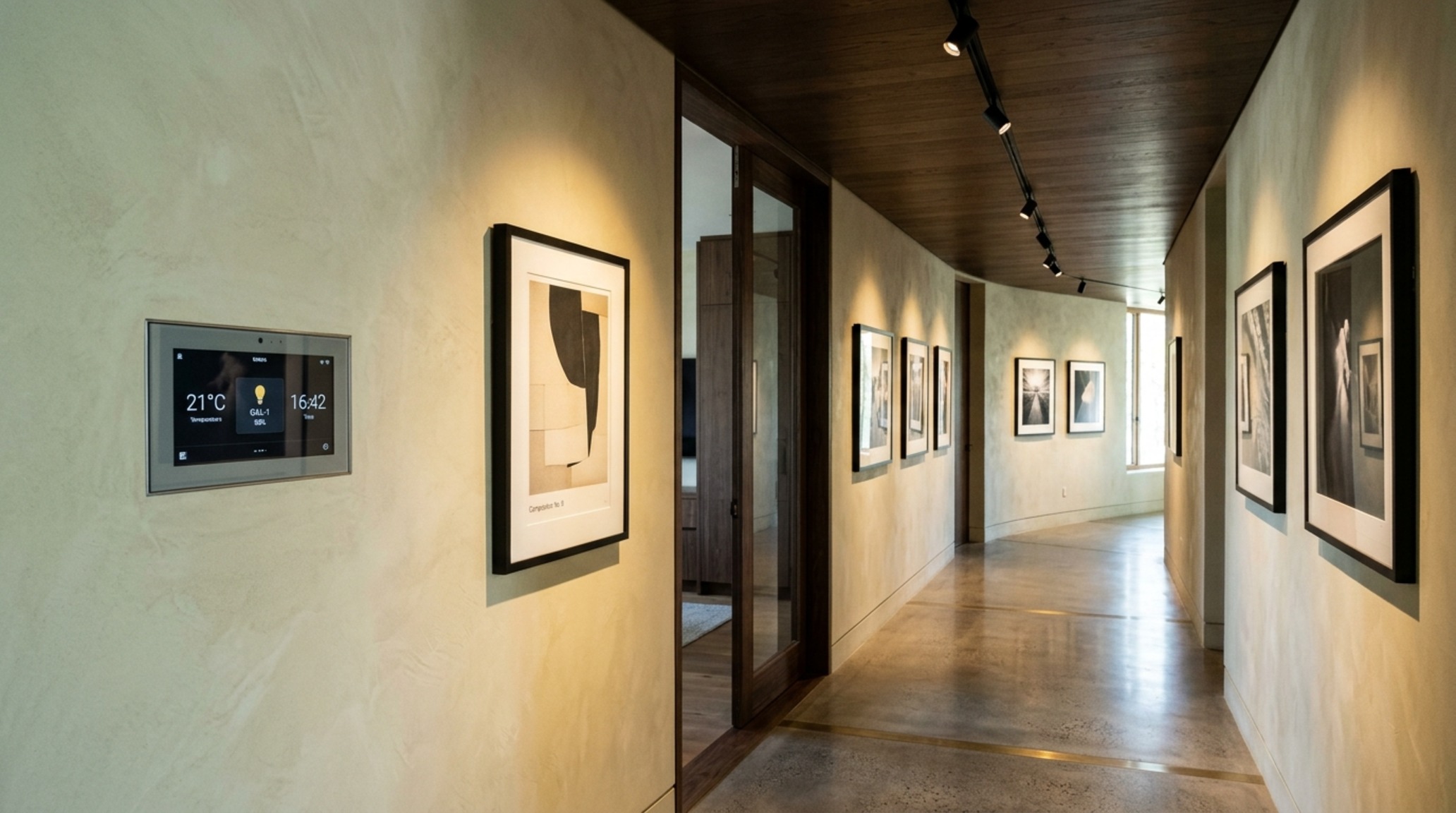
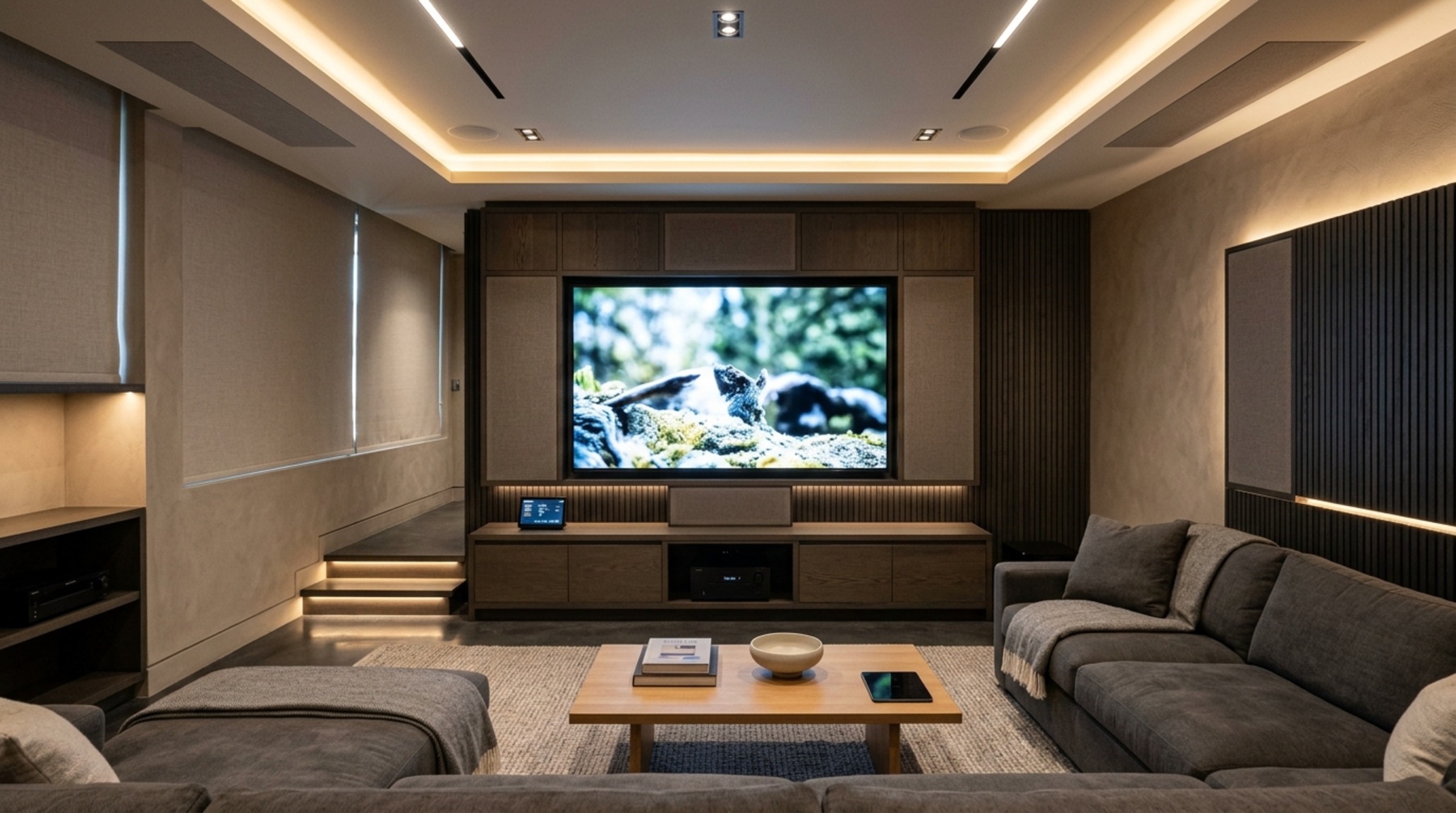
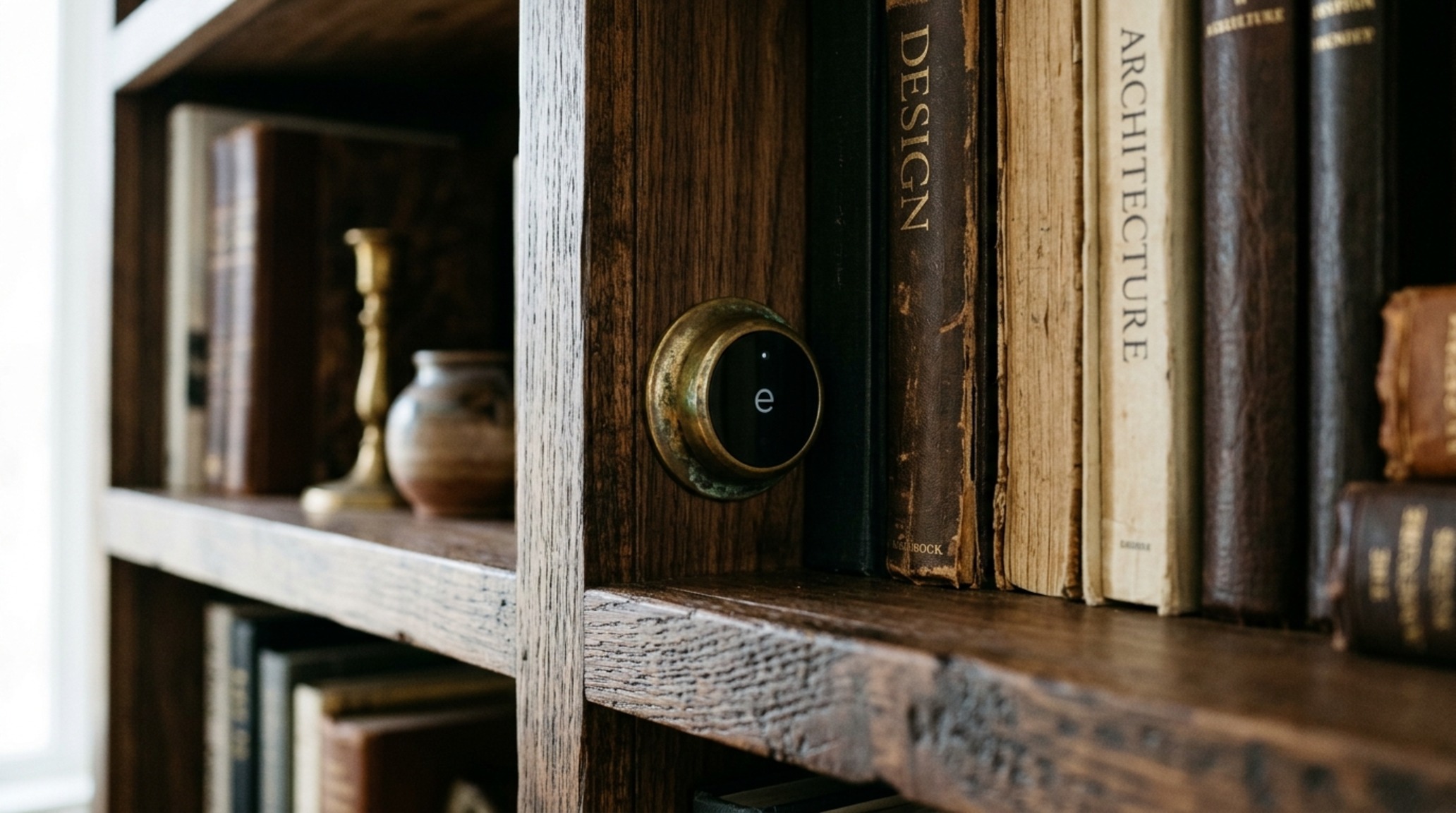
Nothing kills the serenity of a room faster than a visible nest of wires or a thermostat that looks like a cheap calculator. When you automate your house, resist the urge to place wall-mounted tablets in every room. Instead, use negative space to breathe. High-end integration favors the ‘invisible’—sensors hidden in baseboards, speakers behind acoustically transparent plaster, and control panels tucked inside cabinetry. Avoid the ‘ceiling acne’ of too many visible sensors; instead, choose multi-purpose devices that can be recessed into the architecture with the same precision as a 2-inch pinhole downlight.
Do: Elevate the Ambience with Voice-Activated Lighting Control
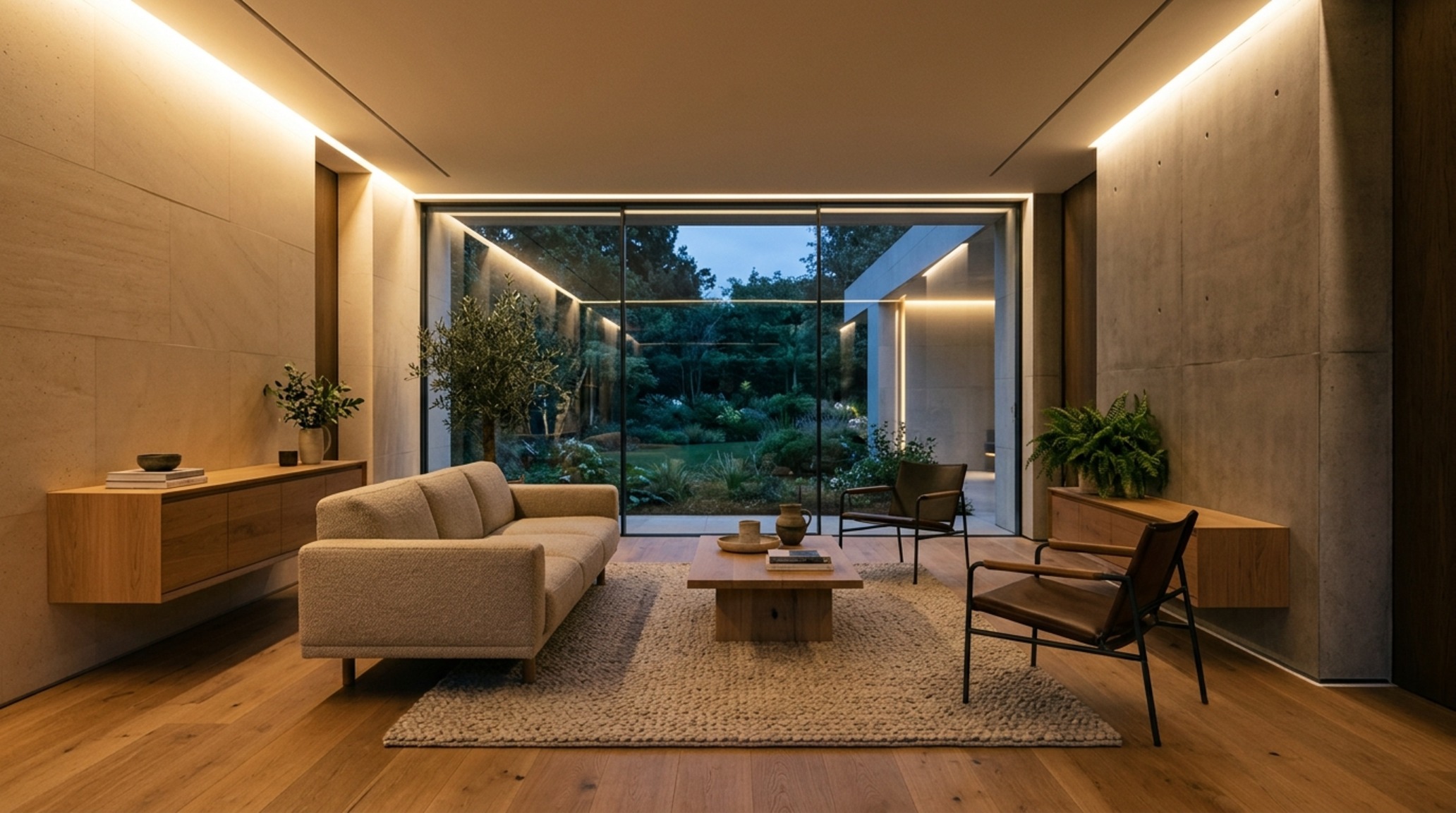
Lighting is the most emotional layer of interior design. Utilizing voice-activated lighting control allows you to sculpt the atmosphere without touching a single plastic switch. Imagine walking into a room and requesting a ‘Golden Hour’ scene where the lights transition to a warm 2700K with a High CRI of 90+, perfectly mimicking the late-afternoon sun. System like Lutron Palladiom offer keypads in finishes like patinated bronze or matte brass that align with your hardware, but the true luxury is the hands-free transition. By integrating these systems, you automate your house in a way that respects the visual flow of the walls.
Pro Tip: Ensure all LED drivers are compatible with your dimming system to avoid the dreaded ‘low-end flicker.’ High-quality drivers from ELDOLED or Lutron ensure a smooth fade-to-black that matches the spatial photography standards of Architectural Digest.
Don’t: Neglect the Efficiency of Smart Thermostat Energy Efficiency
A common mistake is placing a bulky thermostat in the middle of a gallery wall. To achieve smart thermostat energy efficiency, you should utilize remote sensors. These tiny, coin-sized discs can be placed discreetly in each zone, while the main control unit is hidden in a pantry or utility room. This allows the HVAC system to balance the climate based on actual occupancy rather than a single point of data in a hallway. When you automate your house with this level of granularity, you reduce energy waste and preserve the architectural integrity of your primary living spaces.
Automated Security Protocols: The Invisible Shield
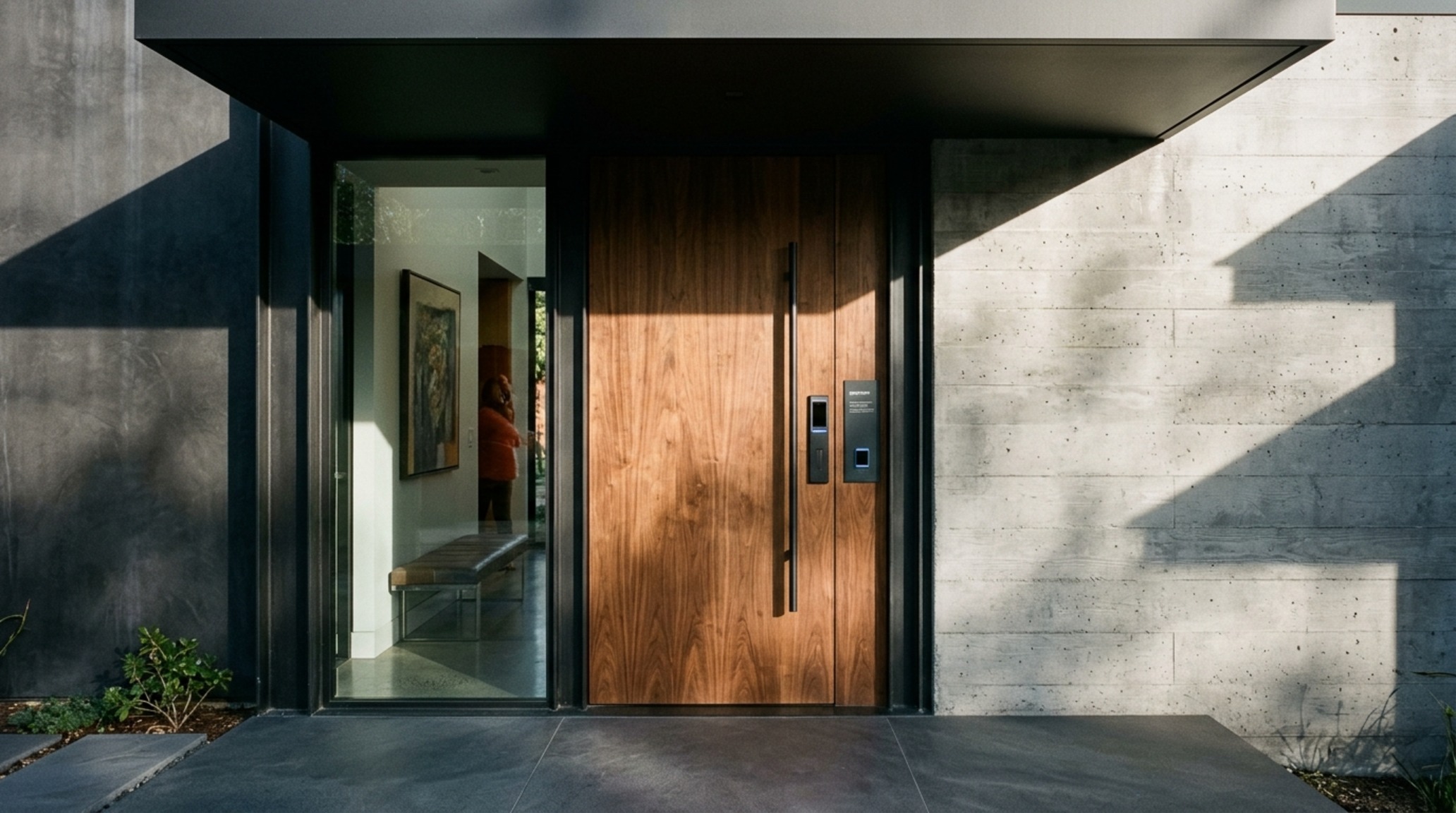
Security should be a whisper, not a shout. Modern automated security protocols involve biometric entry systems integrated into custom solid-core walnut doors and AI-driven cameras that recognize the difference between a falling leaf and a person. Instead of visible sirens, use integrated lighting that flashes red or white in an emergency. This level of foresight allows you to automate your house for safety without turning your sanctuary into a fortress. Proper integration ensures that your 36-inch standard walkway clearances remain unobstructed by bulky hardware.
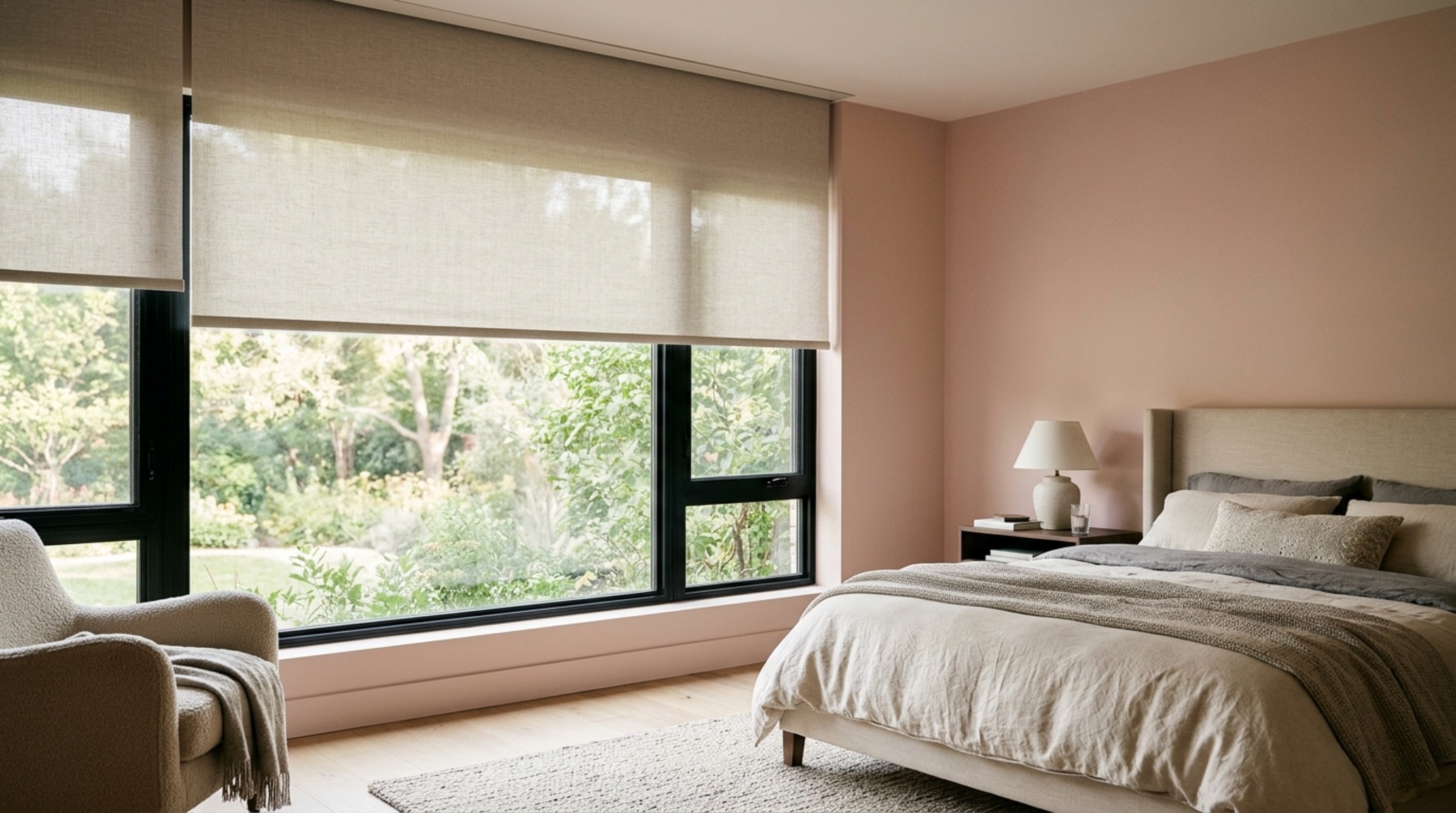
Do: Specify Motorized Window Treatments within Ceiling Pockets
Windows are the eyes of the home, and their dressing should be architectural. Motorized window treatments should always be planned with recessed ceiling pockets. A standard 4-inch by 4-inch pocket allows the roller mechanism to disappear completely when open, leaving nothing but the view. Whether you are using a sheer linen or a heavy blackout fabric, the silence of the motor is paramount. As you automate your house, focus on the timing—shades that rise with the sun and lower at dusk to protect your furniture from UV damage, all while you are miles away.
Don’t: Ignore the Ergonomics of Touchless Kitchen Fixtures
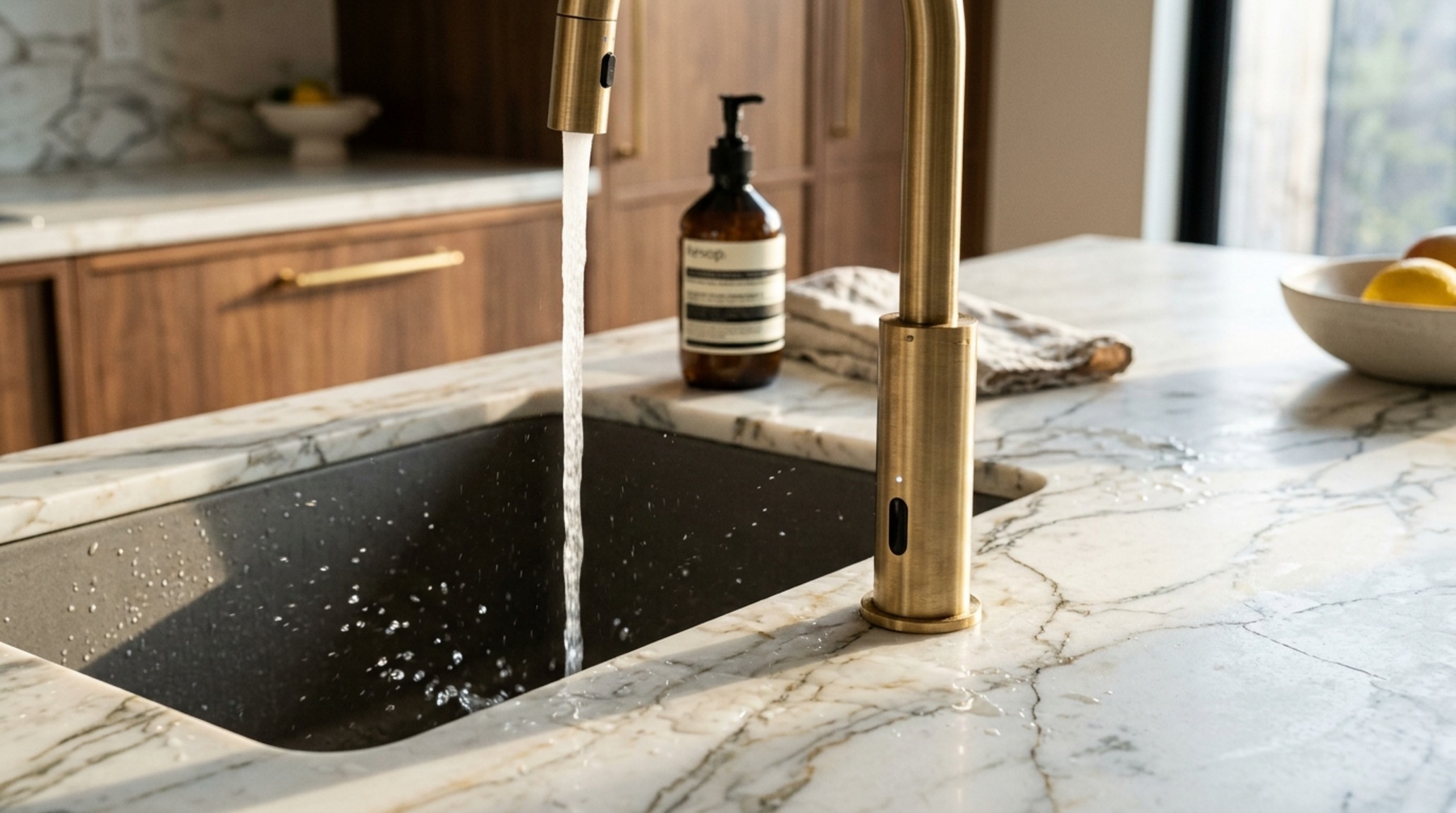
The kitchen is a workspace, and ergonomics are non-negotiable. Touchless kitchen fixtures represent the intersection of hygiene and high-performance design. When your hands are covered in flour or raw ingredients, a simple wave of the hand activates the flow, maintaining the cleanliness of your honed travertine or marble surfaces. However, do not just buy any sensor faucet; select one with a high-flow rate and manual override. When you automate your house at this level, you are improving the functional cadence of the most important room in the home.
Pro Tip: Pair touchless faucets with an integrated hot-water recirculating pump controlled by your central hub. This ensures instant 120-degree water, further enhancing the efficiency of the kitchen ecosystem.
The Value Proposition of Invisible Infrastructure
One must view the decision to automate your house as a long-term investment in property valuation. Future buyers are looking for ‘smart-ready’ homes where the infrastructure is already in place. This means the cabling is there, the ceiling pockets are cut, and the networking is enterprise-grade. It is the difference between a house that feels like a collection of gadgets and a house that feels like it has a soul. This structural approach ensures that as technology changes, the architecture remains timeless and adaptable.
Architectural Specification & Material Matrix
Key material specifications, color codes, lighting kelvin, and ergonomic clearances.
Common Questions on Invisible Tech
Does hidden technology make the home harder to repair?
Actually, quite the opposite. By centralizing your infrastructure into a media closet, any technician can diagnose the entire house from one location without opening walls or searching for hidden hubs.
Is voice control privacy-safe?
When you automate your house professionally, you can opt for local processing servers (like Josh.ai or Home Assistant) that keep your data off the cloud, ensuring your conversations stay within your four walls.
How do I start if I am not doing a full renovation?
Start with the lighting. Replacing your most-used switches with smart dimmers and adding a high-quality wireless bridge can transform the atmosphere of your home overnight without structural changes.
The choice to automate your house is ultimately a decision to simplify your existence. It is about removing the friction of the mundane so that you can focus on the poetry of the space. As we move forward, the homes that stand the test of time will be those that respond to us with a quiet intelligence, where the architecture itself becomes a living, breathing partner in our daily lives.
Editorial Silo • Recommended Architecture Studies
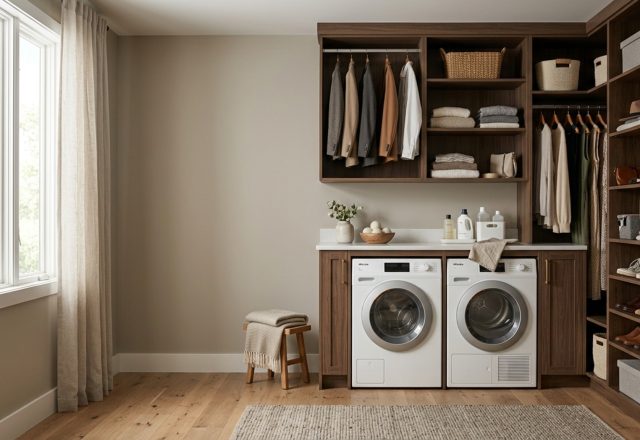
- 12 Walk in closet with laundry: Tidy Layout ideas — Archival Design Case Study
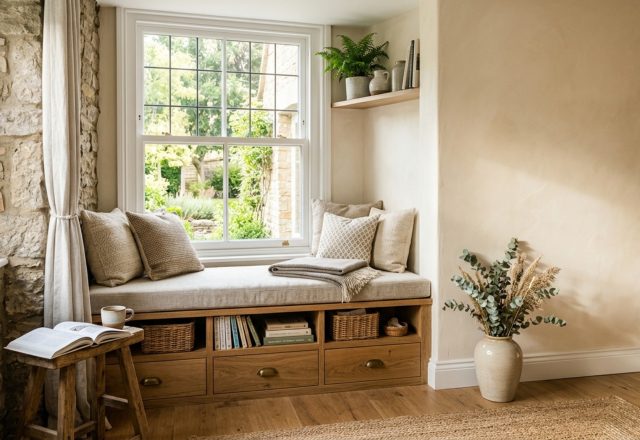
- 10 Window Nook: Dramatic Storage Ideas for Efficiency — Archival Design Case Study
Spatial Form & Lighting Chronicle
A high-resolution study in spatial proportions, tactile materiality, and light choreography curated for enduring modern living.
Curated Visual Lookbook
Design Gallery & Spatial Studies
A visual curation of architectural arrangements, lighting concepts, and material palettes featured in this space.